Why Knowing What Parts of Your HVAC System Need Cleaning Protects Your Home's Air
If you've ever wondered what parts of your HVAC system need cleaning, you're not alone — and the answer matters more than most homeowners realize. Here's a quick breakdown:
HVAC components that need regular cleaning:
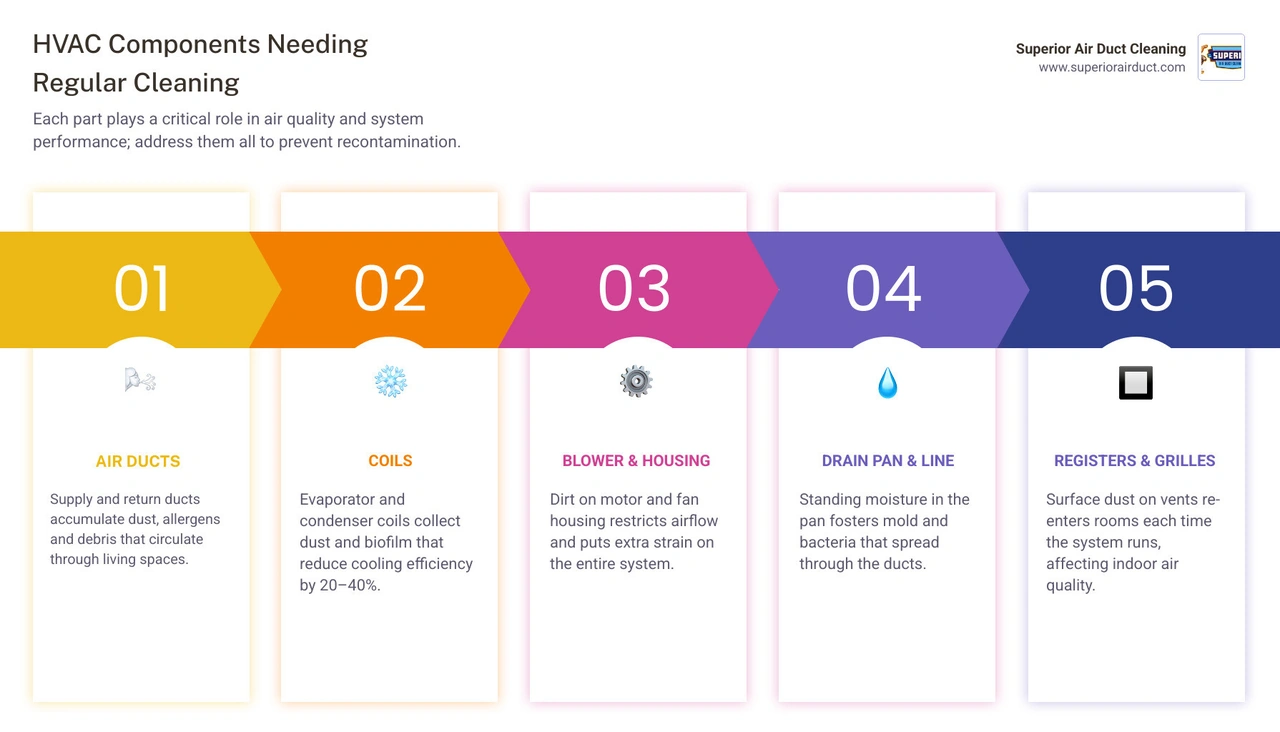
• Air ducts (supply & return) — Why It Needs Cleaning: Accumulate dust, allergens, and debris over time
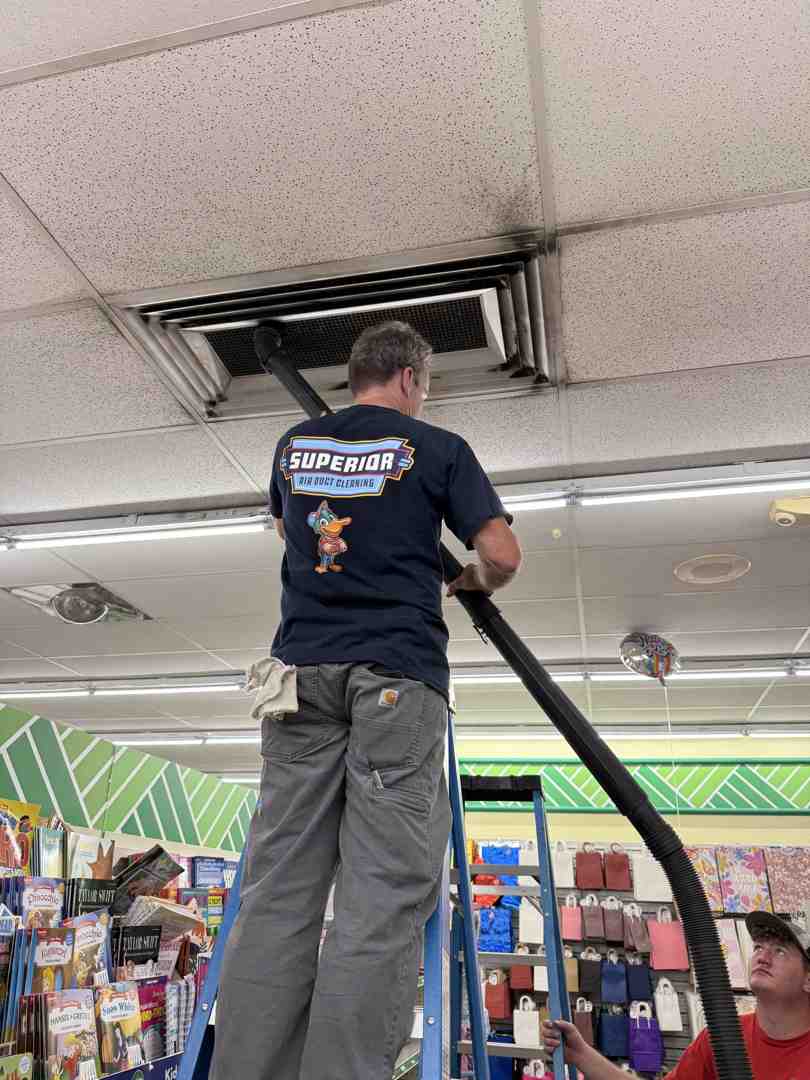
• Registers and grilles — Why It Needs Cleaning: Collect surface dust that recirculates into living spaces
• Blower motor and housing — Why It Needs Cleaning: Dirt buildup reduces airflow and strains the motor
• Evaporator coil (indoor) — Why It Needs Cleaning: Dust and biofilm reduce cooling efficiency by 20–40%
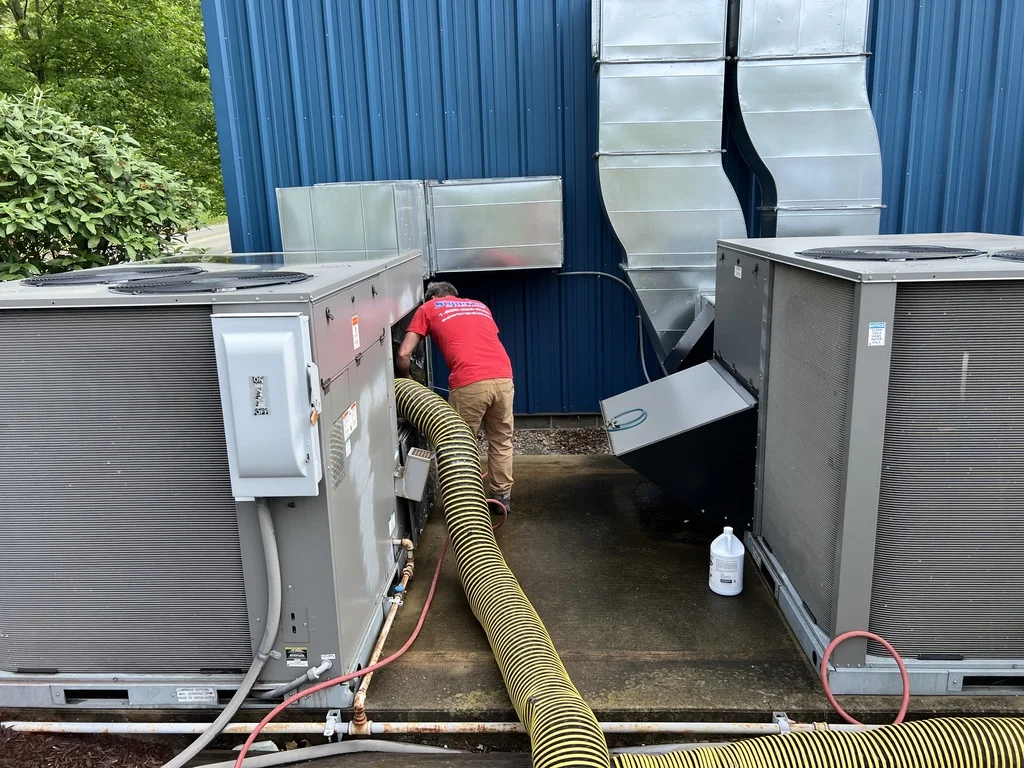
• Condenser coil (outdoor) — Why It Needs Cleaning: Debris blocks heat exchange and strains the compressor
• Drain pan and condensate line — Why It Needs Cleaning: Standing moisture leads to mold and bacterial growth
• Heat exchanger — Why It Needs Cleaning: Dust deposits reduce heating efficiency
• Air filter housing — Why It Needs Cleaning: Contaminated housing reintroduces particles after filter changes
• Air plenum — Why It Needs Cleaning: Acts as a junction point where contaminants spread throughout the system
Most people think "HVAC cleaning" just means vacuuming out the air ducts. In reality, the entire system — from the air handler all the way to the supply registers — needs attention. According to NADCA, cleaning only part of your system is like mopping half a kitchen floor. The dirty half will just recontaminate the part you cleaned.
In homes across Western Pennsylvania and Northeast Ohio, HVAC systems work hard through hot summers and cold winters. That constant use means dust, pet dander, mold spores, and other contaminants build up in places most homeowners never think to check. When those particles circulate through your living spaces day after day, the effects on air quality — and on the system itself — can add up fast.
This guide walks through every component that needs regular cleaning, why it matters, and what to expect from a thorough professional service.
What parts of your hvac system need cleaning vocab to learn:
• how thorough duct cleaning includes the whole system
• what is the difference between duct cleaning and hvac cleaning
What Parts of Your HVAC System Need Cleaning to Prevent Recontamination?
When it comes to maintaining a healthy home, partial efforts simply do not cut it. If you only clean the visible sections of your ductwork, the remaining dirty components will immediately blow dust, pollen, and pet dander back into your freshly cleaned spaces the second your system kicks on. To prevent this frustrating cycle of recontamination, a professional service must address the system as a whole.
The primary pathways of your HVAC system include:
• Supply Ducts: The channels that distribute conditioned air (heated or cooled) throughout your home.
• Return Ducts: The channels that pull air from your living spaces back into the system to be filtered and thermally treated.
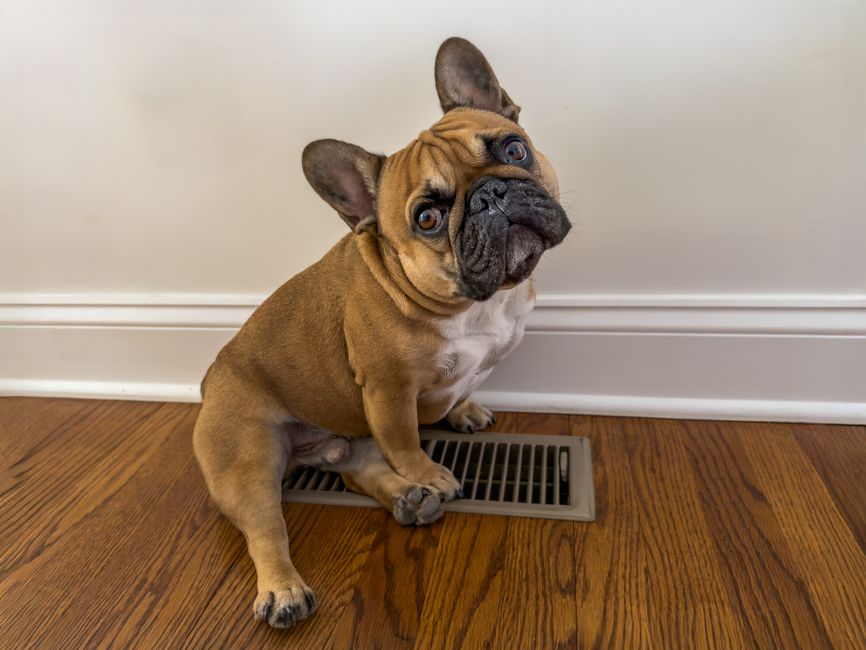
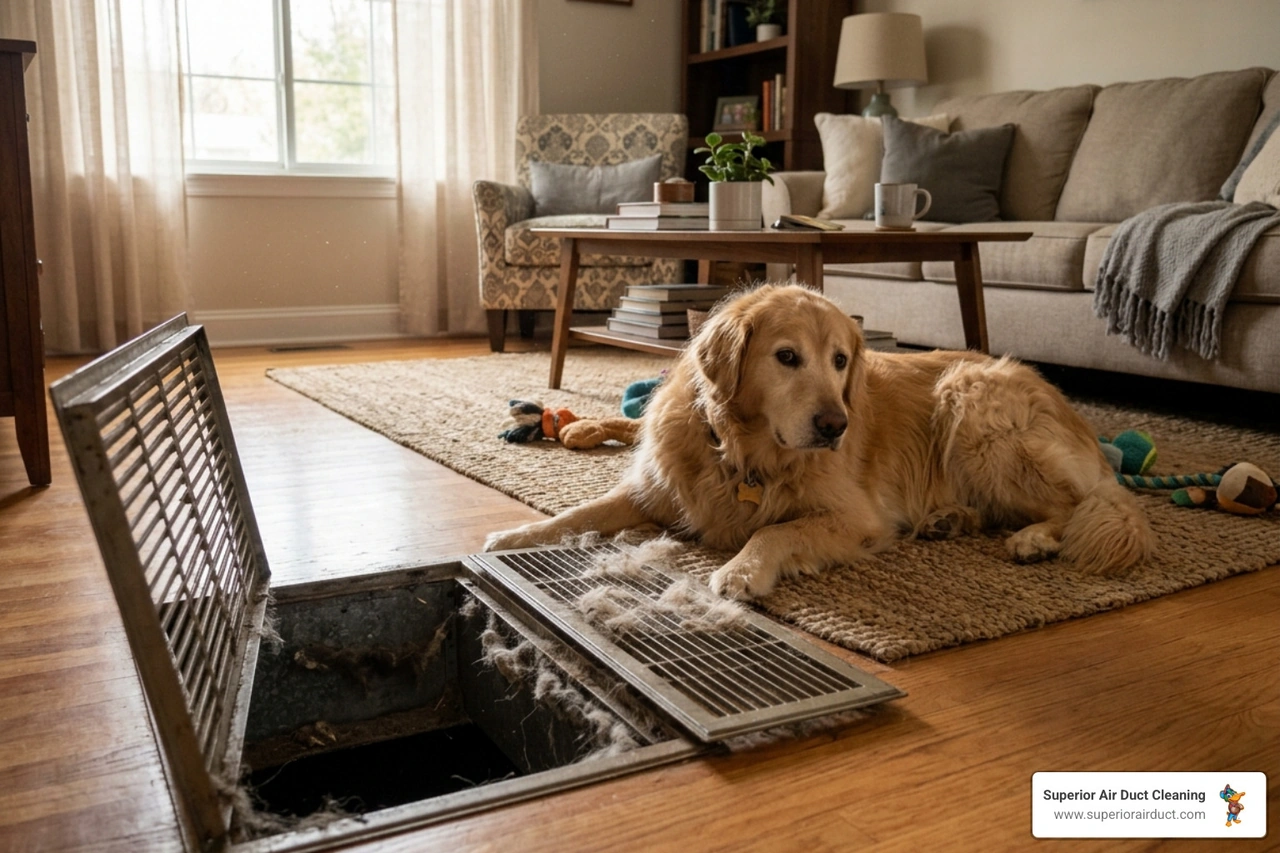
• Registers and Grilles: The metal covers over your vents that collect sticky surface dust, pet hair, and airborne particles.
Understanding What is the Difference Between Duct Cleaning and HVAC Cleaning is the first step toward a cleaner home. While standard duct cleaning might focus solely on the metallic or flexible pathways, a true HVAC cleaning reaches deep into the mechanical heart of your system to ensure that every surface touching your indoor air is free of pollutants.
Identifying What Parts of Your HVAC System Need Cleaning First
To achieve maximum efficiency and clean air, we must target the mechanical components inside your air handler. The air handler is the central hub where air is actively pushed and conditioned. If this hub is dirty, your entire home's air quality suffers.
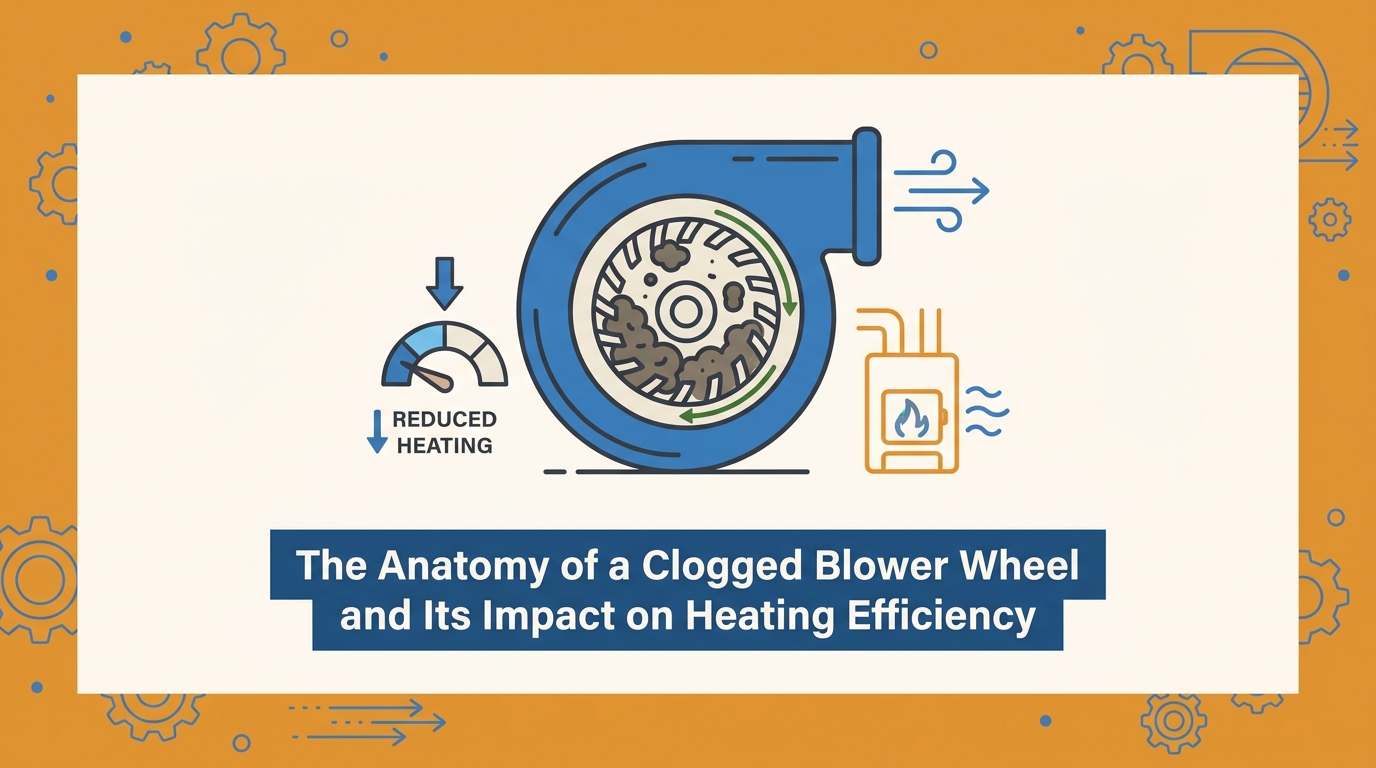
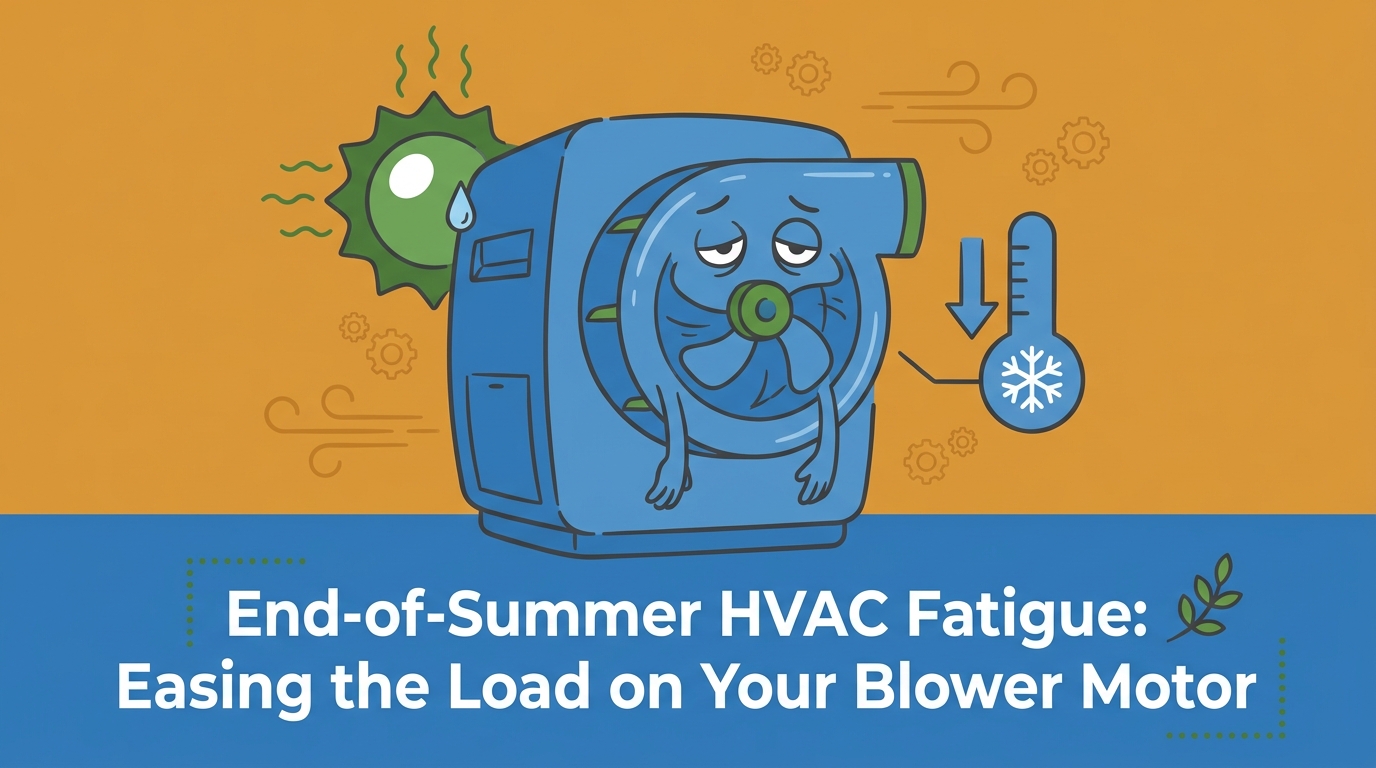
• The Blower Motor and Assembly: The blower wheel has tiny curved blades that scoop up air and push it through your home. Over time, dust coats these blades. A layer of dust as thin as a fraction of an inch can severely degrade the blower's balance and aerodynamic performance, causing the motor to draw more electricity, run hotter, and fail prematurely.
• The Heat Exchanger: In the winter months, the heat exchanger warms your indoor air. When dust insulates these metal surfaces, heat transfer is restricted. This forces your system to run longer cycles to meet your thermostat's demands.
• The Air Plenum: The supply and return plenums are the large sheet metal boxes directly connected to your heating and cooling unit. Because all air passes through these junctions, they are primary collection points for heavy particulate matter and must be scrubbed clean.
Keeping these heavy-lifters clean is one of the most reliable 5 Ways to Extend the Life of Your HVAC System by Superior Air Duct.
Why Knowing What Parts of Your HVAC System Need Cleaning Saves Money
If you are looking to lower your monthly utility bills in areas like Beaver Falls, PA, or Boardman, OH, the answer lies directly on your system's coils.
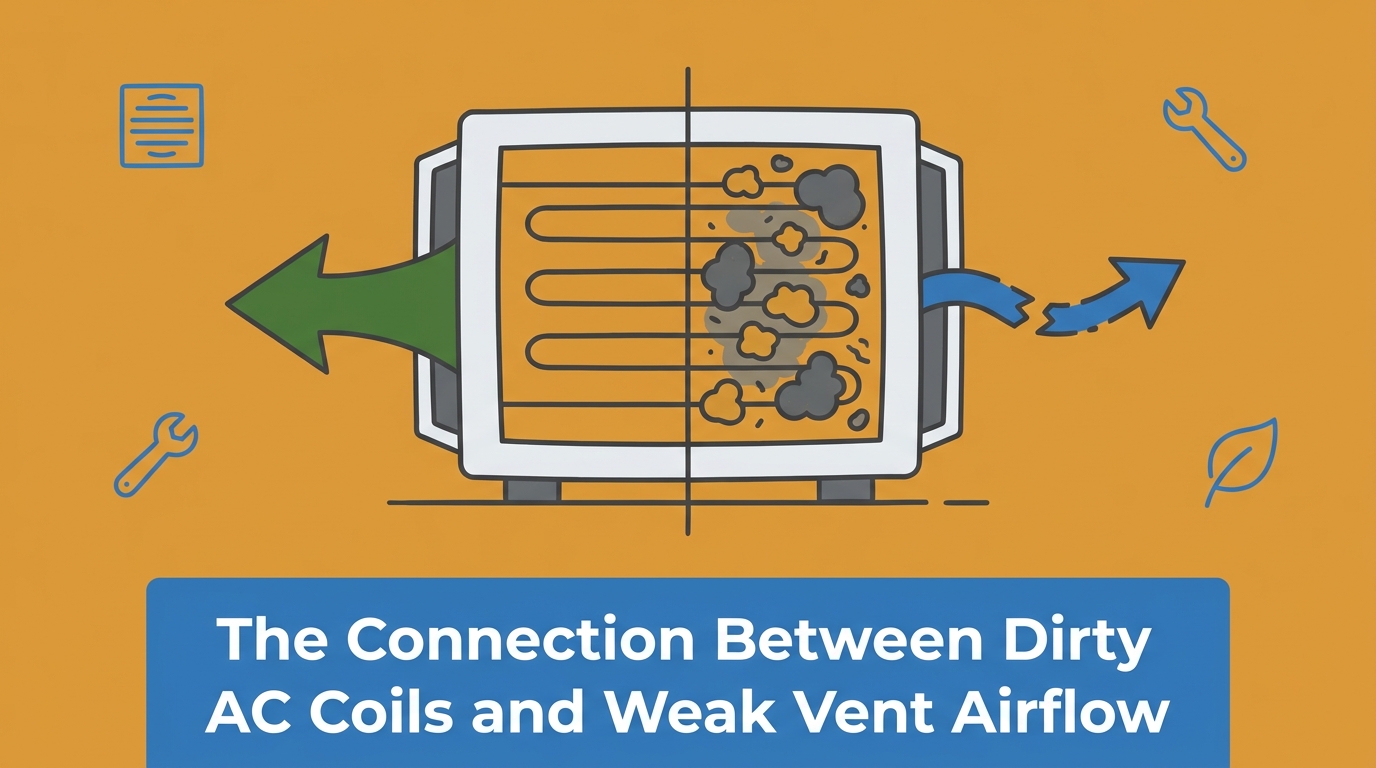
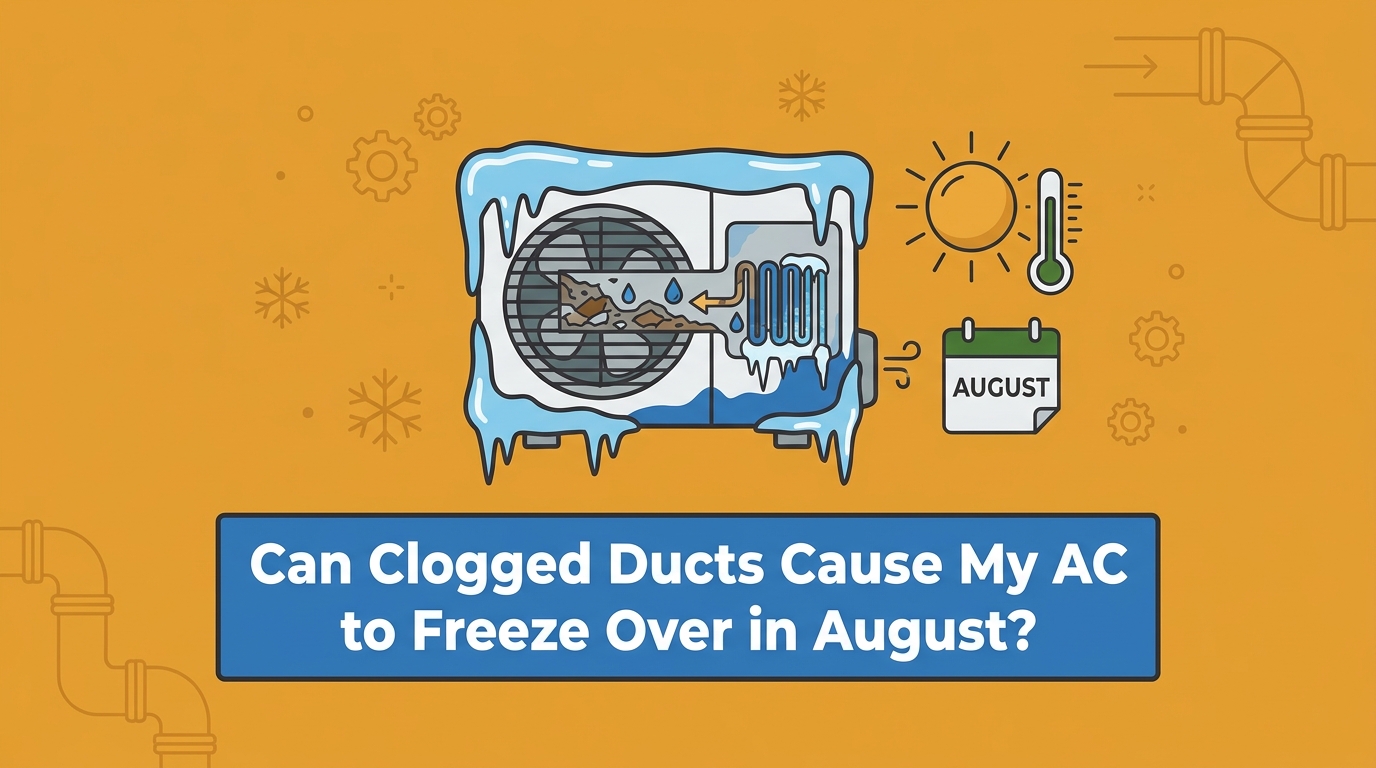
• Evaporator Coils (Indoor Unit): The evaporator coil is responsible for absorbing heat and moisture from your indoor air. Because it is constantly damp from condensation, it acts like a magnet for airborne dust. When dust combines with moisture, it creates a sticky biofilm that insulates the coil. This can drop your cooling efficiency by 20% to 40% and cause your air conditioner to freeze up.
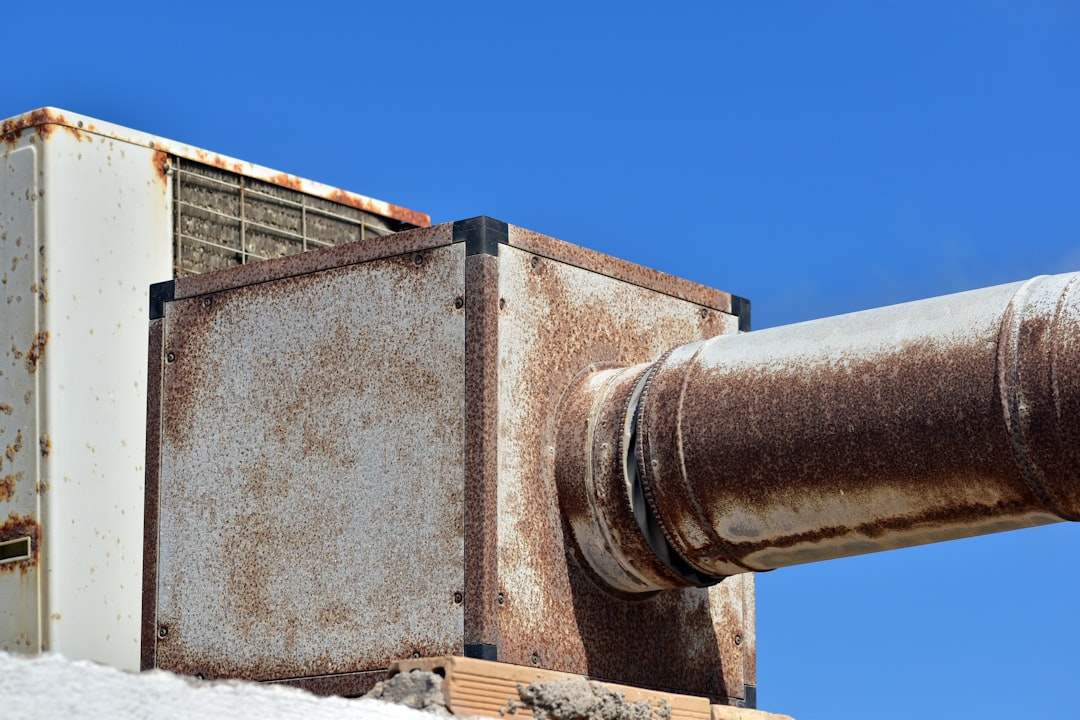
• Condenser Coils (Outdoor Unit): Located outside, your condenser coil is exposed to lawn clippings, cottonwood seeds, dirt, and spiderwebs. If heat cannot escape through the condenser coil, refrigerant pressures skyrocket, forcing the compressor to work under extreme stress.
• Drain Pans and Condensate Lines: The moisture dripping off your evaporator coil collects in a drain pan and flows out through a narrow line. If this pan is neglected, algae and mold will thrive in the standing water, leading to musty odors and potential water damage to your ceilings or walls.
For a deeper look into maintaining these vital components, check out our AC Coil Cleaning Guide Beaver Falls 2025 to see how clean coils translate directly into lower energy bills.
The Professional HVAC Cleaning Process Explained
A thorough HVAC cleaning is not a DIY weekend job. It requires heavy-duty engineering controls, specialized tools, and a systematic approach to ensure that dust is completely removed from your home rather than just stirred up into your living areas.
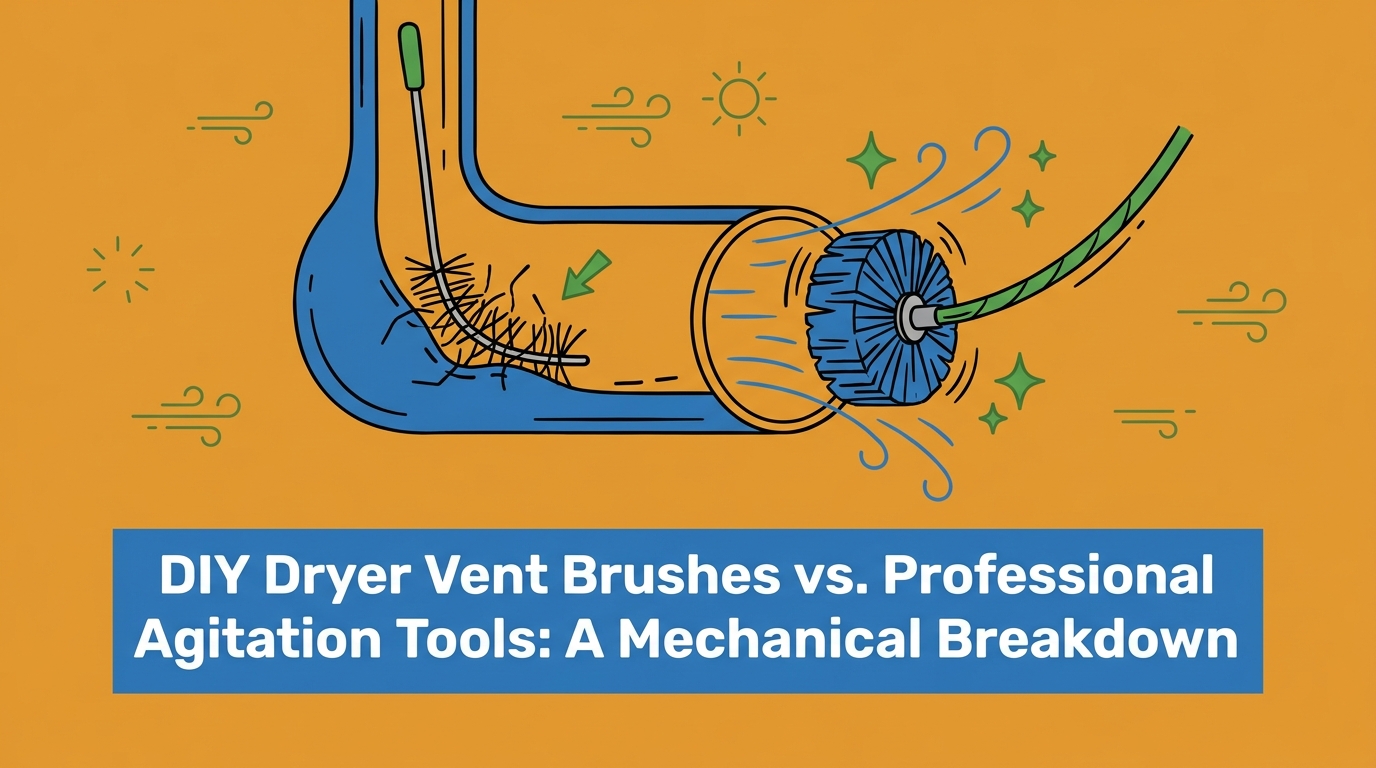
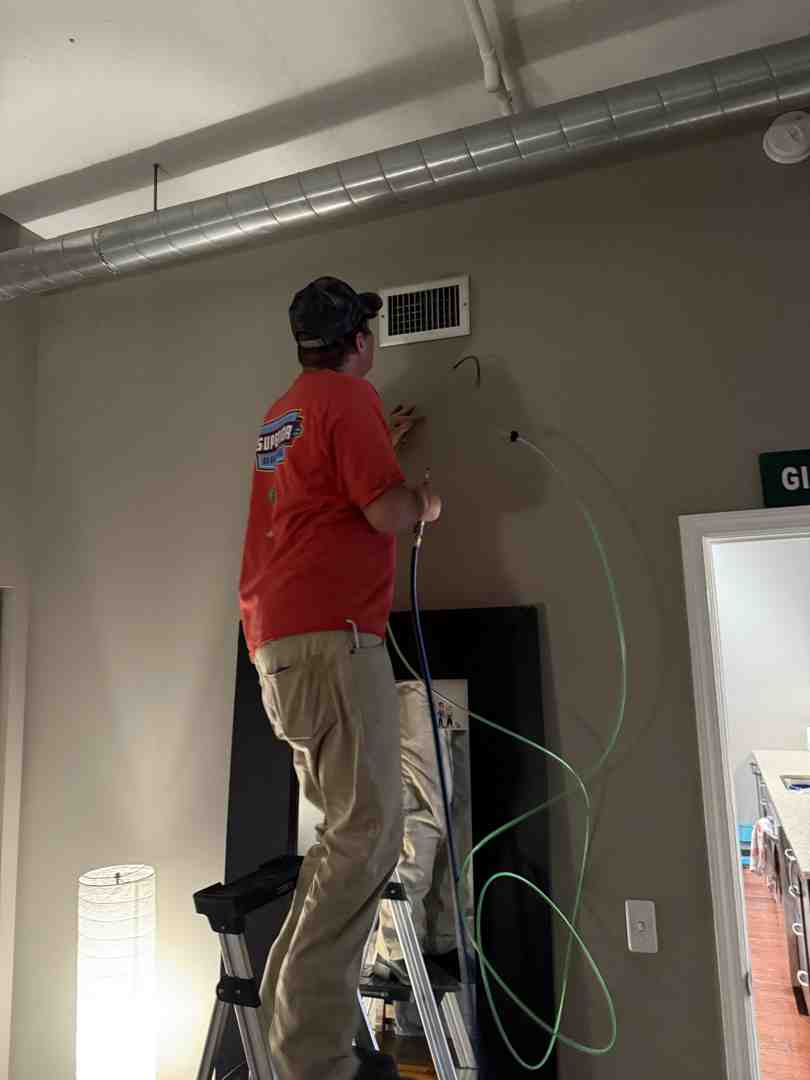
Our professional process relies on two core principles: agitation and extraction. We use high-pressure compressed-air tools, air whips, and compressed air nozzles to physically break stubborn dust and debris loose from the interior surfaces of your system. Simultaneously, we use high-powered extraction equipment to pull those loose particles out of your home.
To understand the full mechanical picture of how this is accomplished, you can read about How Our Air Duct Cleaning Machines Work.
Source Removal and Negative Air Pressure
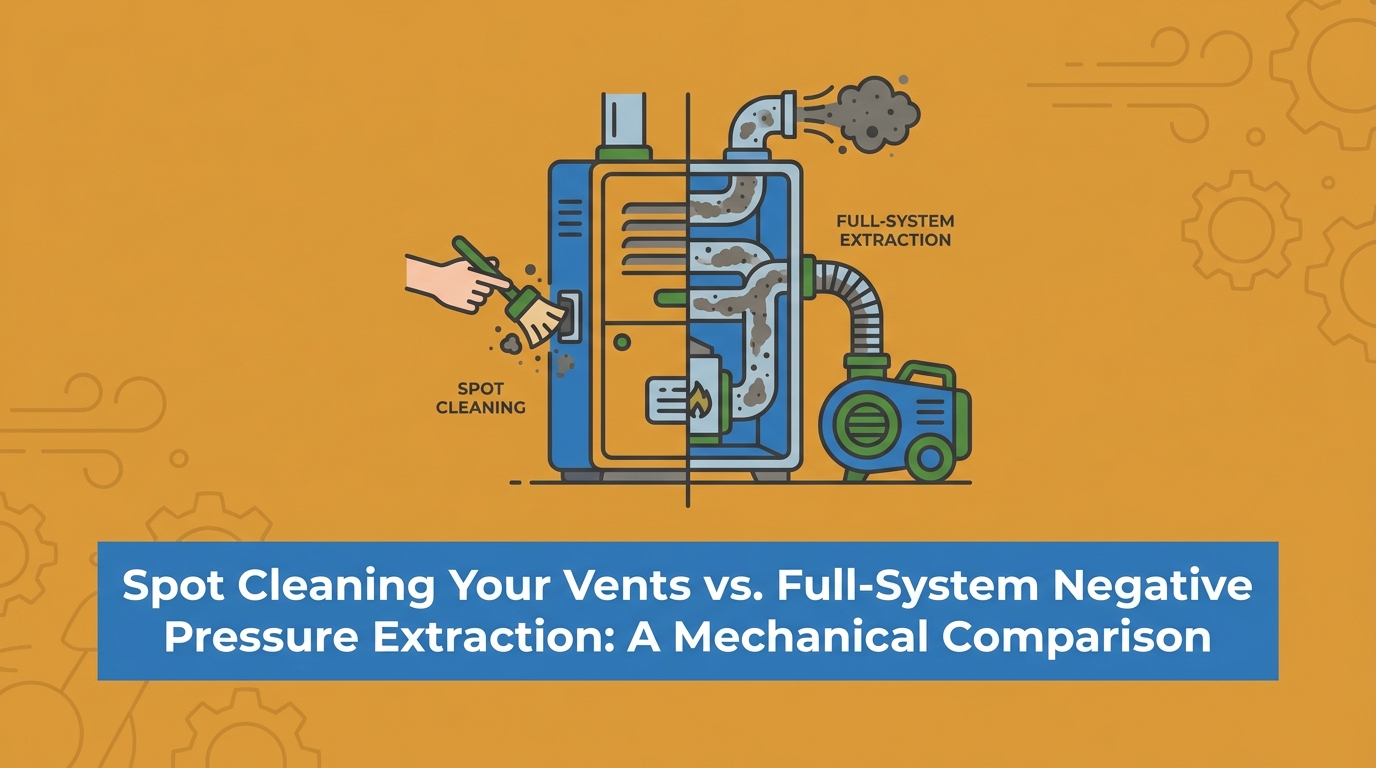
The gold standard of the National Air Duct Cleaners Association (NADCA) is the "source removal" method. We begin by sealing off your supply and return registers to create a closed loop. We then connect a powerful, truck-mounted vacuum system to your main duct trunk lines.
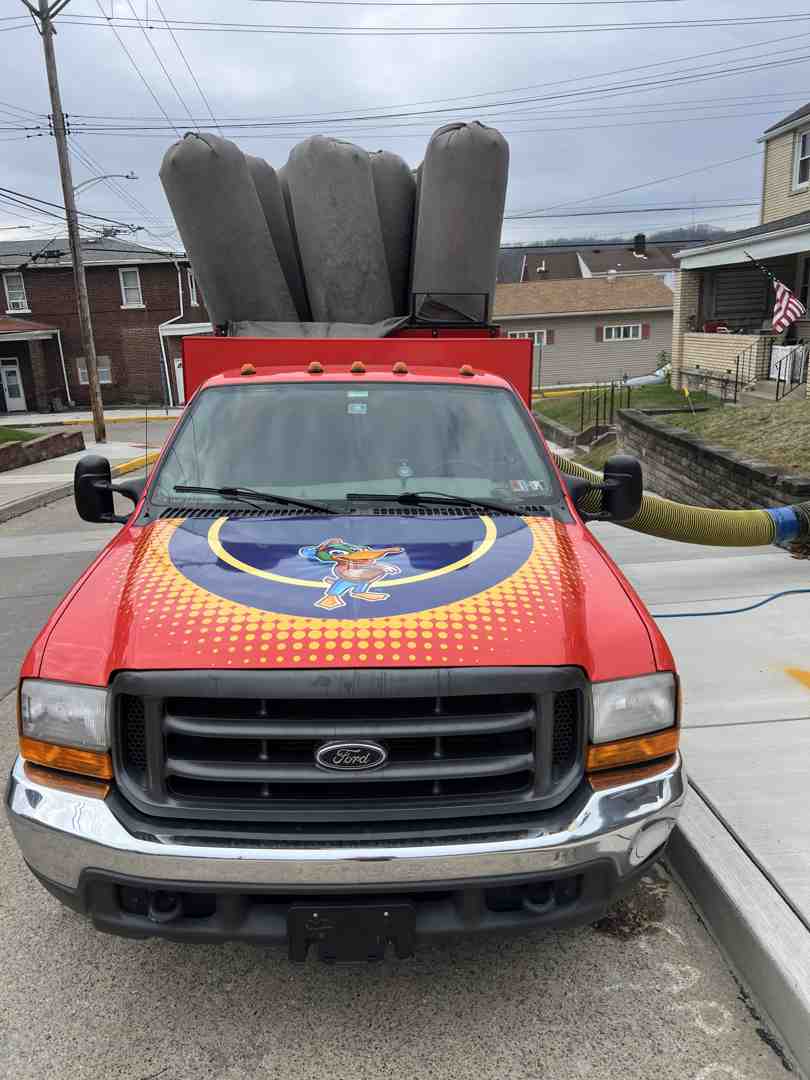
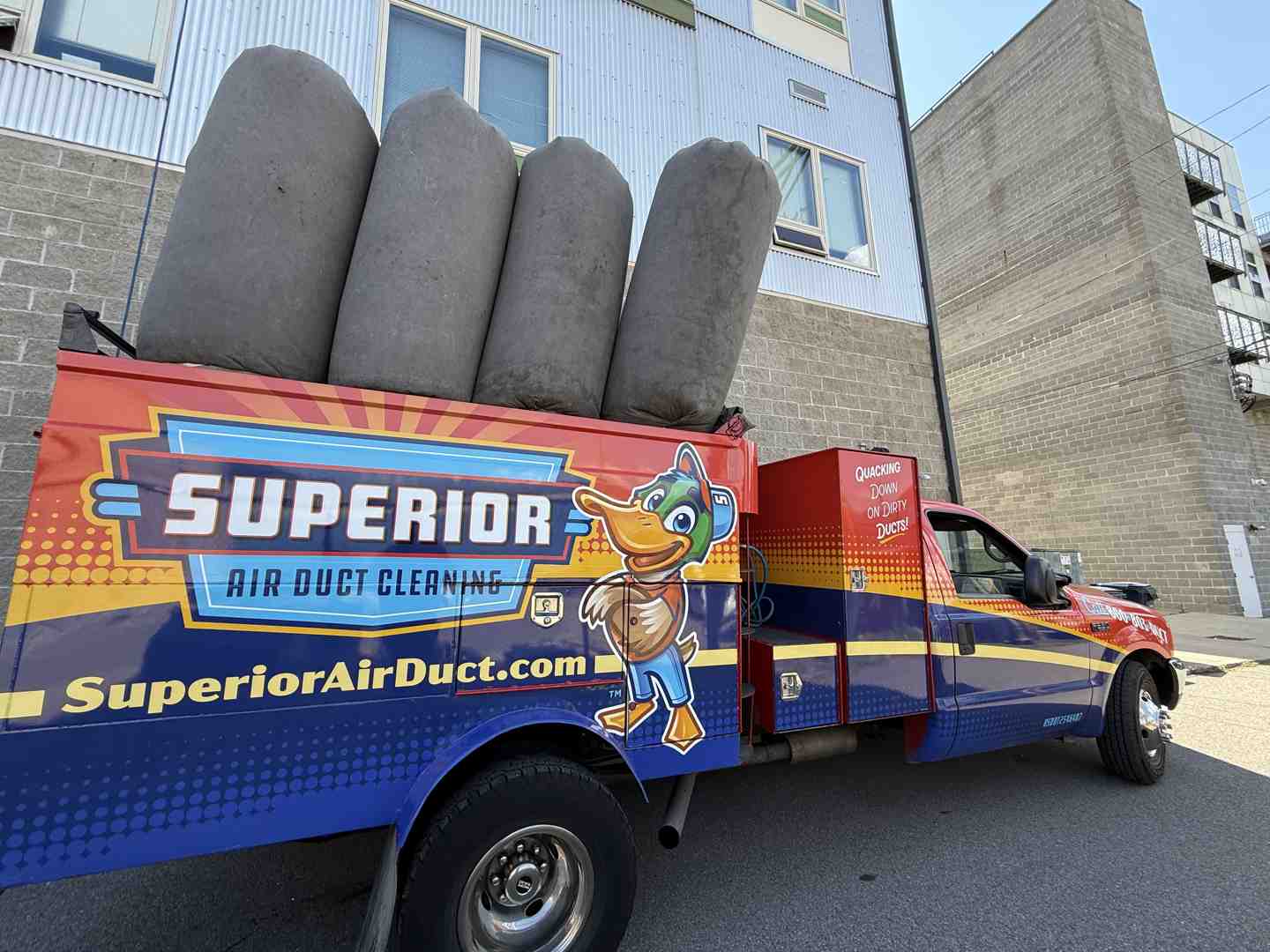
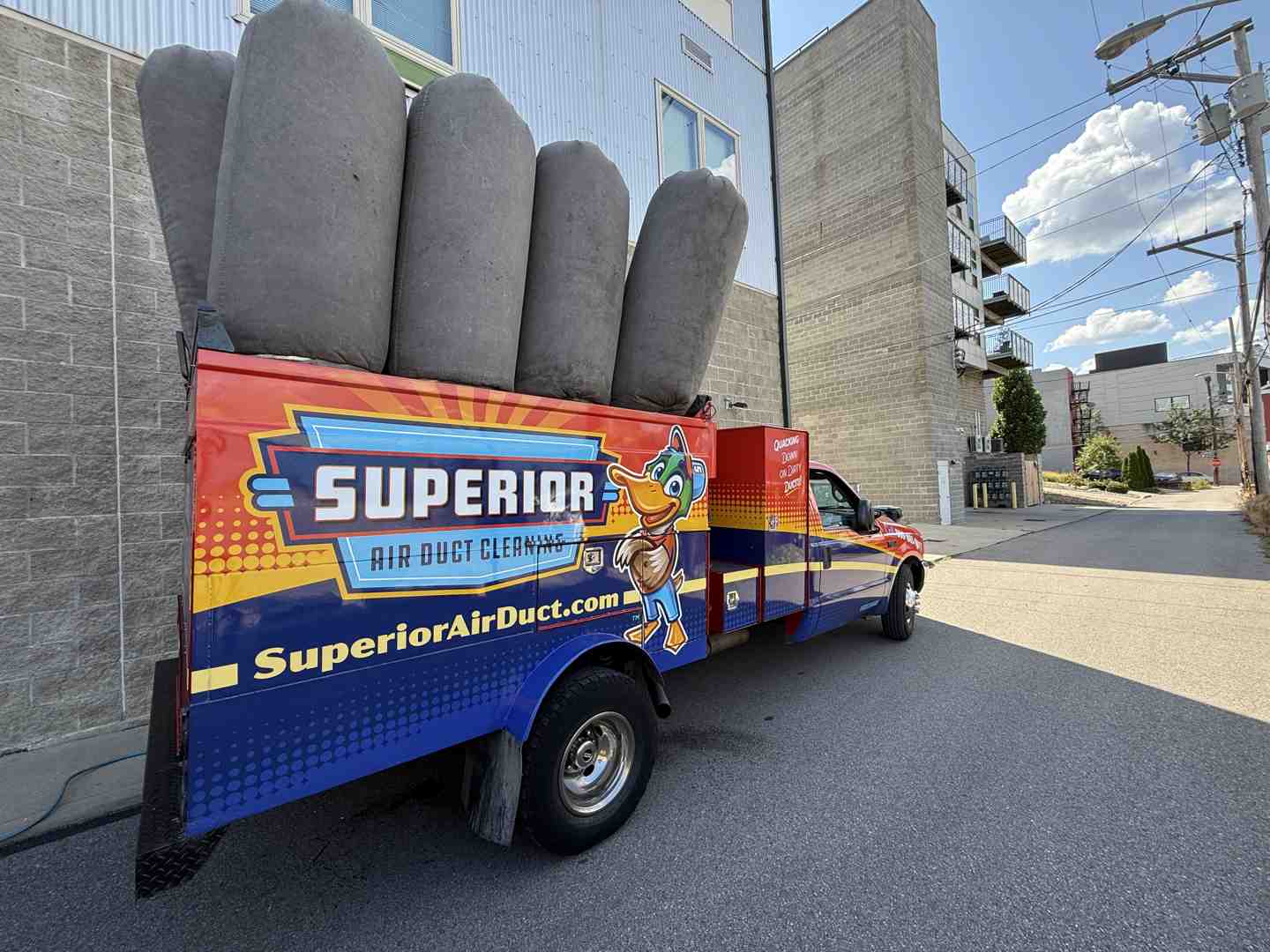
This vacuum places your entire duct network under continuous negative air pressure. As our technicians move room by room using agitation tools inside individual vents, the negative pressure acts as a high-velocity slipstream. It instantly pulls all loosened contaminants directly to our containment system outside your home, ensuring that not a single speck of dust escapes into your living room or kitchen.
For a complete breakdown of what to expect during this service, dive into our HVAC Duct Cleaning Complete Guide.
Chemical Biocides and Sanitizers
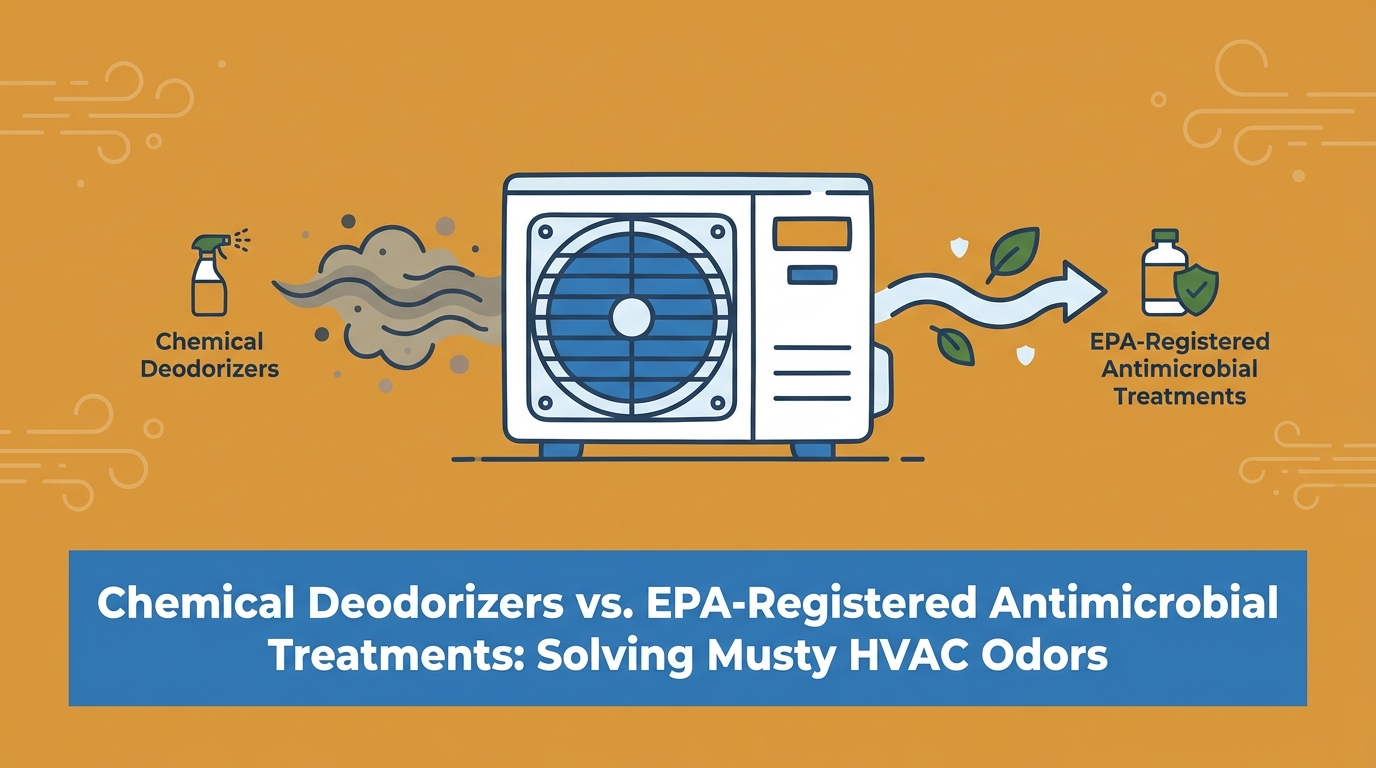
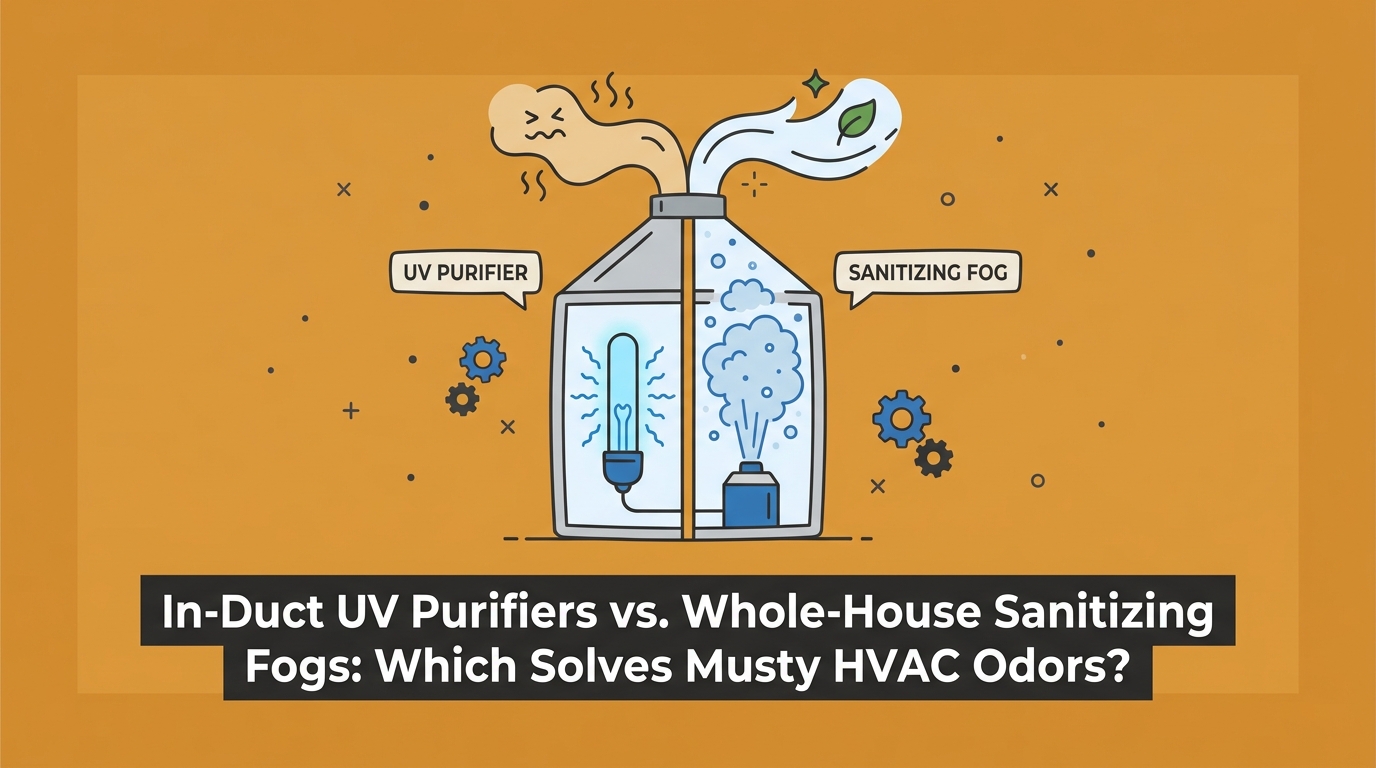
Once all physical dust and debris have been mechanically removed, some homes benefit from an antimicrobial treatment. This is especially true if your home has experienced water damage, persistent high humidity, or musty smells.
According to EPA and NADCA guidelines, chemical sanitizers and biocides should only be applied after a thorough mechanical cleaning has been completed. Applying chemicals over layers of thick dust is ineffective. We use only EPA-registered sanitizers specifically formulated for HVAC use to eliminate lingering odor-causing bacteria, mold spores, and viruses.
If you want to know more about how we sanitize your air pathways, explore How Whole House Disinfection Works Through Your HVAC.
Signs Your Heating and Cooling System Needs Immediate Attention
How do you know when it is time to look into what parts of your HVAC system need cleaning? Your system and your home will usually tell you.
Keep an eye out for these common warning signs:
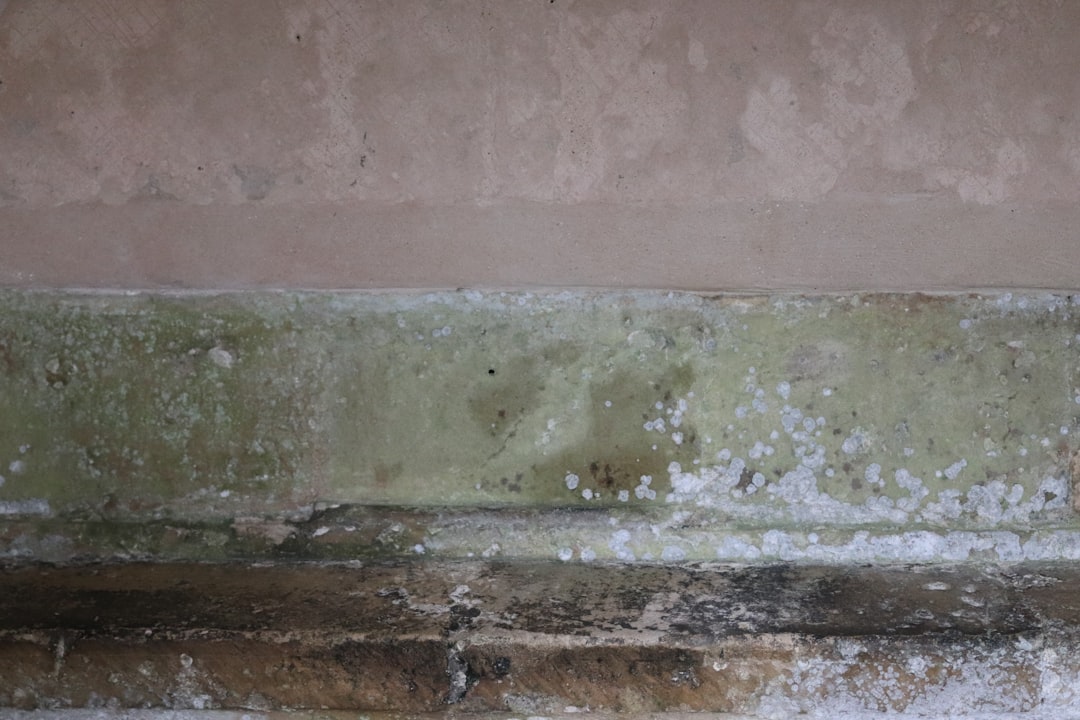
• Visible Mold: Dark spots or fuzzy growth on your vent grilles or inside the air handler cabinet.
• Musty Odors: A stale, earthy, or "dirty sock" smell whenever the furnace or air conditioner turns on.
• Dust Blowing From Vents: Wisps of dust exiting your registers when the blower starts up.
• Frequent Dusting: If you find yourself dusting your furniture every few days, your HVAC system may be continuously recirculating old dust.
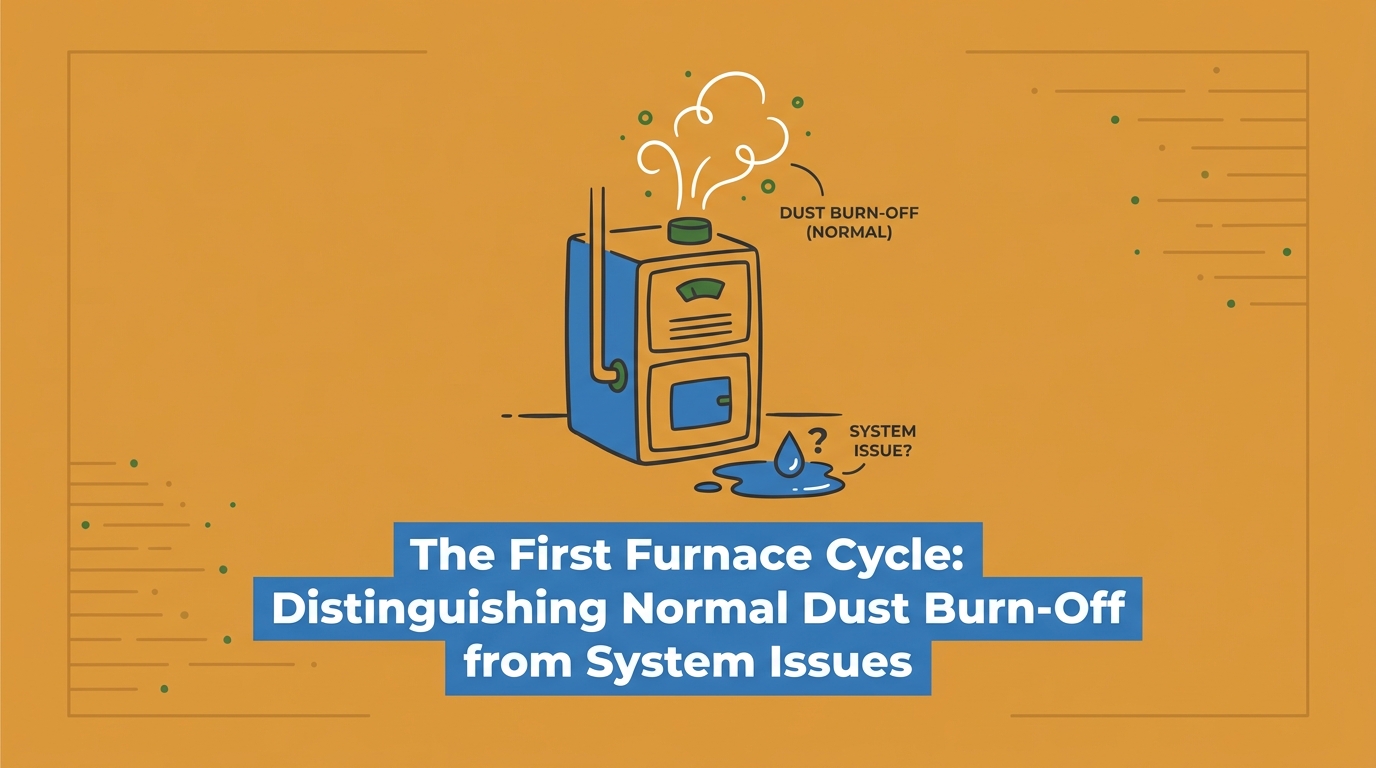
• Vent Appearance — Normal Dust Accumulation: Light, dry film easily wiped away with a cloth. — Severe Contamination (Needs Professional Cleaning): Thick, fuzzy buildup; dark staining; visible mold spots.
• Indoor Odor — Normal Dust Accumulation: Neutral scent or slight dust smell at the very start of the season. — Severe Contamination (Needs Professional Cleaning): Persistent musty, damp, or stale odors when system runs.
• Airflow — Normal Dust Accumulation: Consistent, strong airflow from all supply registers. — Severe Contamination (Needs Professional Cleaning): Uneven airflow; some rooms feel significantly warmer or colder.
• Allergy Symptoms — Normal Dust Accumulation: Standard seasonal sniffles. — Severe Contamination (Needs Professional Cleaning): Unexplained coughing, sneezing, or itchy eyes while indoors.
Airflow Restrictions and Efficiency Loss
When dust blocks your air filter, coils, and blower wheel, your system has to work twice as hard to push air through your home. This restricted airflow directly impacts your comfort and your wallet. Prolonged operation under these conditions can shorten the life of your equipment.
By keeping these components clean, you protect your investment and maximize The Average Lifespan of HVAC Systems, saving you from premature replacement costs.
Preventive Maintenance Steps for Homeowners
While deep cleaning requires professional tools, there are several simple steps you can take to keep your system running cleanly between visits:
1. Change Filters Regularly: Replace your air filters every 30 to 90 days. We recommend using a quality pleated filter (such as a MERV 8) to capture fine dust without restricting airflow.
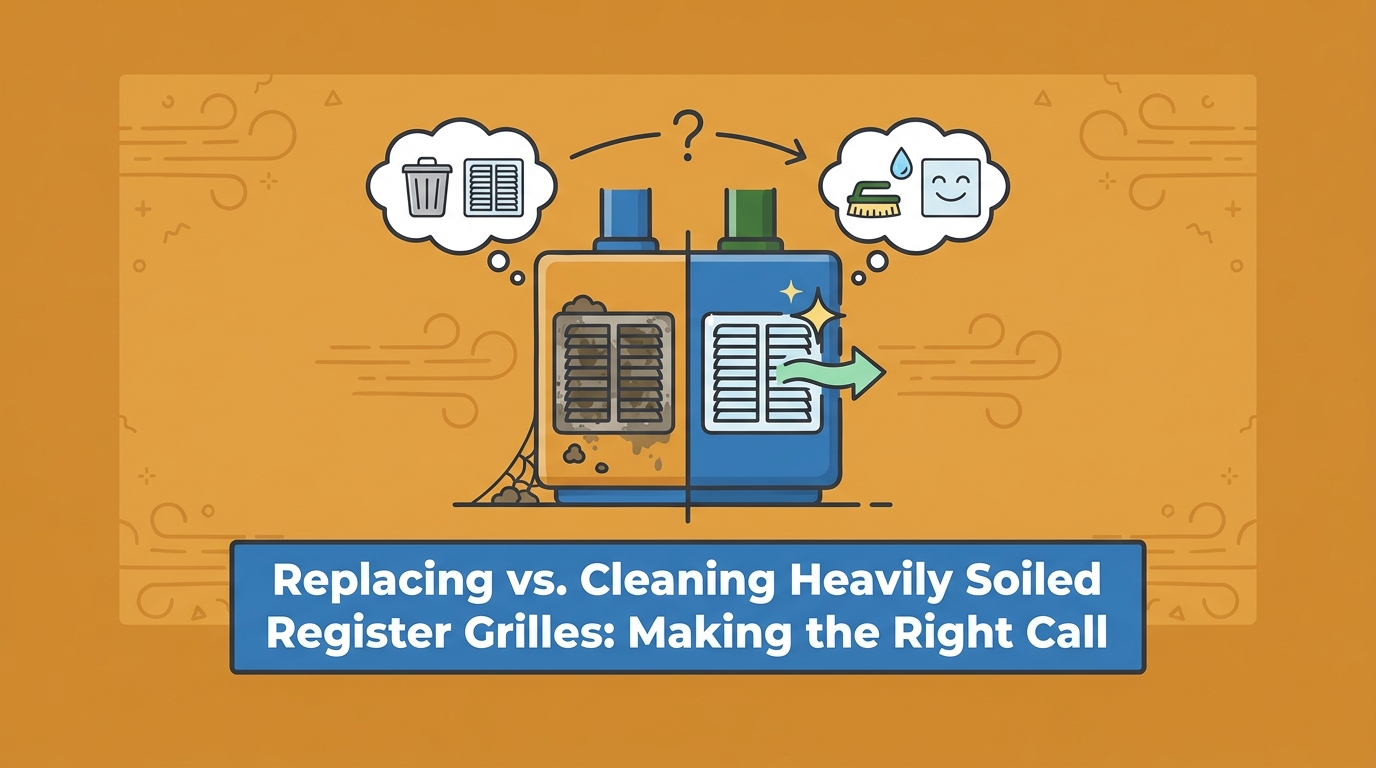
2. Keep Registers Clear: Vacuum your supply and return grilles with a brush attachment to prevent dust from settling on the grilles.
3. Inspect the Outdoor Unit: Keep weeds, leaves, and debris trimmed back at least two feet from your outdoor condenser unit to maintain proper airflow.
By staying on top of these basic steps, you can prevent rapid dust buildup. Learn more about protecting your system with The Importance of Filter Maintenance.
Frequently Asked Questions About HVAC Maintenance
How often should you clean your HVAC system?
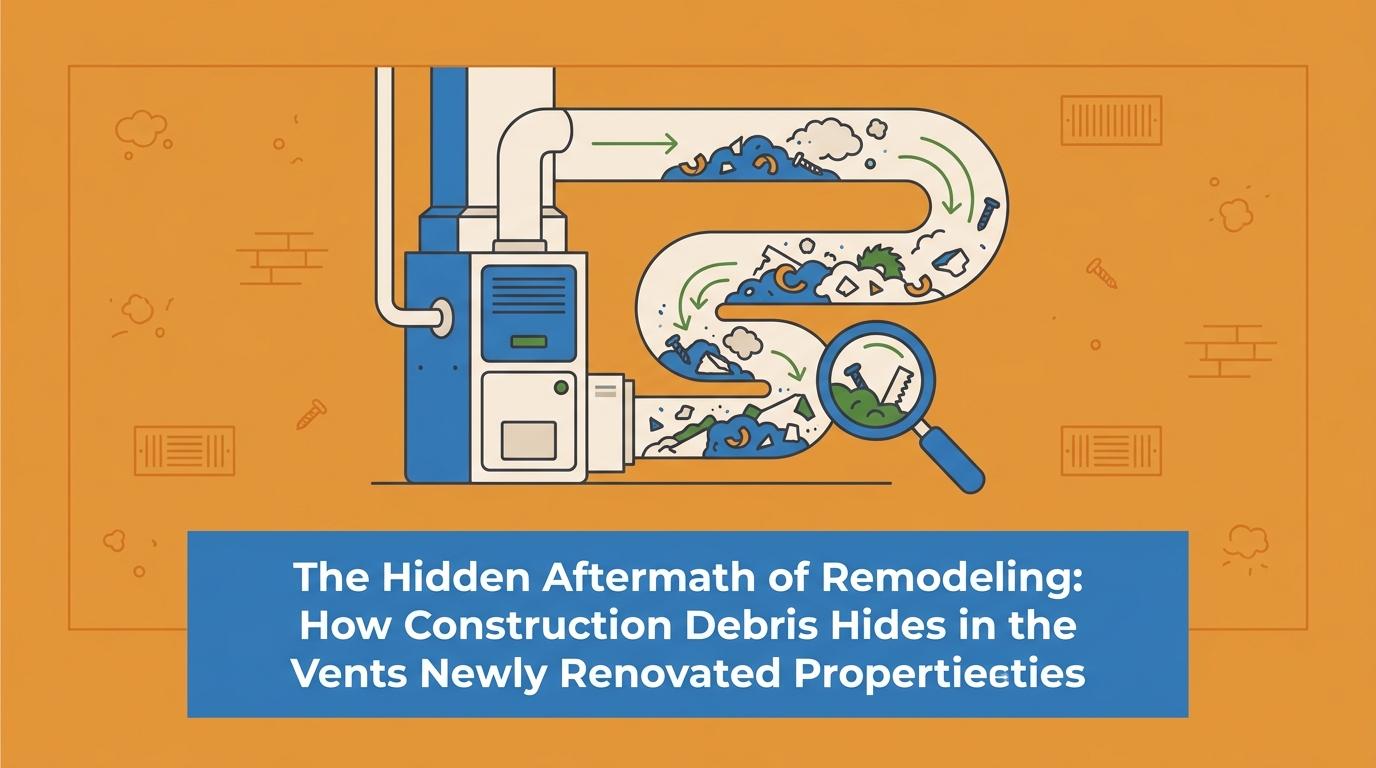
Most homes benefit from a professional HVAC and duct cleaning every 3 to 5 years. However, you may want to schedule cleanings more frequently if you have shedding pets, family members with severe allergies or asthma, or if you have recently completed a home renovation project that generated drywall dust and sawdust.
Can I clean my air ducts myself?
We do not recommend attempting to clean your own air ducts. Homeowners do not have access to the high-velocity negative pressure vacuums or specialized agitation whips required to safely extract deep-seated debris. Attempting to clean ducts with a standard shop vac can damage delicate flexible ductwork and push dust further into the system, making the problem worse.
How do I verify that the cleaning was done thoroughly?
A reputable, NADCA-certified service provider should always be willing to show you their work. You can verify a thorough job by inspecting the registers, grilles, and air handler cabinet to ensure they are free of visible dust. We also provide clear before-and-after photographs of your system's interior so you can see the results for yourself.
Conclusion
Knowing what parts of your HVAC system need cleaning is the key to maintaining a healthy, energy-efficient home. From the main supply and return duct trunks to the intricate fins of your evaporator coils and the blades of your blower wheel, every component plays a vital role in your indoor air quality.
At Superior Air Duct Cleaning, we serve families and businesses across Western Pennsylvania and Northeast Ohio — including Pittsburgh, Cranberry Township, Beaver Falls, Boardman, and Youngstown. Our certified team has the professional equipment and experience to clean your entire HVAC system safely and thoroughly.
Ready to breathe easier and enjoy a cleaner, more efficient home? Schedule Professional Air Duct Cleaning Today with us!

Customer Reviews


Superior Air Duct cleaning did a phenomenal job in a timely manner with the tech “Rich” being very professional ,personable and considerate of our property! He explained things as he proceeded and answered all our questions!
I LOVE that they provide before & after photos to see the difference. Give them a try… you won’t regret it
Pam T.
Robert was on schedule and communicated what time he would arrive. He was polite, professional, and respectful of our home. I wanted to wait a couple weeks before posting a review because I wanted to see if the duct cleaning actually made a difference. I am happy to say it did! I vacuum multiple times a week and have already noticed a significant reduction in the amount of dust cleaned up each time. As a home with pets, there will always be something to clean, but getting the ducts cleaned has definitely helped improve the air quality and reduce the dust.
alice A.
Technician Rob arrived early explained the days agenda and then proceeded to work methodically and meticulously over the next 6+ hours cleaning my ductwork. Courteous and professional they answered all of my questions and went above and beyond the call of duty. They even located an old dusty box of rat poison buried in our vents. My only regret is not finding these guys sooner. As a realtor of 22 years and owner of a newly purchased (now dust free) home I highly recommended!
Eric K.
Excellent service! I’ve used them to clean out my air ducts as well as my dryer vent duct and they are excellent. I was very pleased with both jobs and will continue to use them in the future. Great communication as well- from the time I scheduled the appointment until they were at my door.
Erika C.
We had such an amazing experience with Superior Air Duct Cleaning. They were so nice and friendly and did an amazing job. I loved seeing the before and after pictures. Besides doing an amazing job cleaning our air ducts they were so quick at responding and setting up the appointment. We will definitely be using them in the future.
Amanda C.