The Myth of the Permanent Fix: Tackling Late-Summer HVAC Odors
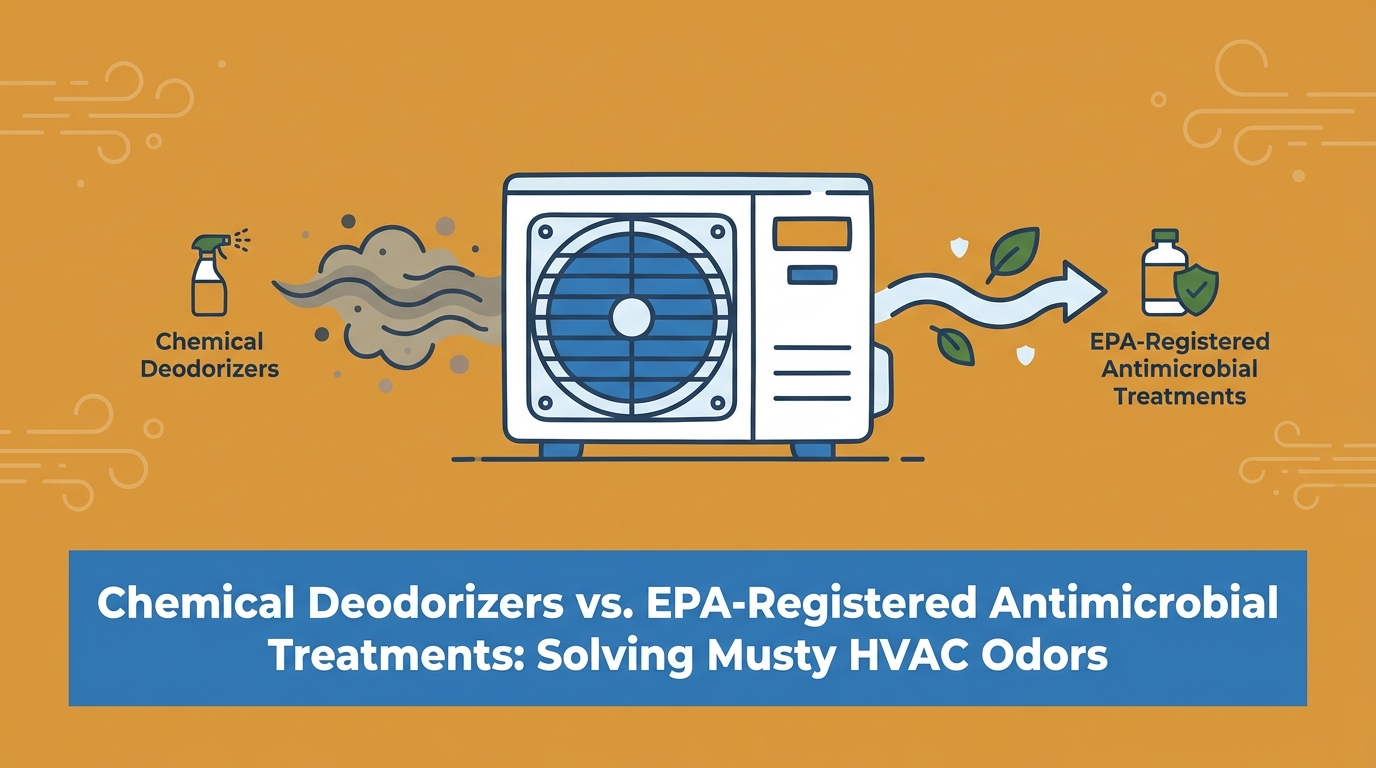
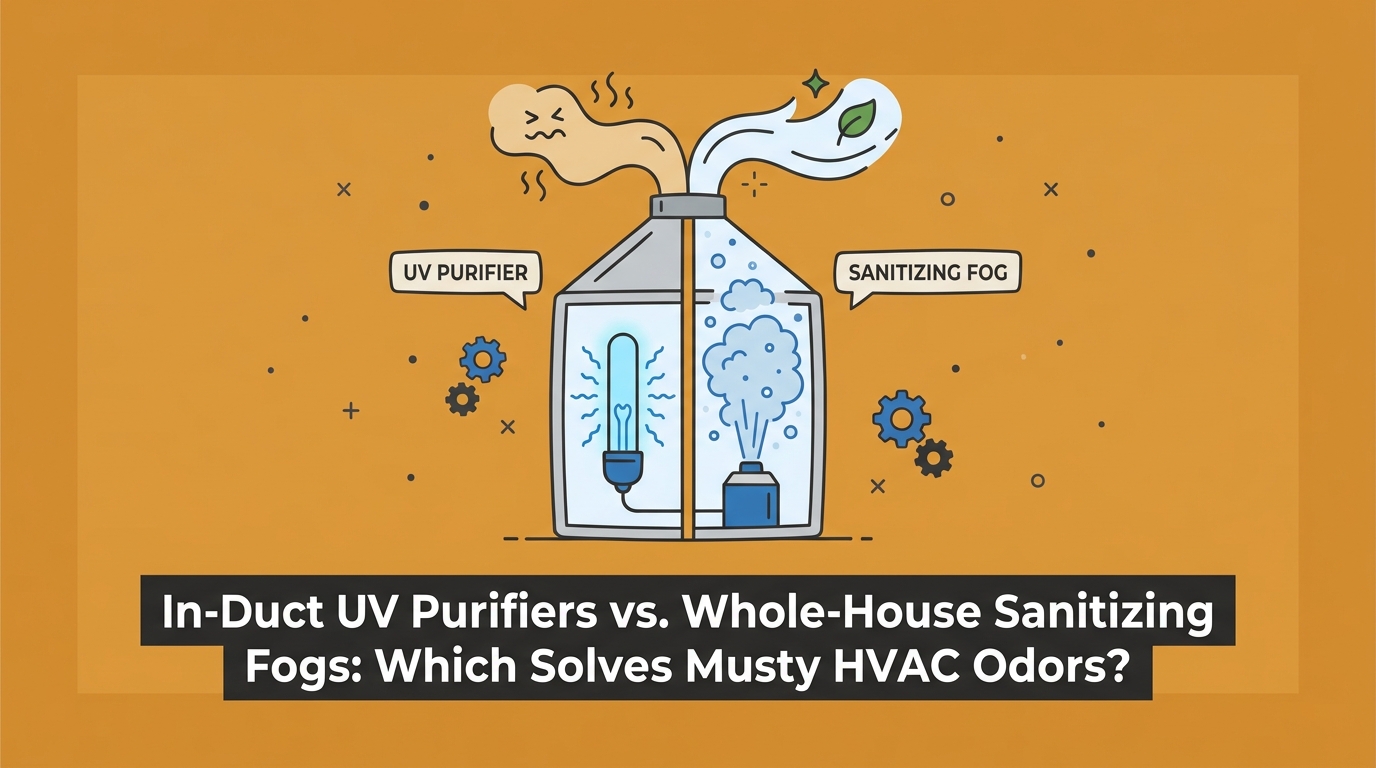
Spraying an aerosol air freshener into your vents or swapping out a basic fiberglass filter will never permanently cure a musty HVAC system. When you are weighing In-Duct UV Purifiers vs. Whole-House Sanitizing Fogs, you are already moving past the myths and looking for a real solution to biological growth. As our team at Superior Air Duct Cleaning navigates the August late-summer transition, we frequently get calls about AC units whose coils have been wet for months, creating the perfect environment for persistent musty smells to take over your home. You are now faced with a crucial decision: do you need an immediate chemical fog to reset the system, or a continuous UV purification system to neutralize contaminants around the clock?
To learn more about your options, explore our Whole House Sanitizing solutions and our comprehensive indoor air quality services.
Understanding how each method treats indoor air quality differently is the first step toward breathing easier. Both approaches offer distinct advantages, but they operate on entirely different principles. One provides a rapid, clean-slate reset for heavily contaminated ductwork, while the other acts as a continuous shield against future biological buildup. In our experience, making the right choice depends on the current state of your ductwork, your local climate, and your long-term air quality goals.
The Root of the Problem: Why Summer Humidity Breeds Biological Growth
To understand why your vents smell stale, you have to look at the environment inside your ductwork. In our years of servicing homes across New Brighton PA, we've seen firsthand how highly humid summers create a persistent challenge for homeowners. The sealed-in nature of local homes traps moisture indoors, turning dark, enclosed HVAC systems into ideal breeding grounds for bacteria and mold.
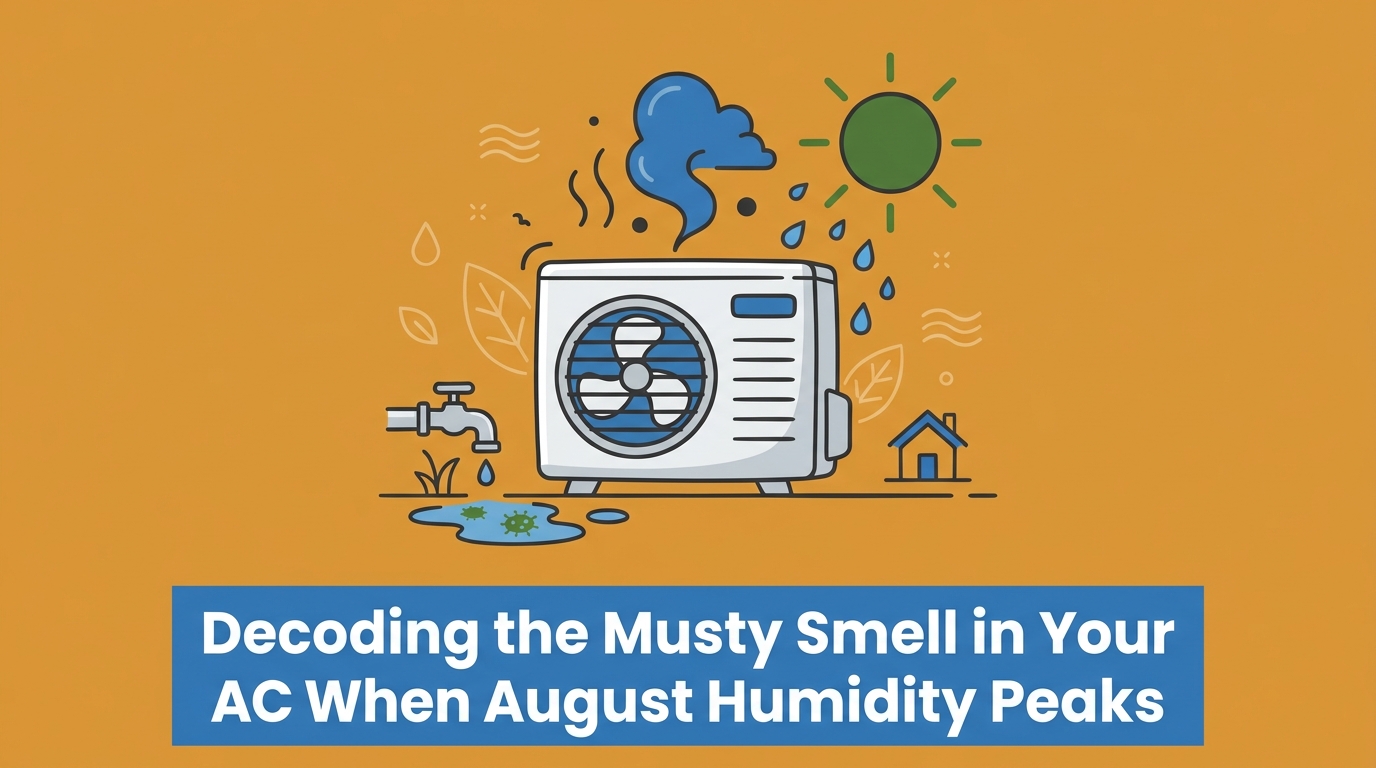
The Environmental Protection Agency (EPA) notes that biological contaminants thrive in environments with a relative humidity above 60%. When your cooling system runs continuously to combat the late-summer heat, condensation forms on the evaporator coils. If this moisture does not drain properly or is blown into the ductwork, it feeds the microscopic organic matter already present in your system. This leads to "dirty sock syndrome"—a distinct, foul odor that blasts through your vents every time the blower motor kicks on.
The progression of biological growth usually follows these steps:
1. Moisture accumulation: High summer humidity leads to constant condensation on the AC coils and within the primary drain pan.
2. Dust and debris trapping: Without pristine filtration, airborne dust particles bypass the filter and settle on the damp coils and duct walls, acting as a food source.
3. Biological proliferation: In the pitch-black, damp environment of your ductwork, mold and bacteria multiply rapidly across the surface areas.
4. Odor distribution: As the blower pushes conditioned air through the contaminated ducts, it carries the resulting off-gassing and musty odors into your living spaces.
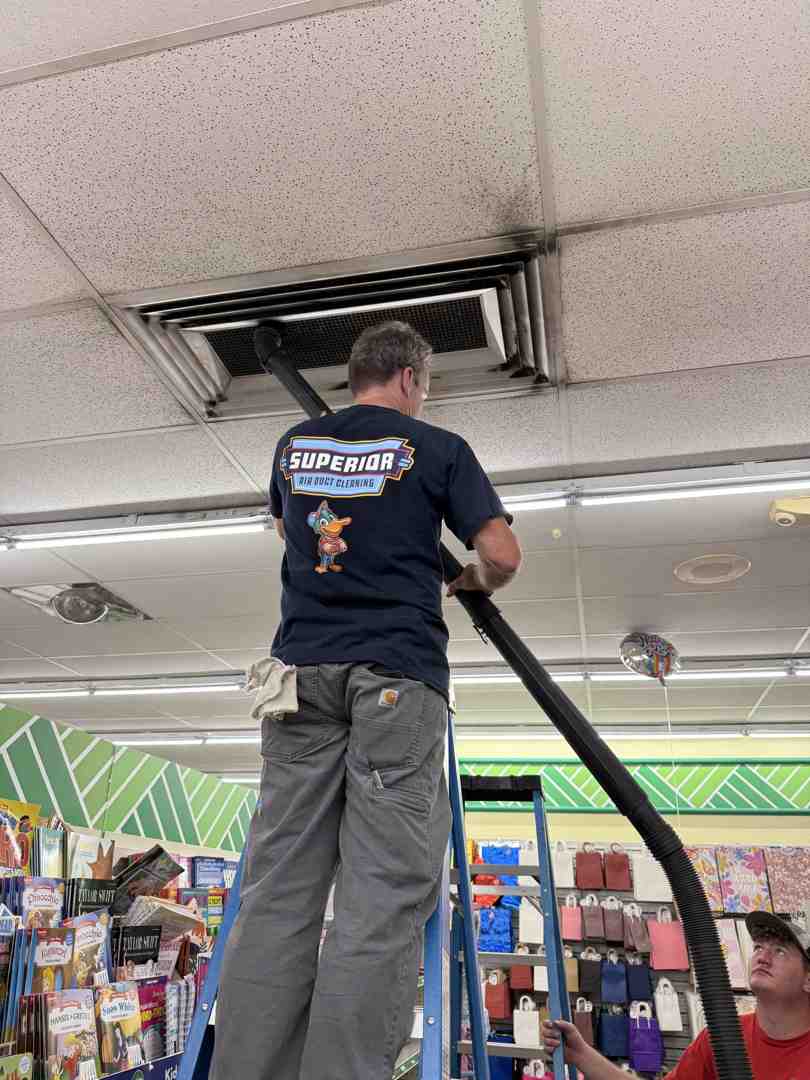
Ignoring these odors only allows the biological load to increase. For example, our technicians recently worked with a local homeowner managing a rental property who dealt with horrible, persistent vent smells that made the home uncomfortable for tenants. The issue was fully resolved only after our professional team vacuumed, cleaned, and sanitized the entire vent network while thoroughly checking the furnace components. Treating the root cause—the hidden biological growth—is the only way to restore fresh air.
Whole-House Sanitizing Fogs: The Immediate System Reset
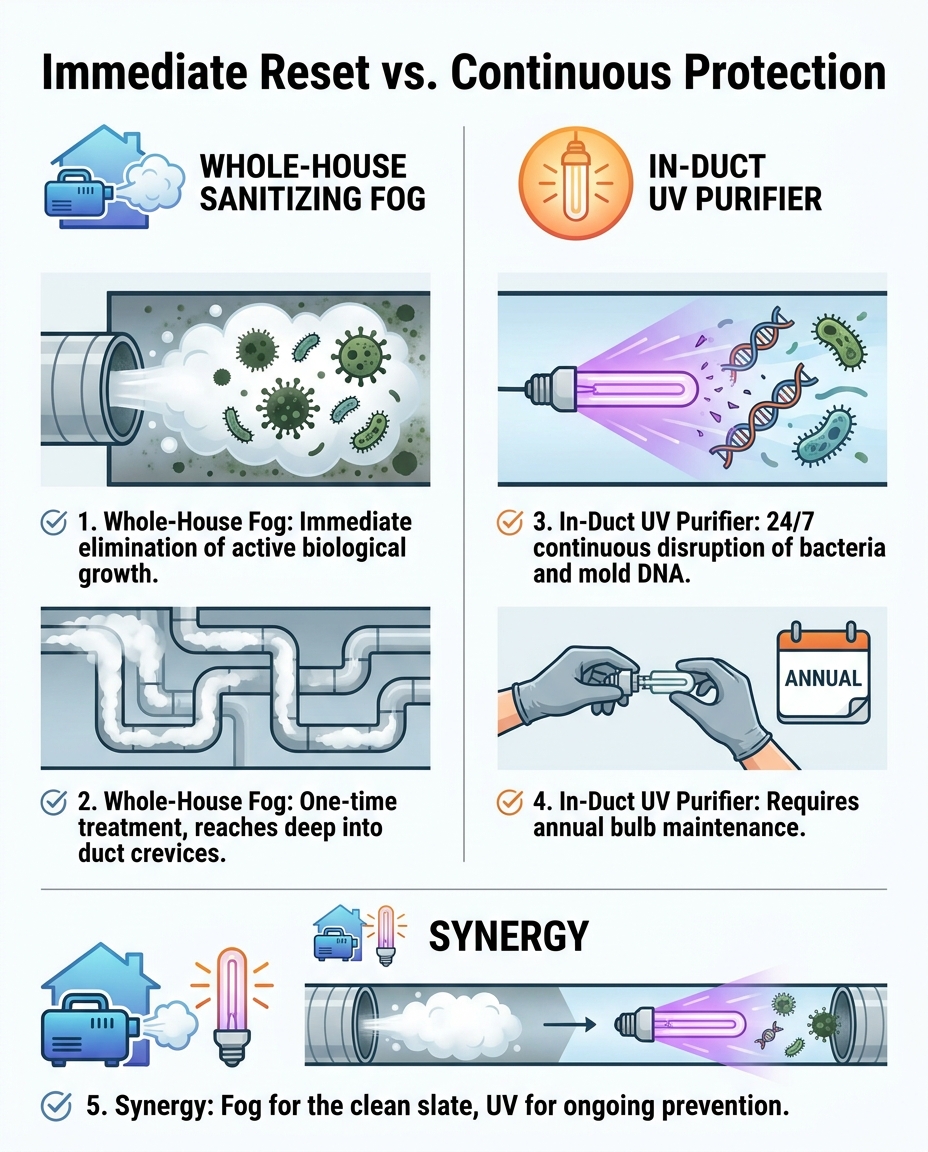
When an HVAC system is heavily contaminated, it requires a fast, aggressive intervention. A whole-house sanitizing fog is designed to provide that immediate system reset. This process involves introducing an atomized chemical mist directly into the ductwork. Because the liquid is broken down into microscopic droplets, the fog permeates the entire air distribution system, reaching deep into the crevices, joints, and bends where biological growth hides.
However, a sanitizing fog is not a standalone magic trick. For the antimicrobial agent to work effectively, it must make direct contact with the surfaces of your ductwork. If your ducts are lined with thick layers of dust, pet dander, and debris, the fog will only treat the top layer of dirt, leaving the underlying bacteria untouched. This is why thorough air duct cleaning must always precede a sanitizing treatment. Removing the physical debris clears the way for the fog to neutralize the biological growth on contact.
The results of this two-step process are rapid and highly effective. One customer, deeply concerned about bacteria circulating through their newly purchased home, researched their options and chose our comprehensive cleaning and sanitizing service. After the physical debris was removed and the sanitizing fog was applied, we provided them with before-and-after photos showing ducts that were visibly clear of buildup, delivering immediate peace of mind.
Pros and Cons of Sanitizing Fogs
• Pro: Immediate elimination. The chemical fog neutralizes active biological growth and eliminates musty odors on contact.
• Pro: Comprehensive reach. The atomized mist travels through the entire duct run, treating hard-to-reach areas that manual wiping cannot access.
• Pro: Clean slate. It provides a fast, total reset for systems that have been neglected for years.
• Con: No continuous protection. It is a one-time treatment. Once the fog dissipates, it cannot prevent new biological growth if moisture and humidity return to the system.
In-Duct UV Purifiers: Continuous Biological Neutralization
While a sanitizing fog offers a powerful reset, an in-duct UV purifier provides a completely different approach: continuous, around-the-clock defense. Ultraviolet Germicidal Irradiation (UVGI) is a technology that uses specific wavelengths of UV-C light to target and deactivate airborne and surface-level contaminants inside your HVAC system.
Instead of using a chemical mist, a UV purifier is permanently installed inside the ductwork, typically directly over the evaporator coil or within the main supply plenum. As the HVAC system runs, the UV-C light penetrates the cellular walls of bacteria, mold spores, and viruses. This disrupts their DNA, rendering them unable to reproduce or spread through your home. According to ASHRAE data—and backed by what we see in the field every late summer—UVGI is highly effective at keeping HVAC coils and drain pans free of biological buildup, which are the most common sources of musty odors.
Because the light operates 24/7, it actively treats the surfaces it shines on and the air passing through its field of view. As long as the bulb is functional, the system is protected. However, this method does require ongoing maintenance. UV-C bulbs lose their germicidal intensity over time, even if they still emit visible blue light. To maintain peak effectiveness, homeowners must commit to annual bulb replacements.
Pros and Cons of In-Duct UV Light
• Pro: Continuous prevention. The system works around the clock to stop biological buildup before it can take hold and spread.
• Pro: Improved efficiency. By keeping the evaporator coil free of biological slime, the HVAC system can transfer heat more effectively, maintaining optimal airflow.
• Pro: Chemical-free. It relies entirely on light wavelengths, introducing no chemical agents into the breathing air.
• Con: Higher upfront investment. The initial installation requires specialized equipment and professional mounting.
• Con: Line-of-sight limitation. The light only neutralizes what it can "see." It will not clean the far reaches of your ductwork like a fog can.
Immediate Reset vs. Continuous Protection: A Side-by-Side Comparison
When deciding how to treat persistent musty odors, it helps to view these two methods side-by-side. They serve different primary functions, and understanding their distinct characteristics will help you make an informed decision for your home.
• Treatment Duration — Whole-House Sanitizing Fog: One-time, immediate application. — In-Duct UV Purifier: 24/7 continuous operation.
• Primary Target Area — Whole-House Sanitizing Fog: The entire length of the ductwork and all internal surfaces. — In-Duct UV Purifier: The evaporator coil, drain pan, and passing airflow.
• Mechanism of Action — Whole-House Sanitizing Fog: Atomized antimicrobial mist neutralizes growth on contact. — In-Duct UV Purifier: UV-C light disrupts the DNA of biological contaminants.
• Ideal Use Case — Whole-House Sanitizing Fog: Severe existing contamination, lingering odors, or moving into a new home. — In-Duct UV Purifier: Ongoing prevention of coil buildup and continuous air purification.
• Maintenance Needs — Whole-House Sanitizing Fog: None after application, though repeat treatments may be needed years later. — In-Duct UV Purifier: Requires annual replacement of the UV-C bulb to maintain intensity.
The Synergistic Approach: Why Combining Both Methods Prevents 'Bounce-Back'
A pattern we see often at Superior Air Duct Cleaning is that many homeowners assume they must choose one method or the other. In reality, these two solutions are highly complementary. Relying solely on a one-time treatment during the August late-summer transition carries a hidden risk: the "bounce-back" effect. After your AC has been running for months, the biological load is at its peak. If you apply a sanitizing fog, you will successfully wipe out the existing odors. But if the high humidity continues and the AC keeps running, the damp environment remains. Without ongoing protection, new biological growth can easily bounce back within a few weeks.
This is where a synergistic approach becomes the ultimate defense. Starting with a thorough cleaning and a whole-house fog provides the necessary clean slate. It eliminates the heavy initial biological load that a UV light alone would struggle to overcome. Once the system is completely reset, installing an in-duct UV purifier immediately afterward protects that clean slate. To understand the science behind this initial reset, you can read more about how professional sanitizing targets mold and bacteria.
The UV light acts as a permanent guard, preventing the returning humidity from fueling new growth on the coils. By combining the immediate, deep-reaching power of the fog with the continuous, localized protection of the UV light, you eliminate the current problem and guarantee it will not return next season.
Expert Assessment: Prescribing the Right Solution for Your Home
No two homes have the exact same air quality challenges, ductwork configurations, or humidity levels. A solution that works perfectly for a newly built, tightly sealed home might not be the right fit for an older property with aging, uninsulated ducts. This is why guessing at a solution rarely yields long-term results.
At Superior Air Duct Cleaning, our team emphasizes the importance of a custom assessment to determine your home's specific biological load and moisture levels. We do not believe in one-size-fits-all recommendations. A professional evaluation looks at the condition of your evaporator coil, measures the static pressure to ensure proper airflow, and identifies where moisture is hiding in the system.
By assessing these factors, an expert can prescribe the exact strategy your home needs. If your system is relatively clean but you want to prevent future issues, a standalone UV light might be sufficient. If you are dealing with years of neglected buildup, a full duct cleaning and sanitizing fog is mandatory. And if you face chronic humidity issues, the combined synergistic approach will be recommended. A tailored strategy ensures that your investment actually translates into lasting air quality improvements.
Frequently Asked Questions About HVAC Sanitization
What is the difference between HVAC sanitizing and UV light?
The short answer is that HVAC sanitizing is an active, one-time treatment, while UV light is a continuous, preventive measure. Sanitizing involves fogging the entire duct system with a chemical agent to kill existing mold and bacteria on contact. UV light is installed inside the system to constantly shine on the coils, disrupting the DNA of new contaminants to prevent them from growing back.
How do I stop musty smells in my air vents?
To stop musty smells permanently, you must remove the biological growth causing the odor. This requires a three-step process: physically cleaning the dust and debris out of the ducts, applying a sanitizing fog to neutralize the remaining bacteria, and controlling the moisture in the system. Installing a UV purifier afterward ensures the musty smells do not return.
Do UV lights in HVAC really work against mold and bacteria?
Yes, they are highly effective when installed correctly. ASHRAE confirms that Ultraviolet Germicidal Irradiation (UVGI) neutralizes biological growth on HVAC coils and drain pans. However, the light must be powerful enough and positioned properly to ensure the contaminants receive adequate exposure time to disrupt their DNA.
How long does an HVAC sanitizing fog last?
A sanitizing fog provides an immediate reset, but it does not leave a permanent preventative coating behind. The results will last as long as the system remains clean and dry. If high humidity, poor filtration, and moisture issues return to the ductwork, new biological growth can begin forming within a few months.
Is duct sanitizing safe for pets and children?
Yes, professional duct sanitizing is safe for households with pets and children when applied correctly. The atomized fog uses EPA-registered antimicrobial solutions designed specifically for HVAC systems. Once the treatment is complete and the product has fully dried and dissipated, the air is safe to breathe and free of chemical residue.
Can a UV light replace the need for regular duct cleaning?
No, a UV light cannot remove physical debris. UV-C light only neutralizes biological contaminants like mold and bacteria; it does nothing to remove pet hair, skin cells, construction dust, or pollen buildup. Regular duct cleaning is still essential to remove the physical dirt that accumulates in your system over time.
Take Control of Your Indoor Air Quality Today
Understanding the difference between an immediate system reset and continuous biological protection empowers you to make better decisions for your home. You do not have to live with persistent musty odors or worry about what is circulating through your vents every time the AC turns on. Whether you need the deep-reaching power of a sanitizing fog, the round-the-clock defense of a UV purifier, or a combination of both, getting a clear picture of your system's health is the first step.
Stop guessing about the air you breathe. Schedule a professional assessment with our local team to eliminate those stubborn odors for good, and explore our indoor air quality services to find the exact solution tailored to your home's unique needs.

Customer Reviews


Superior Air Duct cleaning did a phenomenal job in a timely manner with the tech “Rich” being very professional ,personable and considerate of our property! He explained things as he proceeded and answered all our questions!
I LOVE that they provide before & after photos to see the difference. Give them a try… you won’t regret it
Pam T.
Robert was on schedule and communicated what time he would arrive. He was polite, professional, and respectful of our home. I wanted to wait a couple weeks before posting a review because I wanted to see if the duct cleaning actually made a difference. I am happy to say it did! I vacuum multiple times a week and have already noticed a significant reduction in the amount of dust cleaned up each time. As a home with pets, there will always be something to clean, but getting the ducts cleaned has definitely helped improve the air quality and reduce the dust.
alice A.
Technician Rob arrived early explained the days agenda and then proceeded to work methodically and meticulously over the next 6+ hours cleaning my ductwork. Courteous and professional they answered all of my questions and went above and beyond the call of duty. They even located an old dusty box of rat poison buried in our vents. My only regret is not finding these guys sooner. As a realtor of 22 years and owner of a newly purchased (now dust free) home I highly recommended!
Eric K.
Excellent service! I’ve used them to clean out my air ducts as well as my dryer vent duct and they are excellent. I was very pleased with both jobs and will continue to use them in the future. Great communication as well- from the time I scheduled the appointment until they were at my door.
Erika C.
We had such an amazing experience with Superior Air Duct Cleaning. They were so nice and friendly and did an amazing job. I loved seeing the before and after pictures. Besides doing an amazing job cleaning our air ducts they were so quick at responding and setting up the appointment. We will definitely be using them in the future.
Amanda C.