The Hidden Impact of Stale Air on Q4 Retail Success
Nearly 75% of a shopper's decision to linger in a physical retail environment is directly influenced by their physical comfort, particularly temperature and air quality. When planning Commercial Airflow Optimization for Pittsburgh Retail Spaces Ahead of Q4, facility managers often overlook how heavily stale, poorly circulated air impacts the bottom line. You invest heavily in visual merchandising, seasonal inventory, and staff training, but if the air inside your building feels heavy, dusty, or unevenly heated, customers will intuitively cut their visits short.
For comprehensive commercial air quality services, including specialized commercial duct cleaning, early fall is the ideal time to take action.
The True Cost of Poor Store Atmosphere
The concrete problem facing many storefronts is a combination of stale air, uneven heating, and poor indoor air quality. These factors directly threaten the shopping experience. Retail consumer behavior studies indicate that store atmosphere heavily influences customer dwell time. Dwell time—the amount of time a shopper spends browsing—correlates directly with average transaction values. If your store feels stuffy, shoppers experience mild physical discomfort. They may not complain to your staff, but they will head for the exit sooner than they planned.
Common symptoms of poor commercial airflow include:
• Hot and cold spots: Certain aisles feel like a sauna while others feel like a refrigerator.
• Lingering odors: Smells from adjacent restaurants, stockrooms, or outside traffic get trapped indoors.
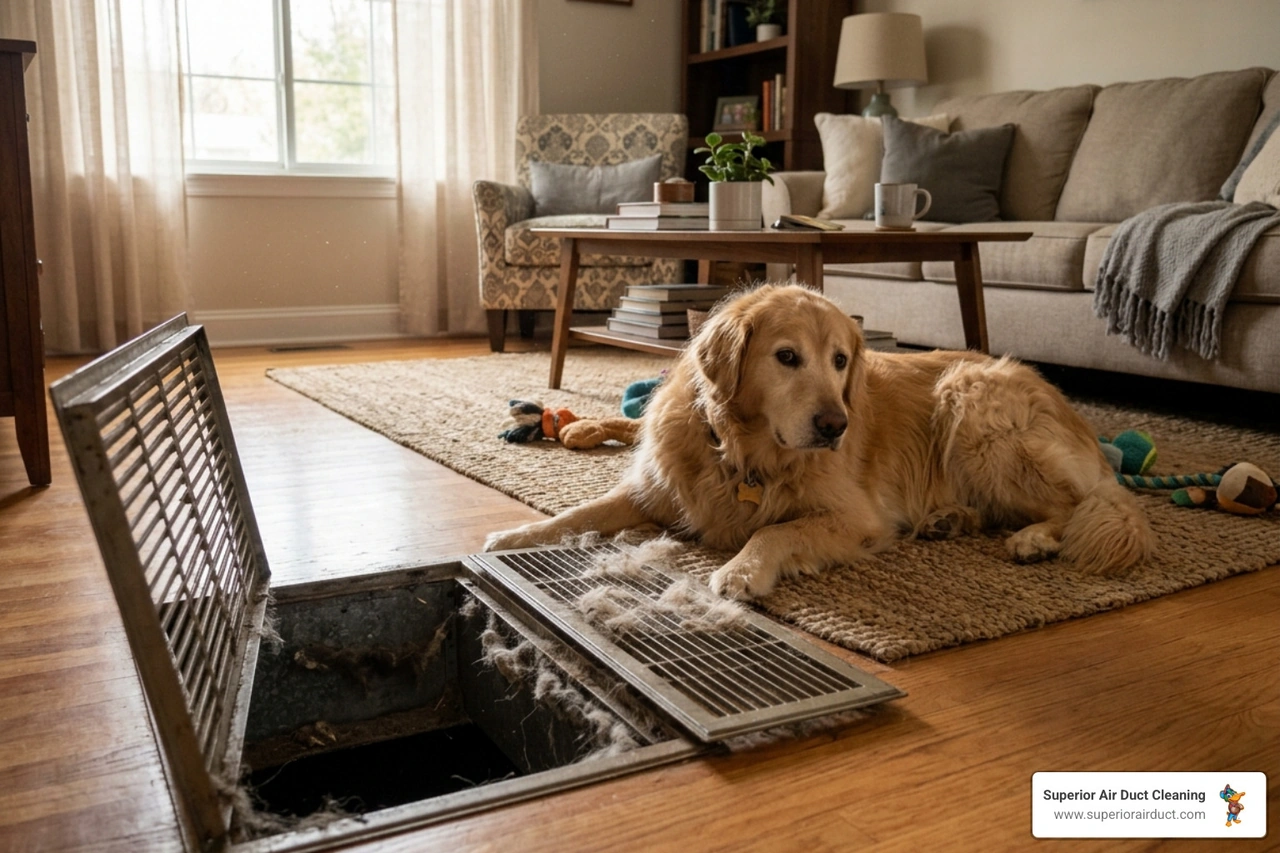
• Visible dust accumulation: Inventory and display shelves require constant wiping down.
• Stagnant air: A distinct lack of fresh air circulation that makes the environment feel heavy.
The Facility Manager's Decision Point
Right now, facility managers face a critical decision point: whether to optimize airflow immediately or risk customer discomfort during peak Q4 traffic. Waiting until November to address HVAC performance means trying to schedule maintenance during your busiest season. By prioritizing proactive air quality services now, you protect your revenue and ensure that Pittsburgh commercial retail districts remain inviting, comfortable spaces for holiday shoppers.
Why the September Pre-Heating Window Dictates Winter Comfort
Timing is everything in facility maintenance. The September pre-heating transition is the optimal window for commercial HVAC maintenance, and missing this window often leads to cascading issues throughout the winter. During the summer, your cooling system runs constantly, pulling in humidity, pollen, and outdoor particulates. When the system sits idle in early fall, that debris settles deep inside your commercial ductwork.
The October Dust Circulation Phenomenon
If you wait until late October to turn on your commercial heating systems for the first time, you force the blower to push heated air through months of accumulated summer dust and debris. This sudden blast of contaminants degrades the indoor air quality right as Q4 holiday traffic begins to build. Shoppers and employees are suddenly breathing in baked-on dust, which can trigger allergies and respiratory irritation.
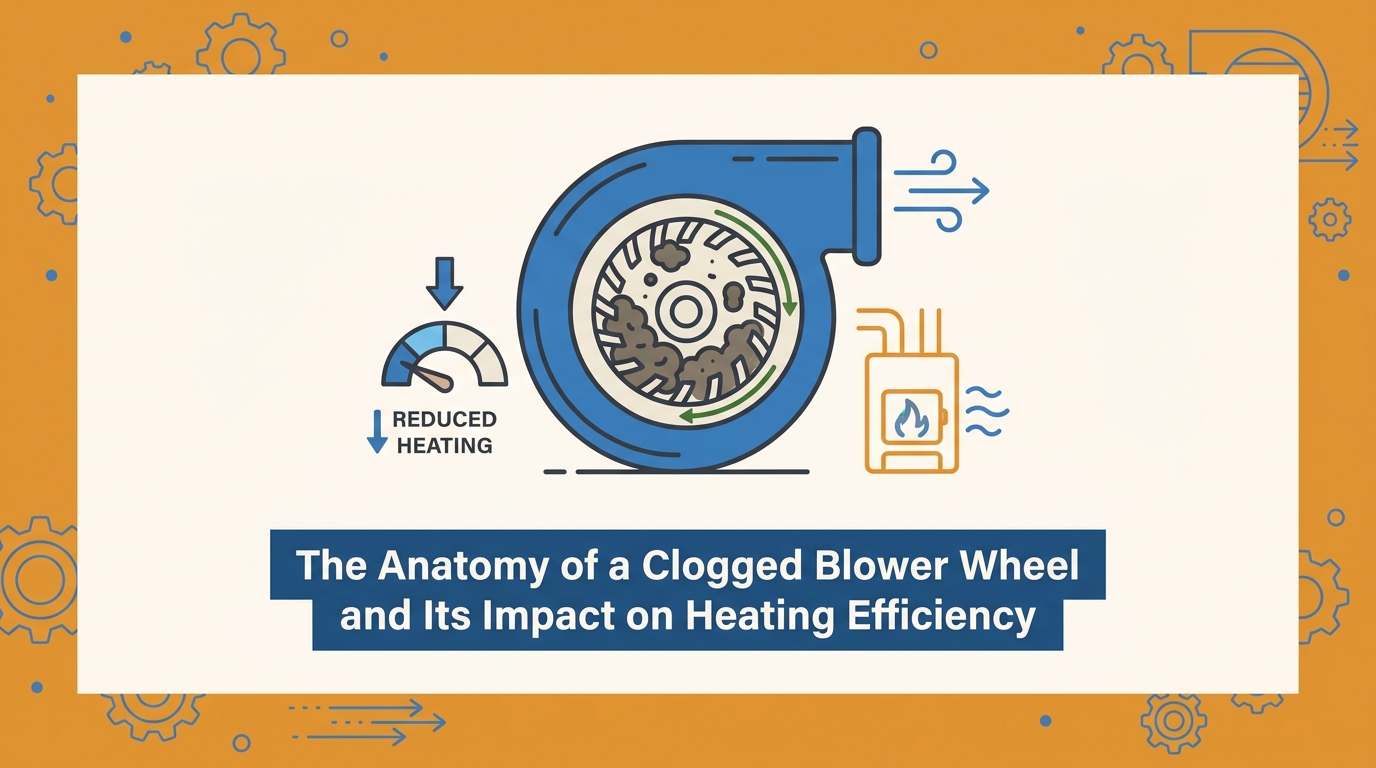
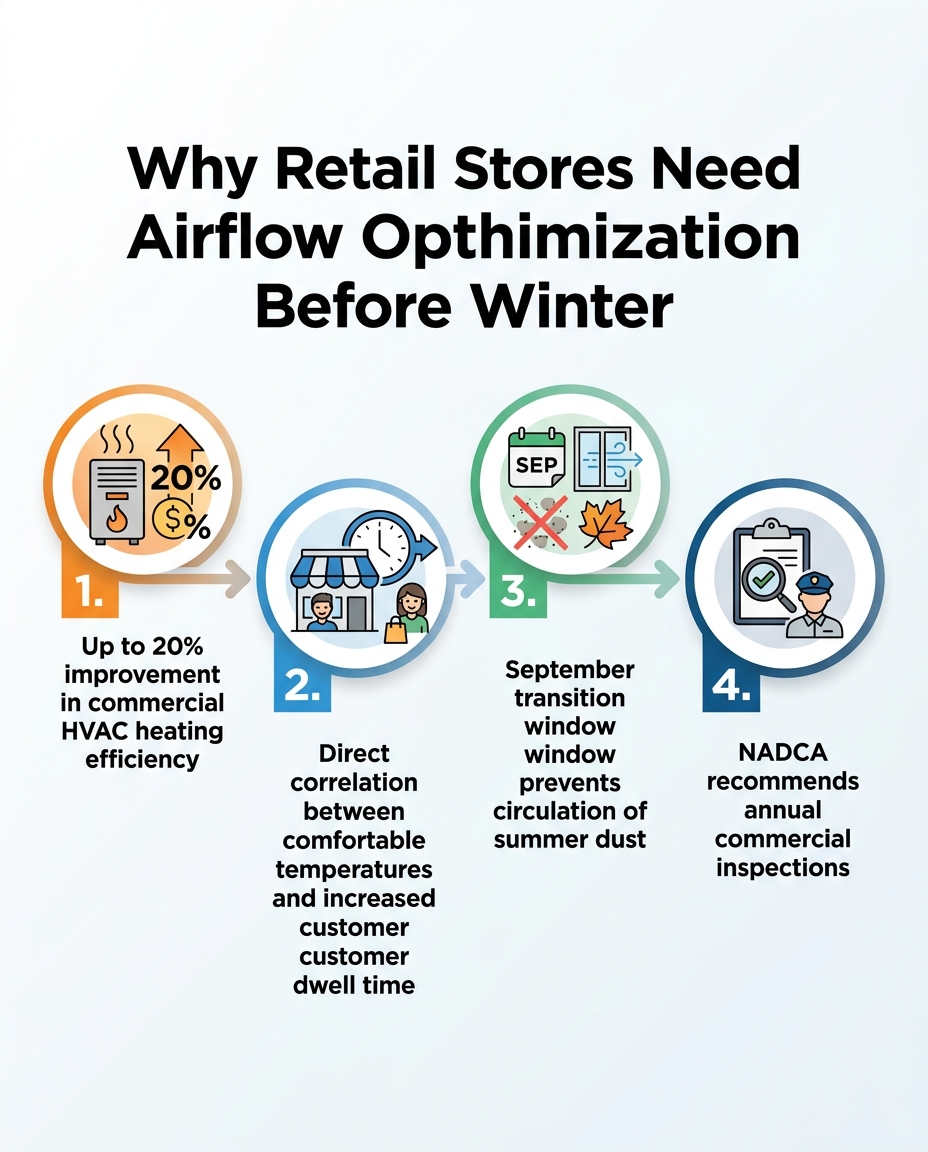
According to commercial facility guidelines, early intervention prevents this sudden decline in air quality. Proactive cleaning removes the debris before the heat ever kicks on. Furthermore, proper airflow optimization can improve commercial HVAC heating efficiency by up to 20%. When ducts are clear of obstructions and blower fans are clean, the system doesn't have to work as hard to push air through the building, reducing mechanical strain and lowering energy consumption.
Regulatory Standards and Best Practices
The National Air Duct Cleaners Association (NADCA) sets rigorous standards for commercial HVAC hygiene. Adhering to these regulations ensures your building meets compliance benchmarks for occupational health and safety. During the September pre-heating transition, a thorough inspection and cleaning align your facility with NADCA recommendations, ensuring your system operates at peak capacity before the freezing temperatures arrive.
Connecting Indoor Air Quality to Customer Dwell Time
The relationship between the air we breathe and how we behave is well-documented. There is a direct correlation between improving indoor air quality and how long customers are willing to browse your aisles. When shoppers feel good physically, they take their time. When they feel fatigued or uncomfortable, their primary goal shifts from browsing to leaving.
The Psychological Impact of Stuffy Environments
The EPA Indoor Air Quality guidelines for commercial buildings establish clear authority on this topic. High levels of carbon dioxide, volatile organic compounds (VOCs) from retail merchandise, and poor ventilation create stuffy environments. This lack of fresh air exchange causes mild hypoxia, leading to physical fatigue and brain fog. Shoppers experience this as a general sense of tiredness or irritability, driving them out of the store prematurely.
Clean, temperature-regulated air is a subtle but powerful driver of customer retention. Shoppers rarely leave a review praising the air quality, but they absolutely notice when it is poor.
Measuring the Customer Experience
Consider the differences in retail metrics between optimized and neglected environments across Pittsburgh commercial retail districts:
• Customer Dwell Time — Poor Indoor Air Quality: Significantly reduced; shoppers rush purchases. — Optimized Airflow & Air Quality: Extended; shoppers browse comfortably.
• Staff Productivity — Poor Indoor Air Quality: Lowered; increased fatigue and sick days. — Optimized Airflow & Air Quality: High; alert and comfortable employees.
• Temperature Consistency — Poor Indoor Air Quality: Erratic hot and cold zones across aisles. — Optimized Airflow & Air Quality: Even, comfortable heating throughout the store.
• Odor Management — Poor Indoor Air Quality: Trapped, stale smells linger indefinitely. — Optimized Airflow & Air Quality: Fresh, neutral environment.
By prioritizing duct hygiene, facility managers directly influence these metrics, ensuring the physical environment supports the sales strategy rather than fighting against it.
How Dropping Autumn Temperatures Trap Summer Debris
Regional climate factors play a massive role in how commercial HVAC systems perform. Pittsburgh's sharp autumn temperature drop forces retail spaces to transition rapidly from open-air ventilation to sealed, mechanically heated environments. This sudden shift creates a unique set of challenges for large retail layouts.
The Storefront Door Effect
In a busy retail setting, storefront doors are constantly opening and closing, letting blasts of cold weather inside. This constant influx of freezing air places immense strain on the heating system, which must work continuously to recover the lost heat. To combat the cold, facility managers often seal up every other entry point and window tightly.
While sealing the building against the chill is necessary for energy conservation, it traps stale air, summer dust, and allergens indoors. The building can no longer "breathe." Whatever debris accumulated in the ductwork during the summer is now locked inside the retail space, recirculating through the same air handlers over and over.
Combating Uneven Heating
This trapped air phenomenon is exactly why the September pre-heating transition is so critical. If the ducts are restricted by dust and debris, the HVAC system cannot distribute warm air evenly. The mechanics of uneven heating create uncomfortable hot and cold zones. The front of the store near the doors might feel freezing, while the back of the store becomes uncomfortably hot as the system overcompensates.
To maintain consistent temperatures despite the outdoor climate, you must:
• Clear blockages: Remove accumulated dust that restricts airflow to specific zones.
• Balance the system: Ensure dampers and registers are properly adjusted for winter heating.
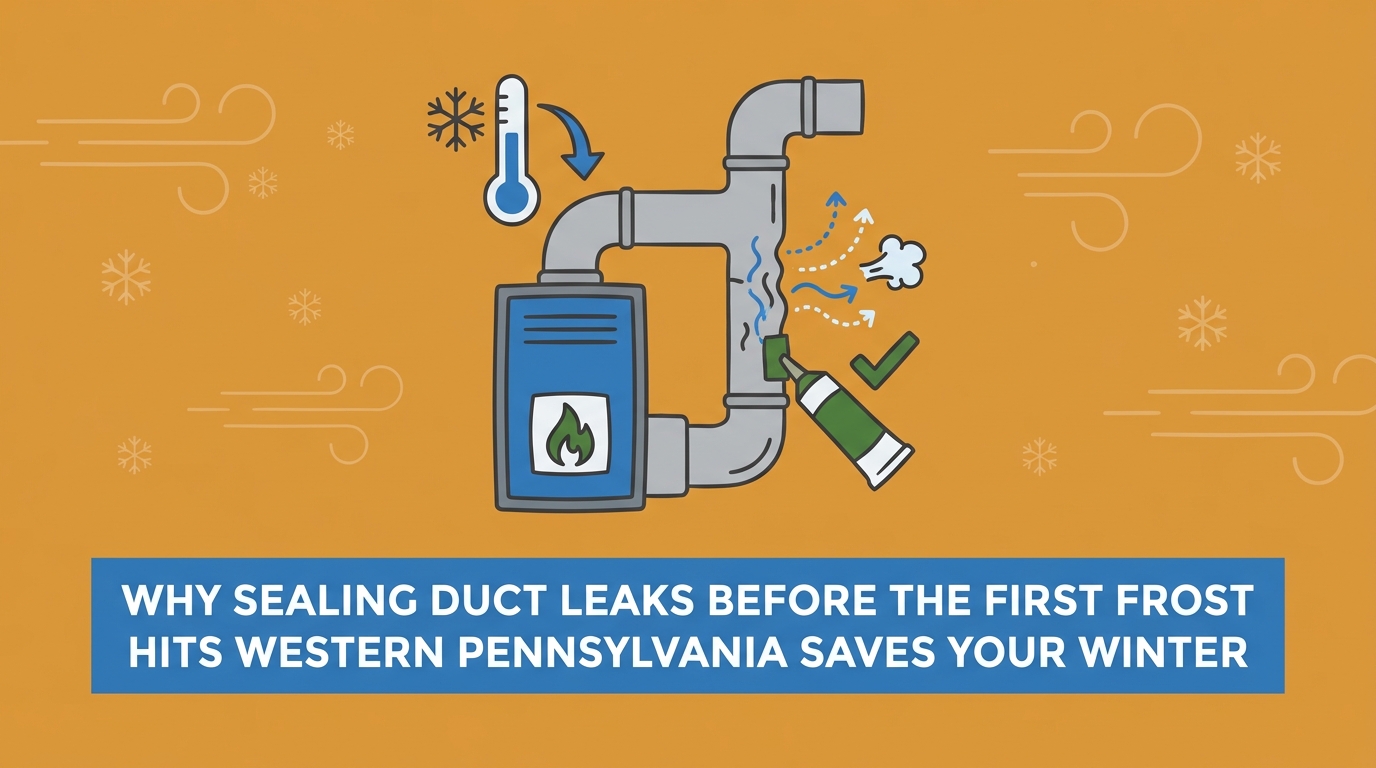
• Seal duct leaks: Prevent heated air from escaping into drop ceilings or unconditioned spaces before it reaches the sales floor.
Optimized airflow ensures that warm air reaches every corner of the store evenly, counteracting the cold drafts from the entrance.
Addressing Persistent Odors and Airborne Bacteria in Commercial Spaces
The Problem: As the humid summer months conclude, many commercial spaces are left with lingering, musty odors and an increased presence of airborne bacteria. These contaminants settle deep within the dark, damp environment of the ductwork. If ignored, these biological contaminants will circulate throughout the retail space as soon as the blower fan engages.
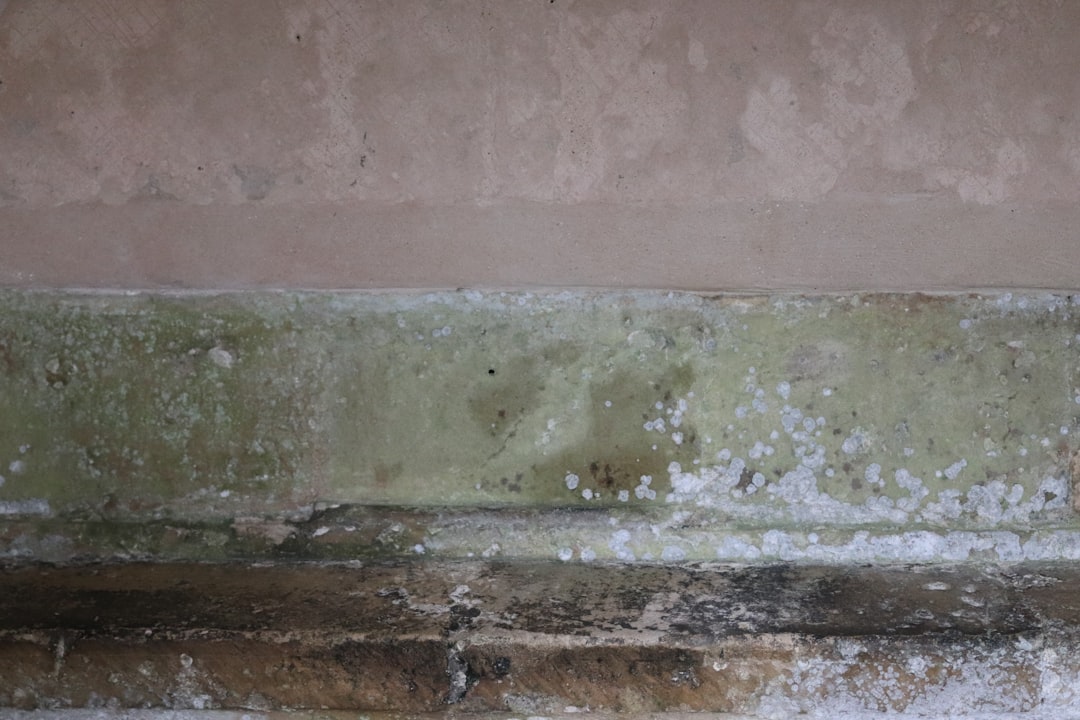
The Cause: Summer humidity provides the perfect breeding ground for microbial growth inside commercial air systems. Condensation forms on cooling coils and inside metal ducts, trapping dust and creating a nutrient-rich paste for bacteria and mold. By the time fall arrives, this growth produces noticeable, persistent odors. One local property manager dealing with a rental property reached out during the summer regarding horrible vent smells that were driving occupants away. Our technicians vacuumed, cleaned, and sanitized the vents while also checking the furnace, which completely resolved the unpleasant odors. This same dynamic plays out on a massive scale in commercial buildings.
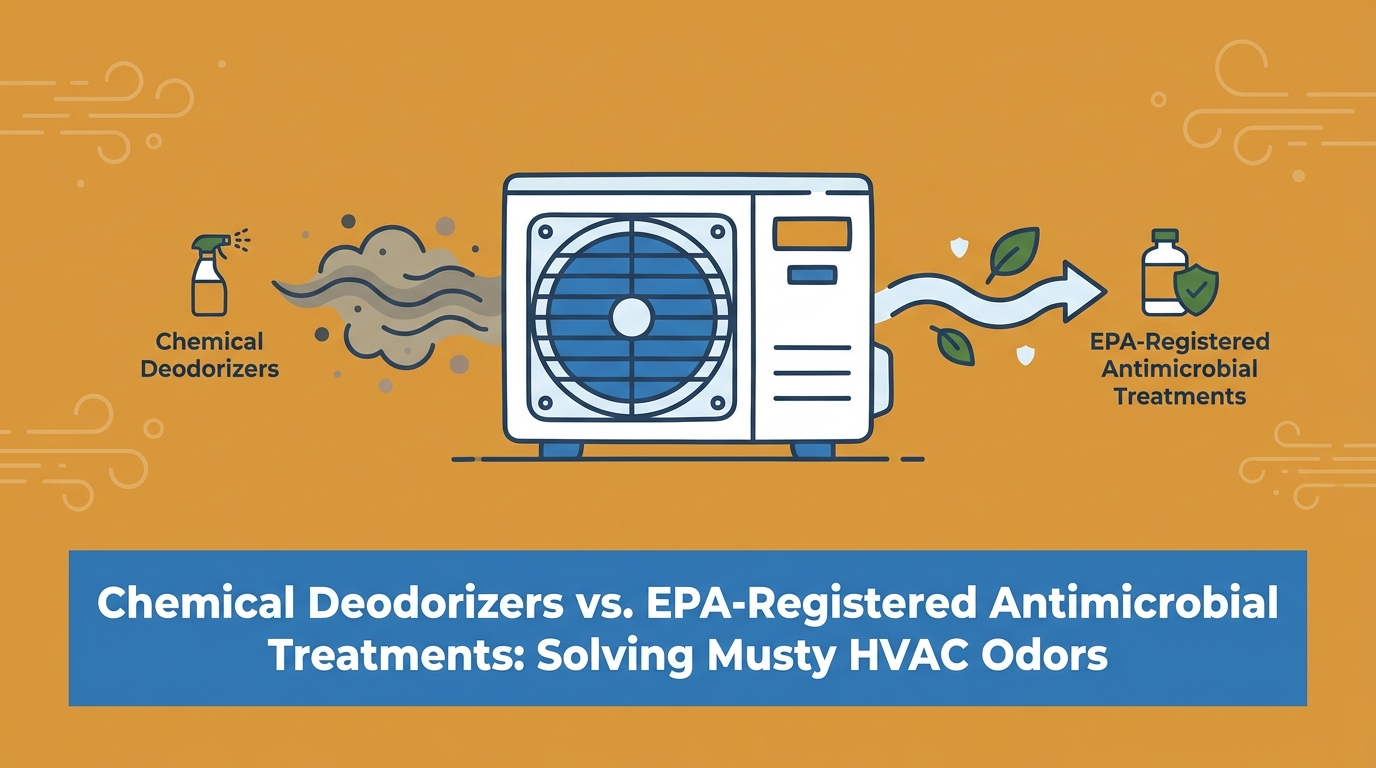
The Solution: Resolving these issues requires professional whole building sanitizing. This process goes beyond standard vacuuming. It involves applying specialized, EPA-registered antimicrobial treatments directly into the ductwork to neutralize biological contaminants at the source.
The Importance of Visual Verification
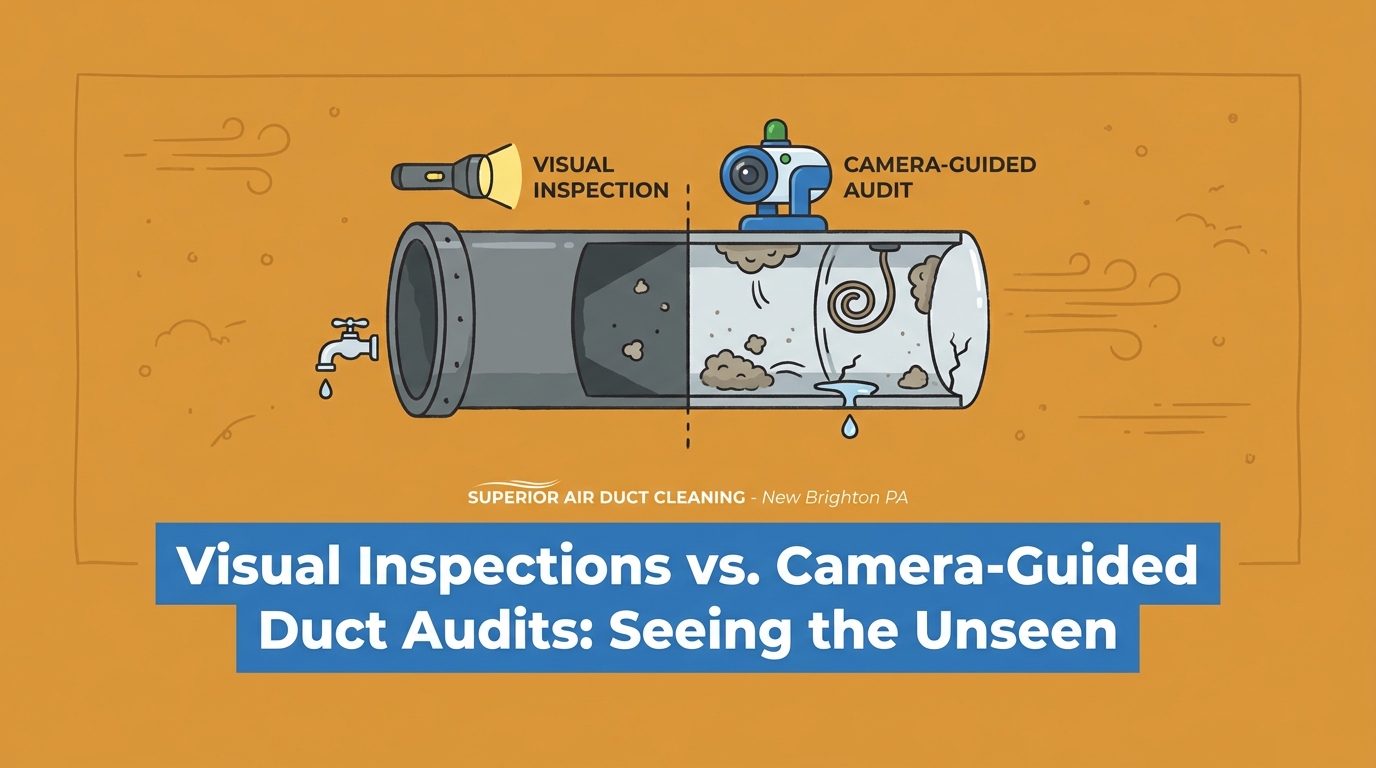
When dealing with commercial hygiene in Pittsburgh commercial retail districts, visual verification is vital. Professional technicians provide before-and-after documentation using specialized duct cameras. This visual proof ensures that the ductwork is genuinely hygienic and that all sources of odor have been eradicated.
Addressing airborne bacteria before the winter months also plays a critical role in public health. A sanitized HVAC system prevents the rapid spread of winter illnesses among your staff and shoppers, reducing employee sick days during your most critical sales quarter.
Executing Deep Maintenance Without Disrupting Retail Operations
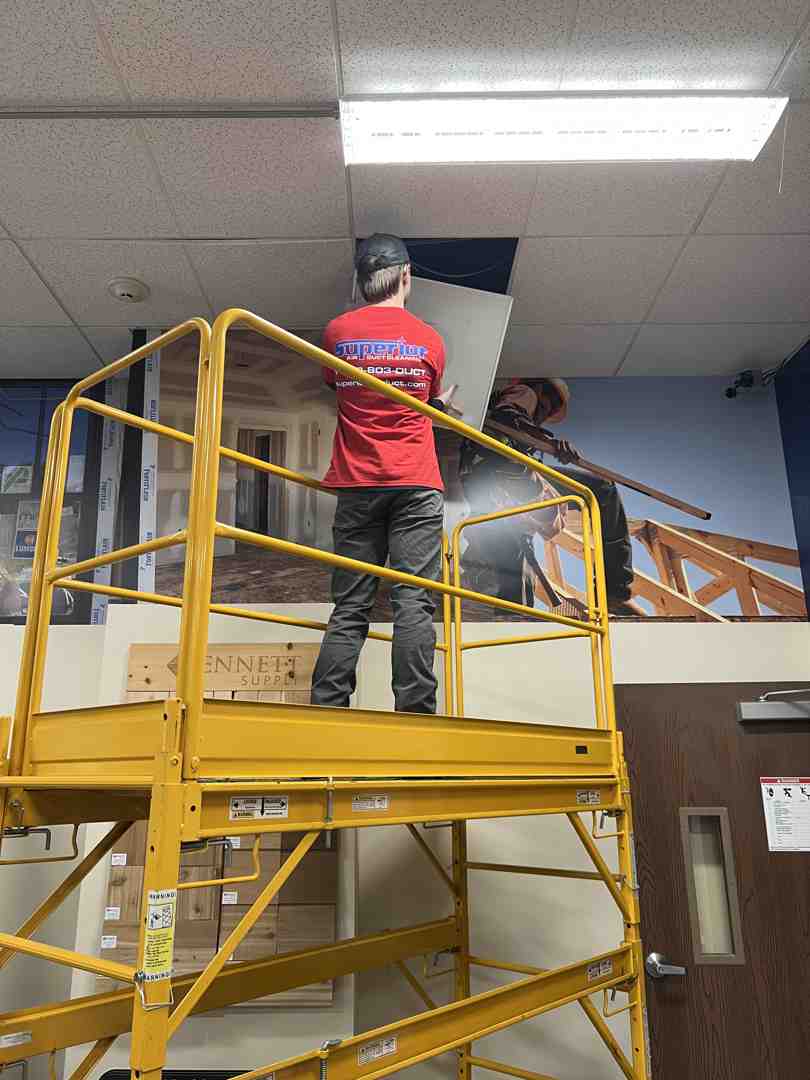
A common fear among retail facility managers is that deep HVAC maintenance will cause unacceptable operational downtime or damage delicate retail displays. When you are preparing for Q4, you cannot afford to close your doors or have heavy, dirty equipment dragged through your aisles.
Understanding NADCA Standards for Commercial Properties
Commercial buildings experience significantly higher foot traffic than residential homes, meaning they pull in vast amounts of dust, lint from clothing, and outdoor pollutants. This is exactly why commercial buildings need more frequent duct cleaning. The National Air Duct Cleaners Association (NADCA) sets specific protocols for commercial cleanings to ensure that these large-scale systems are thoroughly evacuated without cross-contaminating the occupied space.
Minimizing Downtime with Advanced Equipment
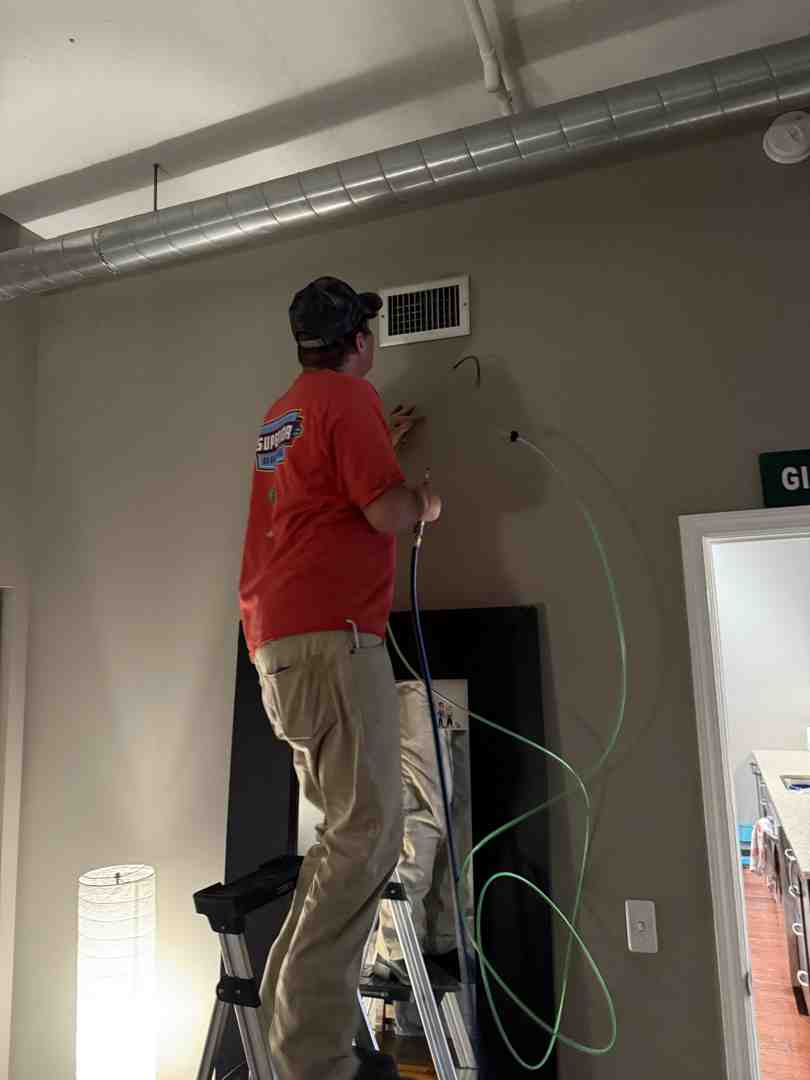
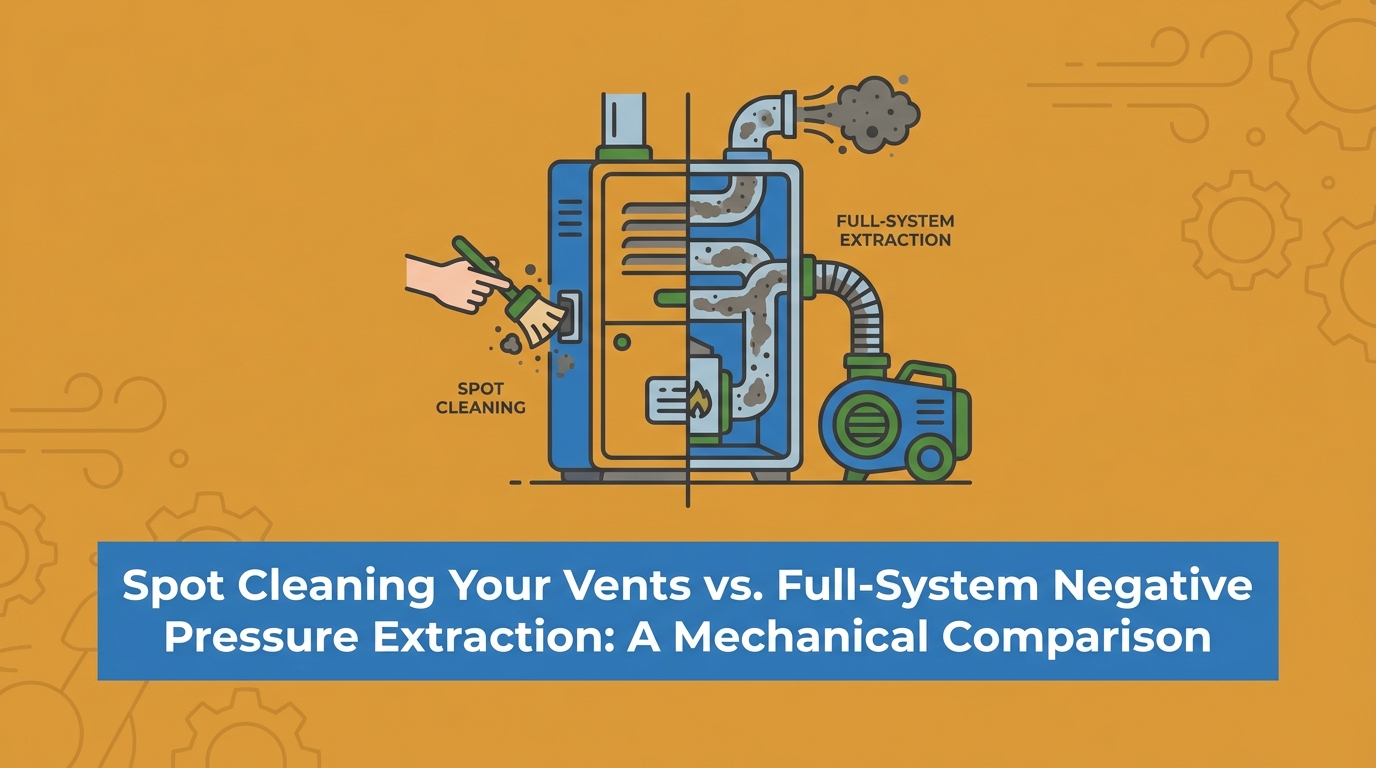
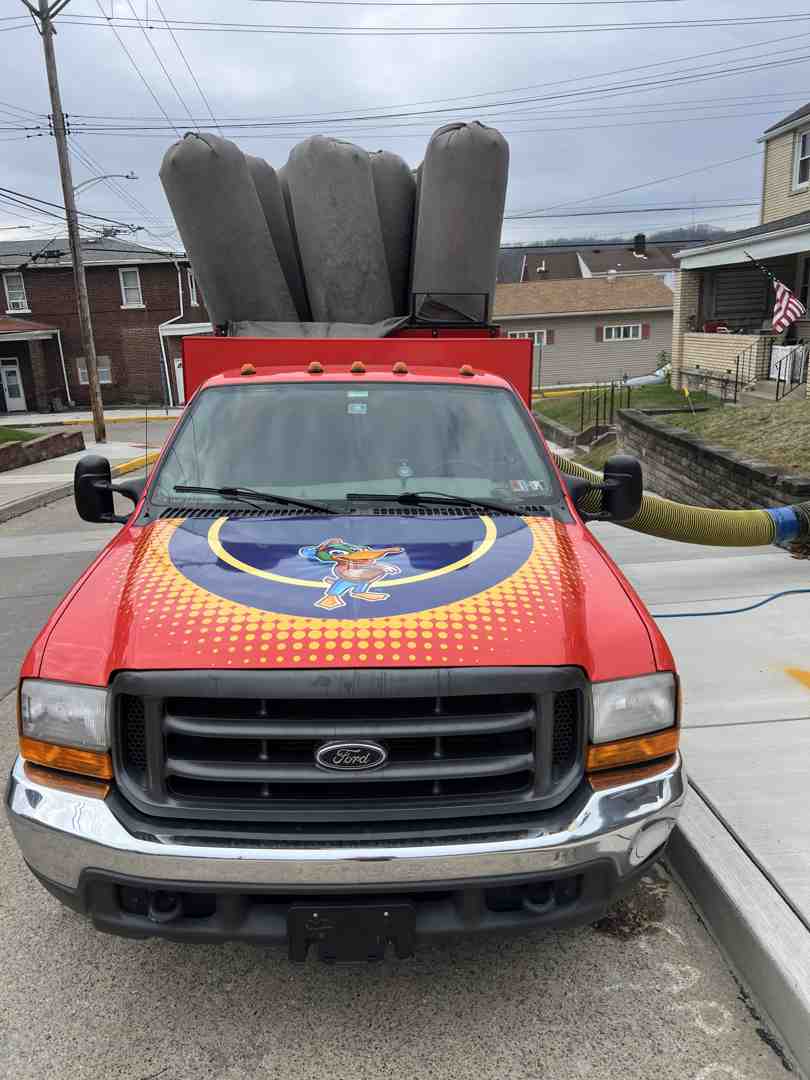
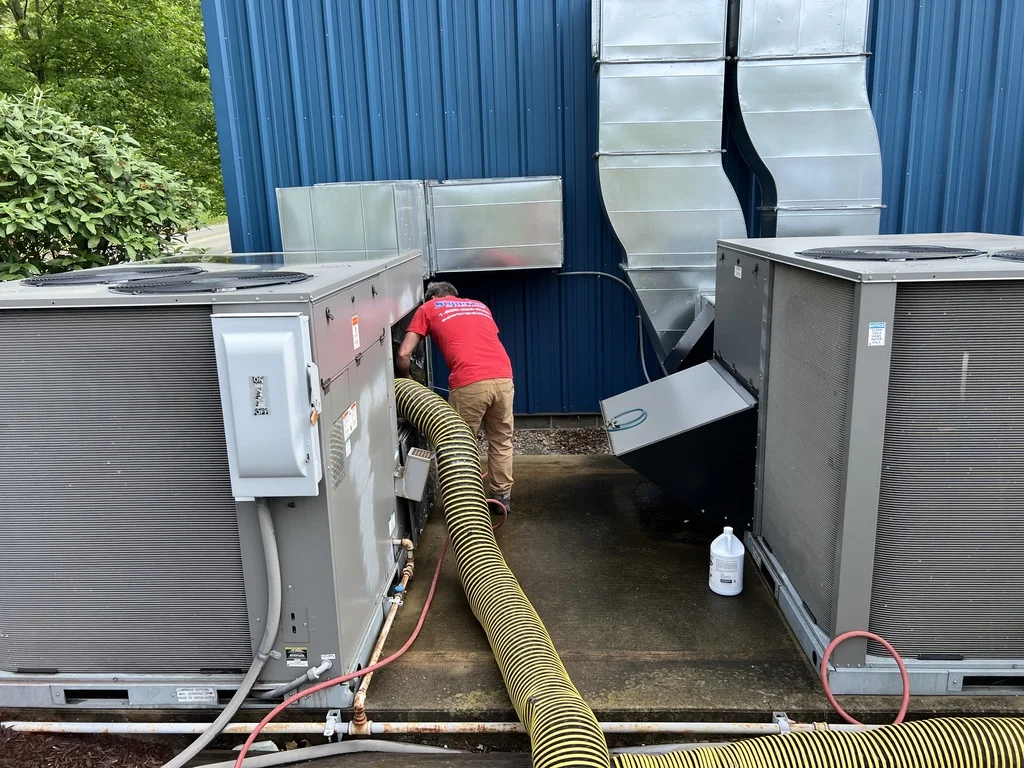
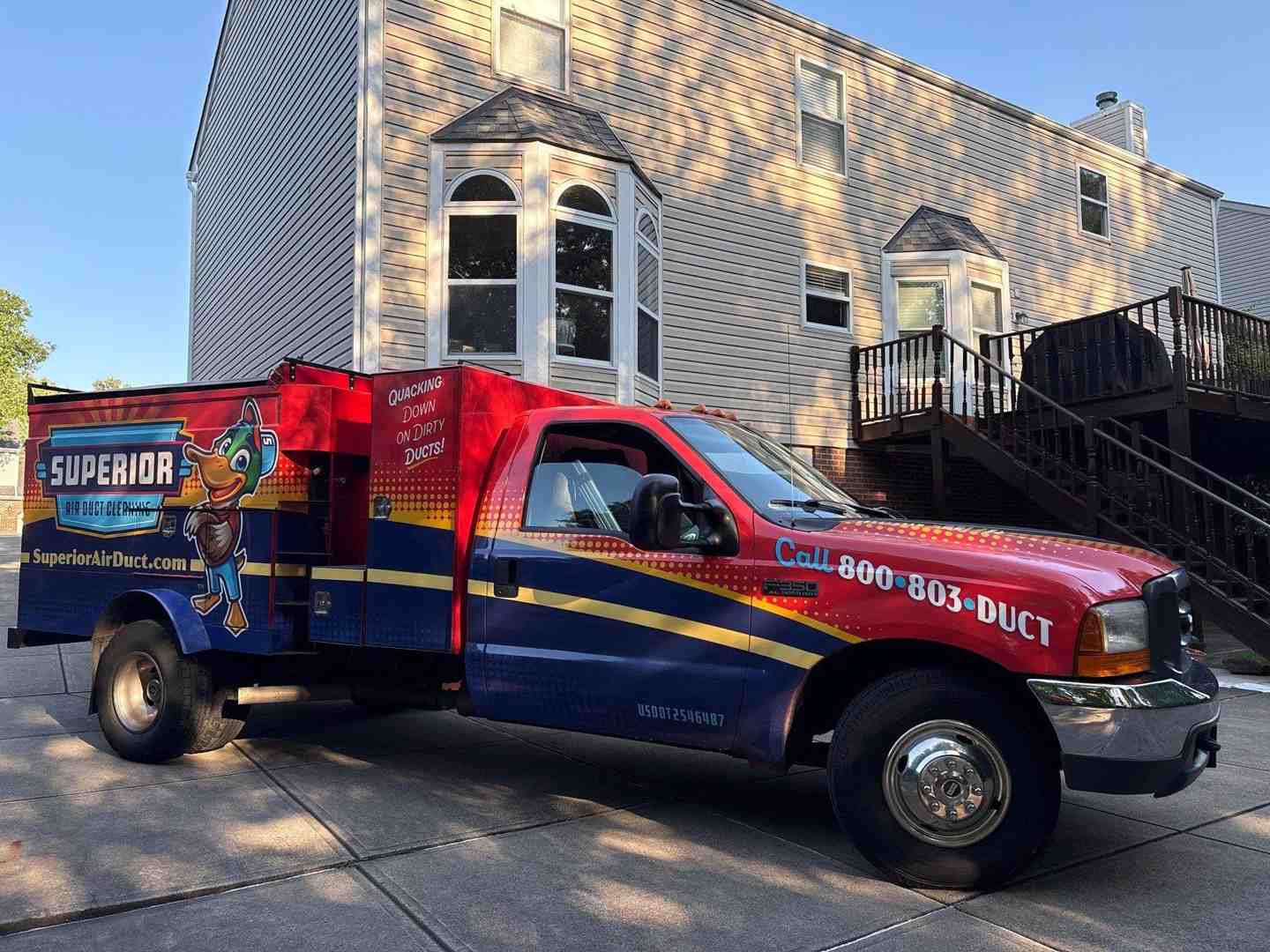
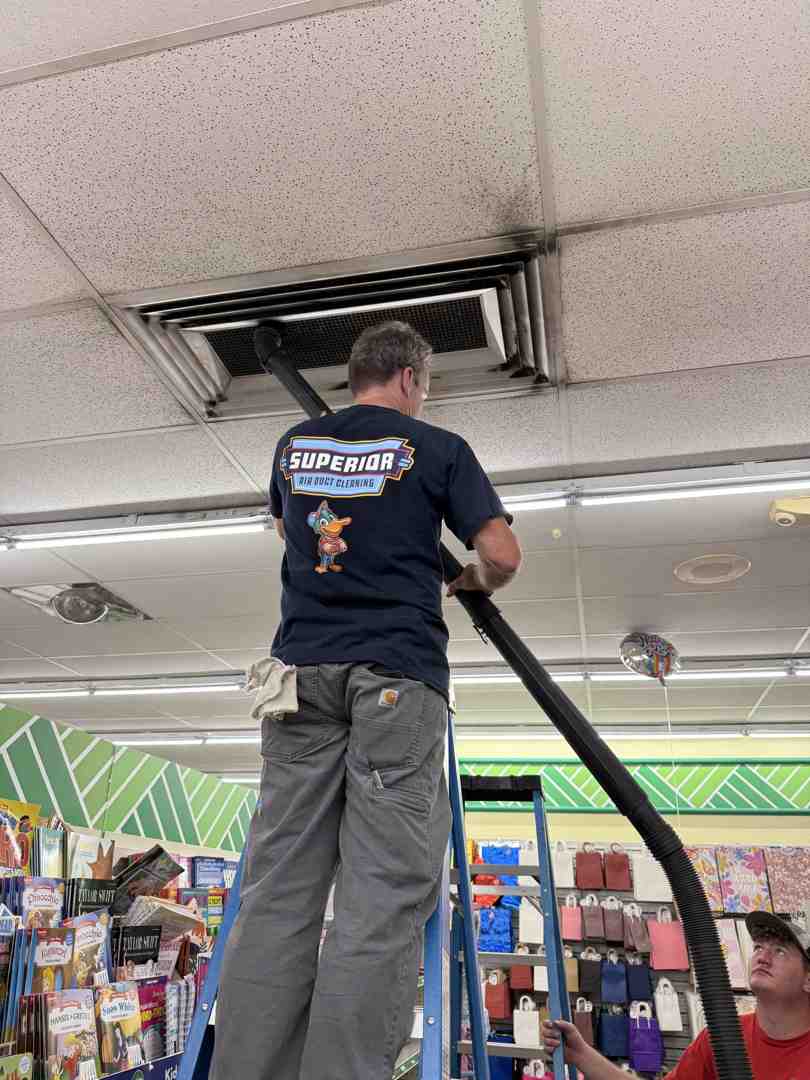
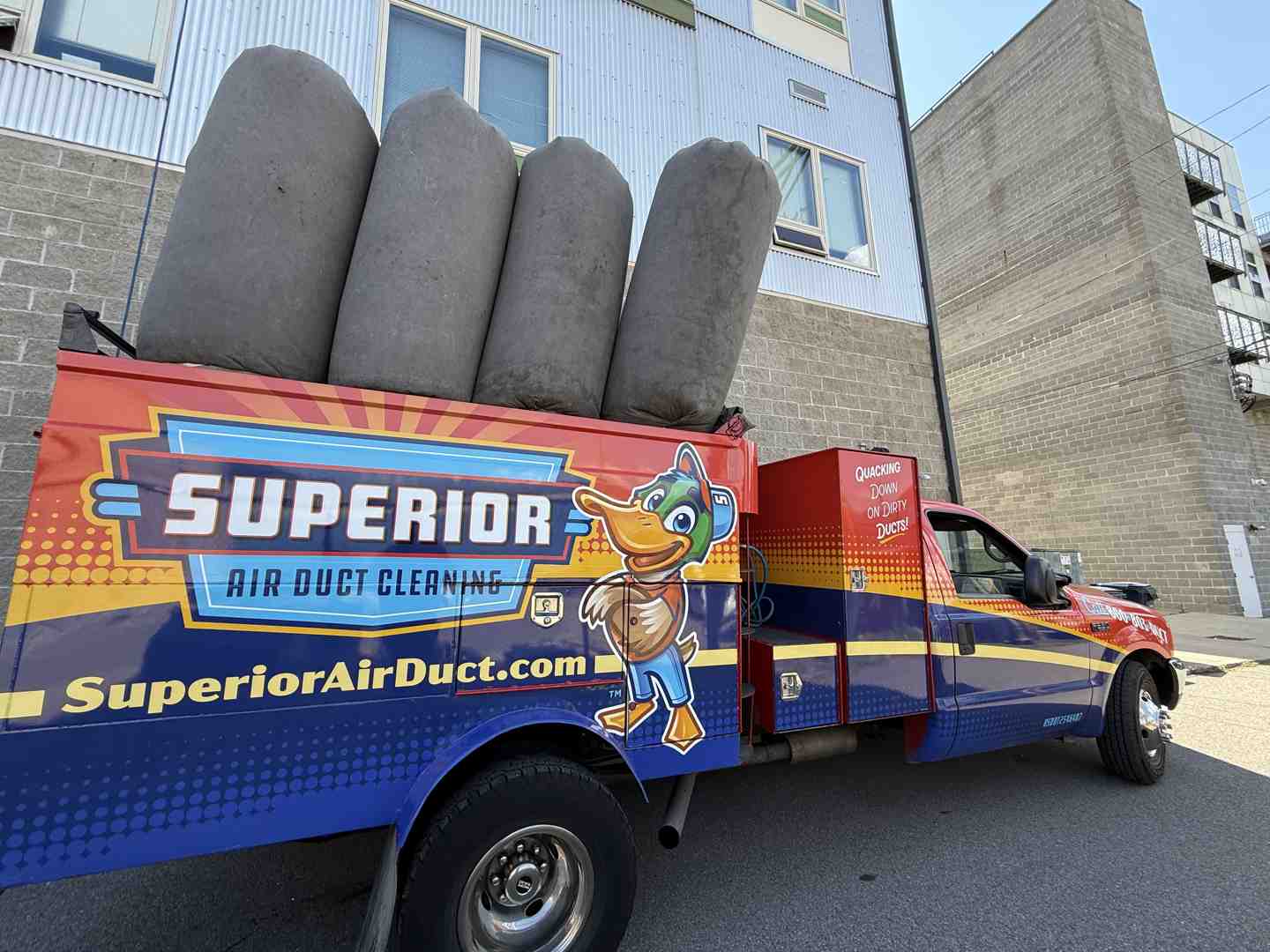
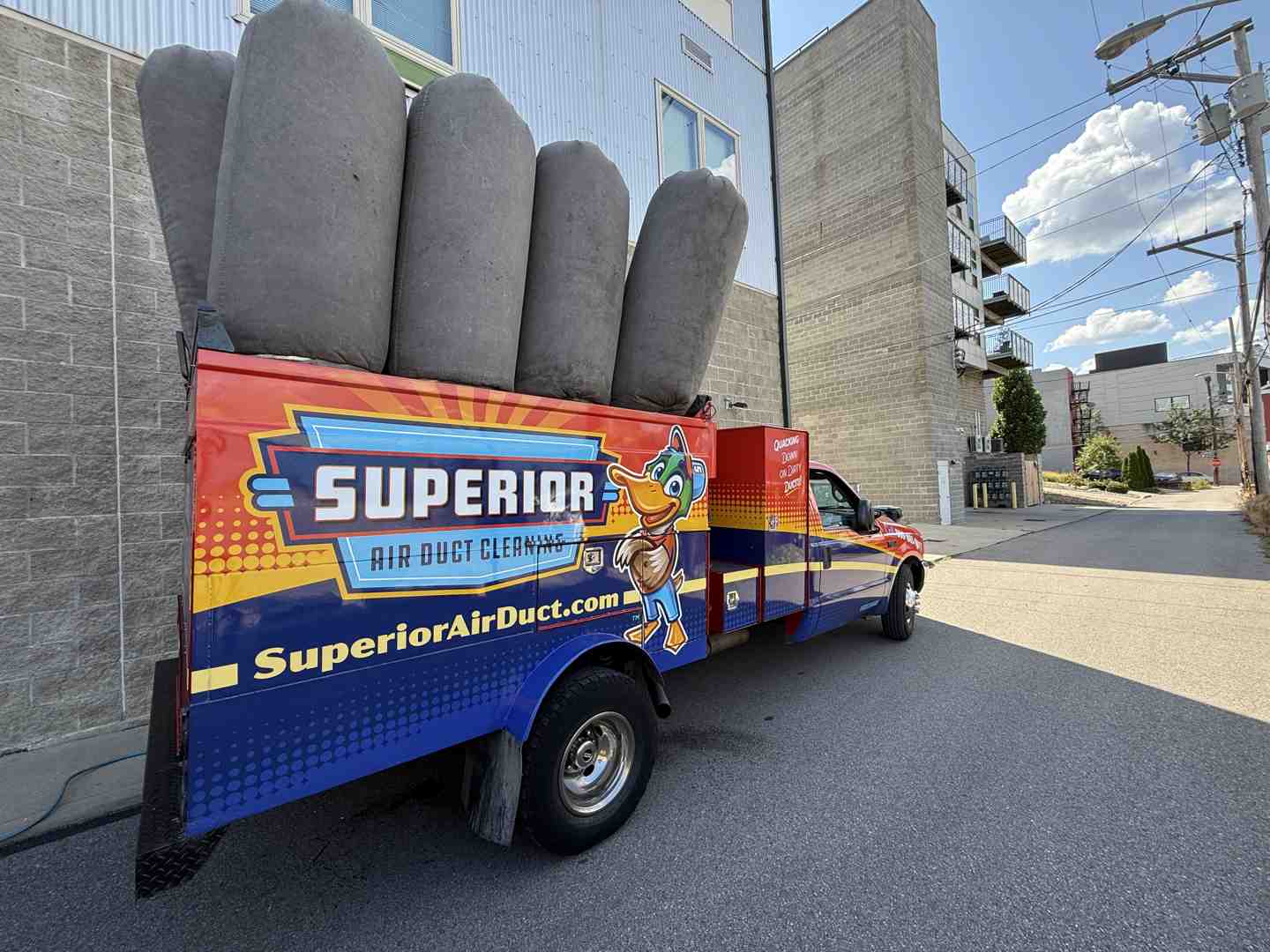
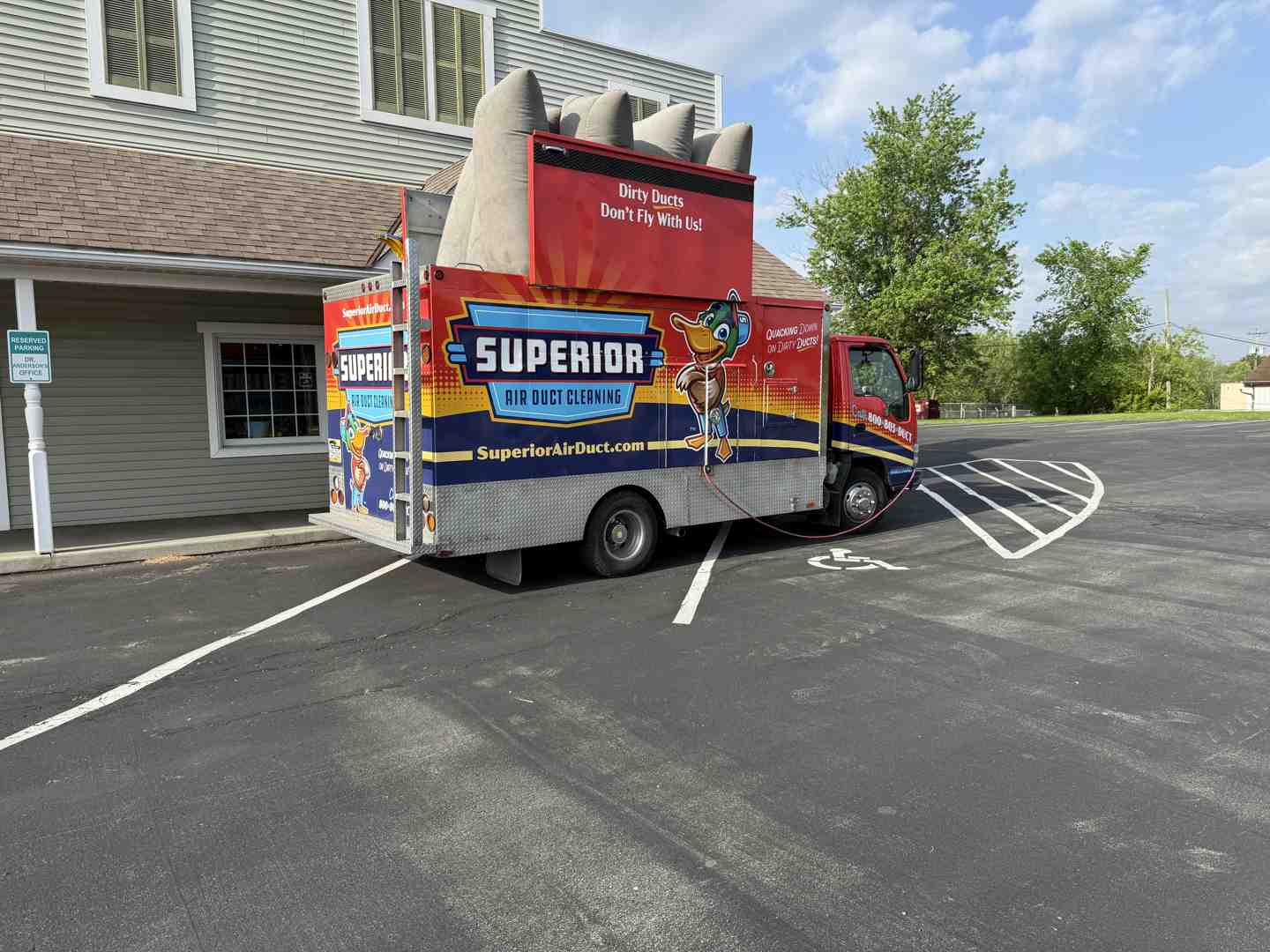
Working with Superior Air Duct Cleaning means benefiting from powerful, truck-mounted vacuums and strict NADCA certification. This specialized equipment keeps the heavy machinery outside of your store. Technicians run long, flexible hoses directly to the main trunk lines of your HVAC system, pulling all dust and debris out to the truck under negative pressure.
This method ensures a seamless, rapid cleaning process that minimizes downtime and disruption. Your retail displays remain untouched, and your aisles stay clear. In another instance, a local property owner noticed severe allergy symptoms and respiratory irritation in a newly acquired building. After we cleaned and sanitized the air vents and furnace using these high-powered methods, the indoor air quality significantly improved, restoring a healthy environment almost immediately.
By scheduling this work during the September pre-heating transition, you can coordinate the maintenance during off-hours or slow periods, ensuring your store is pristine and ready for the holiday rush.
Prepare Your Storefront for a Profitable Holiday Season
The connection between clean ductwork, even heating, and customer satisfaction is undeniable. When shoppers walk into a store that feels fresh, clean, and perfectly temperature-controlled, they are far more likely to stay, browse, and purchase. Poor indoor air quality actively works against your Q4 revenue goals.
Do not wait until the first freeze forces your heating system to circulate months of trapped summer dust across Pittsburgh commercial retail districts. The urgency of acting during the early fall window cannot be overstated. Act before temperatures plummet to protect your store's atmosphere and your customers' comfort. Reach out to a local commercial air quality expert today to assess your facility's needs and schedule your seasonal airflow optimization.
Frequently Asked Questions
How does indoor air quality affect retail businesses?
Indoor air quality directly impacts customer dwell time and staff productivity. When the air is stuffy or contaminated with allergens, shoppers experience fatigue and discomfort, prompting them to leave the store sooner. Poor air quality can also lead to increased employee sick days, especially during the busy winter season. Maintaining clean, fresh air encourages customers to browse longer and improves overall store performance.
Why is my commercial building so stuffy in winter?
Commercial buildings often feel stuffy in winter because they are tightly sealed to conserve heat. This lack of fresh air ventilation traps summer dust, odors, and carbon dioxide indoors. If the ductwork is dirty, the HVAC system constantly recirculates these trapped contaminants. Cleaning the ducts and optimizing airflow helps restore a fresh, breathable environment even when the doors are closed against the cold.
When should I schedule commercial duct cleaning?
The most effective time to schedule commercial duct cleaning is during the early fall transition, typically in September. This timing allows you to clear out dust and debris that accumulated over the summer before you turn on the heating system for the winter. Scheduling maintenance before the Q4 holiday rush also ensures your retail operations face minimal disruption during peak sales months.
How often should commercial air ducts be cleaned according to NADCA?
The National Air Duct Cleaners Association (NADCA) recommends that commercial HVAC systems be inspected annually. The actual frequency of cleaning depends on the building's usage, foot traffic, and specific environmental factors. Retail spaces, which experience high daily foot traffic and constant door openings, typically require more frequent cleanings than standard office buildings to maintain optimal air quality.
How to improve indoor air quality in retail stores?
Improving indoor air quality starts with professional duct cleaning and whole-building sanitization to remove trapped debris and bacteria. Upgrading commercial air filters and ensuring the HVAC system is balanced correctly will also promote even airflow. Additionally, keeping entryways clean and scheduling routine preventative maintenance prevents outdoor pollutants from overwhelming the indoor environment.
Can optimized airflow actually reduce commercial heating costs?
Yes, optimizing airflow can significantly reduce commercial heating costs. When ducts are clogged with dust, the blower fan must work harder and run longer to push air through the building. Clearing these blockages reduces mechanical strain and can improve heating efficiency by up to 20%, leading to noticeably lower energy consumption during the cold winter months.

Customer Reviews


Superior Air Duct cleaning did a phenomenal job in a timely manner with the tech “Rich” being very professional ,personable and considerate of our property! He explained things as he proceeded and answered all our questions!
I LOVE that they provide before & after photos to see the difference. Give them a try… you won’t regret it
Pam T.
Robert was on schedule and communicated what time he would arrive. He was polite, professional, and respectful of our home. I wanted to wait a couple weeks before posting a review because I wanted to see if the duct cleaning actually made a difference. I am happy to say it did! I vacuum multiple times a week and have already noticed a significant reduction in the amount of dust cleaned up each time. As a home with pets, there will always be something to clean, but getting the ducts cleaned has definitely helped improve the air quality and reduce the dust.
alice A.
Technician Rob arrived early explained the days agenda and then proceeded to work methodically and meticulously over the next 6+ hours cleaning my ductwork. Courteous and professional they answered all of my questions and went above and beyond the call of duty. They even located an old dusty box of rat poison buried in our vents. My only regret is not finding these guys sooner. As a realtor of 22 years and owner of a newly purchased (now dust free) home I highly recommended!
Eric K.
Excellent service! I’ve used them to clean out my air ducts as well as my dryer vent duct and they are excellent. I was very pleased with both jobs and will continue to use them in the future. Great communication as well- from the time I scheduled the appointment until they were at my door.
Erika C.
We had such an amazing experience with Superior Air Duct Cleaning. They were so nice and friendly and did an amazing job. I loved seeing the before and after pictures. Besides doing an amazing job cleaning our air ducts they were so quick at responding and setting up the appointment. We will definitely be using them in the future.
Amanda C.