Why Your Home Smells Like Burning Dust This Fall
Your thermostat clicks, the furnace roars to life, and suddenly, you find yourself researching HVAC options comparisons for homeowners because the entire house smells like burning dust. That unmistakable odor during an October heating-startup is a common and frustrating experience, signaling that months of settled, dormant debris are finally meeting high heat. While a brief, faint smell that dissipates within an hour is a normal part of the seasonal transition, lingering poor indoor air quality points to a deeper system issue that will not resolve itself. When the air stays heavy and dusty, you face an important decision regarding your home's respiratory system. Many property owners struggle to determine whether a standard mechanical furnace maintenance check will solve the problem, or if comprehensive air duct cleaning is required to truly clear the air. In cases of severe, persistent odors, advanced solutions like whole house sanitizing may even be necessary. Understanding the boundaries of these services is the first step toward breathing easier this winter.
Understanding the Mechanical Boundaries of a Furnace Tune-Up
When addressing poor air quality during an October heating-startup, many property owners assume a standard furnace tune-up will sweep the entire HVAC system clean. In reality, a professional tune-up is strictly a mechanical service focused on the localized heating equipment. The primary goals of this annual maintenance are verifying equipment safety, maximizing mechanical efficiency, and preventing unexpected winter breakdowns when temperatures drop below freezing.
The Scope of the Safety Check
During a tune-up, a technician inspects and cleans the vital components housed inside the furnace cabinet. This localized cleaning ensures that the furnace ignites safely and burns fuel efficiently without producing dangerous carbon monoxide. A standard mechanical tune-up typically includes:
• Heat exchanger inspection: Checking for hairline cracks that could leak exhaust gases into the home.
• Burner assembly cleaning: Removing localized soot to ensure a clean, efficient blue flame.
• Flame sensor calibration: Cleaning the sensor so the system accurately detects ignition and prevents gas buildup.
• Blower motor testing: Verifying amperage and voltage to ensure the motor is pushing air efficiently.
However, this localized cleaning stops at the edge of the furnace cabinet. It does not extend into the sprawling network of supply and return ductwork running through your walls, ceilings, and floors.
The Limits of Filtration
A crucial part of any tune-up involves changing the furnace filter, which acts as the frontline defense against airborne particulates. While a fresh, high-quality filter will capture new dust circulating through the system, it cannot reach out and pull in the heavy debris that has already settled deep within the ventilation lines. Think of a tune-up as changing the oil and checking the engine of a car; it ensures the vehicle runs perfectly, but it does not detail the interior. For homeowners experiencing a persistent burning dust smell, a tune-up is essential for safety, but it is not designed to be a system-wide particulate removal solution.
The Scope of Professional Air Duct Cleaning
If a tune-up is the mechanical inspection of the furnace, professional air duct cleaning is the comprehensive hygiene treatment for the home's entire respiratory system. Rather than focusing on ignition and fuel efficiency, this service is explicitly designed for system-wide particulate removal. For homes in the New Brighton PA area, a thorough duct cleaning addresses the exact spaces a standard furnace filter cannot reach, removing the physical buildup that degrades indoor air quality over time.
The Power of Negative Pressure
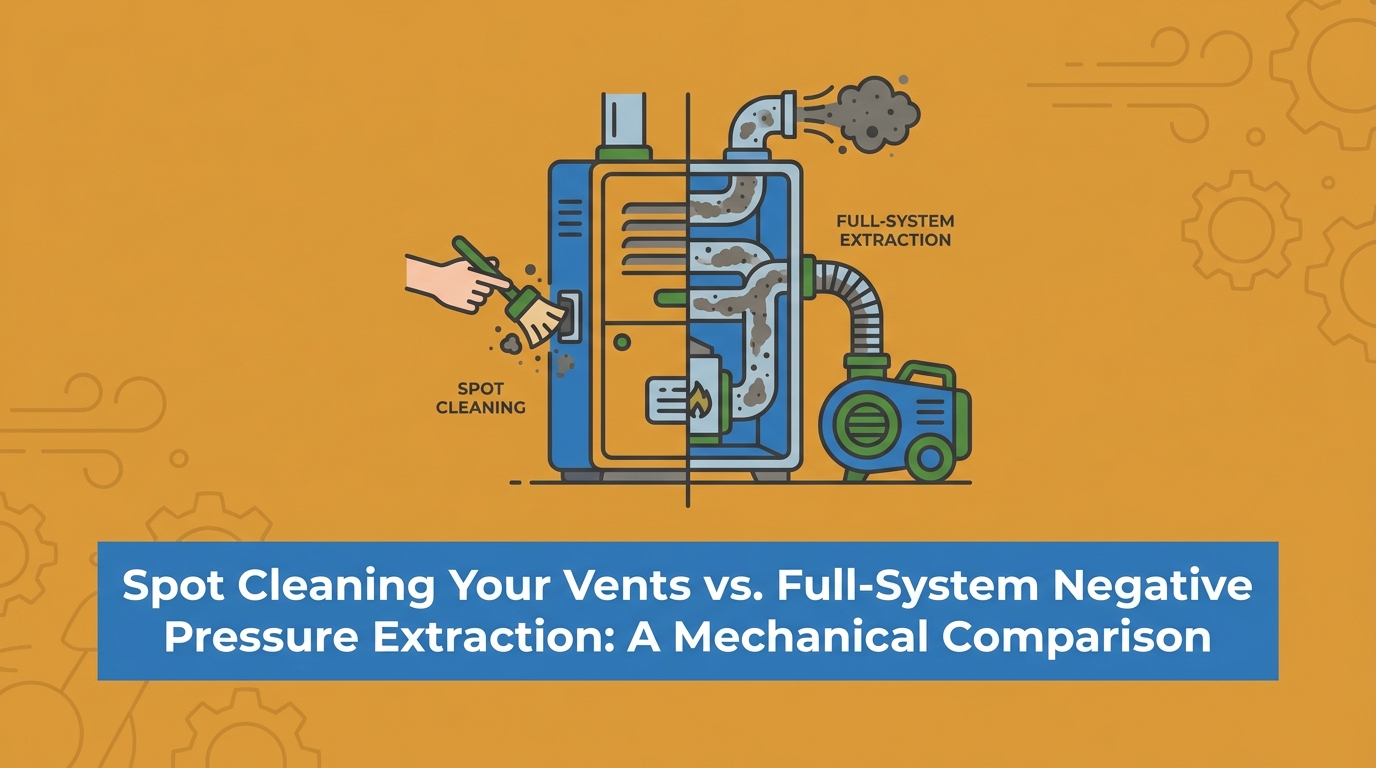
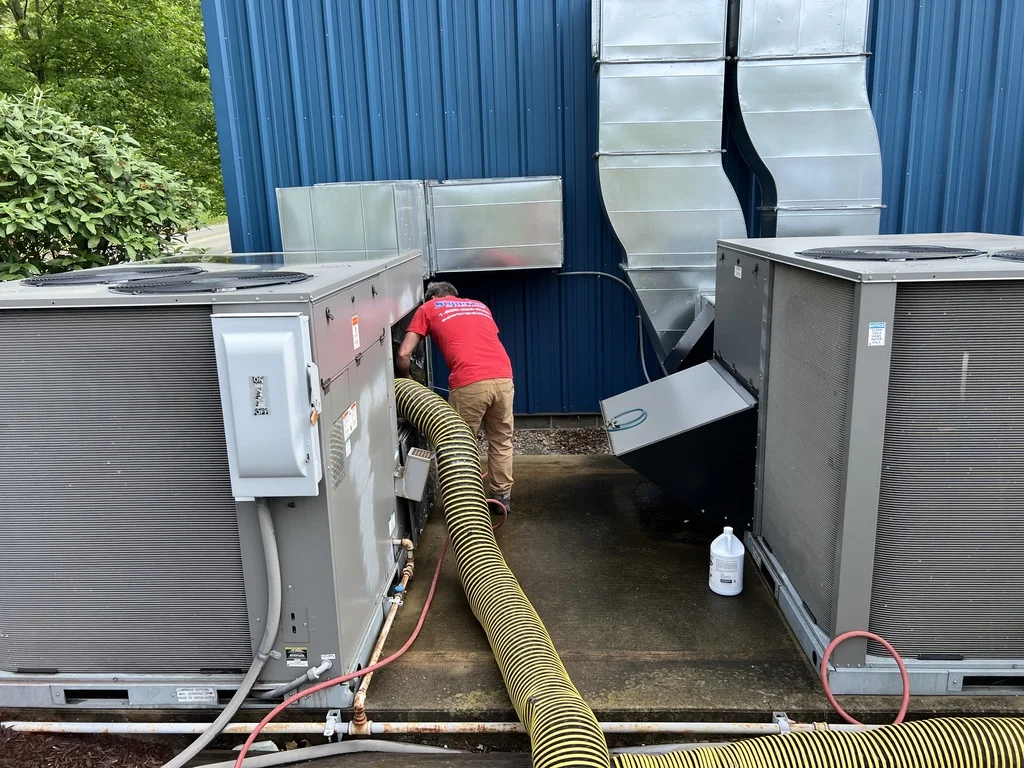
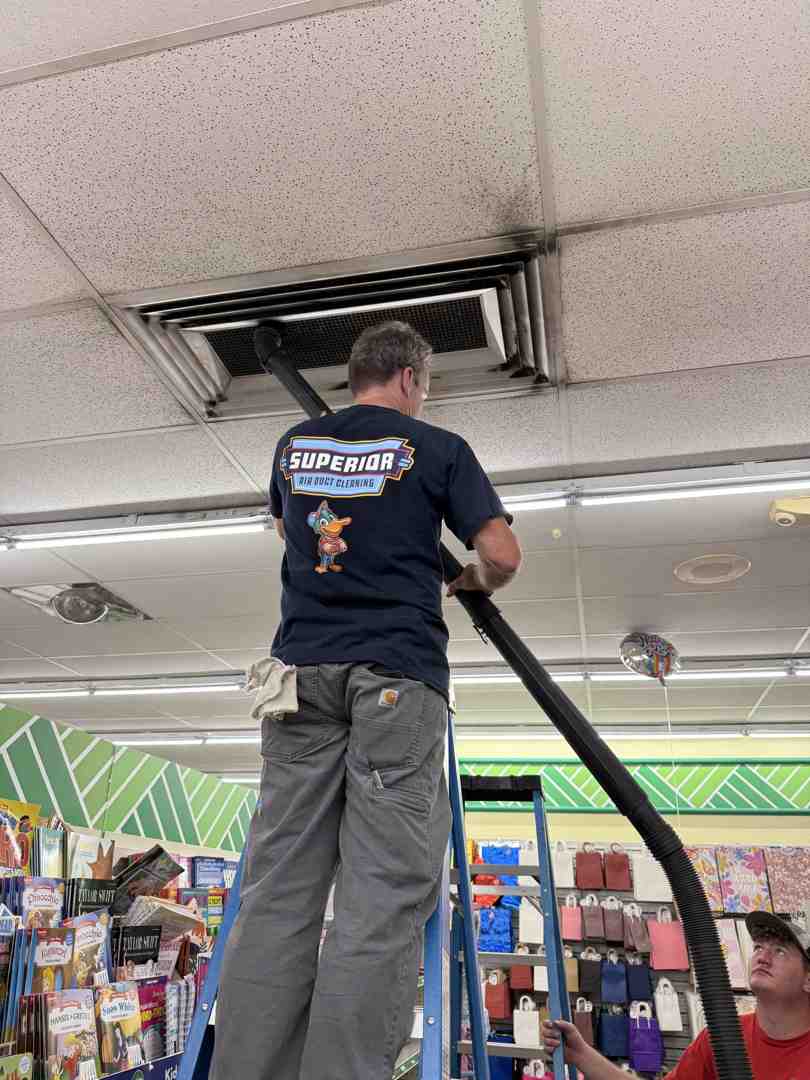
True duct cleaning relies on the scientific principle of negative pressure. Technicians connect a massive, high-powered vacuum collection unit to the main supply and return trunks of the HVAC system. Once engaged, this equipment places the entire network of ductwork under negative pressure, creating a strong, continuous pull of air backward toward the collection system. This foundational step prevents any disturbed dust, allergens, or debris from being blown out of the registers and into your living space during the cleaning process.
Targeted Agitation Techniques
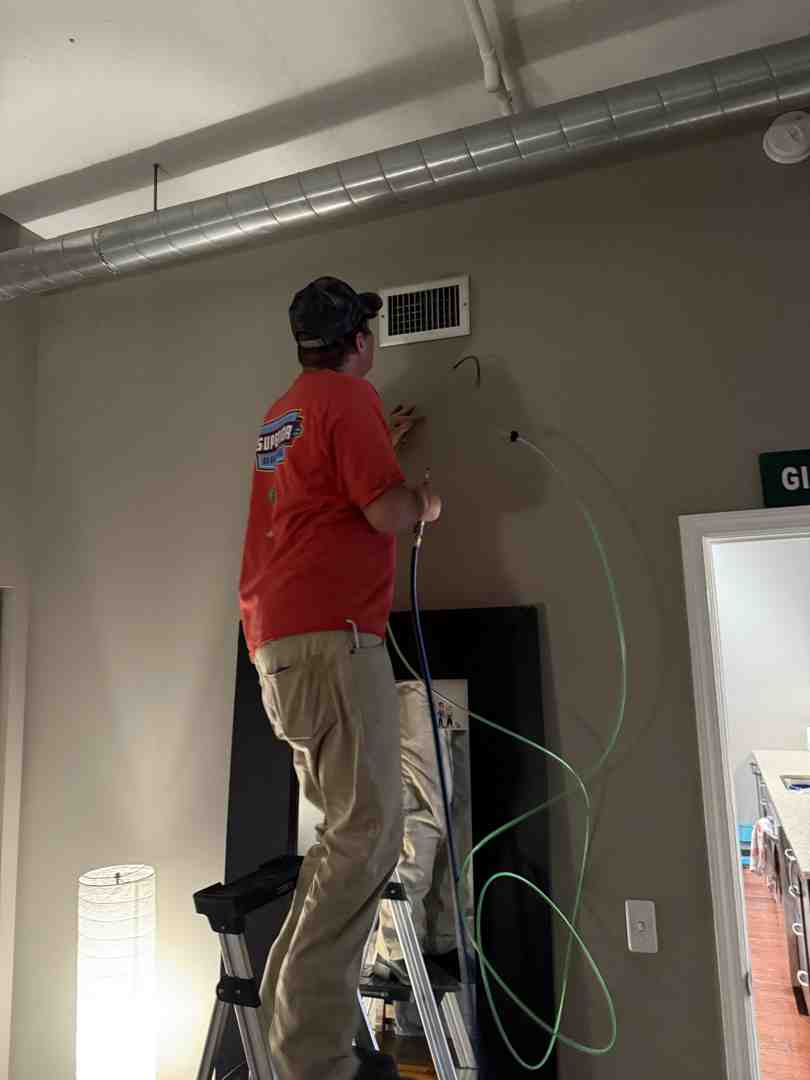
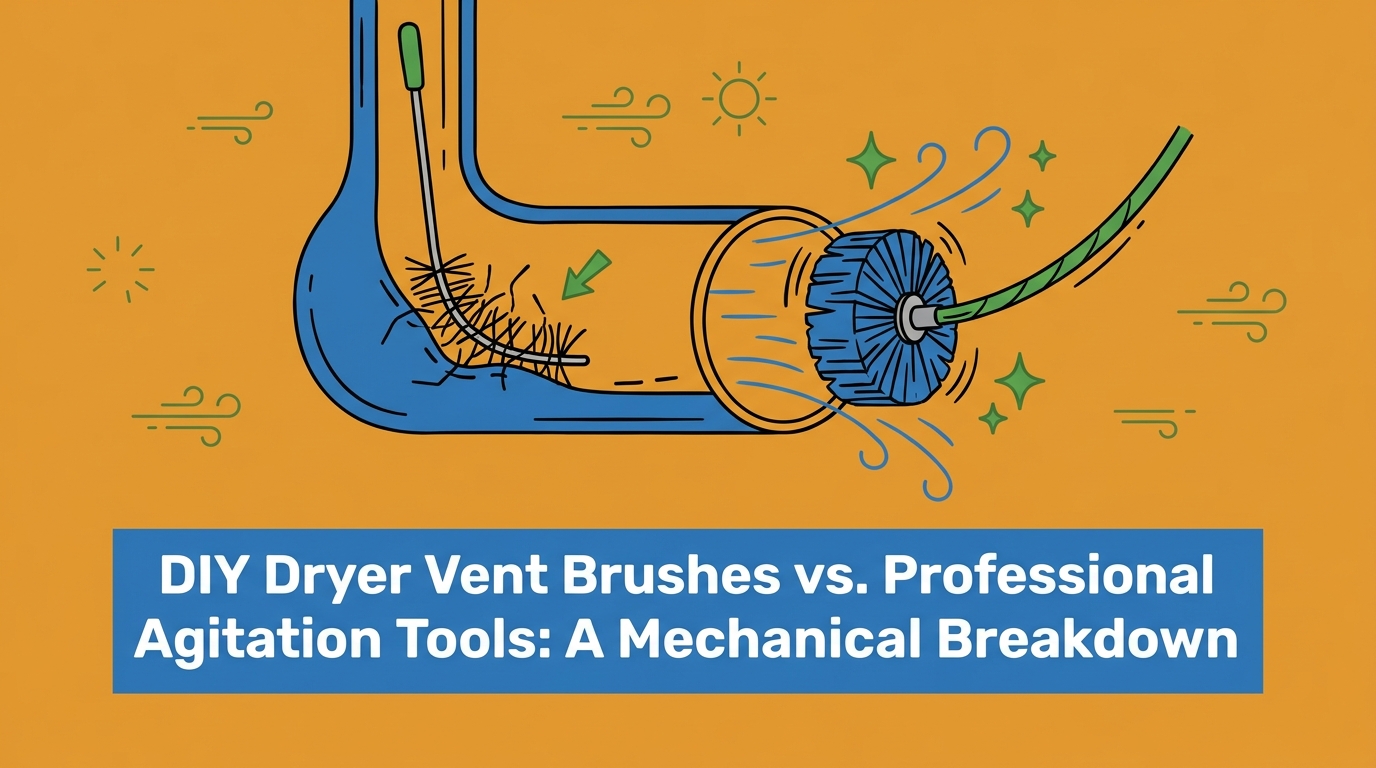
Vacuum power alone is not enough to dislodge years of caked-on debris. While the system is under negative pressure, technicians insert specialized agitation tools into every single vent. These tools—such as compressed air whips, rotating brushes, and skipper balls—physically scour the interior walls of the ductwork, breaking loose the stubborn dust, pet dander, and construction debris. The negative pressure then immediately pulls these dislodged particulates out of the home entirely.
Addressing the Return Drop
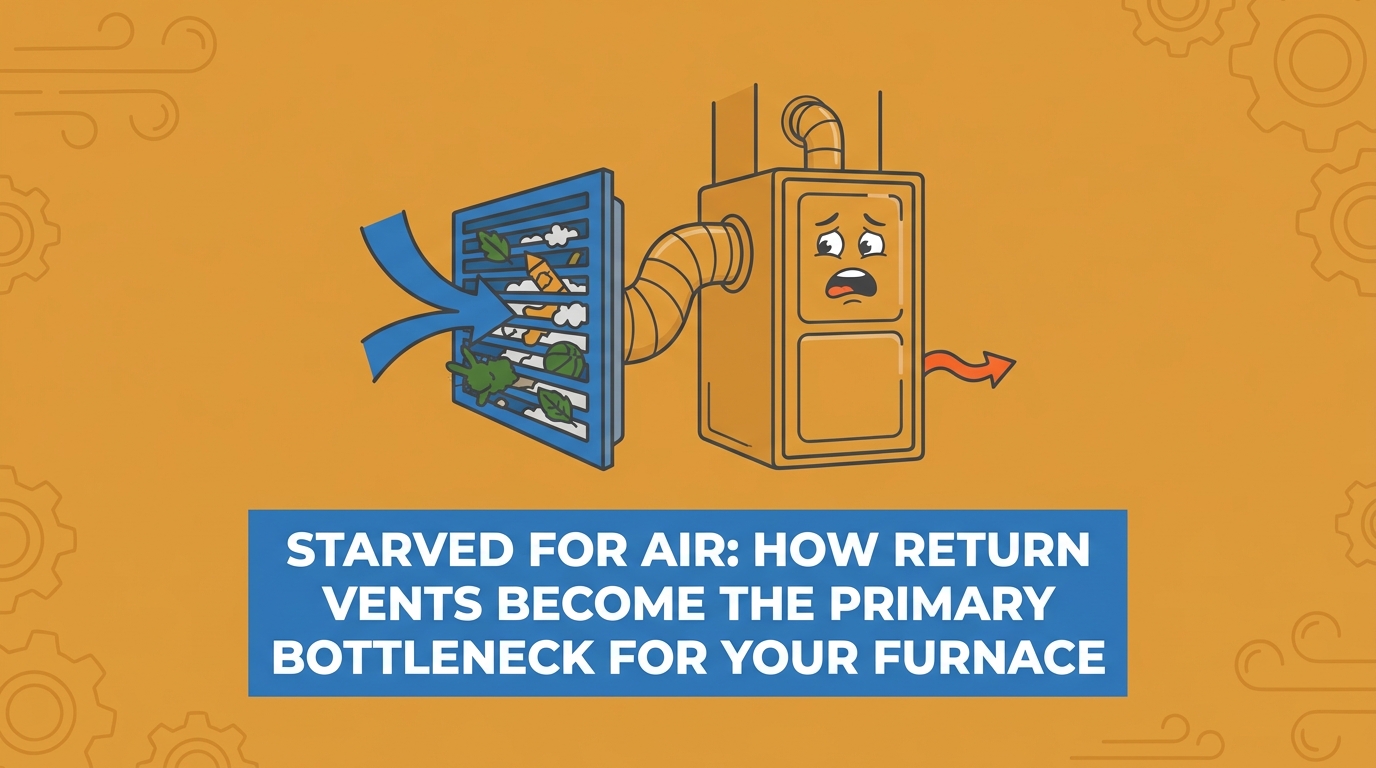
One of the most critical areas addressed during this process is the return side of the ductwork. Because the return vents actively pull air from the living space back to the furnace, they are typically the dirtiest part of the system, heavily laden with skin cells, pet hair, and household dust. By thoroughly cleaning both the supply lines and the return drop, professional duct cleaning removes the fuel source that causes that lingering burning smell during an October heating-startup.
The Climate Factor: Why Fall Startup Triggers Odors
The transition from summer cooling to winter heating is not just a change in temperature; it is a significant shift in humidity and system dynamics. Western Pennsylvania features a distinct four-season climate, and the sharp contrast between muggy, humid summers and dry, frigid winters plays a massive role in the health of your indoor air quality.
The Problem: Summer Moisture Buildup
Throughout the summer months, your air conditioning system works hard to extract humidity from the indoor air. As cold air travels through the ductwork, condensation can occasionally form on the interior walls of the vents, especially in unconditioned spaces like basements or attics. This lingering moisture creates a slightly tacky surface inside the ducts. As airborne dust, pollen, and pet dander circulate through the home, they stick to this moisture, slowly building up a layer of grime that a standard furnace filter misses.
The Cause: The October Heating-Startup Catalyst
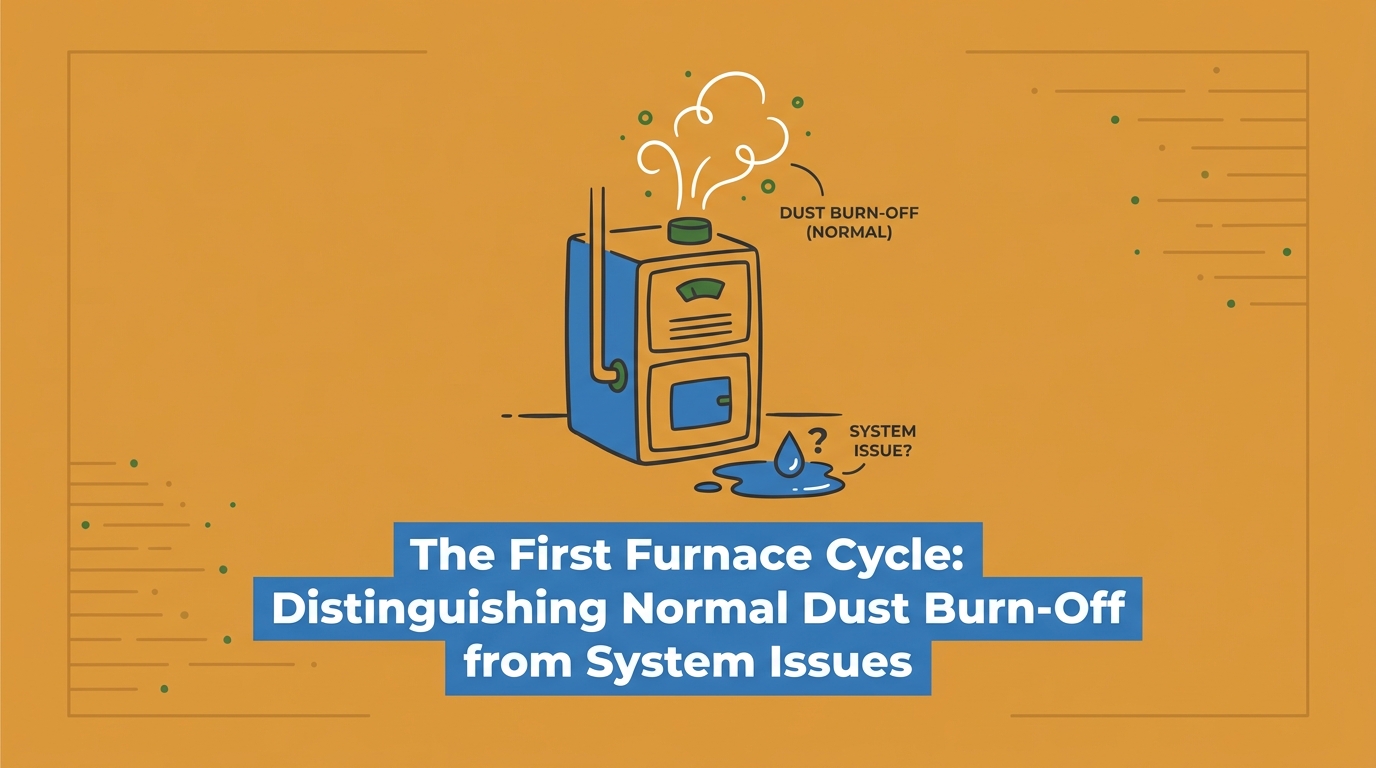
When the weather turns cold and the furnace kicks on for the first time, the environment inside the ductwork changes rapidly. The sudden introduction of dry, highly heated air bakes the layer of summer dust and moisture that has settled inside the vents. The heat effectively cooks the settled debris, which is precisely what generates that intense, burning dust odor throughout the house. The forced air then acts as a delivery system, circulating the newly dried spores and particulates into every room.
The Solution: Breaking the Cycle
Understanding this seasonal transition explains why fall is the most critical time for indoor air quality interventions. The shift from AC to heat acts as a catalyst, turning hidden, dormant duct buildup into a highly noticeable, airborne problem. Removing that buildup before the heavy winter heating season begins is the only way to stop the cycle of poor air quality and eliminate the burning odors associated with an October heating-startup.
Head-to-Head Comparison: Tune-Up vs. Duct Cleaning
To make an informed decision about your HVAC system this fall, it helps to view these two distinct services side-by-side. While both are critical for a healthy, functional home, they serve entirely different primary objectives and target entirely different areas of your heating and cooling infrastructure.
• Primary Objective — Furnace Tune-Up: Mechanical reliability, safety, and energy efficiency. — Professional Air Duct Cleaning: System-wide particulate, allergen, and debris removal.
• Areas Serviced — Furnace Tune-Up: Furnace cabinet, heat exchanger, burners, blower motor, and filter. — Professional Air Duct Cleaning: Supply lines, return lines, trunk lines, and all room registers.
• Recommended Timeline — Furnace Tune-Up: Annually, typically scheduled right before the fall heating season. — Professional Air Duct Cleaning: Every 3 to 5 years, according to NADCA guidelines.
• Solves "Burning Dust" Smell? — Furnace Tune-Up: Only addresses brief burn-off on the heat exchanger. — Professional Air Duct Cleaning: Yes, removes the system-wide dust causing lingering odors.
• Impact on Airflow — Furnace Tune-Up: Ensures the blower motor is operating at peak mechanical capacity. — Professional Air Duct Cleaning: Removes physical blockages and friction-causing debris in the vents.
When evaluating an October heating-startup, the distinction becomes clear. If your furnace is making strange noises, short-cycling, or failing to reach the temperature set on the thermostat, a mechanical tune-up is the required solution. However, if the furnace is operating perfectly fine mechanically, but the air blowing out of the vents is dusty, stale, or smells foul, duct cleaning is the appropriate intervention to restore your indoor air quality.

Why Professional-Grade Equipment Matters
A common misconception among property owners in New Brighton PA is that duct cleaning can be accomplished with standard household tools or basic shop vacuums. Attempting to clean a sprawling network of residential ductwork with underpowered equipment is not just ineffective; it can actually worsen your indoor air quality by stirring up settled dust without properly extracting it.
The Truck-Mounted Advantage
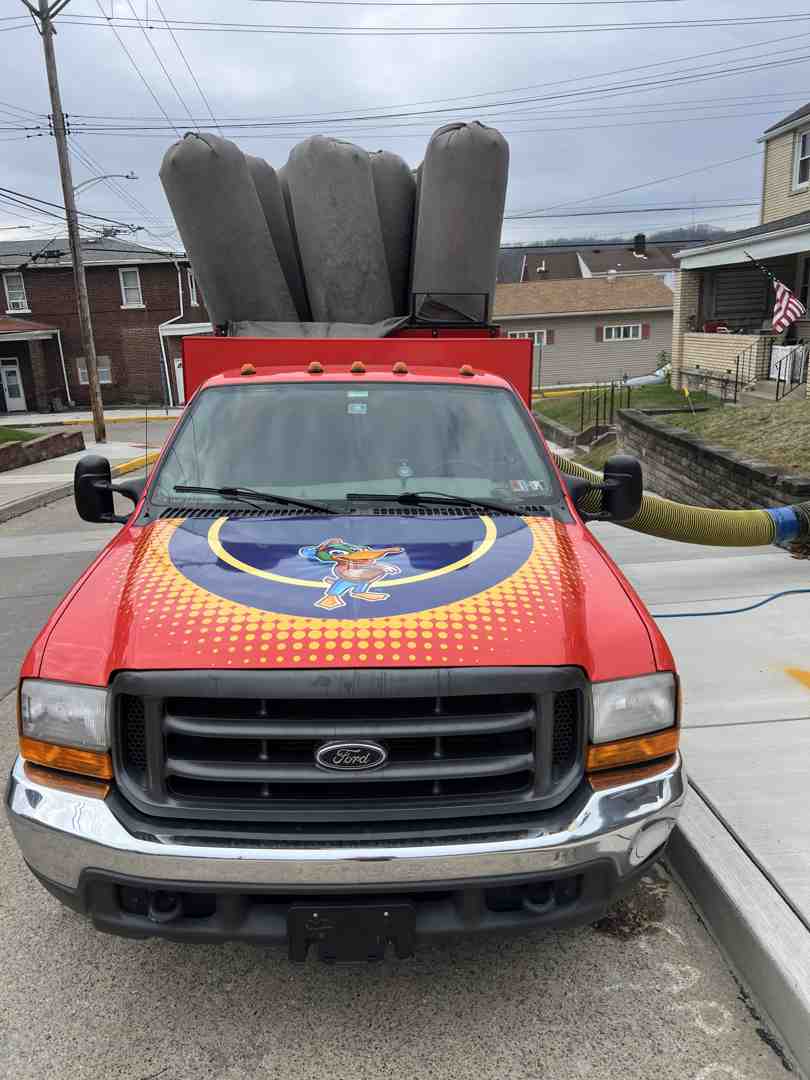
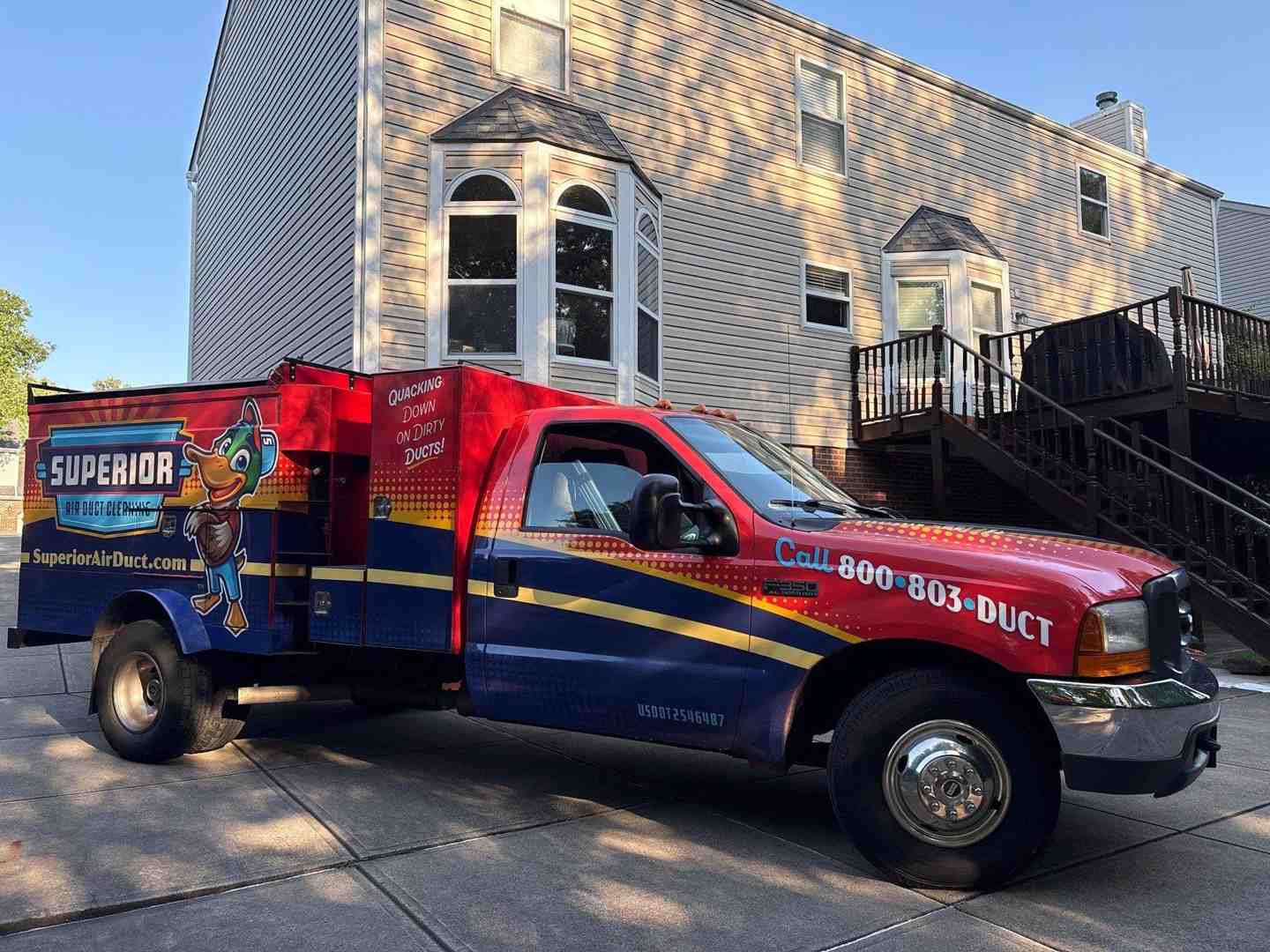
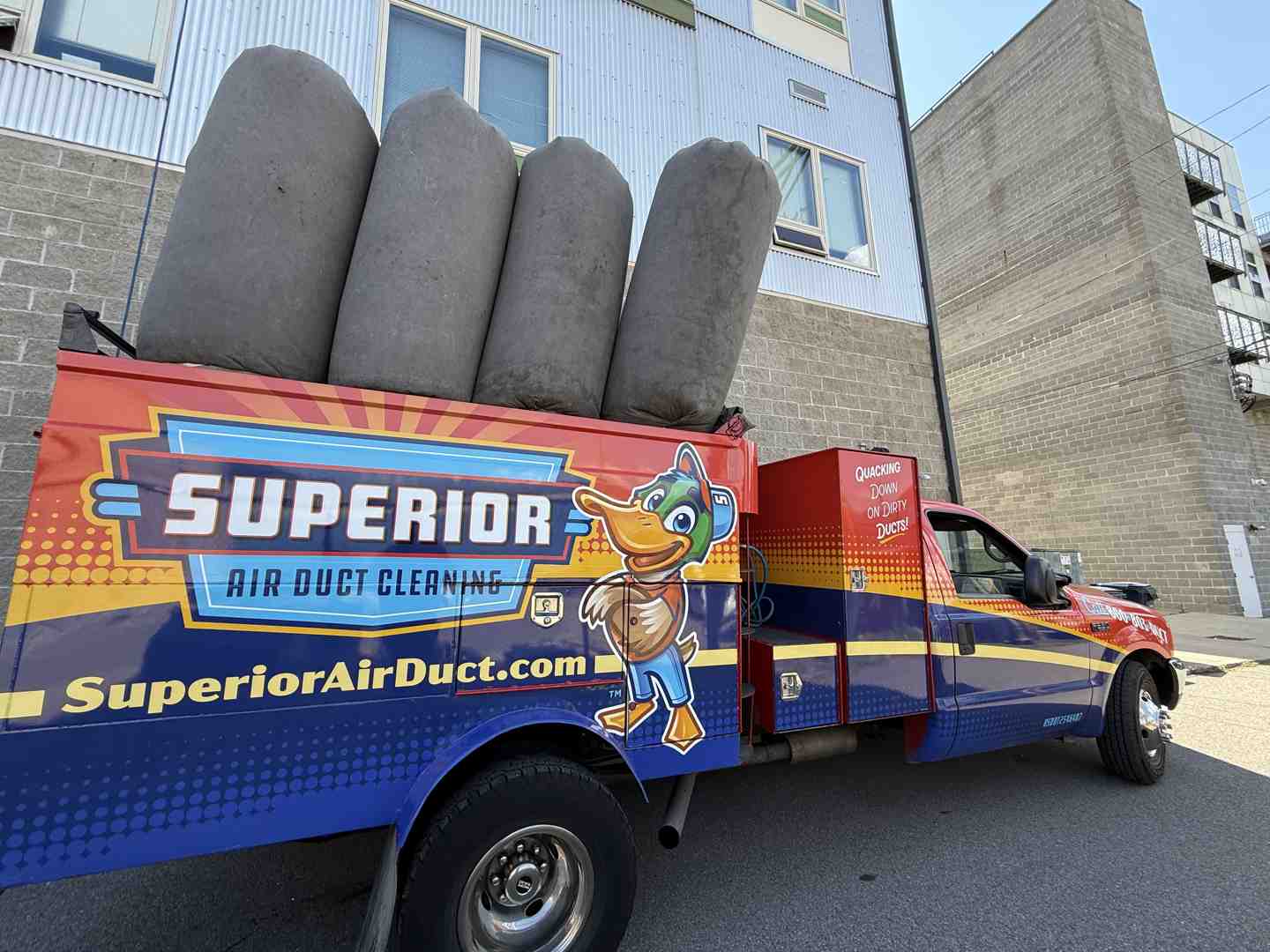
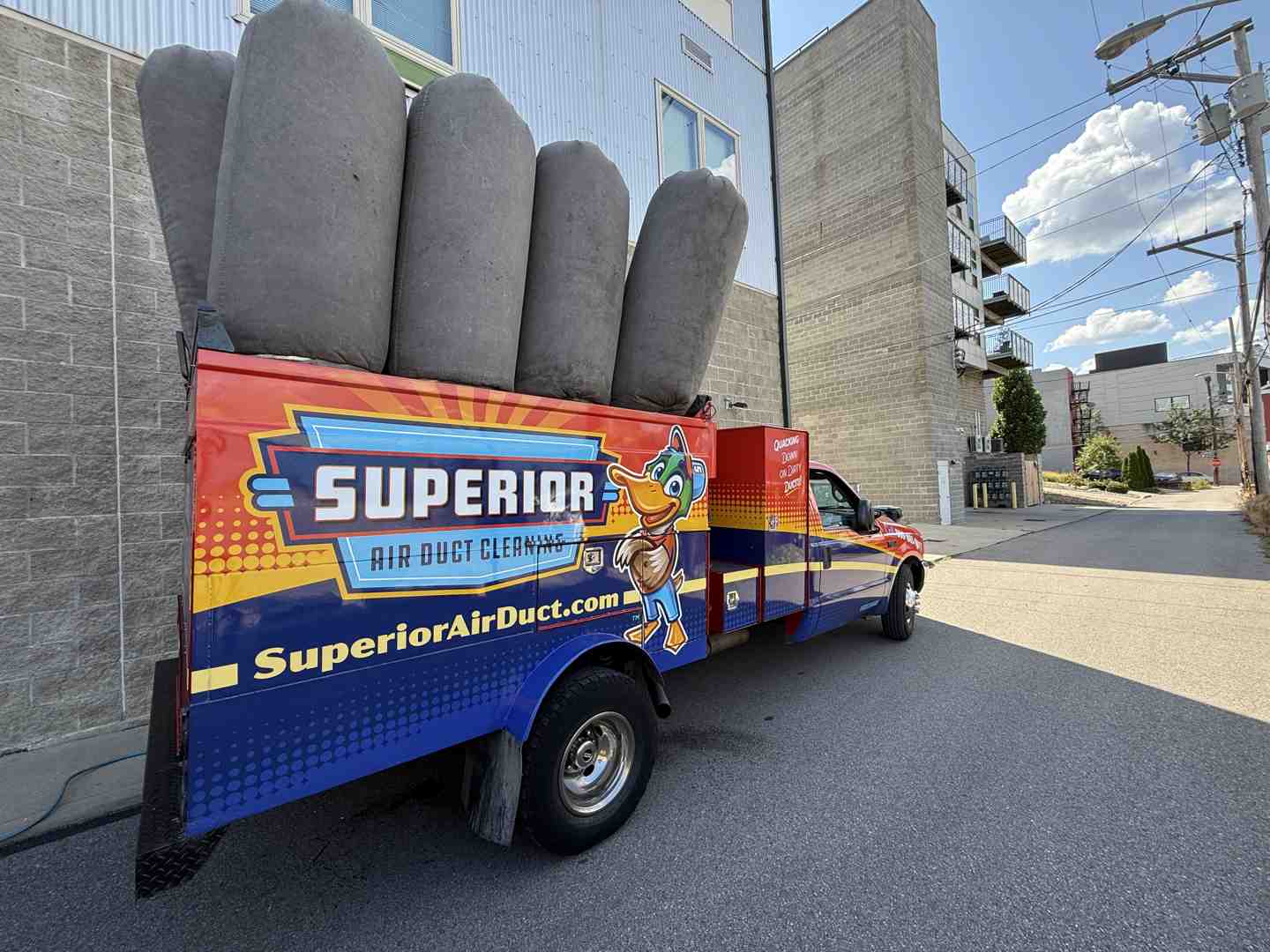
The standard for a true, comprehensive clean requires professional-grade, truck-mounted equipment or high-powered portable negative air machines. A standard shop vacuum might pull a few cubic feet of air per minute, which is only enough to clean the first few inches of a register. In contrast, professional negative air machines pull thousands of cubic feet of air per minute. This immense power is necessary to establish negative pressure throughout the entire home simultaneously, ensuring that heavy debris located forty feet deep in a trunk line is successfully pulled all the way back to the collection system.
Protecting the Living Space
Proper equipment ensures a complete clean without leaving a mess behind in the living space. Because the entire system is under a vacuum, no dust is allowed to escape into the bedrooms or living rooms during the physical agitation process. Furthermore, professional collection units utilize advanced filtration to ensure that the exhausted air is completely clean, preventing any blowback into the home.
The Importance of Industry Standards
Because the quality of the equipment dictates the quality of the clean, industry certifications are vital. Choosing a provider that adheres to strict guidelines ensures that the correct negative pressure and agitation techniques are utilized. Homeowners should always verify a duct cleaning company is NADCA certified, as this guarantees the technicians are trained to use professional-grade equipment safely and effectively, rather than just performing a superficial wipe-down of the vent covers.
Addressing Whole-Home Air Quality and Allergens
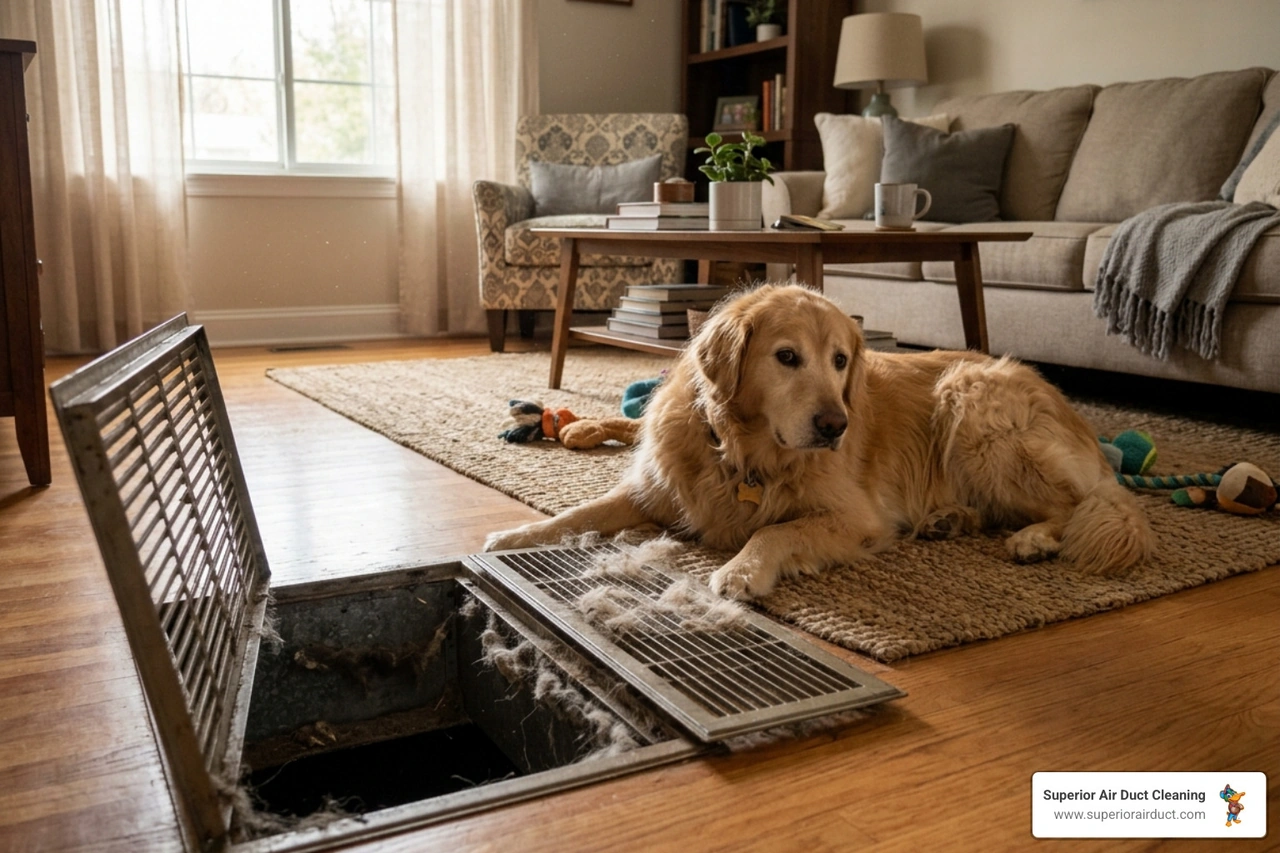
While the furnace and main ductwork are the primary drivers of indoor air quality, a truly healthy home requires attention to all ventilation systems. Neglected vents can severely exacerbate indoor allergies, asthma, and respiratory irritation. This is especially true when moving into a new home, dealing with the aftermath of a major renovation where drywall dust and sawdust have settled into the registers, or living in older construction where decades of pet dander and skin cells have accumulated.
Cleaning and sanitizing the vents and the furnace together can dramatically improve breathing and sleep quality for allergy sufferers in New Brighton PA. When the entire system is addressed at once, there is no cross-contamination between a dirty furnace and clean ducts, or vice versa. The result is a unified, clean respiratory system for the house.
Beyond the HVAC System
Other ventilation systems in the home also require routine maintenance to prevent allergens and safety hazards. For instance, the laundry exhaust system is a major source of indoor particulate buildup and a significant fire risk if ignored. One local homeowner recently experienced a scheduling hiccup where their initial appointment for this service was missed, but once rescheduled, the comprehensive dryer vent cleaning successfully removed massive amounts of built-up lint that had been restricting airflow and causing the appliance to overheat. Whether it is the main HVAC ductwork or auxiliary exhaust vents, ensuring clear, clean airflow throughout the entire house is the key to minimizing airborne irritants and maintaining a safe, comfortable environment.
Frequently Asked Questions About Fall HVAC Maintenance
Does a furnace tune up include cleaning the ducts?
No, a standard furnace tune-up does not include cleaning the ducts. A tune-up is a mechanical service focused entirely on inspecting, cleaning, and calibrating the components inside the furnace cabinet, such as the burners and heat exchanger. To clean the expansive network of supply and return vents running through your home, a separate, specialized air duct cleaning service is required.
Why does my heater smell like burning dust when I turn it on in the fall?
During an October heating-startup, the dust that has settled on your furnace's heat exchanger over the summer gets baked by the sudden high temperatures. While a brief smell lasting a few minutes is normal burn-off, a strong, lingering odor usually indicates that there is a significant buildup of dust and debris throughout your ductwork that is being circulated by the blower motor.
Do I need duct cleaning or just a furnace inspection?
If your heating system is making strange noises, failing to heat the house, or turning off unexpectedly, you need a mechanical furnace inspection and tune-up. However, if the equipment runs perfectly but your home suffers from excessive dust, lingering odors, or poor indoor air quality, professional duct cleaning is the correct solution to remove the airborne particulates.
How often does NADCA recommend professional duct cleaning?
The National Air Duct Cleaners Association (NADCA) generally recommends having your air ducts professionally cleaned every three to five years. Homes with multiple shedding pets, residents with severe respiratory allergies, or properties that have recently undergone dusty remodeling projects may require more frequent cleanings to maintain optimal indoor air quality.
Can cleaning my air ducts improve my furnace's efficiency?
Yes, removing heavy debris from your ductwork can positively impact your system's overall efficiency. When supply and return lines are clogged with years of buildup, the blower motor has to work significantly harder to push air through the restricted space. Clearing those pathways reduces mechanical strain, allowing the furnace to distribute heated air more freely and efficiently.
Make the Right Choice for Your Home's Air Quality
Navigating the transition into the cold weather months does not have to mean accepting poor indoor air quality. By understanding the distinct mechanical boundaries of your HVAC system, you can effectively address that frustrating burning dust smell during an October heating-startup. While an annual tune-up is absolutely essential for keeping the furnace running safely and efficiently, professional duct cleaning remains the definitive key to removing system-wide particulates and allergens.
Recognizing these differences empowers homeowners in New Brighton PA to choose the exact service necessary for their specific air quality needs. If your home feels dusty, smells stale, or triggers allergies whenever the blower motor kicks on, do not wait for the problem to settle deeper into your vents. Consult with local, certified professionals to evaluate your system, clear your ductwork, and ensure your family breathes clean, healthy air all winter long.

Customer Reviews


Superior Air Duct cleaning did a phenomenal job in a timely manner with the tech “Rich” being very professional ,personable and considerate of our property! He explained things as he proceeded and answered all our questions!
I LOVE that they provide before & after photos to see the difference. Give them a try… you won’t regret it
Pam T.
Robert was on schedule and communicated what time he would arrive. He was polite, professional, and respectful of our home. I wanted to wait a couple weeks before posting a review because I wanted to see if the duct cleaning actually made a difference. I am happy to say it did! I vacuum multiple times a week and have already noticed a significant reduction in the amount of dust cleaned up each time. As a home with pets, there will always be something to clean, but getting the ducts cleaned has definitely helped improve the air quality and reduce the dust.
alice A.
Technician Rob arrived early explained the days agenda and then proceeded to work methodically and meticulously over the next 6+ hours cleaning my ductwork. Courteous and professional they answered all of my questions and went above and beyond the call of duty. They even located an old dusty box of rat poison buried in our vents. My only regret is not finding these guys sooner. As a realtor of 22 years and owner of a newly purchased (now dust free) home I highly recommended!
Eric K.
Excellent service! I’ve used them to clean out my air ducts as well as my dryer vent duct and they are excellent. I was very pleased with both jobs and will continue to use them in the future. Great communication as well- from the time I scheduled the appointment until they were at my door.
Erika C.
We had such an amazing experience with Superior Air Duct Cleaning. They were so nice and friendly and did an amazing job. I loved seeing the before and after pictures. Besides doing an amazing job cleaning our air ducts they were so quick at responding and setting up the appointment. We will definitely be using them in the future.
Amanda C.