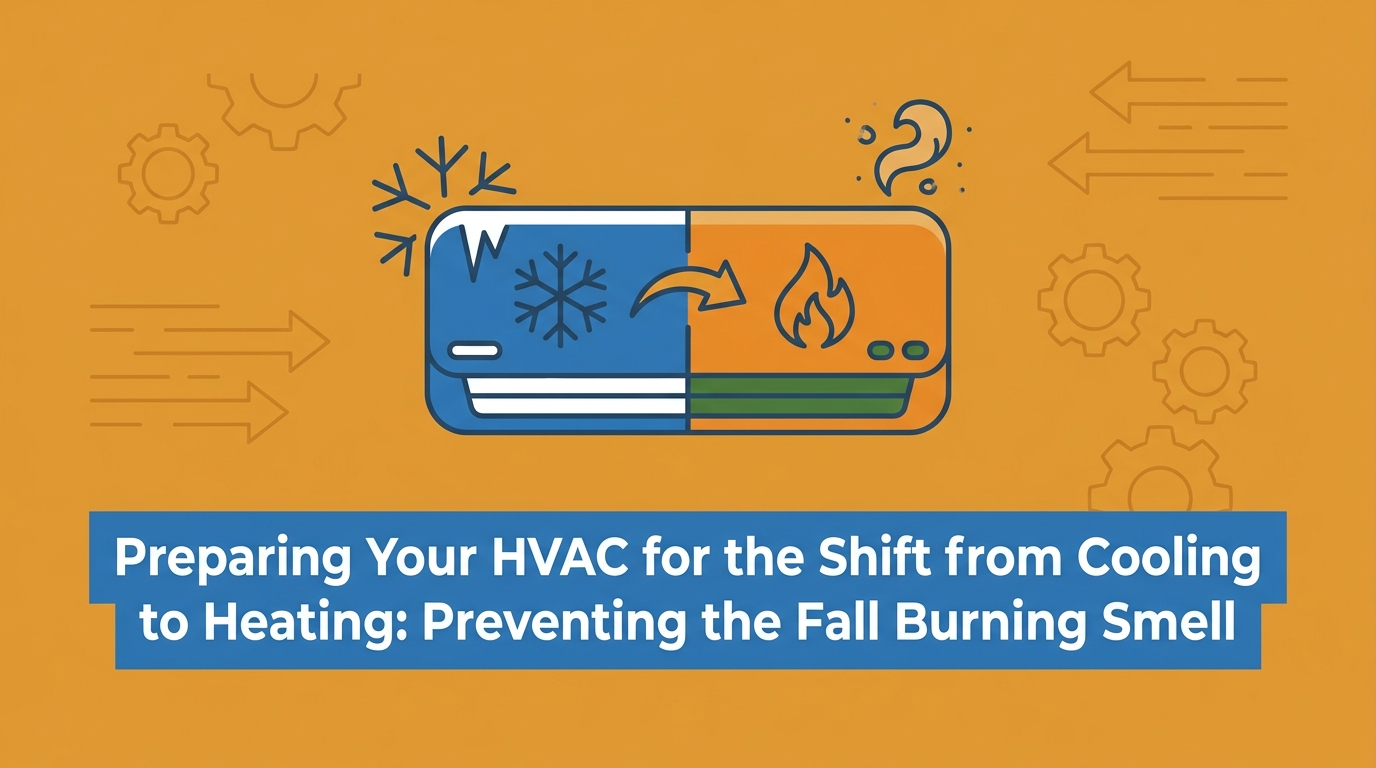
Addressing the Burning Odor During Your Fall Furnace Startup
You wait all summer for the crisp air to arrive, but when the first cold snap hits and you finally adjust the thermostat, a harsh, acrid scent fills the hallway—a classic scenario that sits at the very center of essential home maintenance tips and troubleshooting for the fall season. That unmistakable burning dust smell is one of the most common issues our team at Superior Air Duct Cleaning helps homeowners face during the initial October heating-startup. While it is naturally alarming to smell something burning near your vents, this sudden odor forces a critical decision: determining if the scent is a harmless, temporary burn-off or a distinct warning sign of severe particulate accumulation hidden deep inside your home's ductwork.
When heavy contamination is the culprit, professional air duct cleaning and whole house sanitizing offer the comprehensive solutions needed to restore your home's air quality.
Understanding the First Cycle Ignition
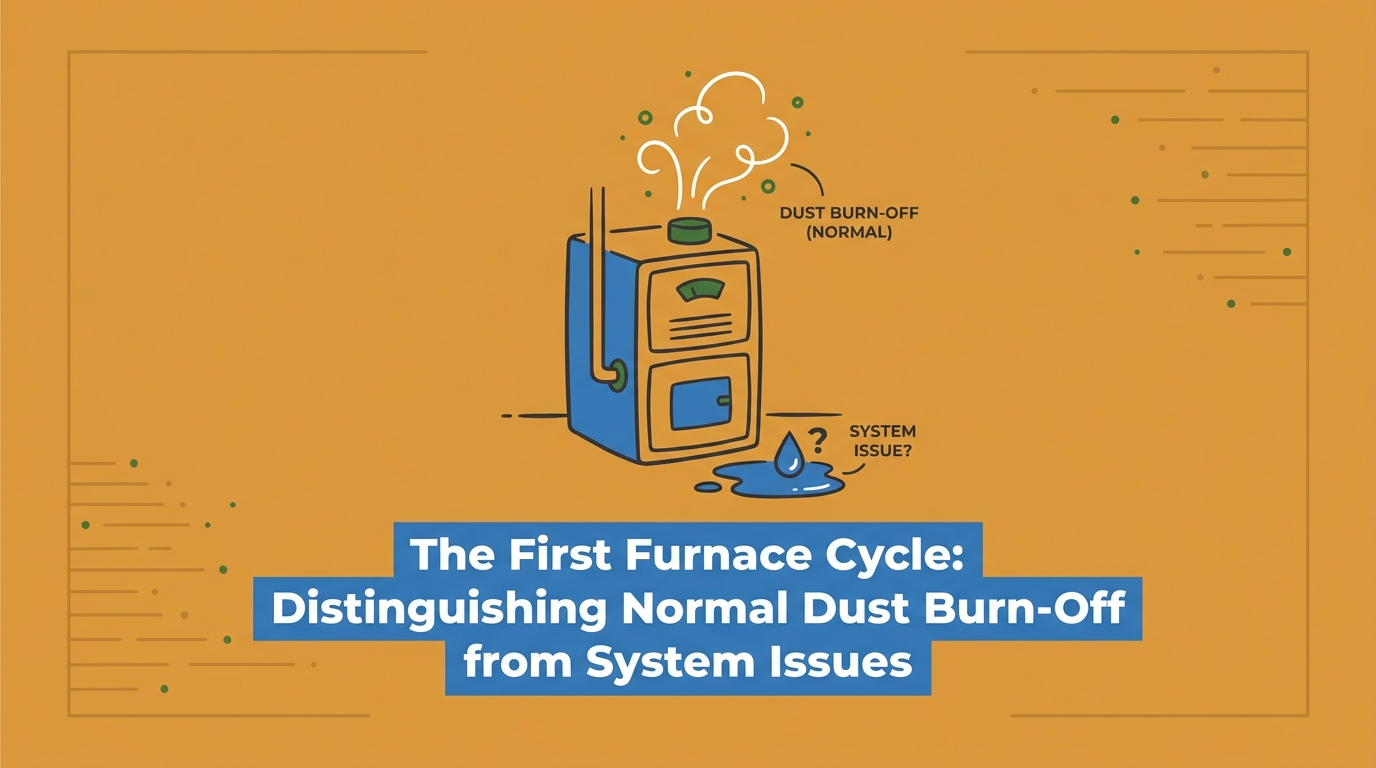
To understand why this happens, you have to look at the mechanical realities of a dormant heating system. Throughout the spring and summer months, your furnace's heat exchanger sits unused. During this prolonged period of inactivity, airborne household dust, pet dander, lint, and microscopic debris naturally settle on the cold metal components. When the thermostat calls for heat for the first time in months, the burners ignite, rapidly raising the temperature of the heat exchanger. The thin layer of settled dust is instantly incinerated, sending a distinct, smoky odor through the supply vents and into your living spaces.
The Critical Decision Point for Homeowners
Addressing this issue promptly is critical for maintaining indoor air quality throughout the long winter months. If the system only has a light coating of settled dust, the incineration process is brief and largely harmless. However, if the ductwork itself is heavily contaminated, the initial startup acts as a catalyst, blowing a continuous stream of dormant particulates across the hot heat exchanger. This creates a persistent odor that degrades your indoor air quality and often triggers respiratory irritation. Recognizing the difference between a brief nuisance and a systemic contamination problem is the first step in protecting your home's environment.
The Mechanics of Summer Humidity and Duct Accumulation
The severity of your fall startup odor is heavily influenced by the environmental conditions your ductwork endured during the preceding summer. Airborne dust is a constant in any home, but the way it interacts with your HVAC system changes drastically depending on ambient moisture levels.
How High Humidity Transforms Airborne Dust
Western Pennsylvania experiences high summer humidity, often exceeding 70 percent during the peak months. This airborne moisture inevitably finds its way into unconditioned ductwork spaces. When our technicians inspect homes in New Brighton PA and surrounding areas, we frequently see condensation forming on the interior walls of metal ducts—especially those running through unconditioned spaces like attics, crawlspaces, or unfinished basements. This moisture acts as an aggressive binding agent. Instead of loose dust simply blowing through the system or being caught by the return filter, dirt, pet dander, and allergens become heavy and adhere tightly to the damp metal surfaces.
The Danger of Dormant Ductwork
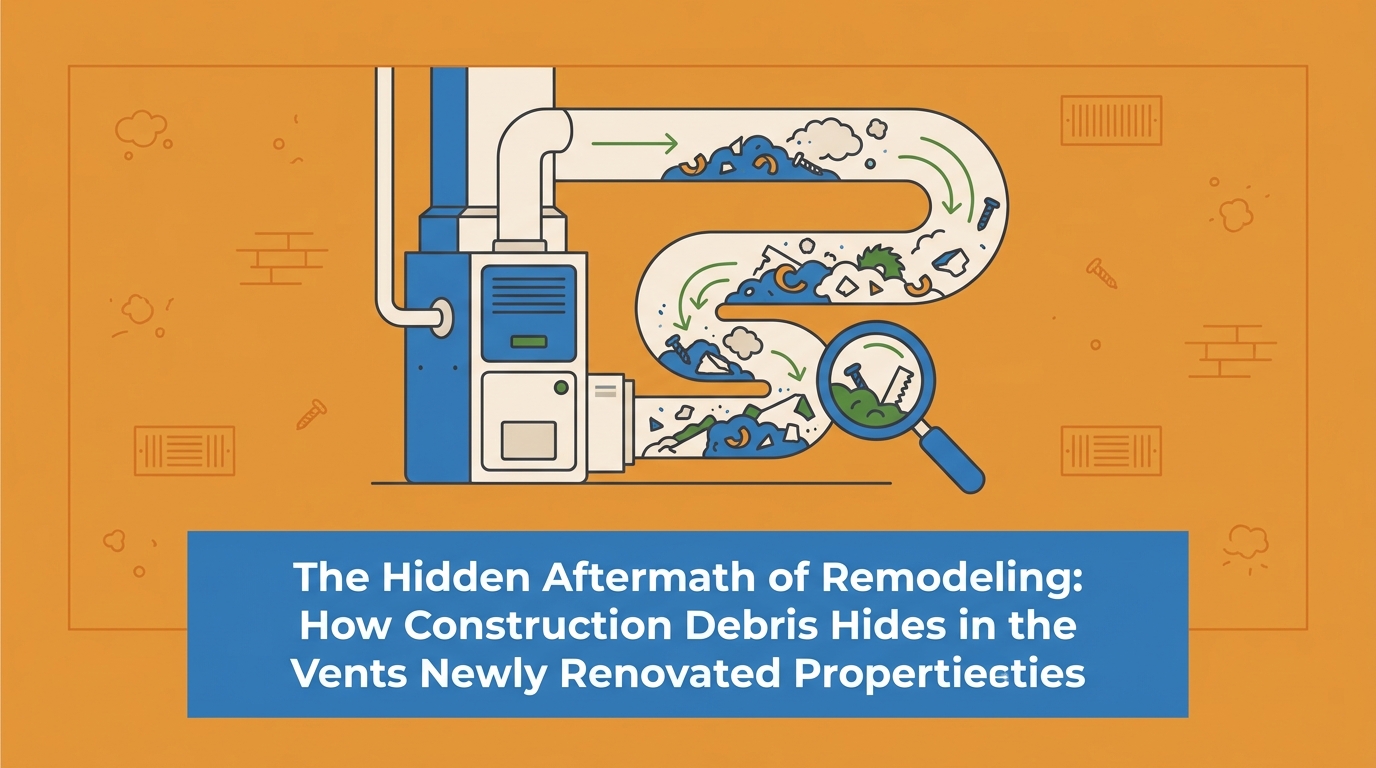
Over the course of a long, humid summer, this mechanical process causes a thick, caked-on layer of particulates to form inside the dormant heating ducts. Because the heating cycle is not engaged, this bound layer of grime remains completely undisturbed. The dark, often damp environment inside the ductwork provides an ideal breeding ground for potential mold growth and bacterial proliferation if left unchecked. The caked-on debris hardens as the season transitions and the humidity drops, creating a stubborn, crusty lining inside the air distribution system.
The Fall Startup Impact
When the October heating-startup finally arrives, the sudden influx of hot, dry air interacts violently with this hardened layer of contaminants. The heat bakes the accumulated grime, releasing volatile organic compounds (VOCs) and concentrated dust odors into the airstream. Because the debris is tightly bound to the duct walls, standard airflow cannot flush it out. The system continuously blows hot air over the contaminated surfaces, prolonging the burning smell and actively deteriorating the air you breathe.
Diagnosing Furnace Odors: Normal Burn-Off vs. Contamination
Because every furnace will produce some level of odor after sitting idle, homeowners need objective criteria to distinguish between standard dust ignition and a highly contaminated system requiring professional intervention.
Defining Normal Dust Burn-Off
Normal burn-off is characterized by a mild, fleeting odor. When a system is relatively clean, the small amount of dust resting directly on the heat exchanger incinerates rapidly. This scent typically resolves entirely within the first one to two heating cycles. Once the initial layer is burned away, the air should smell completely neutral. Normal burn-off does not leave a lingering haze in the air, nor does it deposit visible soot or debris on your furniture or around the vent registers.
Warning Signs of Heavy Contamination
Conversely, a heavily contaminated system will display clear, persistent warning signs during the October heating-startup. If the burning dust odor persists beyond two full heating cycles, or if the smell returns every time the furnace kicks on throughout the week, the volume of caked-on dust far exceeds what the furnace can safely burn off in a single pass. Other distinct red flags include visible puffs of dust blowing from the vents, a sudden increase in household allergy symptoms, or a noticeable decline in airflow velocity.
Consider a typical pattern our team at Superior Air Duct Cleaning sees frequently in local property management: a rental property recently suffered from horrible vent smells that persisted well beyond the initial startup. The lingering odor issue required a prompt professional response from our crew to thoroughly vacuum, clean, sanitize, and check the furnace, which successfully eliminated the bad vent smells. Severe allergies triggered by dusty vents and furnaces often necessitate this level of complete system sanitization.
Comparison: Dust Burn-Off vs. System Contamination
• Odor Duration — Normal Dust Burn-Off: Fades after 1 to 2 heating cycles. — Severe Duct Contamination: Persists for days or returns every cycle.
• Odor Intensity — Normal Dust Burn-Off: Mild, faint smoky scent. — Severe Duct Contamination: Harsh, acrid, or noticeably foul smell.
• Visible Debris — Normal Dust Burn-Off: None. Registers remain clean. — Severe Duct Contamination: Visible dust or dark streaks around vents.
• Health Impact — Normal Dust Burn-Off: No noticeable physical reaction. — Severe Duct Contamination: Sudden spikes in sneezing, coughing, or asthma.

The Hidden Impact of Dormant Particulates on Indoor Air Quality
The sheer volume of debris that can accumulate inside a residential duct system is often shocking to homeowners who cannot see behind their vent covers. When a system is neglected, the ductwork acts less like an air delivery system and more like a massive, hidden dust repository.
The 40-Pound Dust Problem
According to the National Air Duct Cleaners Association (NADCA), up to 40 pounds of dust, dirt, and allergens can be created in a typical home every year. A significant portion of this particulate matter is drawn into the HVAC system through the return vents. While a high-quality filter catches a fraction of this debris, millions of microscopic particles slip through and settle within the sprawling network of metal and flex ducting. Over time, the continuous recirculation of this contaminated air severely degrades overall indoor air quality.
Compounding Allergen Issues Over Time
The compounded effects become particularly dangerous when a ducted system has not been cleaned for many years. The longer the dust sits, the more it integrates with pet dander, dead skin cells, insect fragments, and potential microbial growth. In one notable case our technicians handled within the New Brighton PA area, a home's ducts had not been cleaned in eighteen years, raising severe indoor allergen concerns for the residents. The solution required our comprehensive HVAC cleaning, with our technician explaining all details and showing visual entry point pictures to prove the extraction. This thorough process successfully cleaned the home ducts to help reduce indoor allergens.
A Holistic Approach to Home Air Quality
Duct maintenance should always be viewed as part of a holistic approach to indoor air quality. Your HVAC system does not operate in isolation. Other critical exhaust systems in the home contribute to the overall particulate load and airflow efficiency. For instance, we highly recommend pairing duct maintenance with dryer vent cleaning to ensure that all major air pathways in the home are free of dangerous blockages, reducing fire risks and preventing excess humidity from backing up into the living spaces.
Essential Fall Maintenance: Filtration vs. Source Removal
As the October heating-startup approaches, we see many homeowners attempt to solve burning odors and dust issues through basic maintenance. While routine upkeep is highly recommended, it is vital to understand the mechanical limits of standard filtration versus the necessity of physical source removal.
Why Standard Filters Fall Short
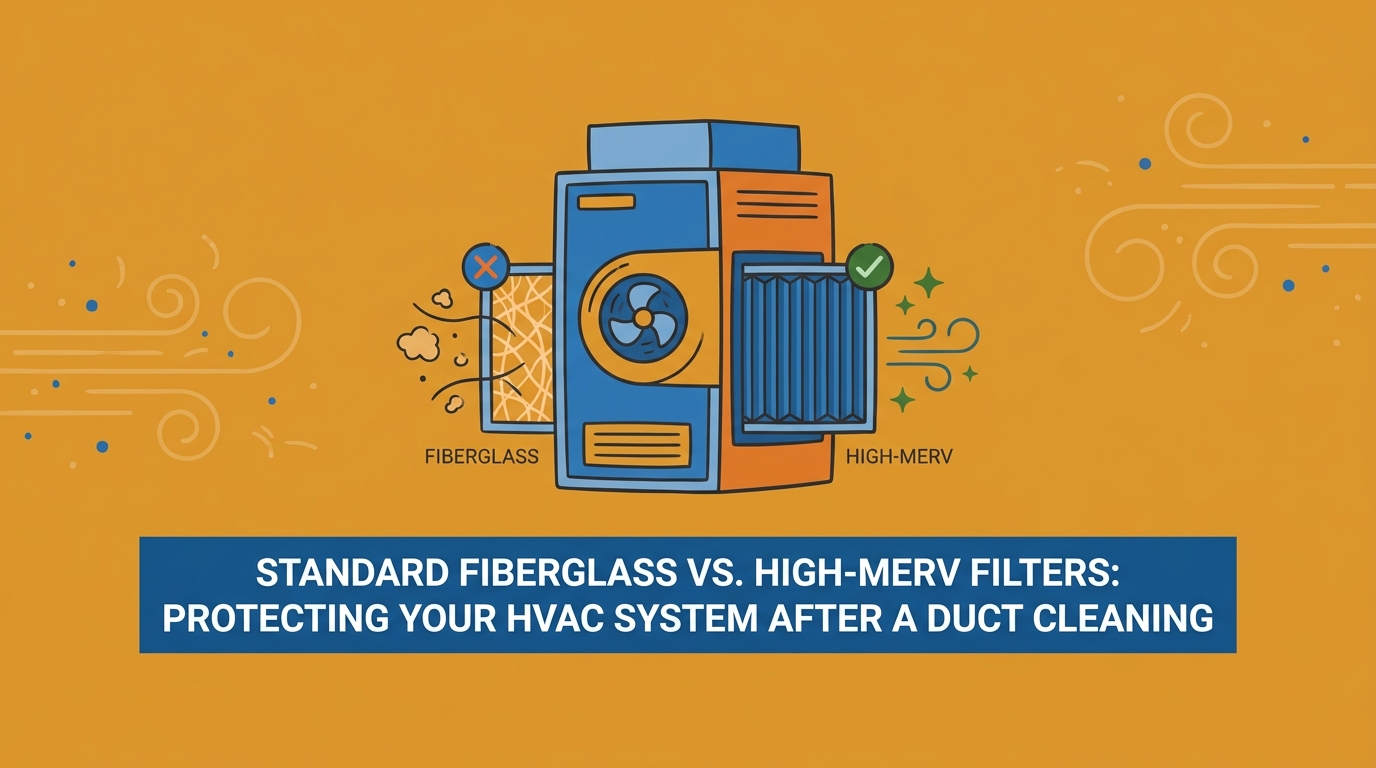
The first line of defense in any HVAC system is the air filter. Changing the air filter before the fall startup is a mandatory step to catch loose, airborne particles and protect the blower motor from large debris. However, as we regularly explain to our customers, filters are strictly passive devices. They only capture particulates that are actively suspended in the airstream and successfully pulled through the return grille. A brand-new, high-MERV filter cannot reach into the ductwork to dislodge or capture the dust that is firmly adhered to the duct walls due to summer humidity.
The Mechanics of Physical Source Removal
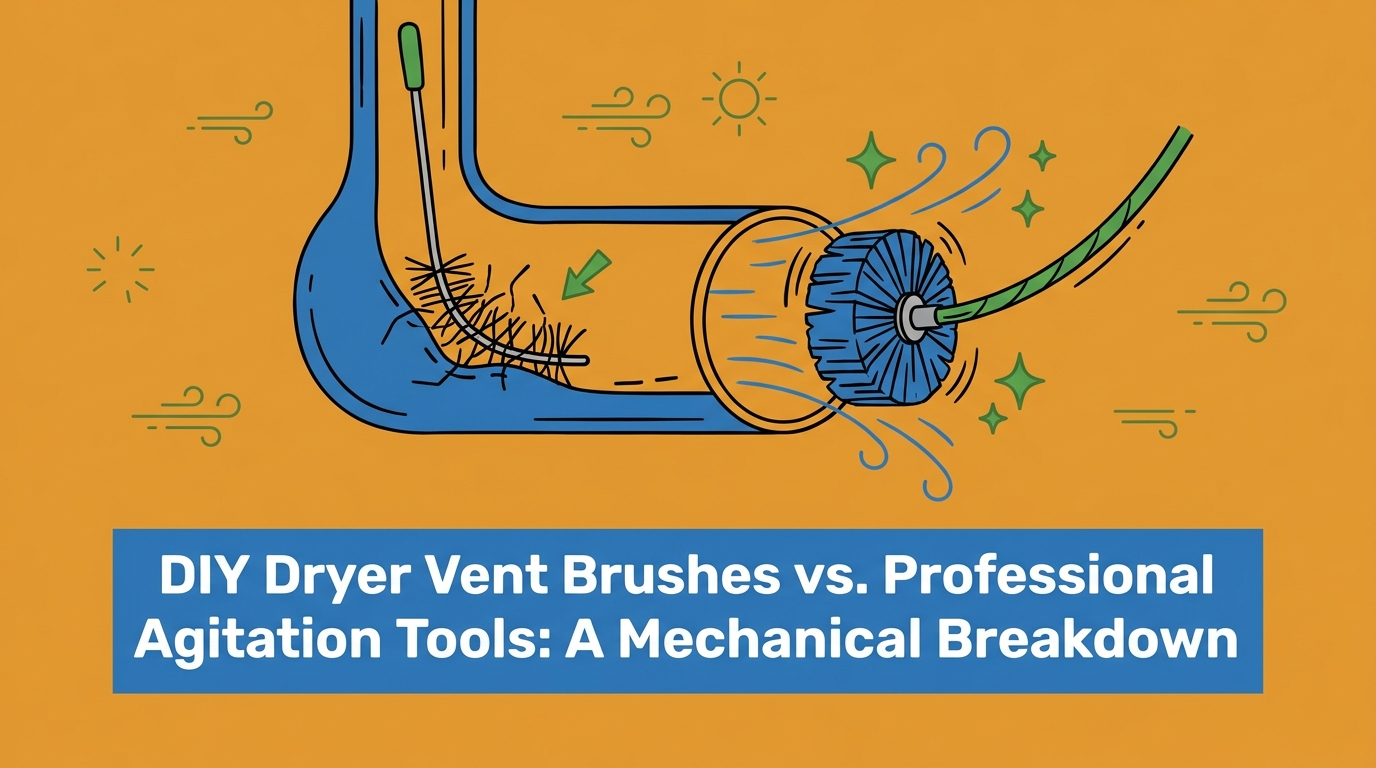
To eliminate the root cause of persistent burning odors and poor air quality, the caked-on debris must be physically detached and extracted. This process is known in the industry as "source removal." True source removal requires specialized agitation tools that scour the interior walls of the ductwork, breaking the bond between the hardened dust and the metal surfaces.
Steps of Effective Fall HVAC Maintenance
1. System Inspection: Visually assess the heat exchanger and blower compartment for heavy dust buildup before the first ignition.
2. Filter Replacement: Install a fresh, properly sized pleated filter to establish a clean baseline for the new season.
3. Initial Startup Observation: Run the heat and monitor the duration and intensity of any burning odors during the first two cycles.
4. Professional Source Removal: If odors persist or airflow is restricted, engage a certified professional like our team to physically extract the bound contaminants from the duct walls.
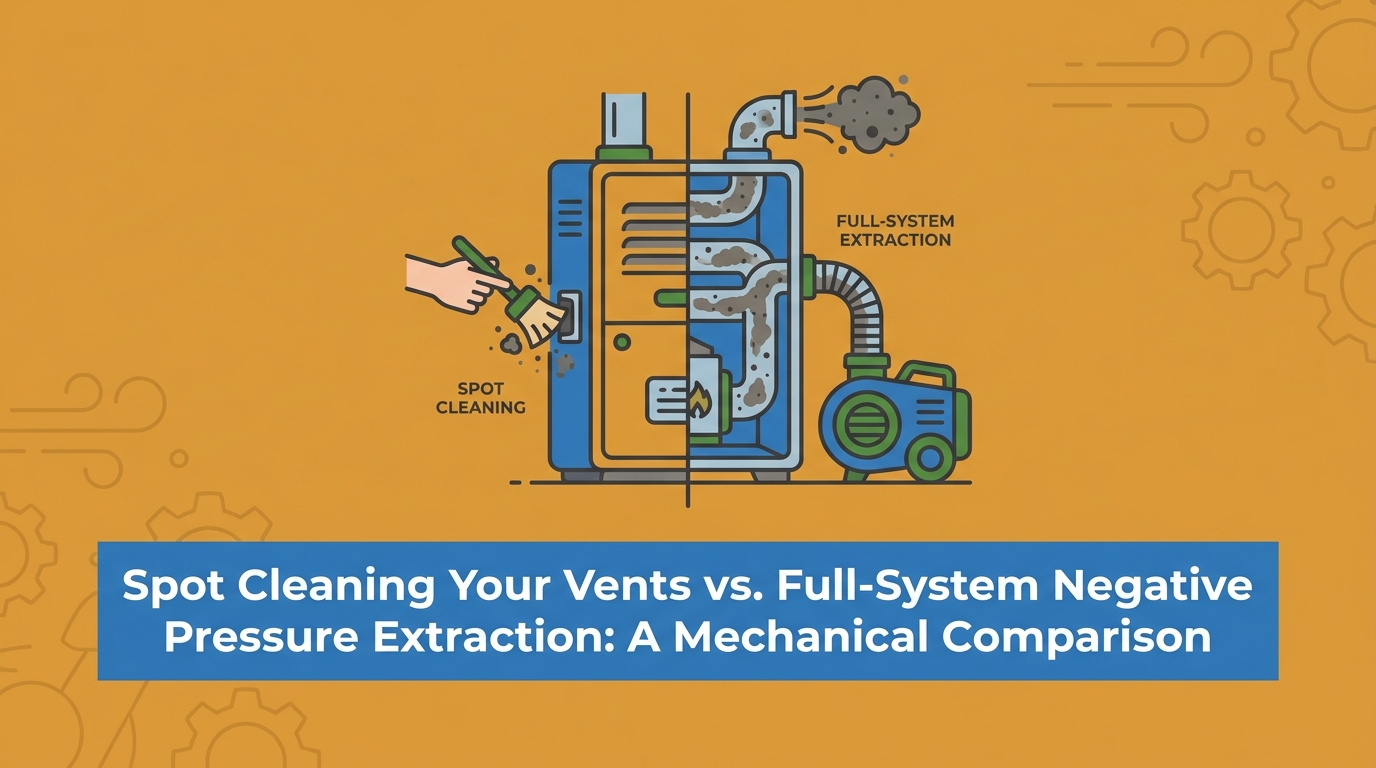
It is a common misconception that a standard household vacuum or a garage shop vac can handle this task. Standard vacuums fundamentally lack the negative pressure required to perform true source removal, often leaving the most dangerous, deeply embedded contaminants entirely untouched.
The Science of Professional Extraction: Truck-Mounted Systems
When a duct system is suffering from heavy particulate accumulation, the physical extraction process demands professional-grade engineering. The mechanics of removing humidity-caked dust from dozens of feet of winding ductwork require extraordinary suction power that portable units simply cannot generate.
The Limitations of Portable Vacuums
Portable shop vacuums and lightweight duct cleaning machines are mechanically limited by their small motors and restricted airflow capacities. While they might easily vacuum a few feet into a vent register, they suffer from massive static pressure loss as the hose extends deeper into the system. Furthermore, many portable units lack adequate HEPA filtration on their exhaust, meaning the microscopic dust they do manage to dislodge is often blown right back into the living space, completely defeating the purpose of the cleaning.
Harnessing Negative Pressure
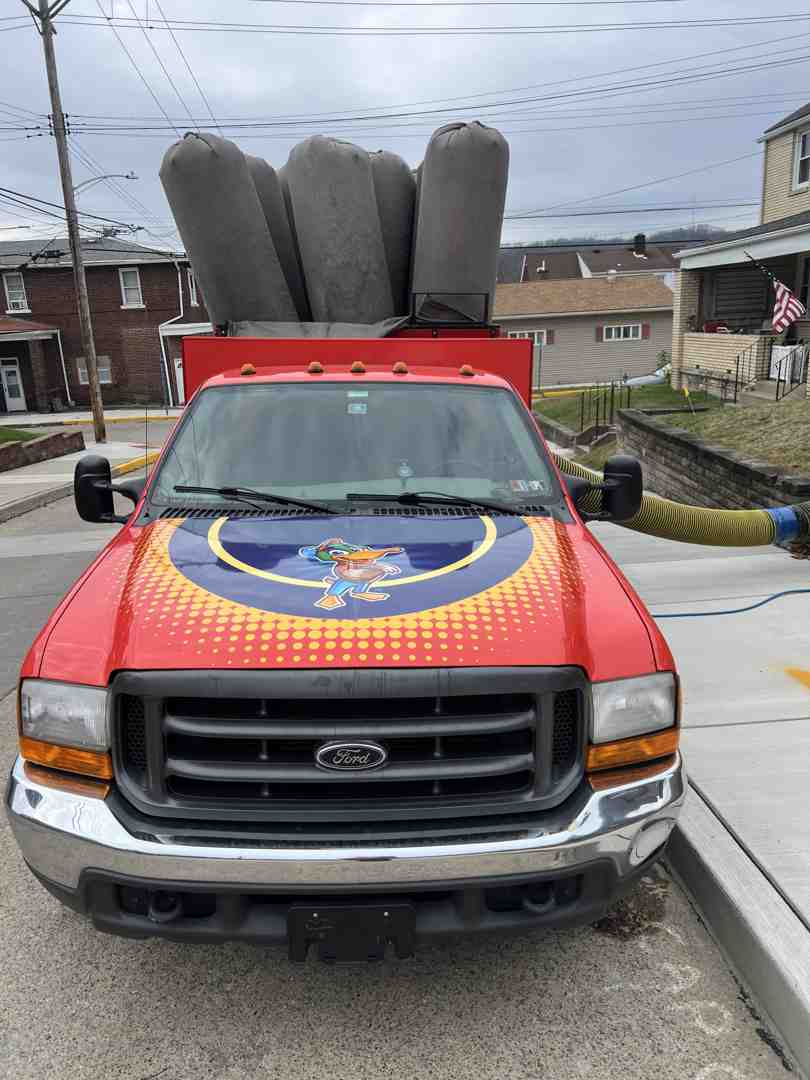
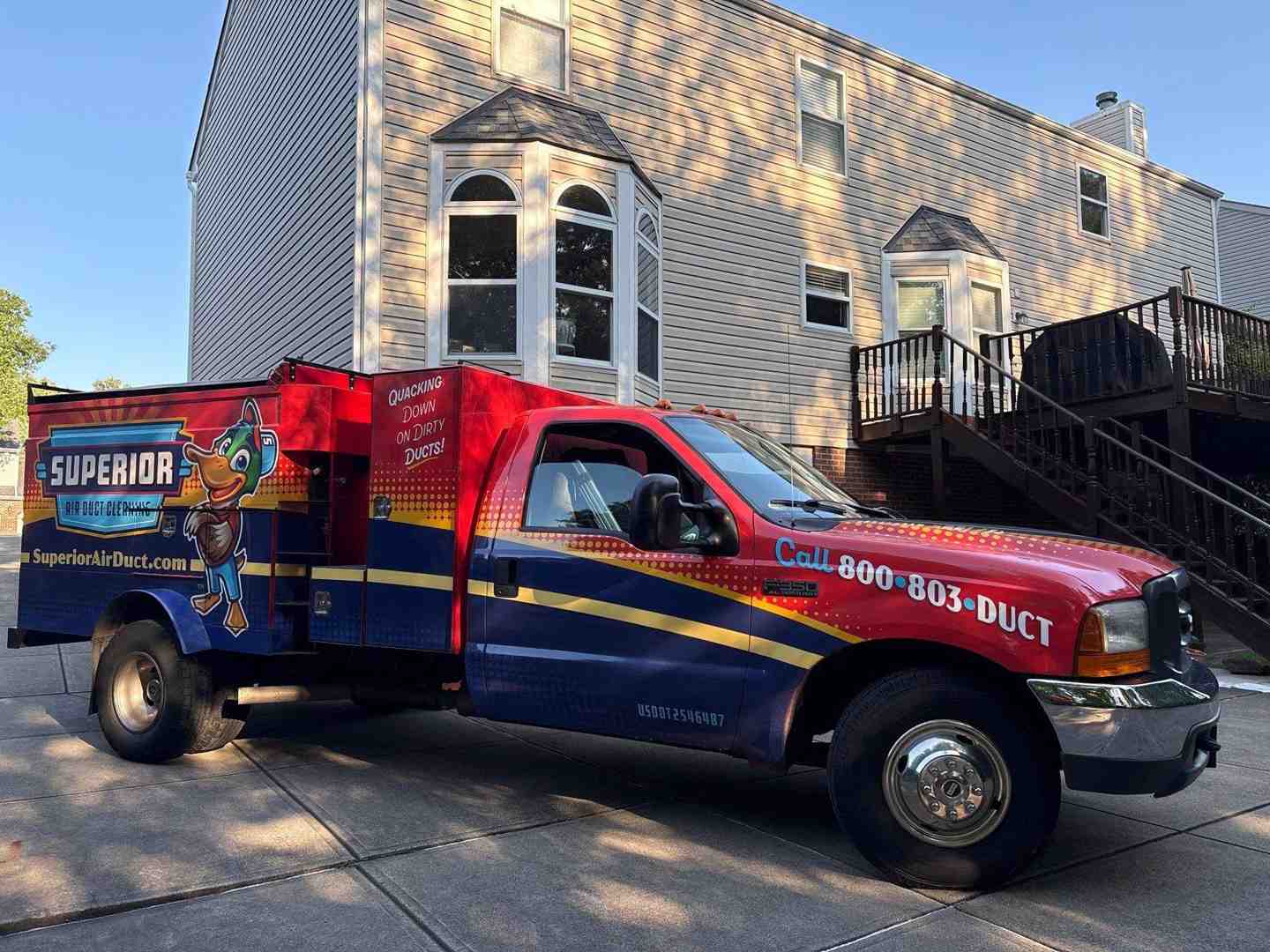
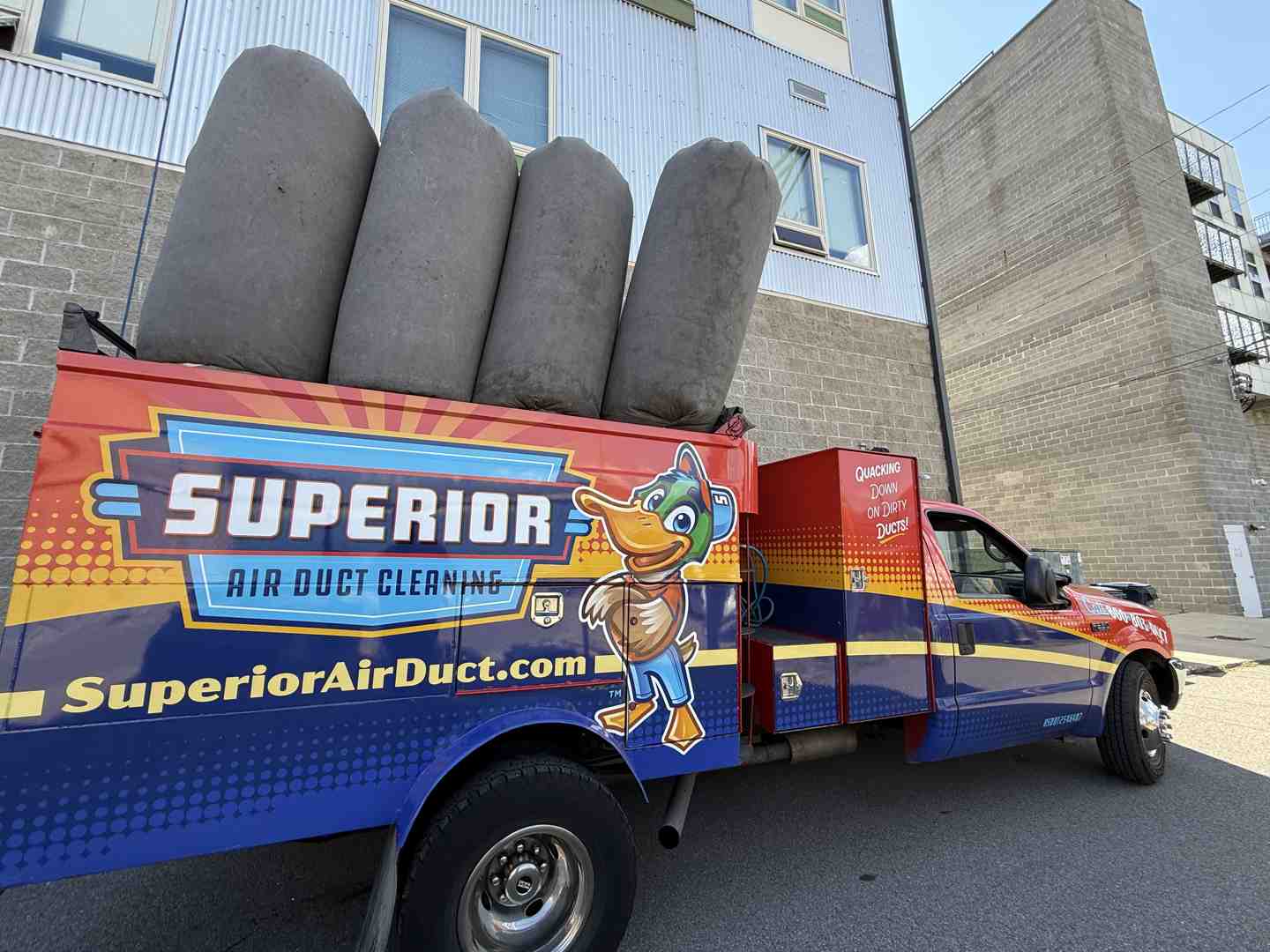
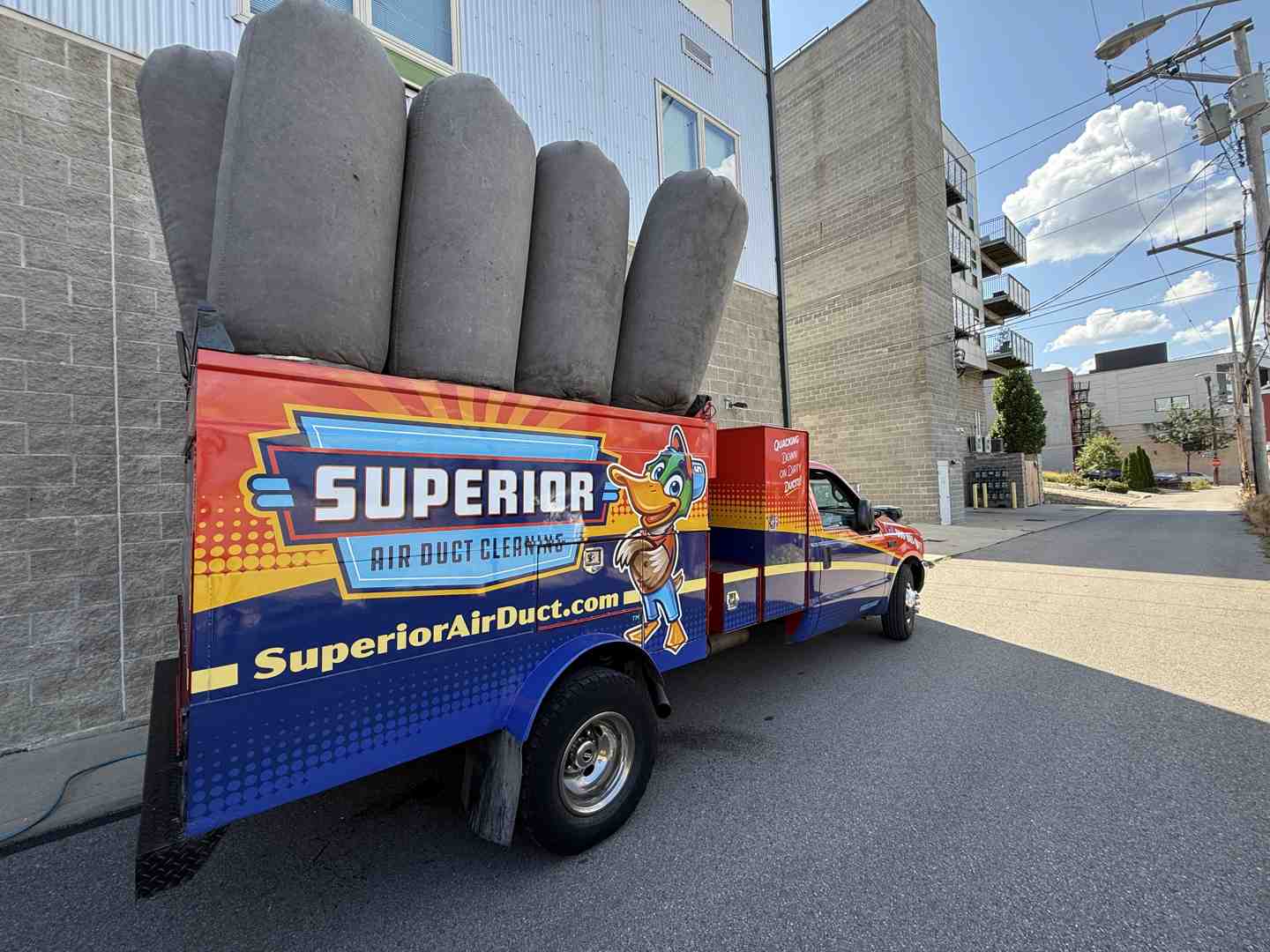
To perform a safe and thorough extraction, the entire ductwork system must be placed under continuous negative pressure. Truck-mounted vacuum systems are engineered specifically for this purpose. Powered by the vehicle's engine, these massive vacuums generate the superior suction power necessary to pull massive volumes of air—and dislodged debris—through the system at high velocities. This is exactly why NADCA certification, combined with the superior suction power of truck-mounted vacuum systems, is mechanically necessary for genuine source removal.
Protecting the Living Space
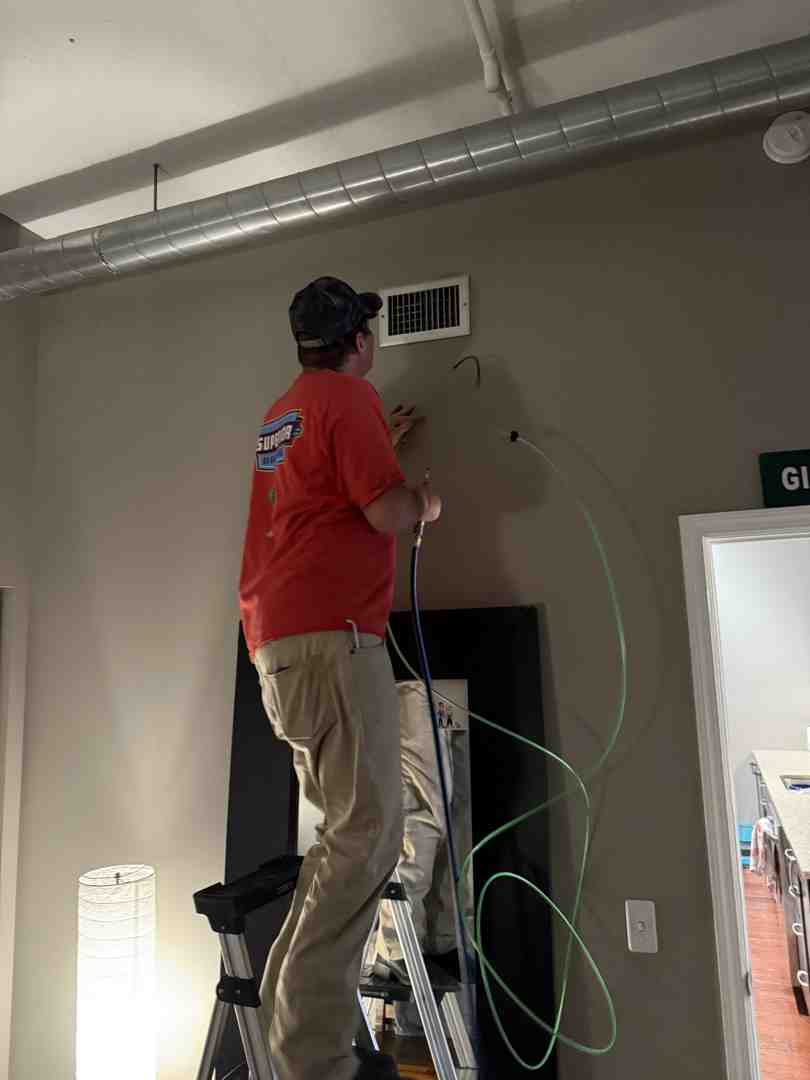
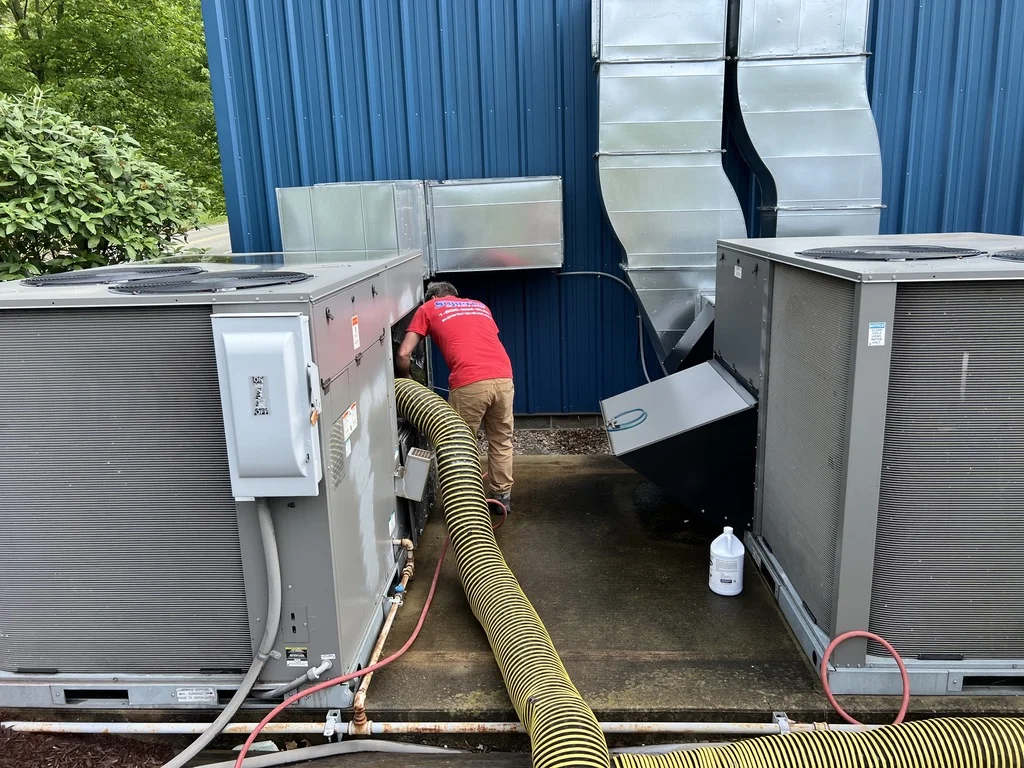
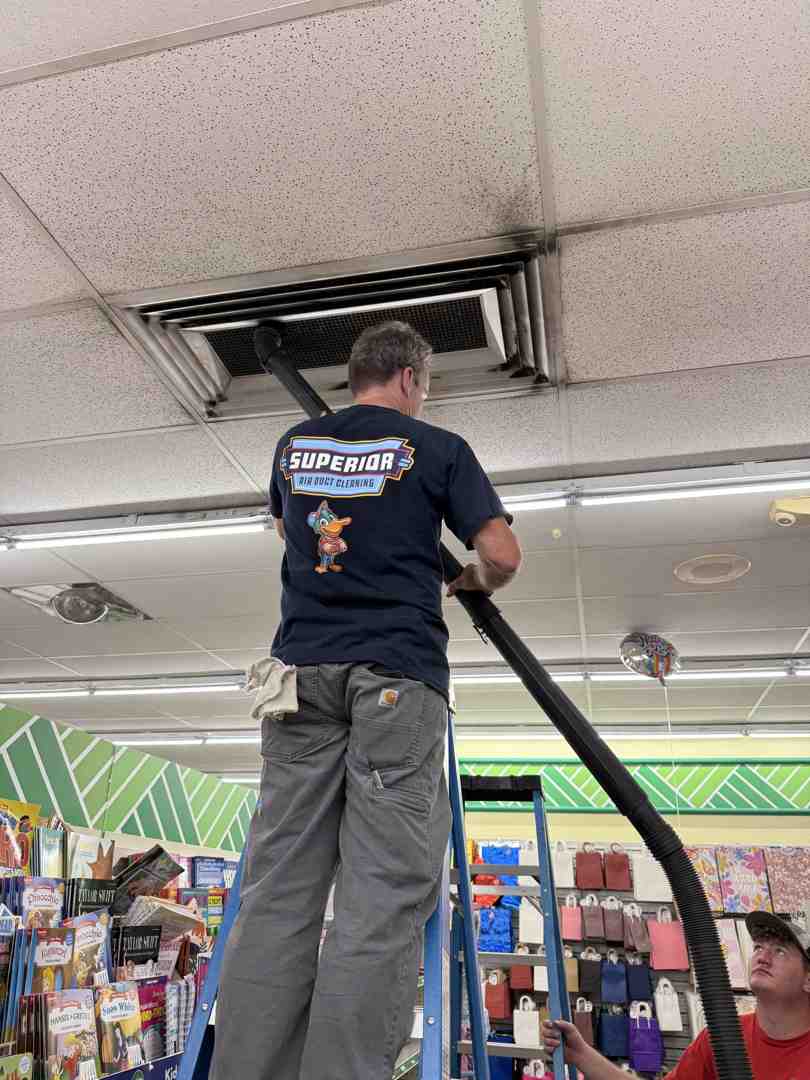
When our truck-mounted system is engaged, the HVAC network essentially becomes a one-way wind tunnel. As our technicians use specialized pneumatic whips and rotating brushes to scrub the duct walls in New Brighton PA homes, the immense negative pressure instantly captures the freed particulates. Because the primary vacuum unit is located outside the home, the dislodged dirt, mold spores, and allergens are safely removed to an exterior containment system. This guarantees that none of the dangerous contaminants are blown into your living space during the cleaning process.
Choosing a Certified Professional for Your HVAC System
Because duct cleaning happens entirely out of sight, the industry unfortunately attracts inexperienced operators who offer superficial "blow-and-go" services. To protect your HVAC equipment and ensure a healthy home environment, it is vital to hire a duct cleaning professional who adheres to objective industry standards.
The Importance of NADCA Standards
The National Air Duct Cleaners Association (NADCA) sets the gold standard for HVAC system cleaning. As a dedicated, certified provider, we know NADCA certification serves as a critical trust signal for consumers, guaranteeing that the technicians have undergone rigorous training in the mechanical complexities of airflow, negative pressure, and safe extraction techniques. Certified professionals strictly follow EPA and NADCA guidelines to protect the delicate components of the HVAC system—such as the blower motor, A-coil, and heat exchanger—during the aggressive cleaning process. If you are unsure about a provider's credentials, it is highly recommended to verify a duct cleaning company is NADCA certified before allowing them to access your system.
Visual Verification and Comprehensive Care
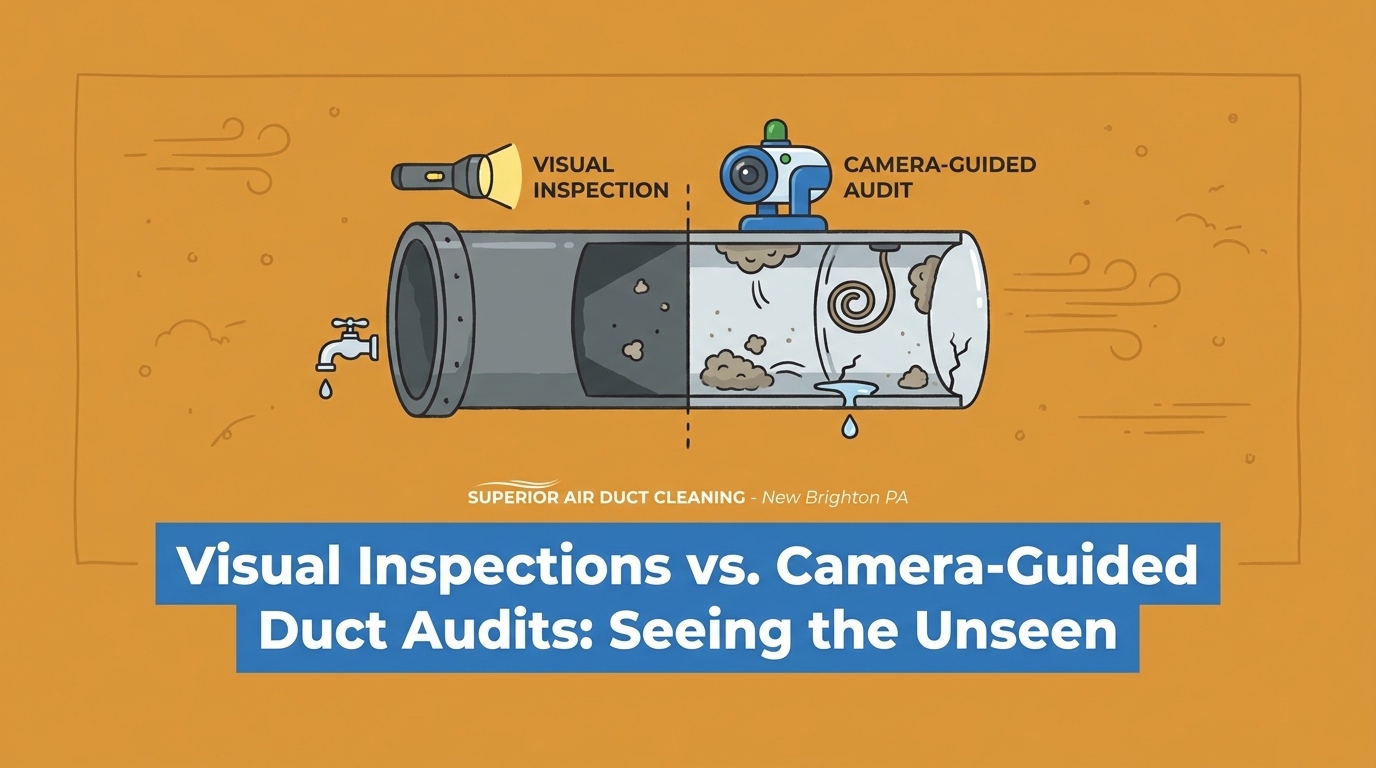
At Superior Air Duct Cleaning, we never expect you to blindly trust that the job was done correctly. We utilize pre- and post-cleaning visual inspections, often using specialized duct cameras, to provide concrete proof of the source removal. Seeing the clear entry point pictures of your ductwork before and after the service offers total peace of mind that the hidden contaminants have been eradicated.
Checklist for Hiring a Duct Cleaning Professional
• Verify Certification: Confirm active NADCA membership and specific technician certifications.
• Check Equipment: Ensure they utilize high-powered, truck-mounted vacuum systems rather than standard portable shop vacs.
• Demand Visual Proof: Ask if they provide pre- and post-cleaning camera inspections to verify the results.
• Confirm Holistic Cleaning: Ensure the service includes cleaning the supply vents, return grilles, main trunk lines, and the furnace blower compartment.
These rigorous standards apply universally, whether we are dealing with a standard residential home in New Brighton PA or require extensive commercial duct cleaning for a large-scale facility. Protecting the air quality of your indoor environment always begins with demanding professional, verifiable source removal.
Frequently Asked Questions
Is it normal for a heater to smell like burning dust?
Yes, a brief burning dust smell is entirely normal during the first heating cycle of the season. Over the summer, a thin layer of dust naturally settles on the dormant heat exchanger inside the furnace. When the system ignites for the first time in the fall, this dust incinerates quickly, creating a temporary smoky odor that should dissipate rapidly.
How long does the burning smell last when the heater is turned on?
A normal dust burn-off odor typically lasts for only one to two heating cycles. Within a few hours of the initial startup, the smell should completely fade away. If the burning scent lingers for several days or returns every time the thermostat calls for heat, our technicians warn that it indicates a heavier accumulation of debris that requires professional attention.
Can dirty air ducts cause a burning smell?
Absolutely. While the initial burn-off happens at the furnace, heavily contaminated air ducts continuously feed dormant dust and debris back into the heating system. This constant recirculation of caked-on particulates forces the furnace to constantly burn off new dust, resulting in a persistent, acrid smell that degrades indoor air quality.
When should I worry about furnace smell?
You should be concerned if the burning smell lasts beyond the first two days of use, or if it is accompanied by visible puffs of dust blowing from the vents. Additionally, if the odor smells like melting plastic, electrical ozone, or rotten eggs, you should shut the system down immediately. These specific smells point to mechanical failures, electrical burning, or gas leaks rather than simple dust accumulation.
What is the difference between standard vacuuming and professional source removal?
Standard vacuuming only removes loose, surface-level debris near the vent openings and lacks the power to reach deep into the system. Professional source removal, like the service we provide, utilizes truck-mounted vacuums to place the entire ductwork under massive negative pressure. Technicians then use pneumatic tools to physically scrub and dislodge humidity-caked dirt from the duct walls, safely extracting it outside the home.
How often do industry standards recommend cleaning residential air ducts?
The National Air Duct Cleaners Association (NADCA) generally recommends professional air duct cleaning every three to five years for a typical residential home. However, homes with multiple pets, heavy allergy sufferers, recent indoor renovations, or a history of high indoor humidity may require more frequent source removal to maintain optimal indoor air quality.
Dealing with a persistent burning odor during your fall startup is a clear signal that your HVAC system is struggling with accumulated debris. Don't let dormant dust and allergens compromise your family's comfort this winter. Address the root cause of the contamination with professional source removal to ensure your home's air remains clean, fresh, and safe all season long.

Customer Reviews


Superior Air Duct cleaning did a phenomenal job in a timely manner with the tech “Rich” being very professional ,personable and considerate of our property! He explained things as he proceeded and answered all our questions!
I LOVE that they provide before & after photos to see the difference. Give them a try… you won’t regret it
Pam T.
Robert was on schedule and communicated what time he would arrive. He was polite, professional, and respectful of our home. I wanted to wait a couple weeks before posting a review because I wanted to see if the duct cleaning actually made a difference. I am happy to say it did! I vacuum multiple times a week and have already noticed a significant reduction in the amount of dust cleaned up each time. As a home with pets, there will always be something to clean, but getting the ducts cleaned has definitely helped improve the air quality and reduce the dust.
alice A.
Technician Rob arrived early explained the days agenda and then proceeded to work methodically and meticulously over the next 6+ hours cleaning my ductwork. Courteous and professional they answered all of my questions and went above and beyond the call of duty. They even located an old dusty box of rat poison buried in our vents. My only regret is not finding these guys sooner. As a realtor of 22 years and owner of a newly purchased (now dust free) home I highly recommended!
Eric K.
Excellent service! I’ve used them to clean out my air ducts as well as my dryer vent duct and they are excellent. I was very pleased with both jobs and will continue to use them in the future. Great communication as well- from the time I scheduled the appointment until they were at my door.
Erika C.
We had such an amazing experience with Superior Air Duct Cleaning. They were so nice and friendly and did an amazing job. I loved seeing the before and after pictures. Besides doing an amazing job cleaning our air ducts they were so quick at responding and setting up the appointment. We will definitely be using them in the future.
Amanda C.