Why the Summer Allergens and Your Air Ducts Connection Matters for Your Home
Understanding summer allergens and your air ducts connection could be the key to finally explaining why your allergy symptoms feel worse inside your home than they do outdoors. Here is a quick breakdown of how this connection works:
- Summer allergens enter your home through open doors, windows, and even on clothing and pets
- Your HVAC system pulls those allergens in through return vents and circulates them through the ductwork
- Allergens accumulate inside the ducts alongside dust, mold spores, and pet dander
- Every time your AC runs, those stored allergens are pushed back into your living spaces
- Increased summer AC use means more frequent recirculation — up to 5 to 8 times per hour
- Summer humidity adds a mold risk, since moisture inside ducts can trigger mold growth within 24 to 48 hours
- The result: persistent sneezing, congestion, and itchy eyes — even with the windows shut
One in five Americans suffers from allergies, and that number accounts for roughly 17 million doctor visits every year. Yet many allergy sufferers never think to look at their air ducts as part of the problem. When you close your windows and crank the air conditioning to escape summer pollen, you may actually be sealing yourself inside with a reservoir of allergens your HVAC system has been quietly collecting for years.
Dust buildup in HVAC ducts can increase airborne allergens by up to 50% when the system runs. Homes in Western Pennsylvania and Northeast Ohio face a particularly challenging combination of high summer humidity, heavy grass and tree pollen, and older housing stock — all of which can make duct contamination worse than in drier climates.
This guide walks you through everything you need to know: what is building up in your ducts, how to recognize the warning signs, and what steps actually make a difference for your indoor air quality this summer.
Summer allergens and your air ducts connection terminology:
Understanding the Summer Allergens and Your Air Ducts Connection
To understand how your home can harbor a high concentration of irritants, we have to look at the physics of indoor air circulation. Modern homes in areas like Cranberry Township, PA, and Boardman, OH, are engineered to be tightly sealed. This is fantastic for keeping your utility bills low, but it creates a closed loop. The Environmental Protection Agency (EPA) notes that indoor air can be up to 70% more polluted than outdoor air because of this recycling effect.
Every time your air conditioner kicks on, it sucks in air from your rooms, cools it, and pushes it back out. If your duct system is lined with years of accumulated dust, pollen, and pet hair, your HVAC system acts as an allergen delivery vehicle. Instead of simply cooling your home, it acts as a giant blower, distributing micro-particles to every room in the house.
When you realize that the average home accumulates up to 40 pounds of dust every single year, it becomes clear that a significant portion of this debris settles directly inside your ductwork. During the humid summer months in Western Pennsylvania and Northeast Ohio, this dust layer becomes a sticky magnet for incoming seasonal pollen.
Understanding this cycle is the first step toward relief. If you are experiencing constant symptoms even with the windows closed, you are likely dealing with a direct Dirty Air Ducts Worsen Summer Allergies issue. By clearing out this hidden reservoir, you break the cycle of continuous indoor exposure. This is why recognizing the Dirty Ducts and Allergy Symptoms Connection is so essential for local families who want to reclaim their indoor comfort.
Common Summer Contaminants Lurking in Your HVAC System
Your ductwork is a dark, enclosed space that remains completely out of sight. Because we cannot see inside it, we often forget that it is a physical surface where gravity and static electricity cause airborne particulates to settle. Over time, several distinct summer contaminants build up inside this system:
- Grass and Weed Pollen: While tree pollen dominates the spring, summer brings heavy grass pollen (like bluegrass, orchard, and redtop) followed by ragweed in late summer. These microscopic grains cling to your clothes, hair, and shoes, eventually making their way indoors and settling in your vents.
- Dust Mites and Their Waste: Dust mites do not bite, but their microscopic waste products are a major allergen. They thrive in warm, humid conditions and feed on human skin cells, which make up a massive percentage of everyday household dust.
- Mold Spores: Mold reproduces by releasing tiny, lightweight spores into the air. If these spores find a damp spot inside your HVAC system, they will colonize and continuously release millions of new spores into your air stream.
- Pet Dander: Even if you vacuum your floors daily, lightweight pet dander (the proteins found in animal skin flakes, saliva, and urine) remains suspended in the air before being sucked into your return vents.
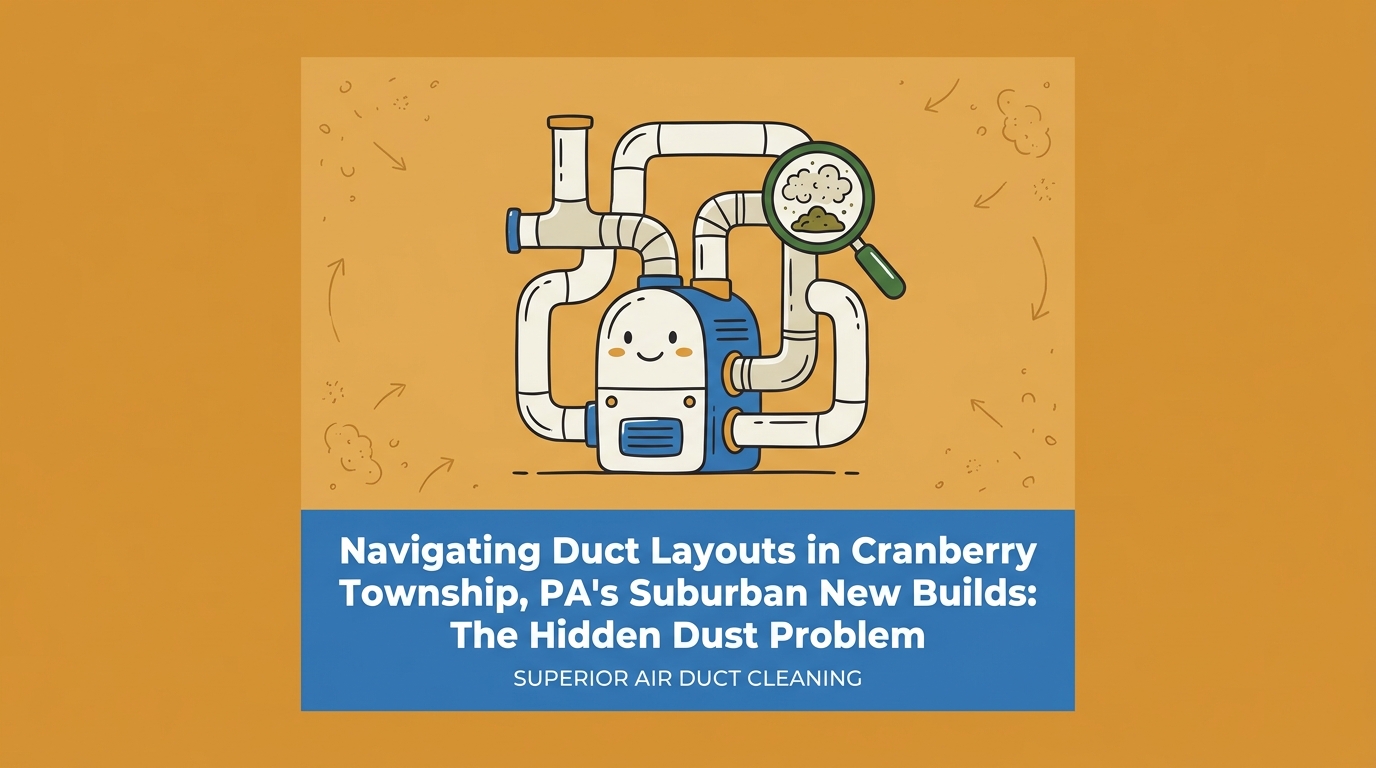
- Construction Debris: If your home in Pittsburgh, PA, or Youngstown, OH, has been renovated, or if it was built within the last few decades, drywall dust, sawdust, and concrete particulates may still reside deep within your trunk lines.
When these particles settle inside your ducts, they do not stay there permanently. The high-velocity airflow from your air conditioner constantly stirs up the top layer of this debris. This is why Reducing Allergens with Duct Cleaning is such a powerful strategy; it physically removes the source material so it can never be blown into your breathing zone again.
How Humidity and AC Use Impact the Summer Allergens and Your Air Ducts Connection
Summer in our region is characterized by high humidity levels that regularly exceed 70% outdoors. When this warm, moist air meets your air conditioner, a natural physical reaction occurs: condensation.
Your AC’s evaporator coil gets incredibly cold to cool your home. As warm air passes over this cold metal, moisture condenses on the coil and drains away. However, if your indoor humidity is not properly controlled, or if there are minor duct leaks in unconditioned spaces like attics or crawlspaces, your metal ductwork can begin to "sweat."
This localized moisture is the ultimate trigger for mold growth. Mold spores are always present in the air in small amounts, but they remain dormant as long as the relative humidity is below 50%. Once humidity climbs above 60% to 70%, these spores can activate in as little as 24 to 48 hours. When mold takes root in the organic dust layer inside your ducts, it has a constant food source and a damp environment.
Furthermore, high humidity causes loose dust and pollen to clump together. Instead of remaining as dry, easily filtered dust, it forms a sticky, paste-like film along the interior walls of your ducts. This sticky layer is highly resistant to standard air filters and requires professional mechanical agitation to remove. When the seasons shift, these lingering summer deposits can set the stage for autumn issues, which is why understanding How Whole Home Sanitization Staves Off Fall Allergies is so important for year-round respiratory health.
Signs Your Ventilation System is Aggravating Your Seasonal Allergies
How do you know if your home’s HVAC system is actively making your allergies worse? Because ductwork is hidden behind drywall and flooring, you have to look for indirect signs.
The most telling sign is when your symptoms flare up specifically when you are indoors. If you find yourself sneezing, coughing, or experiencing itchy eyes within 15 to 30 minutes of your air conditioner turning on, your ventilation system is likely circulating high levels of particulates.
Another major indicator is the presence of musty or stale odors. When mold or mildew is growing inside your ductwork or on your AC’s evaporator coil, it releases microbial volatile organic compounds (mVOCs). These compounds produce a distinct, damp smell that is often strongest when the system first starts running after being off for a few hours. Paying attention to these subtle signs can help you identify Allergy Symptoms That May Be Caused by Dirty Ducts before they turn into a chronic health issue.
Recognizing the Summer Allergens and Your Air Ducts Connection in Your Home
To perform a quick self-inspection of your home's air quality health, look for these physical clues around your living spaces:
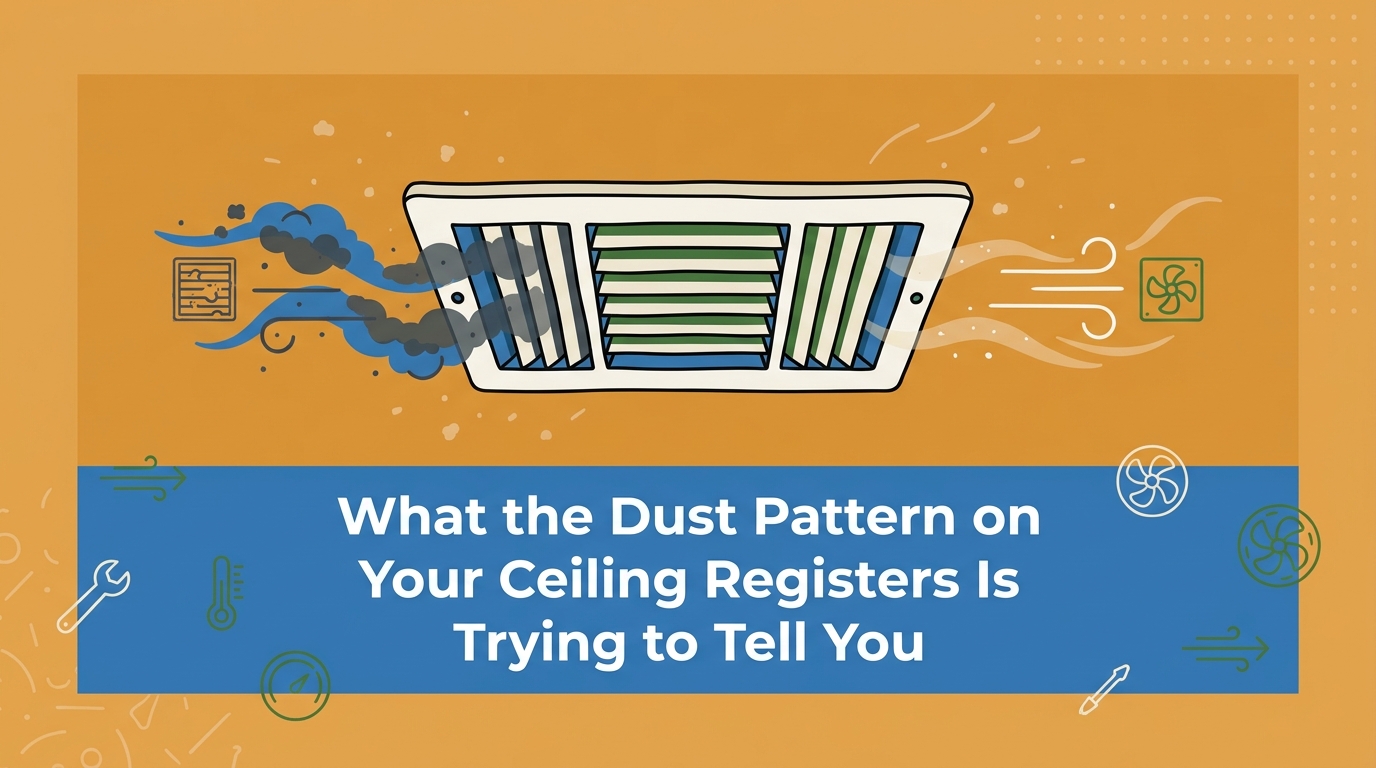
- Visible Dust on Vent Grilles: Take a close look at your supply registers and return grilles. If you see a dark, fuzzy buildup of dust clinging to the slats, it is a sign that the air passing through them is heavily laden with debris.
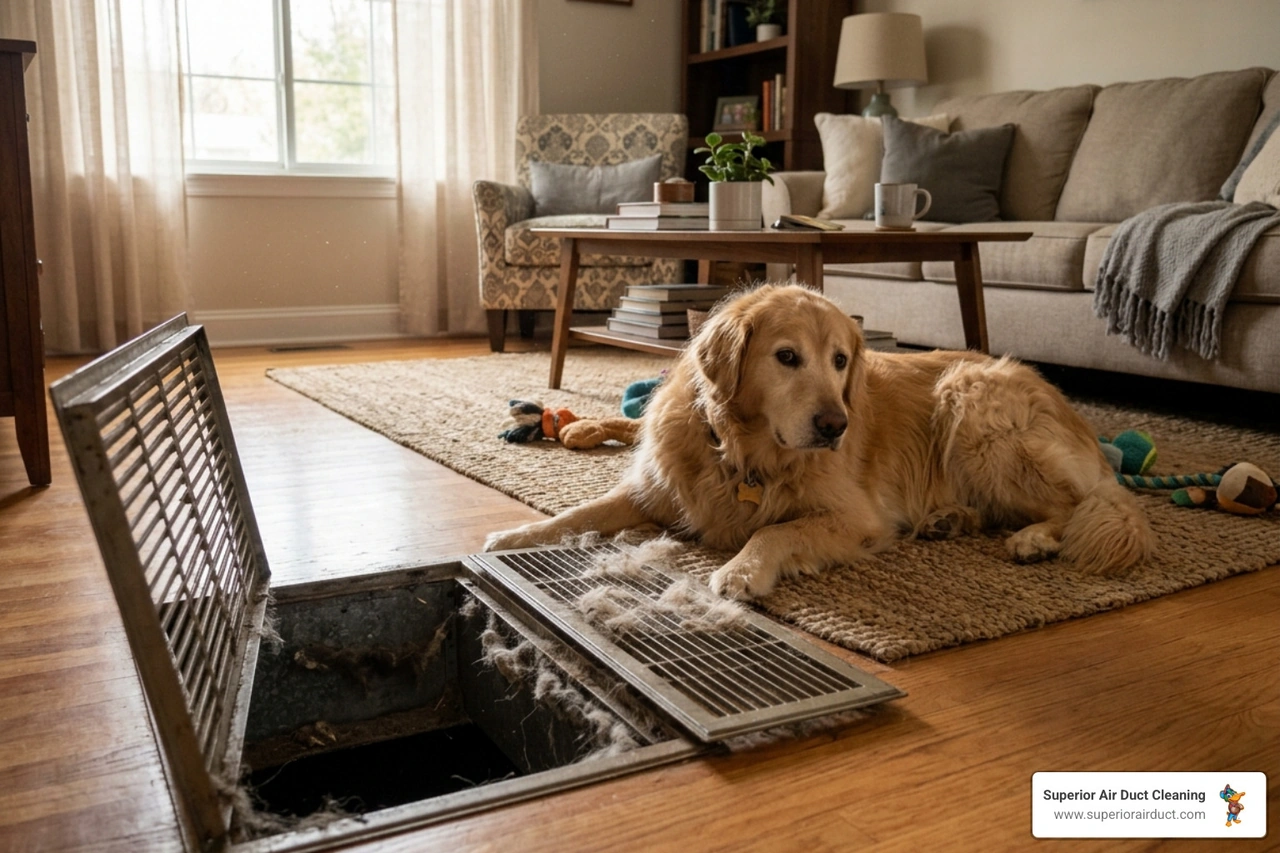
- The "Poof" Test: Watch your vents closely when the AC fan first kicks on. If you see a small, temporary cloud of fine dust blow out into the room, your ducts have a significant accumulation of loose particulate matter.
- Rapid Dust Accumulation: If you find yourself dusting your furniture, shelves, and electronics multiple times a week only for a fresh layer of gray film to appear the next day, your HVAC system is continuously redistributing dust.
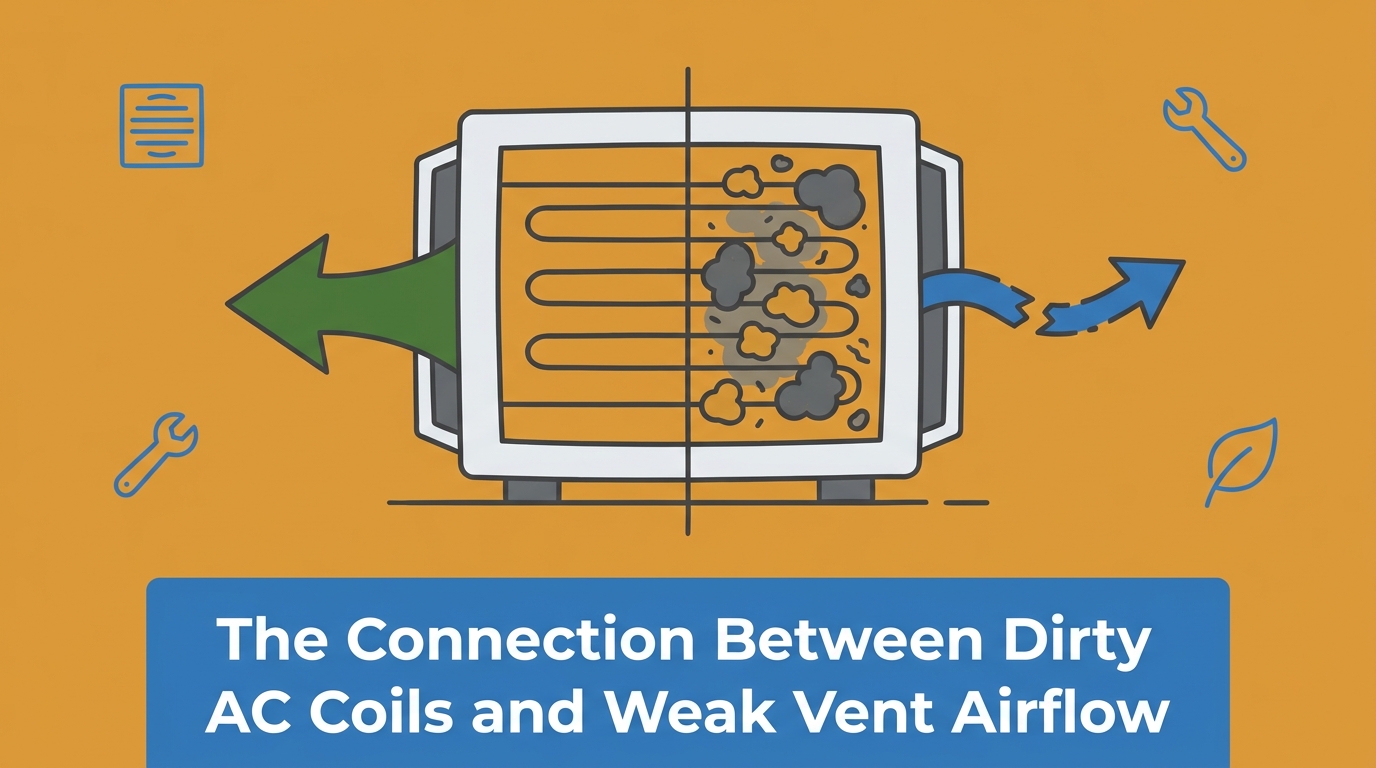
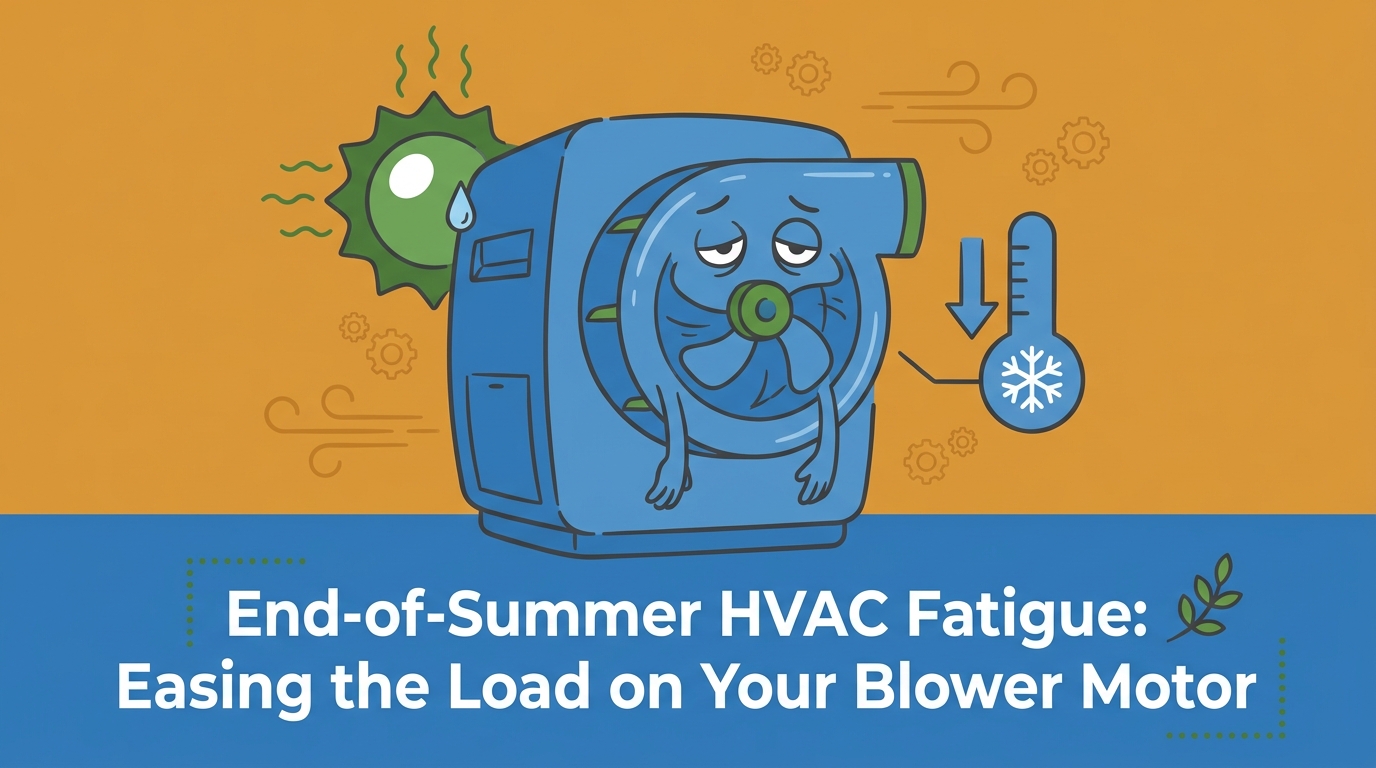
- Uneven Airflow: Heavy dust and debris buildup can physically restrict airflow through your ducts, leading to hot spots in certain rooms and making your system work much harder than necessary.
- Physical Symptoms: Persistent sinus pressure, morning congestion, dry throats, and unexplained headaches that improve when you leave the house are classic signs of poor indoor air quality.
If you notice any of these signs in your home, it is time to take action. Investing in a professional Preventing Allergy Problems with Duct Cleaning Service can resolve these issues, restoring clean airflow and dramatically reducing the airborne irritants that trigger your symptoms.
Actionable Steps to Improve Indoor Air Quality and Reduce Duct Allergens
Improving your home's air quality requires a multi-tiered approach. While professional cleaning is the most effective way to clear out years of built-up debris, there are several everyday steps you can take to maintain a clean system.
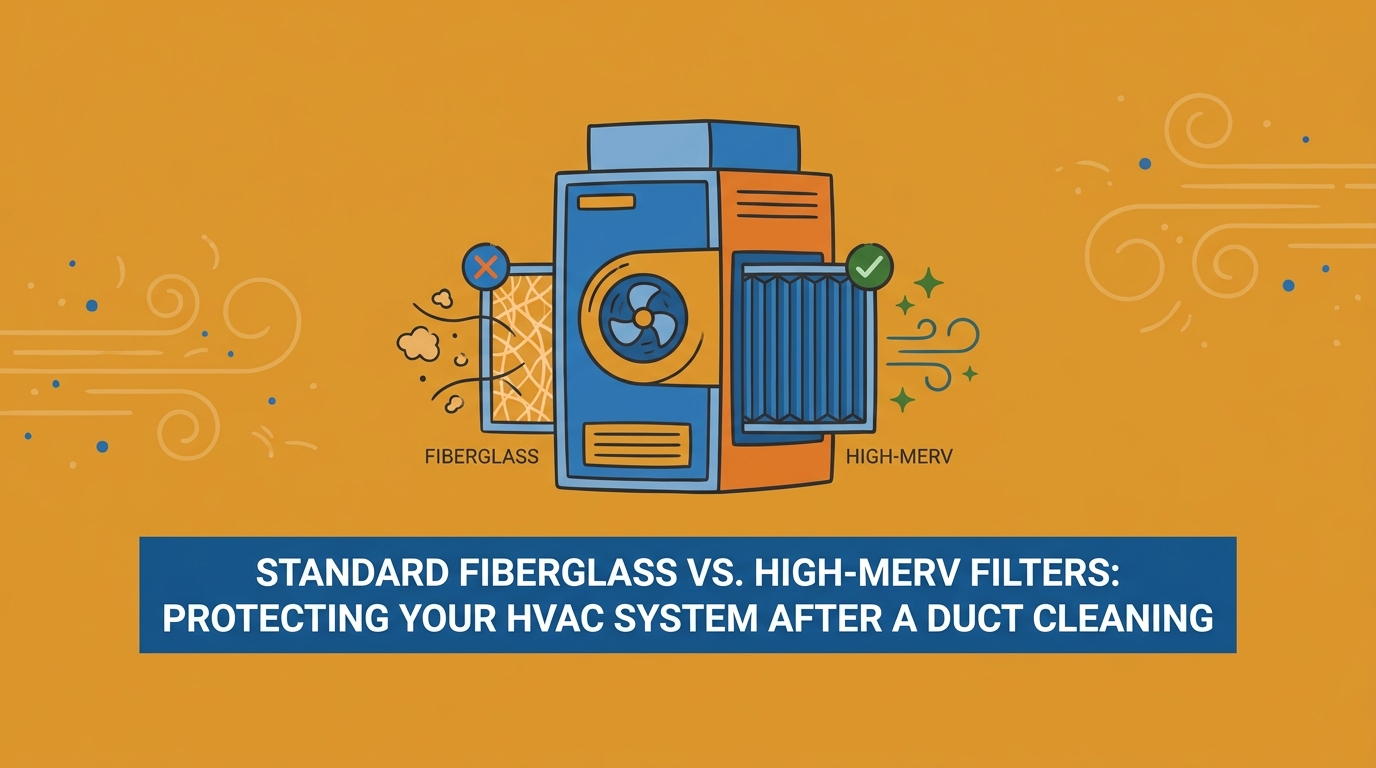
First, let's talk about filtration. Your air filter's primary job is to protect your HVAC equipment from large dust particles, but upgraded filters can also protect your lungs. Air filters are rated using the MERV (Minimum Efficiency Reporting Value) scale, which ranges from 1 to 16.
| Filter Type | MERV Rating | What It Captures | Best For |
|---|---|---|---|
| Standard Fiberglass | MERV 1–4 | Large dust bunnies, lint, carpet fibers | Basic equipment protection only (poor for allergies) |
| Pleated Polyester | MERV 5–8 | Mold spores, dust mite debris, pet dander | Standard residential use with moderate filtration |
| High-Efficiency Pleated | MERV 11–13 | Pollen, fine dust, automobile emissions, smoke | Allergy sufferers, pet owners, and high-IAQ homes |
| Hospital-Grade Media | MERV 14–16 | Bacteria, tobacco smoke, microscopic allergens | Severe asthma sufferers (requires compatible HVAC system) |
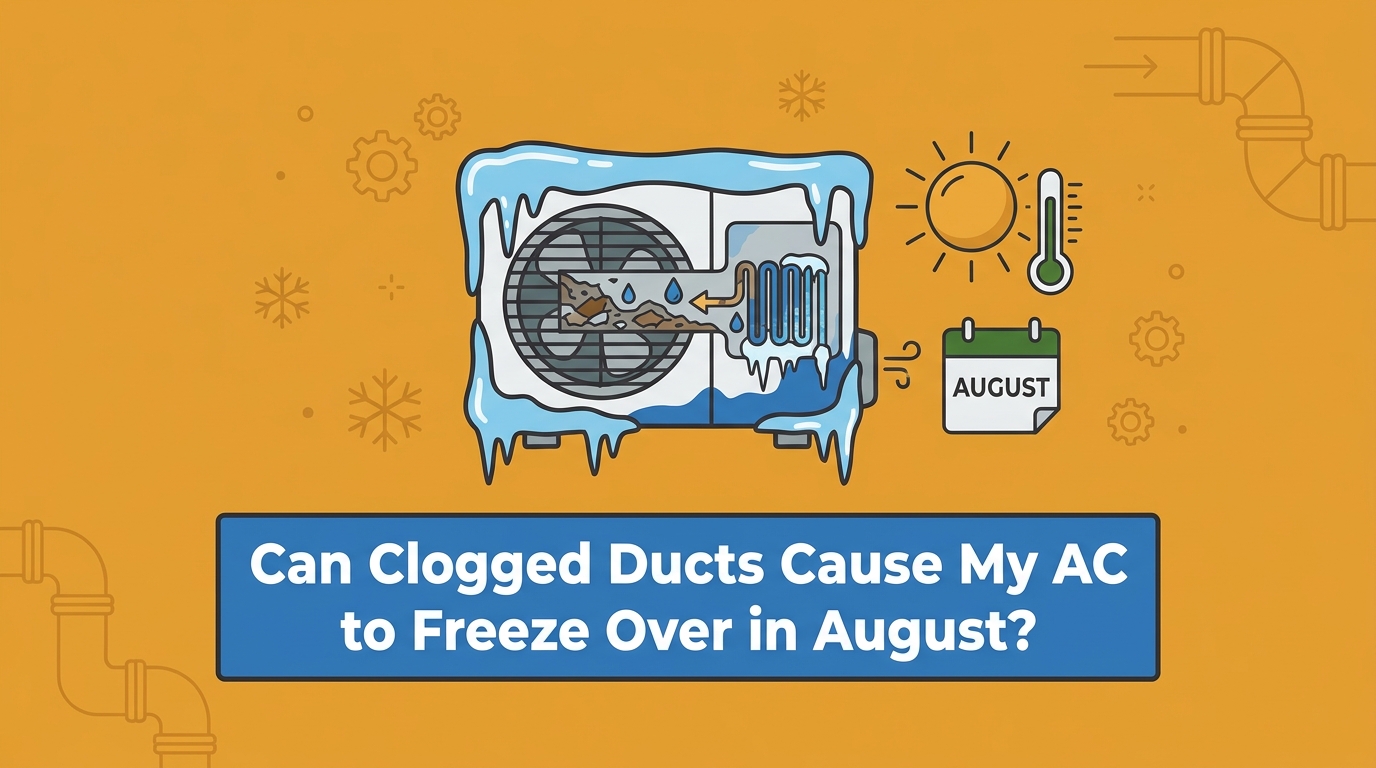
Before upgrading to a high-MERV filter, always check your system's manual or consult an HVAC professional. Filters with very high MERV ratings are thicker and can restrict airflow if your system's blower motor isn't designed to handle them, which can reduce efficiency or cause your AC coils to freeze.
Beyond filtration, controlling indoor humidity is paramount. Keep your indoor relative humidity between 30% and 50% using a dehumidifier in damp basements and running exhaust fans in bathrooms and kitchens. Regularly vacuuming with a HEPA-equipped vacuum cleaner and dusting with damp microfiber cloths will also prevent loose dust from being sucked into your return vents.
Taking these steps helps you Improve Indoor Air with Duct Cleaning and ensures that once your system is clean, it stays that way. A clean system is a healthy system, and taking control of your filtration and humidity is the best way to Improve Air Quality with Clean Ducts.
Combining Duct Cleaning with Advanced Air Filtration
While professional duct cleaning removes the standing reservoir of allergens from your HVAC system, it is not a one-time cure for outdoor pollen. Think of duct cleaning as resetting your home's air quality back to zero. To maintain this pristine state, you should combine professional cleaning with advanced filtration and purification tools.
For homeowners with severe seasonal allergies or asthma, standalone HEPA air purifiers are an excellent addition to bedrooms and main living spaces. While your central system filters air as it circulates, a dedicated air purifier provides continuous, localized filtration to capture lightweight particles before they even reach your return vents.
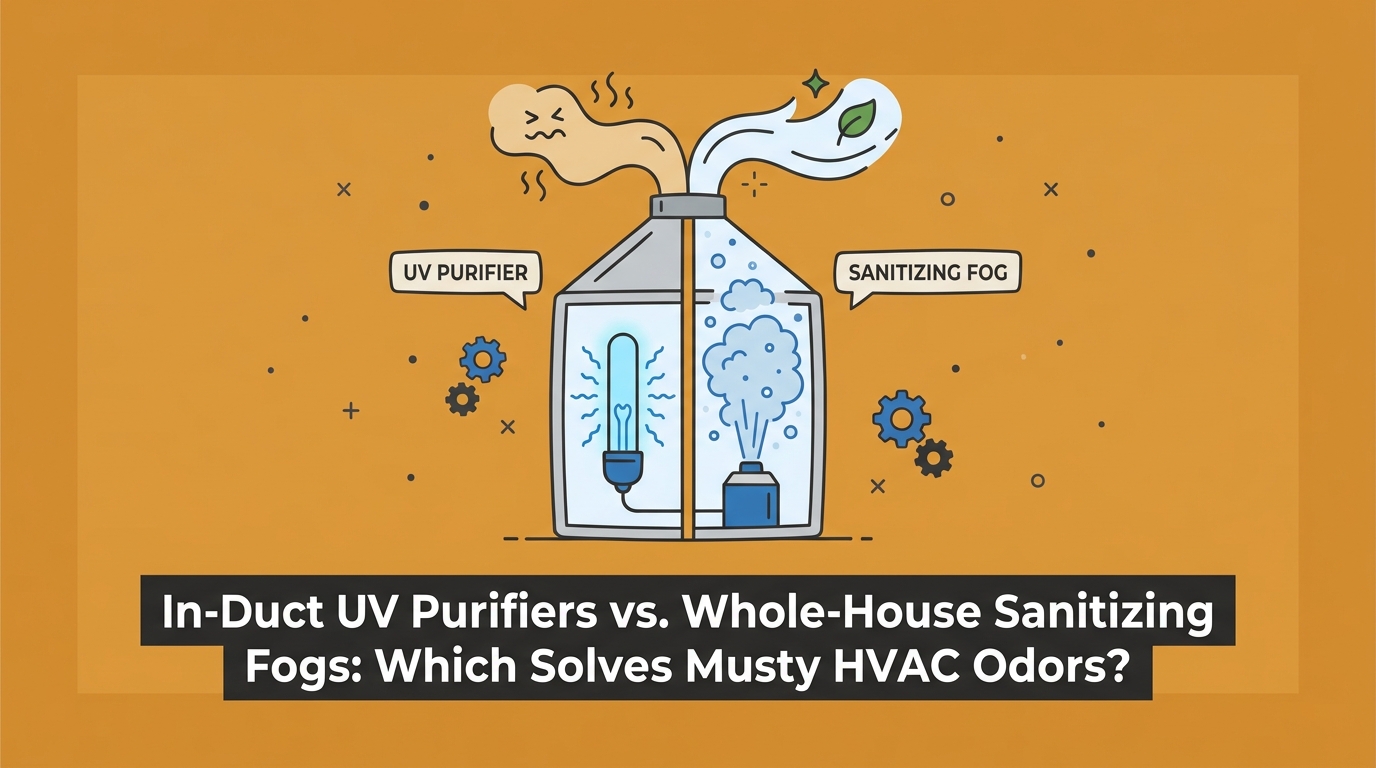
Additionally, we can look at whole-home air purification systems that install directly into your existing ductwork. These systems often use UV-C light technology or ionization to neutralize mold spores, bacteria, and viruses as they pass through the air stream.
By combining these technologies, you create a comprehensive defense system. Professional Air Duct Cleaning Boosts IAQ (Indoor Air Quality) by eliminating the deep-seated dust and mold, while high-efficiency filters and purifiers catch new incoming particles. This multi-layered approach is the gold standard for home wellness, ensuring that Air Duct Cleaning Enhances Home Atmosphere and keeps your family breathing easy all summer long.
Frequently Asked Questions About HVAC Systems and Allergies
To help you make informed decisions about your home's indoor air quality, we have compiled answers to some of the most common questions we hear from local homeowners.
How often should homeowners in Pittsburgh or Boardman clean their air ducts for allergy relief?
For typical households without pets or chronic respiratory issues, the National Air Duct Cleaners Association (NADCA) recommends professional duct cleaning every 3 to 5 years. However, if you or your family members suffer from moderate to severe seasonal allergies, asthma, or COPD, we highly recommend scheduling a professional cleaning every 1 to 2 years.
This is also true for households with multiple pets, as pet dander and hair accumulate in ductwork at a much faster rate. Regular cleaning prevents the buildup from reaching a threshold where it begins to continuously recirculate and trigger daily symptoms.
Can dirty air ducts cause a temporary spike in allergy symptoms during cleaning?
If the cleaning is performed improperly or by using inadequate equipment, yes. Cheap, unprofessional "blow-and-go" services often use simple portable shop vacuums that lack proper HEPA filtration and negative pressure capabilities. This can stir up settled dust and mold spores, blowing them directly into your living spaces and causing a temporary spike in your allergy symptoms.
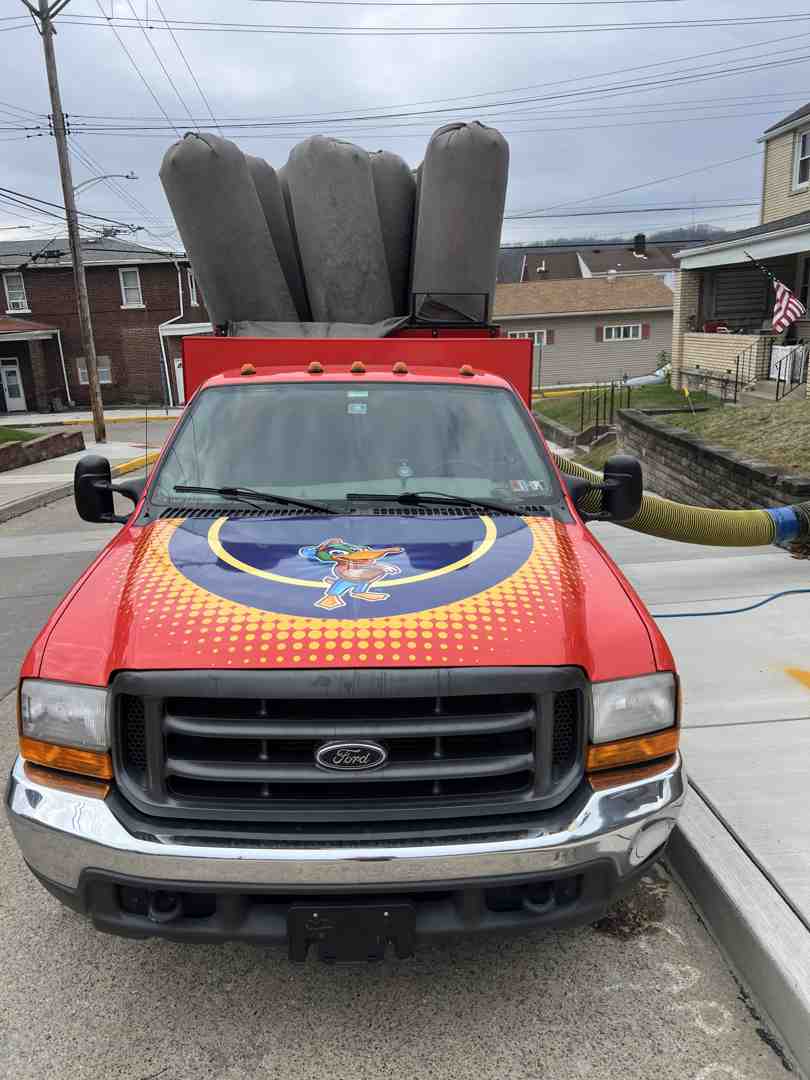
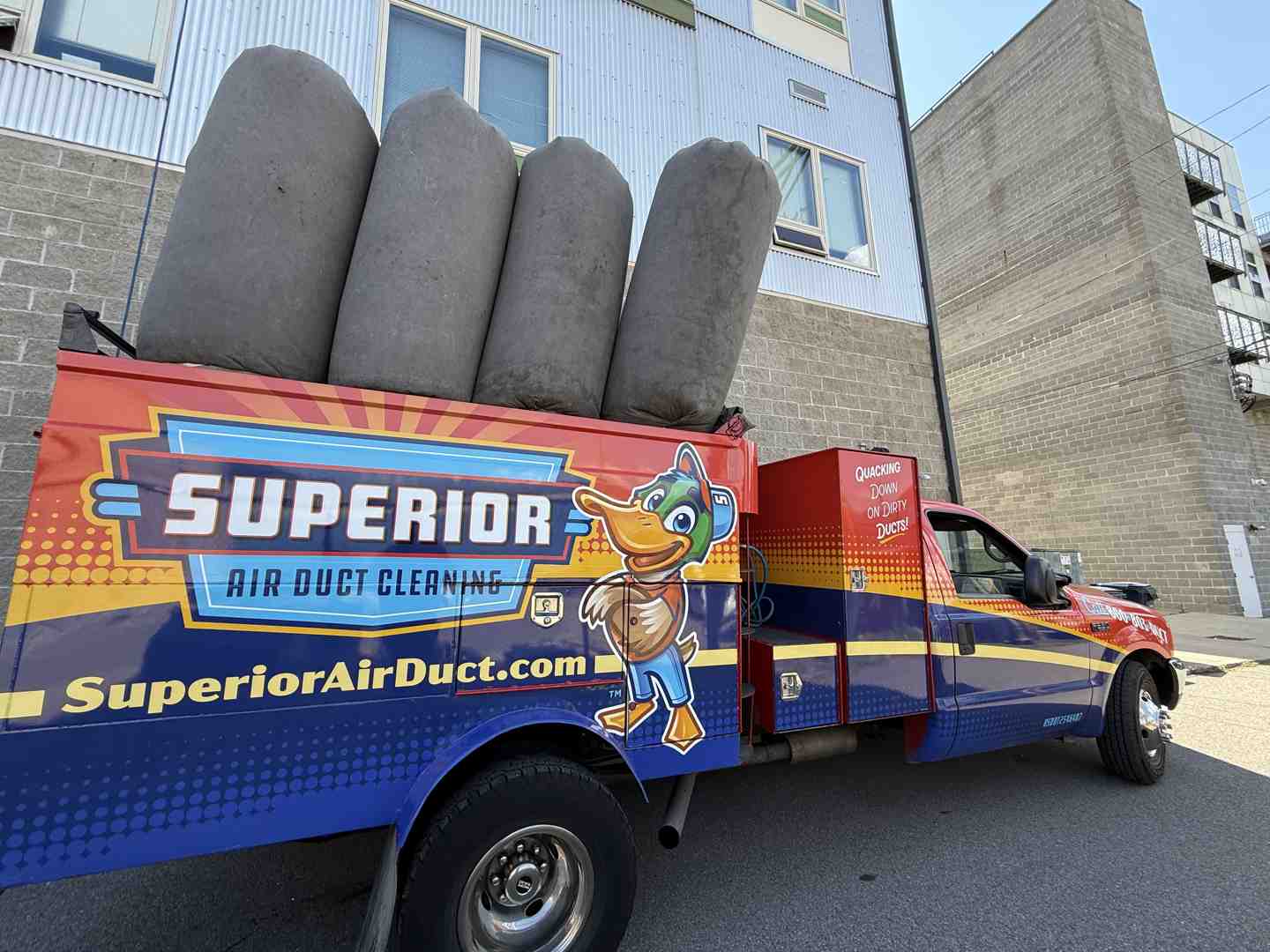
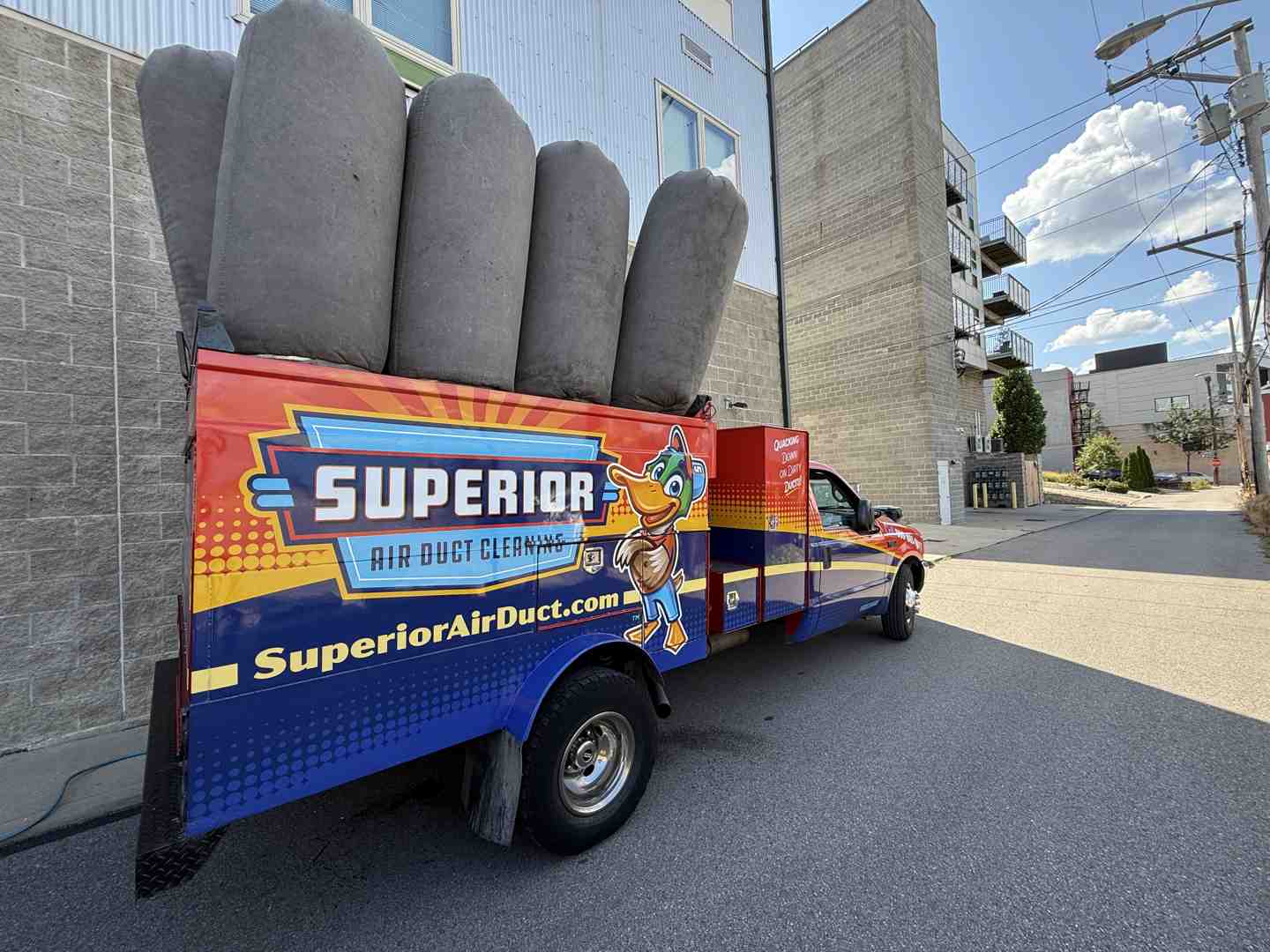
To prevent this, always hire a certified professional who utilizes high-powered, truck-mounted vacuum systems. A professional process involves putting your entire duct system under negative pressure. This ensures that all loosened dust and debris are pulled directly out of your home and into the collection system on the truck, preventing any indoor contamination.
What are the specific benefits of duct cleaning for children and asthma sufferers?
Children are particularly vulnerable to indoor air pollutants because their lungs and immune systems are still developing, and they breathe in more air relative to their body weight than adults. According to data from the CDC, children living in homes with high levels of indoor airborne particulates experience a significantly higher rate of respiratory infections and missed school days.
For asthma sufferers, removing triggers like dust mite waste, mold spores, and pet dander from the air stream is critical. While duct cleaning is not a medical cure for asthma, removing these constant environmental irritants reduces the overall inflammatory burden on the lungs. This can lead to fewer asthma flare-ups, reduced reliance on rescue inhalers, and much better sleep quality during peak summer allergy seasons.
Conclusion
Understanding summer allergens and your air ducts connection is a vital step toward creating a healthier, more comfortable home environment. When summer temperatures soar in Western Pennsylvania and Northeast Ohio, we naturally retreat indoors for relief. But if your ductwork is harboring years of dust, pollen, pet dander, and mold, your air conditioner may be doing more than just cooling your home — it may be continuously recycling the very allergens you are trying to escape.
By investing in professional residential air duct cleaning, you can physically remove this hidden reservoir of irritants, improve your system's airflow efficiency, and enjoy truly fresh, clean indoor air.
At Superior Air Duct Cleaning, we are dedicated to helping families throughout Allegheny, Butler, Beaver, Lawrence, Mercer, Washington, and Westmoreland counties in Pennsylvania, as well as Columbiana, Mahoning, and Trumbull counties in Ohio, breathe easier. Our certified team uses powerful, truck-mounted systems to safely and thoroughly clean your entire ventilation system, ensuring that your home remains a safe haven all summer long.
If you are ready to clear the air and find lasting relief from summer allergies, visit our Indoor Air Quality Services Page today to request a free quote and schedule your professional duct inspection.

Customer Reviews


Superior Air Duct cleaning did a phenomenal job in a timely manner with the tech “Rich” being very professional ,personable and considerate of our property! He explained things as he proceeded and answered all our questions!
I LOVE that they provide before & after photos to see the difference. Give them a try… you won’t regret it
Pam T.
Robert was on schedule and communicated what time he would arrive. He was polite, professional, and respectful of our home. I wanted to wait a couple weeks before posting a review because I wanted to see if the duct cleaning actually made a difference. I am happy to say it did! I vacuum multiple times a week and have already noticed a significant reduction in the amount of dust cleaned up each time. As a home with pets, there will always be something to clean, but getting the ducts cleaned has definitely helped improve the air quality and reduce the dust.
alice A.
Technician Rob arrived early explained the days agenda and then proceeded to work methodically and meticulously over the next 6+ hours cleaning my ductwork. Courteous and professional they answered all of my questions and went above and beyond the call of duty. They even located an old dusty box of rat poison buried in our vents. My only regret is not finding these guys sooner. As a realtor of 22 years and owner of a newly purchased (now dust free) home I highly recommended!
Eric K.
Excellent service! I’ve used them to clean out my air ducts as well as my dryer vent duct and they are excellent. I was very pleased with both jobs and will continue to use them in the future. Great communication as well- from the time I scheduled the appointment until they were at my door.
Erika C.
We had such an amazing experience with Superior Air Duct Cleaning. They were so nice and friendly and did an amazing job. I loved seeing the before and after pictures. Besides doing an amazing job cleaning our air ducts they were so quick at responding and setting up the appointment. We will definitely be using them in the future.
Amanda C.