The Initial Fall Furnace Startup: What That Burning Smell Means
You turn on the thermostat for the first time this season, and immediately, a harsh, dusty burning smell fills the house. When you are looking for reliable home maintenance tips and troubleshooting, figuring out exactly where that odor is coming from is usually a top priority during the October heating startup. That sudden blast of warm, strange-smelling air can be alarming, especially if you have young children or family members with asthma. You might find yourself wondering if something is actively catching fire inside your walls, or if your furnace is simply shaking off the summer dust.
While a brief, mild odor is a common experience when firing up the heat in autumn, a smell that sticks around is a clear warning sign. Lingering odors point directly to underlying issues with your home's ventilation system. Over the spring and summer, your ductwork sits relatively quiet, acting as a collection point for every airborne particle that enters your home. When the furnace finally kicks on, it pushes hot air over months of accumulated debris. If you are concerned about your indoor air quality, you need to know the difference between a harmless seasonal quirk and a heavily contaminated system.
Professional extraction is the definitive solution when your ductwork is packed with debris, but before you make a decision, it helps to understand exactly what is happening inside those hidden metal tubes. By learning how to troubleshoot the source of the smell, you can figure out whether your system just needs a simple filter change or a deep, comprehensive cleaning.
How Western Pennsylvania Weather Contributes to Duct Contamination
To understand why your vents smell so strongly in the fall, you have to look at the weather from the previous season. The New Brighton area experiences high summer relative humidity, and that moisture does not just stay outside. It finds its way into your home and, eventually, into your HVAC system. This humid environment creates the perfect storm for duct contamination.
The Problem with Summer Humidity
When airborne particulates like household dust, pet dander, and late-summer ragweed pollen float through your home, they eventually get pulled into the return vents. In a dry environment, this dust might just sit loosely in the ductwork. However, high summer humidity allows these particles to combine with moisture. The dust absorbs the damp air, turning into a sticky, heavy substance that clings stubbornly to the walls of your ductwork.
The Fall Transition
As the weather cools down in late autumn, the heavy heating demands begin. You close your windows, shut your doors, and tightly seal your home to keep the cold air out. This traps those baked-on summer contaminants inside. Your furnace runs continuously, drying out that sticky dust and circulating it endlessly through every room. Because your house is sealed tight, the air has nowhere to go.
The Impact on Your Air
This continuous cycle of trapping and heating debris drastically reduces the quality of the air you breathe. In fact, the EPA notes that indoor air can be two to five times more polluted than outdoor air, especially during these sealed-in winter months. The contrast between humid Western PA summers and the heavy heating demands of late fall creates a specific cycle that bakes debris onto your duct walls, making it impossible to remove with a standard household vacuum.
Troubleshooting: Normal Burn-Off vs. Problematic Furnace Odors
Every homeowner should know how to diagnose the smells coming from their vents. The October heating startup almost always produces some kind of odor, but distinguishing between a harmless burn-off and a serious contamination issue is critical for your family's comfort.
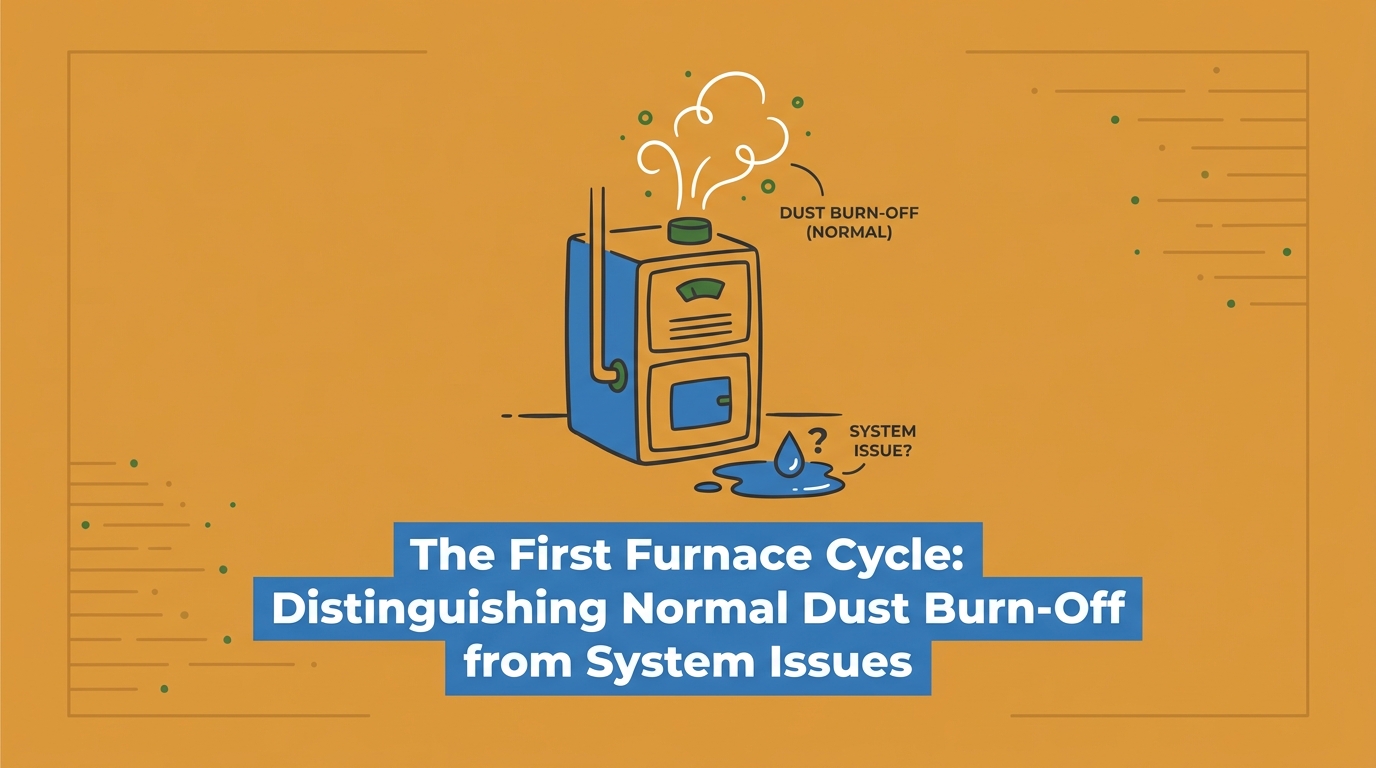
"Normal burn-off" refers to the brief process where light surface dust is burned away from the furnace's heat exchanger. Over the summer, a thin layer of normal household dust settles on the furnace components. When the burners ignite for the first time, this dust gets incinerated. It produces a distinct, slightly smoky smell, but it is temporary. Problematic odors, on the other hand, indicate that your system is continually pulling in and heating thick layers of accumulated debris from the return ducts.
Here is a quick reference guide to help you troubleshoot your specific situation:
• Duration of Smell — Normal Burn-Off: Dissipates within 1 to 3 hours. — Heavily Contaminated Ducts: Lasts for days or returns every time the heat cycles on.
• Odor Intensity — Normal Burn-Off: Mild, slightly dusty or warm metal smell. — Heavily Contaminated Ducts: Strong, musty, or intensely burning dust smell.
• Visual Signs — Normal Burn-Off: None. Vents appear clean. — Heavily Contaminated Ducts: Visible dust blowing from registers or dark trails on walls.
• Physical Symptoms — Normal Burn-Off: No noticeable effect on breathing. — Heavily Contaminated Ducts: Sudden allergy flare-ups, sneezing, or irritated eyes.
If your symptoms align with the right-hand column, the problem is not going to resolve itself. Persistent burning smells mean your system is choked with debris. At this stage, scheduling professional air duct cleaning is the most effective way to eliminate the source of the odor and restore clean airflow to your living spaces.

Hidden Signs Your Ductwork Requires Professional Extraction
Odors are usually the first warning sign, but they are rarely the only one. If your ductwork is heavily contaminated, there are physical indicators you can look for. The age of your home and your previous maintenance history play a massive role in how many allergens have accumulated. If you live in an older home in the New Brighton area and cannot remember the last time the vents were serviced, you likely have years of buildup hiding just out of sight.
One local homeowner recently reached out because they noticed their vents were struggling to push air, and the system just did not feel clean. The technician walked them through the entire process, explained exactly how the extraction worked, and thoroughly cleaned the system, leaving the ducts and vents super clean and flowing freely. You can often spot these issues yourself if you know what to look for.
Watch for these hidden signs that indicate it is time for professional extraction:
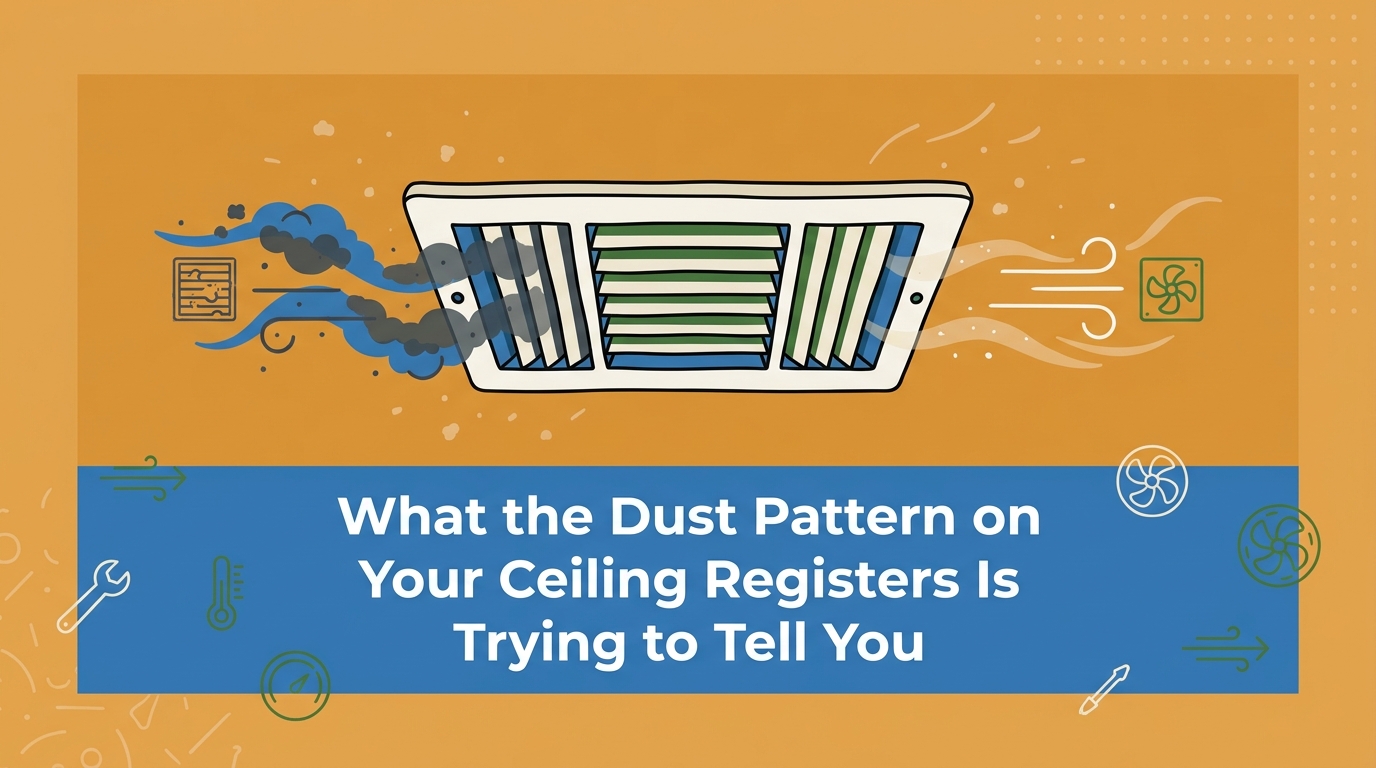
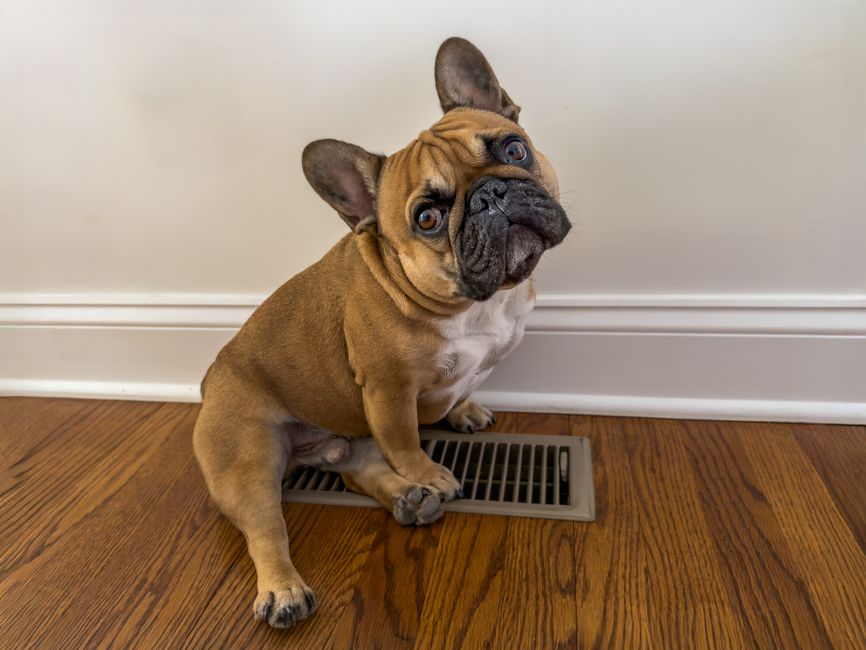
1. Dust trails around vent registers: Look closely at the ceiling or wall immediately surrounding your supply vents. If you see dark, shadowy streaks (often called "ghosting"), it means heavy particulate matter is being forced out of the vents and sticking to the paint.
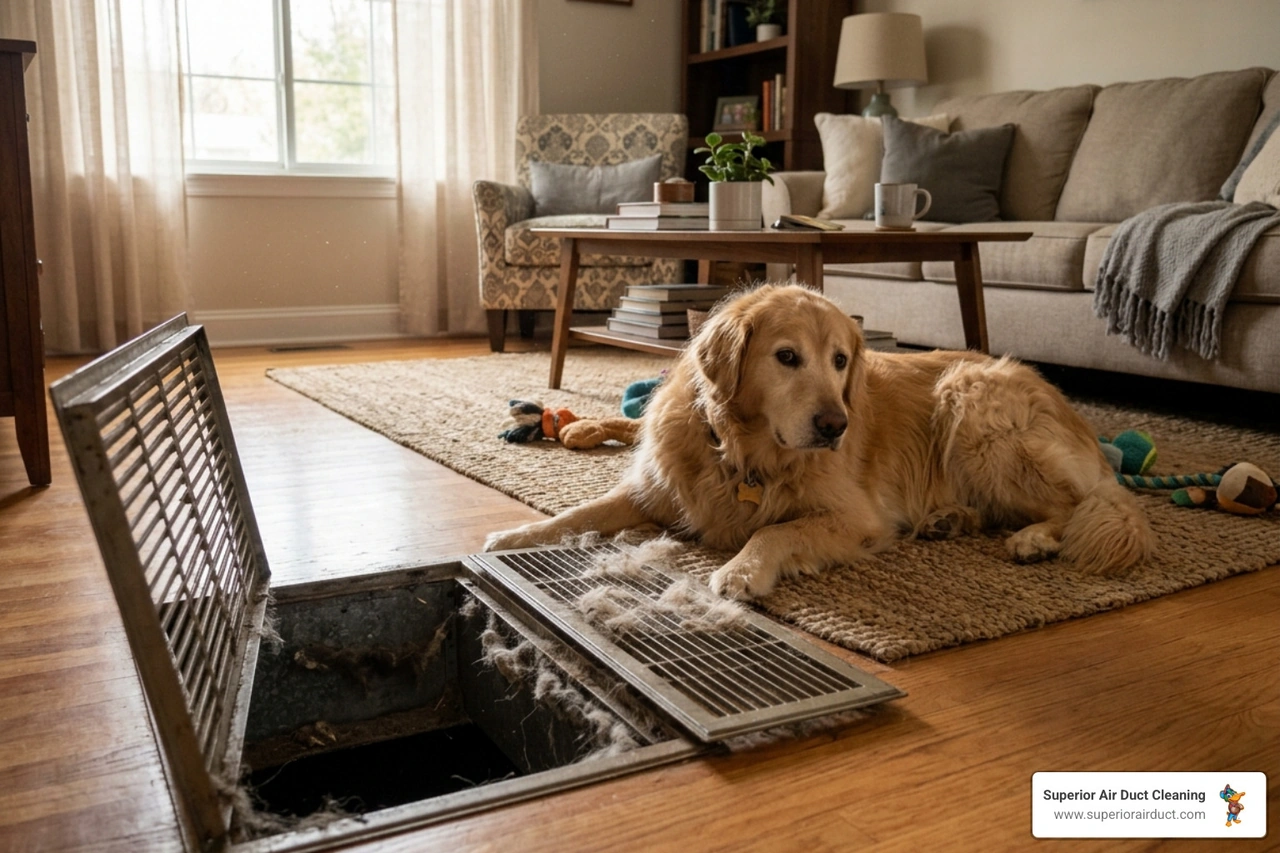
2. Debris visible at entry points: Remove a vent cover and shine a flashlight inside. If you see a thick carpet of dust, pet hair, or construction debris sitting just inside the opening, the main trunk lines are likely much worse.
3. Frequent filter clogs: If you find yourself needing to replace a high-quality pleated furnace filter every three weeks because it is completely gray and choked with dust, your return ducts are pulling in excessive dirt.
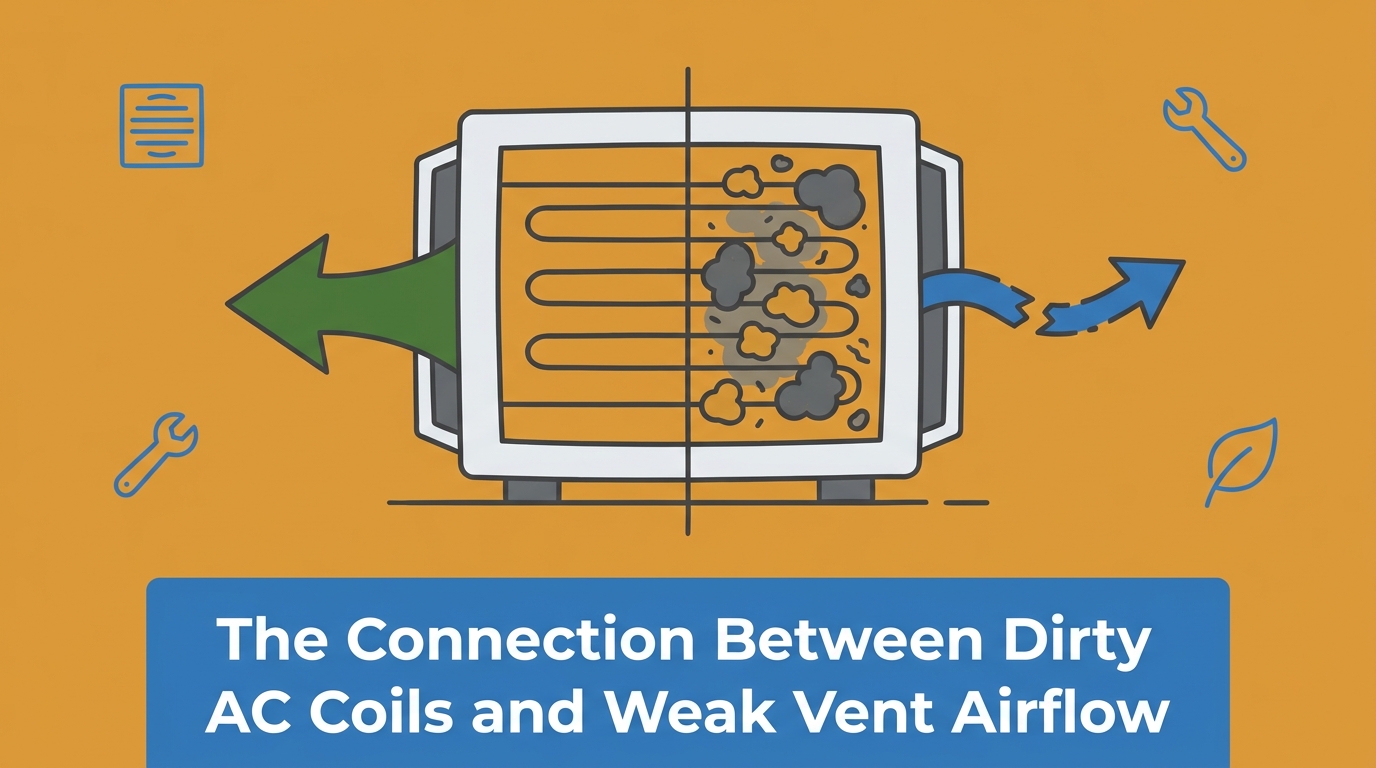
4. Weak airflow in distant rooms: Heavy blockages in the ductwork restrict the volume of air your blower motor can push, leaving bedrooms at the end of the house feeling cold and drafty.
The Danger of DIY Cleaning
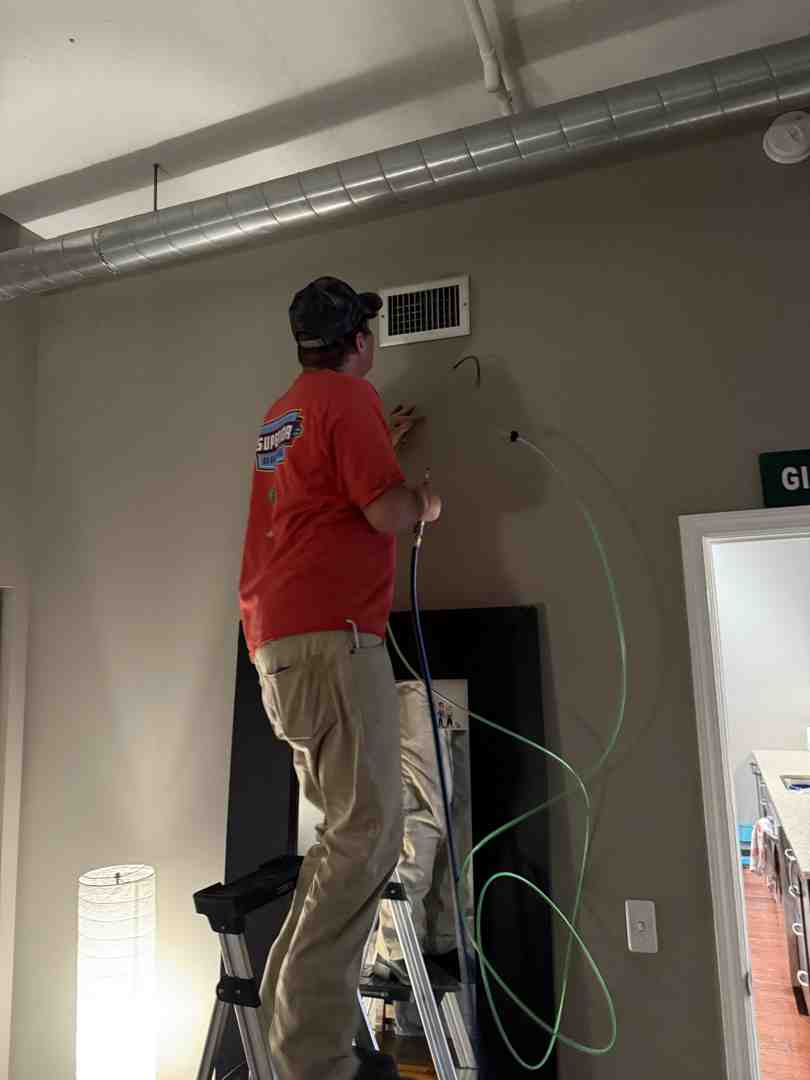
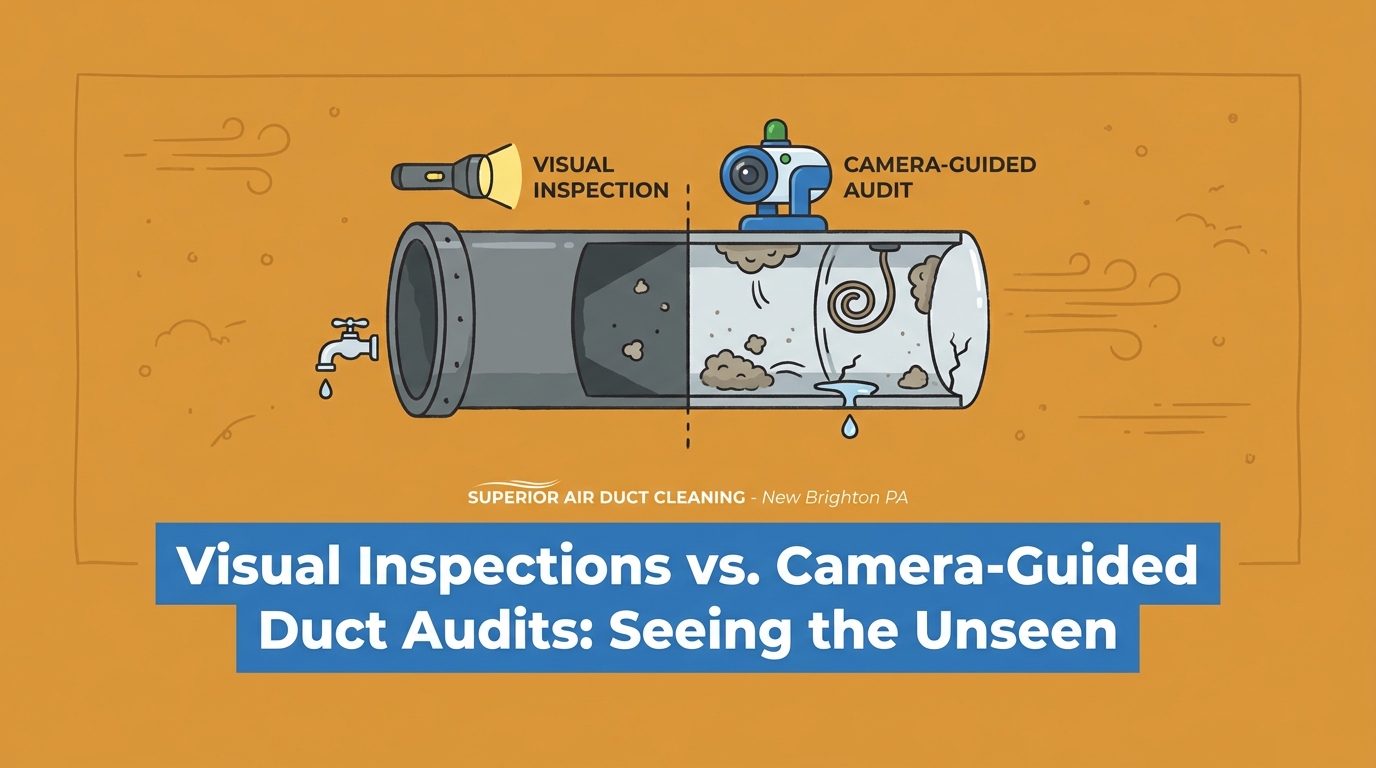
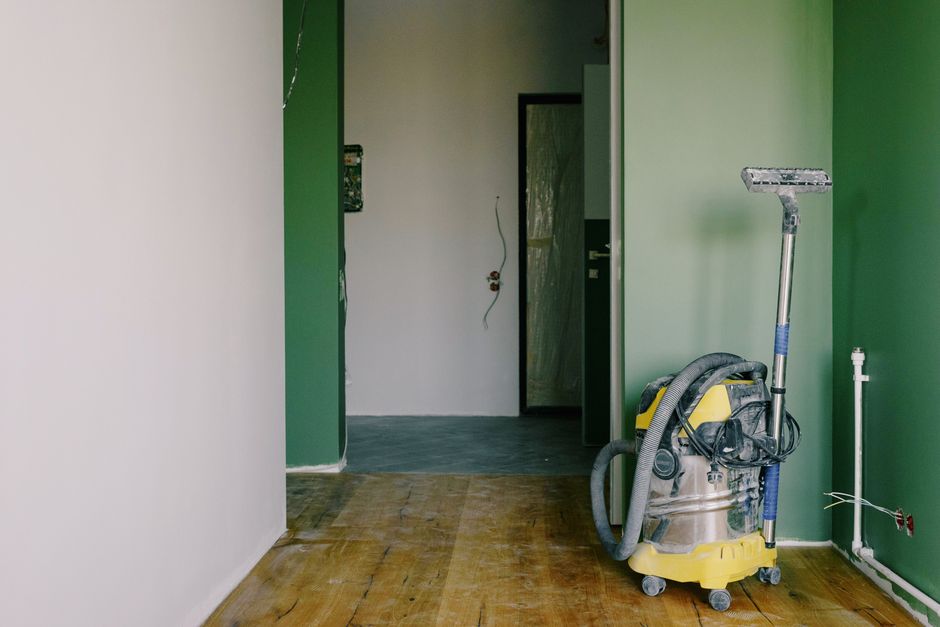
It can be tempting to grab a standard household vacuum and try to clean the vents yourself. However, DIY attempts only reach the superficial dust sitting in the first few inches of the register. Worse, pushing a stiff vacuum hose deep into the system can easily puncture delicate flexible ductwork or bend the sensitive fins on your HVAC components. Professional technicians use specialized cameras to inspect deep within the system where homeowners cannot see, ensuring the entire length of the duct is clear without causing damage.
Why Truck-Mounted Vacuums Outperform Portable 'Blow-and-Go' Units
Not all duct cleaning methods are created equal. If you hire a company that shows up with a modified shop vacuum, you are not going to get the results you need. Cheap, portable vacuums simply lack the suction power required to remove the dense, moisture-bound dust common in local ductwork. These inferior services, often referred to as "blow-and-go" outfits, might agitate the dust, but they fail to extract it, leaving the debris to blow right back into your living room the next time the furnace turns on.
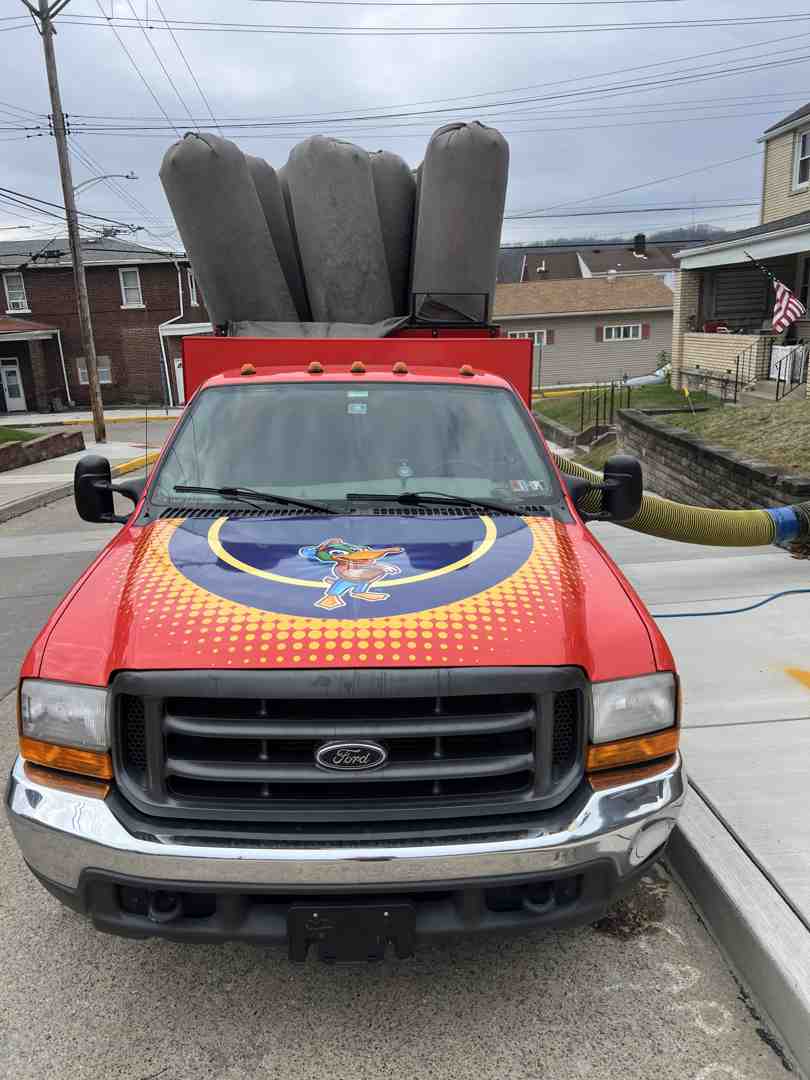
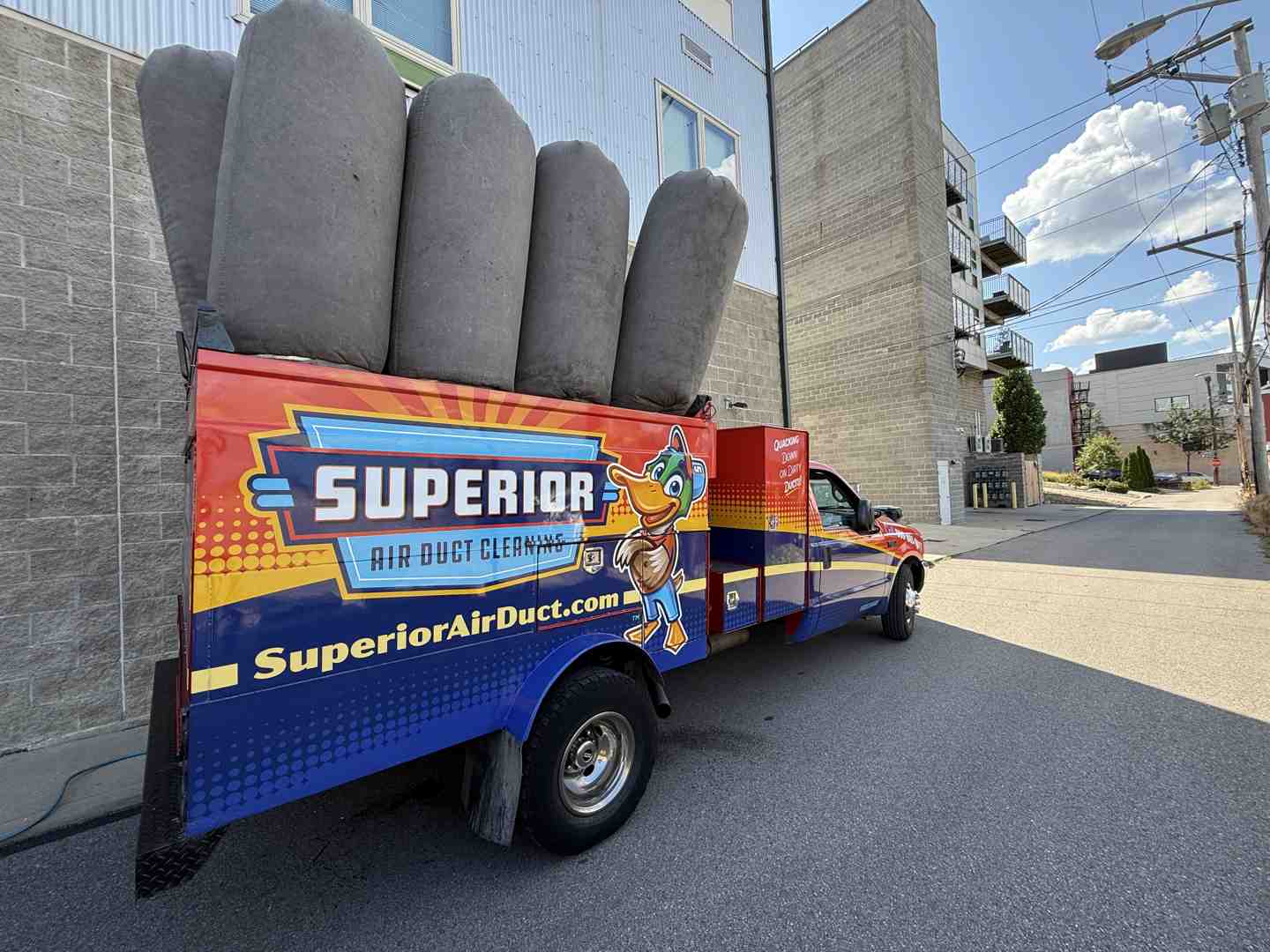
To truly solve the problem of the October heating startup smell, you need the raw power of truck-mounted vacuum systems. Here is why the mechanics matter:
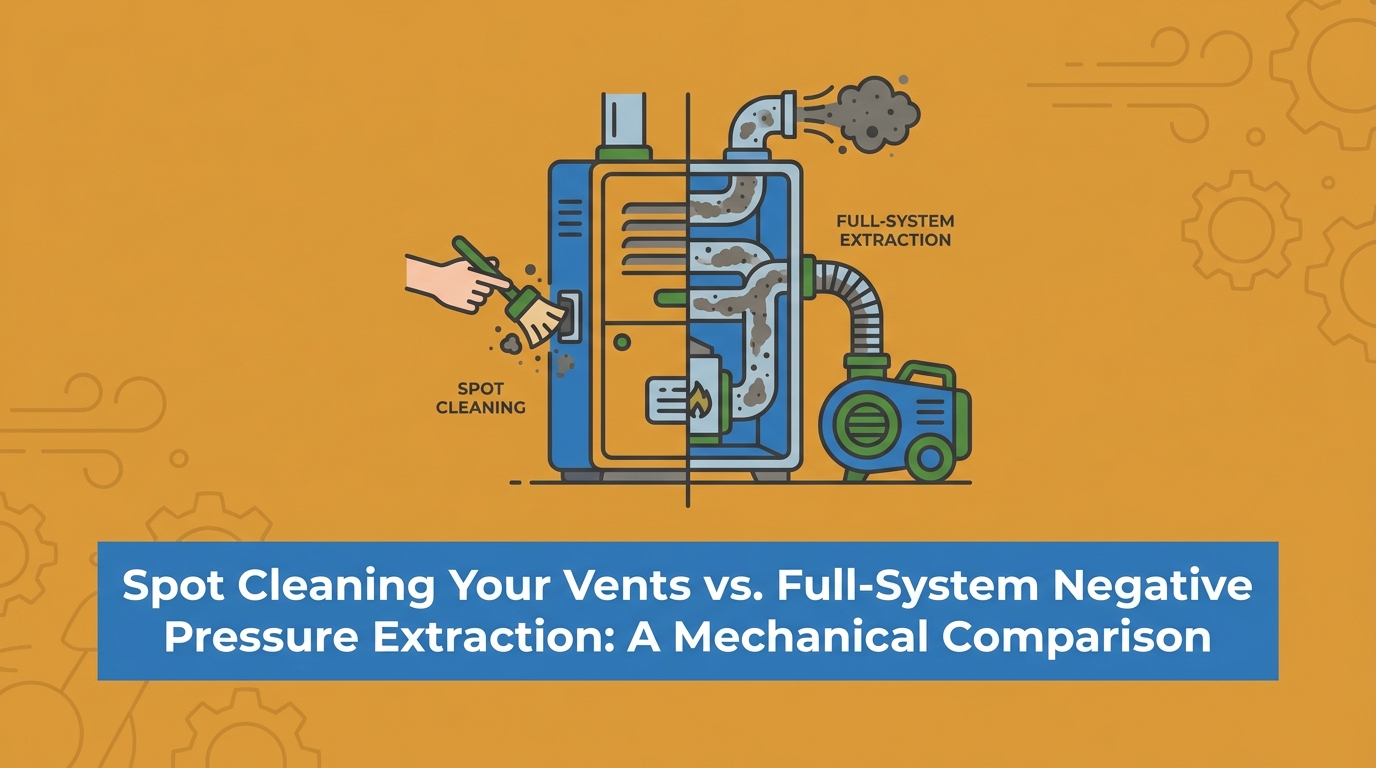
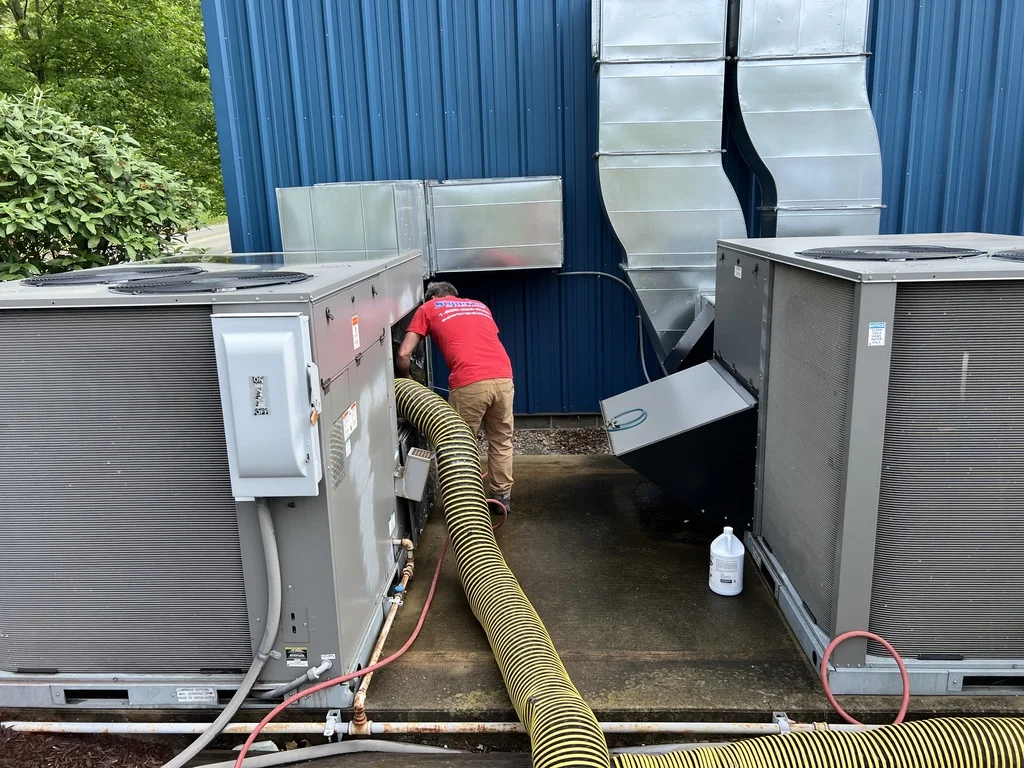
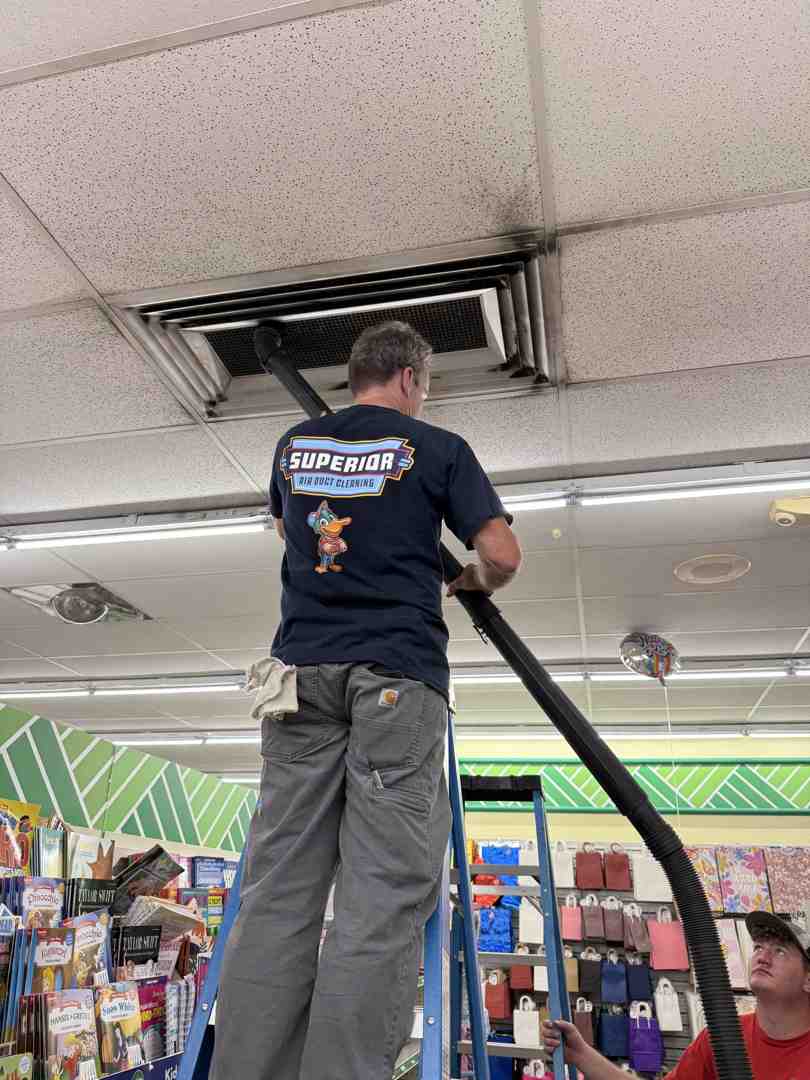
• Massive Negative Pressure: A truck-mounted system connects a massive hose directly to your main trunk line. It creates an immense vacuum (negative pressure) throughout the entire HVAC system. This ensures that as technicians agitate the dust in individual branch lines, every single particle is pulled backward, away from your living space.
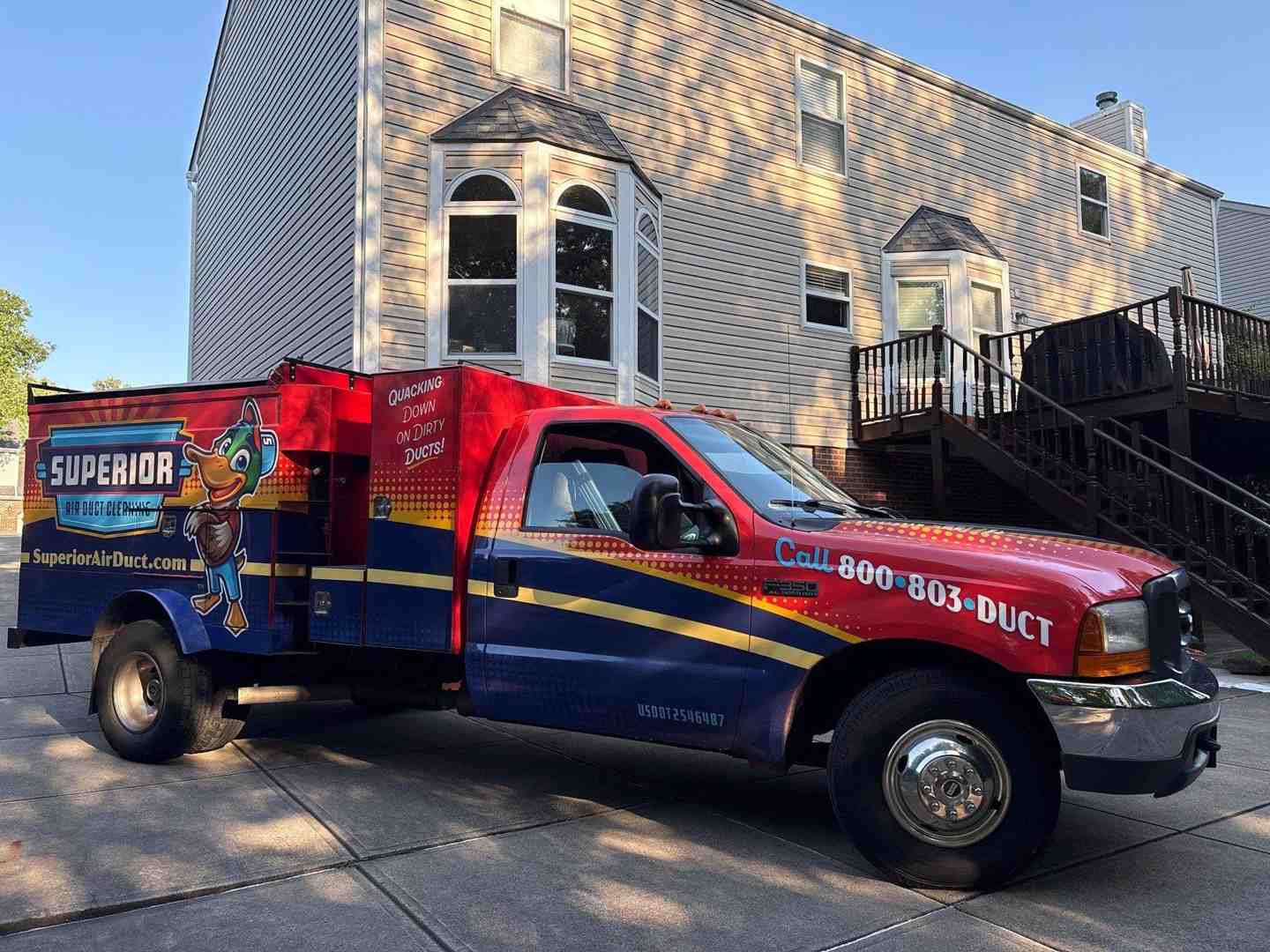
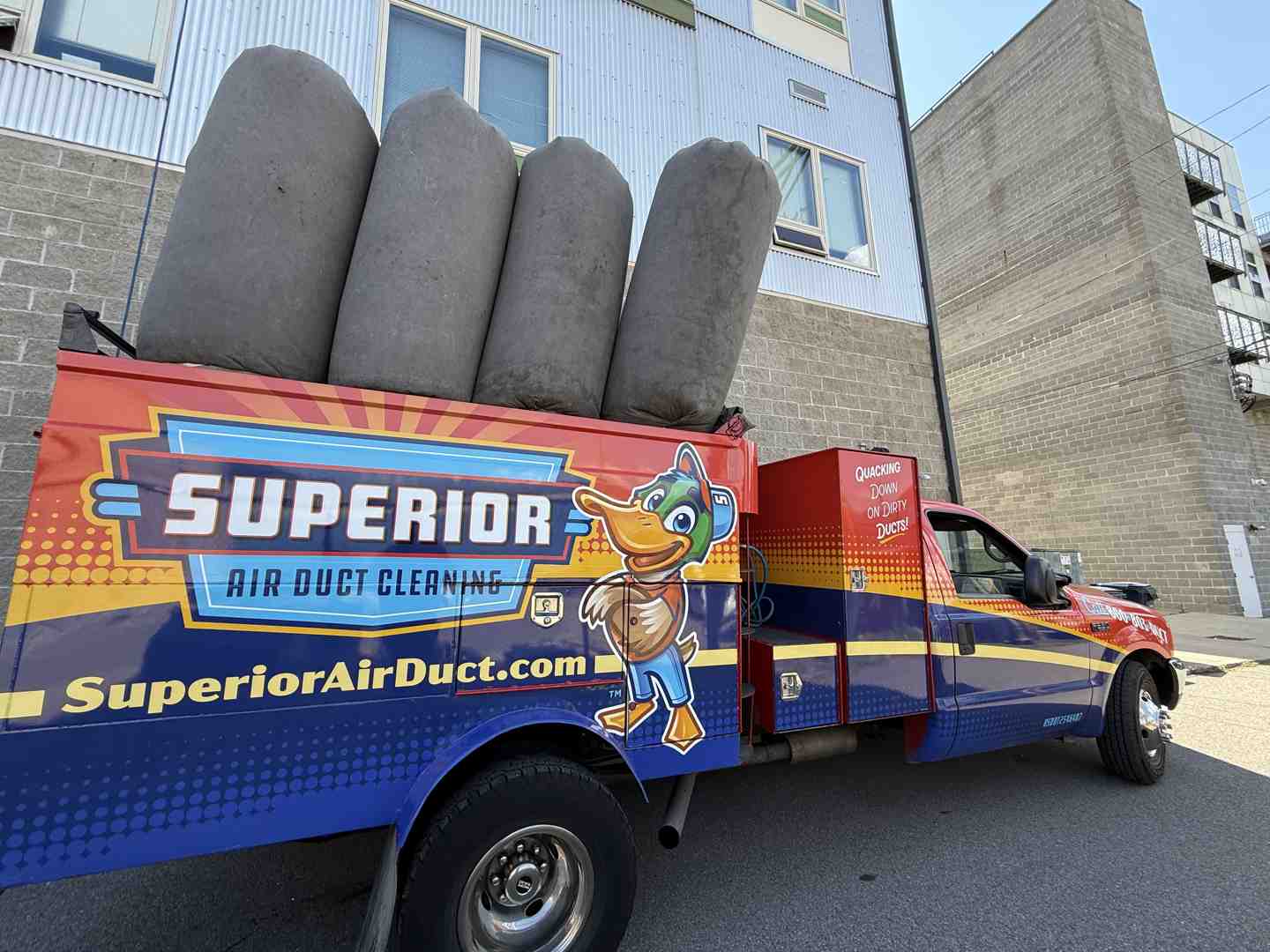
• Safe Extraction Outside: Because the vacuum unit is powered by a truck parked in your driveway, all the heavy debris, dust mites, and allergens are pulled completely out of your home and contained in the vehicle. Nothing is exhausted back into your indoor air.
• Handling Caked-On Debris: The sticky, humid-baked dust we discussed earlier requires serious force to dislodge. Truck-mounted systems provide the sustained, high-velocity airflow needed to rip that caked-on material off the metal walls.
This level of rigorous, effective cleaning is why working with a NADCA-certified company is so important. NADCA (The National Air Duct Cleaners Association) sets the industry standards for proper equipment and safe removal techniques. Their certification guarantees that the technicians have the training to use powerful truck-mounted vacuums correctly. Before you allow anyone to alter your HVAC system, you should always verify your duct cleaner is NADCA certified. It is the only way to ensure the heavy, humid-baked dust is actually removed from your home.
Addressing Lingering Odors and Comprehensive Fall Maintenance
Sometimes, removing the physical dust and debris is only the first step. If odors persist even after a thorough cleaning, or if you suspect that mold and bacteria have taken hold during the humid summer months, you need an extra layer of protection. Ductwork is dark, and when moisture is introduced, it becomes an ideal breeding ground for biological contaminants.
One local homeowner was specifically concerned about bacteria lingering in their ductwork and wanted a truly thorough cleaning. The technician took the time to answer all their questions, did the job right, and provided clear before-and-after pictures. To give the family total peace of mind, they added a sanitizing service to neutralize any remaining biological threats.
The Role of Duct Sanitization
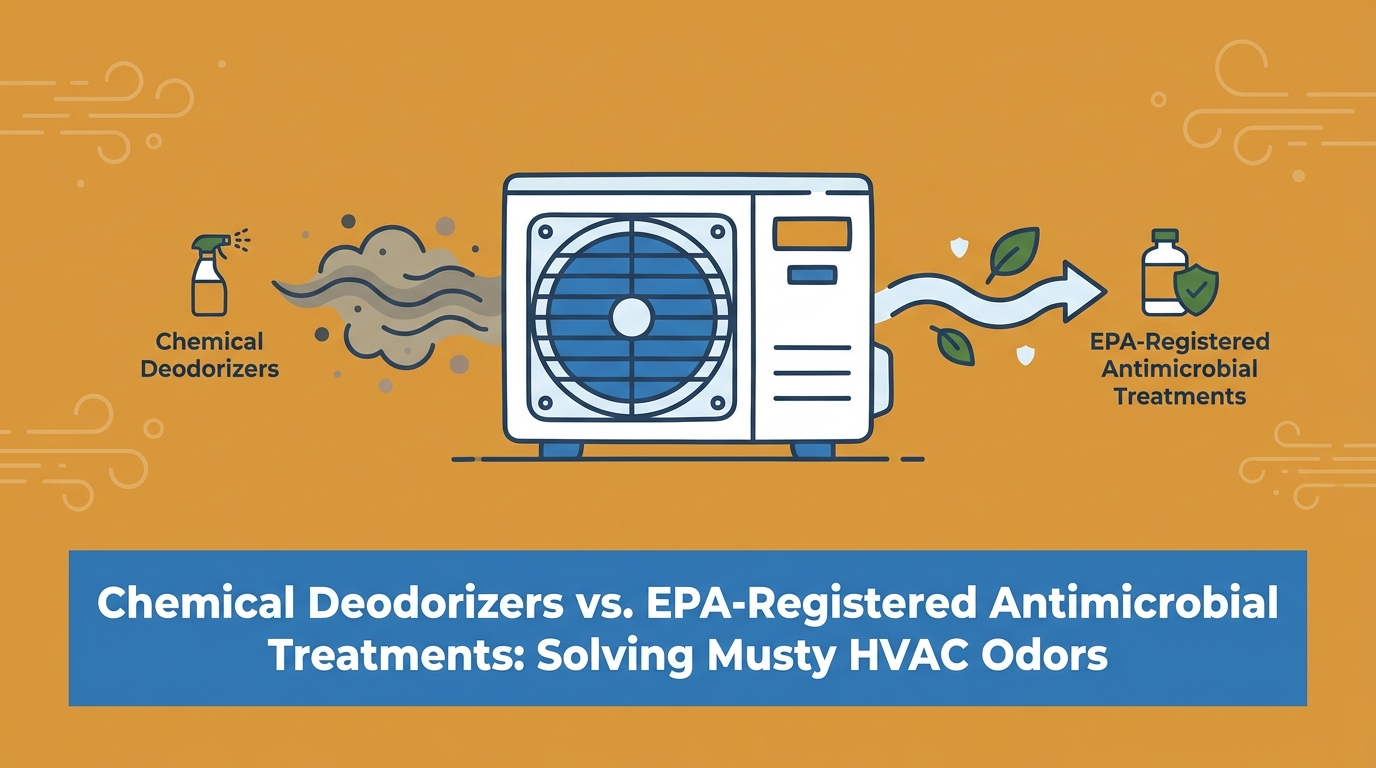
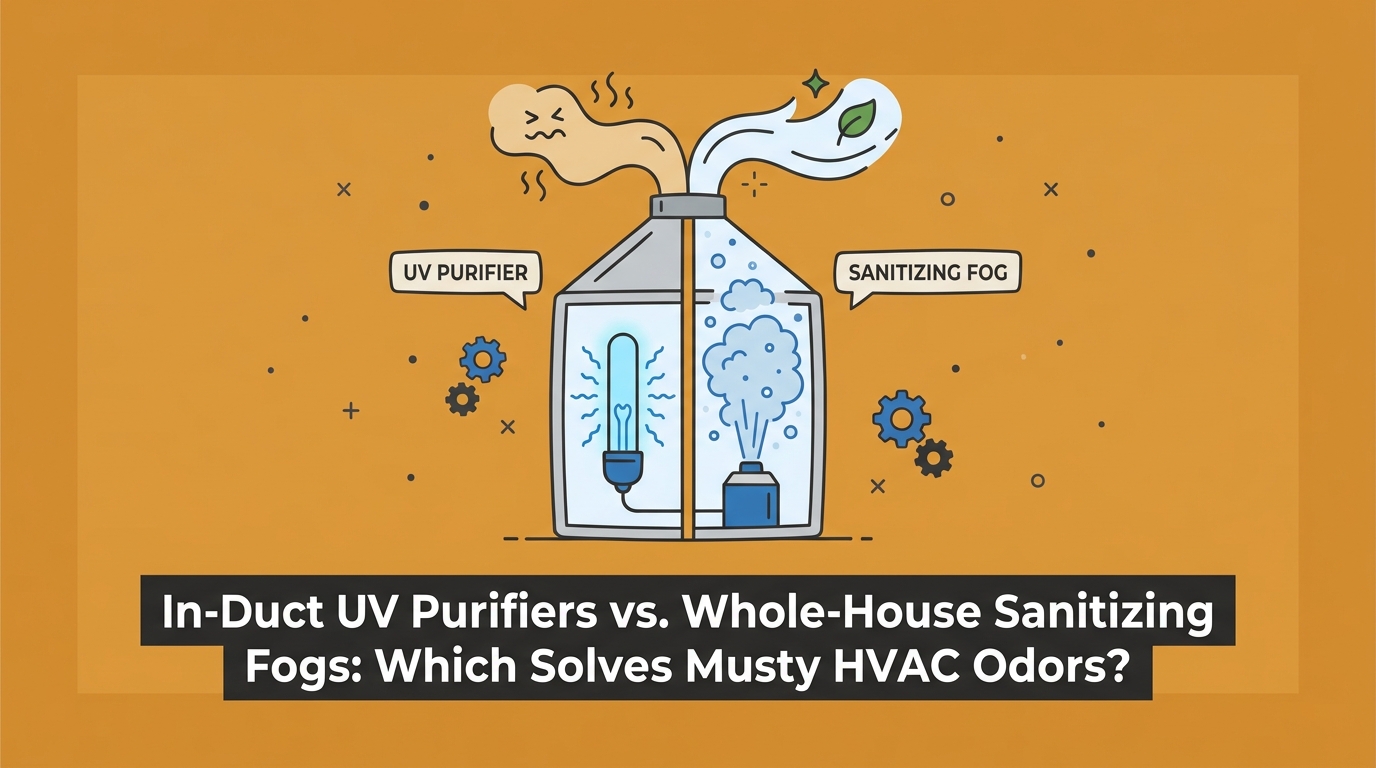
When physical extraction is not enough to eliminate a musty smell, whole house sanitizing provides a comprehensive solution. Sanitizing agents are specifically formulated to eliminate odor-causing bacteria, mold spores, and mildew that cling to the inner walls of your ventilation system.
The process involves applying these safe, EPA-registered treatments directly into the ductwork using a specialized fogger. The fog travels through the entire HVAC system, coating the walls and neutralizing biological contaminants on contact. This step ensures that the air blowing into your rooms is not just free of dust, but completely clean and fresh.
Don't Forget the Dryer Vent
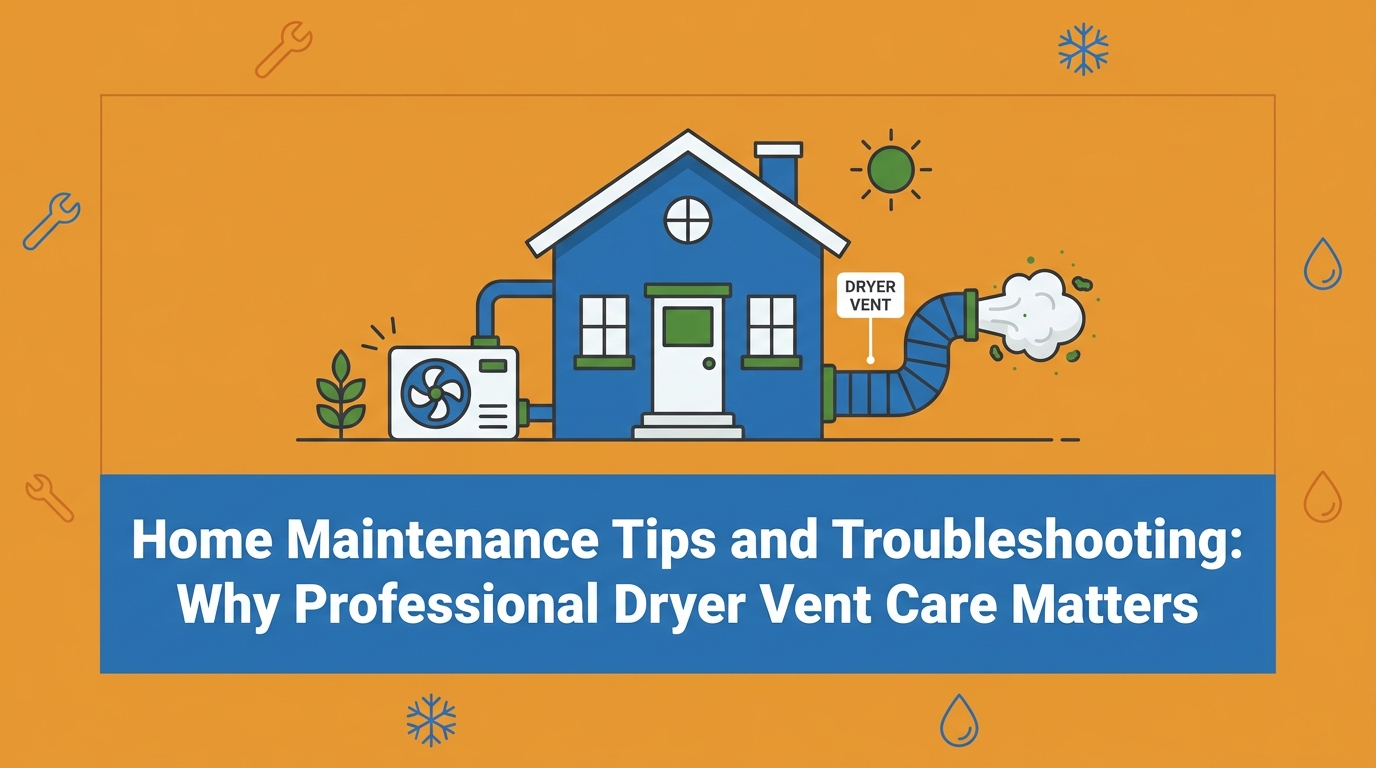
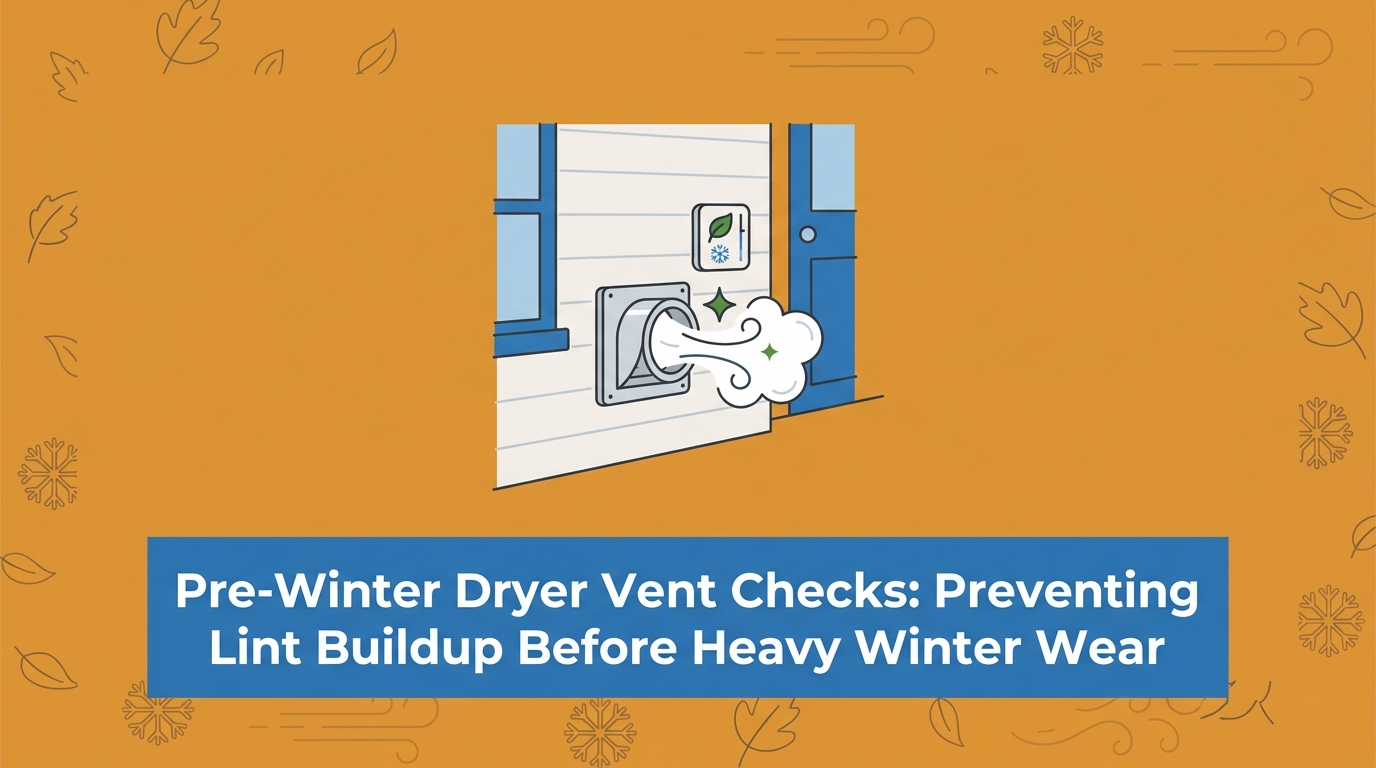
While you are addressing your home's ventilation, fall is also the critical time to inspect your other exhaust systems. Your dryer vent is one of the most overworked and overlooked components in your house. In households with a high laundry volume, dryer vents clog incredibly fast. Wet lint is heavy and sticky, and it builds up along the walls of the exhaust pipe, restricting airflow.
As winter approaches and you start washing heavier fabrics like sweaters and blankets, the lint buildup accelerates. A clogged dryer vent is not just an inconvenience that makes your clothes take longer to dry; it is a severe fire hazard. Professional dryer vent clearing removes this dangerous blockage, ensuring your appliance runs safely and efficiently before the heavy winter usage begins.
Preparing Your HVAC System for a Healthy Winter
As the temperatures drop and you prepare to spend more time indoors, peace of mind comes from knowing exactly what is circulating in your home's air. You should never have to guess whether the air your family is breathing is safe. By understanding the mechanics of your ventilation system, you can take proactive steps to protect your indoor environment.
Remember that while a brief period of normal burn-off is temporary and harmless, persistent, dusty smells during the October heating startup require expert attention. Ignoring heavy contamination only forces your furnace to work harder and pushes allergens continuously through your living spaces.
Take the time to explore professional options to ensure your home is clean, safe, and ready for the winter heating season. Whether you need a deep extraction of your main trunks, a sanitizing treatment for musty odors, or routine dryer vent cleaning to prevent fire hazards, bringing in certified experts ensures the job is done right. Enjoy the cozy winter months ahead with clean, fresh air flowing through every room of your house.
Frequently Asked Questions
Why does my furnace smell like burning dust when I turn it on?
Your furnace smells like burning dust because it is incinerating the layer of household debris that settled on the heat exchanger over the summer. This is known as normal burn-off and typically happens the first time you run the heat in the fall. The smell should dissipate entirely within a few hours. If the odor continues for days, it means your system is pulling heavily contaminated air from dirty return ducts.
How do I know if my air ducts need cleaning?
You know your air ducts need cleaning if you notice visible dust blowing out of the registers when the system turns on. Other clear signs include dark dust trails on the walls around your vents, lingering musty or burning odors, and a sudden increase in household allergy symptoms. Frequent furnace filter clogs also indicate that an excessive amount of debris is trapped in the system.
What happens if you don't clean your air ducts before winter?
If you do not clean your air ducts before winter, your furnace will continuously circulate accumulated summer dust, pet dander, and pollen through your tightly sealed home. This constant circulation drastically lowers your indoor air quality and can trigger respiratory irritation. Additionally, heavy debris buildup forces your HVAC blower motor to work harder, reducing the system's overall efficiency during the coldest months.
Is duct cleaning really worth it, or is it a scam?
Professional duct cleaning is absolutely worth it when performed by certified technicians using the proper negative-pressure equipment. It removes pounds of hidden debris and improves airflow. However, "blow-and-go" scams—where uncertified workers use cheap shop vacuums that fail to extract the dust—are ineffective and a waste of money. Always verify that the company uses truck-mounted vacuums and holds a NADCA certification.
How does summer humidity affect my home's ductwork?
Summer humidity affects your ductwork by introducing moisture that mixes with airborne dust and allergens. This combination causes the particles to clump together and stick firmly to the metal walls of the ducts. When the heat turns on in the fall, this sticky, caked-on debris dries out and continuously flakes off into your airflow, making it very difficult to remove without professional extraction tools.

Customer Reviews


Superior Air Duct cleaning did a phenomenal job in a timely manner with the tech “Rich” being very professional ,personable and considerate of our property! He explained things as he proceeded and answered all our questions!
I LOVE that they provide before & after photos to see the difference. Give them a try… you won’t regret it
Pam T.
Robert was on schedule and communicated what time he would arrive. He was polite, professional, and respectful of our home. I wanted to wait a couple weeks before posting a review because I wanted to see if the duct cleaning actually made a difference. I am happy to say it did! I vacuum multiple times a week and have already noticed a significant reduction in the amount of dust cleaned up each time. As a home with pets, there will always be something to clean, but getting the ducts cleaned has definitely helped improve the air quality and reduce the dust.
alice A.
Technician Rob arrived early explained the days agenda and then proceeded to work methodically and meticulously over the next 6+ hours cleaning my ductwork. Courteous and professional they answered all of my questions and went above and beyond the call of duty. They even located an old dusty box of rat poison buried in our vents. My only regret is not finding these guys sooner. As a realtor of 22 years and owner of a newly purchased (now dust free) home I highly recommended!
Eric K.
Excellent service! I’ve used them to clean out my air ducts as well as my dryer vent duct and they are excellent. I was very pleased with both jobs and will continue to use them in the future. Great communication as well- from the time I scheduled the appointment until they were at my door.
Erika C.
We had such an amazing experience with Superior Air Duct Cleaning. They were so nice and friendly and did an amazing job. I loved seeing the before and after pictures. Besides doing an amazing job cleaning our air ducts they were so quick at responding and setting up the appointment. We will definitely be using them in the future.
Amanda C.