The Unmistakable Signs of Late-Summer Ceiling Ghosting
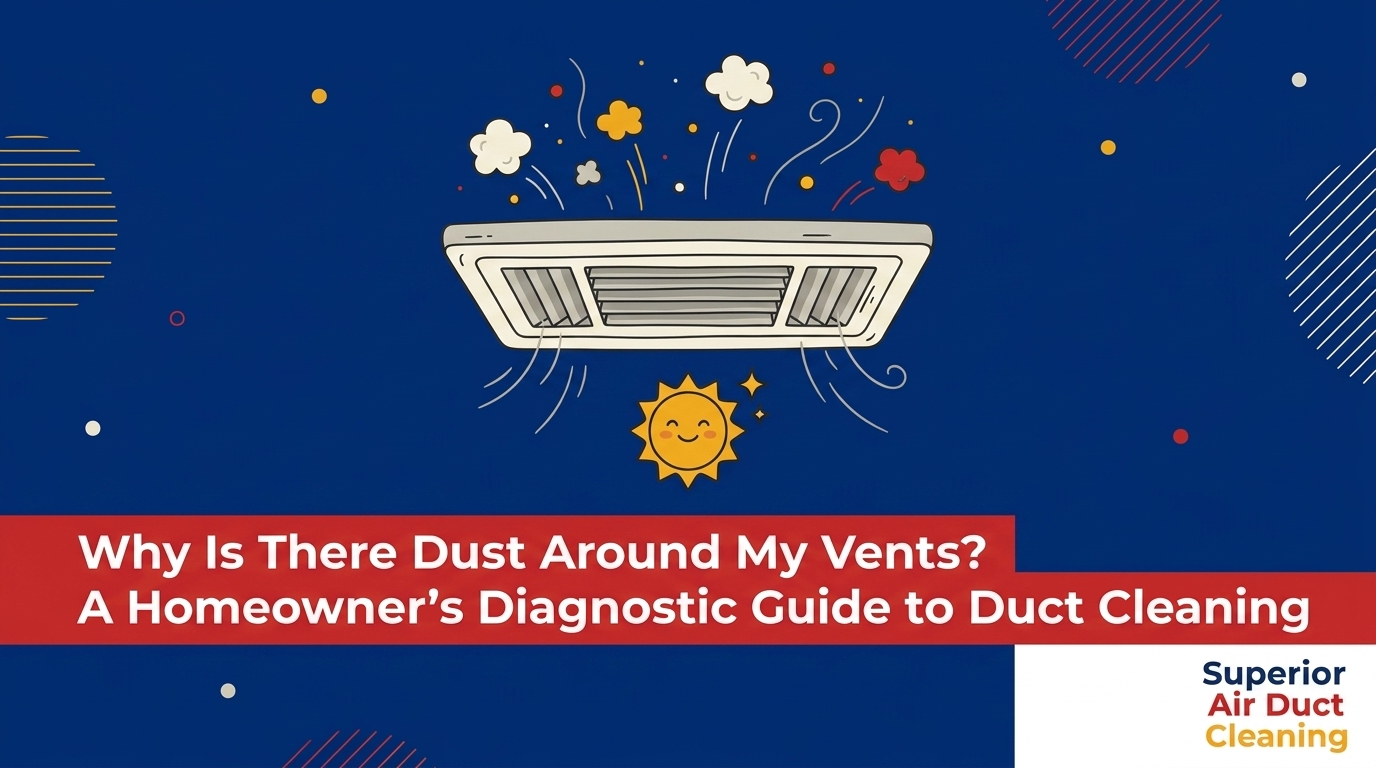
Your air conditioner has been running nonstop, but as you look up, you notice something unsettling: what the dust pattern on your ceiling registers is trying to tell you goes far beyond a simple need for housekeeping. By the time late summer (August) heavy AC usage has pushed your system to its limits, you might suddenly realize that dark, streaky dust lines are spreading outward from the edges of your ceiling supply vents. These ugly marks, often called "ghosting" or thermal tracking, appear almost overnight after months of continuous cooling.
Seeing these streaks forces a critical decision point for any homeowner. Is this just normal surface dirt that you can wipe away with a damp cloth, or is it a symptom of systemic duct contamination that requires professional intervention? The reality is that these dark lines act as a highly accurate diagnostic map for your home's respiratory system. They reveal exactly how air, pressure, and particulates are moving through your living space.
Understanding this map is the first step in addressing the root cause. If you ignore the warning signs, the continuous system pressure will only force more microscopic debris into your breathing zone. To truly resolve the issue, you need to look beyond the drywall and consider the health of your entire HVAC system. Establishing a baseline of clean ductwork through professional air duct cleaning is essential, as it directly impacts your home's overall indoor air quality and the comfort of your family.
The Physics of Airflow: Why Dust Clings to the Ceiling
To understand why your ceiling looks so dirty, you have to look at the physics of how air moves through a room. Air exiting a ceiling register does not simply drop straight down to the floor. Instead, it follows fundamental fluid dynamics, interacting with the surfaces around it and carrying microscopic particulate matter along for the ride.
Understanding the Coanda Effect
The problem: Homeowners often assume that dirty vents mean the air is blowing dirt directly downward, but the streaks always spread horizontally across the ceiling.
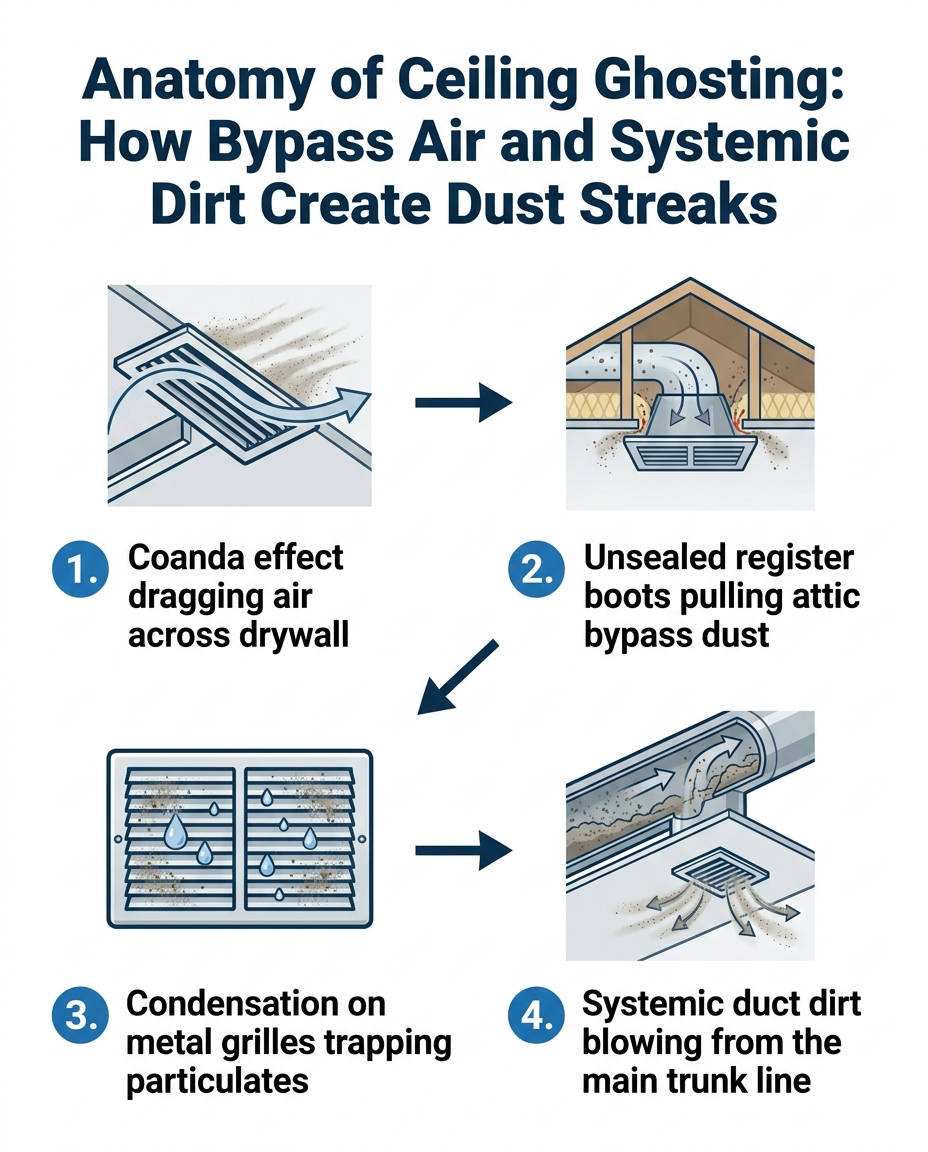
The cause: This horizontal spread is caused by the Coanda effect. In residential HVAC systems, the Coanda effect dictates that a jet of forced air will naturally cling to an adjacent flat surface—in this case, your ceiling. As the cold air blows out of the register, its velocity creates a slight vacuum that pulls the air stream tight against the drywall. As this air drags across the ceiling, it acts like a microscopic belt sander, depositing tiny particles of dust, skin cells, and airborne debris directly onto the paint.
The solution: Recognizing this physical phenomenon helps you understand why there is dust around your vents in the first place. The shape, length, and severity of these streaks provide valuable clues about the volume of bypass air and the level of contamination hiding behind the drywall.
Condensation as a Dust Magnet
The problem: The dust seems to stick stubbornly to the metal registers and the immediate surrounding ceiling, resisting light dusting or sweeping.
The cause: In New Brighton PA and surrounding western PA homes, our humid summers play a massive role in this process. When your AC pumps out cold air, the metal register grilles become deeply chilled. As the ambient, humid room air hits this cold metal, slight condensation forms. This microscopic layer of moisture acts like a powerful glue for airborne particles. During late-summer heat waves, this continuous cycle of condensation and dust accumulation turns your registers into sticky traps.
The solution: Managing indoor humidity and ensuring that your ductwork is properly sealed prevents this sticky layer from forming, stopping the dust from anchoring itself to your ceiling.
Decoding the Streaks: Unsealed Boots vs. Systemic Dirt
Not all ceiling dust patterns are created equal. By closely examining the visual evidence on your ceiling, you can often differentiate between two major root causes: unsealed register boots and systemic duct contamination. Both require different remediation strategies.
• Color of Streaks — Unsealed Register Boots (Bypass Air): Heavy, dark black, or dark brown streaks. — Systemic Duct Contamination: Lighter, uniform gray ghosting.
• Location — Unsealed Register Boots (Bypass Air): Localized to specific vents, often on the top floor. — Systemic Duct Contamination: Widespread across multiple vents throughout the home.
• Debris Type — Unsealed Register Boots (Bypass Air): Fiberglass particles, attic insulation dust, roofing debris. — Systemic Duct Contamination: Household dust, pet dander, lint, skin cells.
• Root Cause — Unsealed Register Boots (Bypass Air): Gaps between the metal boot and the drywall pulling attic air. — Systemic Duct Contamination: Years of accumulated dirt inside the main trunk lines.
Identifying Attic Bypass Air
When you see localized, heavy black streaks around a ceiling register, you are usually looking at the results of unsealed register boots. The "boot" is the metal transition piece that connects the round ductwork to the square hole in your ceiling. If there is a gap between this metal boot and the drywall, the high-velocity air blowing out of the vent creates a Venturi effect, actively sucking air down from the unconditioned attic space.
This bypass air pulls fiberglass insulation, roofing dust, and attic debris directly into your living space, bypassing your HVAC filter entirely. The dark, heavy streaks are a clear warning that you are breathing attic air.
Recognizing System-Wide Contamination
Conversely, lighter, uniform gray ghosting across multiple vents typically points to systemic duct dirt circulating throughout the entire home. This means the central ductwork itself is holding years of accumulated particulate matter. Every time the blower motor turns on, it kicks up this settled dust and pushes it out into the rooms.
A typical pattern we see involves homes that have gone years without maintenance, exacerbating these visual symptoms by late summer (August) heavy AC usage. For example, one local homeowner dealing with persistent indoor allergens discovered that their house, built 18 years ago, had never had the ductwork cleaned. A thorough inspection and photographic evidence of the duct entry points revealed heavy contamination. Once the systemic dirt and entry points were properly addressed, the allergens were neutralized, proving that treating the source is far more effective than just wiping the walls.

Why Simply Wiping the Ceiling Fails to Solve the Problem
The problem: As families prepare for the back-to-school transition or end-of-summer cleaning, wiping the ceiling with a damp sponge feels like a natural first step. The drywall looks clean for a few days, giving a false sense of security.
The cause: Removing the surface dirt does absolutely nothing to stop the continuous system pressure forcing more dust out of the vents. In New Brighton PA and surrounding western PA homes, properties are often heavily sealed against the elements for energy efficiency. While this keeps the cool air inside, it also traps circulating dust indoors, compounding the issue over the summer months. The visible dust on the ceiling is only a tiny fraction of the particulate matter actually circulating in your family's breathing zone.
The solution: Acknowledging that wiping the ceiling only treats a symptom is crucial. Ignoring the root cause allows microscopic allergens to continue degrading your indoor air quality. Permanent resolution requires stopping the dirt at its source, either by sealing the bypass gaps or removing the systemic debris from the ductwork entirely.
Visual Diagnostics: Reading Your Vents Like a Pro
Before committing to professional extraction, homeowners can perform a basic educational assessment of their own system. Our commitment to homeowner education means we want you to understand the root cause of the streaks before we ever recommend a service. By late summer (August) heavy AC usage will have clearly marked the problem areas.
Follow these diagnostic steps to safely assess your ceiling vents:
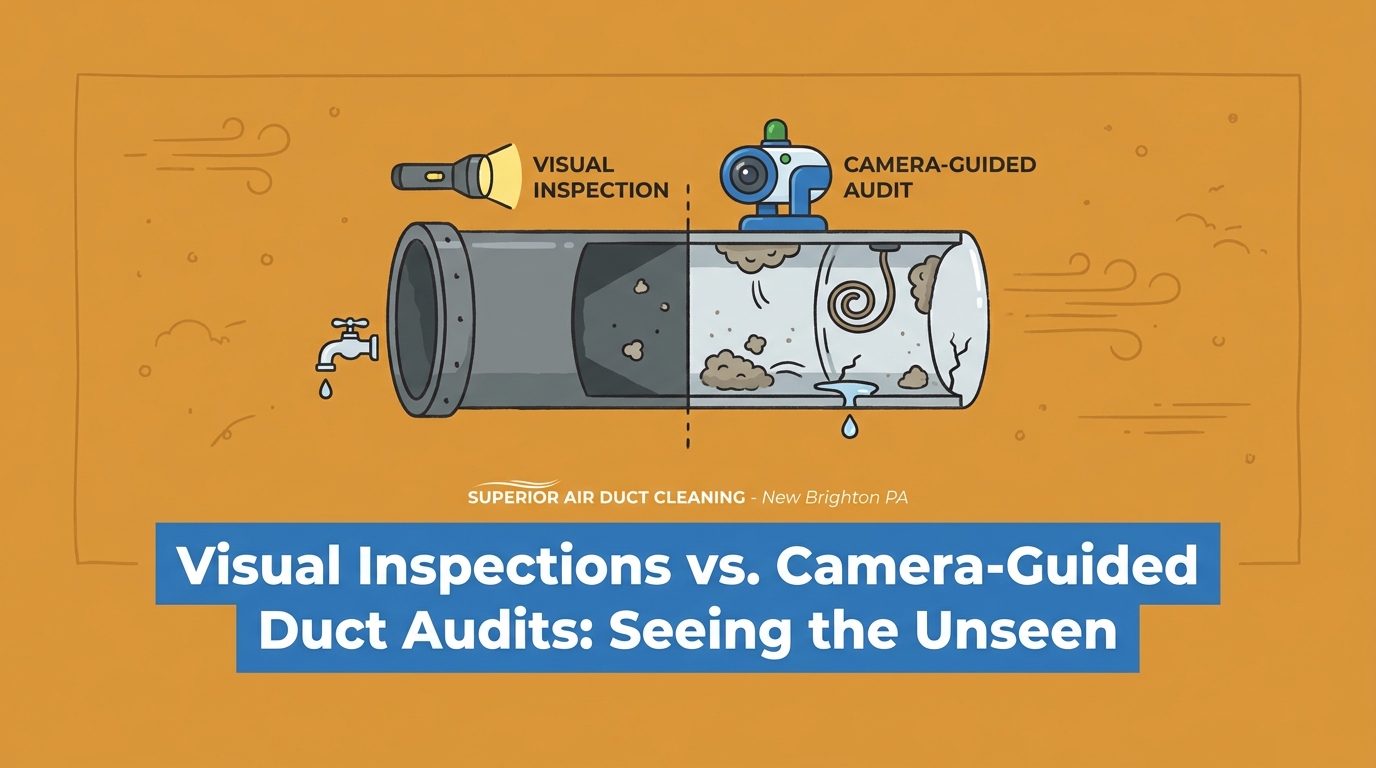
1. Inspect the perimeter for gaps: Turn off your HVAC system and grab a bright flashlight. Shine the light directly where the metal register meets the drywall. Look for dark gaps, missing drywall mud, or visible attic space. If you see darkness behind the edge of the metal, you have an unsealed boot.
2. Check for sticky residue: Safely touch the edge of the metal grille. If the dust feels greasy or sticky rather than dry and powdery, you are dealing with condensation issues anchoring the dust to the metal.
3. Examine the system filter: Go to your furnace or air handler and pull the main filter. If it is prematurely clogged, bowed inward, or heavily soiled well before its replacement date, your system is handling a higher-than-normal particulate load.
4. Document the evidence: Take clear, well-lit photos of the streaks and the register gaps. Photographic documentation helps you track how quickly the dust returns and provides valuable context if you decide to consult a professional.
A thorough visual assessment prevents unnecessary generic cleanings when targeted remediation is actually required. We see often that when a technician is thorough and takes the time to explain every diagnostic step, homeowners understand the true value of the process. In one recent case, a careful explanation of the visible symptoms and a precise breakdown of the ductwork's condition led to highly targeted remediation, leaving the ducts and vents super clean without any guesswork.
When Remediation Requires More Than Basic Vacuuming
Once systemic contamination or biological growth is identified, standard vacuuming is simply insufficient. Pushing a shop-vac hose a few feet into a register will not resolve years of accumulated debris or neutralize the microscopic threats hiding deep within the trunk lines.
Addressing Microbial Growth
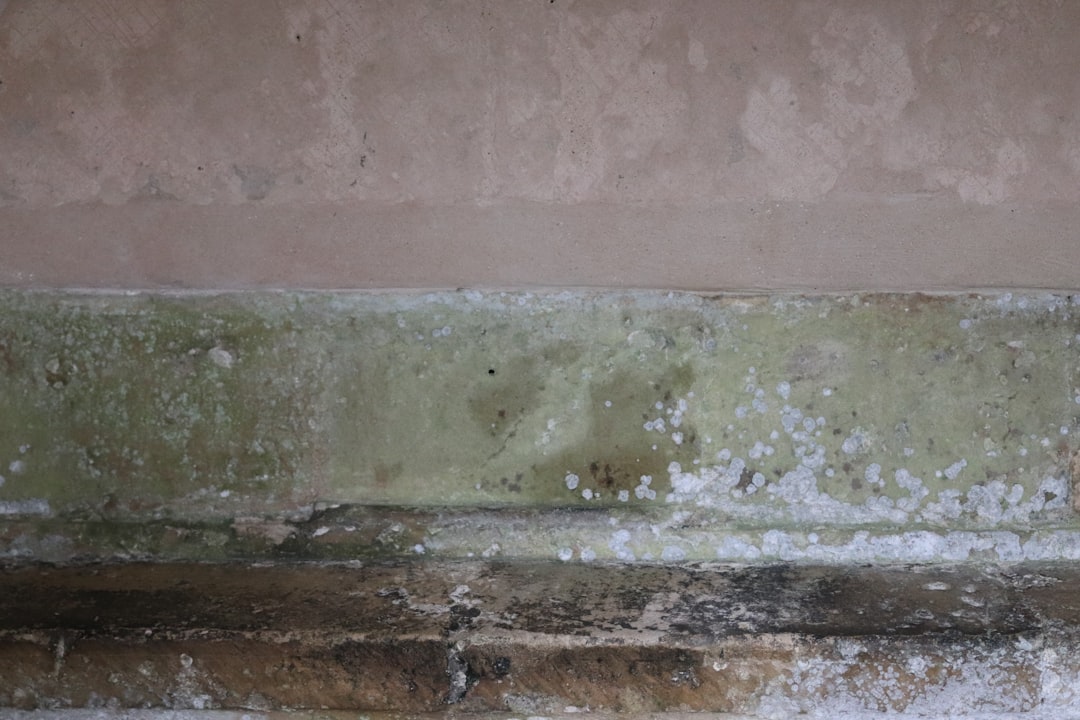
Summer humidity trapped in dark, cool ductwork creates an ideal environment for biological contaminants. When condensation forms on the metal registers and inside the duct runs, bacteria and other microbial growth can take hold. This growth often emits a stale, musty odor that permeates the house every time the AC cycles on.
Comprehensive remediation goes beyond physical debris removal. It requires specialized treatments to neutralize these biological threats. Sometimes, these issues appear even in recently built properties. One local family moved into a new house and immediately faced severe allergy issues and poor air quality. By thoroughly cleaning and sanitizing the vents and furnace, the airborne irritants were neutralized, allowing the kids and the rest of the family to finally breathe and sleep better.
Long-Term Air Quality Protection
Proper remediation improves overall airflow, reduces household allergens, and helps sensitive family members breathe easier. This process involves not only extracting the systemic dirt but also sealing the register boots to prevent future attic bypass air from entering the home.
For homes in New Brighton PA and surrounding western PA homes that have suffered from severe condensation and biological growth, whole house sanitizing is the logical next step. This comprehensive approach ensures that the entire system is treated, providing long-lasting protection against the return of those ugly ceiling streaks.
Taking the Next Step Toward Cleaner Indoor Air
Those dark streaks around your ceiling vents are not a reflection of your housekeeping; they are a valuable warning sign from your HVAC system. By late summer (August) heavy AC usage has simply exposed the hidden airflow and pressure issues that have been developing out of sight.
Understanding the physics of airflow and recognizing the difference between unsealed boots and systemic contamination is the key to a permanent solution. Rather than just wiping the drywall again, consider scheduling a professional diagnostic assessment. A thorough evaluation will map out your specific air quality needs, ensuring you get a clear explanation of why the dust forms and what professional remediation can do to help your family breathe easier.
Frequently Asked Questions
Why is there black dust around my AC vents?
Black dust around AC vents usually indicates that unsealed register boots are pulling dirty bypass air from your attic, or that systemic dirt is being blown out of your ductwork. The Coanda effect causes this high-velocity air to cling to the ceiling, dragging the particulates across the drywall. Sealing the gaps and cleaning the ducts will stop the dust at its source.
What causes ghosting on ceilings?
Ghosting, or thermal tracking, occurs when microscopic dust and soot particles stick to cold or damp spots on your ceiling and walls. During the summer, cold AC air chills the metal registers, causing slight condensation that acts like glue for airborne dust. Over time, this creates dark, streaky patterns along the path of the airflow.
How do I stop dust from blowing out of my vents?
To stop dust from blowing out of your vents, you must address the root cause of the contamination rather than just cleaning the surface. This involves sealing any gaps around the register boots to prevent attic air from entering, replacing your HVAC filter regularly, and scheduling a professional duct cleaning to remove systemic debris. Surface wiping will only provide temporary relief.
Does thermal tracking mean I have a mold problem in my ducts?
Thermal tracking itself is primarily an accumulation of dust, dirt, and soot, but the condensation that causes it can also encourage biological growth. If the dark streaks are accompanied by a musty odor or if your home suffers from high humidity, there may be microbial growth inside the ductwork. A professional evaluation can determine if specialized sanitizing is required.
Can unsealed duct boots increase my summer energy bills?
Yes, unsealed duct boots can significantly impact your cooling costs. When gaps around the boot pull in hot, unconditioned air from the attic, your air conditioner has to work much harder to cool the living space. Sealing these leaks not only prevents black dust from ruining your ceiling but also improves system efficiency and lowers energy consumption.

Customer Reviews


Superior Air Duct cleaning did a phenomenal job in a timely manner with the tech “Rich” being very professional ,personable and considerate of our property! He explained things as he proceeded and answered all our questions!
I LOVE that they provide before & after photos to see the difference. Give them a try… you won’t regret it
Pam T.
Robert was on schedule and communicated what time he would arrive. He was polite, professional, and respectful of our home. I wanted to wait a couple weeks before posting a review because I wanted to see if the duct cleaning actually made a difference. I am happy to say it did! I vacuum multiple times a week and have already noticed a significant reduction in the amount of dust cleaned up each time. As a home with pets, there will always be something to clean, but getting the ducts cleaned has definitely helped improve the air quality and reduce the dust.
alice A.
Technician Rob arrived early explained the days agenda and then proceeded to work methodically and meticulously over the next 6+ hours cleaning my ductwork. Courteous and professional they answered all of my questions and went above and beyond the call of duty. They even located an old dusty box of rat poison buried in our vents. My only regret is not finding these guys sooner. As a realtor of 22 years and owner of a newly purchased (now dust free) home I highly recommended!
Eric K.
Excellent service! I’ve used them to clean out my air ducts as well as my dryer vent duct and they are excellent. I was very pleased with both jobs and will continue to use them in the future. Great communication as well- from the time I scheduled the appointment until they were at my door.
Erika C.
We had such an amazing experience with Superior Air Duct Cleaning. They were so nice and friendly and did an amazing job. I loved seeing the before and after pictures. Besides doing an amazing job cleaning our air ducts they were so quick at responding and setting up the appointment. We will definitely be using them in the future.
Amanda C.