Why Indoor Air Quality in Pittsburgh Homes Depends on Clean Air Ducts
Understanding how air duct cleaning improves indoor air quality is the first step toward breathing easier in your Pittsburgh home. Your HVAC system circulates the same air through your ducts five to seven times every day. When those ducts are loaded with dust, pet dander, mold spores, or debris, every cycle pushes that buildup right back into your living space.
How air duct cleaning improves indoor air quality — quick answer:
• Removes contaminant reservoirs — Dust, allergens, mold spores, and debris are physically extracted from the duct system so they stop recirculating
• Reduces airborne particles — Studies show professional cleaning can reduce airborne particulate concentrations by 30–50%, particularly in the 1–10 micron range
• Eliminates trapped odors — Cooking smells, pet odors, smoke, and musty smells that settle into ductwork are removed at the source
• Supports better airflow — Debris-free ducts allow your HVAC system to move air more freely and evenly throughout the home
• Lowers exposure for sensitive occupants — Homes with children, elderly residents, or people with asthma or allergies see the most noticeable improvement
The EPA notes that indoor air can be two to five times more polluted than outdoor air. In Pittsburgh, where winters keep families sealed indoors for months and older housing stock means decades of potential buildup in ductwork, that figure hits close to home. The good news is that targeted, professional duct cleaning — done right and for the right reasons — can make a real difference.
This guide covers everything you need to know: what the research actually says, when cleaning is genuinely warranted, what to watch out for, and how to keep your air clean long after the job is done.
What Air Duct Cleaning Is and How It Works
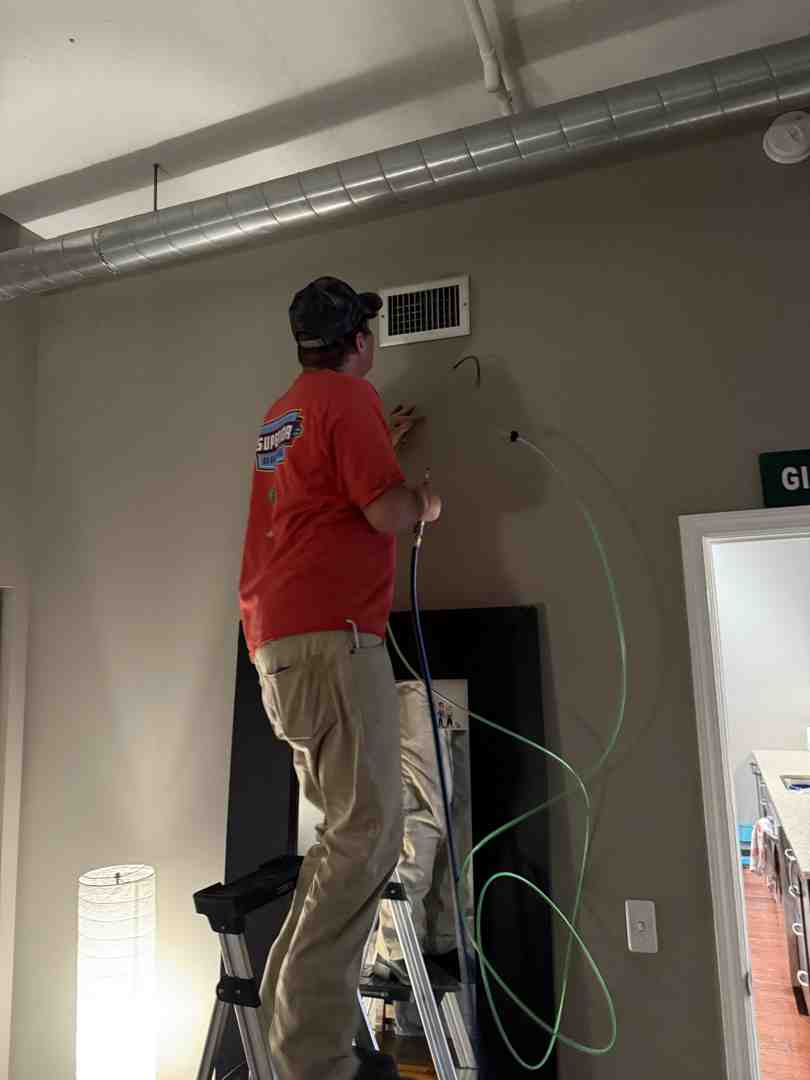
Air duct cleaning is the process of removing dust, debris, and contamination from the parts of your forced-air HVAC system that move air through your home. That includes supply ducts, return ducts, registers, grilles, and often the air handler area as part of a whole-system approach.
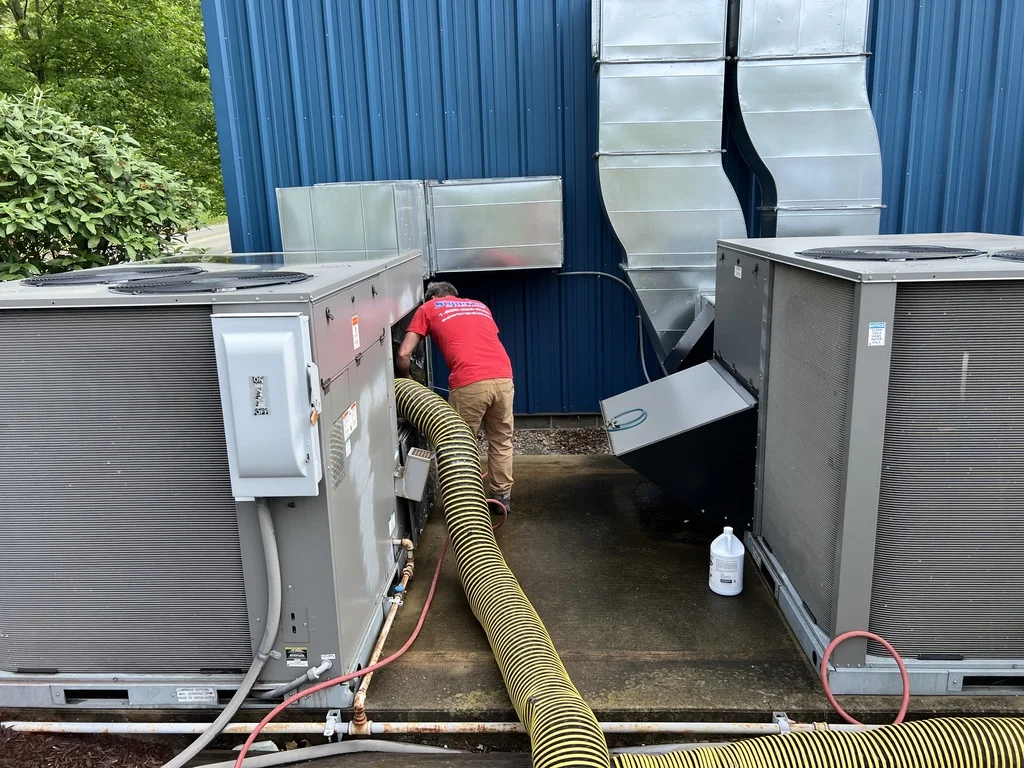
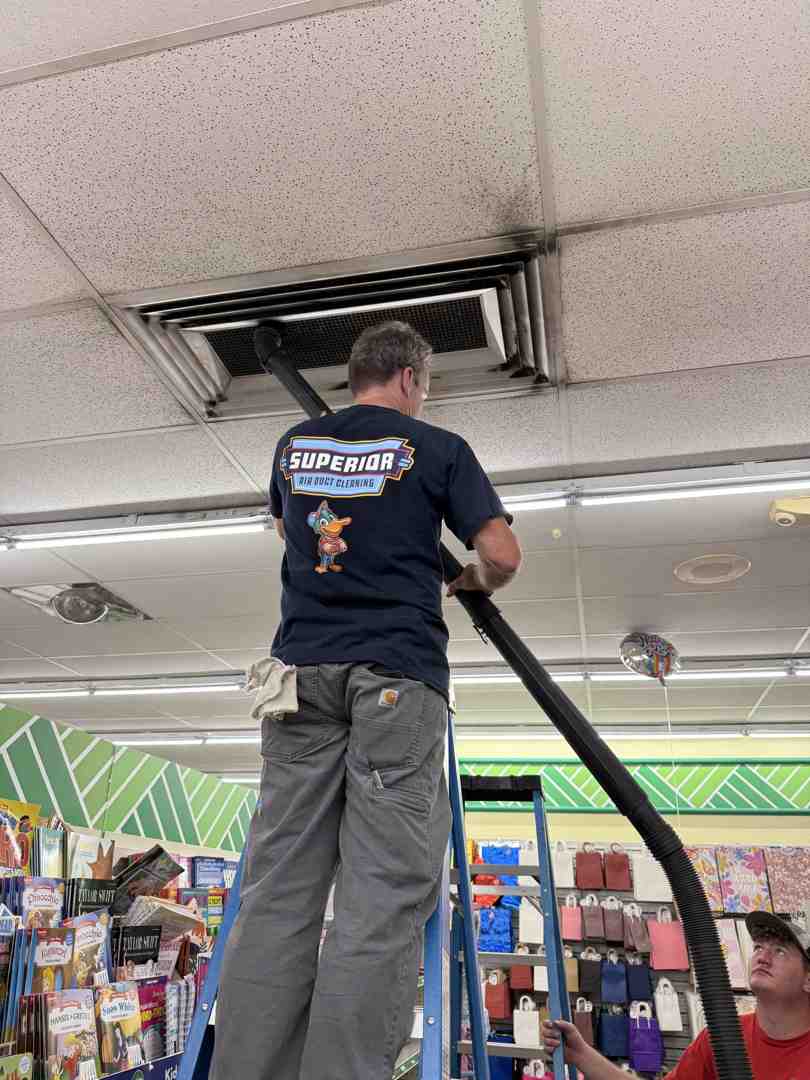
A proper cleaning is not just someone sticking a vacuum hose into a vent and hoping for the best. The standard process usually includes:
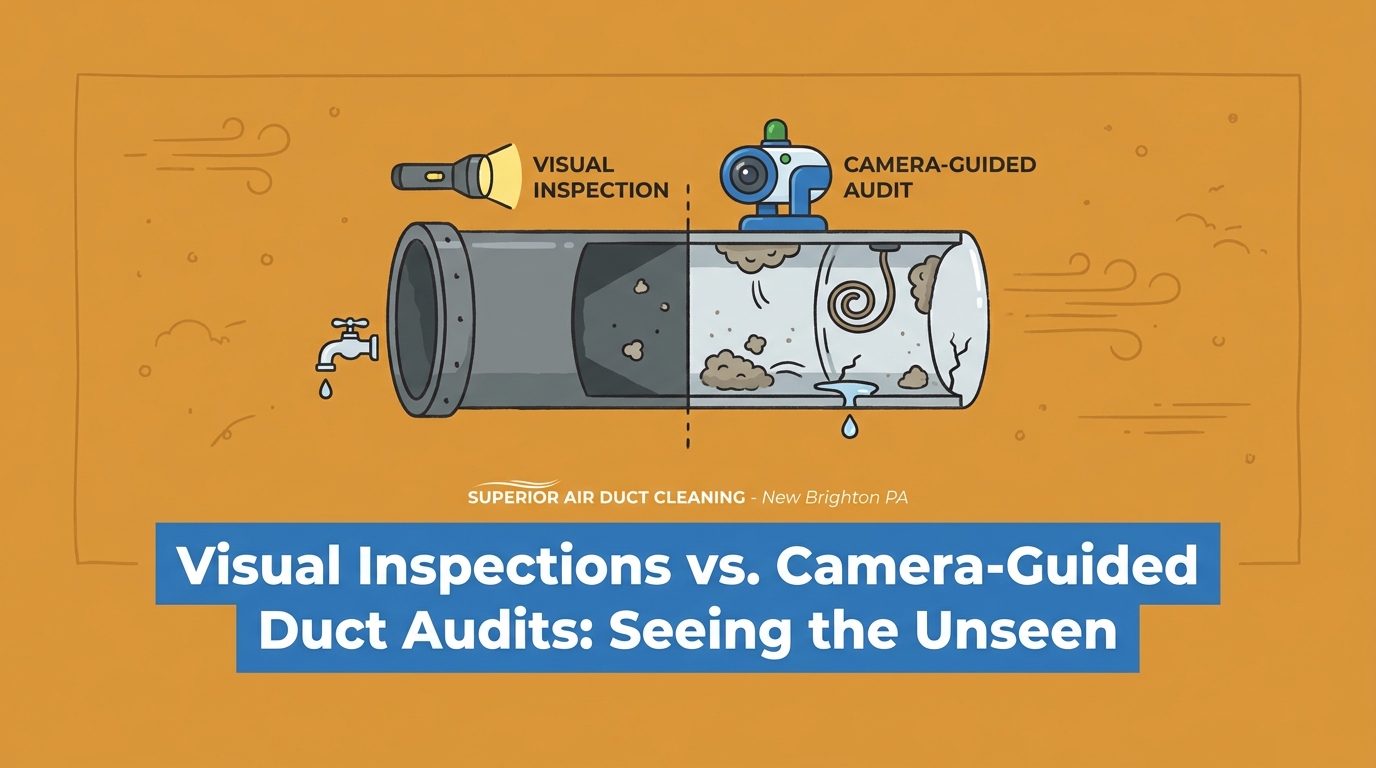
• Inspecting the duct system and key HVAC components
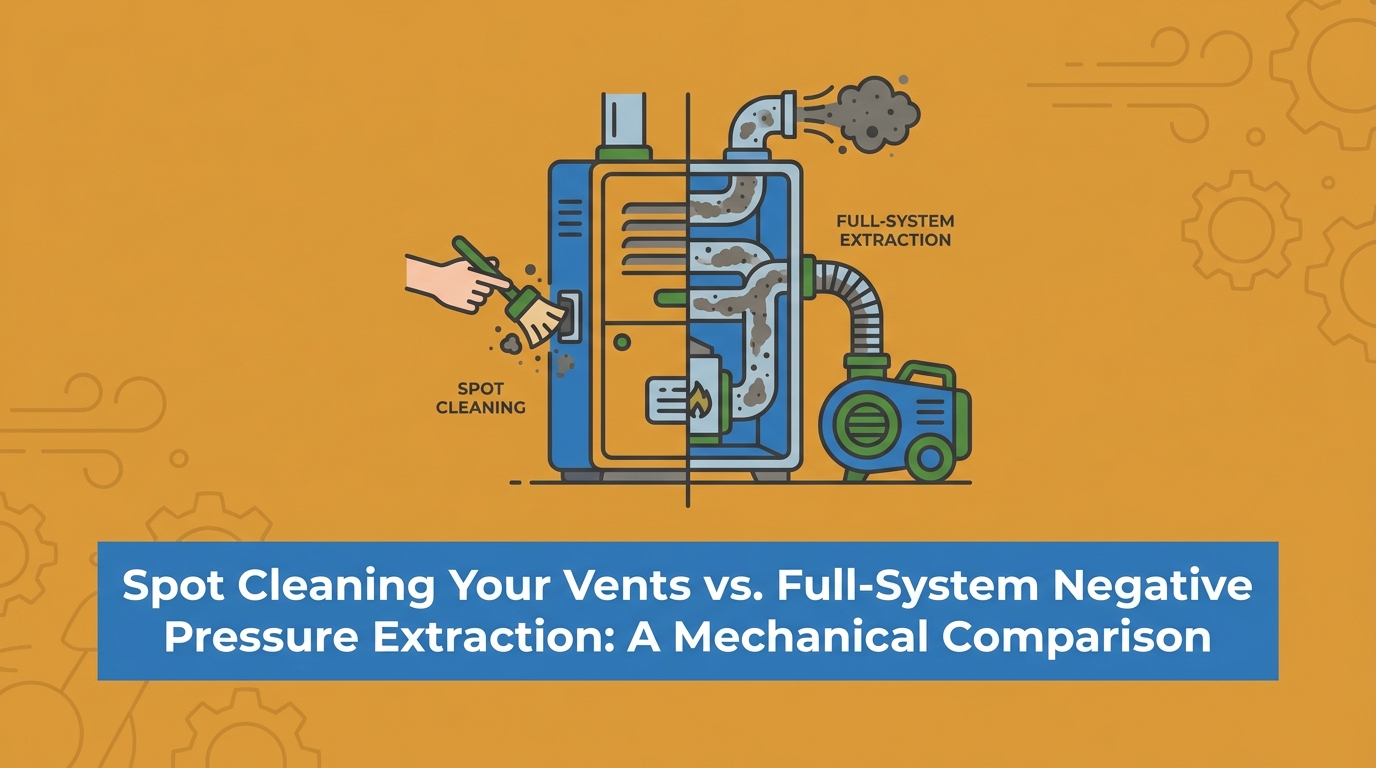
• Creating negative pressure so loosened debris is captured instead of released into the home
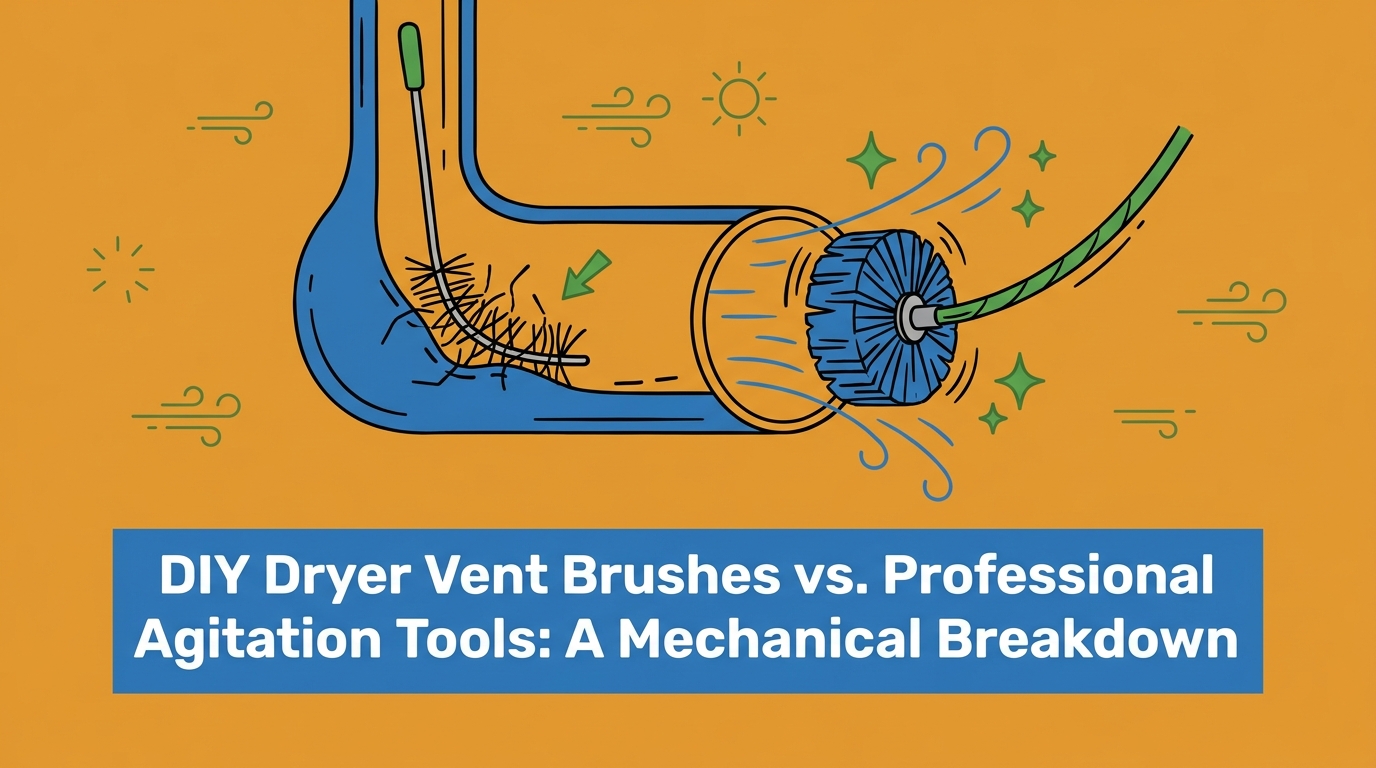
• Using agitation tools such as compressed-air tools, air whips, or compressed-air tools to dislodge buildup
• Collecting debris with HEPA-filtered or exterior-exhaust vacuum equipment
• Cleaning accessible vents, registers, and related system components
How air duct cleaning improves indoor air quality during normal HVAC operation
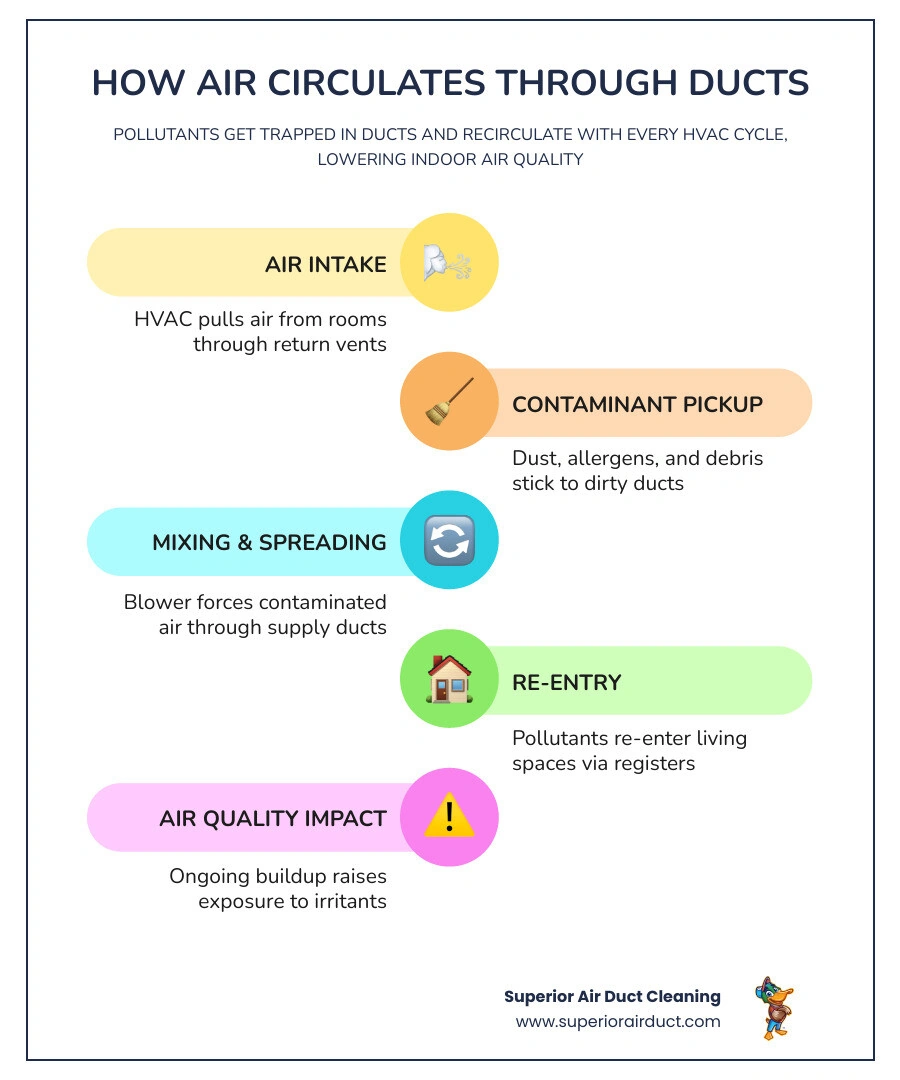
Your HVAC system is basically your home's lungs, except less cute and more sheet metal. During normal operation, air is pulled through return vents, passes through filtration and mechanical components, and is pushed back out through supply vents. If contaminants are sitting inside that pathway, some of them can be reintroduced into the air stream.
That is where how air duct cleaning improves indoor air quality becomes practical rather than theoretical. By removing contamination from the airflow path, cleaning can help:
• Lower the amount of dust and debris available to circulate
• Reduce some allergen reservoirs in the duct system
• Improve airflow through clogged or debris-heavy sections
• Cut down on odor-holding particles trapped in ductwork
This is especially helpful when ducts contain more than a light film of household dust. Research and EPA guidance both make an important distinction here: not all dirty-looking ducts are a major air-quality problem, but heavily contaminated ducts can be.
What gets cleaned beyond the ducts
A thorough service should look at more than the ducts alone. Important system parts can also collect buildup, including:
• Air handler cabinet
• Blower motor and blower compartment
• Evaporator coil area
• Drain or drip pan
• Vent covers, registers, and grilles
If these parts stay dirty, the system can keep spreading contaminants even after the main ducts are cleaned. For a broader overview of whole-system benefits, see Benefits of Air Duct Cleaning Services.
How Dirty Air Ducts Affect Indoor Air Quality
Dirty ducts do not automatically mean dangerous air, but they can absolutely contribute to a less healthy indoor environment under the right conditions.
Common issues include:
• Dust buildup that gets disturbed during HVAC cycles
• Allergen accumulation from pollen, pet dander, and fine debris
• Musty odors from moisture or microbial growth
• Airflow restriction caused by heavy buildup
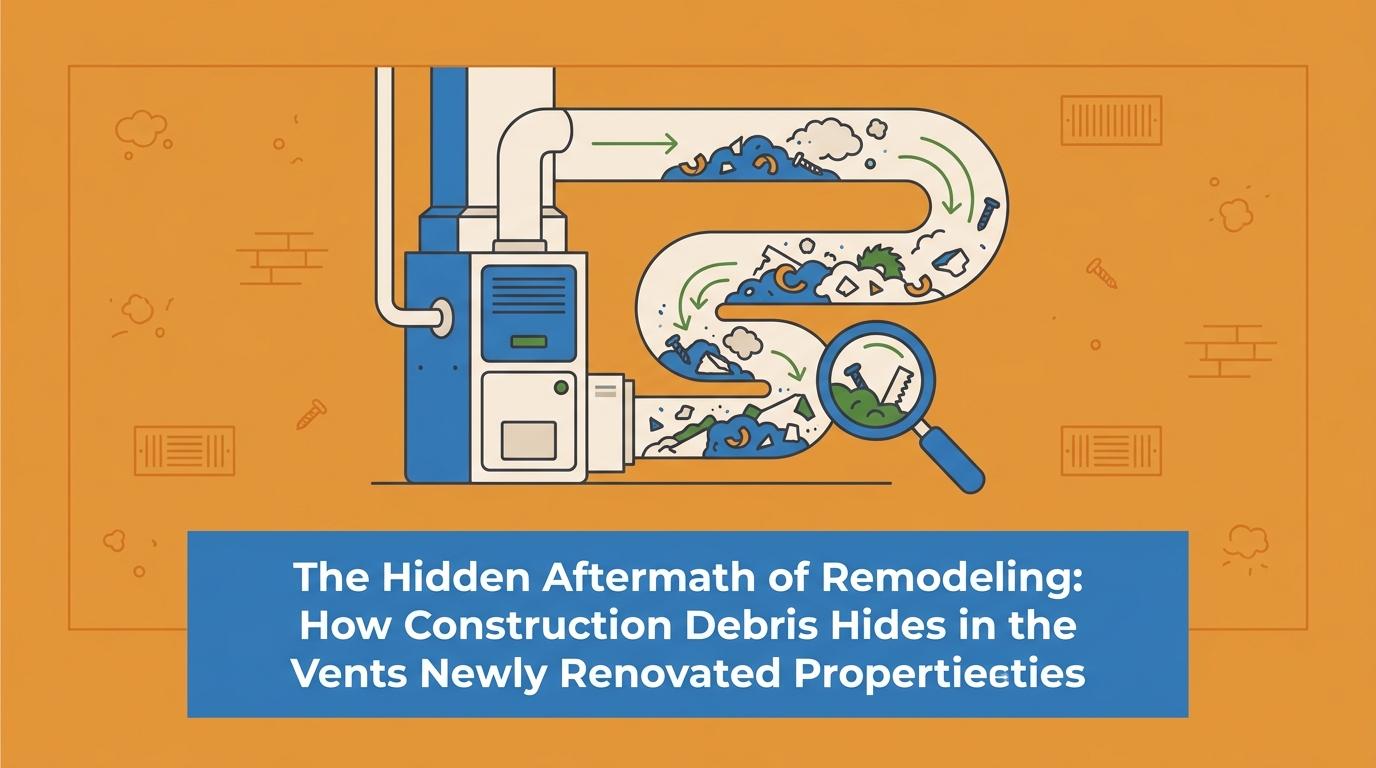
• Post-renovation dust and insulation fibers
• Increased concern in homes with pets, smokers, or damp basements
In Western Pennsylvania and nearby Ohio and West Virginia service areas, long heating seasons, older homes, and basements with moisture issues can make duct contamination more likely over time.
How air duct cleaning improves indoor air quality by reducing airborne contaminants
When buildup inside ductwork is significant, professional cleaning can reduce the material available to be blown through the house. That may include:
• Dust particles
• Pollen
• Pet dander
• Mold spores
• Bacteria associated with dirt and moisture
• Construction debris
• Smoke and odor residue
That does not mean duct cleaning removes every contaminant in your home. Carpets, furniture, bedding, and poor filtration also matter. But it can interrupt one major recirculation pathway. For related reading, see Improve Indoor Air with Duct Cleaning.
Common contaminants found inside residential ductwork
Here are the materials we commonly think about when discussing duct contamination:
• Household dust
• Pollen
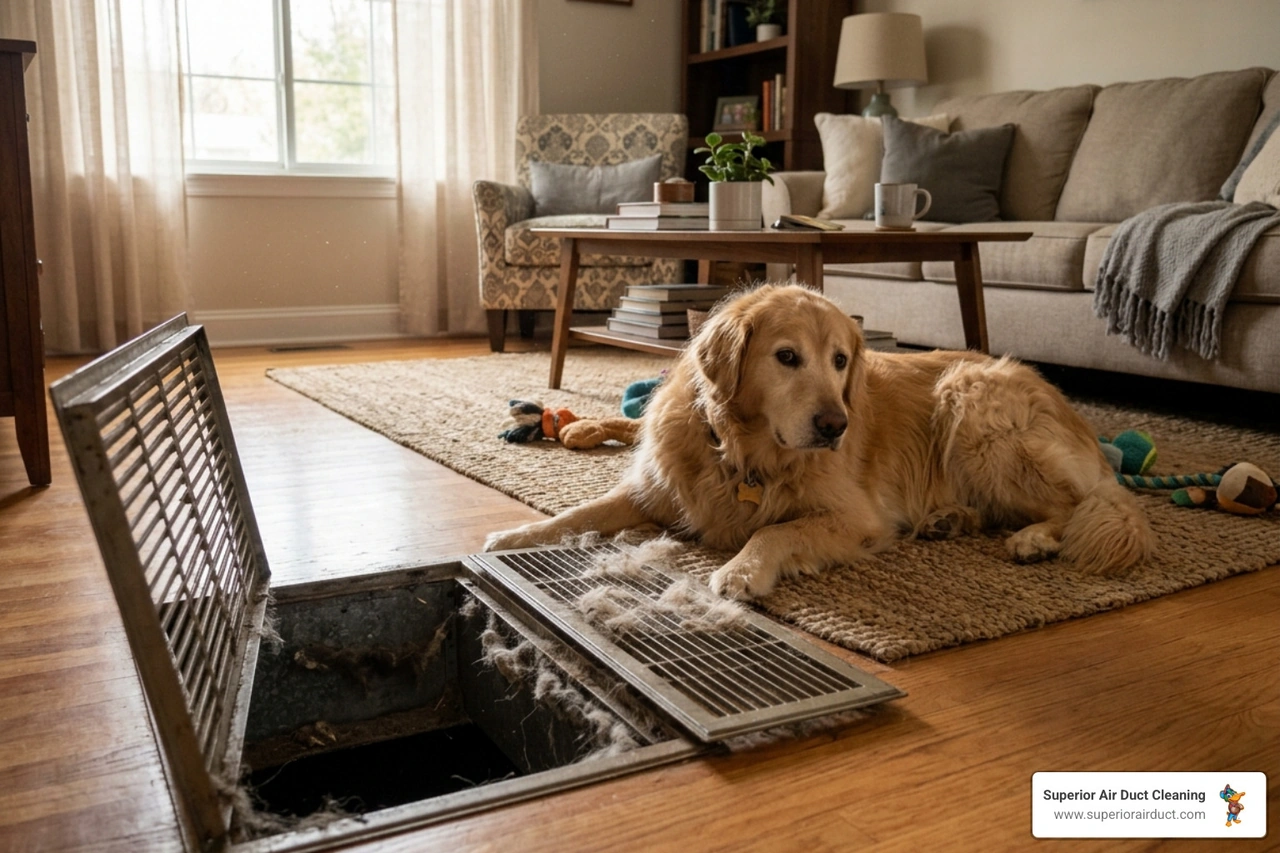
• Pet hair and pet dander
• Construction dust and drywall particles
• Insulation fibers
• Insect remains and nesting debris
• Rodent droppings or contamination
• Smoke residue
• Chemical pollutants that settle onto dust
• Moisture-related microbial growth
Some of these are mostly nuisance contaminants. Others, like rodent contamination, visible mold, or heavy renovation debris, are stronger reasons to clean.
Why some dirty ducts cause symptoms while others do not
This is one of the most misunderstood parts of the conversation.
A small amount of ordinary dust inside ducts is not the same as a serious indoor air quality problem. The EPA has repeatedly said that duct cleaning has not been shown to prevent health problems across the board, and studies do not conclusively prove that dirty ducts always raise particle levels in homes.
So why do some households notice a difference after cleaning?
Usually because one or more of these conditions are present:
• Heavy debris rather than light dust
• Moisture problems that support microbial growth
• Poor filter fit or low-efficiency filtration
• Leaky ducts pulling contaminants from basements, crawl spaces, or wall cavities
• Sensitive occupants with allergies or asthma
• Recent remodeling or water damage
In short, context matters. Ducts are one piece of the indoor air puzzle, not the whole jigsaw.
Health Benefits, Limits, and What the EPA Says
Professional duct cleaning may help reduce exposure to triggers that aggravate allergies, odors, and respiratory irritation. But it is important to stay realistic and evidence-based.
Potential benefits can include:
• Fewer airborne irritants in heavily contaminated systems
• Less recirculated dust and pet dander
• Reduced musty or stale odors
• Cleaner airflow paths
• Better comfort for sensitive occupants
What it is not:
• A guaranteed cure for asthma
• A replacement for mold remediation
• A substitute for filter changes, leak repair, or humidity control
• Something every home needs on a fixed yearly schedule
How air duct cleaning improves indoor air quality for allergy and odor concerns
For families dealing with seasonal pollen, pets, smoke exposure, cooking odors, or general stuffiness, duct cleaning can help by removing particles and residue that linger in the system.
This can be especially noticeable in homes where:
• Dust settles quickly after cleaning
• Pet dander accumulates year-round
• Smoke or cooking smells seem to return whenever the system runs
• Musty odors worsen during humid weather
• Someone in the home is sensitive to airborne irritants
For more on allergen-related concerns, read Reducing Allergens with Duct Cleaning and How Dust and Debris in Ducts Affect Breathing.
What the EPA says about duct cleaning benefits and necessity
The EPA's position is more balanced than many homeowners expect.
The agency does not recommend routine duct cleaning for every home. Instead, it says cleaning is generally warranted when there is:
• Substantial visible mold growth inside hard-surface ducts or on HVAC components
• Vermin infestation, such as rodents or insects
• Excessive dust and debris that is actually entering the living space or restricting airflow
The EPA also says duct cleaning has never been shown to actually prevent health problems, and the current evidence is insufficient to draw firm conclusions about broad health benefits, HVAC savings, or across-the-board indoor air quality improvements.
That does not mean cleaning is useless. It means it should be targeted, not automatic. Source control still matters most: fix moisture, improve filtration, and maintain the HVAC system.
Potential risks or downsides homeowners should know
Like any home service, duct cleaning can go wrong if it is done poorly. Possible downsides include:
• Incomplete cleaning that stirs up debris without fully removing it
• Damage to fragile or older duct materials
• Particles released into living spaces during sloppy work
• Moisture left behind, which can make mold risk worse
• Use of sealants or chemical treatments when they are not appropriate
• Cleaning only visible vents while ignoring the rest of the system
Here is a simple way to think about when duct cleaning helps most:
• Visible mold in or near ducts — Duct cleaning may help?: Yes — Other fixes also needed?: Yes, moisture source must be fixed
• Rodent or insect contamination — Duct cleaning may help?: Yes — Other fixes also needed?: Yes, pest entry points must be addressed
• Heavy post-renovation dust — Duct cleaning may help?: Yes — Other fixes also needed?: Yes, filtration and housekeeping matter
• Light household dust only — Duct cleaning may help?: Maybe, limited benefit — Other fixes also needed?: Usually filters, cleaning, and maintenance matter more
• Allergy symptoms with pets — Duct cleaning may help?: Sometimes — Other fixes also needed?: Yes, whole-home allergen control is essential
• Musty smell from damp basement — Duct cleaning may help?: Sometimes — Other fixes also needed?: Yes, humidity and water issues must be corrected
When Pittsburgh Homeowners Should Consider Duct Cleaning
For Pittsburgh-area homes, we usually recommend looking at actual conditions rather than the calendar alone.
Situations that often justify inspection or cleaning include:
• Visible mold on hard-surface ductwork or HVAC components
• Signs of rodents or insects in the system
• Dust or debris blowing from supply vents
• Stale, smoky, or musty odors coming from vents
• Recent remodeling or construction
• Water damage or flooding
• Moving into an older home with an unknown maintenance history
• Uneven airflow caused by clogged returns or heavy buildup
• Homes with pets, allergy sufferers, or heavy indoor dust load
Basement humidity is a common local issue in parts of Allegheny, Beaver, Butler, Lawrence, Washington, and Westmoreland counties, so moisture-related concerns deserve special attention.
Signs your home may need air duct cleaning
Watch for these clues:
• Dust puffing out when the system starts
• Dust returning to surfaces very quickly
• Dark buildup on registers and returns
• Unexplained odors when heating or cooling runs
• Increased respiratory irritation at home
• Debris visible inside accessible vent openings
• Registers that look dirty soon after cleaning
For more signs and context, visit Why Air Duct Cleaning Matters for Your Home.
How often air ducts should be cleaned according to experts
There is no one-size-fits-all schedule. EPA guidance supports as-needed cleaning, while many industry recommendations suggest every 3 to 5 years in homes where conditions justify it.
You may need more frequent cleaning if you have:
• Multiple pets
• Smokers in the home
• Family members with allergies or asthma
• Recent renovations
• Water intrusion or moisture problems
• Poor filter maintenance
• A newly purchased home with unknown duct history
Even if you do not need cleaning often, you should still change filters regularly, usually every 1 to 3 months depending on your system and household conditions.
Why dryer vent cleaning matters for indoor air quality and safety
Dryer vent cleaning belongs in this conversation too.
A clogged dryer vent can:
• Increase fire risk because lint is highly combustible
• Push moisture back into the home
• Contribute to humidity problems that support mold
• Make the dryer run longer and less efficiently
So while dryer vents are not part of your HVAC ductwork, they affect the same bigger goal: a safer, drier, healthier indoor environment. That is why many homeowners treat duct cleaning and dryer vent cleaning as part of the same whole-home maintenance plan.
Better Indoor Air Quality Starts With More Than Duct Cleaning
If we are being honest, no single service can carry your entire indoor air quality strategy on its back. Duct cleaning helps, but long-term results come from combining it with good home habits and HVAC maintenance.
The biggest supporting factors are:
• Consistent filter replacement
• Proper filter fit and suitable MERV rating
• Humidity control
• Sealing duct leaks
• Routine HVAC maintenance
• Regular vacuuming and dusting
• Source control for pets, smoke, and moisture
The best ways to maintain cleaner air after duct cleaning
After cleaning, we recommend keeping improvements going with these steps:
• Replace filters on schedule
• Use the highest-efficiency filter your system can handle
• Make sure filters fit properly so air does not bypass them
• Vacuum with a HEPA-equipped machine when possible
• Dust return grilles and surrounding areas
• Groom pets and wash pet bedding regularly
• Keep indoor humidity below about 50%
• Fix leaks promptly
• Schedule periodic HVAC inspection
For more maintenance ideas, see Improve Air Quality with Clean Ducts and Indoor Air Quality Solutions.
How duct cleaning compares with other indoor air quality improvements
Duct cleaning is useful, but it works best as part of a stack of improvements.
Here is how it compares:
• Duct cleaning: Best for removing contamination already sitting in the system
• Better filtration: Best for capturing new particles before they circulate
• Duct sealing: Helps prevent dirty air from being pulled in through leaks
• Coil and HVAC cleaning: Important for airflow and moisture control
• Humidity management: Essential for mold prevention
• Housekeeping: Reduces dust reservoirs throughout the home
• Ventilation improvements: Helps dilute indoor pollutants
If your goal is cleaner air, the smartest approach is usually not "duct cleaning or something else." It is "duct cleaning plus the right other steps." Related reading: Air Duct Cleaning Boosts IAQ and Air Quality Improvement.
Frequently Asked Questions About How Air Duct Cleaning Improves Indoor Air Quality
Common homeowner questions include:
• Does duct cleaning really help with allergies?
• Can it solve musty odors?
• Will it remove mold?
• How often should it be done?
• What should we look for in a service provider?
• Is dryer vent cleaning part of indoor air quality care?
Does air duct cleaning really help with allergies and respiratory issues?
It can help, especially when ducts contain a meaningful load of allergens or irritants such as dust, pet dander, pollen, or post-renovation debris. Homes with children, older adults, or people with asthma and allergies may notice the biggest difference.
But realistic expectations matter. Duct cleaning does not remove every allergen source in the home. Bedding, carpet, furniture, pets, and outdoor pollen still play a big role. Think of duct cleaning as reducing one exposure source, not erasing allergy season from existence. If only it were that easy.
Can duct cleaning remove mold and prevent it from coming back?
It can help remove contamination from some hard, non-porous system surfaces, but cleaning alone does not solve mold problems if moisture remains.
A few important points:
• Visible growth should be properly identified before treatment
• Moisture sources must be corrected
• Wet or moldy fiberglass duct material may need replacement rather than cleaning
• Drainage, leaks, and humidity need attention to prevent recurrence
Learn more at Prevent Air Duct Mold and Air Duct Mold Removal.
What should I look for when choosing a duct cleaning service in Pittsburgh?
Look for a company that treats duct cleaning as a whole-system service, not a quick vent-only sweep.
We recommend asking whether the service includes:
• Inspection of the system before cleaning
• Cleaning of supply and return ducts
• Cleaning of registers, grilles, and accessible HVAC components
• Negative pressure containment
• Clear explanation of scope
• Before-and-after verification where possible
• Care to protect your home during the process
• Attention to underlying issues like moisture, debris, or airflow restrictions
For homeowners in Pittsburgh and surrounding Western Pennsylvania, Northeast Ohio, and nearby West Virginia communities we serve, our goal is simple: provide thorough, honest service focused on cleaner air, safer systems, and better long-term results.
Conclusion
Understanding how air duct cleaning improves indoor air quality helps you make a smarter decision for your home. The biggest benefits usually come when cleaning is targeted to real problems such as heavy dust, odors, pests, moisture-related contamination, or post-renovation debris. When paired with good filtration, humidity control, and routine HVAC care, it can play a valuable role in a healthier indoor environment.
If you want to keep learning, visit Healthy Indoor Air. And if you are ready to schedule service for your home or business in the greater Pittsburgh area or surrounding communities we serve, explore air duct cleaning.

Customer Reviews


Superior Air Duct cleaning did a phenomenal job in a timely manner with the tech “Rich” being very professional ,personable and considerate of our property! He explained things as he proceeded and answered all our questions!
I LOVE that they provide before & after photos to see the difference. Give them a try… you won’t regret it
Pam T.
Robert was on schedule and communicated what time he would arrive. He was polite, professional, and respectful of our home. I wanted to wait a couple weeks before posting a review because I wanted to see if the duct cleaning actually made a difference. I am happy to say it did! I vacuum multiple times a week and have already noticed a significant reduction in the amount of dust cleaned up each time. As a home with pets, there will always be something to clean, but getting the ducts cleaned has definitely helped improve the air quality and reduce the dust.
alice A.
Technician Rob arrived early explained the days agenda and then proceeded to work methodically and meticulously over the next 6+ hours cleaning my ductwork. Courteous and professional they answered all of my questions and went above and beyond the call of duty. They even located an old dusty box of rat poison buried in our vents. My only regret is not finding these guys sooner. As a realtor of 22 years and owner of a newly purchased (now dust free) home I highly recommended!
Eric K.
Excellent service! I’ve used them to clean out my air ducts as well as my dryer vent duct and they are excellent. I was very pleased with both jobs and will continue to use them in the future. Great communication as well- from the time I scheduled the appointment until they were at my door.
Erika C.
We had such an amazing experience with Superior Air Duct Cleaning. They were so nice and friendly and did an amazing job. I loved seeing the before and after pictures. Besides doing an amazing job cleaning our air ducts they were so quick at responding and setting up the appointment. We will definitely be using them in the future.
Amanda C.