Tackling Fall Air Quality and Appliance Safety
For homeowners looking for reliable home maintenance tips and troubleshooting, the sudden smell of burning dust during your first heating cycle is a familiar and stressful problem. In our years of servicing HVAC ductwork across New Brighton PA, the team at Superior Air Duct Cleaning fields dozens of panicked calls every October about this exact issue. You turn on the thermostat on a chilly mid-fall evening, and within minutes, an acrid odor fills the hallway. That distinct smell is a direct warning sign that your HVAC system and ductwork need immediate attention before the colder months settle in.
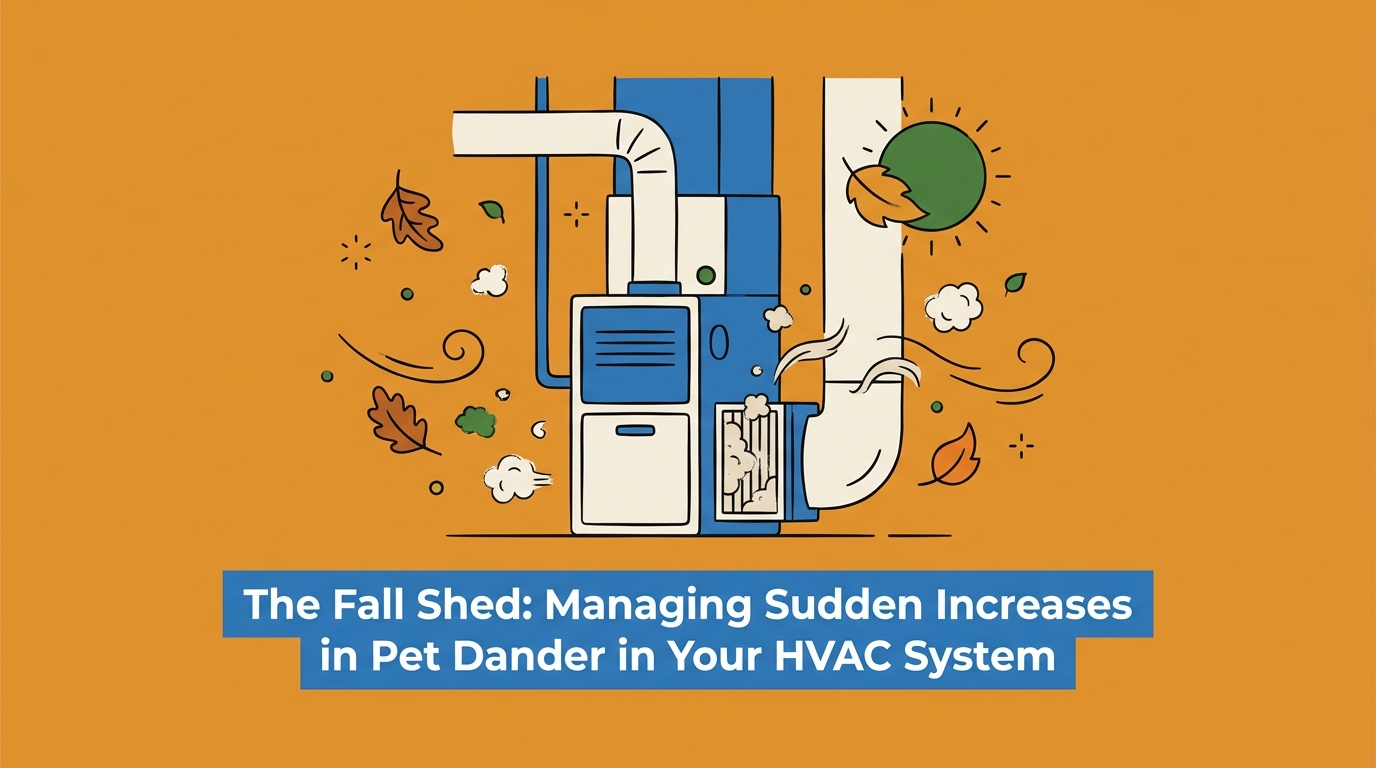
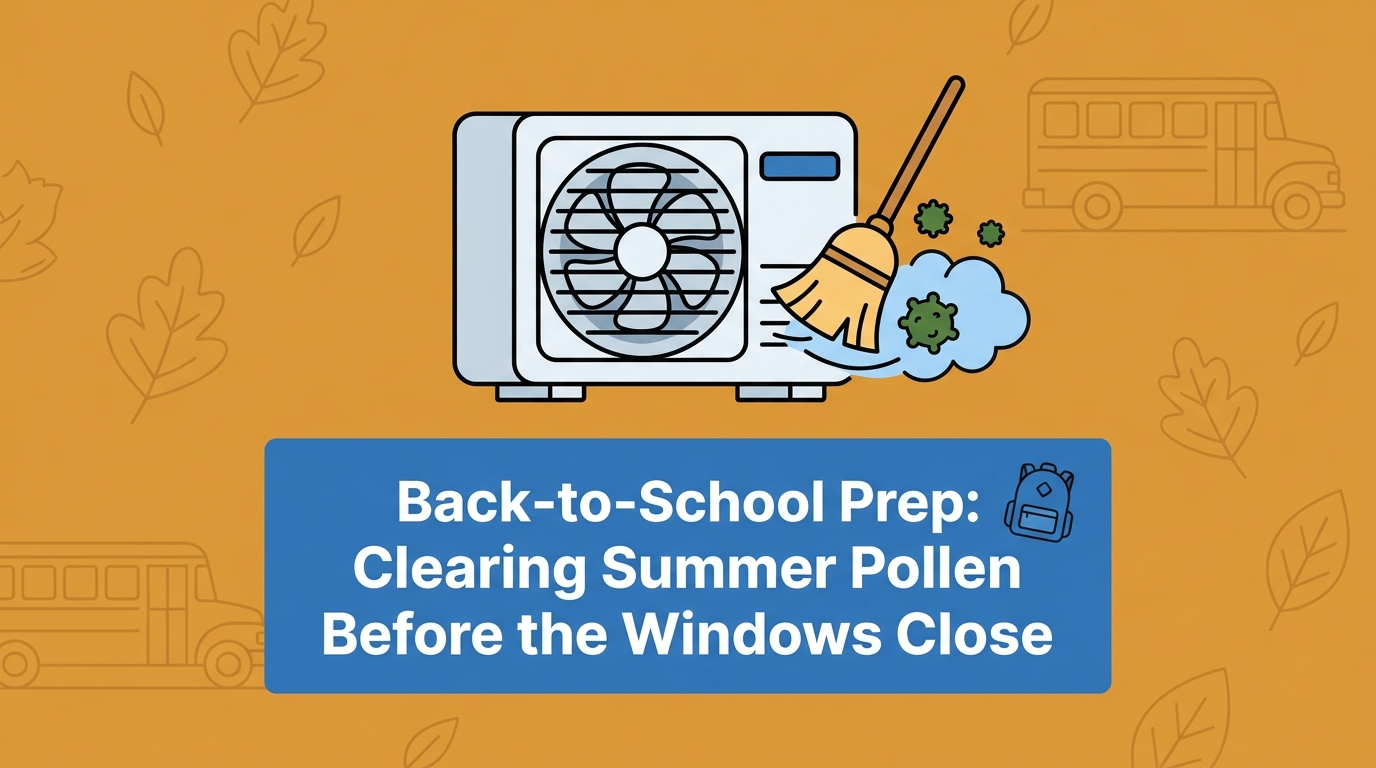
During the summer, dust, pet dander, and airborne debris settle quietly inside your ductwork and directly onto your furnace components. When you fire up the system for the October heating-startup, the sudden blast of heat bakes that settled debris. At the exact same time, you are likely shutting your windows to keep out the cold. Closing those windows traps summer allergens indoors, making indoor air quality a sudden and unavoidable priority for your household.
Need immediate assistance with your home's air quality? Learn more about professional air duct cleaning and our dryer vent cleaning services.
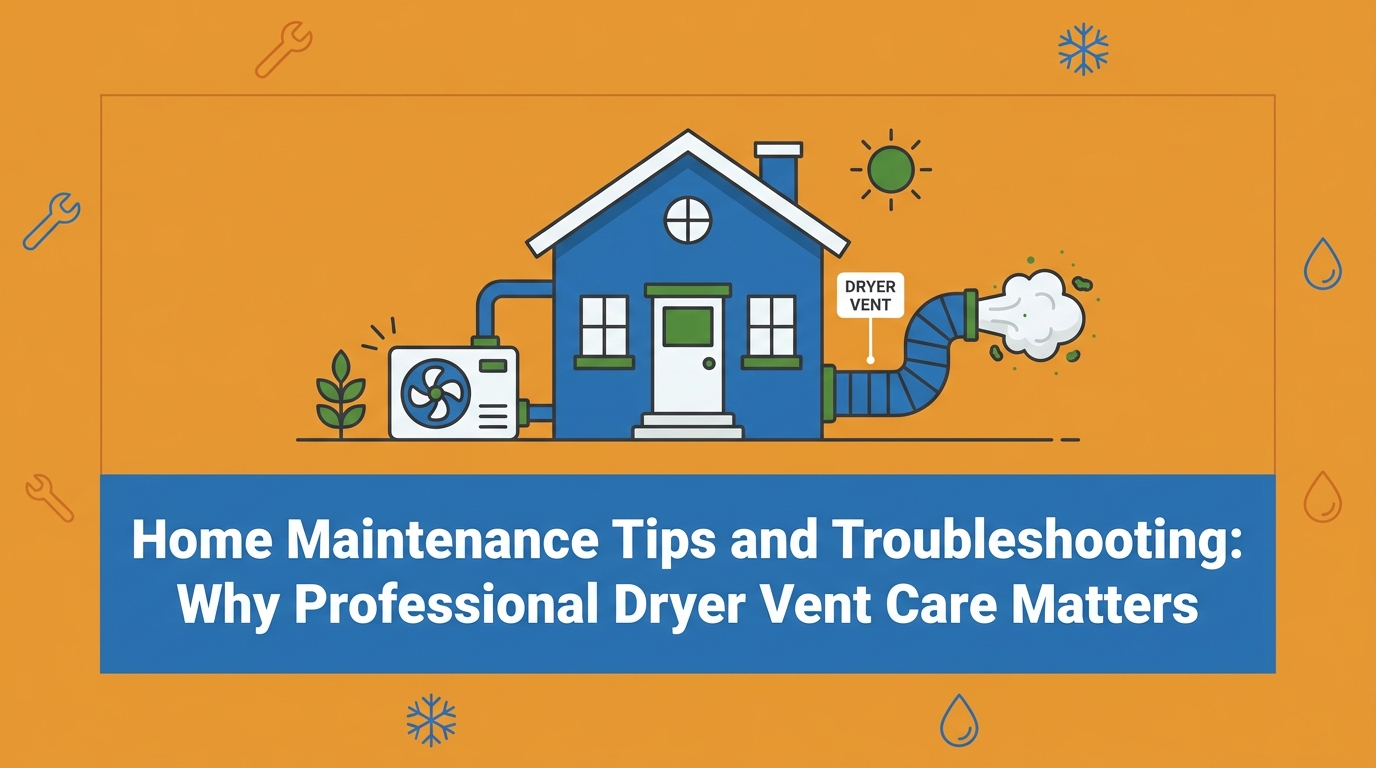
Addressing this issue requires a dual approach. First, you must deal with the compromised air circulating through your forced-air ductwork. Second, you must prepare your home's heavy-duty exhaust systems—specifically your dryer vent—for the increased workload of winter laundry. Ignoring either of these systems puts unnecessary strain on your appliances and leaves your family breathing stale, contaminated air. Taking proactive steps now ensures your home remains safe, efficient, and comfortable throughout the long winter season.
The October Heating Startup: Troubleshooting Burning Smells
The Mechanics of the First Heating Cycle
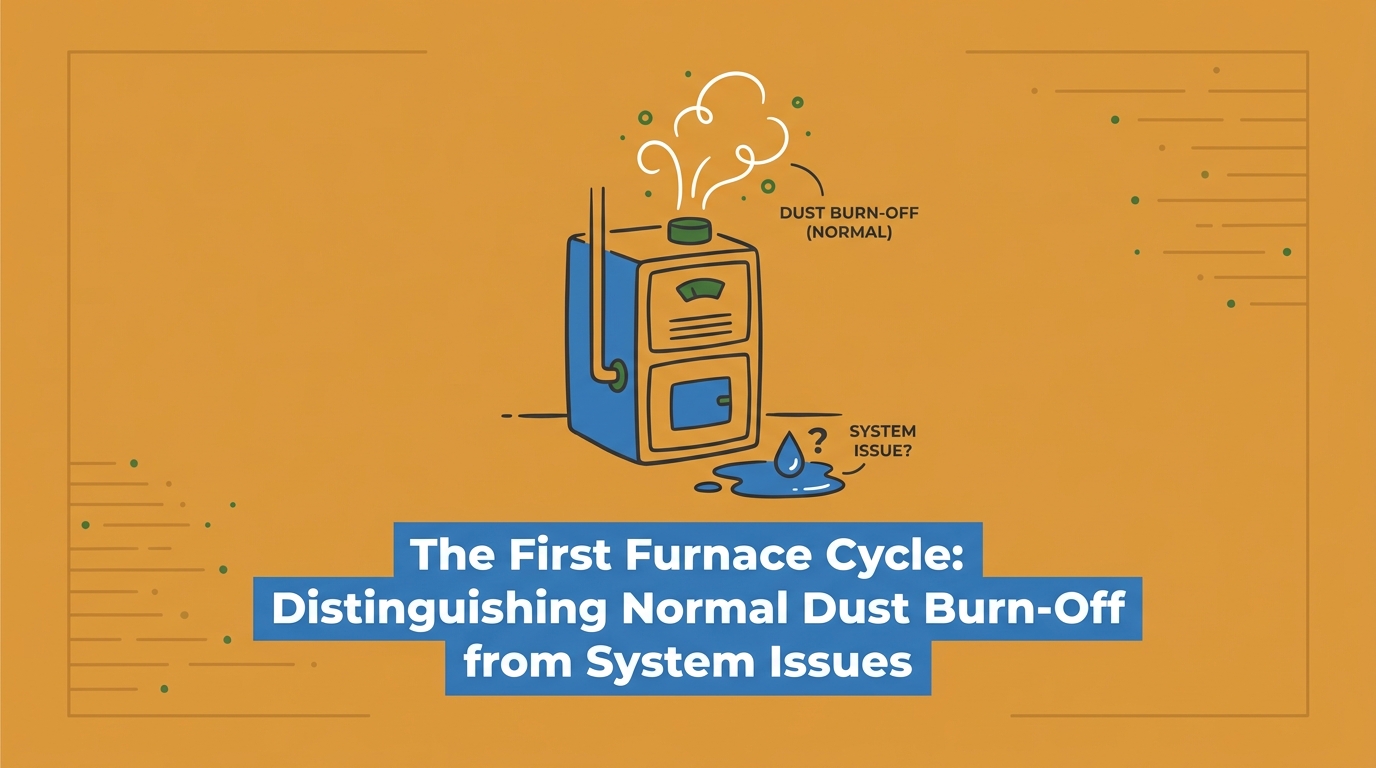
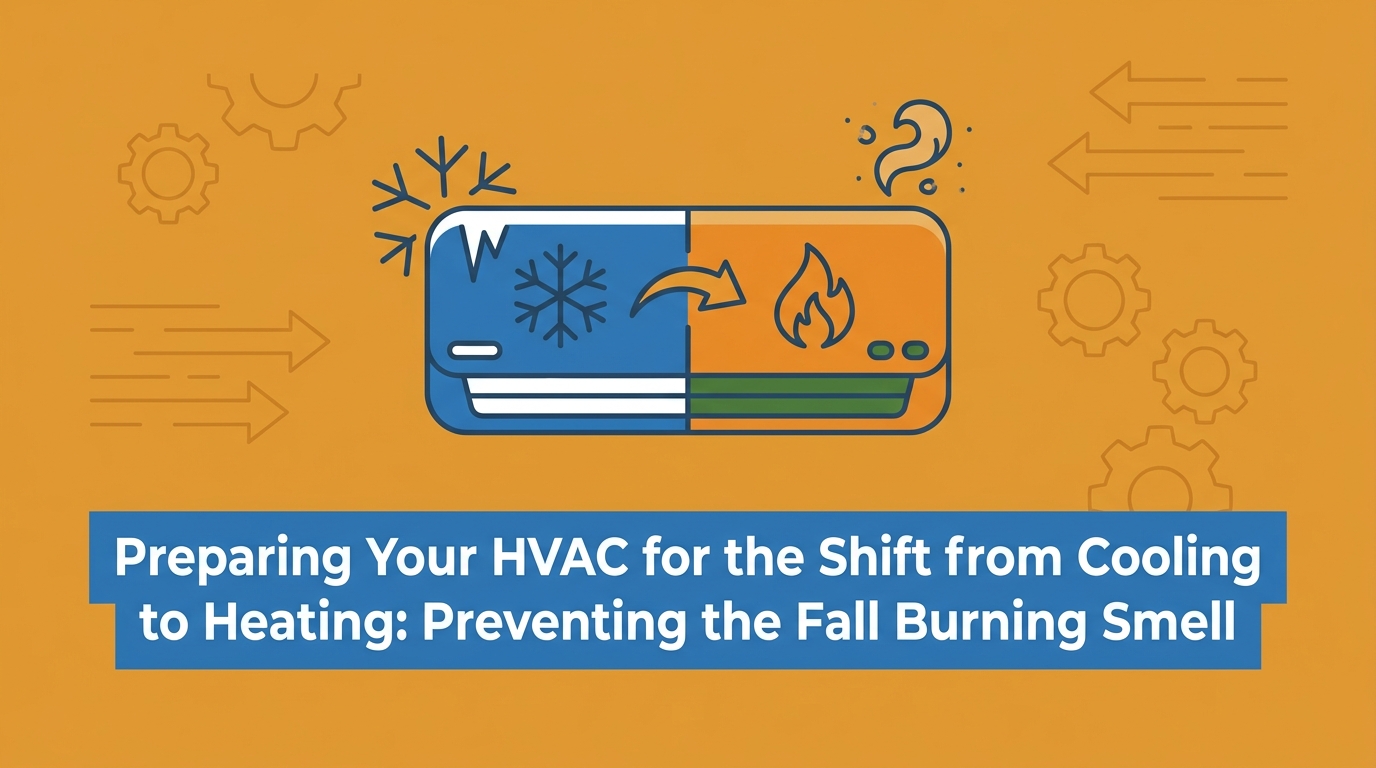
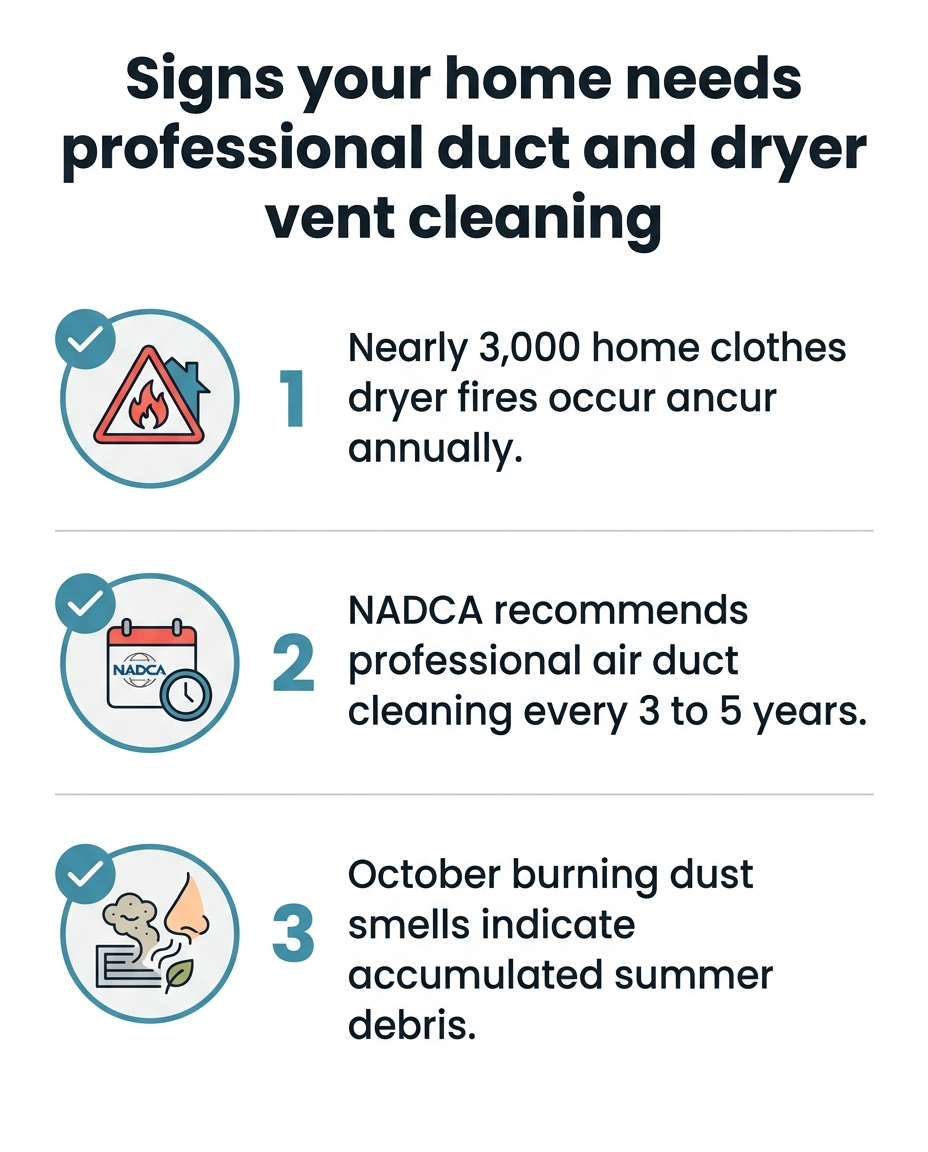
Understanding exactly why your house smells like a dusty campfire starts with the furnace heat exchanger. Throughout the warmer months, while your air conditioner is running or the system sits idle, microscopic particles bypass your standard furnace filter. These particles settle on the internal components of your heating system. When the October heating-startup arrives and the burners ignite, the heat exchanger rapidly climbs in temperature, incinerating the layer of settled dust.
This initial burn-off is a common mechanical process. The short answer is that a brief, faint smell lasting for a single heating cycle is usually just surface dust clearing out. However, our team typically sees that if the odor persists into the second or third day, or if it smells excessively pungent, you are dealing with a much larger accumulation of debris deep within the ductwork.
When Stale Air Becomes a Permanent Problem
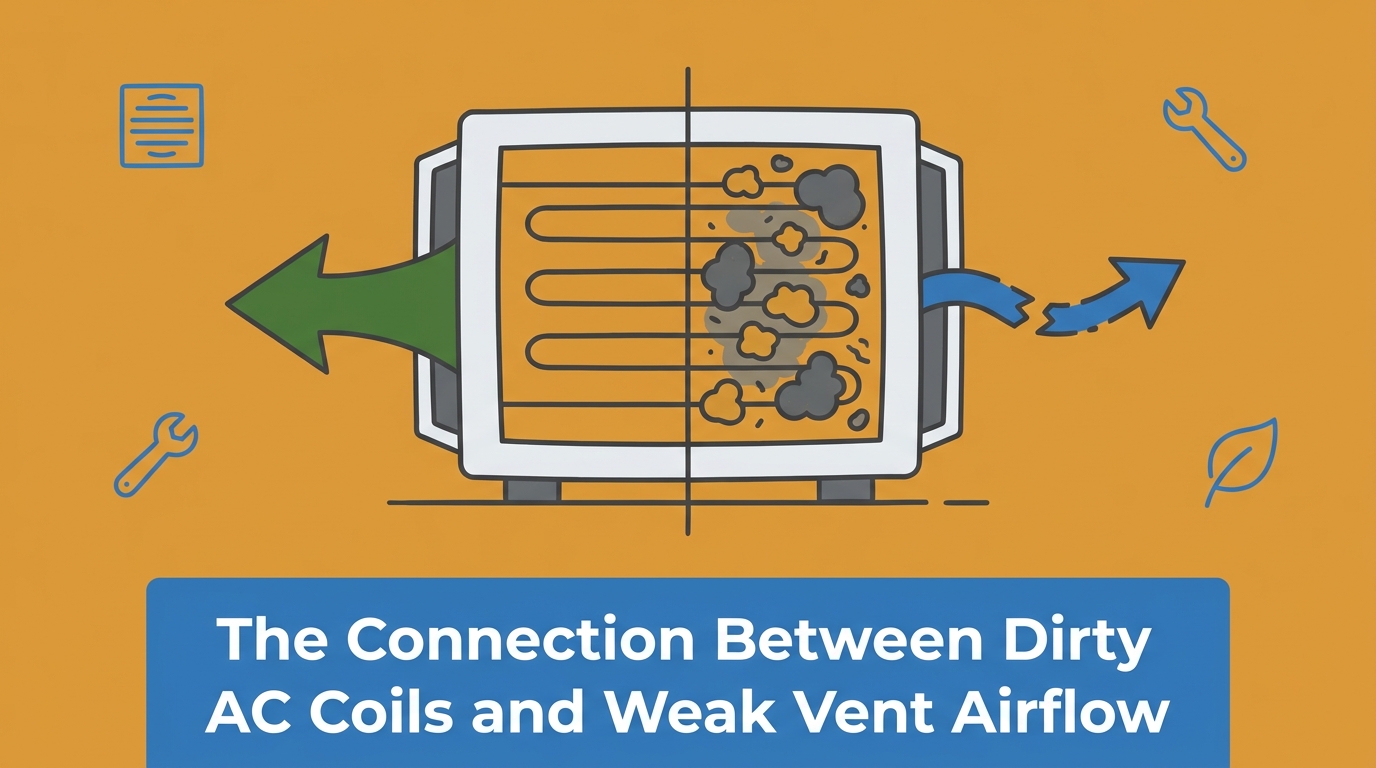
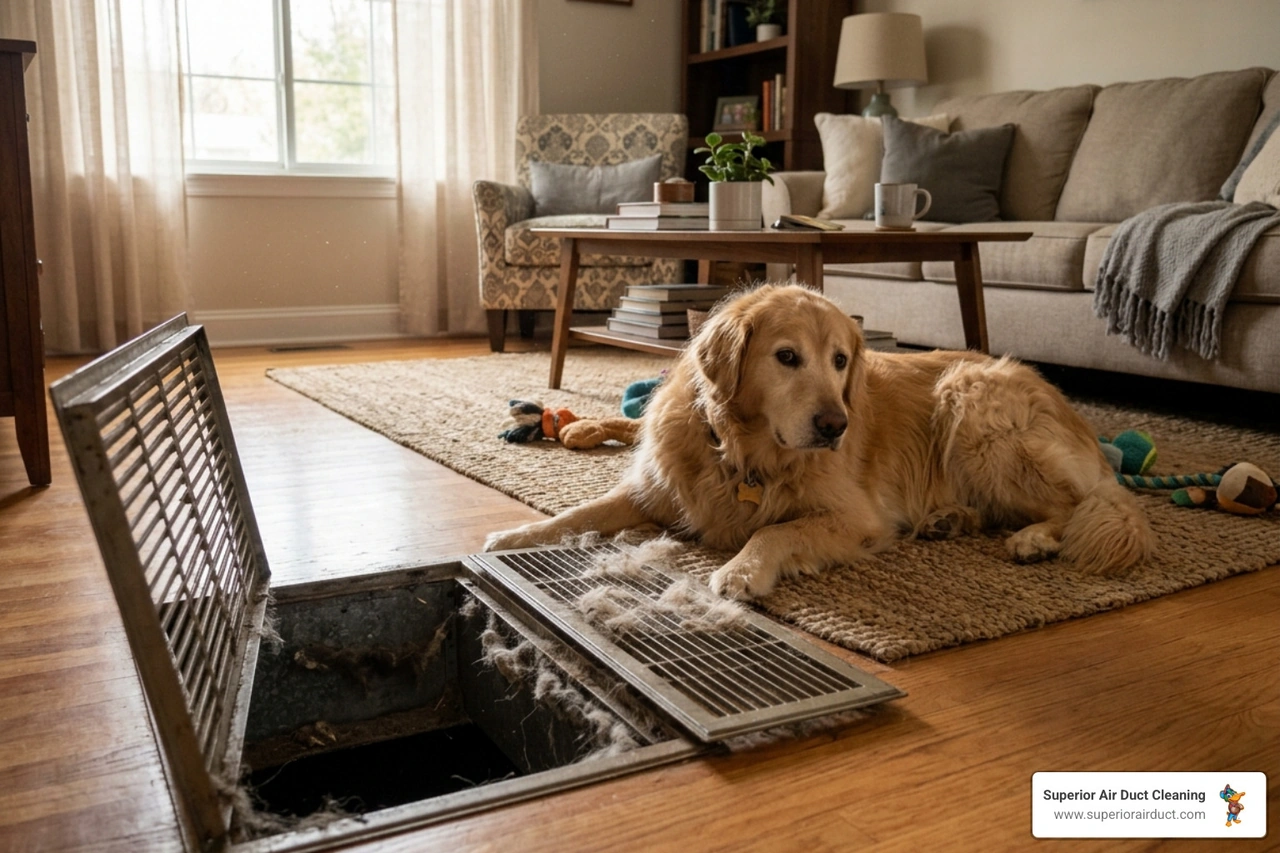
Forced-air systems are highly efficient at heating a home, but they are equally efficient at distributing contaminants. If your ductwork is lined with a thick coat of summer dust, pet hair, and pollen, the forced air will constantly agitate those particles. Once your windows are sealed tightly against the autumn chill, this compromised air has nowhere to escape. It simply recirculates through your living space over and over again.
This constant recirculation forces your HVAC system to work harder to push air through restricted passages. It also means you are breathing in the exact same allergens that settled in your home months ago. If you notice a lingering burning smell or find yourself dusting your furniture more frequently than usual, it usually means the buildup has surpassed what a basic filter can handle. At this stage, relying on dryer vent cleaning services and comprehensive duct care becomes essential to restore proper airflow and eliminate the root cause of the odor.
DIY Filter Changes vs. Professional Duct Cleaning
Understanding the Limits of Your Furnace Filter
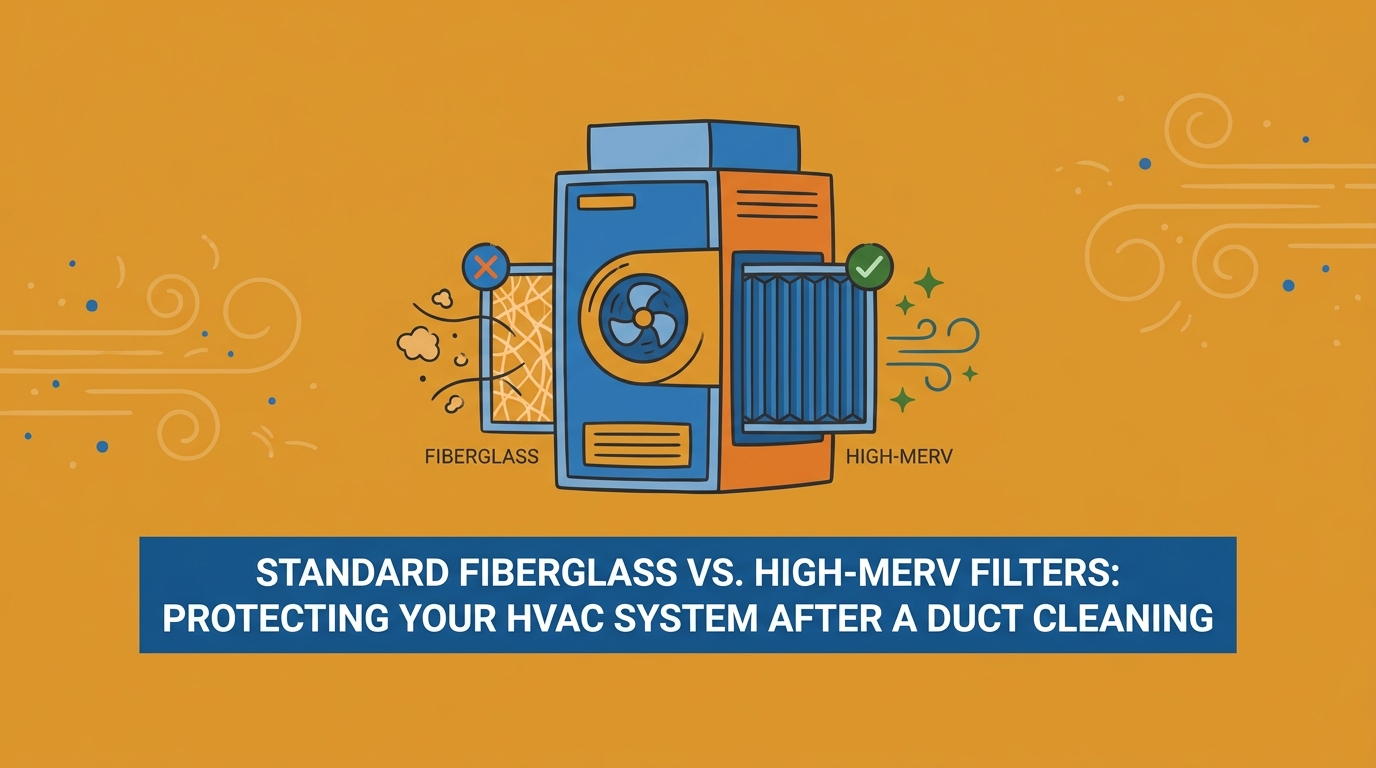
Most homeowners don't realize that standard furnace filters are designed primarily to protect the HVAC equipment itself, not necessarily to purify the air you breathe. Changing your furnace filter is an absolutely vital first step in your seasonal home maintenance routine. A fresh filter prevents large debris from damaging the blower motor and helps maintain basic airflow.
However, a DIY filter change has severe limitations. A filter can only capture airborne particles that successfully travel through the return ducts and reach the furnace cabinet. It does absolutely nothing to remove the heavy, caked-on dust, mold spores, or pet dander that have already settled along the walls of your ductwork. If you live in an area like New Brighton PA, where homes experience distinct seasonal shifts and varying humidity levels, we find that settled debris can become exceptionally dense and stubborn.
Comparing Surface Maintenance to Deep Extraction
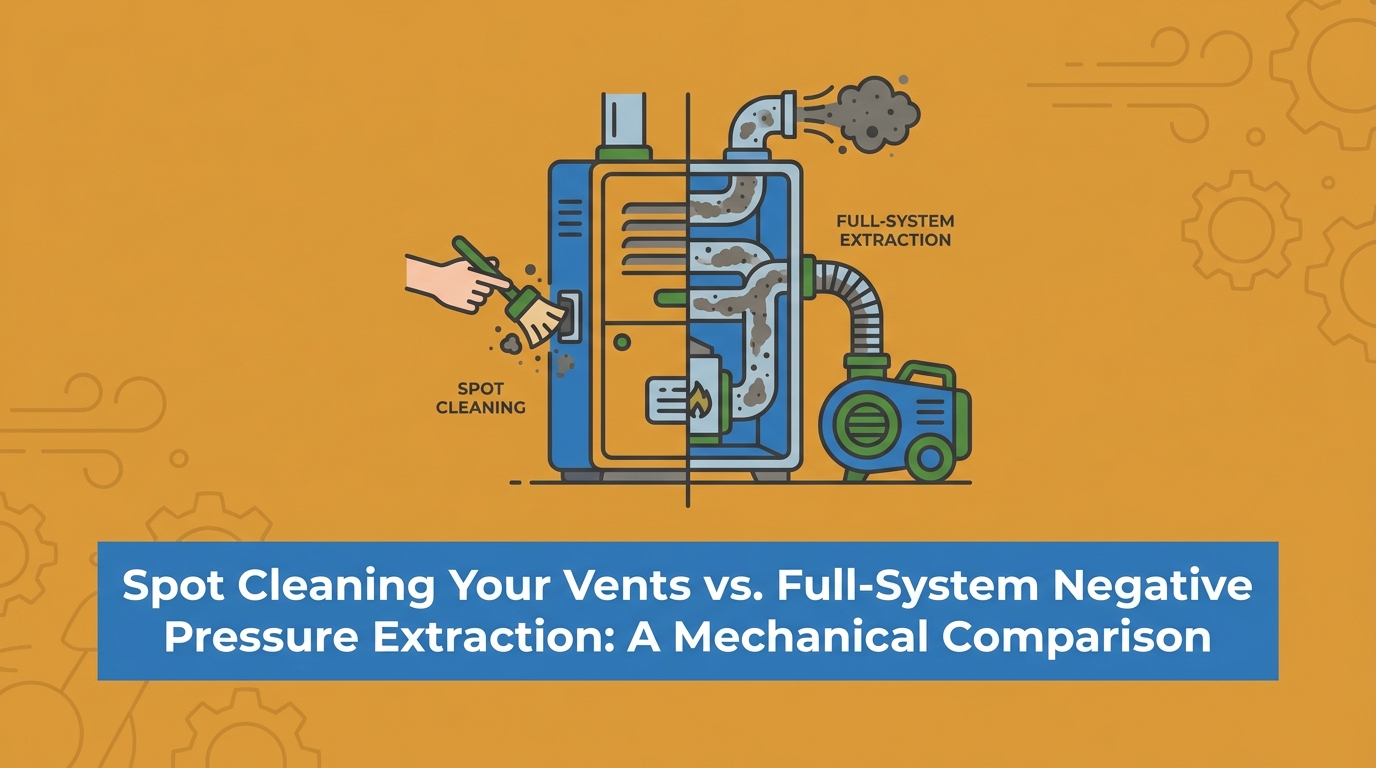
To truly understand the difference between a simple filter swap and a professional intervention, you have to look at the mechanics of the cleaning process. Standard surface cleaning might make the vent covers look nice, but it leaves the unseen hazards entirely intact.
• DIY Filter Change — What It Actually Does: Catches new, airborne particles before they enter the furnace blower. — Primary Benefit: Protects HVAC equipment from catastrophic failure and maintains basic airflow. — Major Limitations: Cannot remove dust already resting inside the ductwork; requires frequent swapping.
• Basic Vacuuming — What It Actually Does: Clears visible dust from the surface of floor and wall registers. — Primary Benefit: Improves the cosmetic appearance of the room and stops large clumps from falling in. — Major Limitations: Suction only reaches a few inches into the duct; leaves 95% of the system untouched.
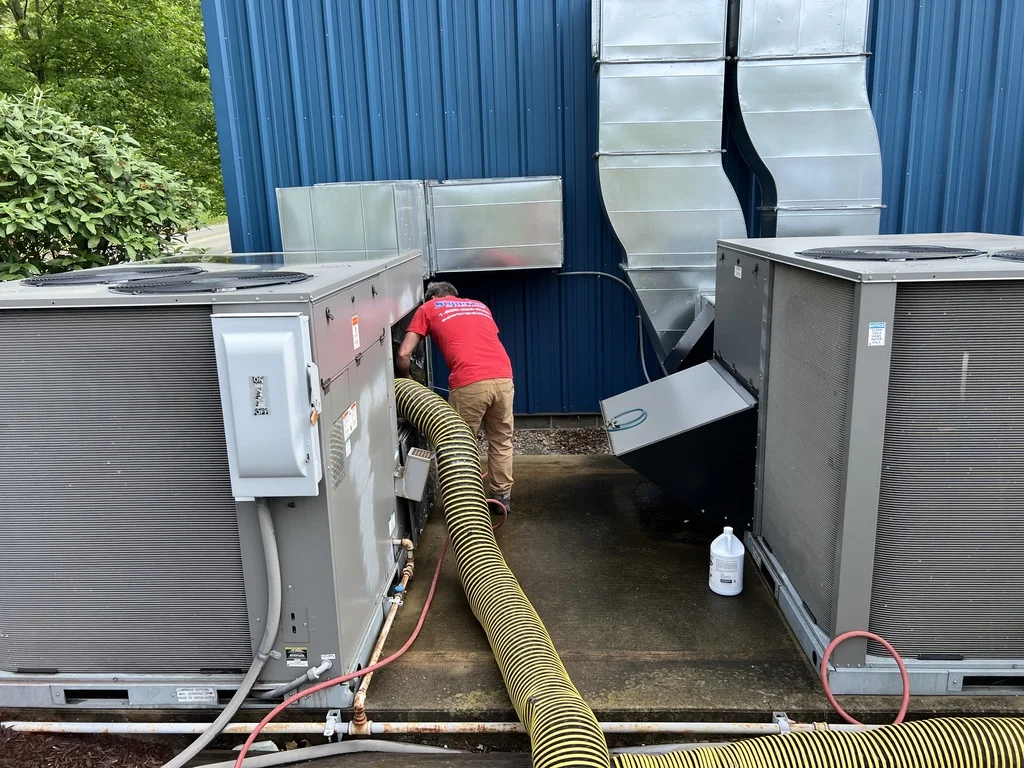
• Professional Duct Cleaning — What It Actually Does: Uses negative pressure and physical agitation to extract debris from the entire system. — Primary Benefit: Removes years of caked-on buildup, eliminates lingering odors, and deeply improves IAQ. — Major Limitations: Requires specialized, high-powered equipment and trained technicians to perform safely.
If your home is suffering from persistent dust or stale odors, a fresh filter is a good start, but it will not solve the underlying problem. Only professional equipment can achieve the comprehensive particulate removal necessary for a truly clean system.
The Hidden Danger of Heavy Winter Laundry
How Cold Weather Changes Your Laundry Habits
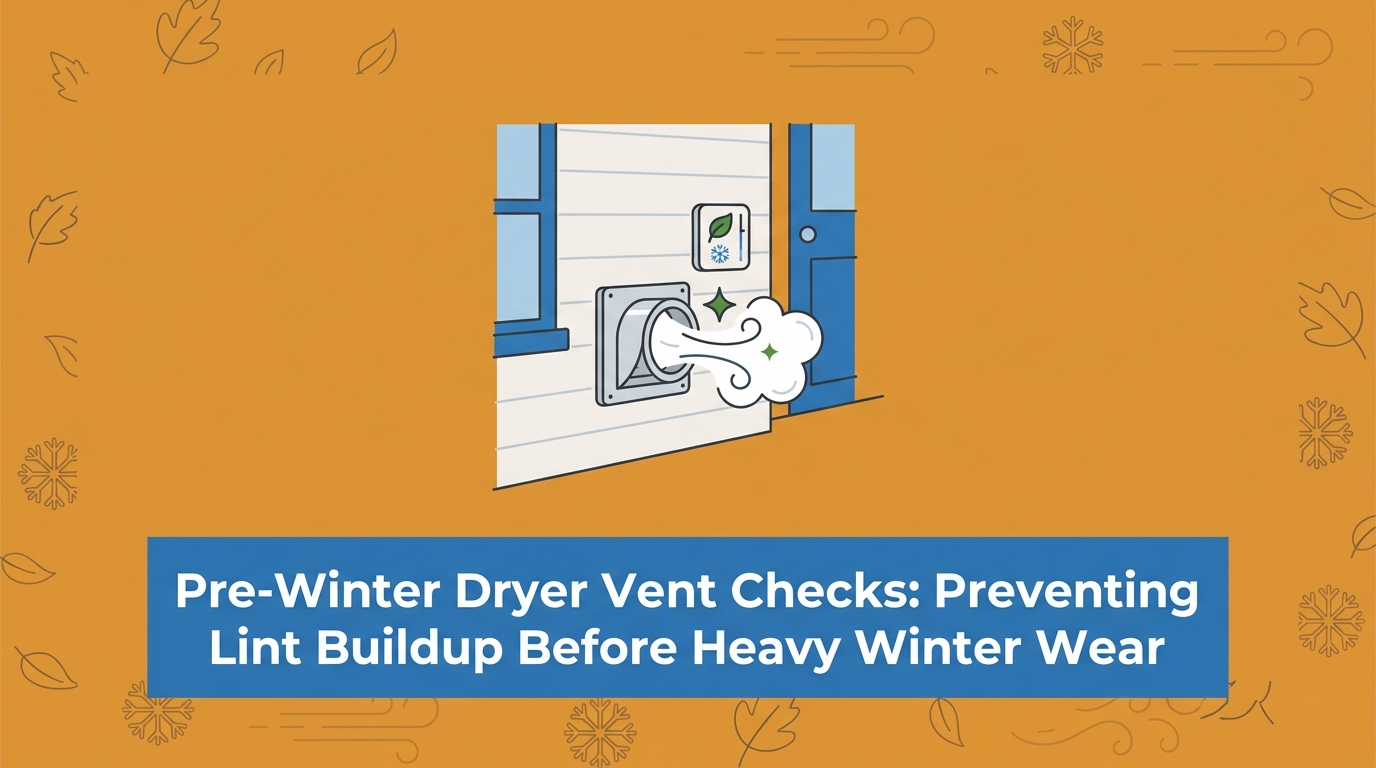
As the weather turns cold, your household's laundry habits shift dramatically. Western Pennsylvania's cold winters require heavier laundry loads—thick wool sweaters, heavy fleece blankets, flannel sheets, and insulated coats become the norm. These heavier fabrics generate a significantly higher volume of lint compared to lightweight summer t-shirts and shorts.
This seasonal wardrobe change puts immense strain on your clothes dryer. While your dryer has an internal lint screen designed to catch debris, it is not perfectly efficient. A substantial amount of microfiber and lint bypasses that internal trap during every single cycle. Because winter fabrics shed so heavily, this excess lint accumulates rapidly inside the flexible transition hose and the rigid metal exhaust pipe hidden inside your walls.
The Fire Risk Nobody Talks About
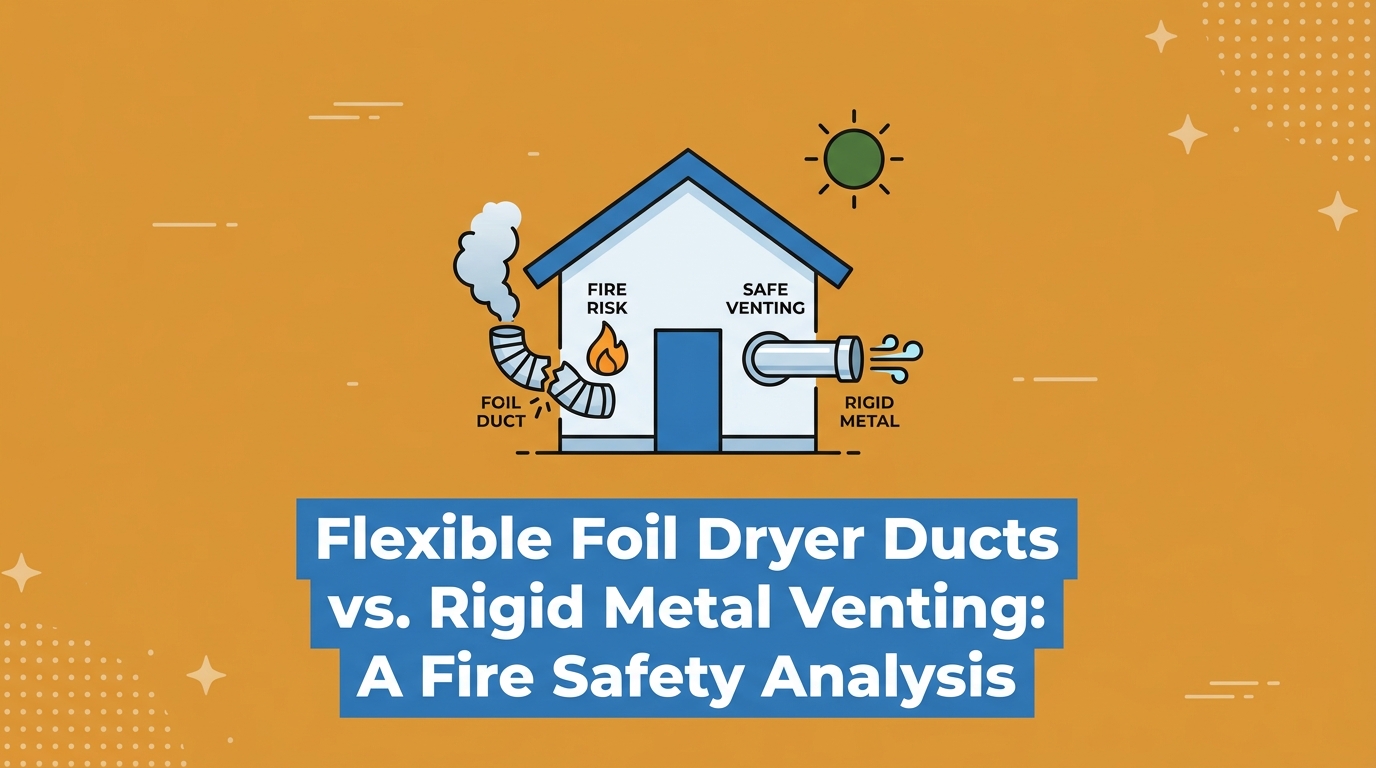
Lint is highly combustible. In fact, it makes an excellent fire starter for camping because it ignites instantly and burns exceptionally hot. When you combine rapid lint buildup from heavy winter laundry with the intense heat generated by a clothes dryer, you create a perfect storm for a household emergency.
The danger is not theoretical. Data from the U.S. Fire Administration shows that nearly 3,000 home clothes dryer fires occur annually across the country. The leading cause of these terrifying and destructive fires is simply the failure to clean the appliance and its venting system. As the lint plug grows, it restricts the exhaust airflow. The dryer has to work harder and hotter to push moist air outside, which eventually causes the trapped lint to ignite. Preparing for the October heating-startup must include evaluating your dryer vent to ensure this hidden hazard is safely removed before peak winter usage.
Recognizing the Warning Signs of a Clogged Vent
What to Look for in Your Laundry Room
Catching a dangerous dryer vent clog early can save you from a major appliance failure or a devastating fire. Fortunately, your dryer will usually give you several clear warning signs before a complete blockage occurs. Homeowners in New Brighton PA and the surrounding areas should monitor their laundry routines closely as the seasons change.
If you notice any of the following symptoms, that usually means your exhaust system is severely restricted and requires immediate professional attention:
• Extended drying times: This is the most common and obvious red flag. If a standard load of towels or jeans takes more than one full cycle to dry completely, the moist air is not escaping the vent.
• Excessive heat and humidity: A laundry room that becomes uncomfortably hot, humid, or feels like a sauna while the dryer is running indicates that exhaust air is leaking back into the house instead of venting outdoors.
• Burning smells during operation: If you detect a faint, hot, or burning odor coming from the appliance itself, lint is likely trapped far too close to the heating element. Shut the dryer off immediately.
• Hot appliance exterior: The top and sides of your clothes dryer should not be painfully hot to the touch. If the metal chassis is radiating intense heat, the airflow is choked off.
• Visible lint at the exterior hood: Walk outside and inspect the flapper valve where the air exits your home. If you see heavy lint accumulation, cobwebs, or debris blocking the louvers, the entire line is likely compromised.
Ignoring these symptoms will inevitably lead to a burned-out heating element, a broken thermal fuse, or worse. Being proactive and knowing the warning signs your dryer vent is clogged is one of the most important steps in protecting your home and family.
Why Standard Brush Kits Fail (The Professional Difference)
The Problem with DIY Vent Cleaning Kits
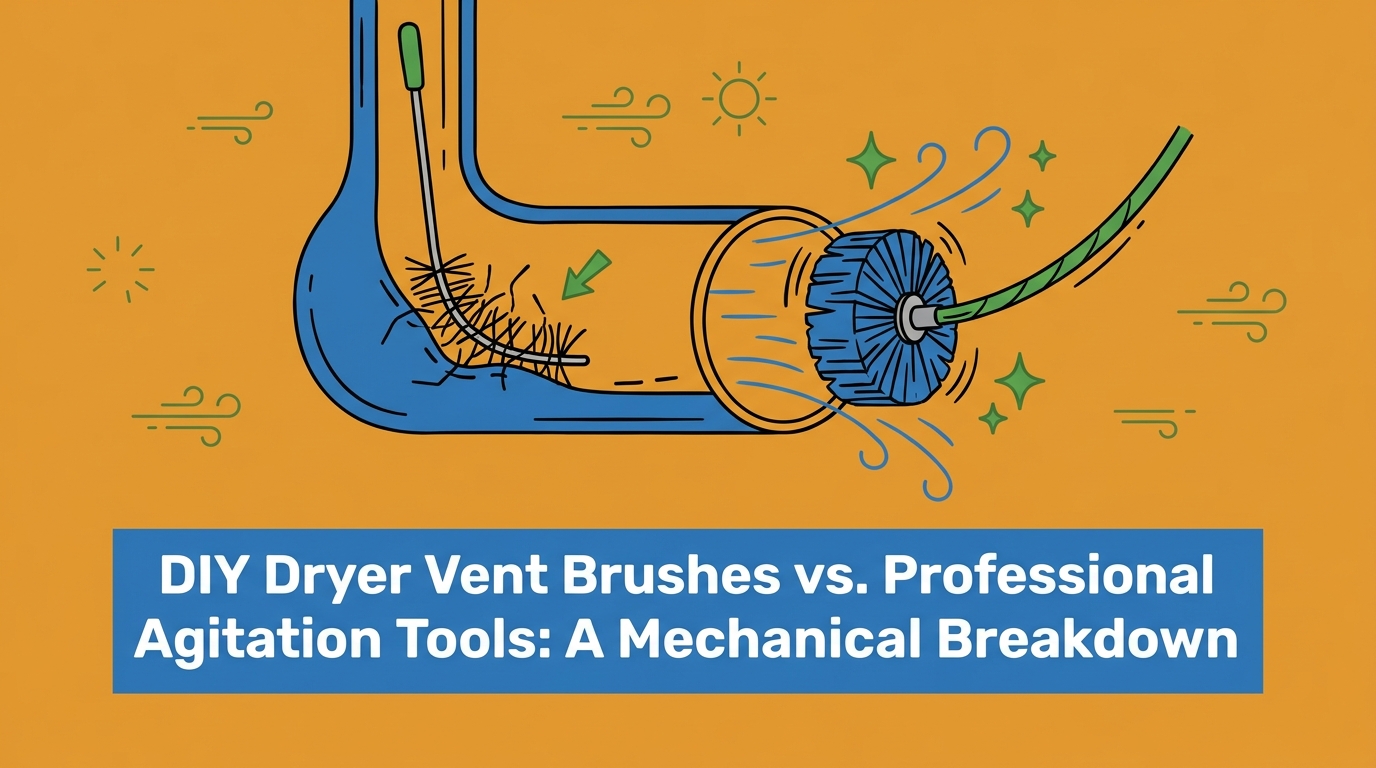
When faced with a clogged vent, many homeowners are tempted to visit a local hardware store and purchase a DIY brush kit. These kits typically consist of a bristled brush head and several flexible plastic rods that you attach to a standard power drill. While they might seem like a cost-effective quick fix, they often create much larger problems than they solve.
A pattern we see often on our service calls is the disastrous aftermath of these kits. The primary issue with DIY brush kits is that they lack extraction power. As you push the brush into a long, twisting vent line, you are often just compacting the lint further into a dense, impenetrable plug. Furthermore, the plastic rods are notoriously flimsy. Our technicians routinely have to fish out broken plastic rods that snapped at the joints when navigating a 90-degree elbow inside a wall. When that happens, you are left with a broken plastic rod and a brush head permanently lodged inside your exhaust pipe, which restricts airflow completely and guarantees an expensive repair.
The Professional Suction Difference
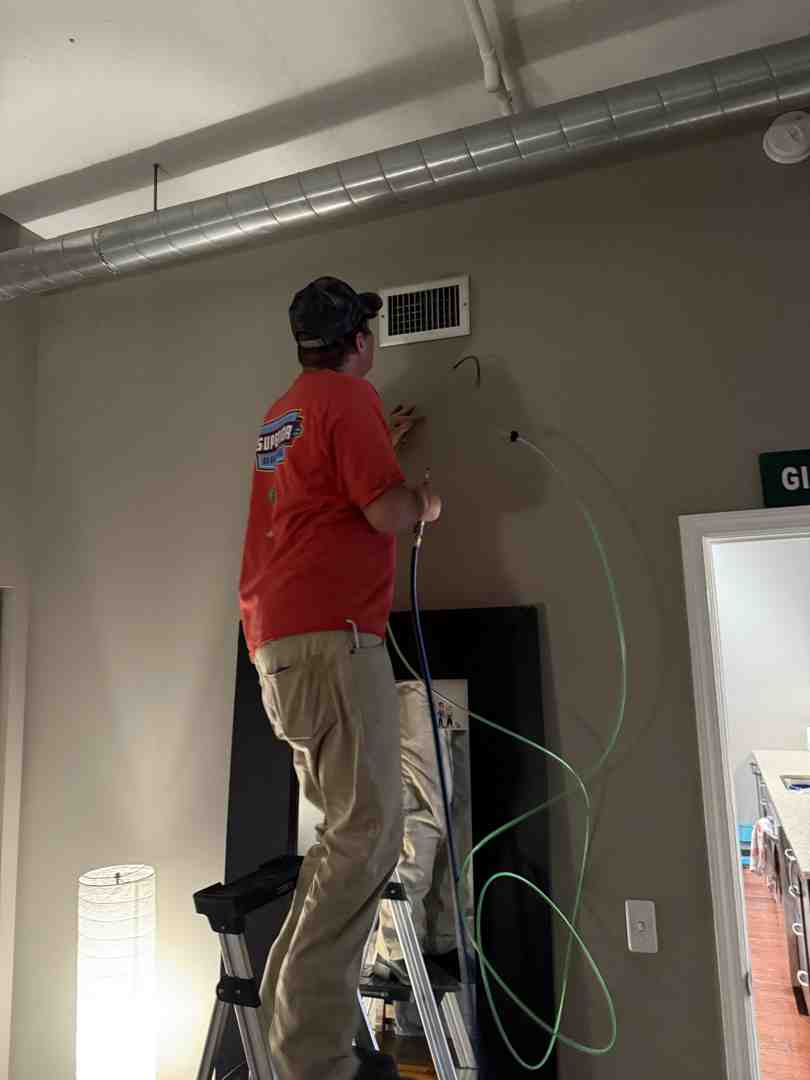
Professional intervention is the only way to guarantee a safe, fully cleared vent line. Working with NADCA-certified technicians means your system is being serviced with professional-grade, high-powered suction equipment that completely extracts the lint rather than just pushing it around. This specialized equipment pulls massive volumes of air, ensuring that even the most stubborn, heavy clogs in New Brighton PA homes are safely removed.
The difference in results is striking. For example, a local homeowner recently reached out over the summer needing both their air ducts and dryer vent cleaned thoroughly. Because the technicians utilized professional-grade extraction tools rather than standard retail brushes, they arrived on time and completed a phenomenal job. The deep cleaning restored perfect airflow to the dryer and left the home completely free of mess, providing a level of peace of mind that a flimsy plastic brush simply cannot deliver.
Complete Indoor Air Quality for the Winter Months
Sealing the House for Winter
Modern homes are built with energy efficiency in mind. They feature tight weatherstripping, heavy insulation, and double-pane windows designed to keep expensive heat indoors. However, when the sharp mid-fall temperature drop forces early window closures, that tight thermal envelope becomes a double-edged sword. It traps heat beautifully, but it also traps every airborne contaminant inside your living space.
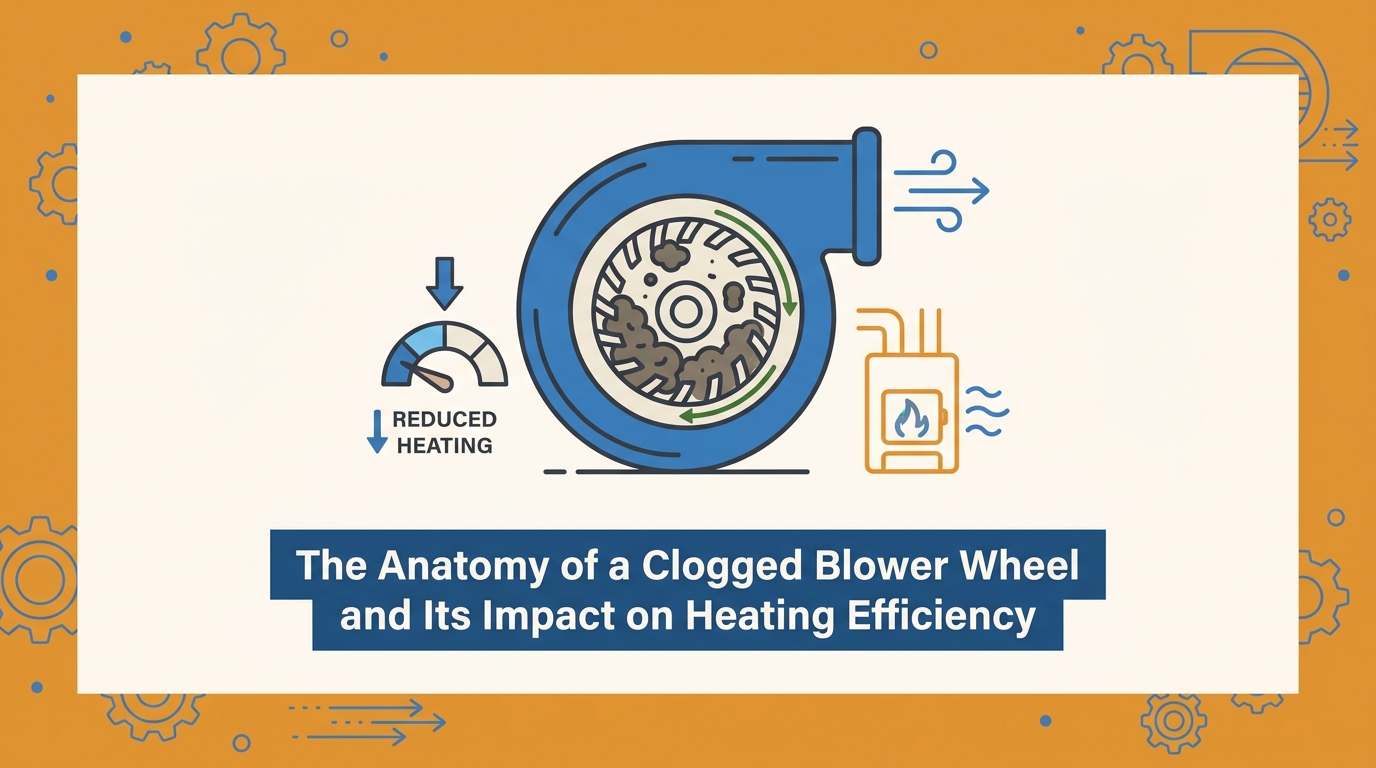
If your ductwork is holding onto a season's worth of dust, pet hair, and microbial growth, your sealed home will suffer from poor indoor air quality all winter long. Clean ducts and vents are the foundation of a healthy winter home. When your ductwork is clear, your HVAC system doesn't have to strain against restricted airflow. This improves overall heating efficiency, lowers your monthly utility costs, and significantly reduces wear and tear on expensive blower motors and heat exchangers.
Taking Air Quality a Step Further
While a deep physical cleaning of your ductwork removes the heavy particulate matter, many homeowners choose to elevate their indoor air quality even further as they prepare for the October heating-startup. Once the physical debris is extracted, the next logical step is addressing lingering biological contaminants.
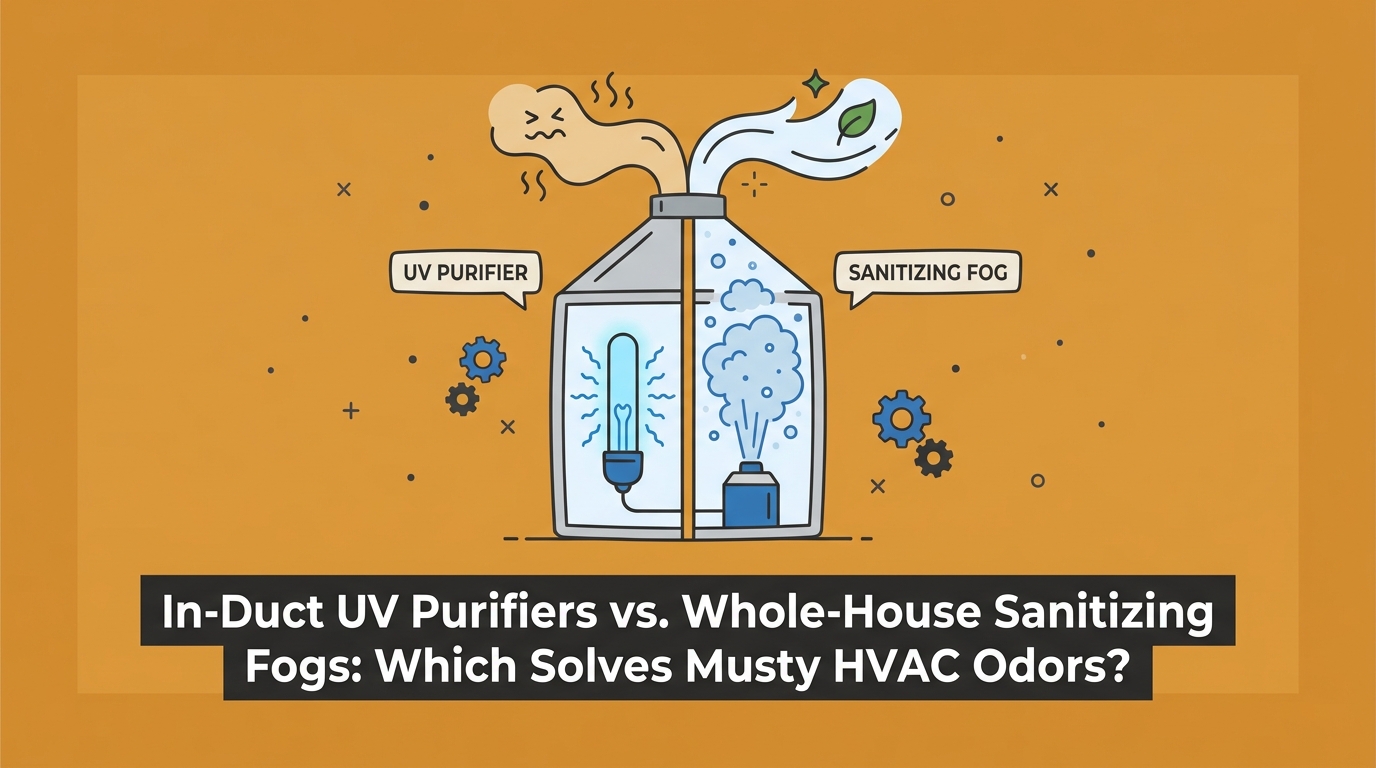
This is where whole house sanitizing becomes highly beneficial. A sanitizing treatment travels through the freshly cleaned ductwork, neutralizing mold spores, bacteria, and persistent odors that physical brushing alone might leave behind. By combining a thorough physical extraction with a comprehensive sanitizing treatment, we ensure that the air circulating through your tightly sealed home is the cleanest and healthiest it can possibly be during peak heating season.
Routine Maintenance Timelines for Western PA Homes
Establishing a Predictable Schedule
Based on the thousands of vent lines our team has cleared across Western PA, we can confidently say that establishing a predictable maintenance schedule is the best way to prevent emergency appliance breakdowns and sudden indoor air quality issues during the coldest months. Waiting until your furnace smells like smoke or your dryer stops drying clothes completely puts your home at unnecessary risk.
To keep your home running smoothly, follow these industry-standard guidelines that we recommend to all our customers:
1. Evaluate your air ducts every 3 to 5 years: The National Air Duct Cleaners Association (NADCA) recommends professional air duct cleaning every three to five years for a standard home. However, if you have multiple pets, have recently completed a home renovation project, or suffer from severe allergies, you should consider having them inspected more frequently.
2. Service your dryer vent every 12 to 18 months: Because dryer vents handle a massive volume of highly combustible lint, they require much more frequent attention. A professional cleaning every 12 to 18 months is the standard recommendation. If you have a large family doing multiple loads of heavy laundry daily, an annual cleaning is highly advised.
3. Book your appointments proactively: Schedule your maintenance during the spring or summer months before the rush of the fall heating season begins. Sticking to a routine pays off immensely. A local customer who prioritizes routine maintenance every 18 months noted that their technician always arrives promptly, cleans the vent honestly and thoroughly, and successfully completes the work while leaving absolutely no mess behind.
By adhering to these timelines, you protect your appliances from premature failure and ensure your family breathes easier. If you are unsure when your systems were last serviced, reaching out to experts who handle service areas in Western PA can help you establish a baseline for your specific property.
Ensure a Safe and Efficient Home This Winter
Addressing dusty vents, stale odors, and restricted airflow early in the season is the most effective way to prevent much larger, more stressful issues from developing in the dead of winter. Whether you are dealing with the sharp, burning smell of an October furnace startup or the slow, frustrating performance of a clogged clothes dryer, proactive care is always the best solution.
Professional maintenance does more than just improve your indoor air quality; it actively extends the lifespan of your expensive appliances and protects your home from serious fire hazards. Don't wait for a breakdown to force your hand. Reach out to a local New Brighton PA expert today to evaluate your ductwork and venting systems, ensuring your home remains safe, warm, and highly efficient all winter long.
Frequently Asked Questions
Why does my house smell like burning dust when I turn on the heat?
Your house smells like burning dust because particles settle on the furnace heat exchanger during the summer months. When you turn the heat on for the first time, those settled particles incinerate as the metal heats up. While a brief smell is normal, a lingering odor usually means you have excessive dust built up throughout your ductwork that needs to be professionally extracted.
How do I know if my dryer vent is clogged?
The most common sign of a clogged dryer vent is laundry taking more than one full cycle to dry completely. You might also notice that the laundry room becomes excessively hot and humid, or the exterior of the dryer feels dangerously hot to the touch. If you see visible lint gathering around the outside exhaust hood, the vent line is severely restricted.
What is the difference between a furnace filter change and professional duct cleaning?
A furnace filter change only captures new, airborne particles before they enter the blower motor, serving mostly to protect the equipment. Professional duct cleaning uses high-powered negative air pressure and agitation tools to remove years of caked-on dust and debris from the entire length of the ductwork. While filters are great for daily maintenance, they cannot remove heavy buildup that has already settled.
How often should you clean your dryer vent?
Industry experts recommend having your dryer vent professionally cleaned every 12 to 18 months. However, if you have a large household, wash heavy winter bedding frequently, or have a particularly long vent line with multiple turns, you should schedule an annual cleaning to ensure optimal safety and appliance efficiency.
Can a clogged dryer vent ruin my clothes dryer?
Yes, a clogged dryer vent can absolutely ruin your clothes dryer. When exhaust air cannot escape, the machine is forced to work harder and run much hotter than its design allows. Over time, this excessive heat will blow the thermal fuse, burn out the heating element, and significantly shorten the overall lifespan of the appliance.
Is professional air duct cleaning worth it for winter allergies?
Professional air duct cleaning is highly beneficial for winter allergies because it removes the source of the irritants from your home's air cycle. When windows are sealed tightly for the winter, any dust, pet dander, or mold spores trapped in the ducts will continuously recirculate through the living space. Removing that debris directly improves indoor air quality and helps alleviate respiratory irritation.

Customer Reviews


Superior Air Duct cleaning did a phenomenal job in a timely manner with the tech “Rich” being very professional ,personable and considerate of our property! He explained things as he proceeded and answered all our questions!
I LOVE that they provide before & after photos to see the difference. Give them a try… you won’t regret it
Pam T.
Robert was on schedule and communicated what time he would arrive. He was polite, professional, and respectful of our home. I wanted to wait a couple weeks before posting a review because I wanted to see if the duct cleaning actually made a difference. I am happy to say it did! I vacuum multiple times a week and have already noticed a significant reduction in the amount of dust cleaned up each time. As a home with pets, there will always be something to clean, but getting the ducts cleaned has definitely helped improve the air quality and reduce the dust.
alice A.
Technician Rob arrived early explained the days agenda and then proceeded to work methodically and meticulously over the next 6+ hours cleaning my ductwork. Courteous and professional they answered all of my questions and went above and beyond the call of duty. They even located an old dusty box of rat poison buried in our vents. My only regret is not finding these guys sooner. As a realtor of 22 years and owner of a newly purchased (now dust free) home I highly recommended!
Eric K.
Excellent service! I’ve used them to clean out my air ducts as well as my dryer vent duct and they are excellent. I was very pleased with both jobs and will continue to use them in the future. Great communication as well- from the time I scheduled the appointment until they were at my door.
Erika C.
We had such an amazing experience with Superior Air Duct Cleaning. They were so nice and friendly and did an amazing job. I loved seeing the before and after pictures. Besides doing an amazing job cleaning our air ducts they were so quick at responding and setting up the appointment. We will definitely be using them in the future.
Amanda C.