Why Understanding What Equipment Do Professional Duct Cleaners Use Matters for Your Home's Air Quality
What equipment do professional duct cleaners use is one of the most common questions homeowners ask before scheduling a service — and for good reason. The tools a technician brings to your home directly determine whether your ducts get a thorough cleaning or just a surface pass.
Here is a quick overview of the main equipment categories professional duct cleaners rely on:
• Truck-mounted or portable vacuum systems — Purpose: Create negative pressure to pull debris out of the duct system
• Compressed-air agitation tools — Purpose: Mechanically scrub buildup from duct walls
• Air whips and skipper nozzles — Purpose: Pneumatically dislodge loose debris and fine particles
• HEPA filtration systems — Purpose: Capture 99.97% of particles at 0.3 microns to prevent dust escape
• Video inspection cameras — Purpose: Document duct condition before and after cleaning
• Air compressors — Purpose: Power pneumatic agitation tools at high pressure
• Access tools — Purpose: Create and reseal entry points in ductwork
• Sanitizing sprayers and foggers — Purpose: Apply EPA-registered disinfectants after mechanical cleaning
• Digital manometers — Purpose: Verify and monitor negative pressure during the job
Most people assume duct cleaning is as simple as running a vacuum through a vent. In reality, it is a multi-step process that requires an integrated set of specialized tools working together. Without the right equipment, what looks like a cleaning is often little more than disturbing dust and sending it back into your living space.
From homes in New Brighton and Cranberry Township, PA, to businesses in Youngstown and Boardman, OH, the equipment a professional team uses is the single biggest factor separating a genuinely cleaner system from one that just looks clean on the surface. Understanding what each tool does — and why it matters — helps you ask the right questions and know what to expect when a technician arrives at your door.
What equipment do professional duct cleaners use glossary:
• before and after duct cleaning what you will see
• what to expect during a professional duct cleaning
A Complete Breakdown of What Equipment Do Professional Duct Cleaners Use
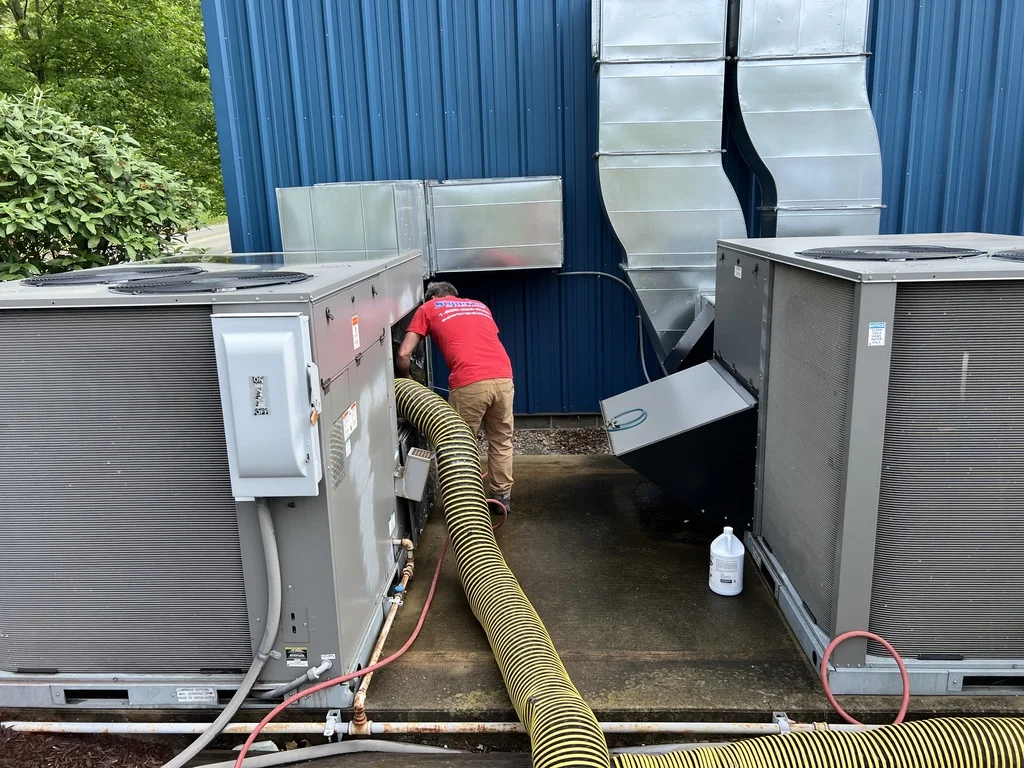
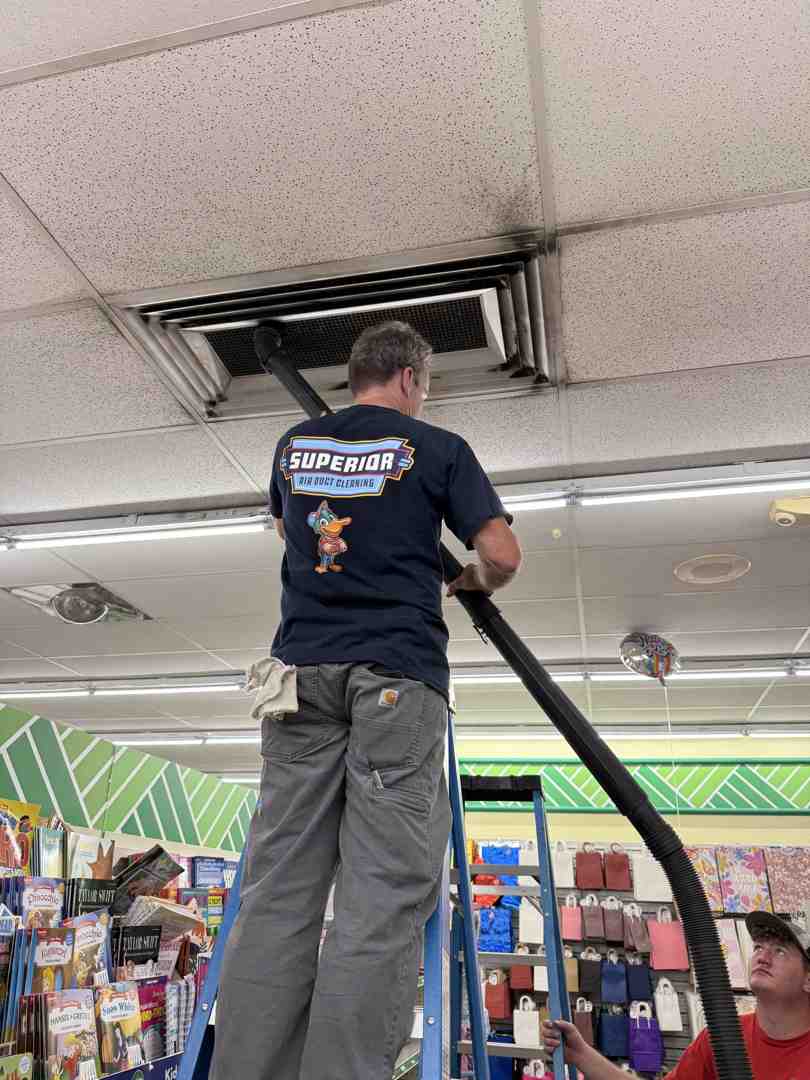
At the absolute center of any legitimate HVAC cleaning job is the vacuum collection system. The primary goal of a professional duct cleaning is to create a powerful vacuum inside your ductwork—a state known as negative pressure. By sealing off your supply and return registers and connecting a high-powered vacuum engine to the main trunk lines, we ensure that all dust, pet dander, drywall debris, and allergens are pulled directly out of your home without escaping into your living rooms.
To achieve this, we rely on two main categories of vacuum systems: truck-mounted systems and high-powered portable negative air machines.
Truck-Mounted Vacuum Systems
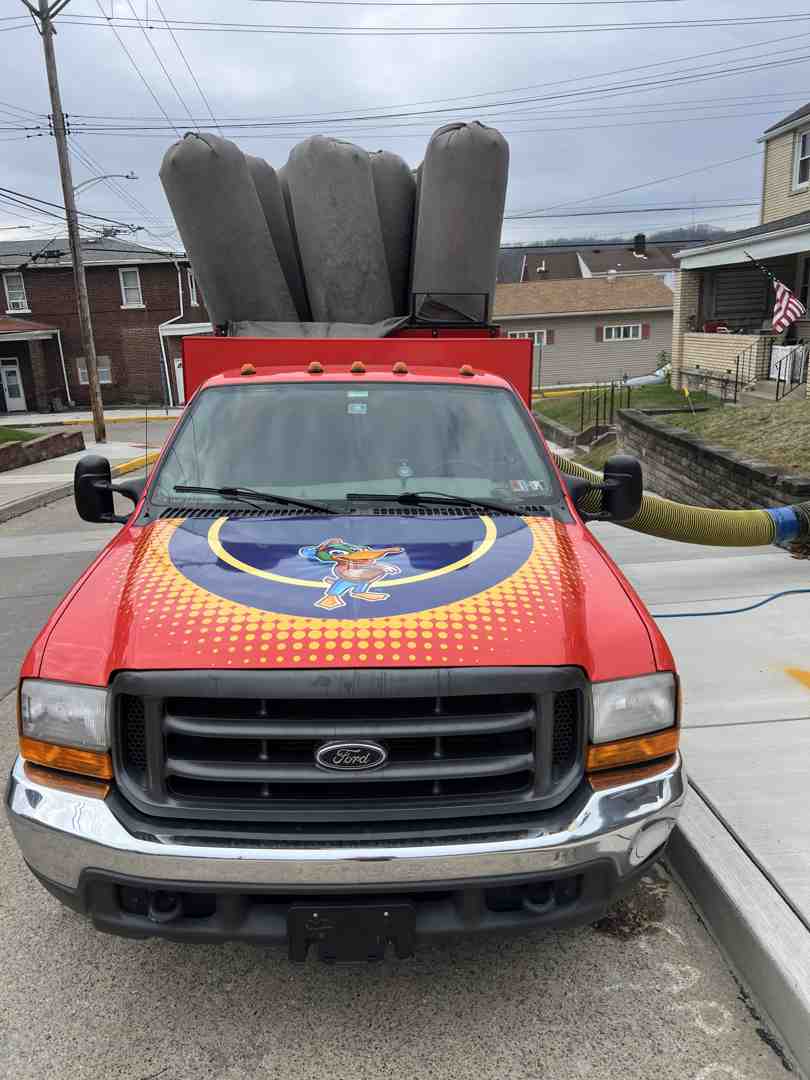
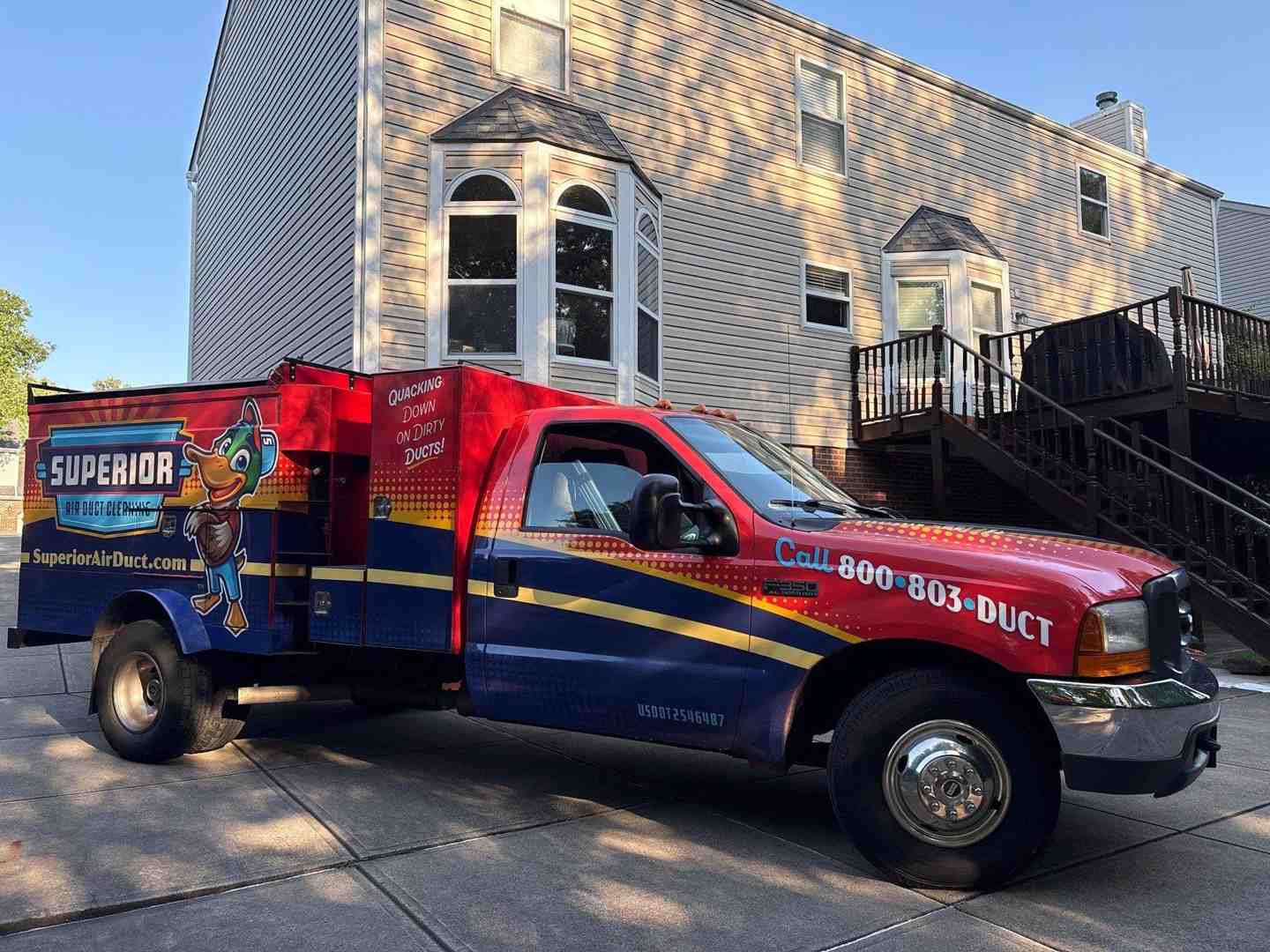
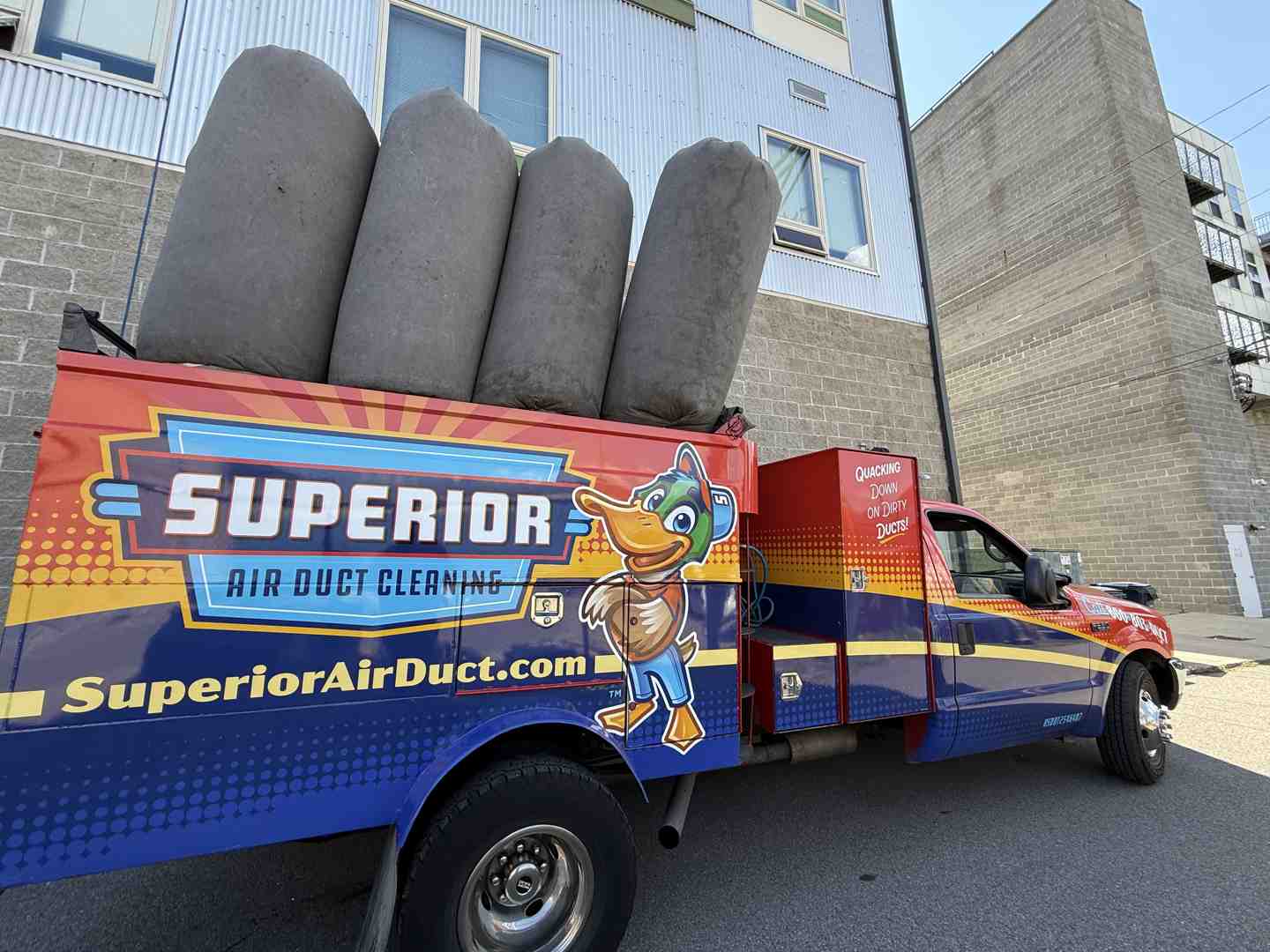
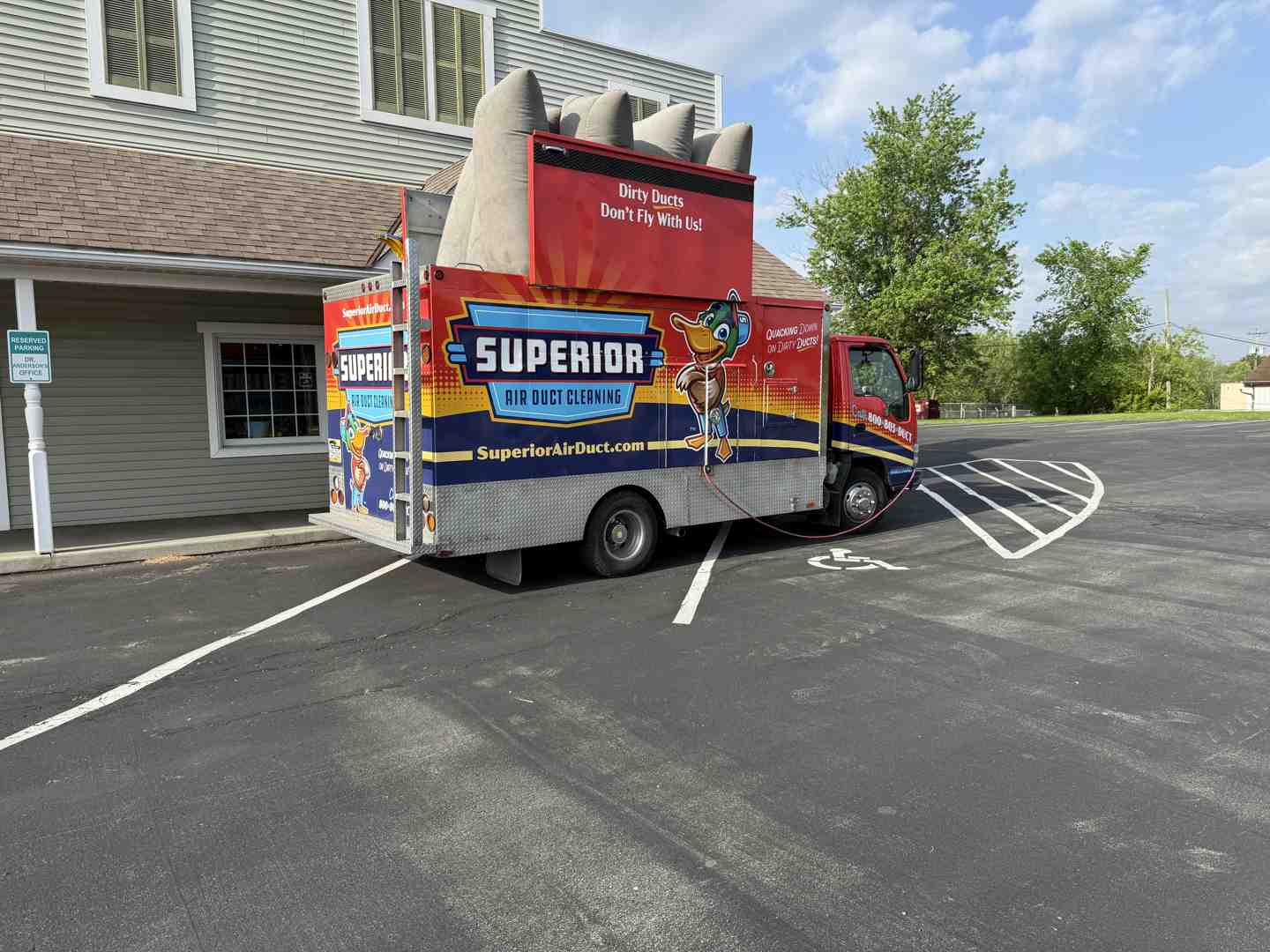
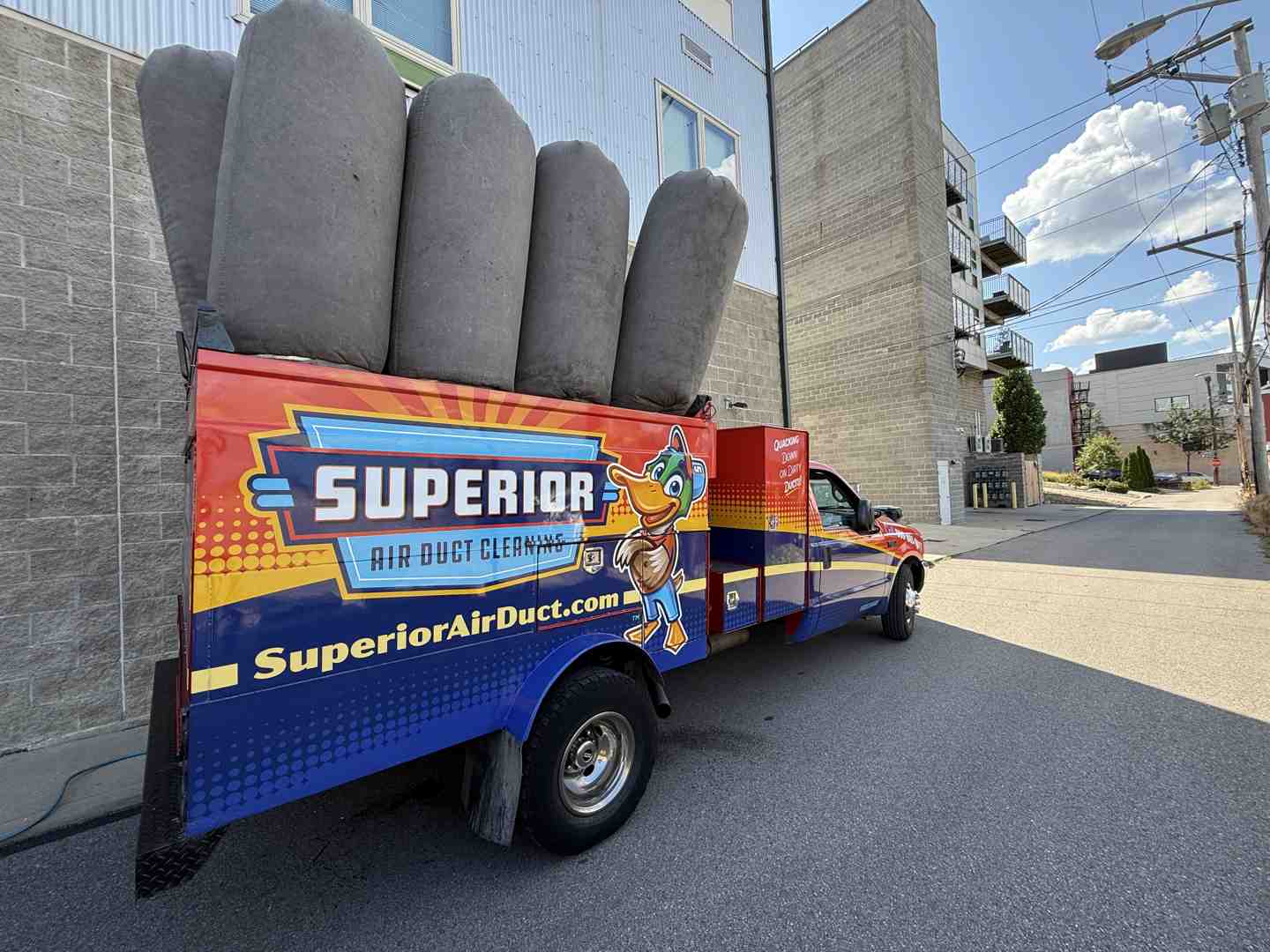
Truck-mounted systems are the heavy-duty workhorses of the industry. These units utilize massive diesel or gasoline engines integrated directly into the service vehicle. A typical high-performance truck-mounted vacuum can pull up to 16,000 cubic feet per minute (CFM) of air. This massive airflow creates an incredibly strong, consistent negative pressure throughout even the largest residential and commercial systems.
Because the vacuum engine sits outside in our truck, the collected dust and debris are pulled through heavy-duty, static-dissipative hoses directly out of your home and into a sealed collection hopper in the vehicle. This is especially advantageous for larger homes in Pittsburgh or commercial buildings in Boardman, OH, where the volume of dust is high.
Portable Negative Air Machines
While truck-mounted units offer unmatched raw power, portable negative air machines are crucial for specific job sites. These are not standard shop vacs; they are highly specialized, commercial-grade units equipped with multi-motor configurations. Portable units are the ideal choice when:
• We are cleaning high-rise apartments or office spaces where hoses cannot reach from the street.
• Extreme weather conditions in Western Pennsylvania make running long external hoses impractical.
• The layout of the property requires us to locate the vacuum source directly adjacent to the furnace or air handler.
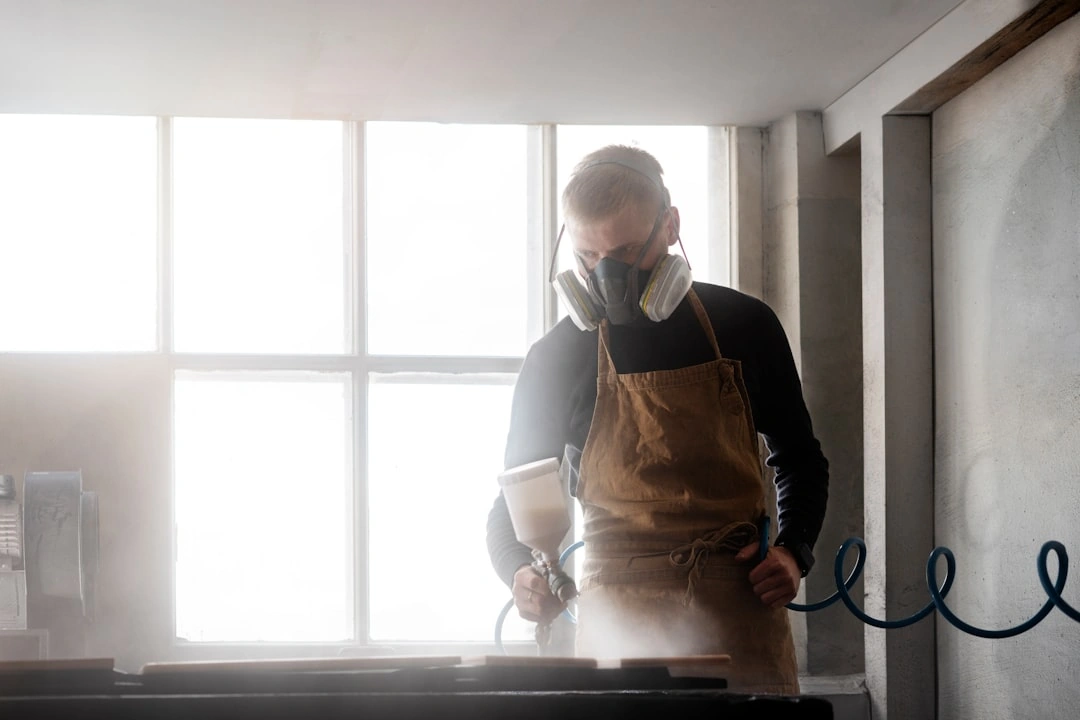
Modern portable machines are designed with multi-stage HEPA filtration stacks. The air passes through a pre-filter, a secondary pleated filter, and finally a certified HEPA filter that captures 99.97% of particles down to 0.3 microns. This ensures that the air discharged back into the building is completely clean.
For a deeper dive into how these two systems compare in real-world scenarios, you can read our detailed Truck-Mounted vs Portable Duct Cleaning Comparison and explore our comprehensive A Guide to Air Duct Cleaning Equipment.
• Average Airflow (CFM) — Truck-Mounted Vacuums: 5,000 to 16,000+ CFM — Portable Negative Air Machines: 1,500 to 5,000 CFM
• Power Source — Truck-Mounted Vacuums: Vehicle engine (gas/diesel) — Portable Negative Air Machines: Standard electrical outlets (dual/triple circuits)
• Best Used For — Truck-Mounted Vacuums: Standard residential & large commercial — Portable Negative Air Machines: High-rises, tight spaces, extreme weather
• Debris Containment — Truck-Mounted Vacuums: External truck hopper — Portable Negative Air Machines: Internal multi-stage HEPA filter bags
• Setup Location — Truck-Mounted Vacuums: Street/driveway — Portable Negative Air Machines: Directly inside the mechanical room
What Equipment Do Professional Duct Cleaners Use for Agitation?
Vacuum power alone is only half the battle. If you have ever tried to vacuum a dusty ceiling fan, you know that suction isn't enough to remove stuck-on grime; you have to physically wipe or compressed-air tool it. The same rule applies to the inside of your air ducts. Dust, mold spores, construction debris, and pet hair cling to the duct walls due to static electricity and moisture.
To break this bond, we use specialized agitation tools.
Rotary Brushes
Superior Air Duct Cleaning does not use rotary brushes. Our crews agitate with high-pressure compressed-air tools and air whips while the truck-mounted vacuum holds the system under negative pressure, so the loosened debris is pulled out of the home rather than pushed around.
Rotary brush systems utilize flexible rods that spin a motorized brush head inside the ductwork. Technicians carefully select the compressed-air tool type based on the duct material:
• Nylon Bristles: Soft, flexible nylon compressed-air tools are used for standard sheet metal ducts and flexible ductwork to scrub away dust without scratching the surfaces.
• Silica Carbide Bristles: These stiffer, more aggressive compressed-air tools are reserved for unlined metal ducts with heavy, compacted debris or soot buildup.
To ensure thorough cleaning, the brush head must be sized slightly larger than the inner diameter of the duct, allowing the bristles to make firm contact with all four walls.
Air Whips
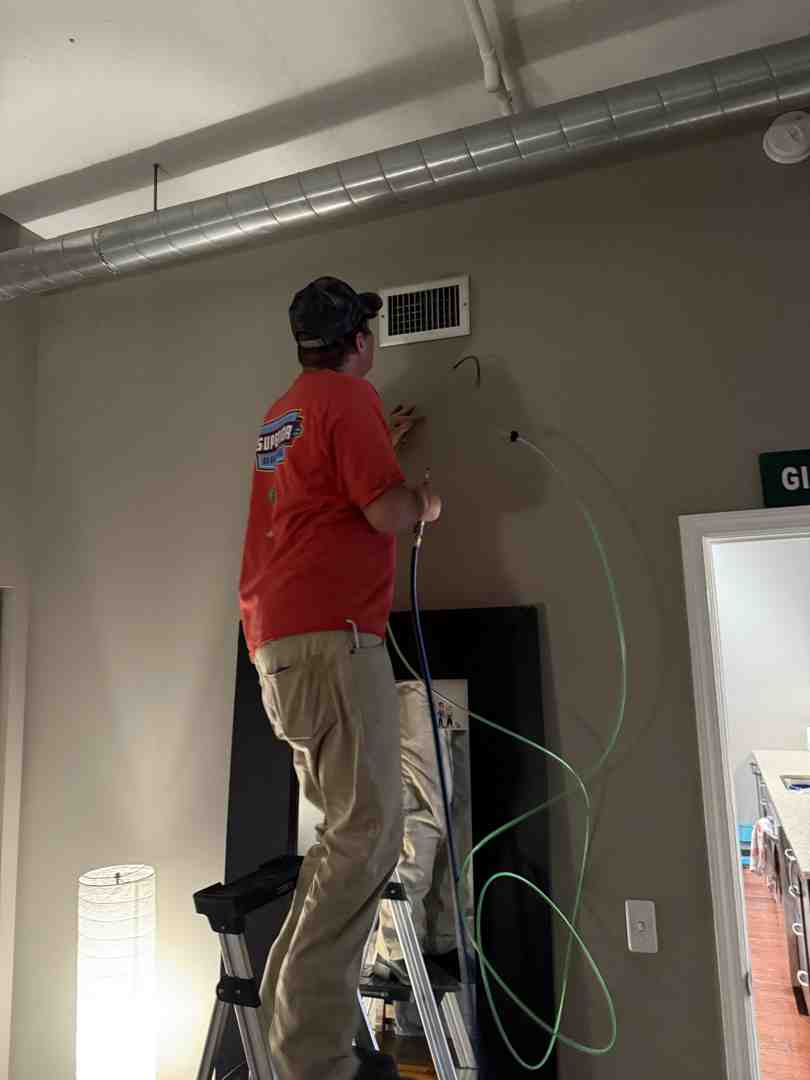
Pneumatic air whips are incredibly effective tools that use compressed air to dislodge debris. An air whip features multiple flexible rubber "tentacles" attached to the end of a long, flexible rod. When compressed air is delivered through the rod, the tentacles whip around at high speed, physically striking the interior walls of the ducts. This whipping action is highly effective at loosening stubborn dirt in corners and tight transitions that a round compressed-air tool might miss.
Skipper Nozzles
Also known as skipper balls or reverse-blast nozzles, these tools use compressed air to propel themselves forward through the ductwork. As they travel, they blast high-pressure air backward at a 45-degree angle. This reverse air blast acts like a pneumatic broom, sweeping all the loosened dirt and debris directly toward the vacuum hose connection point.
Using the right agitation tool is critical, especially when dealing with delicate flexible ducts (flex ducts) commonly found in newer homes in Cranberry Township and Aliquippa, PA. Aggressive or improper compressed-air agitation can tear the inner plastic liner of a flex duct, ruining its efficiency. To learn more about how we safely match our tools to your specific duct type, check out How Our Air Duct Cleaning Machines Work.
What Equipment Do Professional Duct Cleaners Use for Inspection?
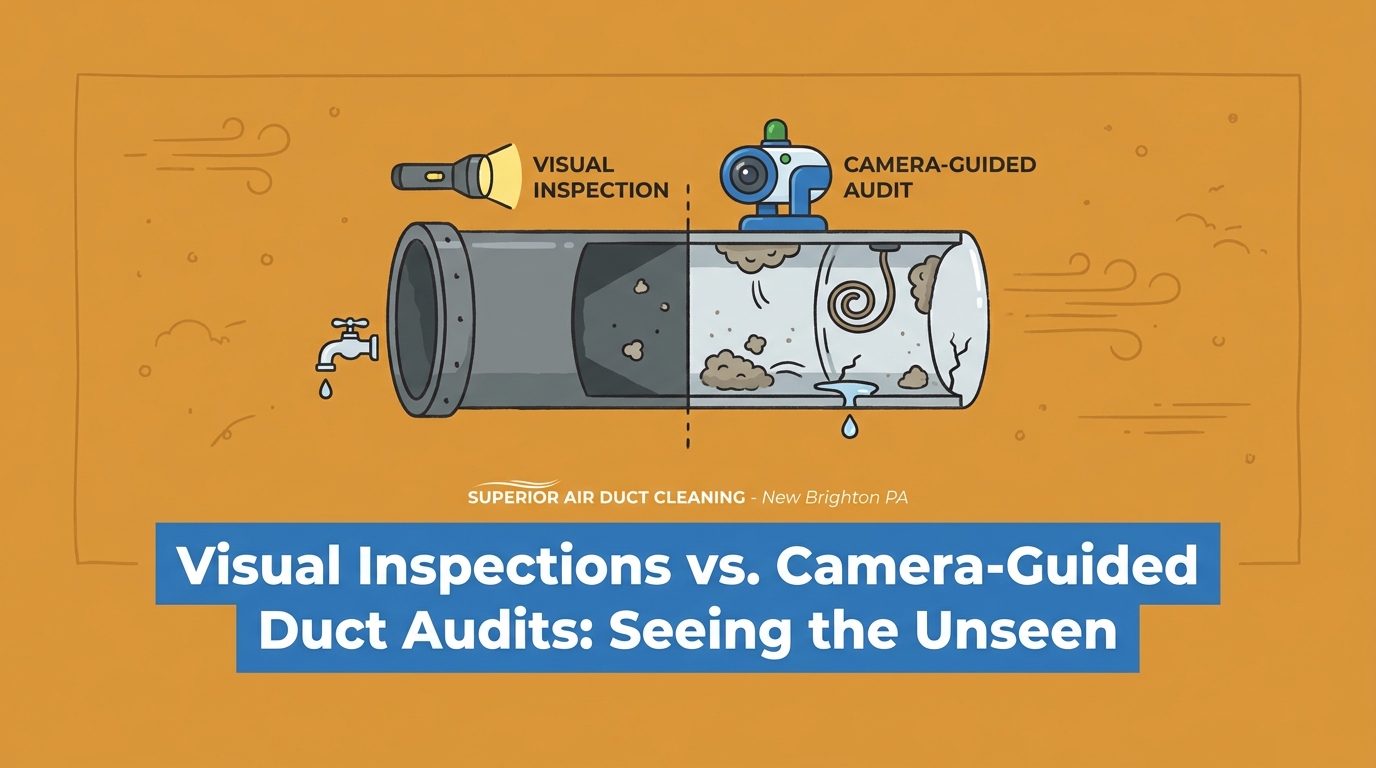
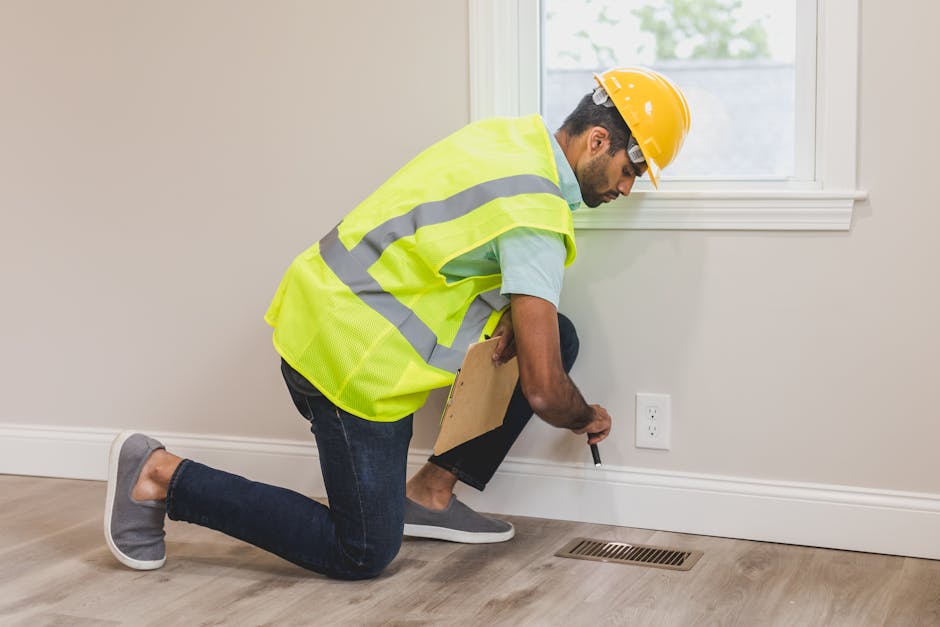
A professional duct cleaning is only as good as the proof behind it. Because your ductwork is hidden behind walls and ceilings, you cannot simply look inside to verify the job was done correctly. That is why high-tech inspection and verification tools are standard components of our setup.
Video Inspection Cameras
We use specialized, high-resolution duct cameras and robotic inspection crawlers to navigate the twists and turns of your ventilation system. These cameras allow us to:
• Perform a thorough pre-cleaning inspection to identify blockages, disconnected joints, mold growth, or pest activity.
• Show you real-time footage of the interior of your ducts before we begin.
• Perform a post-cleaning run to document that every trace of dust and debris has been successfully removed.
Digital Manometers
A manometer is a highly sensitive instrument used to measure air pressure. During a professional duct cleaning, we use a digital manometer to monitor the static pressure inside the sealed duct system. By verifying that we have established a consistent negative pressure (typically between 0.02 and 0.05 inches of water column), we can guarantee that no dust will escape into your home while we agitate the system.
Having these advanced diagnostic tools on-site ensures that we aren't guessing about the cleanliness of your system. For an in-depth look at our diagnostic process, read about the High-Tech Tools We Use for Air Duct Cleaning.
Pneumatic Tools and Air Compressors: The Power Behind the Clean
While the vacuum system provides the suction, a high-capacity air compressor provides the muscle for our agitation tools. Many homeowners are surprised to learn that a professional duct cleaning setup requires a commercial-grade air compressor capable of delivering air at 185 PSI (pounds per square inch).
This high-pressure compressed air is what powers our air whips, air sweeps, and skipper nozzles. Without a robust, reliable compressed air source, agitation tools cannot move fast enough or strike hard enough to break the static bond holding fine dust, drywall powder, and pet dander to the metal walls of your HVAC system.
In addition to driving agitation tools, compressed air is used for "air washing." Technicians use specialized blowguns and air sweeps to manually blow dust out of your vent registers, return grilles, and furnace components, directing the particulate straight into the path of the negative pressure vacuum.
Access Tools: Creating and Resealing Entry Points
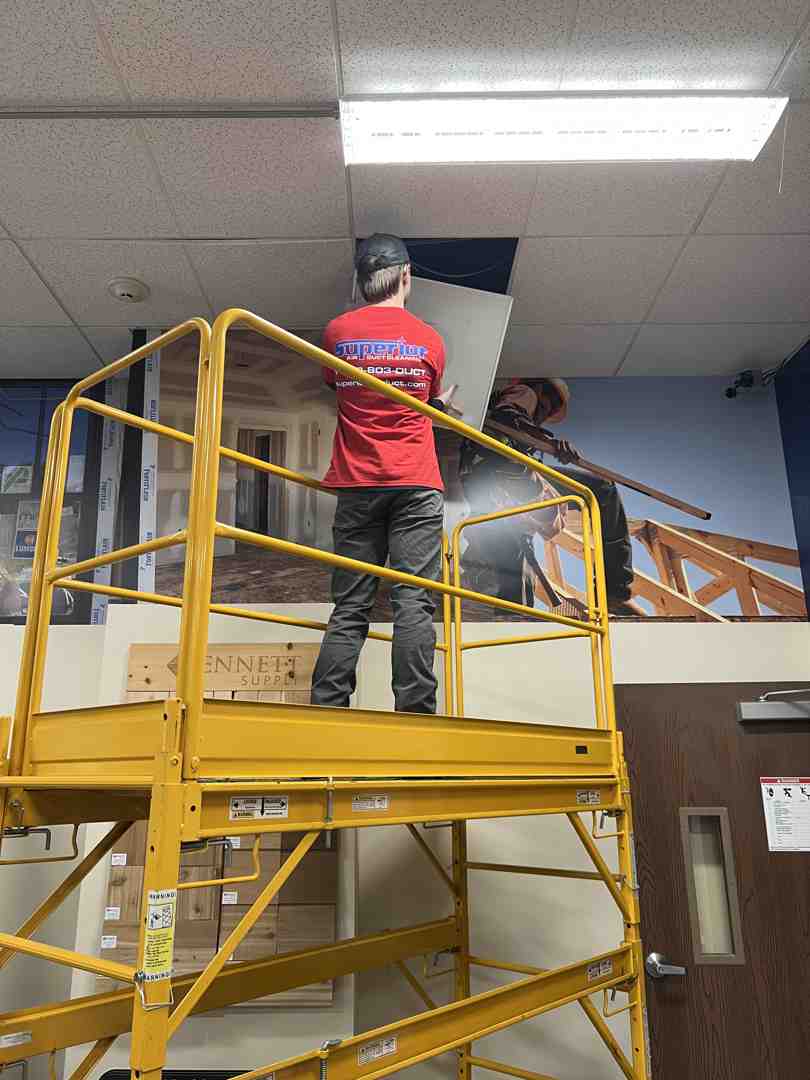
To clean a duct system thoroughly, we must have physical access to the main supply and return plenum trunks, which are usually located in your basement, attic, or utility closet. Since ductwork is sealed during installation, we must use specialized access tools to create temporary entry points. These tools include:
• Sheet Metal Shears and Nibblers: For clean, precise cuts in metal trunks.
• Hole Cutters: To create perfectly round openings for vacuum hose connections.
Once the cleaning is complete, we do not simply patch these holes with duct tape. We install professional, gasketed, code-compliant access panels. These durable metal plates are screwed tightly into place and sealed airtight, ensuring your system remains highly efficient and easily accessible for future routine inspections.
To understand why investing in these heavy-duty pneumatic and access tools is non-negotiable for achieving a true clean, explore our guide on Why Equipment Matters for Duct Cleaning Results.
Specialized Gear: Dryer Vent Cleaning vs. HVAC Ducts in Cranberry Township
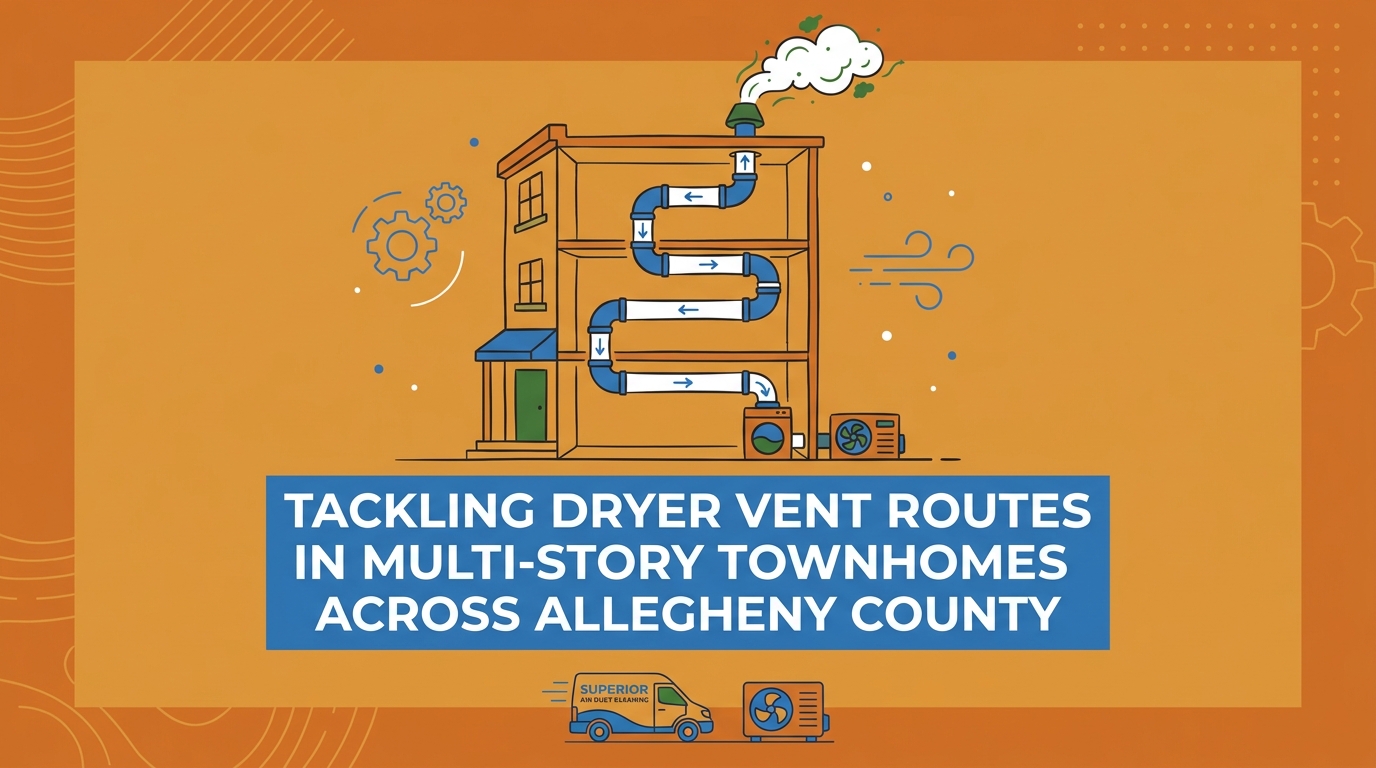
It is common to group dryer vent cleaning and HVAC duct cleaning together, but they require entirely different sets of specialized equipment. While HVAC ducts are large, rectangular or round metal channels designed to distribute air throughout your home, dryer vents are narrow, highly restricted lines designed specifically to carry hot, moisture-laden air and highly flammable lint out of your house.
In communities like Cranberry Township, PA, and Youngstown, OH, keeping these lines clear is one of the most effective ways to prevent home fires and keep your dryer running efficiently.
Dryer Vent Cleaning Machines
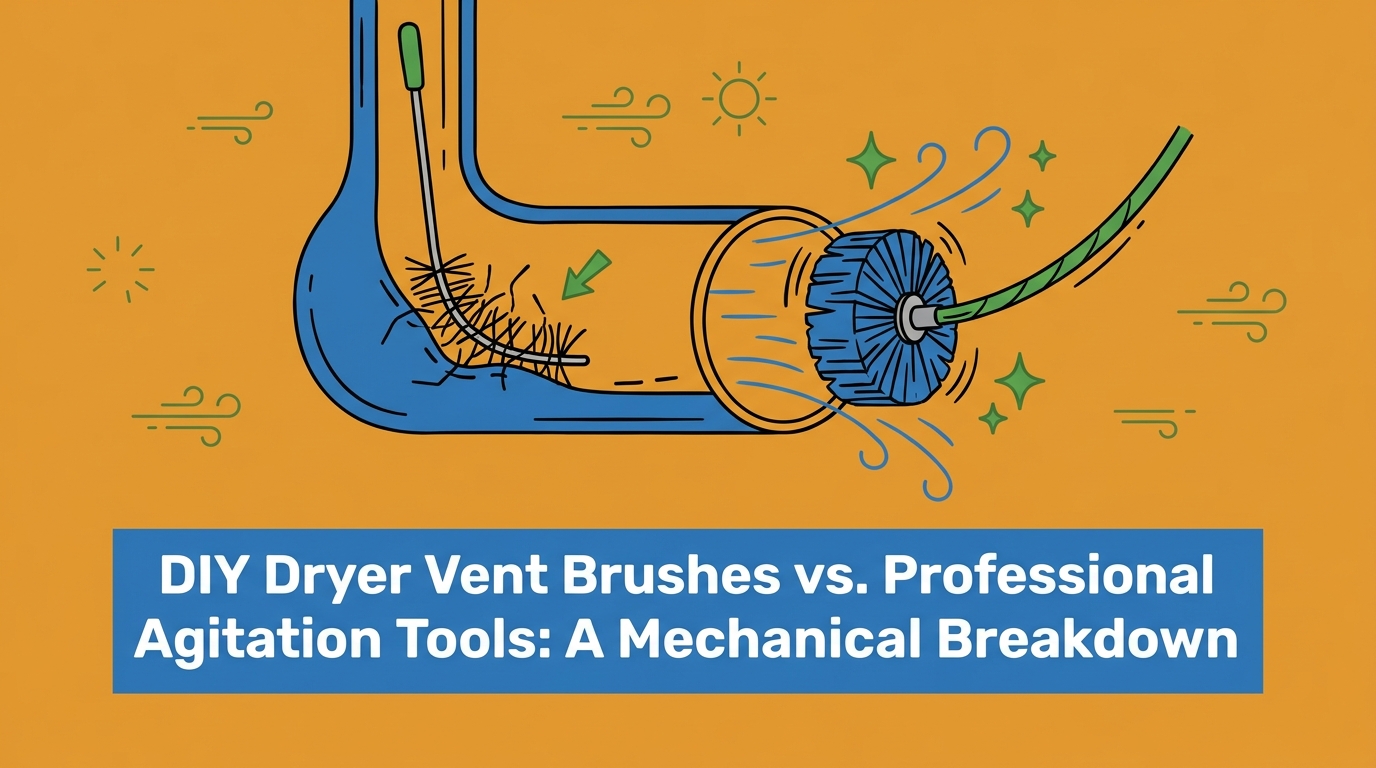
Because dryer vents are narrow (usually only 4 inches in diameter) and often feature multiple 90-degree bends as they route to the exterior of your home, standard HVAC compressed-air tools cannot be used. Instead, we use specialized dryer vent cleaning machines. These systems feature highly flexible, button-lock rod systems that can navigate tight elbows without separating inside the wall.
At the end of these rods, we attach specialized lint-removal compressed-air tools designed to gently sweep away packed lint without damaging the thin aluminum or flexible transition ducting.
Sanitizing Foggers and Disinfectants
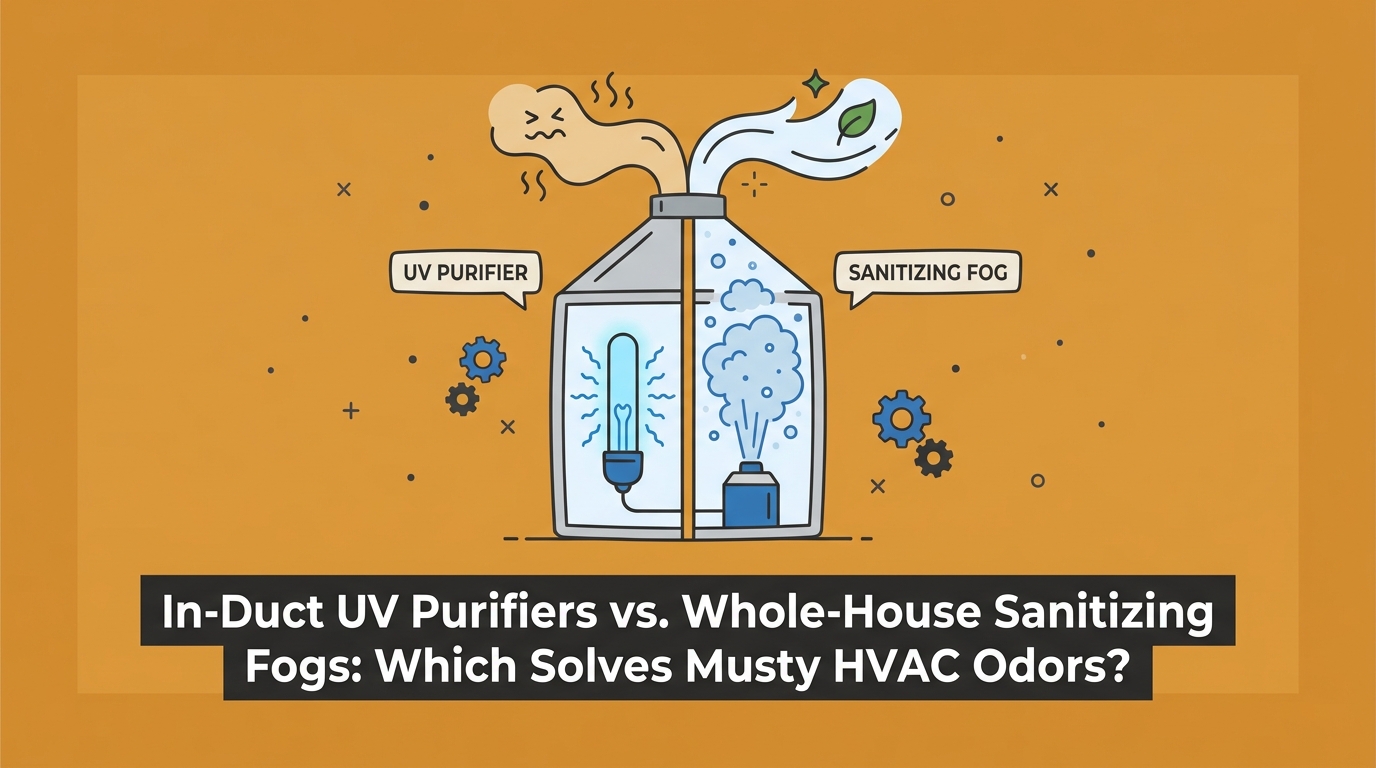
Once the physical debris has been mechanically removed from your HVAC ducts or dryer lines, we can apply specialized sanitizing agents. It is important to note that sanitizers and deodorizers should only be applied after a thorough mechanical cleaning has taken place.
We use specialized ultra-low-volume (ULV) foggers to mist EPA-registered, hospital-grade disinfectants throughout the duct system. This mist travels through the entire duct network, treating hard-to-reach elbows, boot cavities, and plenums to eliminate lingering odors, mold spores, and bacteria, leaving your home in Western Pennsylvania smelling clean and fresh.
Frequently Asked Questions About Duct Cleaning Tools
How do negative air machines and HEPA filters control dust during cleaning?
Negative air machines work by pulling air out of a sealed duct system, creating a vacuum (negative pressure) measured between 0.02 and 0.05 inches of water column. Because the air pressure inside the ducts is lower than the air pressure in your living room, air can only rush into the ducts, preventing any dust or loosened debris from escaping through the vents into your home.
The pulled air is then passed through a multi-stage filtration system ending in a certified HEPA filter. This hospital-grade filter captures 99.97% of microscopic particles (including mold spores, pollen, and fine dust down to 0.3 microns), ensuring that the air exhausted back into your home or environment is completely clean and contaminant-free.
Can high-powered rotary brushes damage flexible ductwork?
If used improperly, yes. Flexible ductwork (flex duct) consists of a thin plastic inner liner supported by a wire helix and wrapped in insulation. It is much more delicate than rigid sheet metal.
To prevent damage, professional technicians never use stiff silica carbide compressed-air tools or aggressive high-speed high-pressure compressed-air tools in flex ducts. Instead, we use soft nylon-bristled compressed-air tools sized specifically for the duct, or we opt for gentle pneumatic air whips that use compressed air to dislodge dust without physically scraping the delicate plastic liner.
Why is a standard shop vac insufficient for professional duct cleaning?
A standard shop vac lacks the two critical performance metrics required for duct cleaning: airflow (CFM) and static pressure. A typical shop vac pulls around 100 to 150 CFM, which is nowhere near enough to create negative pressure in a residential duct system (which requires thousands of CFM).
Furthermore, shop vacs do not have the sophisticated multi-stage HEPA filtration required to trap fine particles. Using a shop vac inside your vents will simply blow fine dust and allergens out of the vacuum's exhaust, spreading them throughout your living spaces and worsening your indoor air quality.
Conclusion
When it comes to maintaining the safety, efficiency, and indoor air quality of your home, the equipment your service provider uses makes all the difference. From high-powered vacuum trucks and dual-motor negative air machines to precise digital manometers and video inspection cameras, professional-grade tools are the foundation of a successful duct cleaning.
At Superior Air Duct Cleaning, we are committed to providing homeowners and businesses throughout Western Pennsylvania and Northeast Ohio—including Pittsburgh, Cranberry Township, Boardman, and Youngstown—with the highest standard of service. By combining industry-leading equipment with trained, experienced technicians, we ensure your HVAC system is thoroughly cleaned, sanitized, and operating at peak efficiency.
Are you ready to breathe easier and improve your home's energy savings? Schedule professional air duct cleaning with Superior Air Duct Cleaning today and experience the difference that professional equipment makes.

Customer Reviews


Superior Air Duct cleaning did a phenomenal job in a timely manner with the tech “Rich” being very professional ,personable and considerate of our property! He explained things as he proceeded and answered all our questions!
I LOVE that they provide before & after photos to see the difference. Give them a try… you won’t regret it
Pam T.
Robert was on schedule and communicated what time he would arrive. He was polite, professional, and respectful of our home. I wanted to wait a couple weeks before posting a review because I wanted to see if the duct cleaning actually made a difference. I am happy to say it did! I vacuum multiple times a week and have already noticed a significant reduction in the amount of dust cleaned up each time. As a home with pets, there will always be something to clean, but getting the ducts cleaned has definitely helped improve the air quality and reduce the dust.
alice A.
Technician Rob arrived early explained the days agenda and then proceeded to work methodically and meticulously over the next 6+ hours cleaning my ductwork. Courteous and professional they answered all of my questions and went above and beyond the call of duty. They even located an old dusty box of rat poison buried in our vents. My only regret is not finding these guys sooner. As a realtor of 22 years and owner of a newly purchased (now dust free) home I highly recommended!
Eric K.
Excellent service! I’ve used them to clean out my air ducts as well as my dryer vent duct and they are excellent. I was very pleased with both jobs and will continue to use them in the future. Great communication as well- from the time I scheduled the appointment until they were at my door.
Erika C.
We had such an amazing experience with Superior Air Duct Cleaning. They were so nice and friendly and did an amazing job. I loved seeing the before and after pictures. Besides doing an amazing job cleaning our air ducts they were so quick at responding and setting up the appointment. We will definitely be using them in the future.
Amanda C.