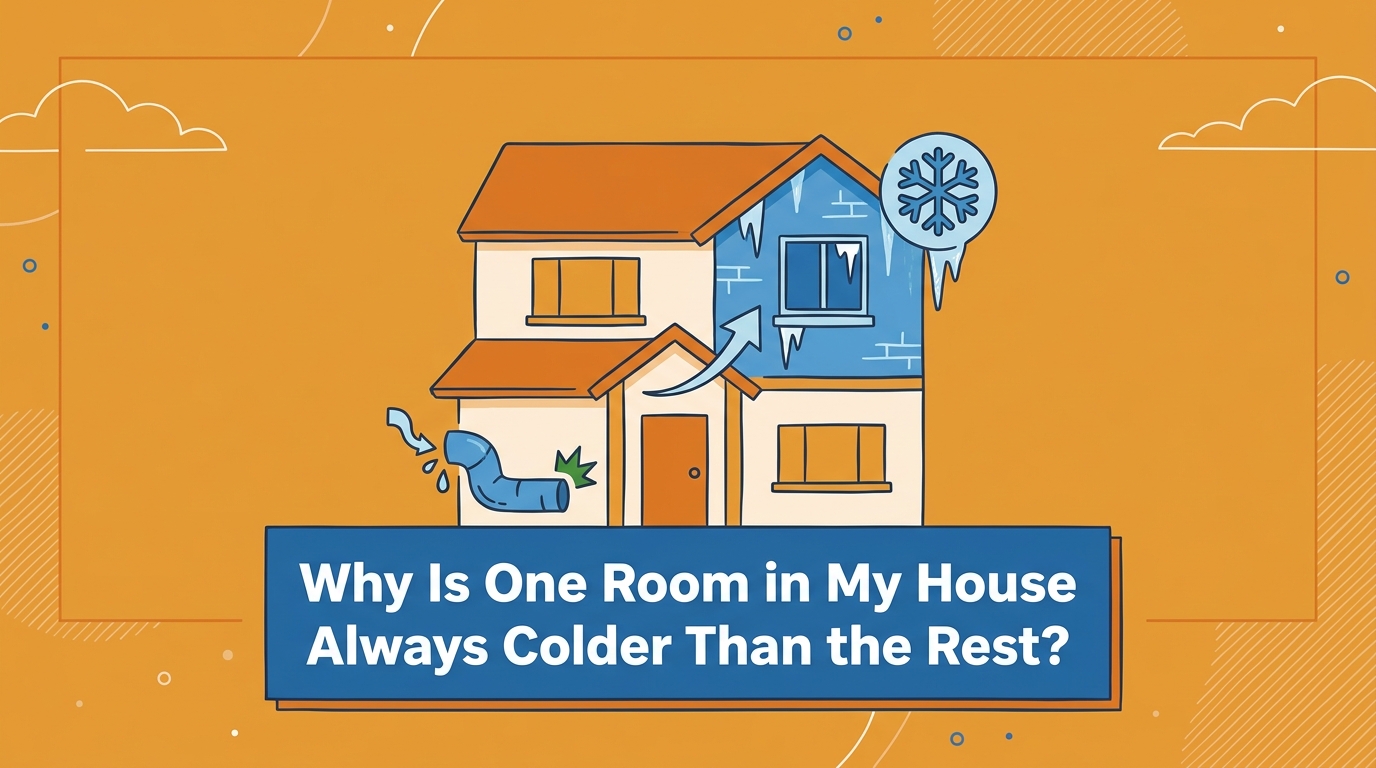
Is Your Cold Room a Simple Fix or a Hidden Ductwork Failure?
Why is one room in my house always colder than the rest? It is a question our team at Superior Air Duct Cleaning hears constantly from homeowners when the temperatures begin to drop and the heating system kicks on for the first time. You set the thermostat to a comfortable temperature, the main living areas warm up perfectly, but one specific bedroom or addition remains noticeably chilly. This concrete problem of uneven heating is more than just a minor annoyance; it is a clear symptom that warm air is failing to reach its final destination.
When an isolated room stays cold, the central decision point comes down to determining whether you are dealing with a simple airflow balancing issue at the vent level, or a sign of compromised ductwork that requires professional intervention. Often, the furnace itself is working perfectly, but the delivery system is failing. Addressing this restriction during the early fall pre-heating-season prevents severe comfort issues and energy drain later in the year.
Understanding the root cause of this airflow restriction is the first step toward restoring proper home indoor air quality and consistent heating. By evaluating the physical path the air takes from your blower motor to the furthest corners of your house, you can identify where the heat is being lost and take the right steps to correct it before winter arrives.
Basic Airflow Troubleshooting: Vents, Registers, and Dampers
Before assuming your ductwork is severely damaged, it is always best to check the simplest, non-invasive causes of uneven heating. Homeowners can safely inspect the visible components of their heating delivery system to rule out basic airflow blockages. When warm air cannot physically enter a room, that space will remain isolated from the central heating cycle, regardless of how long the furnace runs.
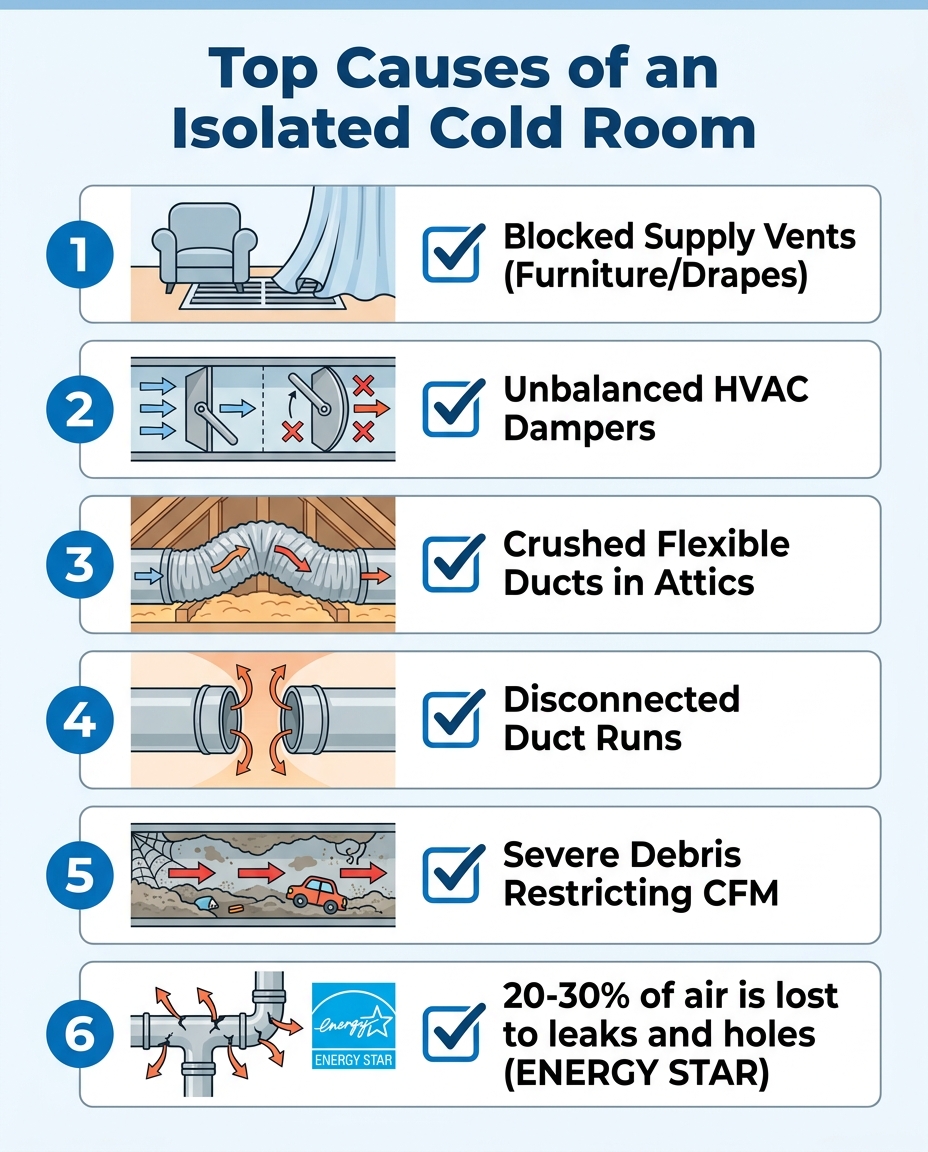
If you are experiencing uneven heating, here are the top duct-related causes of an isolated cold room our technicians typically see in the field:
• Blocked vents: Heavy furniture, area rugs, or long drapes physically covering the supply registers.
• Closed louvers: Register dials that have been accidentally kicked or bumped into the closed position.
• Unbalanced dampers: Internal metal valves within the ductwork that are restricting airflow to a specific zone.
• Crushed flexible ducts: Damaged lines in the attic or crawlspace that choke off the air supply.
• Disconnected duct runs: Separated joints that pump warm air into unused spaces instead of the intended room.
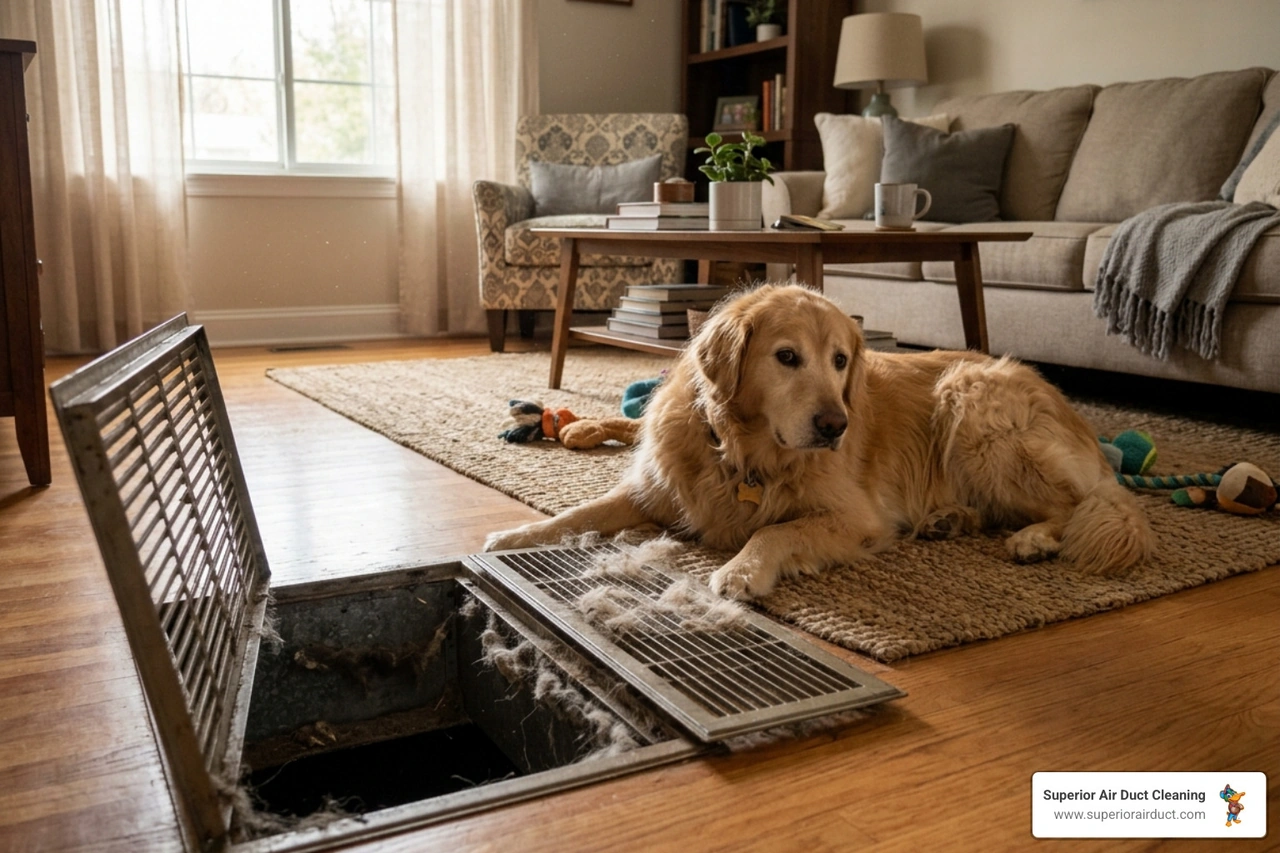
• Severe debris blockages: Years of accumulated dust and pet hair restricting the overall volume of air.
While checking your floor registers is completely safe, diagnosing internal blockages or adjusting complex damper systems usually requires professional air duct cleaning and inspection to prevent accidental damage to the system.
Identifying Blocked or Closed Supply Vents
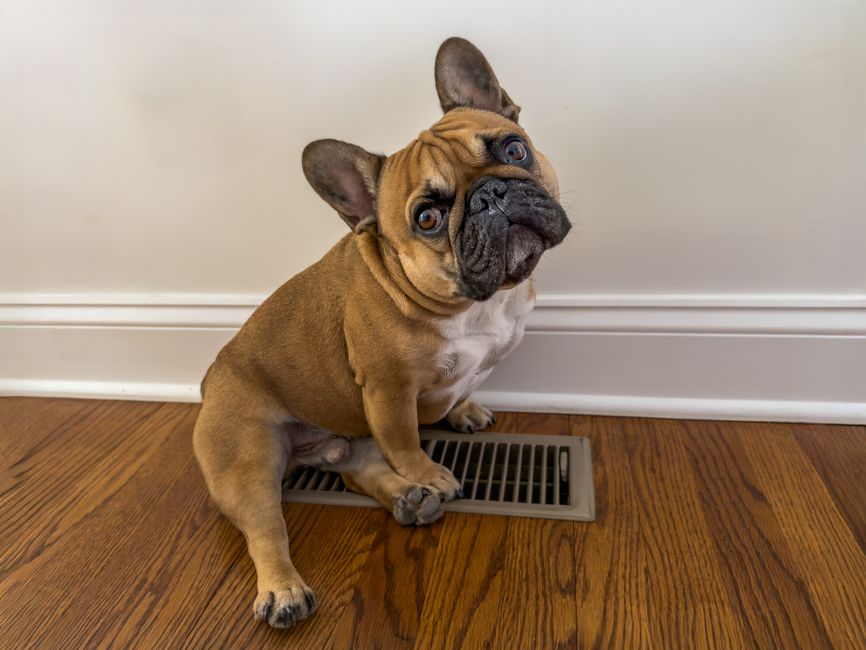
The quick fix: Walk through the cold room and locate every supply register. It is incredibly common for a heavy bookshelf, a new sofa, or a thick area rug to be placed directly over a floor vent. When a vent is covered, the warm air is trapped beneath the furniture, completely preventing it from circulating into the room. Additionally, check the small dials or levers on the registers themselves. These louvers can easily be bumped shut by a vacuum cleaner or a pet. Ensuring every vent is fully open and unobstructed is the easiest way to restore airflow during the early fall pre-heating-season.
The Role of HVAC Dampers in Air Balancing
HVAC dampers act like traffic valves for your heating system. Located inside the main trunk lines of your ductwork, these metal plates can be turned to direct more warm air toward certain zones of the house and restrict it from others. If a damper controlling the run to your cold bedroom gets stuck or is accidentally closed during a previous season, that room will receive little to no heat. While the symptoms of an incorrectly positioned damper are obvious—weak airflow at the register—adjusting internal dampers requires an understanding of static pressure. Closing too many dampers forces the blower motor to work against heavy resistance, which is why balancing should be handled by a professional.

Structural Duct Failures: Crushed and Disconnected Runs
If the vents are open and the dampers are properly aligned, the next logical culprit is a structural failure within the ductwork itself. The physical integrity of your air ducts dictates how efficiently heat travels from the furnace to your living spaces. When ductwork is compromised in the attic, basement, or crawlspace, the warm air simply cannot reach its destination, leaving isolated rooms freezing cold. In our years of inspecting ductwork throughout the area, our crews consistently find this to be a frequent issue in many New Brighton PA homes, especially older properties where ductwork has settled or been disturbed over the decades.
The Vulnerability of Flexible Ductwork
Flexible ductwork is highly susceptible to physical damage. Unlike rigid sheet metal ducts, flexible lines are essentially wire coils wrapped in plastic and fiberglass insulation. They are frequently routed through cramped attics and tight crawlspaces. Our technicians routinely find these ducts crushed by heavy storage boxes, fallen attic insulation, or even accidentally stepped on by a contractor working in the area. A crushed flexible duct acts exactly like a kinked garden hose. The furnace may be pushing plenty of warm air, but the physical compression stops it dead in its tracks, drastically reducing the cubic feet per minute (CFM) of airflow that reaches the bedroom.
The 20-30% Air Loss Rule
Even if a duct is not completely crushed, it may be leaking heavily. According to ENERGY STAR, typical houses lose about 20 to 30 percent of the air that moves through the duct system due to leaks, holes, and poorly connected ducts. When a duct run completely disconnects at a joint or seam, 100 percent of the warm air intended for your bedroom is instead pumped directly into your unfinished attic or crawlspace. The compounding effect of distance from the furnace means that the furthest rooms always suffer the most from these structural leaks.
• Crushed Flexible Duct — Primary Symptom: Barely any air coming from the register. — Hidden Consequence: Increased static pressure straining the blower motor.
• Disconnected Duct Run — Primary Symptom: Room stays freezing; furnace runs constantly. — Hidden Consequence: Wasting energy by heating the attic or crawlspace.
• Minor Seam Leaks — Primary Symptom: Room takes hours to warm up. — Hidden Consequence: 20-30% of heated air is lost before reaching the room.
Severe Debris Blockages and Restricted CFM
Beyond structural damage, heavy internal blockages can also choke off the airflow to distant rooms. Over years of operation, ductwork acts as the respiratory system of your home, pulling in and circulating whatever is in the air. When heavy dust, pet hair, dander, and forgotten construction debris accumulate at bends, junctions, and elbows in the duct system, they create physical barriers. We regularly see these barriers restrict the cubic feet per minute (CFM) of warm air capable of reaching the furthest rooms in New Brighton PA area homes.
This restriction is not just a heating problem; it is an indoor air quality issue. Severe blockages often lead to secondary problems, such as lingering musty odors and excessive dust settling on furniture immediately after the furnace runs. When the airflow is choked by debris, the blower motor has to work much harder to push air through the narrowed passages, leading to premature wear and tear on the HVAC system.
How Buildup Chokes Airflow Delivery
The friction factor: Airflow relies on a smooth path to maintain its velocity. Inside dirty ducts, heavy debris creates friction loss. As the warm air travels through the trunk lines and branches, it rubs against the textured layers of dust and pet hair, slowing down significantly. Because the air loses momentum with every foot it travels, the rooms furthest from the blower motor are always the first to suffer from reduced heat delivery. Comprehensive cleaning removes these physical barriers, smoothing the interior surfaces and restoring balanced airflow. This is why we often recommend homeowners pair duct clearing with whole-house sanitizing services to ensure the newly restored airflow is also clean and fresh.
Diagnosing the Unseen: Advanced Camera-Guided Inspections
When a room remains stubbornly cold despite open vents and a running furnace, guesswork is not enough to solve the problem. The challenge with ductwork is that the vast majority of the system is hidden behind drywall, under floors, or buried in attic insulation. This makes it incredibly difficult for a homeowner to pinpoint exactly where the airflow is being restricted.
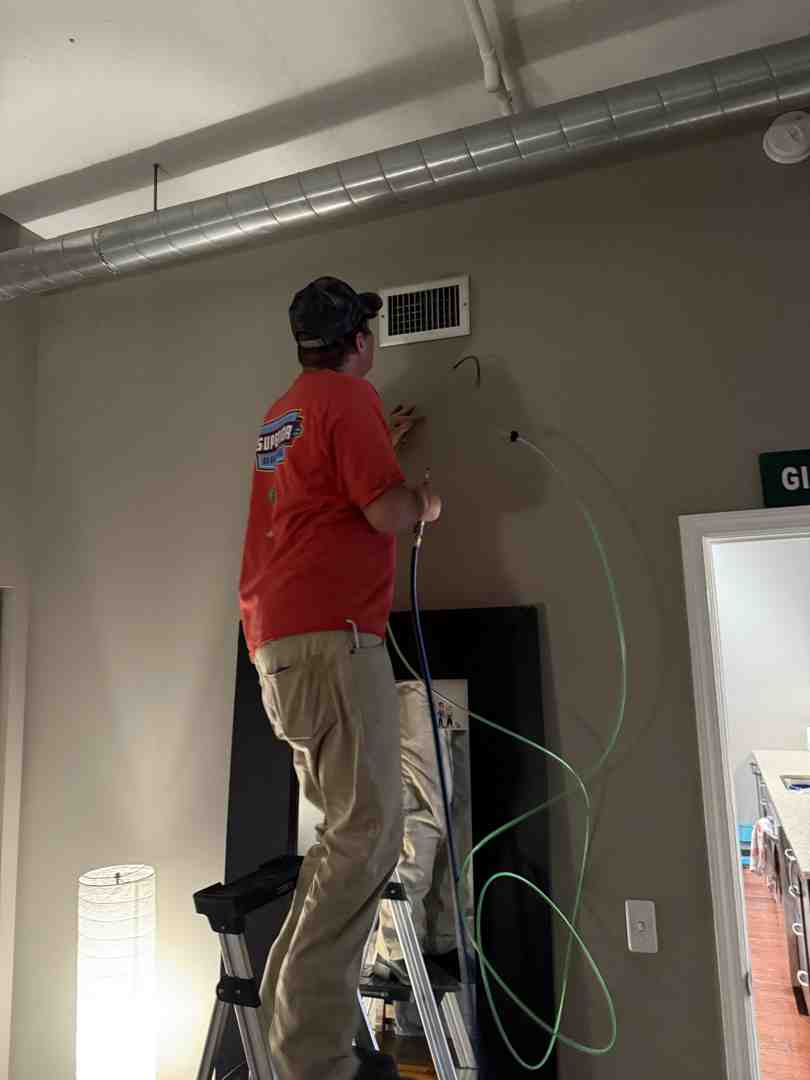
One summer customer of ours realized the importance of visual clarity when a misunderstanding occurred over whether their dryer vent was included in their main system service. While our team successfully cleaned their primary home ducts, the lingering dryer issue proved that assuming a hidden pipe is clear without verification often leads to trouble. This is exactly why we rely on advanced camera-guided duct inspections. By running a specialized camera deep into the duct system, our professionals can accurately locate hidden blockages or crushed flexible ducts that standard visual checks miss entirely.
The Limitations of Flashlight Inspections
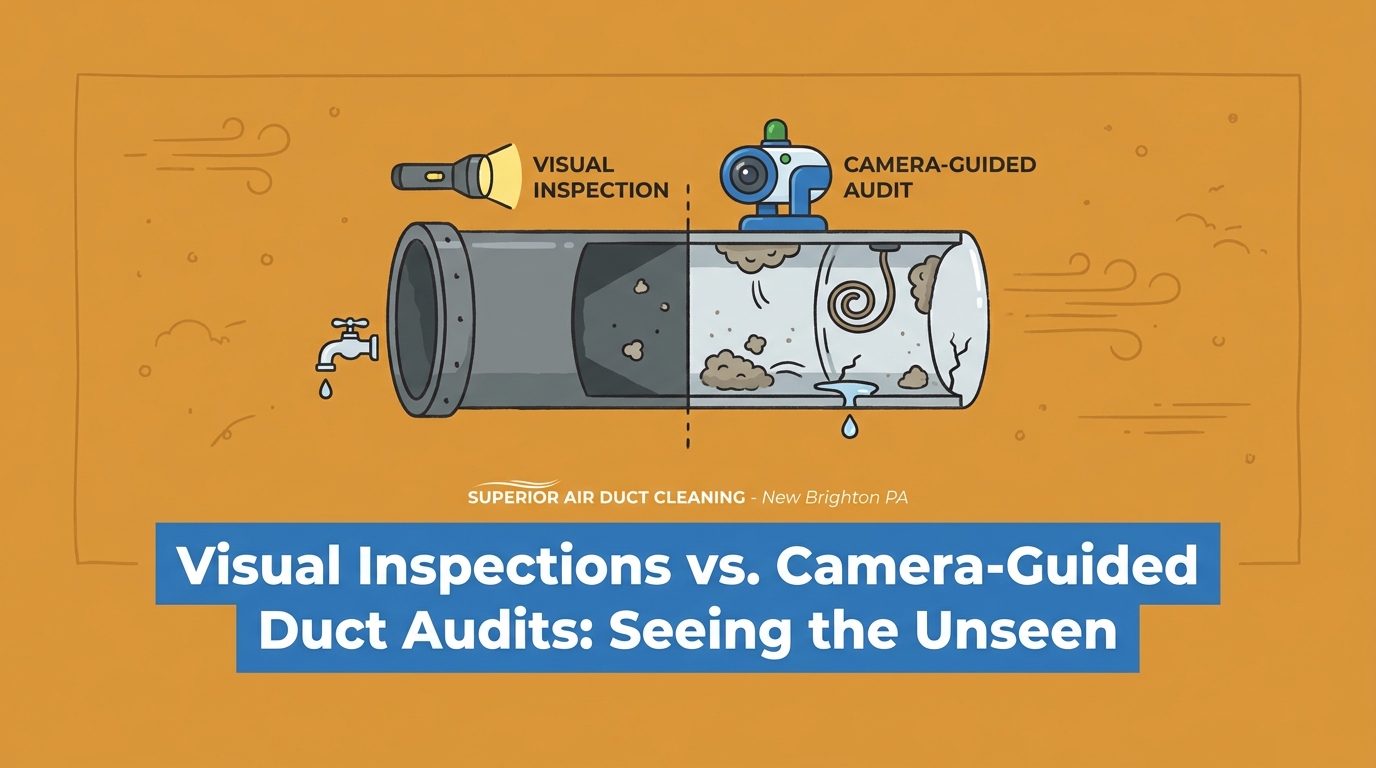
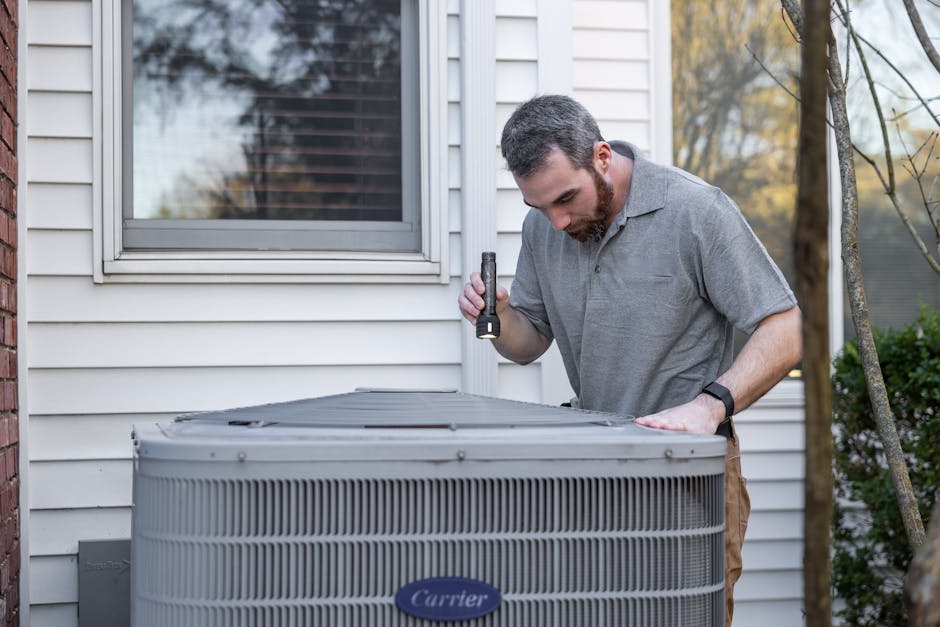
Shining a flashlight down a floor register only reveals the first two or three feet of the duct branch. Because most duct damage, severe debris accumulation, and disconnected joints occur deep within the trunk lines or hidden crawlspaces, basic visual inspections often fail to find the root cause. Relying on a flashlight alone carries a high risk of misdiagnosing a duct issue as a mechanical furnace failure, leading to unnecessary and expensive equipment repairs when the actual problem is just a crushed pipe.
The Diagnostic Power of Camera Audits
Camera-guided duct inspections navigate deep into the bends and junctions of the HVAC system. This technology allows our technicians to pinpoint the exact location of a crushed run, a disconnected seam, or a heavy debris blockage. Seeing the actual condition of the interior ducts eliminates all guesswork. Furthermore, providing verifiable visual proof before and after the service gives homeowners absolute clarity on the problem and the solution, making these camera-guided duct audits an invaluable tool during the early fall pre-heating-season.
Why Early Fall is the Critical Window for Heating Diagnostics
Timing matters when dealing with uneven heating. Early fall temperature drops naturally expose heating imbalances before the HVAC system is placed under maximum load. When you test your furnace in September or October and discover an isolated cold room, you have a critical window of opportunity to diagnose and resolve the issue before peak heating season demand surges.
Having serviced local heating systems for years, we know firsthand that ignoring a cold room is a risky decision. With New Brighton, PA experiencing freezing winter temperatures, an isolated cold room caused by a duct failure quickly escalates from a minor annoyance to a severe comfort issue. More importantly, if a room lacks proper heat circulation during a deep freeze, the adjacent plumbing pipes within those walls become highly susceptible to freezing and bursting. Proactive duct health checks by our team in New Brighton PA area homes ensure the entire house is prepared for winter, protecting both your comfort and your property.
Frequently Asked Questions About Uneven Heating and Cold Rooms
Why is my bedroom colder than the rest of the house?
A bedroom is often colder than the rest of the house due to its physical distance from the furnace, which causes warm air to lose velocity before reaching the vent. Additionally, crushed flexible ducts in the attic or unbalanced internal dampers can heavily restrict airflow to that specific zone. In the many New Brighton PA area homes we service, our technicians find that evaluating the ductwork path to that specific bedroom is the fastest way to find the restriction. Ensuring the duct run is fully intact and clear of debris is essential for balanced heating.
How do you fix a room that is always cold?
To fix a room that is always cold, start by ensuring all floor and ceiling vents are fully open and unblocked by furniture or rugs. If the vents are clear and the issue persists, a professional camera-guided duct inspection is required to locate hidden crushed ducts, disconnected joints, or severe blockages deep within the system. Once the specific restriction is identified visually, professionals can clear the debris or recommend repairing the damaged duct run to restore proper airflow.
How do I know if my air ducts are blocked or leaking?
Signs of blocked or leaking air ducts include remarkably weak airflow at specific registers, rooms that never reach the thermostat's set temperature, and a furnace that runs constantly without warming the whole house. You may also notice higher energy bills and excessive dust accumulation in certain rooms. If a duct is completely disconnected, you might even feel warm air blowing into your unfinished attic, basement, or crawlspace instead of your living areas.
Can blocked air ducts cause a room to be cold?
Yes, blocked air ducts are a primary cause of isolated cold rooms. Severe debris buildup, such as years of accumulated dust, pet hair, and construction debris, creates physical friction inside the ductwork. This drastically reduces the CFM (cubic feet per minute) of warm air capable of reaching the room, effectively isolating that space from the central heating system. Removing these blockages restores the velocity and volume of the warm air.
How do I balance the heating in my house?
Balancing the heating in your house involves adjusting the internal HVAC dampers located within the main ductwork trunk lines to ensure even airflow distribution to all zones. Because closing too many dampers increases static pressure—which can severely stress and damage the furnace's blower motor—this process is best handled by professionals. A technician can measure the airflow and adjust the dampers safely to push warm air to the colder rooms without harming the equipment.
Will closing vents in warm rooms push more heat to the cold room?
Closing vents in warm rooms is a common misconception and will not effectively push more heat to a cold room. Instead, closing too many supply vents increases the static pressure inside the duct system, which forces the blower motor to work against heavy resistance. This elevated pressure can exacerbate existing duct leaks, pushing warm air out through seams into the walls or attic, and can ultimately cause the blower motor to overheat and fail.
Restore Balanced Heating Before Winter Arrives
A persistently cold room is rarely a mystery; it is almost always a clear symptom of restricted airflow rather than a failing furnace. By understanding how blocked vents, unbalanced dampers, and structural duct failures prevent warm air from circulating, you can take logical steps toward a solution. When basic troubleshooting does not resolve the issue, advanced camera diagnostics provide the definitive proof needed to locate hidden blockages. Do not wait for freezing temperatures to settle in—schedule a professional duct inspection with our team during the early fall pre-heating-season to ensure your entire home remains warm, balanced, and comfortable all winter long.

Customer Reviews


Superior Air Duct cleaning did a phenomenal job in a timely manner with the tech “Rich” being very professional ,personable and considerate of our property! He explained things as he proceeded and answered all our questions!
I LOVE that they provide before & after photos to see the difference. Give them a try… you won’t regret it
Pam T.
Robert was on schedule and communicated what time he would arrive. He was polite, professional, and respectful of our home. I wanted to wait a couple weeks before posting a review because I wanted to see if the duct cleaning actually made a difference. I am happy to say it did! I vacuum multiple times a week and have already noticed a significant reduction in the amount of dust cleaned up each time. As a home with pets, there will always be something to clean, but getting the ducts cleaned has definitely helped improve the air quality and reduce the dust.
alice A.
Technician Rob arrived early explained the days agenda and then proceeded to work methodically and meticulously over the next 6+ hours cleaning my ductwork. Courteous and professional they answered all of my questions and went above and beyond the call of duty. They even located an old dusty box of rat poison buried in our vents. My only regret is not finding these guys sooner. As a realtor of 22 years and owner of a newly purchased (now dust free) home I highly recommended!
Eric K.
Excellent service! I’ve used them to clean out my air ducts as well as my dryer vent duct and they are excellent. I was very pleased with both jobs and will continue to use them in the future. Great communication as well- from the time I scheduled the appointment until they were at my door.
Erika C.
We had such an amazing experience with Superior Air Duct Cleaning. They were so nice and friendly and did an amazing job. I loved seeing the before and after pictures. Besides doing an amazing job cleaning our air ducts they were so quick at responding and setting up the appointment. We will definitely be using them in the future.
Amanda C.