Why NADCA Certification Is the Homeowner's Best Protection When Hiring a Duct Cleaner
Understanding how NADCA certification protects homeowners starts with one simple fact: the air duct cleaning industry is largely unregulated in most states, including Pennsylvania and Ohio. That means almost anyone can show up with a vacuum, call themselves a professional, and charge you for a job that may do more harm than good.
NADCA — the National Air Duct Cleaners Association — exists to fill that gap. It sets the industry-wide standard for how HVAC systems should be inspected, cleaned, and restored. When a company carries NADCA certification, it has agreed to follow those standards, employ trained specialists, carry proper insurance, and operate under a code of ethics.
Here is a quick breakdown of how NADCA certification protects you as a homeowner:
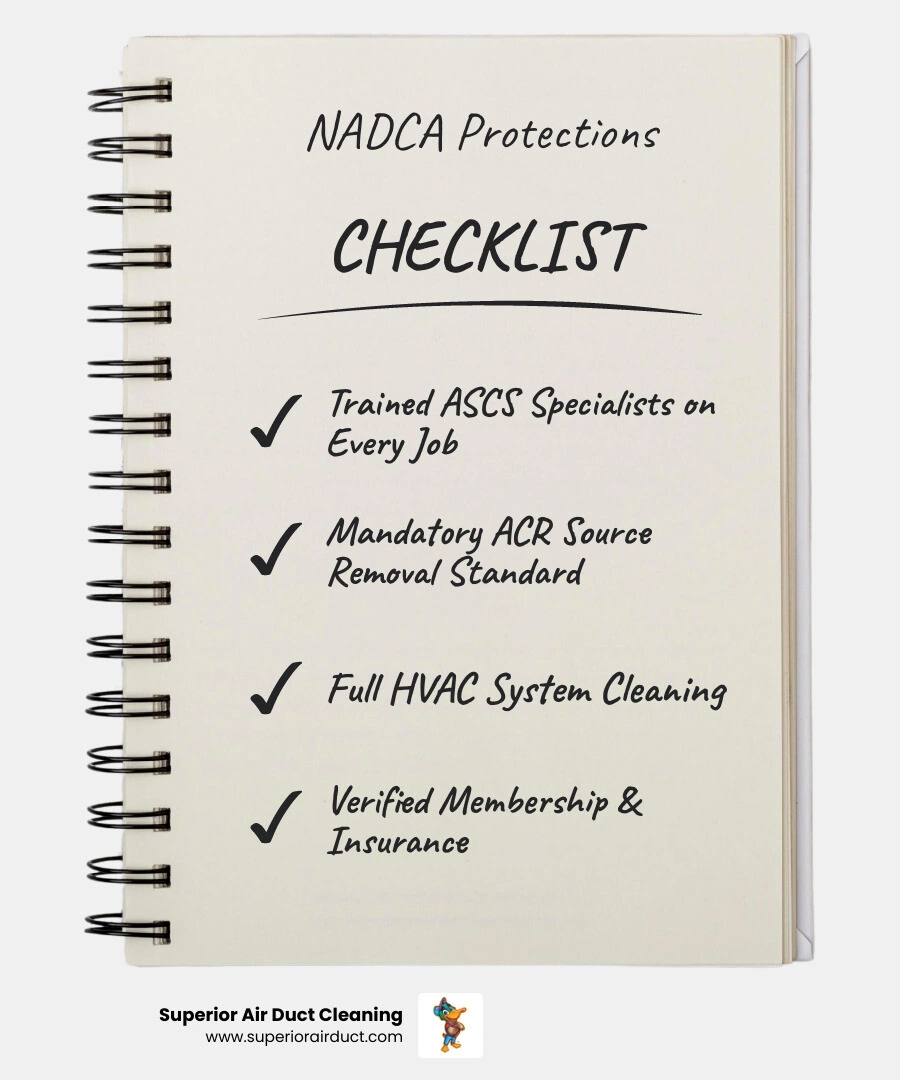
• Trained specialists on every job — NADCA member companies must employ at least one Certified Air Systems Cleaning Specialist (ASCS), ensuring someone with verified knowledge is overseeing your cleaning.
• Source removal standards — Certified companies are required to use the ACR (Assessment, Cleaning, and Restoration) Standard, which mandates full contaminant extraction under continuous negative pressure — not just a surface-level pass with weak equipment.
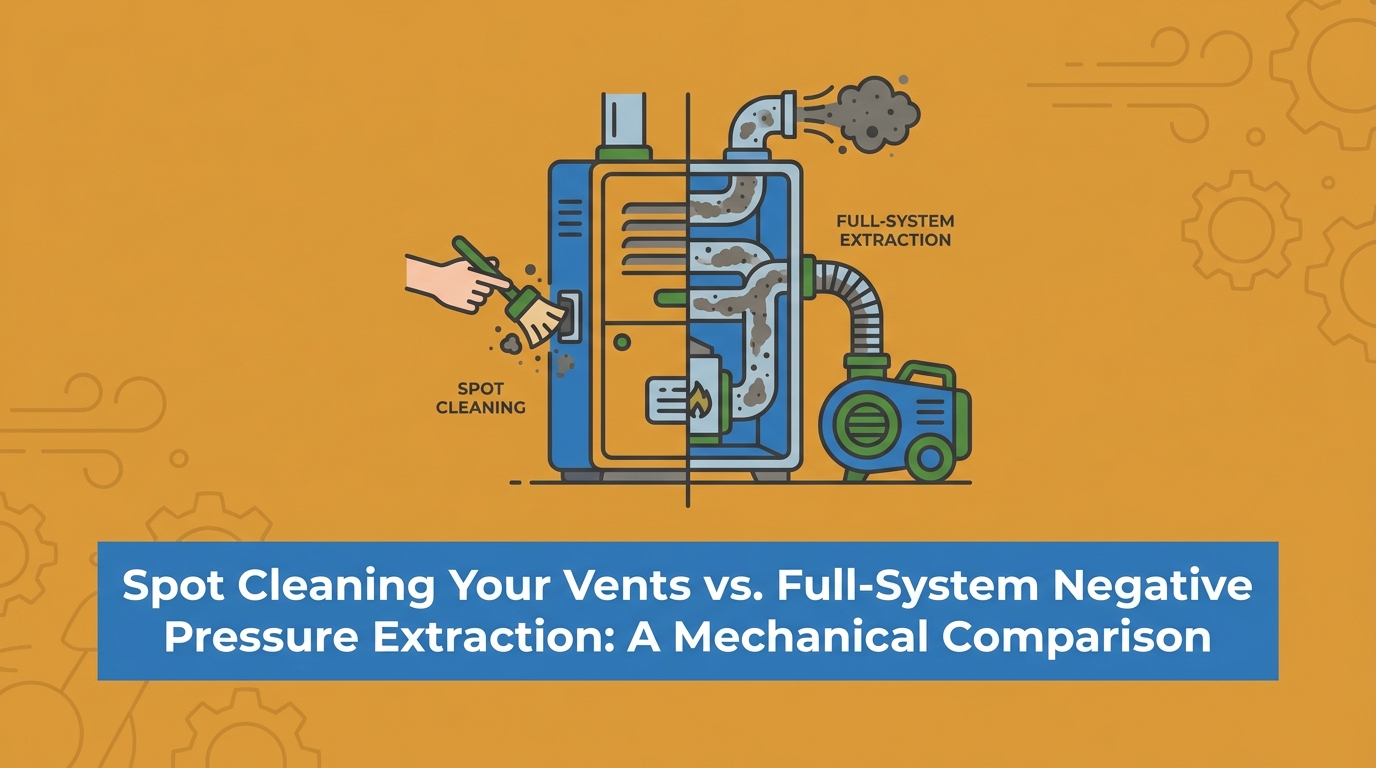
• Full-system cleaning — NADCA standards require cleaning the entire HVAC system, not just the visible vents, preventing recontamination from neglected components.
• Accountability and ethics — Members must follow a formal Code of Ethics and disclose in writing any deviation from the ACR Standard, giving you a paper trail and real recourse.
• Fraud protection — NADCA actively polices fake claims, maintaining a 98% closeout rate on trademark infringement cases, so the logo you see on a company's truck or website actually means something.
• Insurance coverage — Member companies are required to carry general liability insurance, protecting your home if something goes wrong during the job.
• Verification tools — You can confirm any company's current NADCA membership status through the official "Find a Professional" directory at nadca.com, removing the guesswork entirely.
The stakes are real. Improperly cleaned ducts can redistribute allergens, spread mold spores, and even damage sensitive HVAC components. Choosing a certified provider is not just about getting a cleaner system — it is about making sure the job is done safely, thoroughly, and honestly.
Understanding how nadca certification protects homeowners
When we talk about hiring a contractor to enter your home in Pittsburgh, PA, or Boardman, OH, trust is the most important factor. NADCA certification isn't just a badge; it's a comprehensive framework designed to safeguard your family and your property. In an industry where "some guy with a shop-vac" can post an ad on social media, NADCA provides the only reliable benchmark for quality.
One of the primary ways how nadca certification protects homeowners is through the mandatory requirement of having an Air Systems Cleaning Specialist (ASCS) on staff. This isn't an easy title to earn. An ASCS must pass a rigorous 200-question proctored exam that covers everything from HVAC design to indoor air quality science. Furthermore, they must earn continuing education credits every year to stay current with the latest technology and safety protocols.
Beyond technical skill, certification mandates a strict Code of Ethics. This protects you from the "bait-and-switch" pricing models common in the industry. A certified company is committed to transparency, providing you with a clear scope of work and performing a thorough inspection before any cleaning begins. There are significant Benefits of Choosing a NADCA Certified Local Company that go beyond just clean air, including the peace of mind that comes from knowing the company carries general liability insurance to protect your investment.
How nadca certification protects homeowners from indoor air pollutants
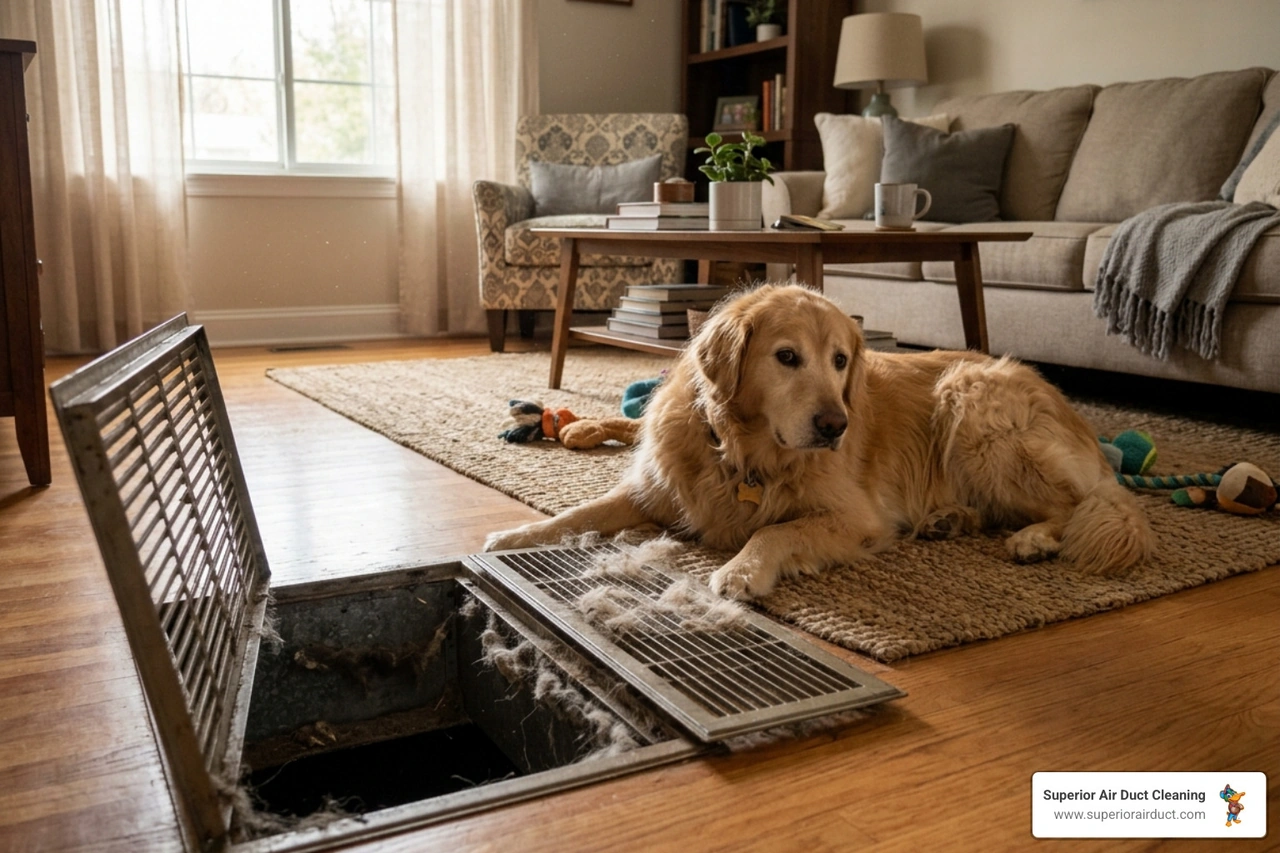
The air inside your home can actually be more polluted than the air outside. Dust mites, pet dander, pollen, and even mold spores can settle inside your ductwork, and every time your furnace or air conditioner kicks on, those particles are recirculated into your living spaces.
For homeowners in high-humidity areas like Youngstown, OH, or the river valleys of Beaver County, PA, moisture in the vents can lead to microbial growth. A non-certified cleaner might simply blow air through the vents, which often does nothing more than stir up these contaminants and push them into your bedrooms and kitchen.
NADCA-certified professionals follow the ACR Standard, which focuses on "Source Removal." This means we don't just move the dust around; we extract it entirely. By using agitation tools to break debris loose and high-powered vacuums to pull it out of the home, we ensure that allergens are actually removed from the environment. When looking at a NADCA Certified vs Uncertified Duct Cleaning Comparison, the difference in air quality is measurable. Certified cleaning helps your HVAC system breathe easier, which in turn helps you breathe easier.
How nadca certification protects homeowners from fraudulent service claims
Unfortunately, the air duct cleaning world is a favorite target for "blow-and-go" scammers. You've likely seen the coupons in your mailer: "Whole House Duct Cleaning for $99!" These are almost always a trap. Once these uncertified individuals get into your home, they often perform a cursory 30-minute cleaning and then "discover" mold that requires hundreds or thousands of dollars in "emergency" treatments.
NADCA certification is a shield against these predatory tactics. The association has a dedicated Anti-Fraud Task Force that works tirelessly to protect the industry's reputation. Between 2014 and 2018, NADCA closed out 98% of the 288 trademark infringement cases it handled—meaning they are "fiercely persistent" in stopping fake companies from using their logo.
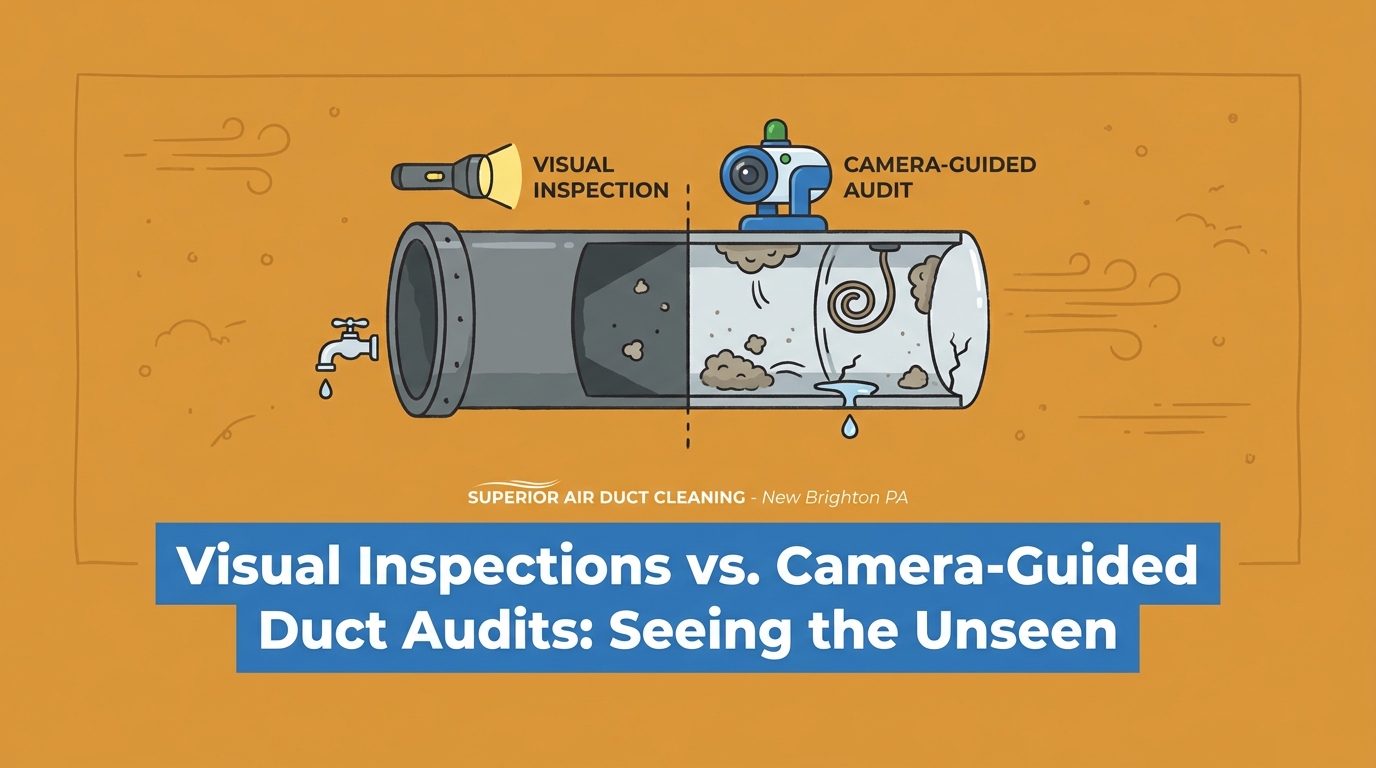
We take these threats seriously, which is why Superior Air Duct Covers the Top Air Duct Cleaning Scams to Avoid to help our neighbors in Western PA and Northeast Ohio stay informed. A certified provider will never use high-pressure scare tactics. Instead, they provide evidence of their work, often using camera inspections to show you the results.
The Technical Standard: Source Removal and Negative Pressure
The secret to a truly clean HVAC system isn't just a big vacuum; it's the science of "Source Removal." NADCA members are required to follow a specific protocol that ensures 100% of loosened debris is extracted from your home.
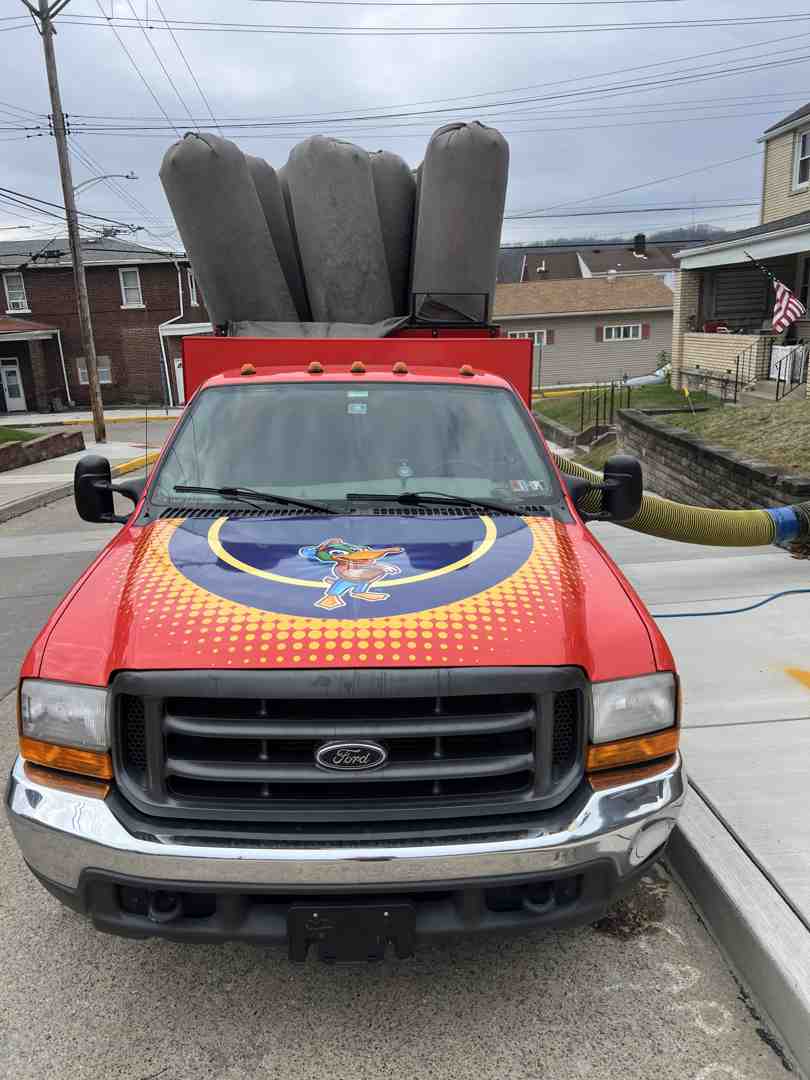
This process involves two main components:
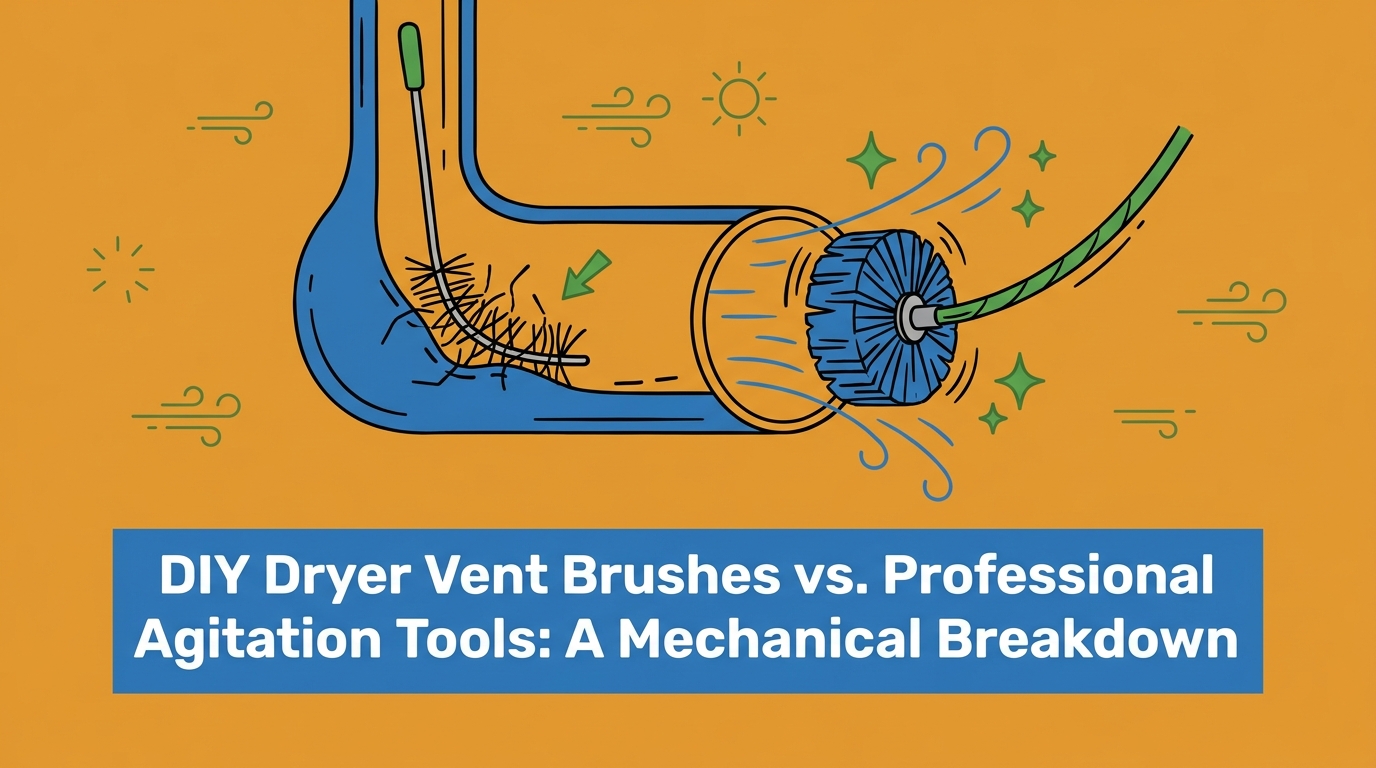
1. Agitation: We use specialized tools like air whips, mechanical compressed-air tools, and compressed air "skipper balls" to physically dislodge dust, hair, and debris stuck to the interior walls of your ducts.
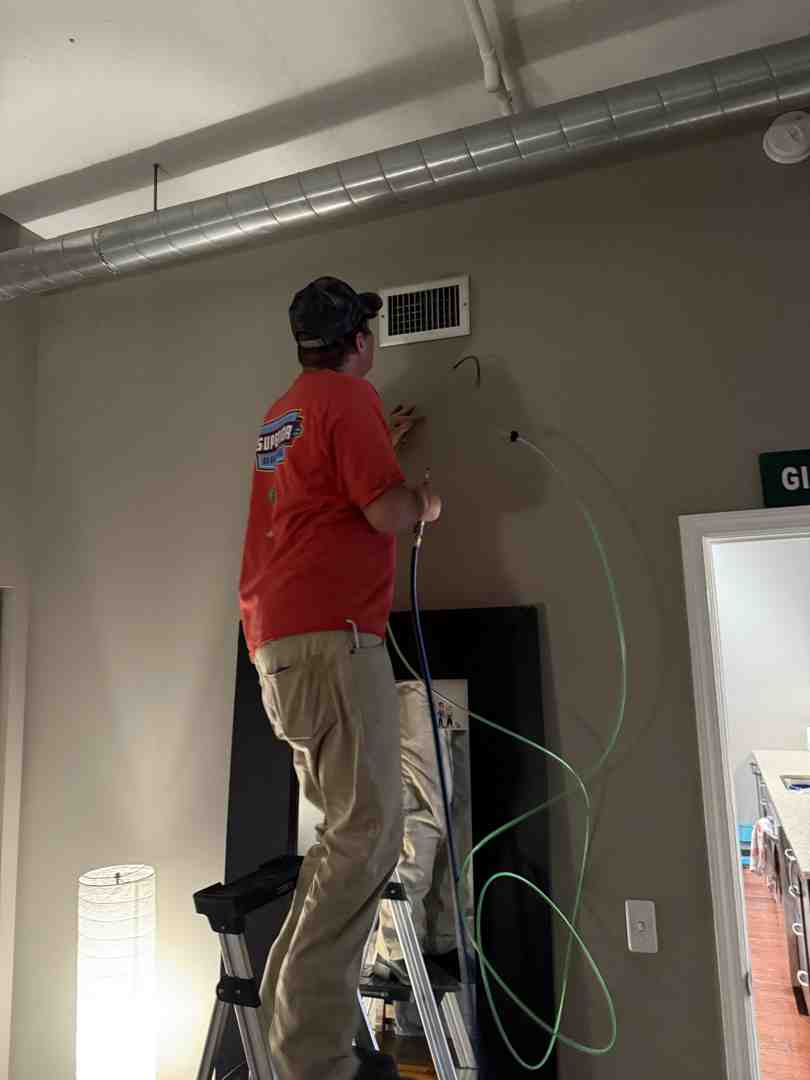
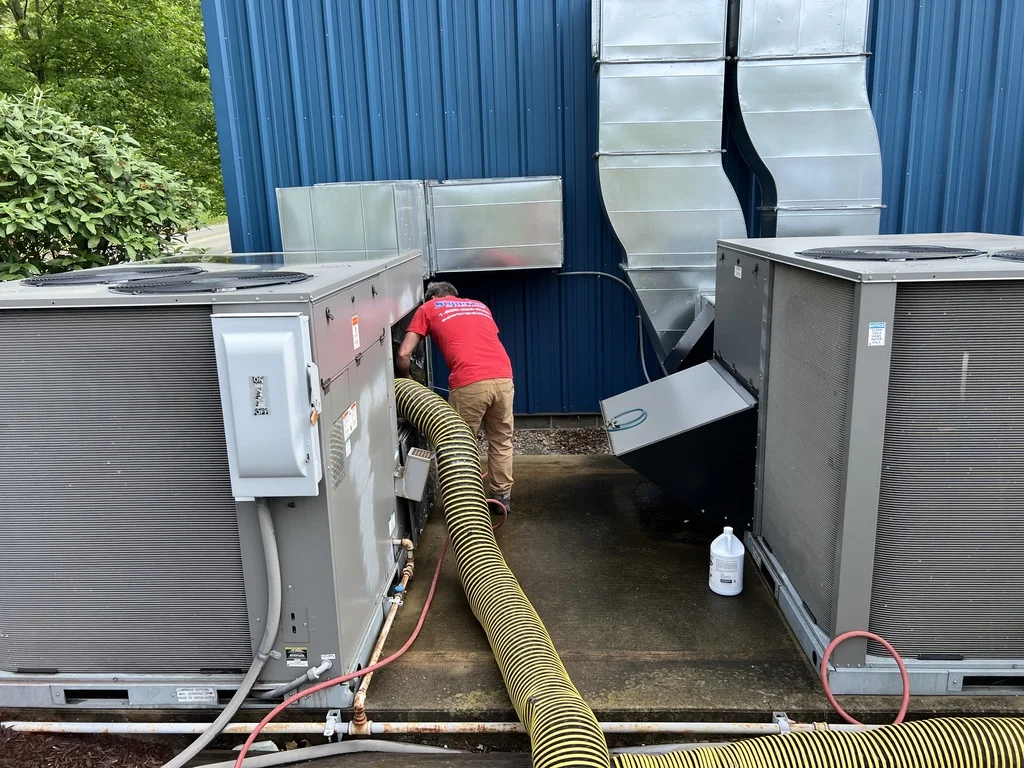
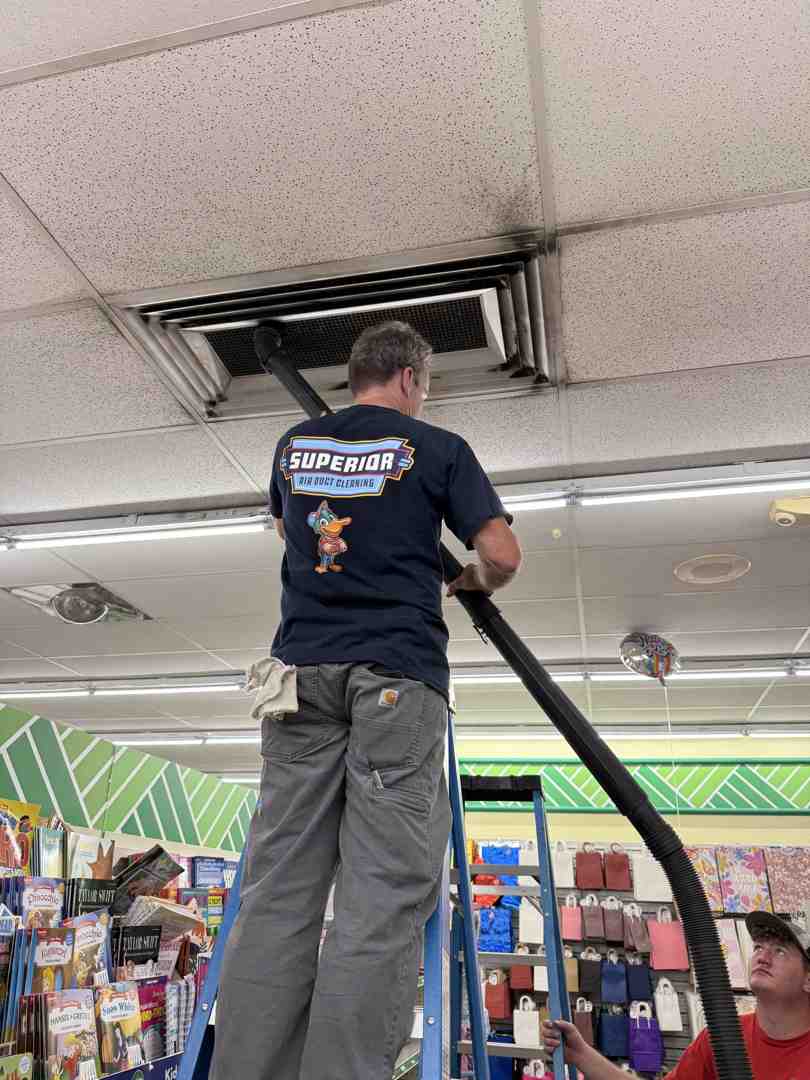
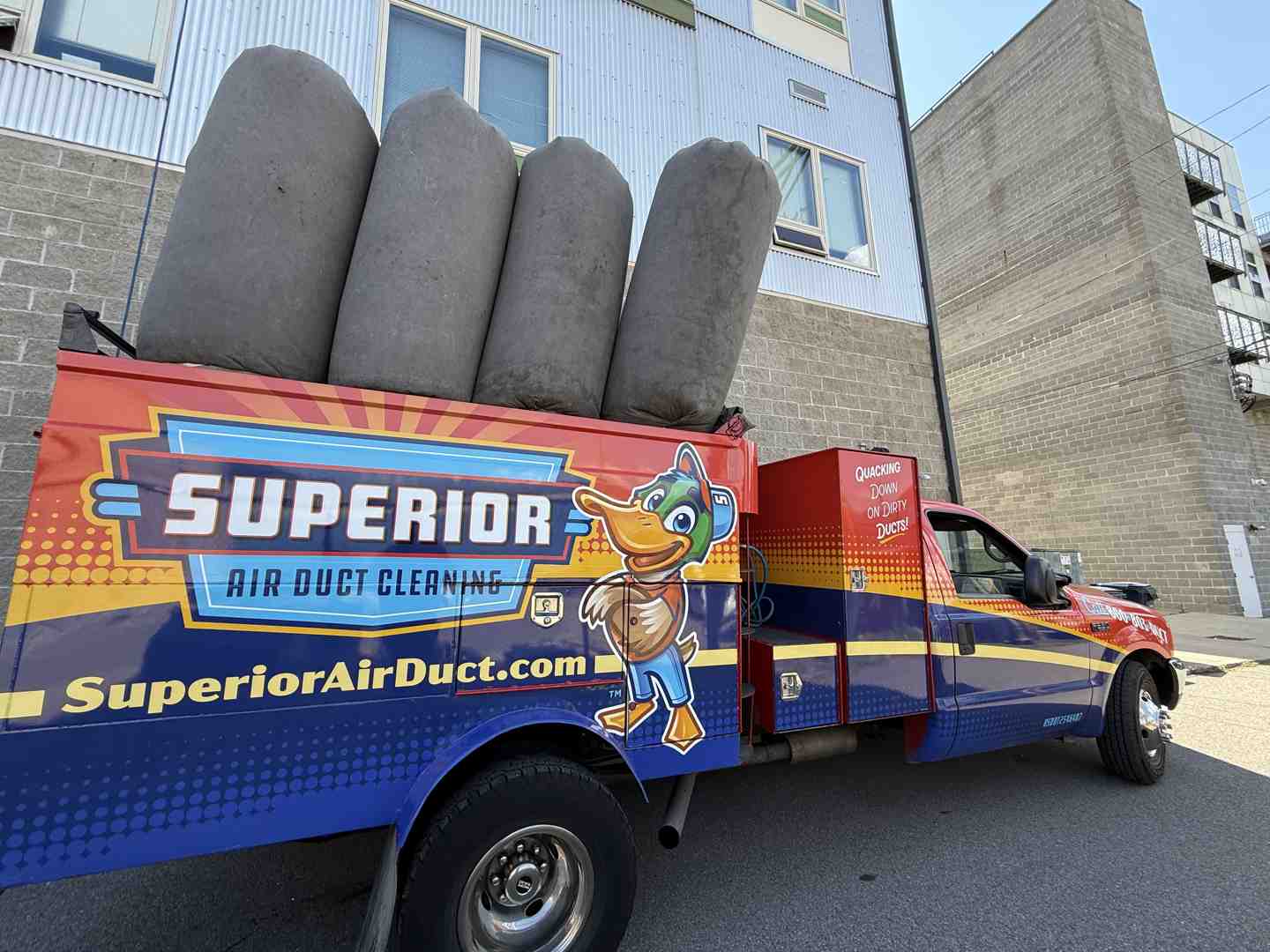
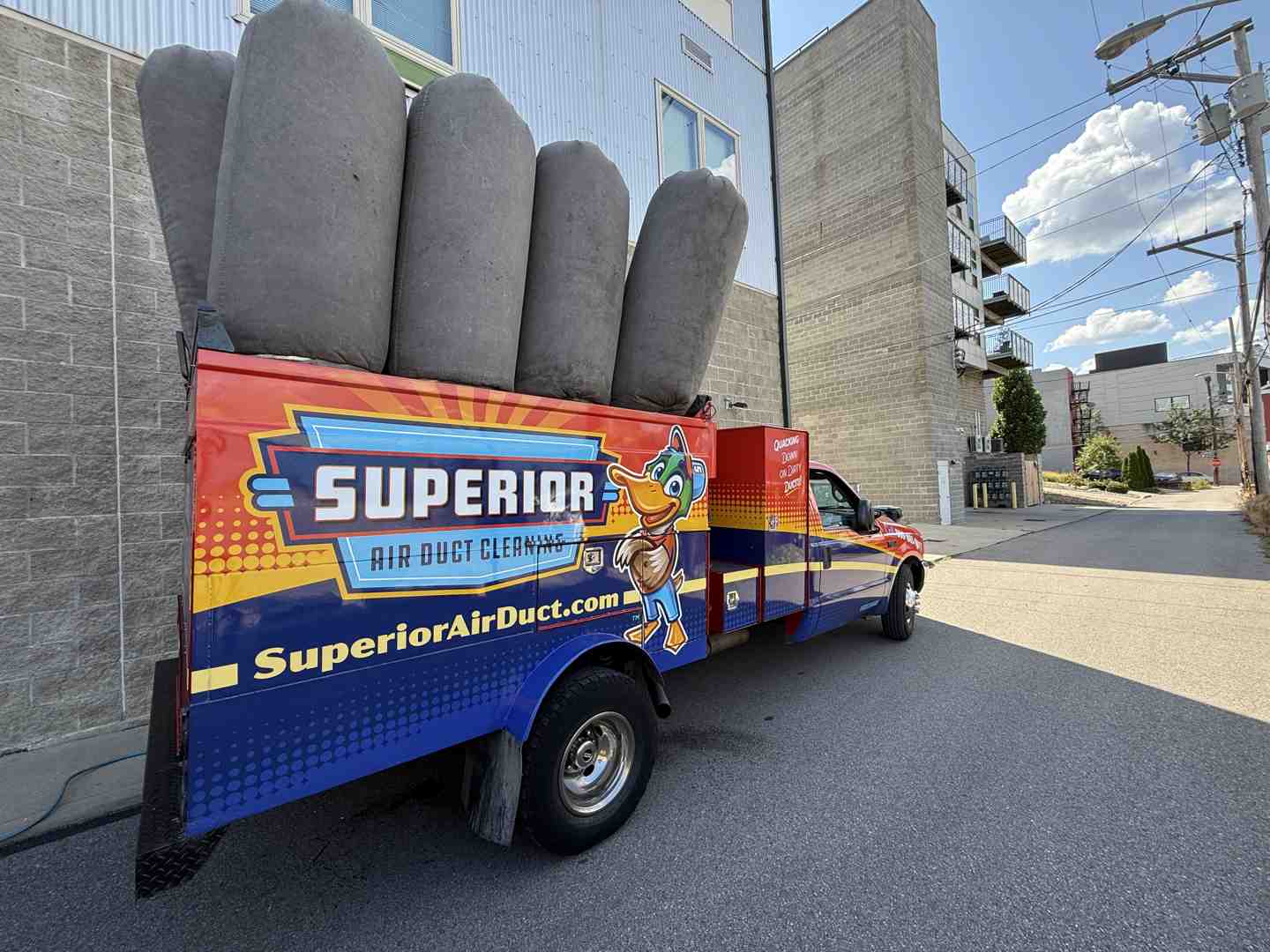
2. Continuous Negative Pressure: While the debris is being loosened, the entire system is placed under a vacuum. This ensures that the dust doesn't float into your living room; instead, it is pulled through the ducts and directly into a HEPA-filtered collection system, usually mounted on a truck outside.
• Equipment — NADCA Certified Method: High-powered vacuum trucks or HEPA portables — Uncertified "Blow-and-Go": Shop-vacs or small portable units
• Process — NADCA Certified Method: Full system (coils, blower, all ducts) — Uncertified "Blow-and-Go": Only visible vents/registers
• Containment — NADCA Certified Method: Continuous negative pressure — Uncertified "Blow-and-Go": No containment (dust enters home)
• Verification — NADCA Certified Method: Visual or camera inspection — Uncertified "Blow-and-Go": "Take our word for it"
• Time Spent — NADCA Certified Method: 3 to 5 hours for a standard home — Uncertified "Blow-and-Go": 60 to 90 minutes
• Ethics — NADCA Certified Method: Standardized pricing and disclosure — Uncertified "Blow-and-Go": Bait-and-switch upsells
By following these technical standards, we prevent the "redistribution" of allergens. If a cleaner doesn't use negative pressure, they are essentially just "sweeping half the floor" and calling it clean.
Vetting Contractors in Western Pennsylvania and Northeast Ohio
Whether you live in the heart of Pittsburgh, a suburban home in Cranberry Township, or a historic property in Boardman, OH, the process for choosing a contractor remains the same. Because states like Pennsylvania and Ohio do not require a specific license for duct cleaning, the burden of verification falls on the homeowner.
When you start your search, don't just take a company's word that they are "certified." Follow these steps to ensure you are getting the real deal:
1. Check the Directory: Go to the NADCA website and use the "Find a Professional" tool. Search by your zip code to see if the company is actually a member in good standing.
2. Ask About the ASCS: Ask the company, "Who is the Air Systems Cleaning Specialist on your staff?" Every member must have at least one.
3. Verify Insurance: Request proof of current General Liability and Worker’s Compensation insurance. This protects you if a technician is injured on your property or if your HVAC system is accidentally damaged.
4. Look for the "Live" Logo: Many reputable companies use the Yoshki verification logo on their website. This is a "live" link that, when clicked, confirms their membership status in real-time.
Knowing How to Choose a Duct Cleaning Company is about more than just finding the lowest price—it's about finding the highest value. We also recommend having a list of Questions to Ask Before Hiring a Duct Cleaning Company, such as "Will you clean the cooling coils and the blower motor?" If they say no, they aren't following NADCA standards.
Frequently Asked Questions about NADCA Standards
We often hear from homeowners in places like Butler County and Mercer County who are confused by the conflicting information they see online. Here are the facts based on NADCA recommendations and industry best practices.
How often should air ducts be cleaned?
As a general rule, NADCA recommends having your air ducts professionally cleaned every 3 to 5 years. However, you may need it more often if:
• You have indoor pets that shed hair and dander.
• Someone in the home suffers from allergies or asthma.
• You have recently completed a home renovation (drywall dust is notorious for clogging systems).
• You are moving into a previously owned home and want to remove the "biological footprint" of the former residents.
How long does a certified cleaning take?
A proper, thorough cleaning of a standard single-family home (around 2,000 square feet) should take 3 to 5 hours. If a crew claims they can be done in an hour, they are likely skipping critical steps like cleaning the air handler, coils, or the blower motor. Remember the analogy: cleaning only the ducts and not the whole system is like sweeping only half your kitchen floor.
How do I verify a company's NADCA status?
The most reliable way is to visit nadca.com and use the "Find a Professional" directory. You can search by company name or zip code. Additionally, you can ask the contractor to show you their physical membership certificate, which will include an expiration date. If the date has passed, they are no longer certified.
Conclusion
At Superior Air Duct Cleaning, we are proud to serve our communities from New Brighton, PA, to Youngstown, OH, and everywhere in between. We understand that your home is your sanctuary, and the air you breathe inside it should be clean and safe. By adhering to NADCA’s rigorous standards, we ensure that every job we perform provides the maximum benefit to your health and your HVAC system’s efficiency.
Don't settle for "blow-and-go" services that leave your home messier than they found it. If you want to make sure your investment is protected, consult our Ultimate Guide Choosing Reputable Duct Cleaning Company to learn more about what sets professional service apart.
Ready to see the difference that a certified clean can make for your family? Breathe easier with professional air duct cleaning from a team that puts your safety and satisfaction first. Whether you are in Allegheny, Westmoreland, or Trumbull County, we are here to help you clear the air.

Customer Reviews


Superior Air Duct cleaning did a phenomenal job in a timely manner with the tech “Rich” being very professional ,personable and considerate of our property! He explained things as he proceeded and answered all our questions!
I LOVE that they provide before & after photos to see the difference. Give them a try… you won’t regret it
Pam T.
Robert was on schedule and communicated what time he would arrive. He was polite, professional, and respectful of our home. I wanted to wait a couple weeks before posting a review because I wanted to see if the duct cleaning actually made a difference. I am happy to say it did! I vacuum multiple times a week and have already noticed a significant reduction in the amount of dust cleaned up each time. As a home with pets, there will always be something to clean, but getting the ducts cleaned has definitely helped improve the air quality and reduce the dust.
alice A.
Technician Rob arrived early explained the days agenda and then proceeded to work methodically and meticulously over the next 6+ hours cleaning my ductwork. Courteous and professional they answered all of my questions and went above and beyond the call of duty. They even located an old dusty box of rat poison buried in our vents. My only regret is not finding these guys sooner. As a realtor of 22 years and owner of a newly purchased (now dust free) home I highly recommended!
Eric K.
Excellent service! I’ve used them to clean out my air ducts as well as my dryer vent duct and they are excellent. I was very pleased with both jobs and will continue to use them in the future. Great communication as well- from the time I scheduled the appointment until they were at my door.
Erika C.
We had such an amazing experience with Superior Air Duct Cleaning. They were so nice and friendly and did an amazing job. I loved seeing the before and after pictures. Besides doing an amazing job cleaning our air ducts they were so quick at responding and setting up the appointment. We will definitely be using them in the future.
Amanda C.