The Post-Cleaning Dilemma: Why 'Thicker' Isn't Always Better for Your HVAC
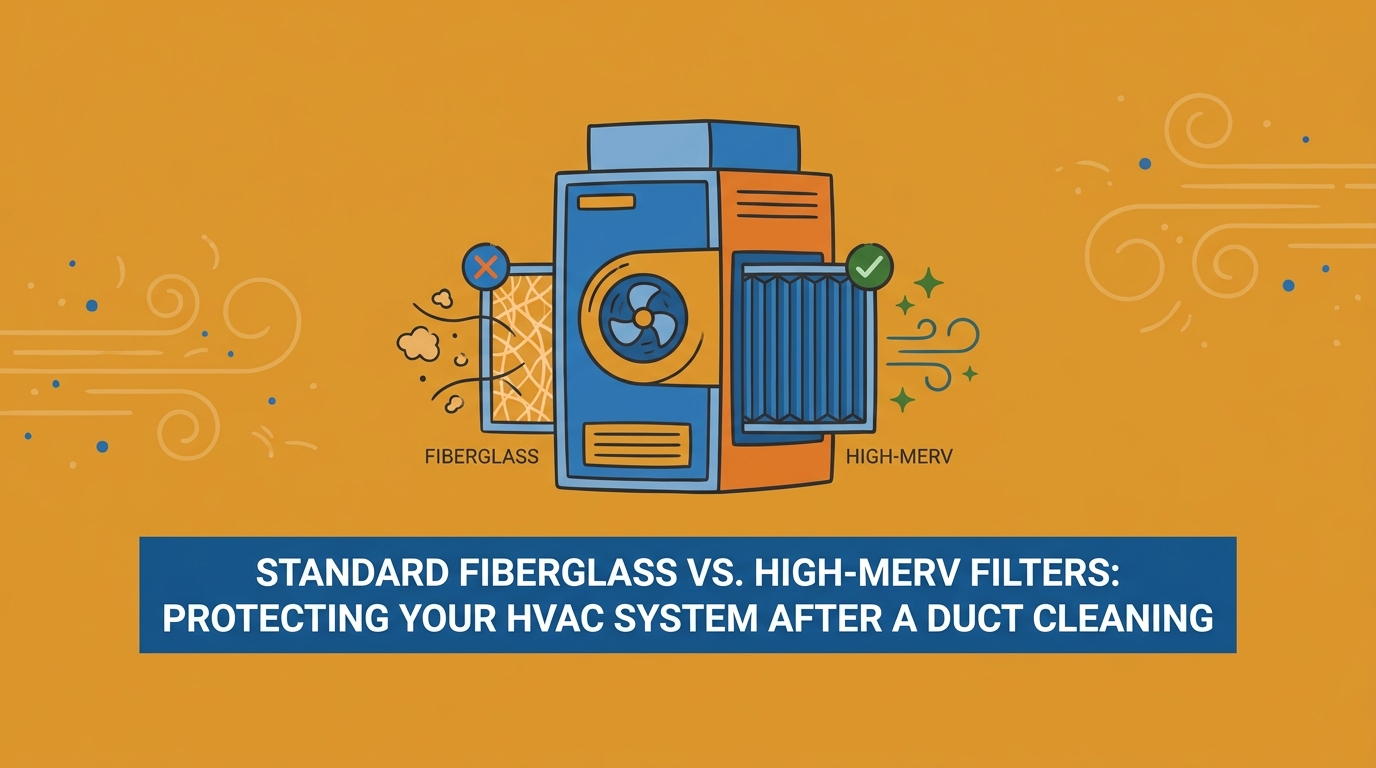
A thicker, denser furnace filter means cleaner air and a better-protected HVAC system, right? Not necessarily. At Superior Air Duct Cleaning, our team sees this common misconception trip up well-meaning homeowners every single year. When you are standing in the hardware store trying to choose between standard fiberglass filters vs. high-MERV options after a duct cleaning, reaching for the most restrictive filter on the shelf can actually do more harm than good.
After investing in professional air duct cleaning, your system's airflow dynamics change dramatically. Years of accumulated dust, pet dander, and debris have just been removed, allowing your HVAC system to breathe freely again. Your immediate instinct is to protect that pristine ductwork. While prioritizing your indoor air quality is a smart move, especially during the August late-summer ragweed and back-to-school transition, suffocating your blower motor is a fast track to emergency repairs.
The Hardware Store Decision
Most homeowners make their filter purchasing decisions based purely on the marketing claims printed on the packaging. You see words like "maximum allergen defense" and assume it is the superior choice for your home. However, HVAC systems are highly calibrated machines that rely on a very specific volume of air moving through the return and supply vents.
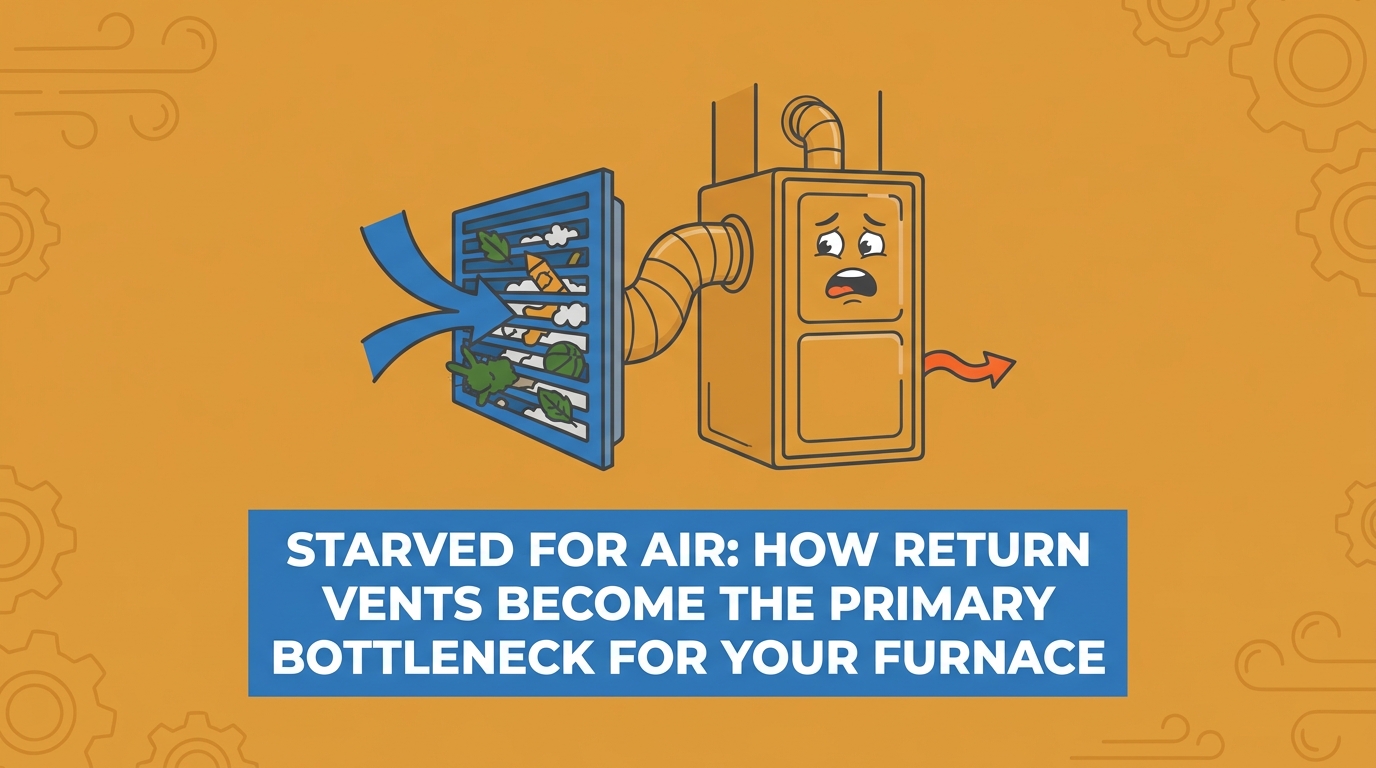
When you slide a highly restrictive filter into a system that was not designed to handle it, you inadvertently create a severe bottleneck. The fresh, clean air you want circulating through your home gets trapped behind a dense wall of pleated fabric. This forces the mechanical components to work twice as hard just to maintain basic temperature control. Understanding how to balance your desire for clean air with the mechanical needs of your furnace and air conditioner is the key to protecting your newly cleaned ductwork without causing catastrophic system failure.
Understanding Static Pressure and Blower Motor Strain
To make the right choice for your home, you need to understand a fundamental HVAC concept: static pressure drop. Without getting too technical, static pressure is simply the resistance your blower motor must overcome to push air throughout your house. Think of your ductwork as the lungs of your home, and the blower motor as the diaphragm doing the heavy lifting.
The "Lungs" of Your HVAC System
When you breathe normally, air moves in and out of your lungs with very little effort. If you try to breathe through a heavy wool blanket, your lungs have to work significantly harder to pull in the same amount of oxygen. A high-MERV filter acts exactly like that heavy wool blanket over your HVAC system's lungs.
Every time the system kicks on, the blower motor expects a certain amount of free-flowing air. When it encounters high static pressure from a dense filter, the motor strains against the resistance. Over time, this constant strain causes the motor to run hotter, consume more electricity, and degrade at an accelerated rate. What starts as a well-intentioned effort to trap microscopic dust particles ends up significantly shortening the lifespan of your expensive heating and cooling equipment.
Vulnerabilities in Older Housing Stock
In our years of servicing ductwork throughout the region, we've noticed this risk is particularly high for many New Brighton PA area homes. Older housing stock often features HVAC systems and ductwork layouts that were designed decades ago, specifically engineered for low static pressure environments. These older blower motors simply do not have the variable-speed capabilities required to ramp up their power and push through modern, highly restrictive filtration media.
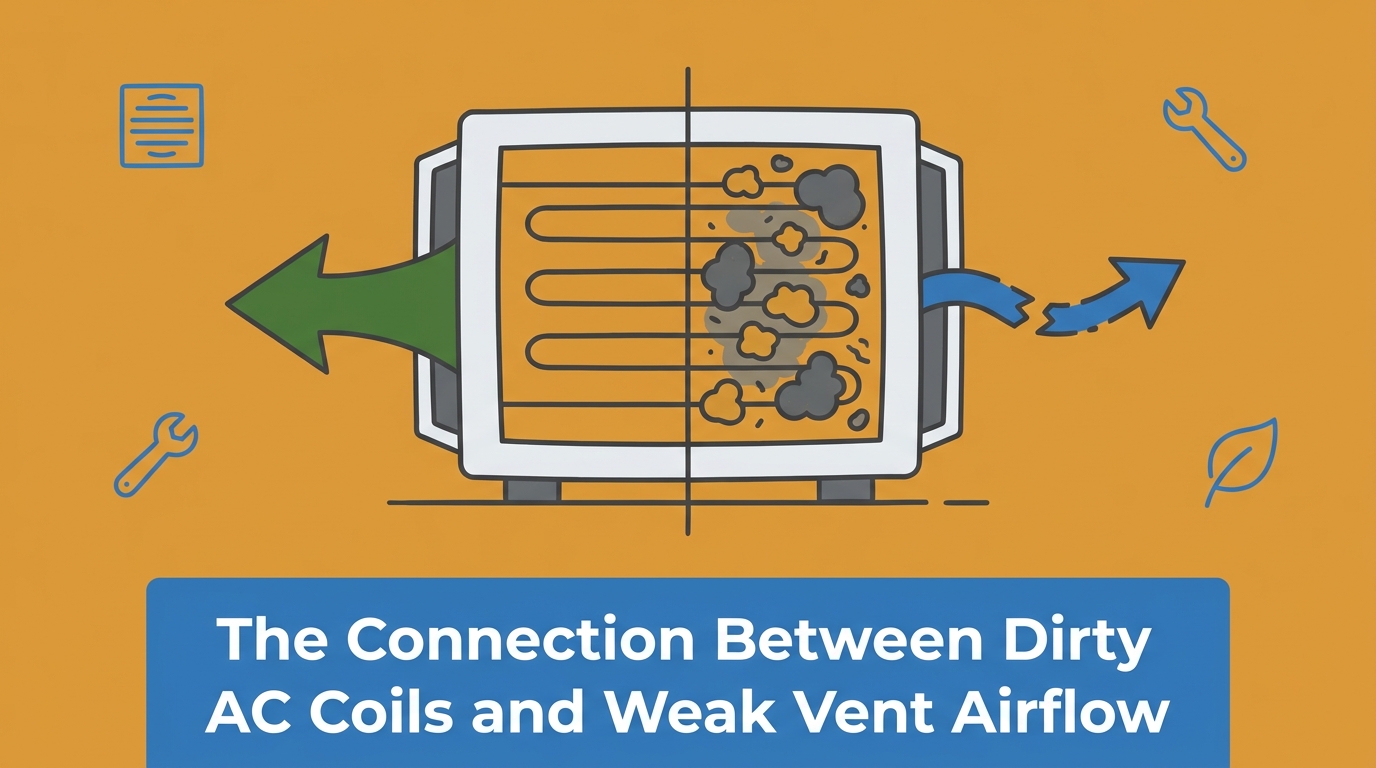
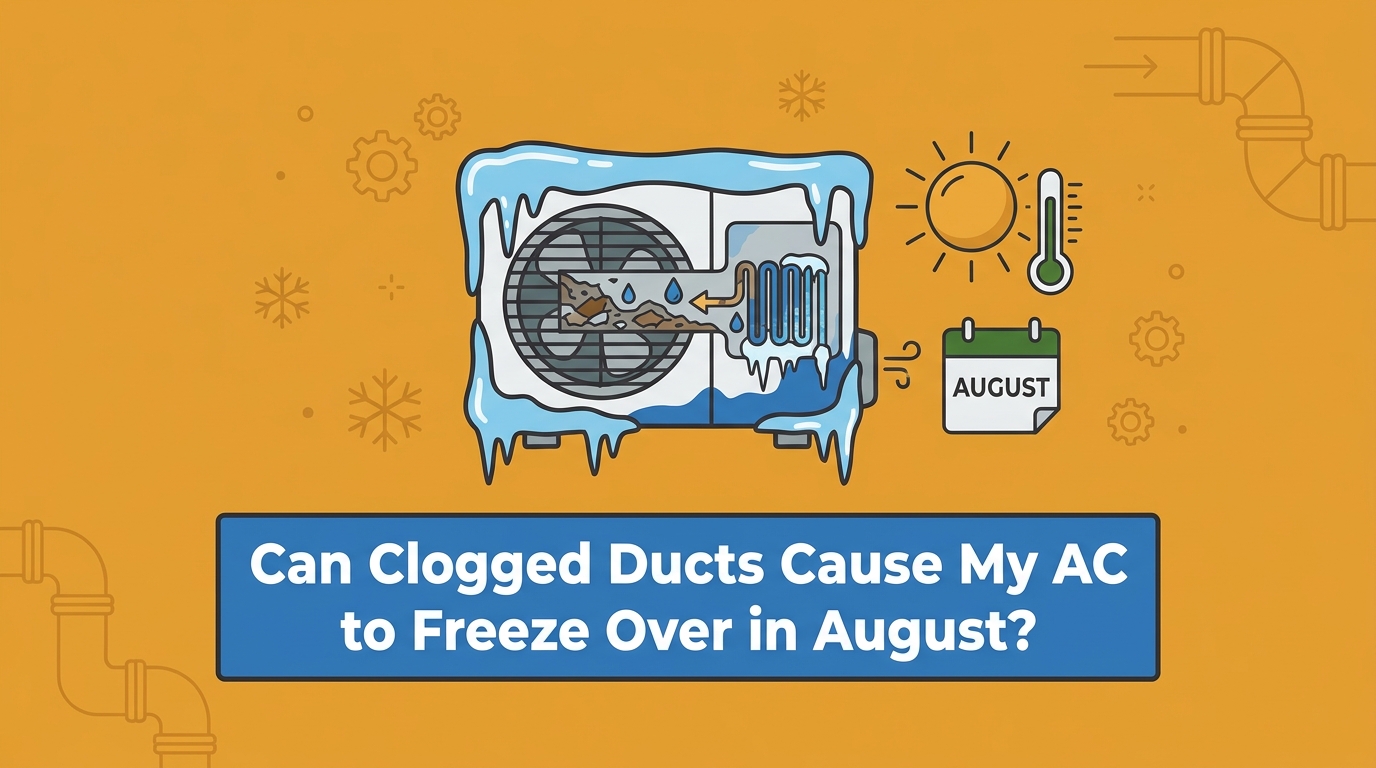
Furthermore, restricted airflow leads directly to one of the most common and frustrating late-summer cooling issues: AC coil freeze-ups. Your air conditioner relies on a constant flow of warm indoor air passing over the cold evaporator coil to extract heat. If a thick filter slows that airflow to a crawl, the coil gets too cold, the surrounding condensation freezes into a solid block of ice, and your system completely stops cooling your home right when you need it most.
Standard Fiberglass Filters: Maximizing Airflow Over Filtration
When you walk down the filter aisle, standard fiberglass filters are usually the most affordable and visually transparent options available. These are typically rated between MERV 1 and MERV 4. While they might look flimsy compared to heavily pleated alternatives, they serve a very specific and vital purpose in residential HVAC systems.
What Are Standard Fiberglass Filters?
It is important to understand that standard fiberglass filters were never designed to be whole-home air purifiers. Their primary mechanical function is to protect the internal components of your HVAC equipment—specifically the blower motor and the heat exchanger—from large debris, hair, and heavy dust that could cause physical damage or dangerous buildup.
Here is what you need to know about standard fiberglass filters:
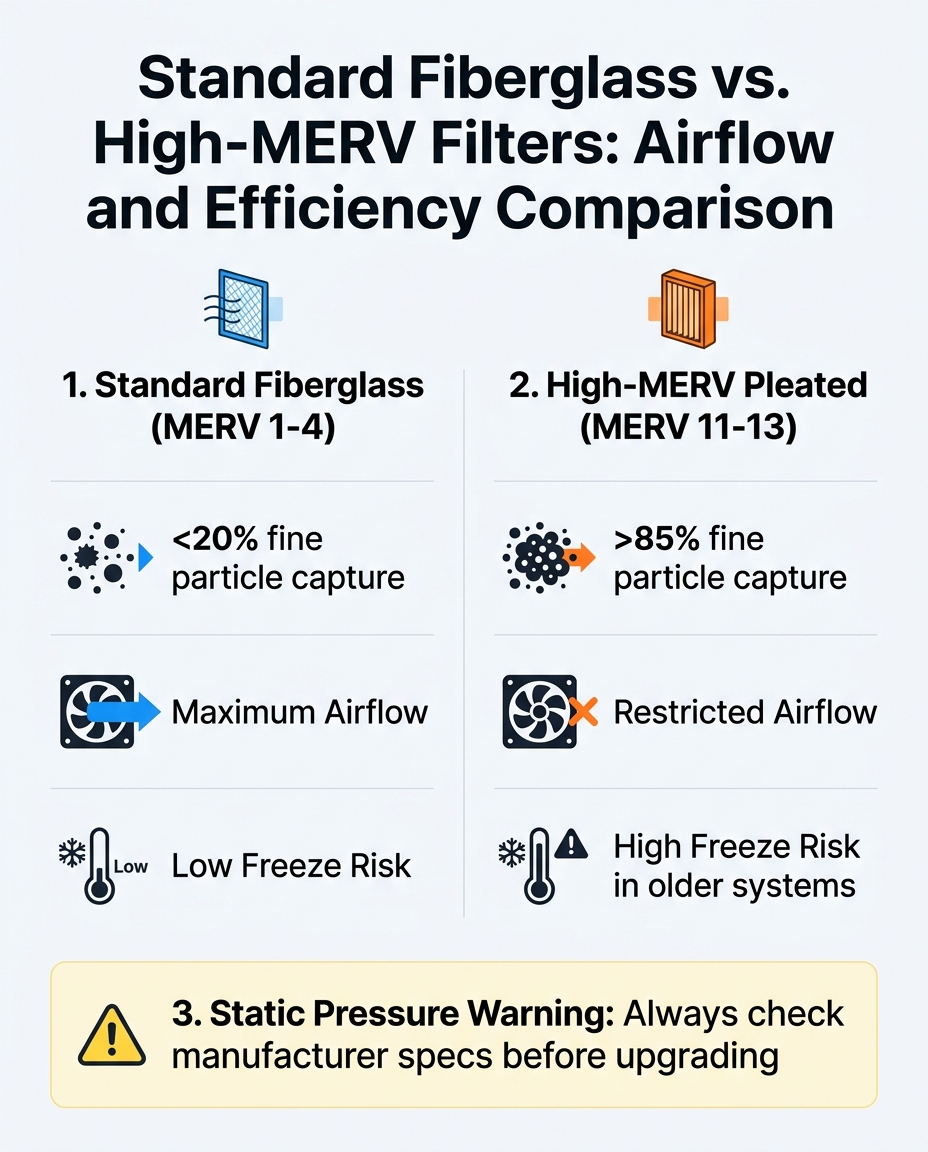
1. Limited Fine Particle Capture: These filters capture less than 20% of particles between 3.0 and 10.0 microns. They will stop pet hair and large dust bunnies, but microscopic allergens will pass right through.
2. Maximum Airflow: Because the woven fiberglass is highly porous, these filters offer the path of least resistance. The static pressure drop is minimal, allowing your blower motor to operate exactly as the manufacturer intended.
3. Reduced Mechanical Strain: With unrestricted airflow, your system runs cooler, cycles more efficiently, and experiences far less wear and tear on expensive moving parts.
4. Low Freeze Risk: Because air moves freely over the evaporator coil, standard filters drastically reduce the risk of your AC freezing up during heavy cooling demands.
The Trade-Off for Pristine Ducts
The major drawback of standard fiberglass filters becomes apparent right after a professional duct cleaning. Because they allow finer particles to pass through, fine dust and seasonal allergens—especially during the August late-summer ragweed and back-to-school transition—will begin to settle back into your freshly cleaned ducts faster than they would with a thicker filter. You are trading superior indoor air quality for maximum mechanical safety and system longevity.
High-MERV Options: Powerful Allergen Capture with a Hidden Cost
On the other end of the spectrum are high-MERV pleated filters, typically ranging from MERV 11 to MERV 13 or higher. These filters are tightly woven from synthetic materials and folded into deep pleats to maximize the surface area available for trapping microscopic airborne contaminants.
The Appeal of High-MERV Pleated Filters
For homeowners suffering from asthma, severe allergies, or respiratory sensitivities, high-MERV filters seem like the ultimate solution. They are engineered to capture over 85% of fine particles, including pollen, pet dander, mold spores, and even some bacteria. If you just paid to have years of buildup removed from your ductwork, a high-MERV filter will undoubtedly keep those ducts pristine for a much longer period.
Consider these characteristics of high-MERV options:
1. Superior Air Quality: They excel at trapping the invisible particulates that trigger allergy symptoms and cause excessive household dusting.
2. Extended Duct Cleanliness: By stopping fine dust at the return vent, your supply ducts remain remarkably clean season after season.
3. High Static Pressure Drop: The dense material creates a significant barrier to airflow, fundamentally altering how your HVAC system breathes.
4. Frequent Replacement Needs: Because they trap so much debris, they clog much faster than standard filters and must be monitored constantly to prevent total airflow blockage.
The Hidden Danger of Airflow Restriction
The hidden cost of this powerful allergen capture is the severe mechanical strain it places on your system. This creates a dangerous dual threat in Western PA during August: peak ragweed season drives the intense desire for high-MERV filters, but combining that restrictive filter with high humidity and intense late-summer heat makes AC coils highly susceptible to freezing over.
When your system runs for hours on end to combat the August heat, any restriction in airflow can cause the evaporator coil temperature to plummet below freezing. ASHRAE (The American Society of Heating, Refrigerating and Air-Conditioning Engineers) strongly recommends checking your specific HVAC manufacturer specifications before upgrading to a high-MERV filter. Many standard residential systems simply cannot handle the static pressure drop without risking severe compressor damage or blower motor failure.
Head-to-Head Comparison: Finding the Right Balance for Your Home
Choosing the correct filter requires balancing your family's health needs against the mechanical limitations of your heating and cooling equipment. Below is a quick-reference comparison to help you understand the core differences when making your decision.
• Filtration Efficiency — Standard Fiberglass (MERV 1-4): Low (Captures large debris, <20% of fine particles) — High-MERV Pleated (MERV 11-13+): High (Captures >85% of fine particles and allergens)
• Airflow Restriction — Standard Fiberglass (MERV 1-4): Minimal (Allows system to breathe easily) — High-MERV Pleated (MERV 11-13+): Significant (Creates high static pressure drop)
• Blower Motor Strain — Standard Fiberglass (MERV 1-4): Very Low (Extends motor lifespan) — High-MERV Pleated (MERV 11-13+): High (Can cause premature motor failure in older units)
• AC Coil Freeze Risk — Standard Fiberglass (MERV 1-4): Low (Maintains proper heat transfer) — High-MERV Pleated (MERV 11-13+): High (Especially during late-summer heat waves)
• Ideal Use Case — Standard Fiberglass (MERV 1-4): Older homes, systems with 1-inch filter slots, maximum efficiency — High-MERV Pleated (MERV 11-13+): Modern variable-speed systems, severe allergy sufferers

Matching Filter Types to Older HVAC Systems
The age and design of your HVAC system play a massive role in determining which filter you can safely use. Many older homes in our region were built with ductwork sized for basic heating, long before high-efficiency central air conditioning and dense filtration media became the industry standard.
The Impact of Decades of Dust
When you live in an older home, the ductwork has often accumulated decades of dust, dander, and debris before a professional cleaning is ever scheduled. In fact, our crew recently worked with a local homeowner who sought to reduce severe allergens after realizing their house ducts hadn't been cleaned in 18 years. Once the heavy accumulation was removed through a comprehensive cleaning process, the system's baseline airflow completely changed. The homeowner was thrilled with the results, but they also needed to understand that their older furnace was now operating differently.
Whether a company uses truck mounted vs portable duct cleaning equipment, the end result is a duct system that is suddenly clear of obstructions. The immediate temptation is to block new dust from entering by jamming a MERV 13 filter into the furnace.
The 1-Inch Filter Slot Dilemma
Here is the problem: a standard 1-inch filter slot in an older furnace is rarely designed to handle a MERV 13 pleated filter. Modern high-efficiency systems that utilize high-MERV ratings typically feature 4-inch or 5-inch media cabinets. These deep cabinets fold massive amounts of filter material into a wider space, allowing for high filtration without drastically increasing static pressure.
If you try to force that same level of filtration into a narrow 1-inch slot in a standard New Brighton PA area home, you severely choke the system. Understanding the mechanical limits of your specific equipment is just as important as the cleaning method used to clear the ducts in the first place.
Beyond the Filter: Maintaining Pristine Ducts Year-Round
If your HVAC system cannot safely handle a high-MERV filter without straining the blower motor, you might feel frustrated. How are you supposed to maintain your indoor air quality and keep your freshly cleaned ducts pristine?
Addressing the Source of Contaminants
The good news is that there are highly effective ways to improve your air quality without relying solely on restrictive furnace filters. Instead of trying to catch every microscopic particle at the return vent, you can address bacteria, odors, and allergens at the source.
For example, one of our recent clients, concerned about lingering bacteria in their newly cleaned system, opted for a thorough whole house sanitizing service after our technicians showed them the before-and-after photos of their ductwork. This targeted approach neutralized biological contaminants directly within the duct runs. It provided total peace of mind about their air quality without forcing them to rely on an overly restrictive 1-inch pleated filter that could have damaged their blower motor.
Complementary Indoor Air Quality Solutions
Beyond sanitizing, there are several complementary technologies that work alongside standard fiberglass filters to keep your air clean during the August late-summer ragweed and back-to-school transition:
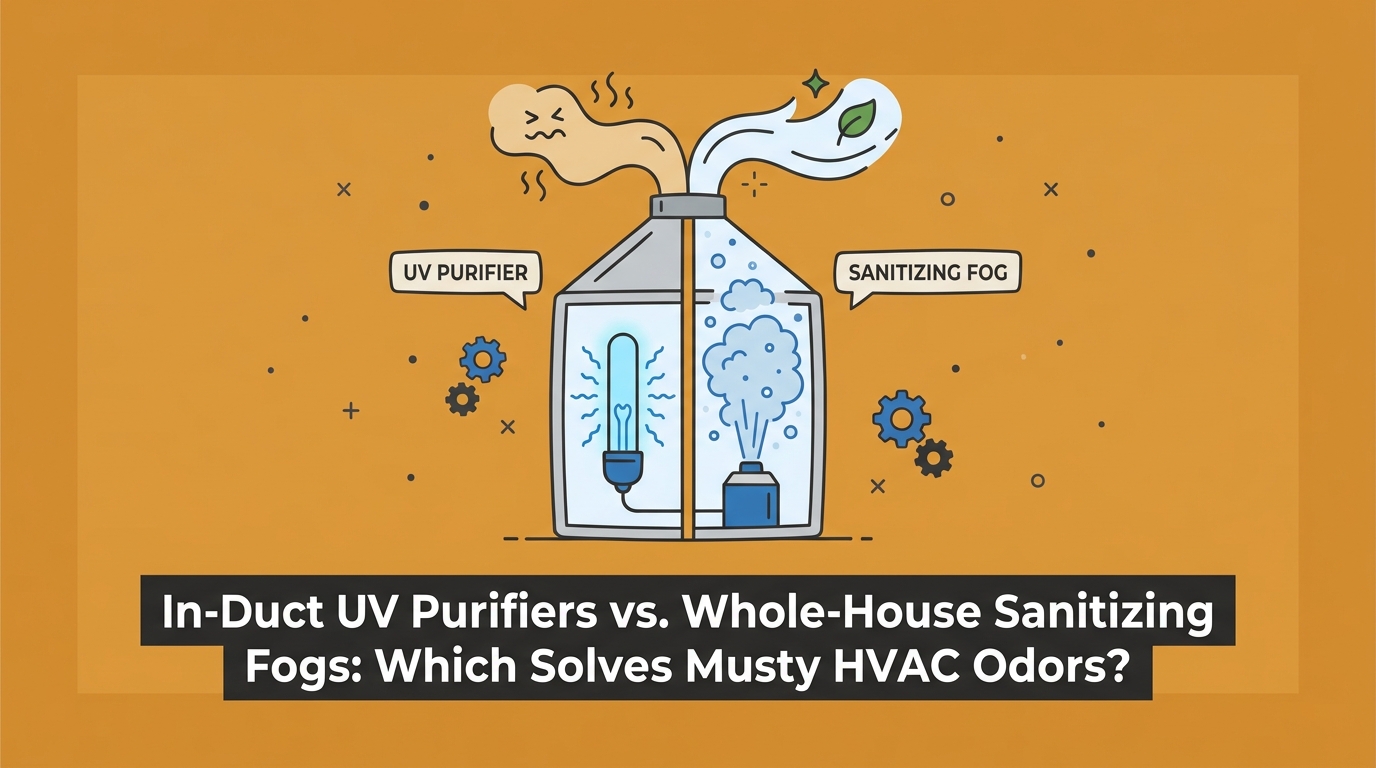
• UV Germicidal Lights: Installed directly over the AC evaporator coil, these lights neutralize mold spores and bacteria before they can circulate through the home, requiring zero airflow restriction.
• Electronic Air Cleaners: These systems use an electrical charge to trap particles rather than a dense physical barrier, offering high filtration with incredibly low static pressure drop.
• Standalone HEPA Purifiers: Placing dedicated air purifiers in high-traffic areas or bedrooms removes allergens from the living space without involving the HVAC ductwork at all.
By utilizing these complementary methods, you can achieve the clean air you desire while allowing your furnace to breathe easily through a standard filter.
Make the Right Choice for Your Freshly Cleaned System
Ultimately, the best filter for your home is the one that carefully balances clean, breathable air with healthy, unrestricted system airflow. Protecting your investment after a professional duct cleaning doesn't mean blindly buying the thickest filter on the shelf. It means understanding how your specific system operates.
Before making a drastic change to your filter thickness, always check your system's manufacturing specifications or consult with a professional. Our technicians consistently find that many New Brighton PA area homes operate best with a standard filter and complementary air quality solutions rather than a dense, restrictive barrier. If you are unsure what your blower motor can handle, reach out for expert guidance from our team to ensure your newly cleaned system runs efficiently and safely for years to come.
Frequently Asked Questions
What is the best filter to use after air duct cleaning?
The best filter depends entirely on your HVAC system's specific airflow requirements. For most standard residential systems, a MERV 5 to MERV 8 pleated filter offers a safe balance between trapping dust and allowing the blower motor to breathe. However, if you have an older system with a 1-inch slot, a standard fiberglass filter may be required to prevent mechanical strain.
Can a high MERV filter damage my older HVAC system?
Yes, a highly restrictive filter can cause significant damage to an older HVAC system. High-MERV filters create a high static pressure drop, forcing the blower motor to work much harder to pull air through the return vents. Over time, this constant resistance can lead to overheating, increased energy consumption, and premature blower motor failure.
Why is my AC coil freezing in the summer after changing the filter?
Your AC coil is likely freezing because the new filter is too restrictive, severely reducing airflow across the evaporator coil. Air conditioners require a constant flow of warm indoor air to absorb cold energy; without it, the condensation on the coil rapidly drops below freezing and turns into a solid block of ice. Switching back to a less restrictive filter usually resolves this issue.
Are standard fiberglass filters better for airflow?
Standard fiberglass filters are exceptional for maintaining maximum airflow through your ductwork. Because their woven material is highly porous, they create very little static pressure drop, allowing your system to cycle air effortlessly. While they do not purify the air of microscopic allergens, they excel at protecting the equipment without causing mechanical strain.
How does static pressure drop affect my blower motor?
Static pressure drop acts like a physical barrier that the blower motor must push and pull against. When the pressure drop is too high—often caused by a thick, restrictive filter—the motor has to run longer and harder to circulate the same volume of air. This excessive workload leads to increased heat generation, higher electrical draw, and eventual mechanical breakdown.
Should I upgrade to a pleated filter during peak ragweed season?
Upgrading to a pleated filter during peak ragweed season can help capture more allergens, but you must verify that your system can handle the reduced airflow first. If your blower motor struggles with the added resistance, you risk freezing your AC coil during late-summer heat waves. It is often safer to use a moderate filter and rely on standalone room purifiers for extra allergen control.

Customer Reviews


Superior Air Duct cleaning did a phenomenal job in a timely manner with the tech “Rich” being very professional ,personable and considerate of our property! He explained things as he proceeded and answered all our questions!
I LOVE that they provide before & after photos to see the difference. Give them a try… you won’t regret it
Pam T.
Robert was on schedule and communicated what time he would arrive. He was polite, professional, and respectful of our home. I wanted to wait a couple weeks before posting a review because I wanted to see if the duct cleaning actually made a difference. I am happy to say it did! I vacuum multiple times a week and have already noticed a significant reduction in the amount of dust cleaned up each time. As a home with pets, there will always be something to clean, but getting the ducts cleaned has definitely helped improve the air quality and reduce the dust.
alice A.
Technician Rob arrived early explained the days agenda and then proceeded to work methodically and meticulously over the next 6+ hours cleaning my ductwork. Courteous and professional they answered all of my questions and went above and beyond the call of duty. They even located an old dusty box of rat poison buried in our vents. My only regret is not finding these guys sooner. As a realtor of 22 years and owner of a newly purchased (now dust free) home I highly recommended!
Eric K.
Excellent service! I’ve used them to clean out my air ducts as well as my dryer vent duct and they are excellent. I was very pleased with both jobs and will continue to use them in the future. Great communication as well- from the time I scheduled the appointment until they were at my door.
Erika C.
We had such an amazing experience with Superior Air Duct Cleaning. They were so nice and friendly and did an amazing job. I loved seeing the before and after pictures. Besides doing an amazing job cleaning our air ducts they were so quick at responding and setting up the appointment. We will definitely be using them in the future.
Amanda C.