Addressing That Burning Dust Odor During Your Mid-Fall Heating Startup
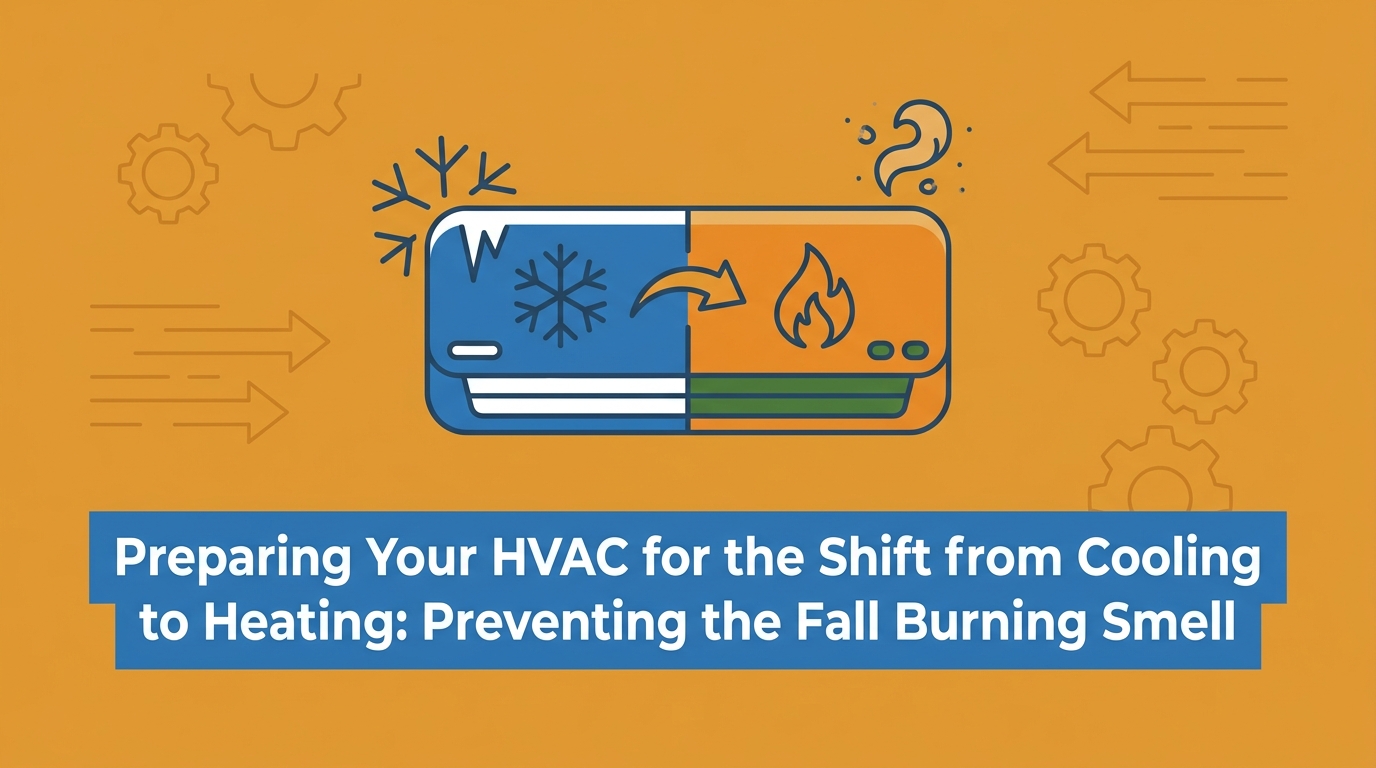
You turn on your thermostat for the first cold morning of October, expecting a rush of cozy warmth, but instead, your home quickly fills with a harsh, burning smell. Navigating effective home maintenance tips and troubleshooting during this seasonal transition is essential for protecting your indoor air quality. That sudden odor during your mid-fall heating startup is one of the most common reasons homeowners call our team worried that their furnace is failing or their home is at risk.
The immediate decision you face is determining whether this is a temporary, harmless burn-off or a symptom of heavily contaminated ductwork that requires intervention. While a brief odor is often part of the normal seasonal shift, persistent smells point to a deeper issue lurking in your ventilation system. Taking a proactive approach to professional air duct cleaning ensures that you are circulating clean, healthy air rather than baked-on debris. In our years of experience at Superior Air Duct Cleaning, we have developed this guide to walk you through the diagnostic process, helping you understand exactly what is happening inside your system and when it is time to call in our experts.
The Science of the First Fall Cycle: Understanding Heat Exchanger Burn-Off
To understand why your heating system produces strange smells in the fall, it helps to look at the mechanics of your furnace. At the core of your heating system is the heat exchanger, a series of metal coils or tubes that get extremely hot to warm the air passing over them. During the dormant summer months, when your furnace sits idle, our technicians consistently find that this component becomes a resting place for airborne particles.
Even if you run your air conditioning regularly, the heating components remain cold and inactive. Over several months, a layer of household debris settles directly onto the metal surface of the heat exchanger. This layer typically consists of:
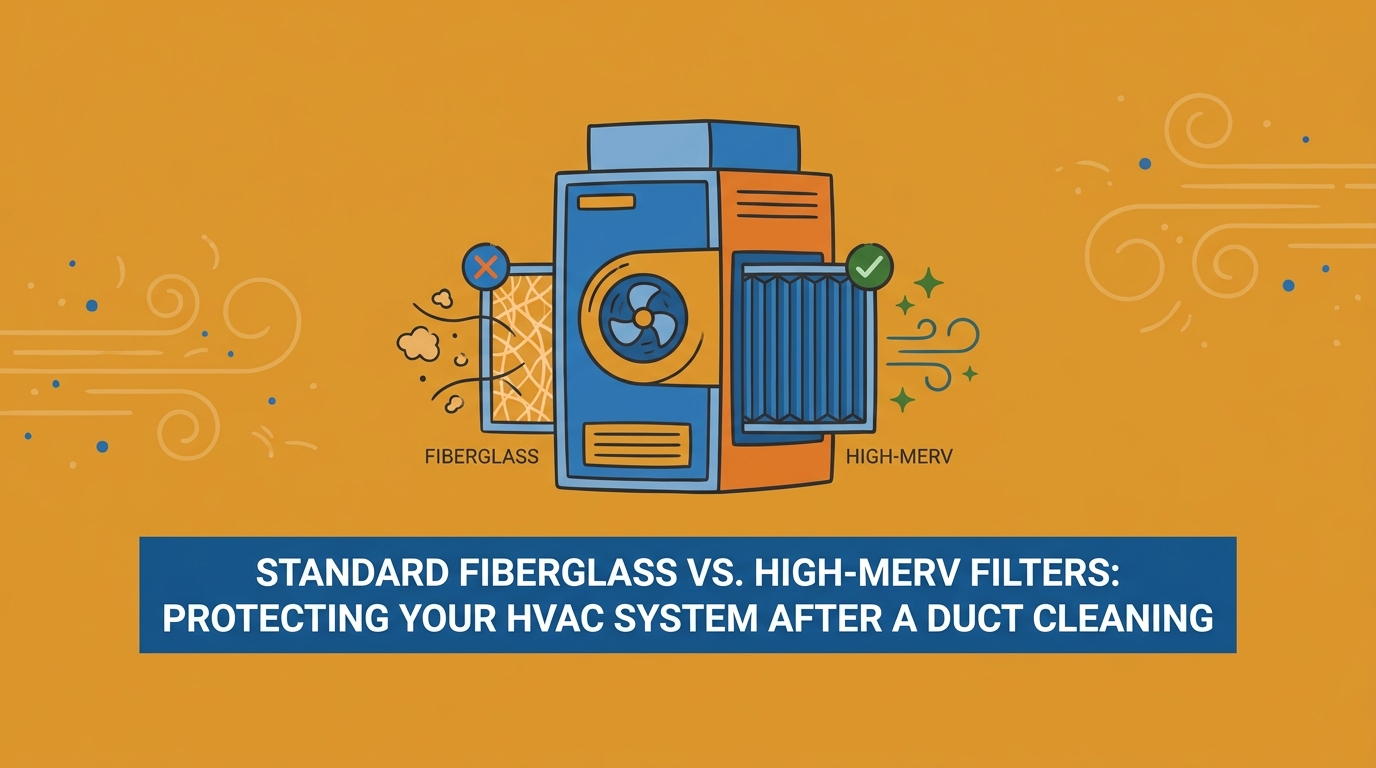
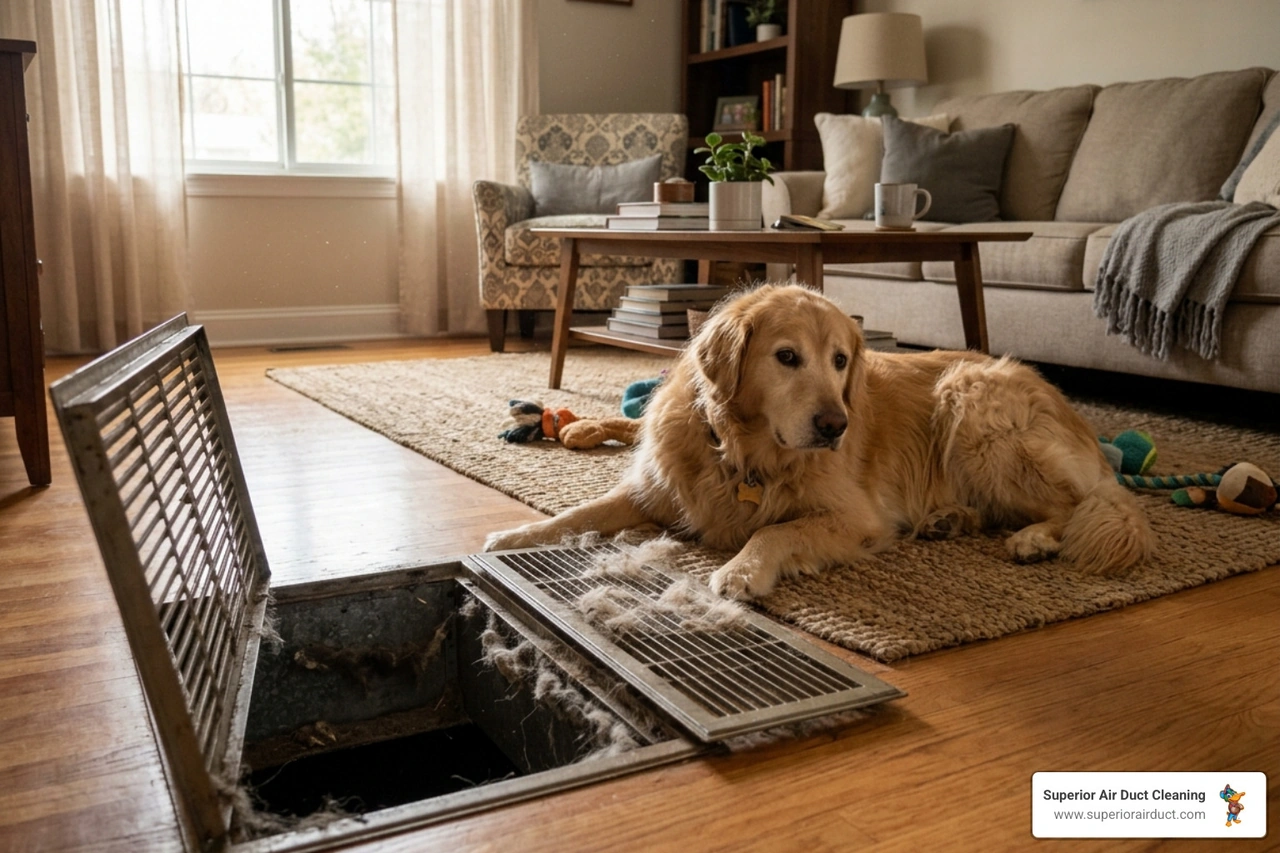
• Pet dander and hair: Microscopic particles shed by dogs and cats that easily pass through standard fiberglass filters.
• Textile fibers: Lint from clothing, carpets, and upholstery that floats through the air.
• Organic dust: Dead skin cells, pollen, and everyday dirt tracked in from outside.
The Ignition Process
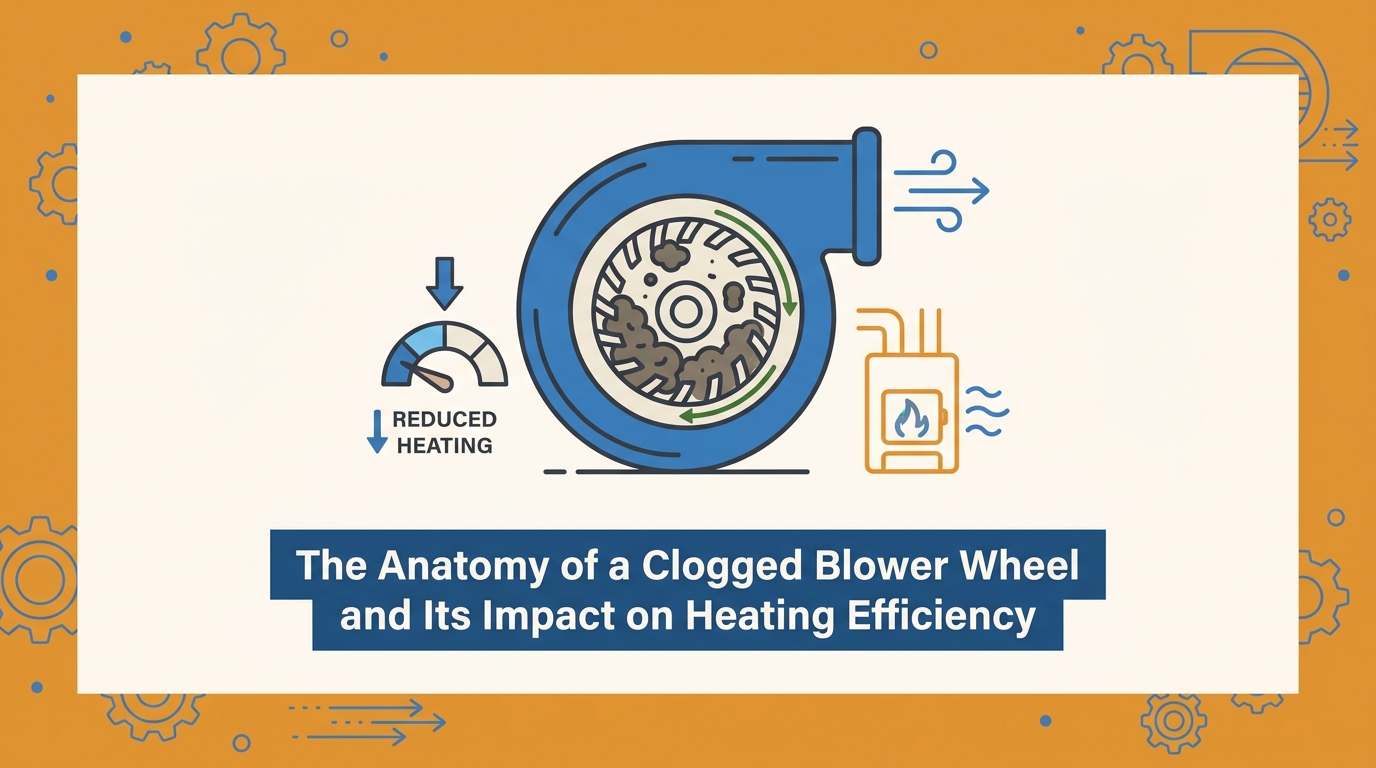
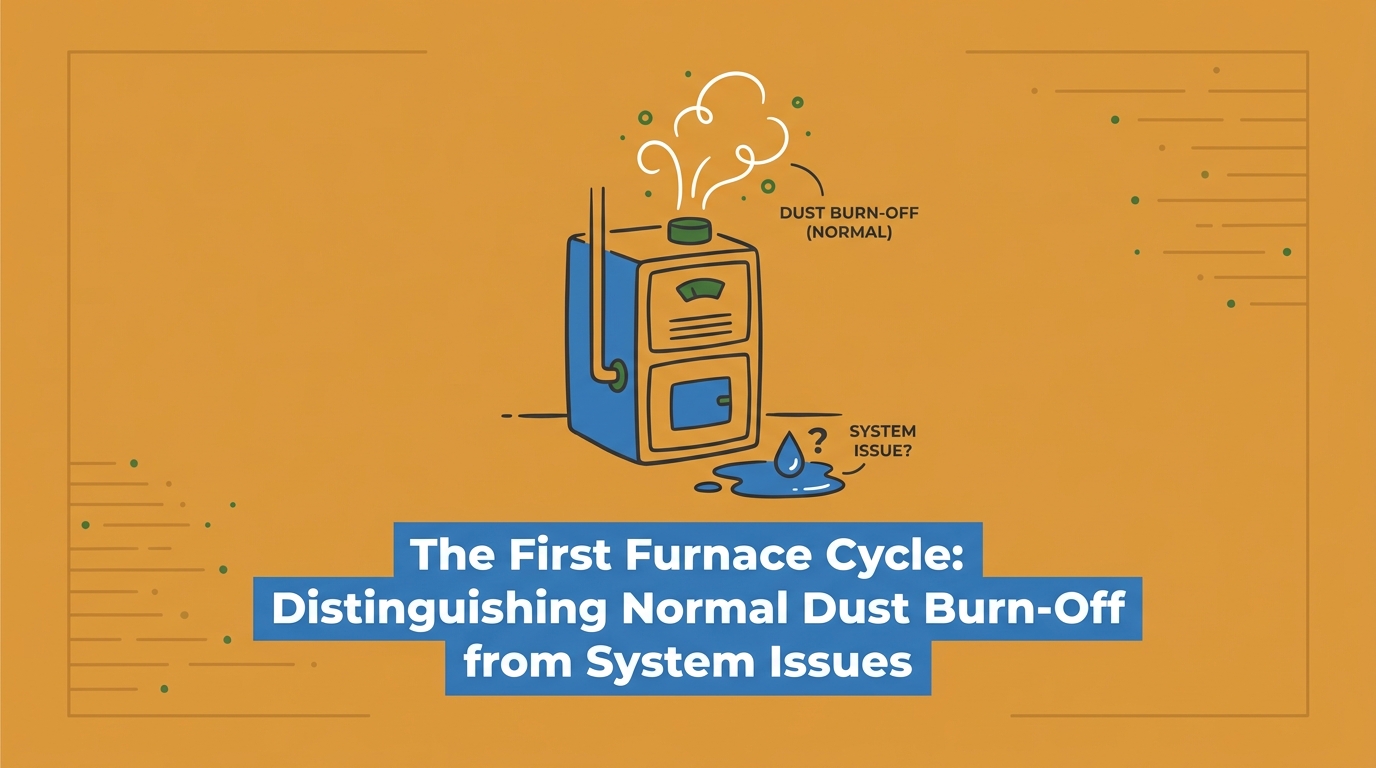
When you initiate your mid-fall heating startup, the burners ignite, and the heat exchanger rapidly heats up to hundreds of degrees. The settled dust and debris resting on the metal instantly vaporize or burn off. Because the blower fan pushes air directly over this heated surface and into your living spaces, that burning dust smell is carried through every vent in your home.
The Solution for Normal Burn-Off
A normal heat exchanger burn-off is entirely temporary. In most cases we see, the smell should dissipate within a few hours of operation as the accumulated dust is fully incinerated. The best solution during this initial startup phase is to ensure proper ventilation. Open a few windows slightly to allow fresh air to circulate, and let the furnace run a few cycles. If the system is functioning correctly and the ducts are relatively clean, the odor will vanish and will not return for the rest of the winter season.
How Western PA Humidity Creates a Trap for Duct Debris
While a brief burn-off smell is normal, persistent odors and excessive dust point to an environmental challenge specific to our region. In New Brighton PA area homes, our crews observe firsthand how the transition from humid summers to freezing winters plays a massive role in how dust accumulates inside your ductwork.
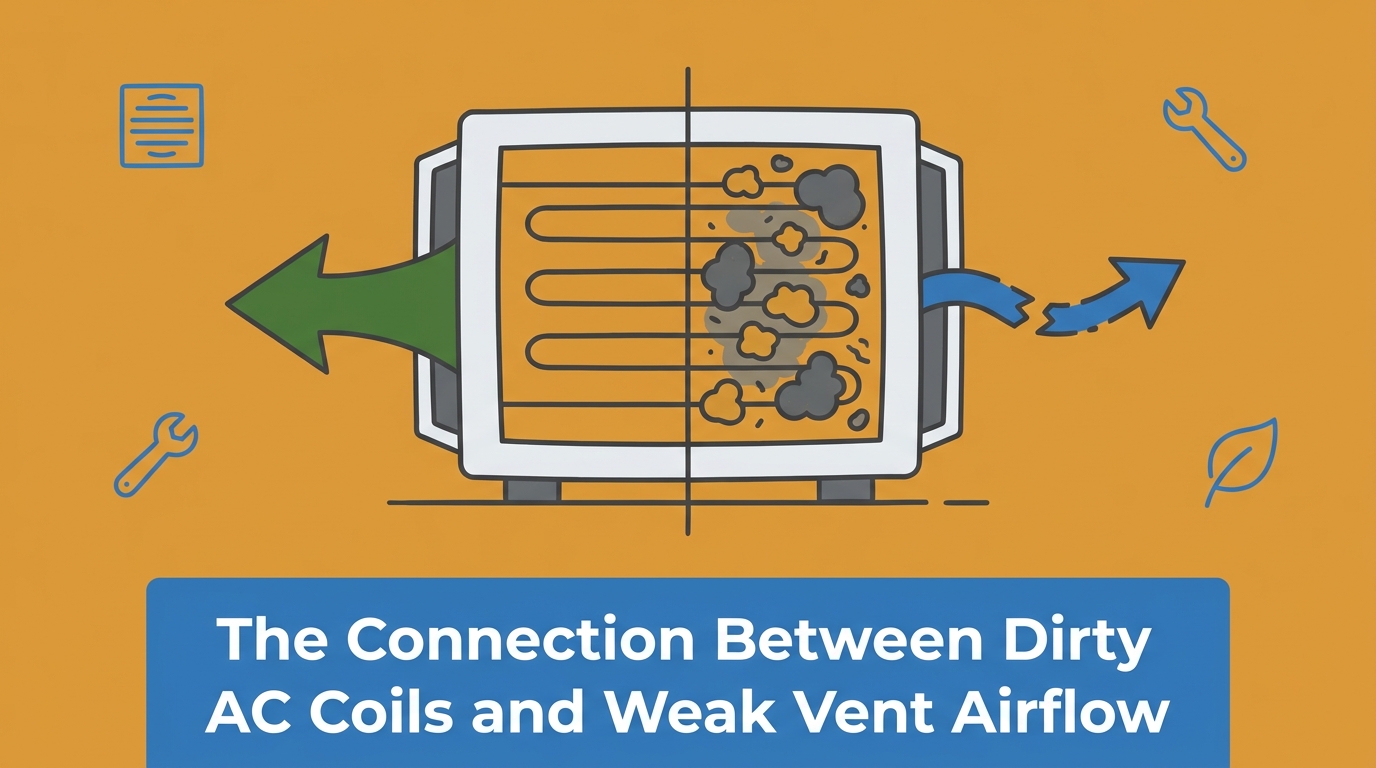
During the summer cooling season, your air conditioning system is constantly pulling warm, moist air from the house and cooling it down. This process naturally creates condensation. While the primary condensation drains away, the interior walls of your ductwork often become slightly damp due to the high humidity levels typical of Western Pennsylvania. This moisture acts like an adhesive. As airborne dust, allergens, and microscopic debris travel through the dark, cool ducts, they stick to the damp walls, building up layer by layer over the summer months.
As the weather turns and you switch to your heating system, the environment inside the ducts changes drastically. The furnace blasts dry, hot air through the previously damp ventilation system. The thick layers of adhered summer debris quickly dry out, become brittle, and begin to flake off the duct walls. The forced air from the blower fan catches these dried flakes and pushes them directly into your living spaces.
This seasonal transition exacerbates indoor air pollution precisely when homes are being sealed tightly against the cold. Instead of fresh air, your family is breathing in months of accumulated summer debris. Understanding this cycle highlights why our team stresses proactive maintenance before the harsh winter weather locks you indoors.
Troubleshooting Checklist: Normal Burn-Off vs. Contaminated Ductwork
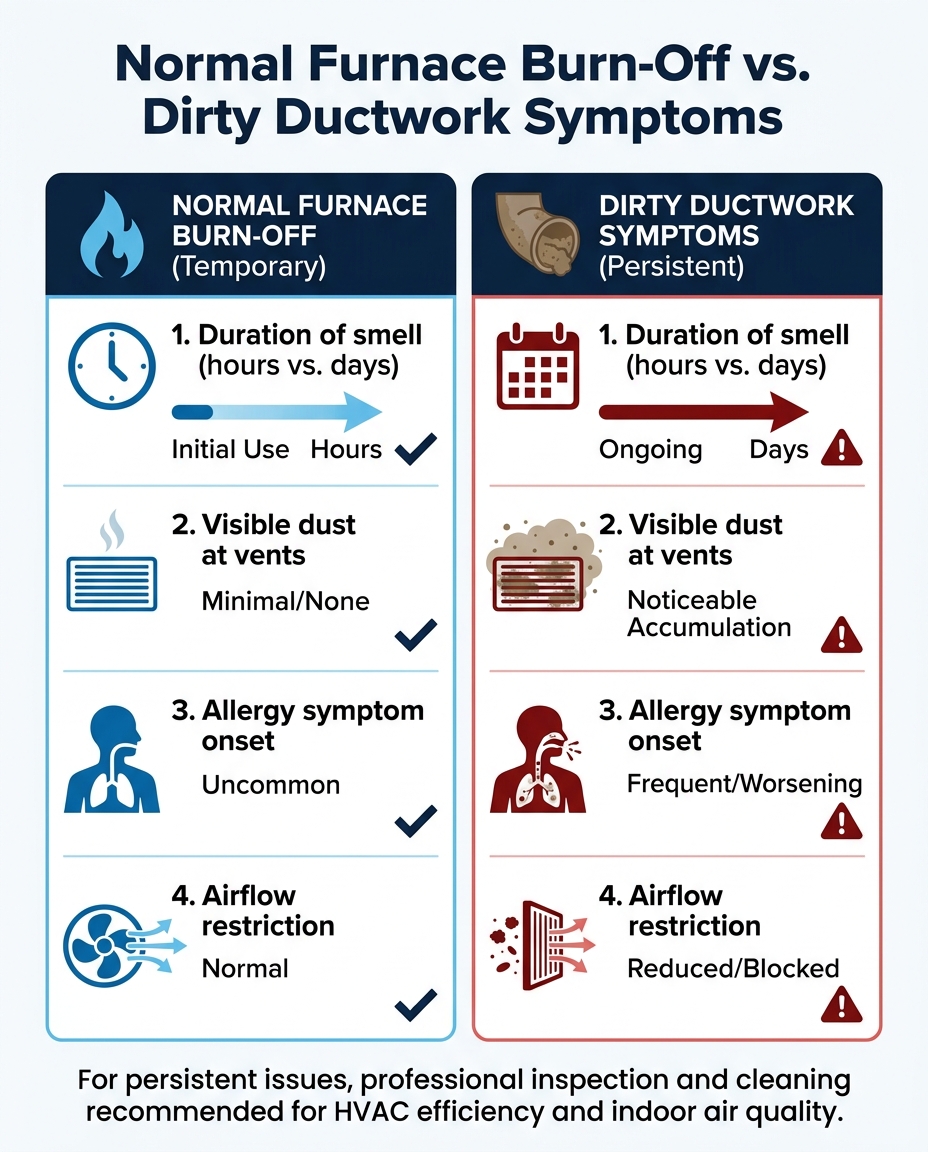
When you encounter a burning smell during your mid-fall heating startup, it is important to diagnose the severity of the issue accurately. We recommend using the following diagnostic checklist to evaluate your system's odors and determine if you are dealing with a standard startup or a severely contaminated ventilation network.
• Timeframe of the odor: Normal burn-off lasts only a few hours or a couple of heating cycles. If you are experiencing persistent smells lasting for days or returning every time the furnace kicks on, this indicates severe duct debris continuously feeding into the airstream.
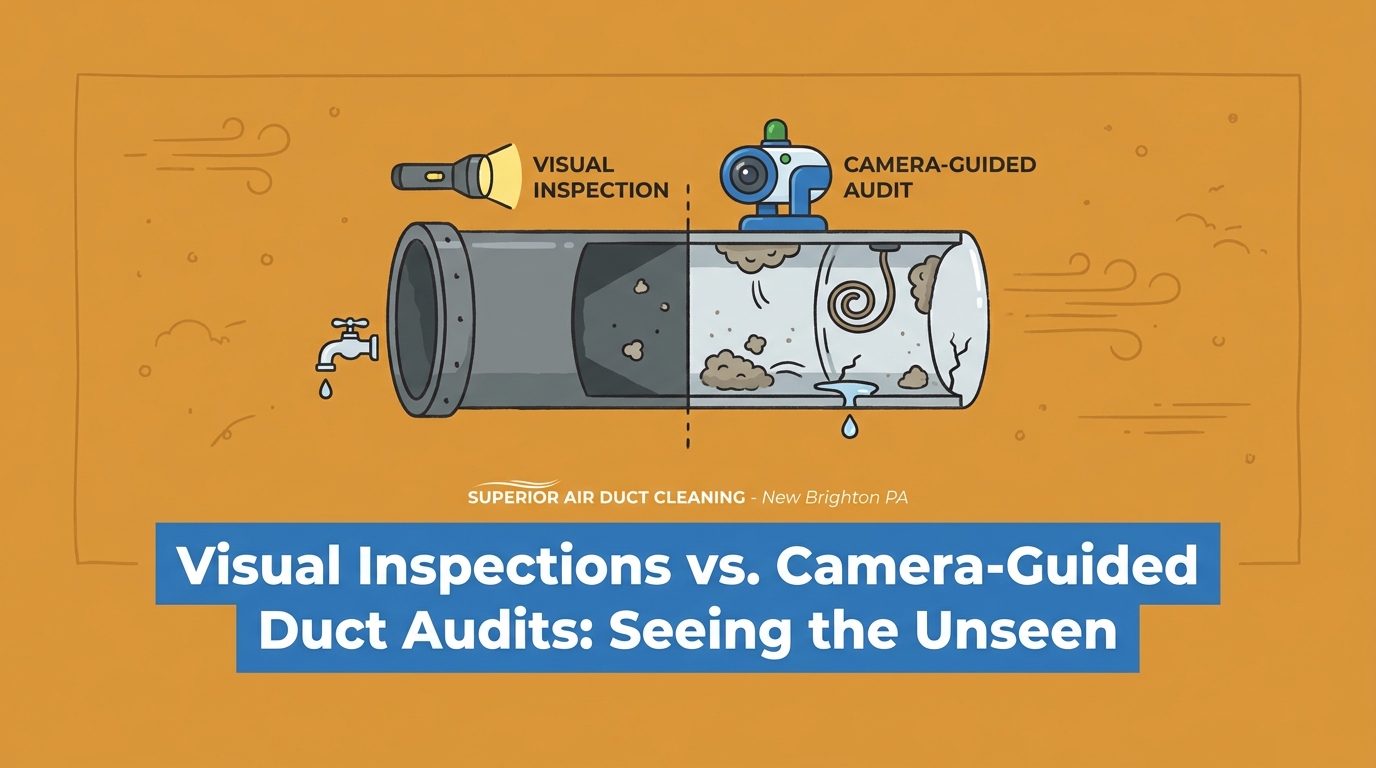
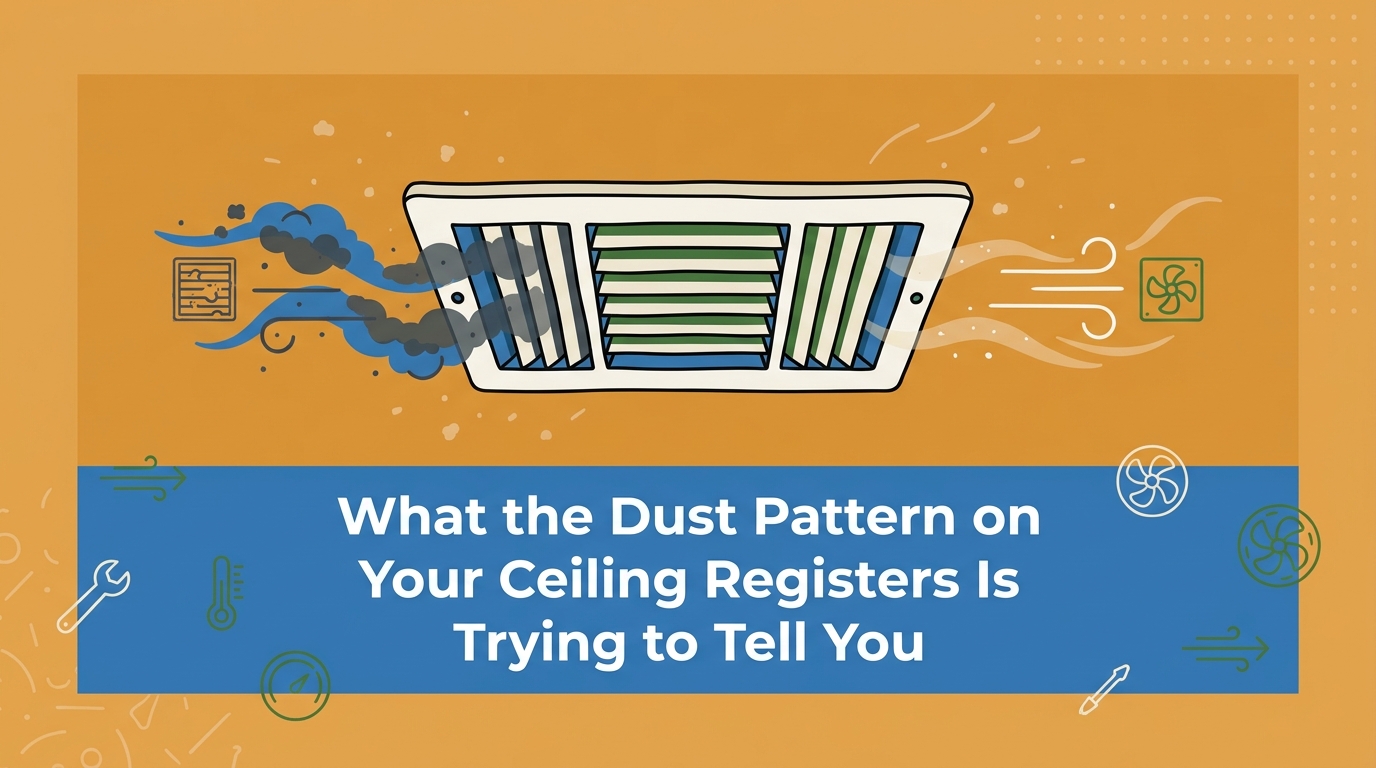
• Visual cues at the registers: Take a flashlight and look closely at your vent registers when the blower engages. If you see visible dust, lint, or debris blowing out, or if dark streaks are forming on the ceiling or wall around the vent, your ducts are heavily loaded with particulates.
• Physical and respiratory symptoms: Pay attention to how your family feels. Normal burn-off might smell unpleasant, but it rarely causes illness. If occupants experience sudden allergy symptoms, sneezing, coughing, or respiratory irritation when the heat runs, you are likely circulating entrenched allergens.
• System performance and airflow: Hold your hand over a supply vent. If the airflow feels weak or restricted, it strongly suggests heavy buildup inside the system choking off the air supply.
• Odor Duration — Normal Furnace Burn-Off: Fades within 1 to 3 hours — Contaminated Ductwork: Persists for days or weeks
• Visible Dust — Normal Furnace Burn-Off: None at the vent registers — Contaminated Ductwork: Debris blowing out of vents
• Health Impact — Normal Furnace Burn-Off: Mild, temporary annoyance — Contaminated Ductwork: Triggers allergies or asthma
• Airflow Strength — Normal Furnace Burn-Off: Strong and consistent — Contaminated Ductwork: Weak, restricted, or uneven
When to Check Your Air Filter
Before assuming your ductwork is the primary culprit, we always advise checking your HVAC air filter. A severely clogged filter can mimic restricted airflow and actually exacerbate burning smells. When the filter is completely blocked by dirt, the furnace struggles to pull in enough air, causing the system to run hotter than it should. This excess heat can amplify the burning dust odor. Replacing your filter is the first and easiest step in any troubleshooting process.
Eliminating Hidden Allergens and Persistent Odors from Your Vents
If your troubleshooting reveals that the smells are not fading, you are likely dealing with more than just a dusty heat exchanger. Persistent, horrible vent smells often stem from bacteria, mold spores, or long-term debris buildup sitting deep within the ductwork. Over time, organic matter like pet hair, skin cells, and insect fragments accumulate in the dark recesses of the system. When heated air passes over this decaying organic matter, it produces a distinct, foul odor that standard air fresheners cannot mask.
Properties with a history of neglect can circulate exceptionally high levels of allergens, severely impacting indoor air quality. For example, one homeowner in the local area reached out to our team this past summer because their house ducts had not been cleaned in 18 years, leading to serious indoor allergen concerns. Our technician performed a comprehensive HVAC cleaning and showed the homeowner pictures of the entry points before and after. By physically removing nearly two decades of buildup, the allergens were significantly reduced, proving what we see every day: deeply entrenched debris requires a thorough intervention.
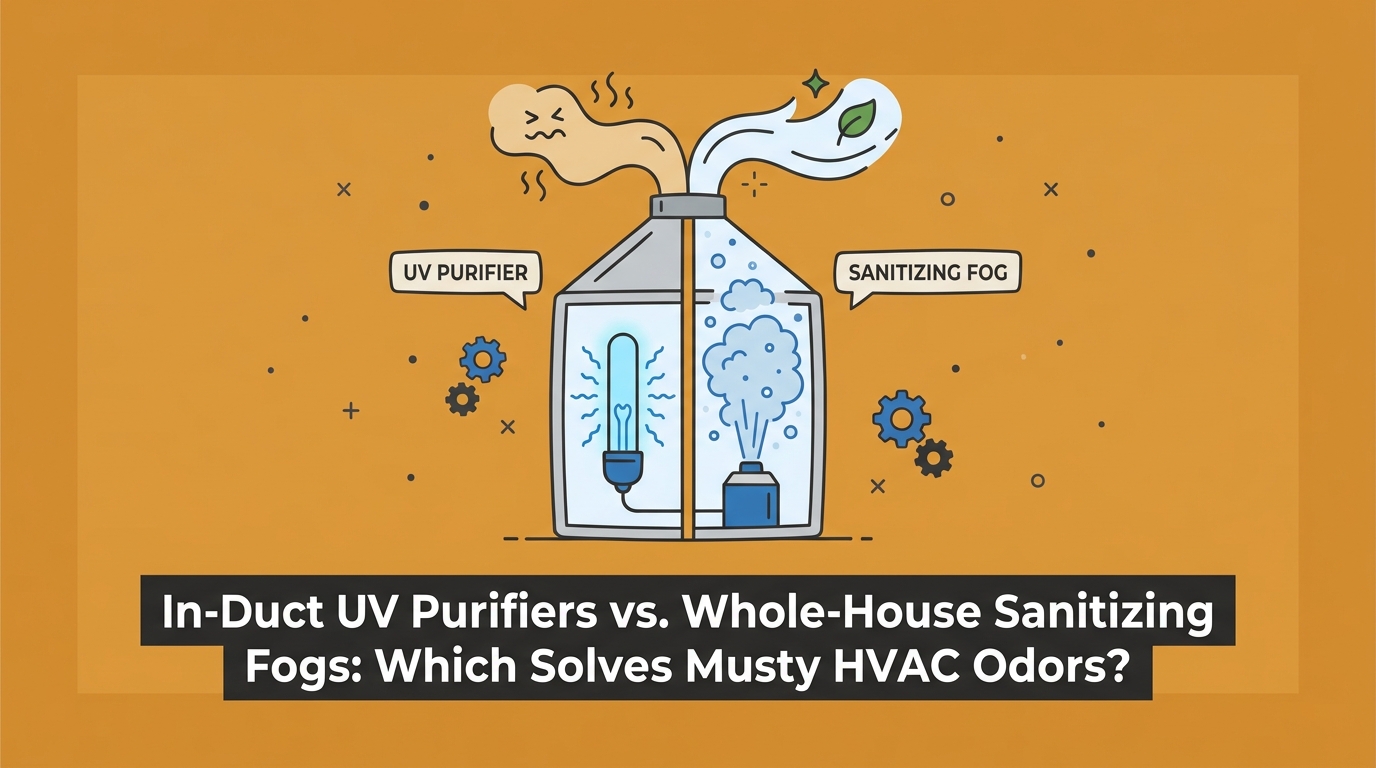
For homes suffering from biological contaminants or lingering odors, our professional whole house sanitizing services offer a comprehensive solution. After the physical debris is extracted, a sanitizing agent is applied throughout the ventilation network. This process neutralizes bacteria, eliminates mold spores, and destroys the organic compounds responsible for the persistent smells. A thorough vacuuming, cleaning, and sanitizing process is the most effective way to reset your indoor air quality and eliminate entrenched odors for good.
Why Professional NADCA Standards Outperform Basic Sweeps
When it comes time to address dirty ductwork in New Brighton PA area homes, the quality of the service you choose matters immensely. As a certified team, we know there is a vast difference between a professional cleaning and a cheap "blow-and-go" service. Discount cleaners often rely on basic shop vacuums and superficial sweeping methods. These techniques might clean the first few feet of the ductwork, but they leave the baked-on debris deep inside the system completely untouched. Even worse, amateur sweeping can agitate settled dust without properly extracting it, causing a massive spike in airborne allergens the next time your furnace kicks on.
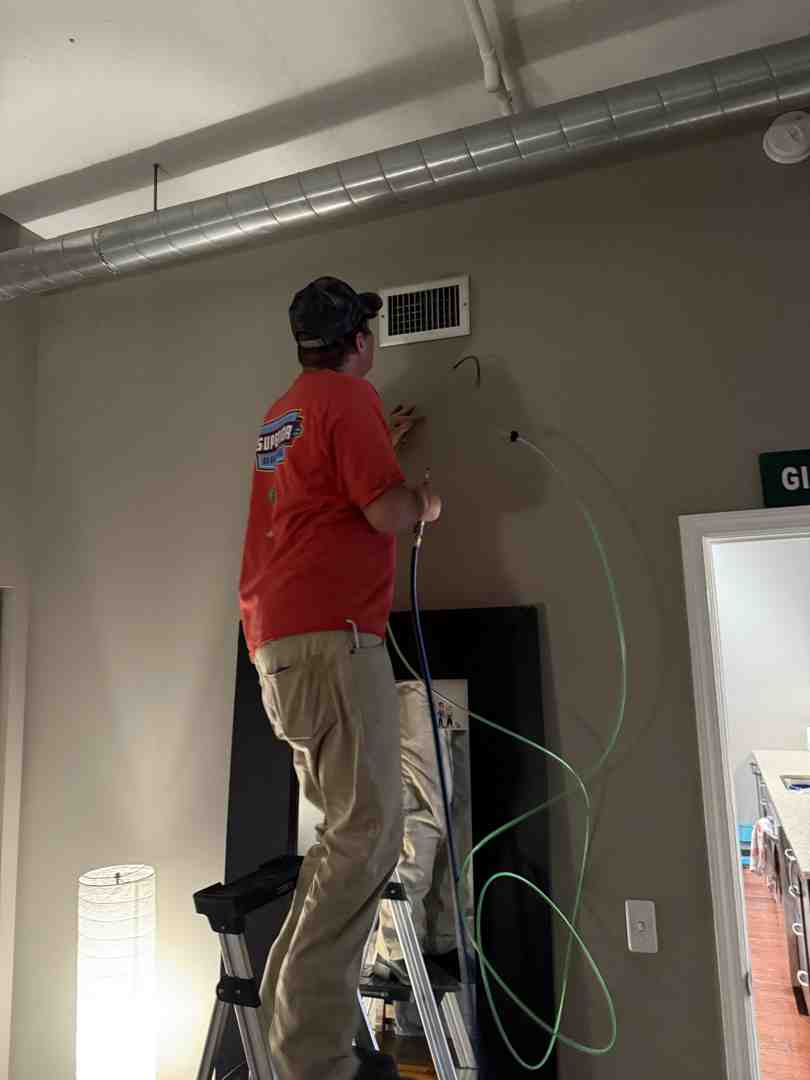
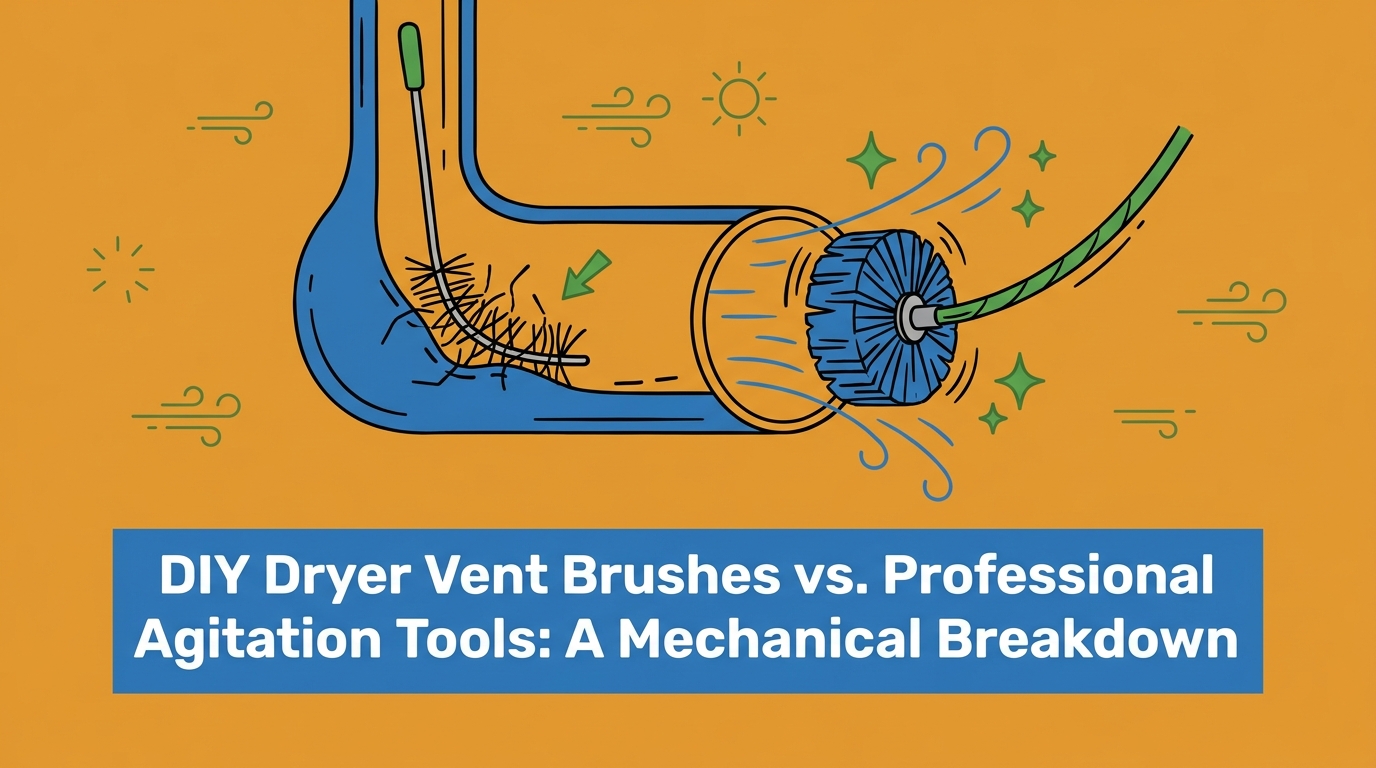
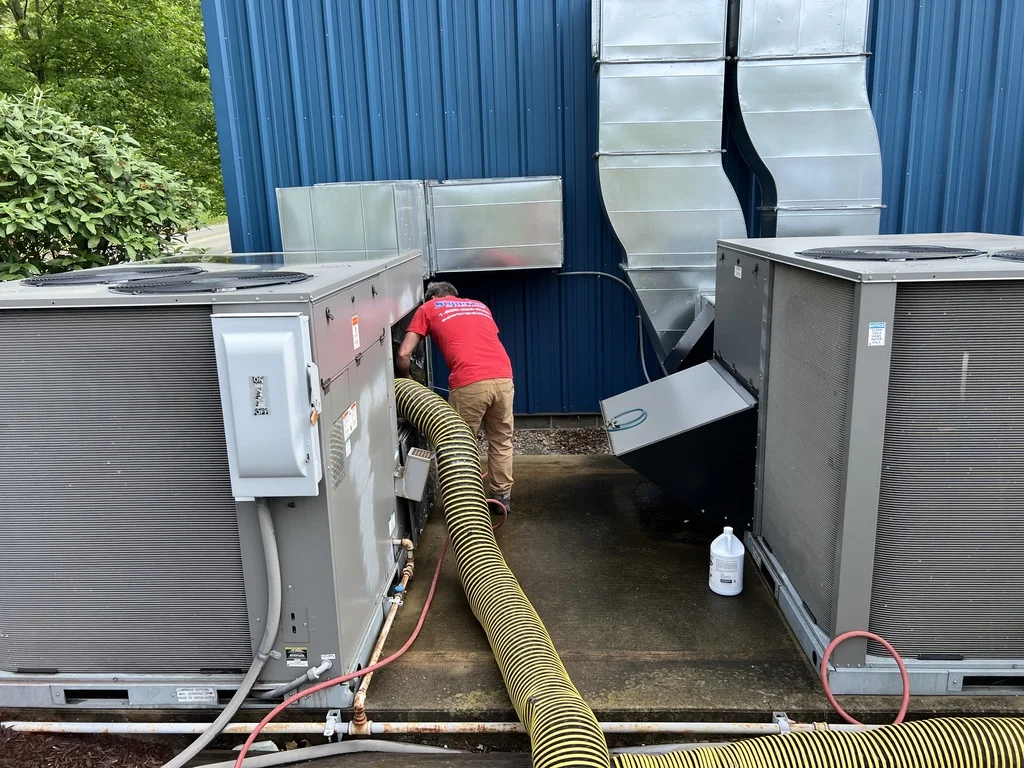
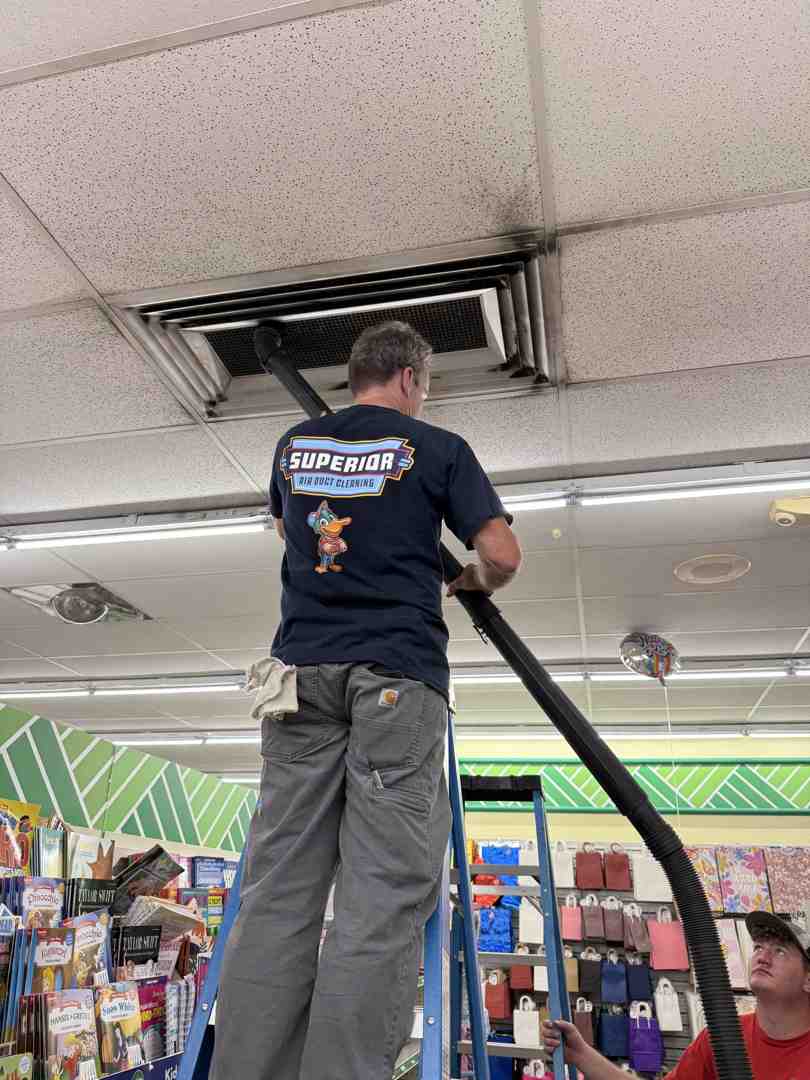
Professional standards, specifically those set by the National Air Duct Cleaners Association (NADCA), require physical source removal. This means our technicians use specialized agitation tools to scrub the interior walls of the ducts, breaking loose the stubborn, sticky debris caused by summer humidity. This physical source removal is the only definitive solution for continuous duct-related odors.
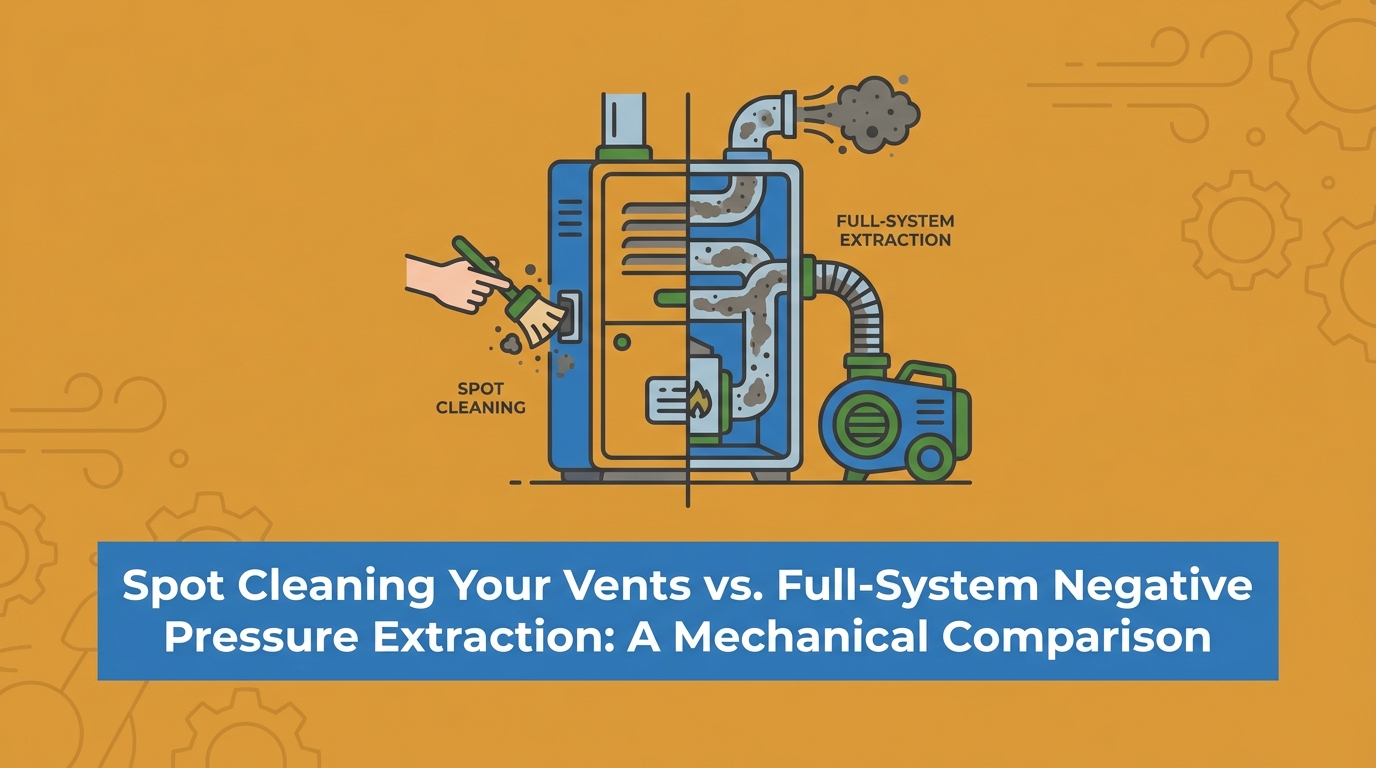
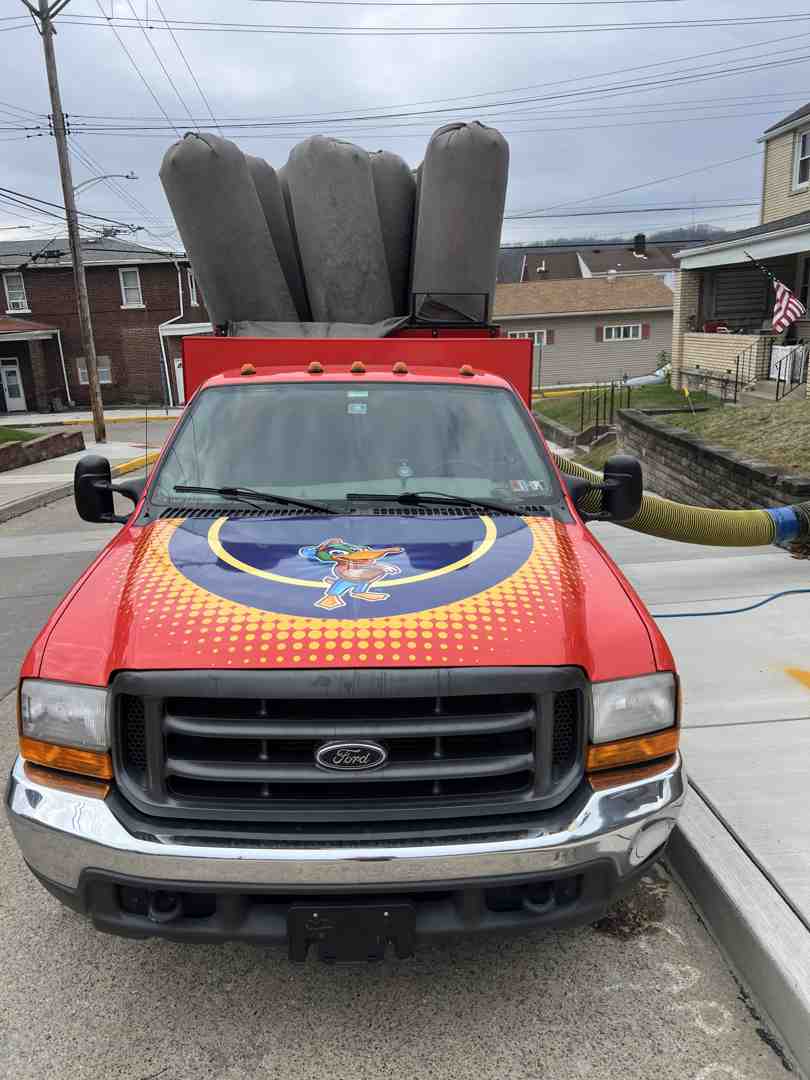
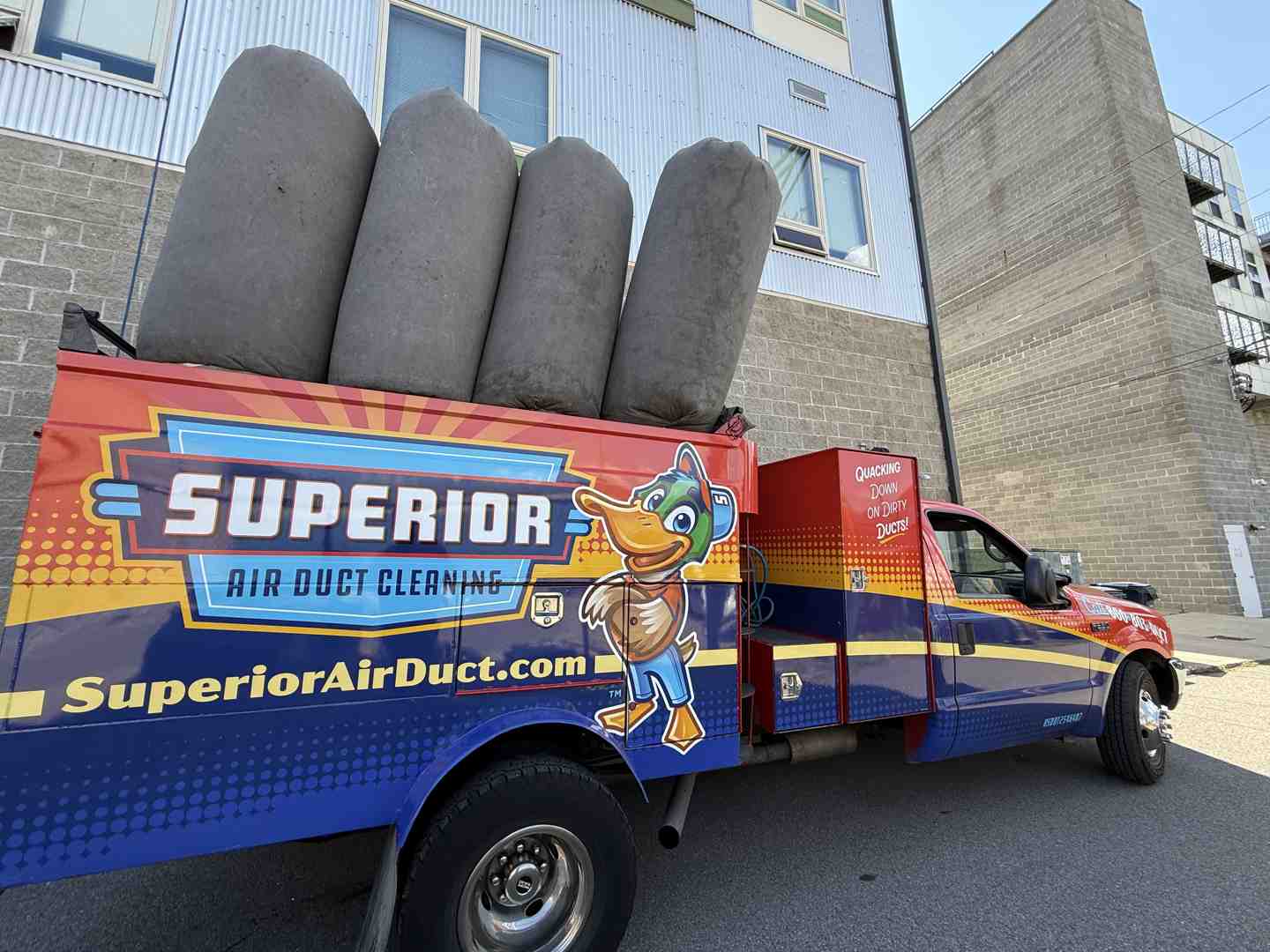
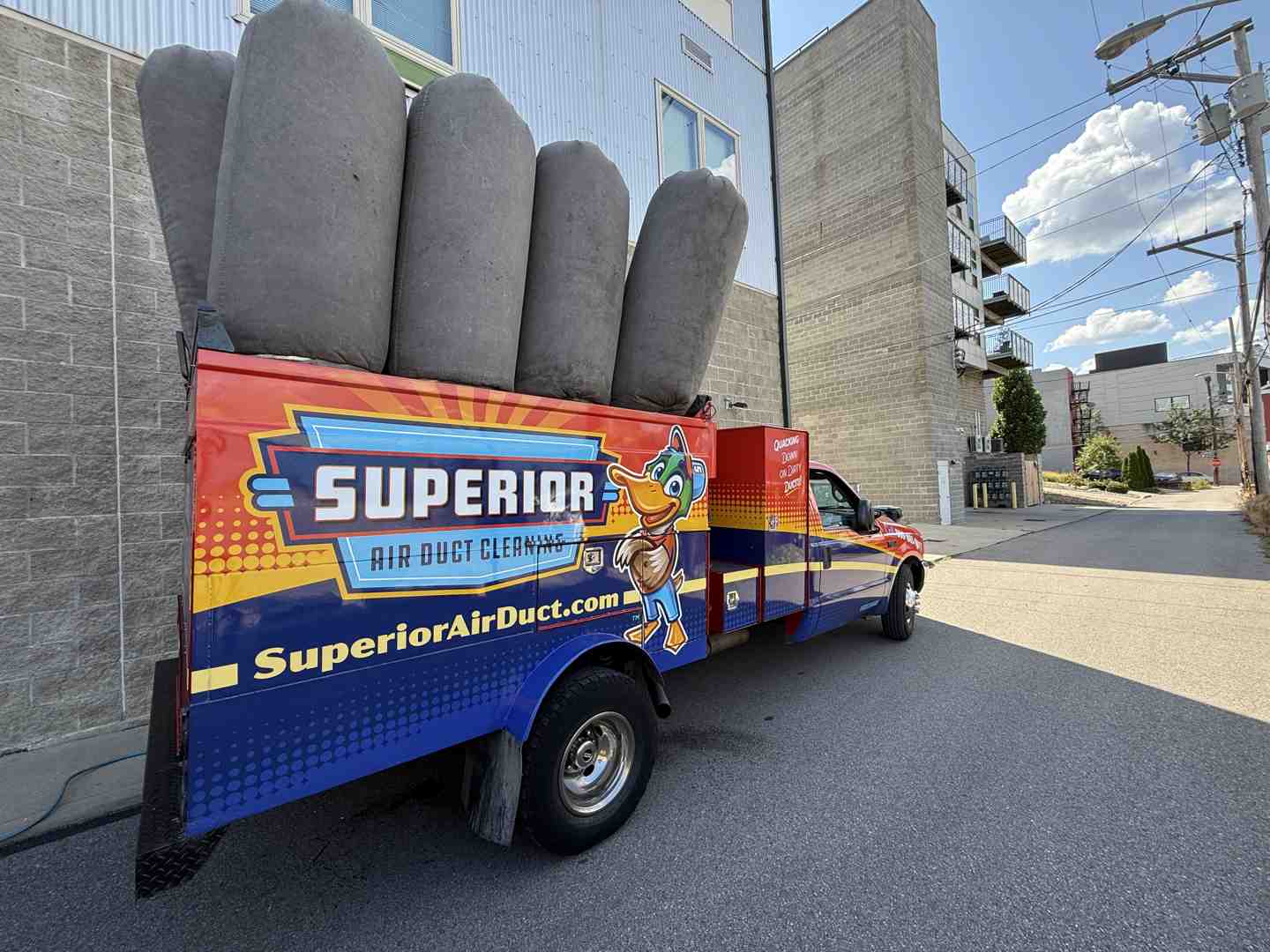
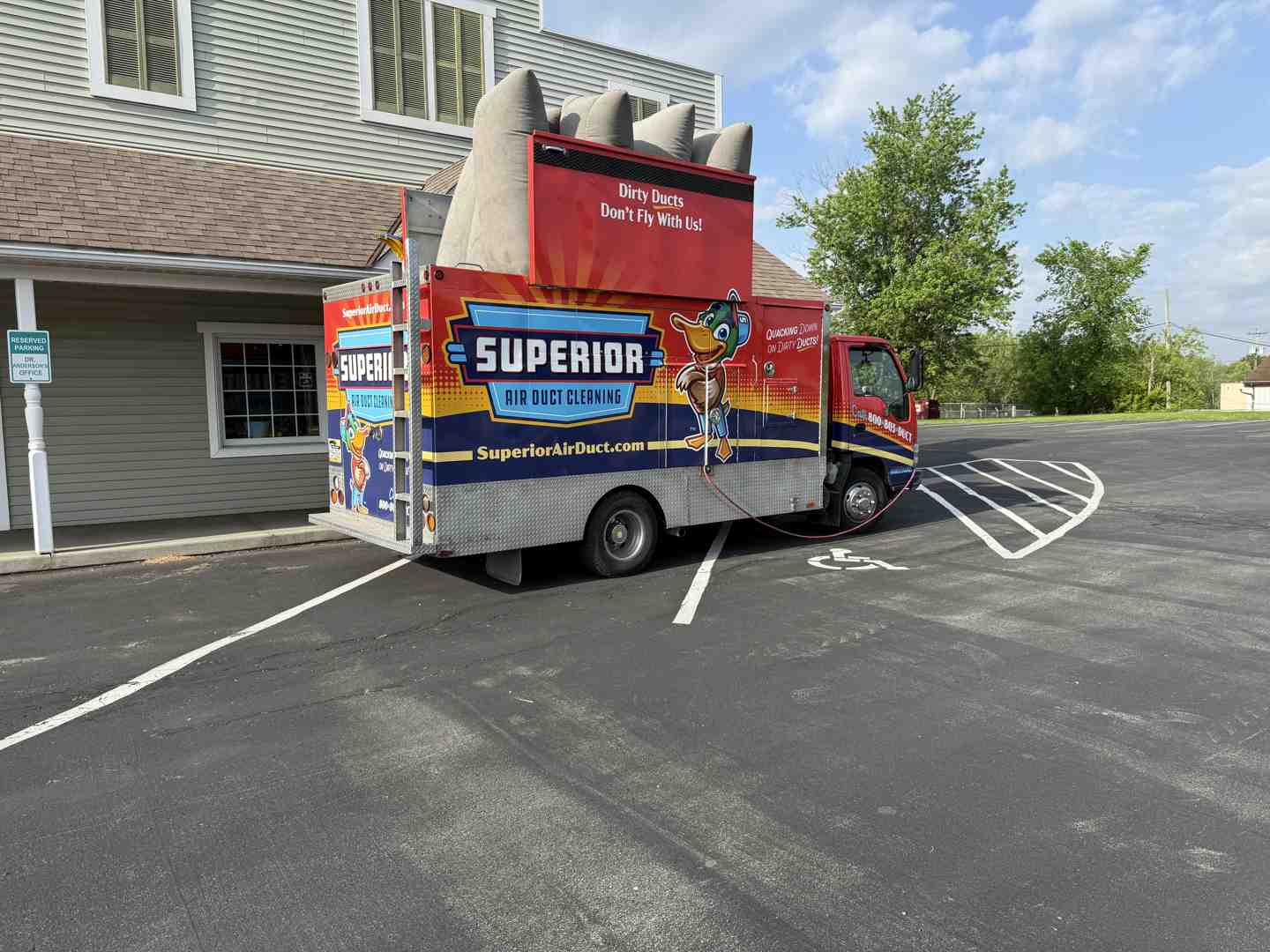
Furthermore, NADCA-certified professionals use high-powered, truck-mounted or portable extraction equipment that places the entire duct system under negative pressure. As the agitation tools break the dirt free, the negative pressure acts as a giant vacuum, pulling all the dislodged contaminants safely out of your home without letting them escape into your living space. Knowing the importance of verifying NADCA certification protects your HVAC investment and ensures that the cleaning actually improves your air quality rather than just moving the dirt around.
Comprehensive Air Quality Maintenance Beyond the Furnace
While the furnace and central air ducts are the primary focus during a mid-fall heating startup, true indoor air quality relies on all exhaust and ventilation systems functioning correctly. We frequently notice that homeowners overlook auxiliary vents, assuming that changing the furnace filter is enough to keep the home safe and efficient.
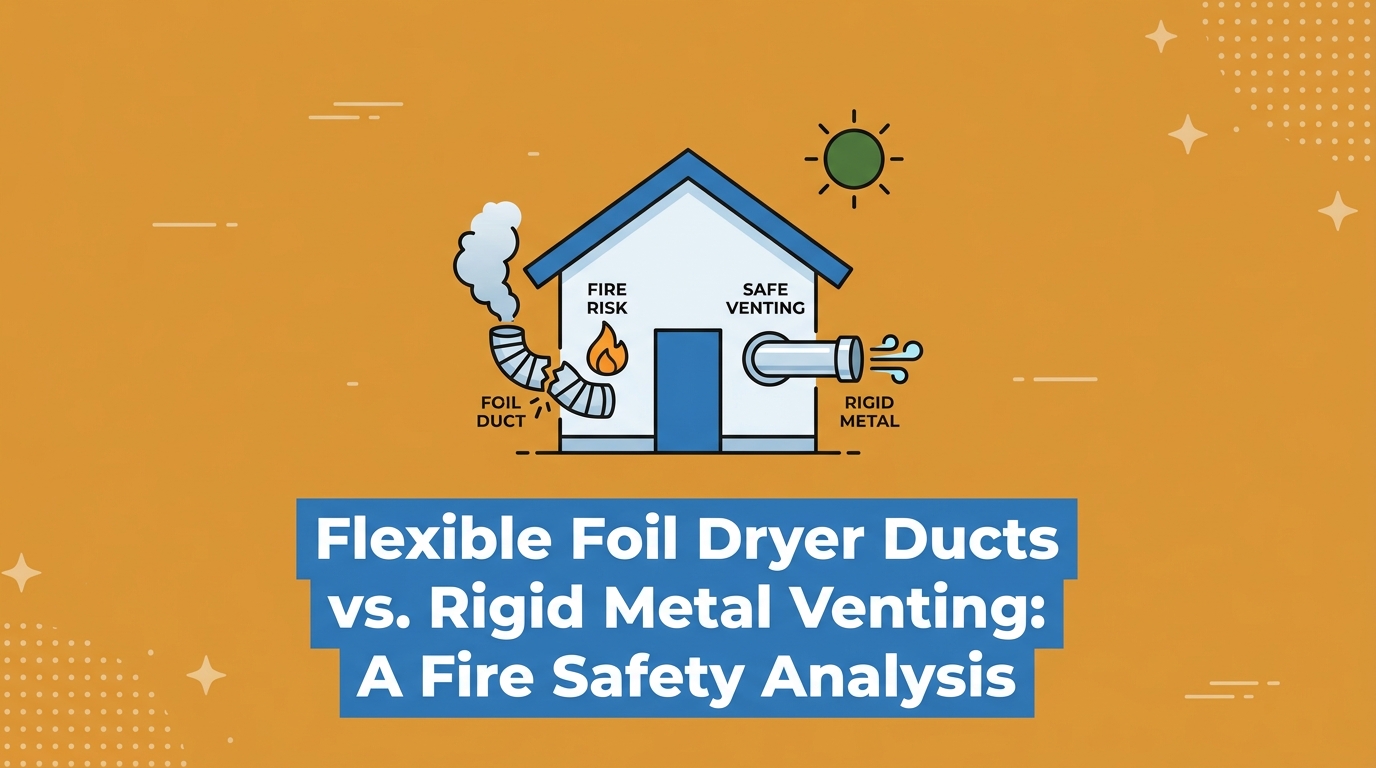
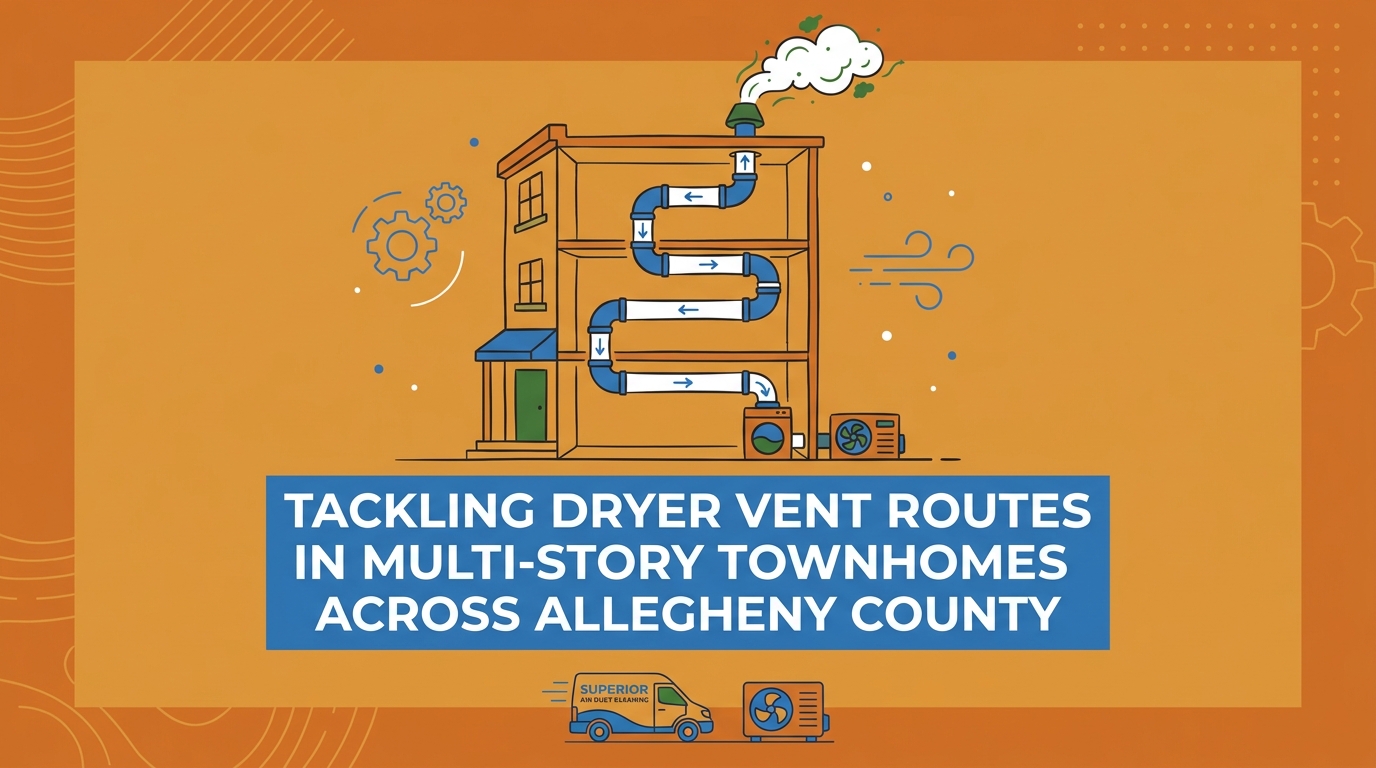
One of the most critical auxiliary systems is the dryer vent. Just like HVAC ducts, dryer vents accumulate massive amounts of lint, dust, and debris over time. When a dryer vent is clogged, the appliance has to work twice as hard to push hot, moist air out of the house, which drastically reduces its efficiency and drives up utility costs. More importantly, highly combustible dryer lint poses a severe fire risk if allowed to back up into the heating element of the appliance.
Scheduling comprehensive maintenance that addresses both your HVAC ductwork and auxiliary systems simultaneously is a smart, proactive strategy. Adding dryer vent cleaning to your fall maintenance routine ensures that all the exhaust pathways in your home are clear. Taking care of these essential systems before the harsh winter weather arrives provides peace of mind, knowing your home is safe, efficient, and circulating clean air.
Frequently Asked Questions About Furnace Smells and Duct Cleaning
Why does my heater smell like burning dust?
Your heater smells like burning dust because accumulated debris on the heat exchanger is vaporizing. During the summer, dust, pet dander, and lint settle on the dormant furnace components. When you turn the heat on for the first time in the fall, the heat exchanger reaches high temperatures and incinerates this settled dust, pushing the odor through your vents.
How long does dust burn off take on a furnace?
A normal dust burn-off typically takes between one to three hours of continuous furnace operation. The smell is usually strongest during the first heating cycle and gradually fades as the debris is fully incinerated. If the smell persists for several days, it indicates a larger issue, such as heavy contamination inside the ductwork itself.
Is the burning smell from my furnace dangerous?
The standard burning dust smell during a fall startup is not dangerous and is simply a normal part of the seasonal transition. However, if the smell is accompanied by smoke, smells like burning plastic or electrical wires, or triggers severe asthma and allergy symptoms, you should turn the system off immediately. Electrical odors require an HVAC technician, while persistent dust odors usually require professional duct cleaning.
Does cleaning air ducts get rid of smells?
Yes, professional air duct cleaning is highly effective at getting rid of persistent smells. Musty, stale, or burning odors are often caused by decaying organic matter, mold spores, and heavy dust buildup trapped deep inside the ventilation system. By physically removing the source of the contamination and applying sanitizing treatments, a professional cleaning eliminates the root cause of the odors.
Why does my house smell dusty when the heat comes on?
Your house smells dusty because the blower fan is forcing air through ductwork that is lined with settled debris. Over the summer, humidity causes airborne particles to stick to the inside of your ducts. When the dry, hot air of the furnace hits this buildup, it dries out, flakes off, and is blown directly into your living spaces.
How can I tell if my air ducts need professional cleaning?
You can tell your air ducts need cleaning if you notice visible dust blowing out of the registers, persistent odors that do not fade after a few hours, or a sudden spike in allergy symptoms indoors. Additionally, if it has been several years since your last cleaning or if airflow feels weak and restricted, it is time to schedule an inspection with a certified professional like our team.
Restoring Clean Air and Peace of Mind for Your Home
Understanding the mechanics of your HVAC system empowers you to make informed maintenance decisions for your property. While that initial burning dust smell during your fall startup is often a harmless sign of the changing seasons, persistent odors and excessive dust should never be ignored. By recognizing the diagnostic signs that separate normal burn-off from severe contamination, you can take control of the air quality in your New Brighton PA area home.
If your troubleshooting points to dirty ductwork, do not wait until you are completely sealed indoors for the winter. Trusting our certified professionals at Superior Air Duct Cleaning to extract years of buildup ensures a healthier environment for your family. A clear, reassuring explanation of your system's symptoms is the first step; taking action to clean and sanitize your ducts guarantees a comfortable, fresh-smelling home all winter long.

Customer Reviews


Superior Air Duct cleaning did a phenomenal job in a timely manner with the tech “Rich” being very professional ,personable and considerate of our property! He explained things as he proceeded and answered all our questions!
I LOVE that they provide before & after photos to see the difference. Give them a try… you won’t regret it
Pam T.
Robert was on schedule and communicated what time he would arrive. He was polite, professional, and respectful of our home. I wanted to wait a couple weeks before posting a review because I wanted to see if the duct cleaning actually made a difference. I am happy to say it did! I vacuum multiple times a week and have already noticed a significant reduction in the amount of dust cleaned up each time. As a home with pets, there will always be something to clean, but getting the ducts cleaned has definitely helped improve the air quality and reduce the dust.
alice A.
Technician Rob arrived early explained the days agenda and then proceeded to work methodically and meticulously over the next 6+ hours cleaning my ductwork. Courteous and professional they answered all of my questions and went above and beyond the call of duty. They even located an old dusty box of rat poison buried in our vents. My only regret is not finding these guys sooner. As a realtor of 22 years and owner of a newly purchased (now dust free) home I highly recommended!
Eric K.
Excellent service! I’ve used them to clean out my air ducts as well as my dryer vent duct and they are excellent. I was very pleased with both jobs and will continue to use them in the future. Great communication as well- from the time I scheduled the appointment until they were at my door.
Erika C.
We had such an amazing experience with Superior Air Duct Cleaning. They were so nice and friendly and did an amazing job. I loved seeing the before and after pictures. Besides doing an amazing job cleaning our air ducts they were so quick at responding and setting up the appointment. We will definitely be using them in the future.
Amanda C.