Worried About Heavy Equipment? The Realities of Professional Duct Extraction
Are you wondering exactly how hose routing works during duct extraction when preparing your property for the colder months? It is completely normal to feel anxious about heavy industrial equipment rolling through your front door. Many homeowners worry that pulling massive hoses through their living space will scratch hardwood floors, scuff freshly painted walls, or let in a massive cold draft. The concrete problem of routing heavy 8-to-10-inch negative-air extraction hoses through a finished home without causing property damage is a valid concern. The reality is that legitimate professionals spend just as much time planning the logistical route as they do cleaning the vents. When tackling New Brighton PA multi-story homes, mapping out a safe path from the vacuum truck to the basement or attic HVAC unit is the most critical decision point of the entire service. Proper logistics prevent property damage and keep your home secure from start to finish.
If you are looking to improve your indoor air quality, understanding this logistical process helps you know exactly what to expect on service day.
The Anatomy of a Safe Extraction Route
Before a single piece of equipment enters the house, technicians must understand the unique layout of the property. Every home presents its own set of navigational challenges. A straight shot from the driveway to a garage furnace is relatively simple, but most homes require navigating foyers, living rooms, and stairwells. The goal of a safe extraction route is to minimize the total distance the hose travels indoors while avoiding delicate architectural features, fragile furniture, and high-traffic bottlenecks. By establishing a clear, unobstructed path, technicians can focus entirely on the quality of the extraction rather than wrestling with cumbersome equipment in tight spaces.
Why Negative Air Machines Require Massive Extraction Hoses
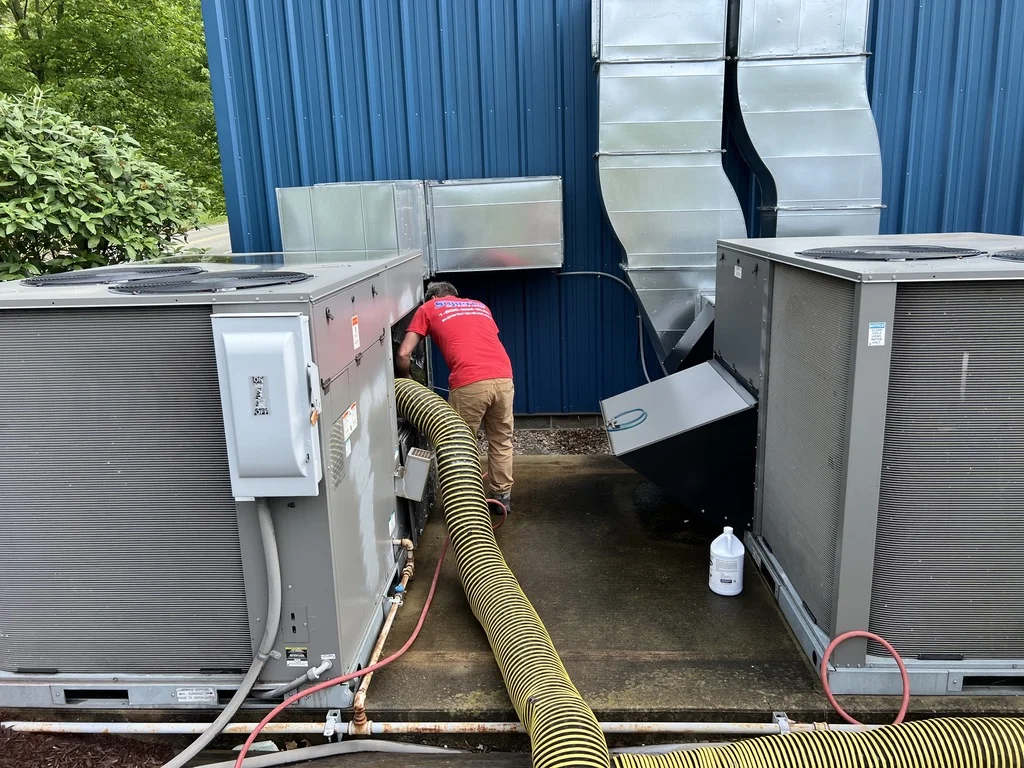
To understand the logistics of the process, it helps to know why such large equipment is necessary in the first place. When performing professional air duct cleaning, technicians rely on negative air machines to pull dust, debris, and contaminants out of your system. This process requires moving massive volumes of air, measured in cubic feet per minute (CFM). To achieve the necessary suction without choking the airflow, the equipment relies on 8-to-10-inch diameter extraction hoses. These hoses are the lifeline of the entire operation, connecting the powerful vacuum source directly to your home's ductwork.
The physics of negative air pressure dictates that high CFM requires a wide conduit. If technicians were to use a smaller hose, it would create a severe bottleneck, drastically reducing the suction power at the farthest vents in your home. Therefore, thick, rigid hoses are a mechanical mandatory. These hoses are reinforced with heavy-duty wire helixes to prevent them from collapsing inward under the intense negative pressure generated by the vacuum. This necessary structural rigidity makes them heavy, stiff, and cumbersome to maneuver, which is exactly why careful handling is required.
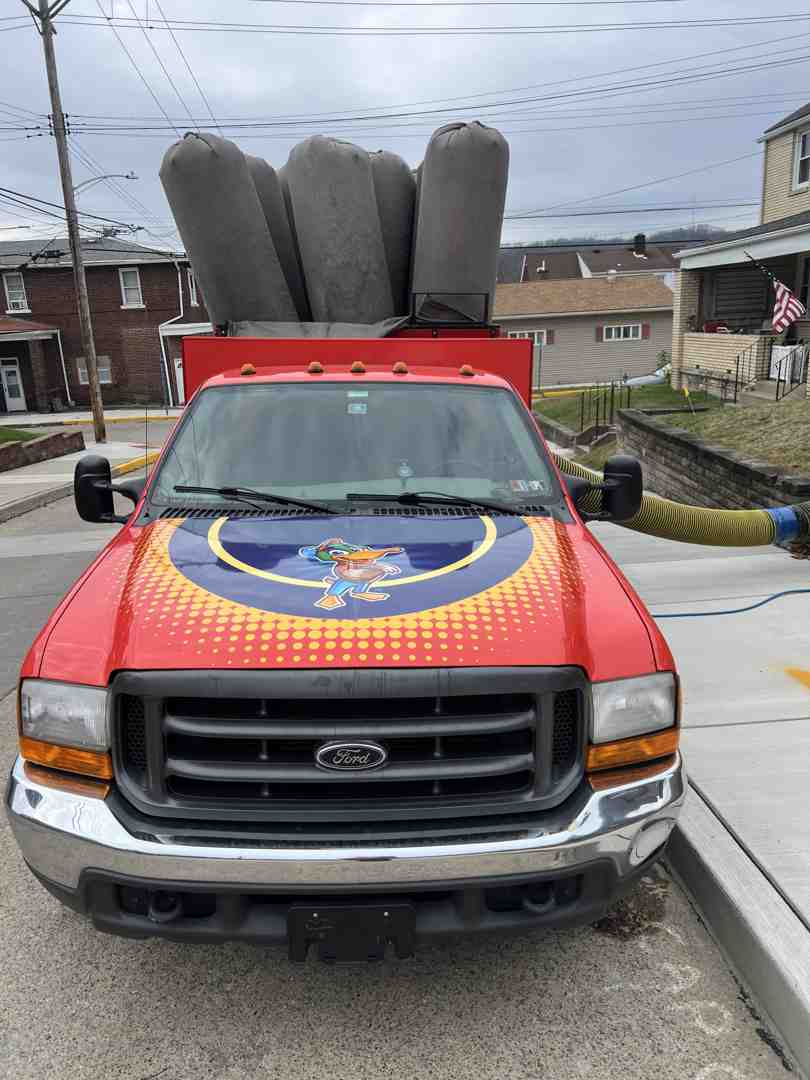
There is also a distinct difference between truck-mounted direct paths and portable vacuum setups. Truck-mounted systems offer superior, consistent power but require a direct physical hose connection from the truck parked in your driveway all the way to your main trunk line. Portable systems can be brought closer to the furnace, but they still require these thick extraction hoses to bridge the gap between the machine and the ductwork. Regardless of the specific machinery used, the physical presence of large-diameter hoses is unavoidable for a proper, thorough cleaning.
What Size Hoses Are Used for Duct Extraction?
Standard extraction hoses used by professionals are typically 8 to 10 inches in diameter. These massive hoses are heavily reinforced with wire coils to maintain their shape under extreme suction. Because of their size and structural rigidity, they are heavy and cumbersome, requiring technicians to use specific routing techniques and protective equipment to safely maneuver them through a residential home without causing damage.
Strategic Path Planning: Navigating Tight Corners and Stairs
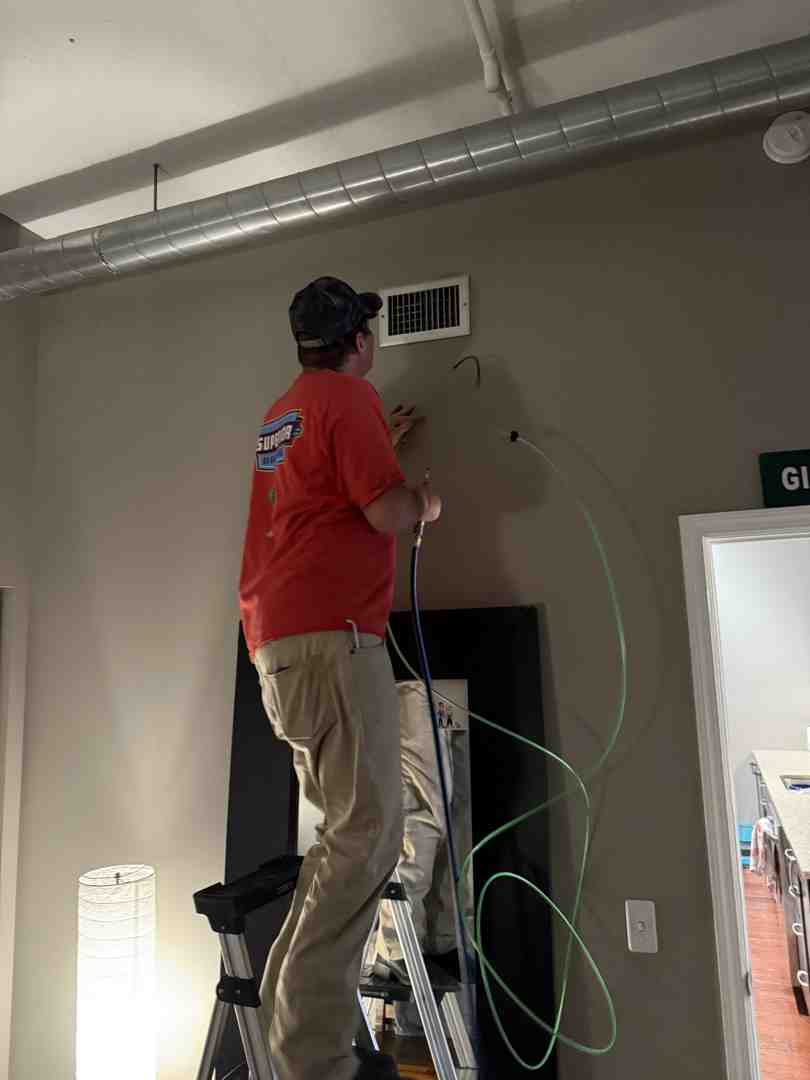
Because these hoses are heavy and difficult to bend, moving them through a furnished home requires a calculated approach. Strategic path planning is the process of evaluating the shortest, safest route from the driveway to the basement or attic air handler. In New Brighton PA multi-story homes, this often involves dealing with narrow staircases, tight hallways, and multiple sharp turns that challenge the flexibility of the equipment.
The path planning process generally follows a strict sequence of steps to ensure nothing is left to chance:
1. Initial Walkthrough and Assessment: Technicians walk the property from the intended entry door to the HVAC unit, noting the flooring types, the width of the hallways, and any immediate obstacles.
2. Identifying Pinch Points: The team locates areas where the hose will need to make a 90-degree turn, such as stair landings or hallway intersections. These areas require special attention to prevent the rigid hose from pressing against drywall or banisters.
3. Furniture and Obstacle Management: If a sofa, side table, or rug is blocking the safest direct path, technicians evaluate whether it can be safely moved. Professional teams handle the moving of heavy furniture out of the hose path with care, ensuring nothing is dragged across unprotected floors.
4. Homeowner Communication: Before deploying the hoses, the lead technician will explain the planned route to the homeowner, answering any questions and confirming that the path is acceptable and secure.
Navigating narrow staircases is often the most complex part of the routing process. Because an 8-to-10-inch diameter extraction hose resists sharp bends, technicians must carefully arc the hose around corners, securing it in place so that the tension does not cause it to snap back against a wall. If furniture was shifted to accommodate this arcing path, professional teams always return the moved items exactly where they found them once the service is complete, ensuring the home is restored to its original state.
The Leave No Trace Protocol for Floor and Wall Protection
The sheer size and weight of the extraction equipment mean that without proper precautions, scuffs, scratches, and dirt are a real risk. However, legitimate professionals operate under a strict "leave no trace" property protection protocol. This operational standard proves a deep respect for the homeowner's living space and guarantees that the heavy equipment does not leave a lasting mark on the property.
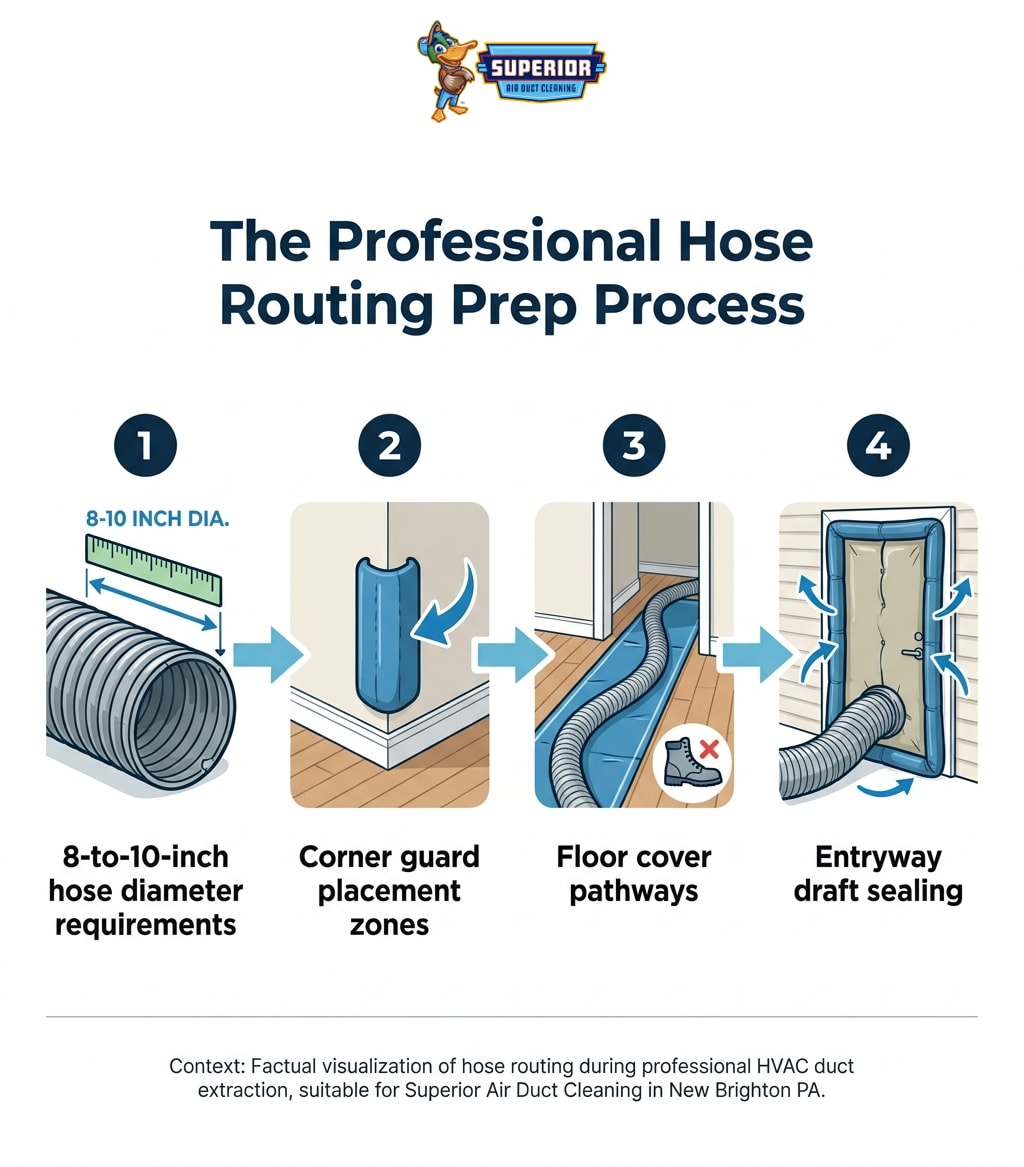
The professional prep steps for hose routing include:
• Path Planning: Evaluating the safest, most direct route from the exterior to the HVAC unit to minimize indoor hose length.
• Placing Corner Guards: Installing high-impact plastic or padded barriers on all wall corners, door frames, and stair banisters along the hose route.
• Laying Floor Covers: Placing heavy-duty drop cloths, neoprene runners, and clean mats over hardwood, tile, and carpet to create a safe walkway.
• Sealing the Entryway: Using specialized foam blocks or zipper walls to close the door gap around the extraction hose, preventing drafts.
When executing this protocol for protecting your floors, the details matter. Corner guards are essential because the tension of a vacuum hose naturally wants to pull straight. If a hose is routed around a corner, the suction and vibration will cause the rough exterior of the hose to rub against the drywall. Corner guards absorb this friction completely. Similarly, heavy-duty floor covers prevent the wire-reinforced ridges of the hose from scratching polished hardwood or snagging on carpet fibers.
Beyond the physical barriers, technician behavior is a core part of the protocol. Professionals will often lay down clean mats specifically to walk on, or they will wear specialized shoe covers (booties) whenever stepping off the designated drop cloths. Property protection is a non-negotiable standard for top-tier service providers, ensuring that the only thing removed from your home is the debris inside your ductwork.
Managing Indoor Temperatures and Sealing the Entryway
One of the most frequently overlooked aspects of hose routing is the impact on the home's climate. Running a massive hose from a truck outside into your home requires an exterior door to remain partially open. During a mid-fall heating startup, leaving exterior doors wide open for hoses can rapidly drop indoor temperatures, making the house uncomfortably cold and forcing your heating system to work harder once it is turned back on.
The problem is straightforward: an 8-to-10-inch diameter extraction hose prevents the front door from closing. If left unaddressed during freezing Western PA winters or crisp autumn days, the open gap allows a massive influx of cold drafts. Furthermore, the negative pressure generated by the vacuum truck can actually actively pull outdoor air into the house through that open gap, bringing in pollen, dust, and freezing temperatures.
The solution is the use of temporary door seals and specialized entryway blocks. Professionals utilize custom-cut foam blocks, heavy canvas draft stoppers, or temporary zipper-wall barriers that fit snugly around the circumference of the hose. This allows the door to be closed as much as physically possible, while the seal blocks the remaining open space.
Minimizing the time exterior doors remain open is crucial for maintaining the indoor environment. This sealed environment is not just about temperature control; it is also critical for maintaining overall indoor air quality during the service. If you are investing in whole house sanitizing or deep duct cleaning, the last thing you want is for autumn wind to blow outdoor debris right back into your freshly cleaned foyer. Entryway sealing ensures the home remains isolated from the elements while the heavy equipment does its job.
Scaling Logistics: Residential vs. Commercial Hose Routing
While routing hoses through a residential property requires careful maneuvering around personal belongings and delicate finishes, commercial spaces present an entirely different scale of logistical challenges. Understanding how these processes scale highlights the expertise required to manage industrial extraction equipment safely.
In a residential setting, the primary goal is protecting the immediate living space and navigating tight residential architecture. In contrast, commercial duct cleaning involves much longer hose runs, complex multi-zone HVAC systems, and navigating through drop ceilings or large warehouse floors. Despite the difference in scale, the underlying principles of property protection remain exactly the same.
• Hose Length & Path — Residential Hose Routing: Typically shorter runs, navigating living rooms, stairs, and narrow hallways. — Commercial Hose Routing: Extensive runs across large square footage, often requiring multiple connection points.
• Primary Obstacles — Residential Hose Routing: Hardwood floors, drywall corners, banisters, and personal furniture. — Commercial Hose Routing: Office cubicles, drop ceiling grids, heavy machinery, and inventory racks.
• Entryway Management — Residential Hose Routing: Sealing front doors or garage bays to prevent residential heat loss. — Commercial Hose Routing: Routing through loading docks or service elevators, managing facility security doors.
• Staging & Timing — Residential Hose Routing: Coordinated during normal daytime hours around the family's schedule. — Commercial Hose Routing: Often staged after-hours or in strict phases to avoid disrupting workplace operations.
Commercial teams must use specialized staging techniques to ensure that hundreds of feet of heavy extraction hose do not create trip hazards for employees or disrupt daily business operations. Just like in a home, corner guards and floor covers are utilized extensively in commercial buildings to protect polished concrete, commercial carpeting, and office partitions. The physics of moving massive amounts of air remains constant, meaning the safe, strategic handling of the 8-to-10-inch diameter extraction hoses is always the foundation of a successful project, regardless of the building's size.
Frequently Asked Questions About Extraction Logistics
How do professionals protect my home during duct cleaning?
Professionals protect your home by utilizing a strict combination of corner guards, heavy-duty floor covers, and strategic path planning. Before any equipment is brought inside, technicians map out the safest route to your HVAC unit. They then lay down protective mats over your hardwood or carpet and secure plastic guards on any wall corners the hose might brush against. This ensures the heavy equipment never makes direct contact with your delicate surfaces.
Do you have to leave the door open for duct cleaning hoses?
Doors must be cracked to allow the large extraction hose to pass through, but professionals use temporary seals to block cold drafts and outdoor air. Because the hoses are typically 8 to 10 inches wide, the door cannot latch shut. To solve this, technicians place specialized foam blocks or canvas seals around the hose in the door gap, effectively insulating the entryway while the service is being performed.
What size hoses are used for duct extraction?
Standard negative air extraction hoses used by professionals are typically 8 to 10 inches in diameter. This massive size is mechanically necessary to move the required cubic feet per minute (CFM) of air without creating a suction bottleneck. The hoses are heavily reinforced with wire helixes to prevent them from collapsing under intense negative pressure, which makes them rigid and heavy to maneuver.
Can extraction hoses scratch hardwood floors or walls?
Extraction hoses will not scratch hardwood floors or walls when they are properly routed over protective mats and kept away from direct wall contact using corner guards. The rough, wire-reinforced exterior of the hose could easily cause scuffs if dragged bare across a floor. However, legitimate professionals never allow the hose to rest directly on unprotected flooring or pull tightly against unprotected drywall corners.
Does furniture need to be moved for hose routing?
Furniture only needs to be moved if it directly blocks the safest, most efficient path for the extraction hose. When moving is necessary, professional technicians handle the shifting of sofas, tables, or rugs with extreme care to avoid any damage. Once the duct extraction is fully completed, the team will safely return all moved items back to their exact original locations.
Schedule Your Pre-Winter Inspection with Confidence
Understanding exactly how hose routing works during duct extraction should give you peace of mind as you prepare your home for the colder months. Heavy industrial equipment is necessary for a thorough cleaning, but it absolutely does not have to mean a messy, damaged, or freezing house. By utilizing strategic path planning, robust floor covers, and entryway draft seals, professionals ensure that a tidy, respectful service leaves your home exactly as it was found. With a clear, reassuring breakdown of the professional protocols for hose routing that proves your property will be respected, you can confidently schedule your upcoming seasonal maintenance.

Customer Reviews


Superior Air Duct cleaning did a phenomenal job in a timely manner with the tech “Rich” being very professional ,personable and considerate of our property! He explained things as he proceeded and answered all our questions!
I LOVE that they provide before & after photos to see the difference. Give them a try… you won’t regret it
Pam T.
Robert was on schedule and communicated what time he would arrive. He was polite, professional, and respectful of our home. I wanted to wait a couple weeks before posting a review because I wanted to see if the duct cleaning actually made a difference. I am happy to say it did! I vacuum multiple times a week and have already noticed a significant reduction in the amount of dust cleaned up each time. As a home with pets, there will always be something to clean, but getting the ducts cleaned has definitely helped improve the air quality and reduce the dust.
alice A.
Technician Rob arrived early explained the days agenda and then proceeded to work methodically and meticulously over the next 6+ hours cleaning my ductwork. Courteous and professional they answered all of my questions and went above and beyond the call of duty. They even located an old dusty box of rat poison buried in our vents. My only regret is not finding these guys sooner. As a realtor of 22 years and owner of a newly purchased (now dust free) home I highly recommended!
Eric K.
Excellent service! I’ve used them to clean out my air ducts as well as my dryer vent duct and they are excellent. I was very pleased with both jobs and will continue to use them in the future. Great communication as well- from the time I scheduled the appointment until they were at my door.
Erika C.
We had such an amazing experience with Superior Air Duct Cleaning. They were so nice and friendly and did an amazing job. I loved seeing the before and after pictures. Besides doing an amazing job cleaning our air ducts they were so quick at responding and setting up the appointment. We will definitely be using them in the future.
Amanda C.