Understanding How Pets Affect Your Indoor Air Quality
When we talk about how pets affect your indoor air quality, we are looking at a complex cocktail of biological markers. Most people assume that if they can’t see fur floating in a sunbeam, their air is clean. However, the most significant impact comes from things we cannot see.
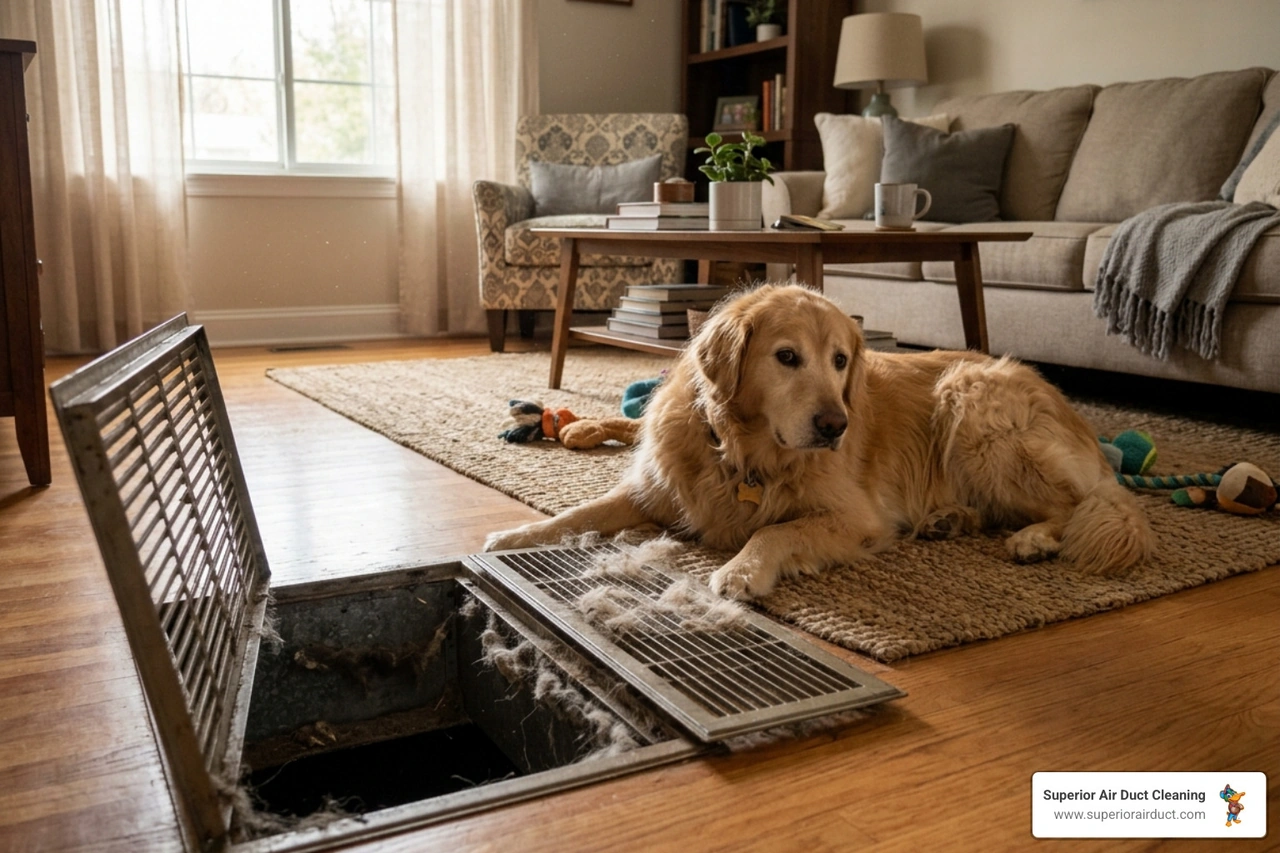
Pets are "active emission sources." This means they don't just sit there; they are constantly contributing to the air's composition. Beyond the visible shedding, pets release microscopic skin flakes known as dander, along with proteins found in their saliva, urine, and waste. When a cat grooms itself or a dog shakes after a nap, they launch these particles into the air. These pollutants don't just disappear; they circulate through your home, eventually settling into your carpets, upholstery, and—most importantly—your HVAC system. For a deeper look at managing these specific triggers, check out our guide on Managing Pet Odors & Dander.
The Difference Between Pet Hair and Dander
It is a common misconception that pet hair is the primary cause of allergies. In reality, pet hair is more of a nuisance for your vacuum cleaner than your lungs. The real culprit is pet dander—microscopic flakes of skin that animals shed naturally.
Dander is incredibly lightweight and small, often measuring less than five microns. To put that in perspective, a human hair is about 50 to 70 microns wide. Because dander is so tiny, it remains suspended in the air for much longer than dust or hair. These microscopic particles are small enough to bypass the natural filters in your nose and throat, allowing them to penetrate deep into the lungs. This is why dander is the primary driver of allergic sensitization and respiratory irritation in pet-friendly homes.
How Pet Size and Species Change Air Composition
Not all pets affect the air in the same way. Recent scientific studies from early 2026 have shed light on how different sizes and species impact our environment. For example, while cats are often smaller than dogs, their primary allergen (Fel d 1) is notoriously "sticky" and persistent.
In the canine world, size matters—but perhaps not in the way you’d expect. Research comparing Chihuahuas to large breeds like Newfoundlands and English Mastiffs found distinct differences:
- Small Dogs: Often produce more airborne particulate matter. This is likely due to higher activity levels; a small, energetic dog moving quickly through a room kicks up more settled dust and dander than a large, sedentary dog.
- Large Dogs: Act more like humans in terms of gas emissions. Large dogs release carbon dioxide and ammonia at rates similar to adults. They also release significantly higher levels of bacteria and fungi, often acting as "mobile transport vectors" that bring outdoor microbes into your clean living spaces.
| Pet Type | Primary Allergen | Particle Size | Persistence |
|---|---|---|---|
| Cat | Fel d 1 | < 5 microns | 4–6 months post-removal |
| Small Dog | Can f 1 | 1 nm to 10 μm | High (due to activity) |
| Large Dog | Can f 1 | Mixed | High (microbial impact) |
| Birds | Feather Dust | Variable | High (respiratory irritant) |
The Science of Pet Dander and Airborne Allergens

To truly master how pets affect your indoor air quality, we have to look at the chemistry of the allergens. Cat allergens, specifically the Fel d 1 protein, are produced in the sebaceous glands and saliva. When a cat grooms, this protein dries on the fur and then flakes off as dander.
These allergens are incredibly resilient. Up to 60% of airborne cat allergens ride on particles smaller than five microns, meaning they can stay suspended for hours. Even worse, once they land, they don't stay put. Every time you sit on a sofa or walk across a rug, you cause "resuspension," sending those allergens back into the breathing zone. Concentrations in carpets can reach 25 times the threshold needed to trigger a new allergy sufferer. This is why Removing Pet Dander from Your Home's Air Ducts is such a critical step for long-term relief.
The Myth of Hypoallergenic Breeds
We often hear from homeowners in Pittsburgh, PA, or Boardman, OH, who chose a "hypoallergenic" breed like a Poodle or a Goldendoodle, only to find their allergies are still acting up. The truth is that no dog is 100% hypoallergenic.
Allergy triggers are produced in the skin and saliva, not the fur. While a non-shedding dog might leave less hair on your clothes, they still produce dander and saliva proteins. Studies have shown no consistent difference in the concentration of allergens in homes with "hypoallergenic" breeds compared to standard breeds. Individual variation between dogs often matters more than the breed itself.
Health Risks for Humans and Pets
Poor air quality doesn't just make you sneeze; it can have long-term health implications. For humans, constant exposure to pet allergens can lead to rhinoconjunctivitis (itchy, watery eyes and congestion), eczema, and even chronic bronchitis.
Our pets are also at risk. Cats and dogs have respiratory systems very similar to ours. Cats are particularly susceptible to indoor air pollution, which can lead to feline asthma or chronic nasal inflammation. For dogs, especially brachycephalic (flat-faced) breeds like Pugs or Bulldogs, poor air quality can exacerbate breathing difficulties. A serious sign of respiratory distress in a pet is breathing faster than 40 breaths per minute while at rest—if you notice this, it’s time to check both your pet’s health and your home’s air. We often see how Reducing Allergens with Duct Cleaning provides immediate relief for both the two-legged and four-legged members of the family.
How Pet Debris Impacts Your HVAC System
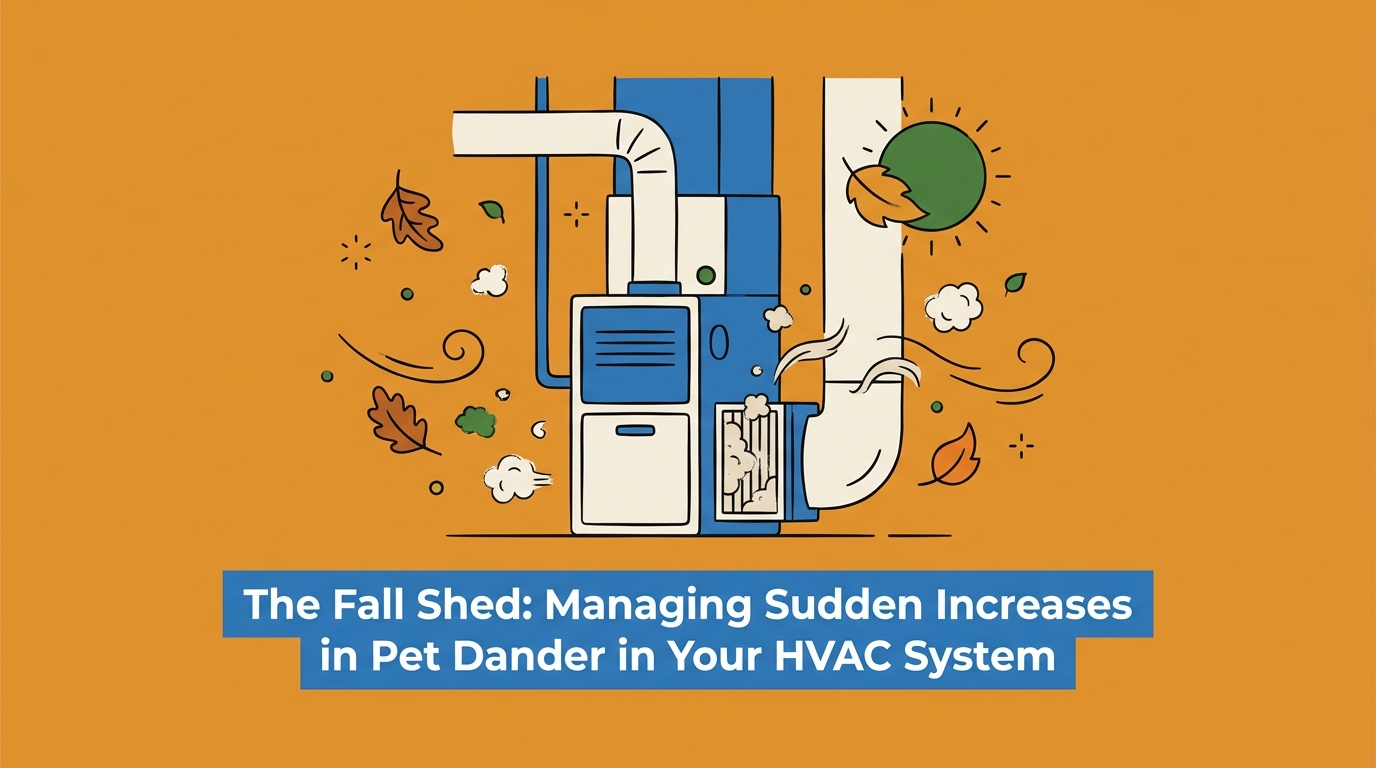
Your HVAC system is the lungs of your home. It breathes in the air from your rooms, heats or cools it, and breathes it back out. When you have pets, that air is full of fur and dander. Over time, this debris builds up inside your system.
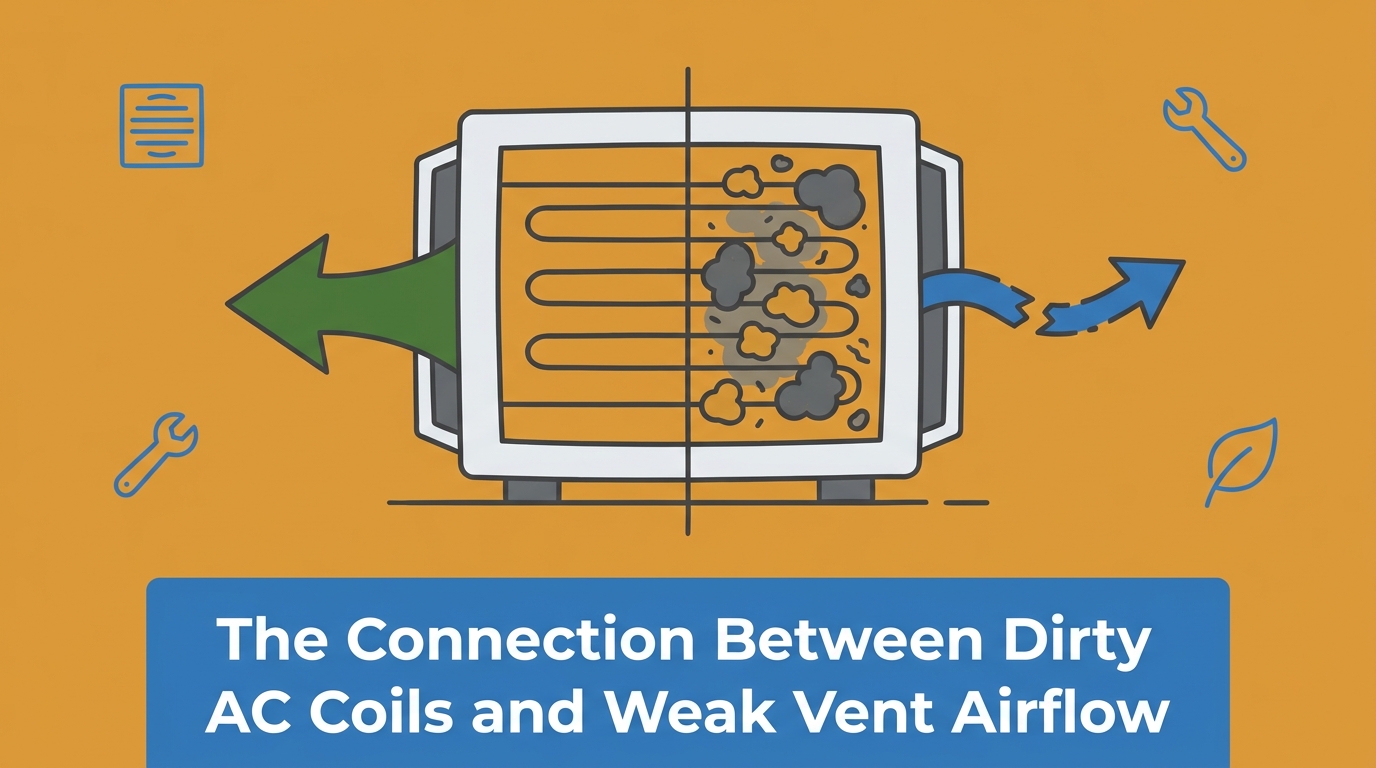
Heavy fur can clog your A/C coils, while fine dander coats the interior of your ductwork. This buildup creates a "blanket" effect that forces your system to work harder, leading to higher energy bills and a shorter lifespan for your equipment. Furthermore, your ducts can become a reservoir for odors. If your house still smells like "dog" even after you've mopped the floors, the source is likely inside the vents. Understanding Why Pet Owners Should Order Air Duct Cleaning is the first step toward restoring efficiency and freshness to your home.
HVAC Filter Maintenance for Pet Owners
In a standard home, you might get away with changing your filter every three months. In a home with pets in Cranberry Township, PA, or Youngstown, OH, that timeline needs to be much tighter.
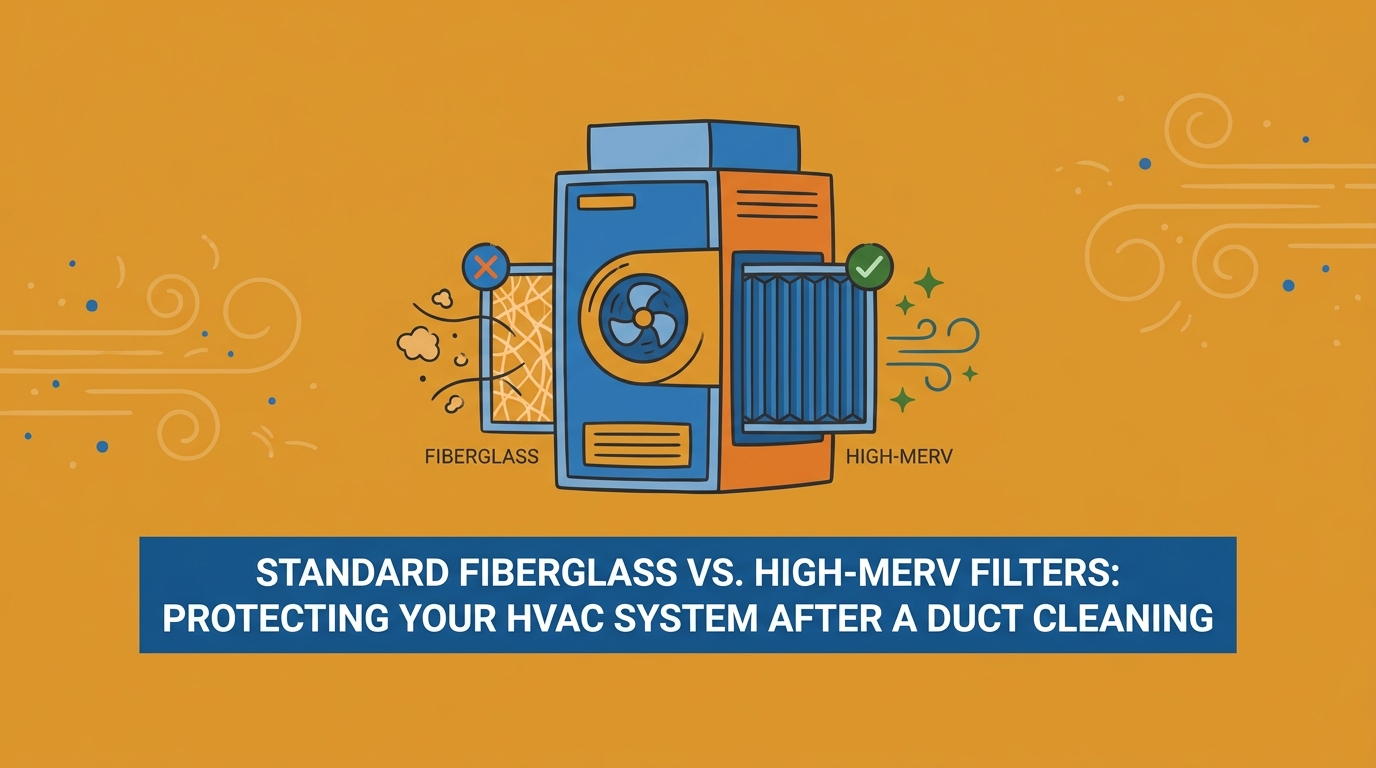
We recommend pet owners check their filters every 30 days and replace them at least every 60 days. For the best protection against how pets affect your indoor air quality, look for filters with a MERV 11 to MERV 13 rating. These are dense enough to capture pet dander without overly restricting airflow. Some filters even include activated carbon layers, which are excellent for neutralizing pet odors rather than just masking them.
Signs of Buildup in Your Ductwork
How do you know if your pets have compromised your air ducts? Look for these warning signs:
- Visible Dust: Do you see "dust bunnies" or fur tufts trapped behind your vent registers?
- Persistent Odors: Does a "musty pet smell" kick in the moment the furnace or A/C starts blowing?
- Reduced Airflow: Are some rooms staying warmer or cooler than others despite the system running?
- Pest Infestations: Pet hair and dander are actually food sources for certain pests. If you suspect uninvited guests, you should read about Pests That Can Get Into Your Ductwork to understand the risks of nesting in your HVAC system.
Practical Strategies for Cleaner Air in Pet-Friendly Homes
Improving your air quality doesn't require drastic measures like rehoming your best friend. Instead, it requires a layered approach.
Start with humidity control. Keeping your home between 30% and 50% humidity helps prevent dander from becoming overly dry and brittle, which keeps it from floating as easily. Next, consider your flooring. Hard surfaces like wood or tile are much easier to keep allergen-free than carpets, which can hold 14 times more allergens. If you do have carpet, use a vacuum with a certified HEPA filter to ensure you aren't just blowing the dander back out the exhaust.
Daily Habits to Improve How Pets Affect Your Indoor Air Quality
Small, consistent habits make the biggest difference. Here is a checklist for the modern pet owner:
- Outdoor Grooming: Brush your pet outside to keep the "shedding storm" out of your living room.
- Weekly Bathing: Bathing your pet weekly can reduce airborne allergens by up to 84%. (Note: Levels usually rebound in 48–72 hours, so consistency is key!)
- Pet-Free Zones: Keep pets out of the bedrooms of allergy sufferers to create a "clean air sanctuary" for sleep.
- Damp Mopping: Instead of sweeping, which kicks up dander, use a damp mop or microfiber cloth to capture particles on hard floors.
- Wash Bedding: Wash pet beds and your own linens in hot water weekly to kill dust mites and remove dander.
Professional Solutions for How Pets Affect Your Indoor Air Quality
While daily habits are great, they can't reach the "hidden" areas of your home. Professional air duct cleaning is the only way to remove the pounds of hair and dander that accumulate in your HVAC system over the years.
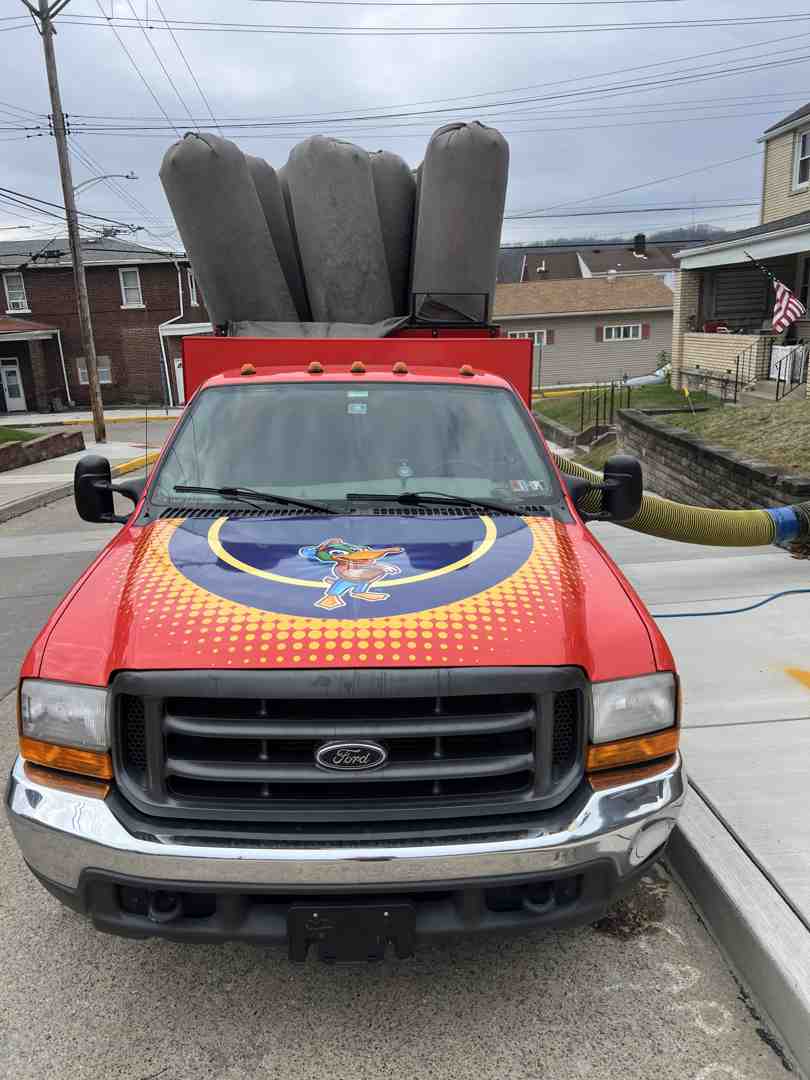
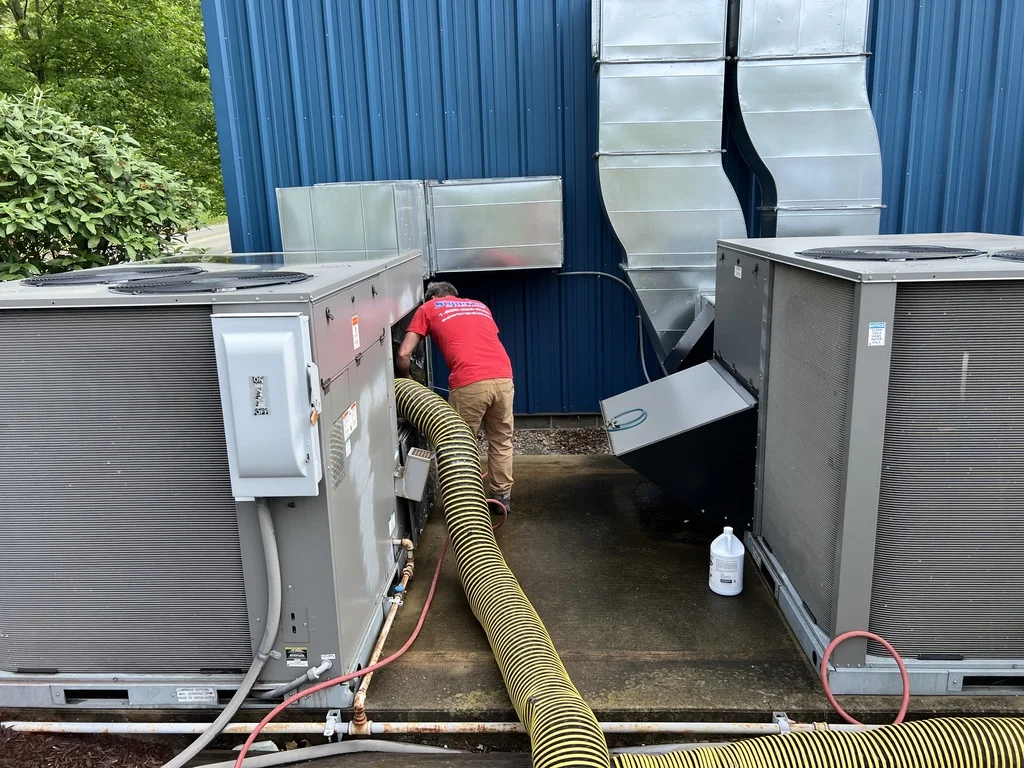
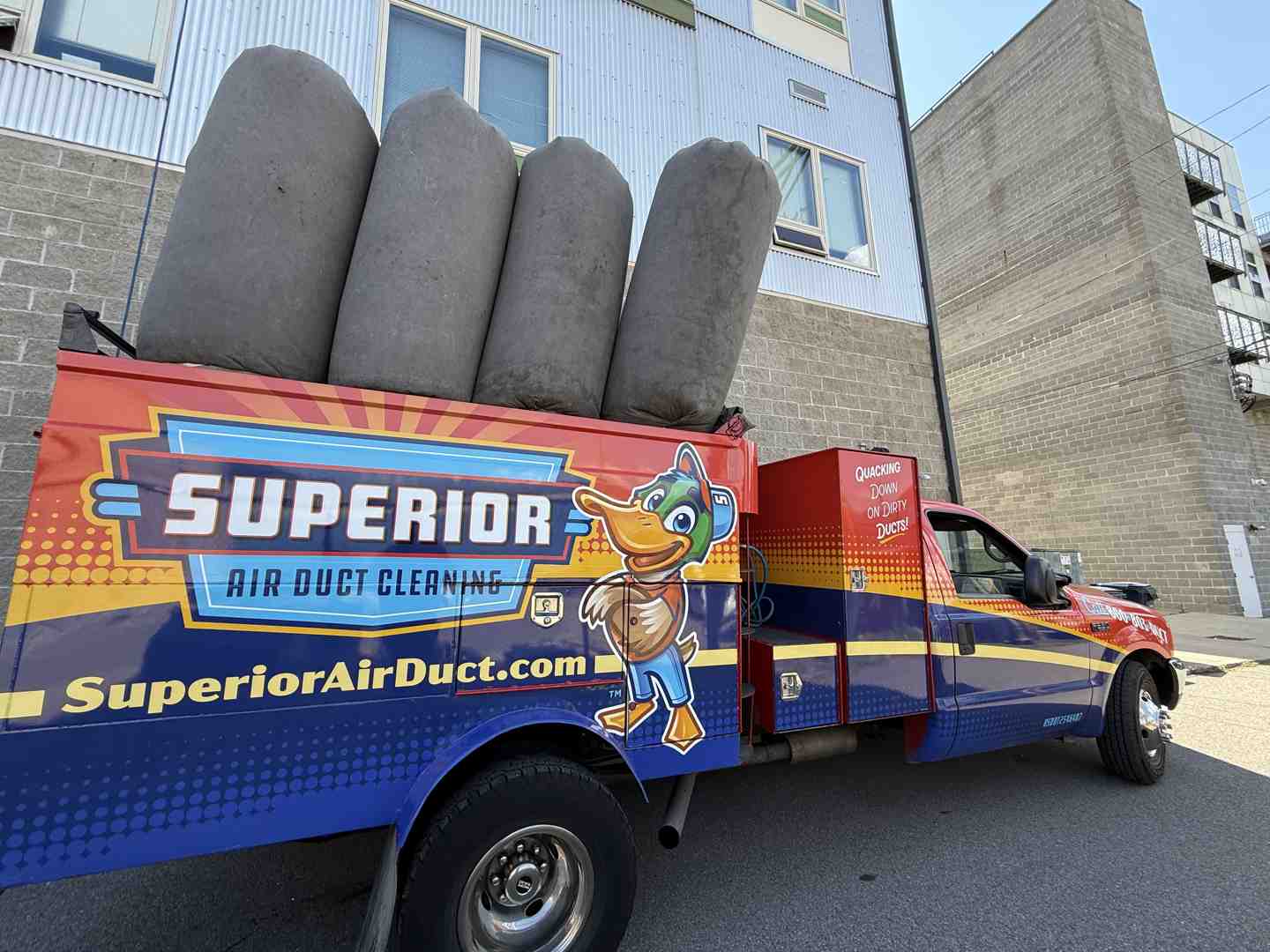
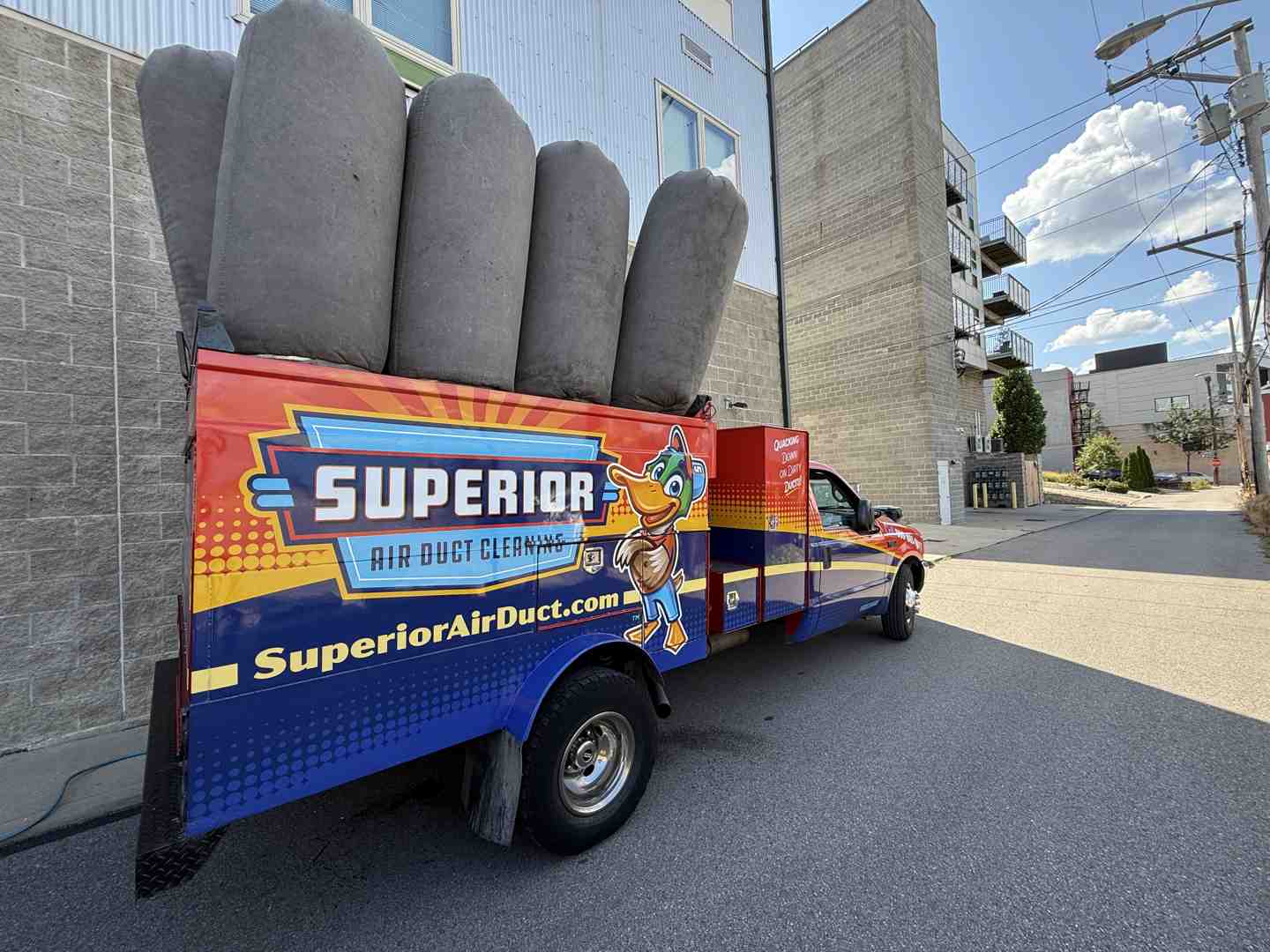
At Superior Air Duct Cleaning, we serve families throughout Western Pennsylvania and Northeast Ohio, from Pittsburgh to Boardman. We use high-powered, truck-mounted vacuums to pull contaminants out of your home entirely. We also offer duct sanitization, which uses botanical-based solutions to eliminate odors and microbes at the source. For most pet-owning households, we recommend a professional cleaning every three years to keep the air fresh and the system running at peak performance.
Frequently Asked Questions
Do hypoallergenic dogs really produce fewer allergens?
No breed is truly allergen-free. While some dogs shed less fur, all dogs produce dander (skin flakes) and saliva proteins, which are the real triggers for allergies. Studies show no consistent difference in allergen levels between "hypoallergenic" and standard breeds.
How long does pet dander stay in a home after the pet is gone?
Cat allergens like Fel d 1 are incredibly persistent. They can remain in a home for four to six months after the cat has left. These proteins are often found in nearly every home in the U.S., even those that have never housed a pet, because they travel on clothing.
Can I safely have a pet if I have asthma?
Yes, many people with asthma live happily with pets. The key is a "layered defense": use HEPA air purifiers, maintain a strict cleaning schedule, keep pets out of the bedroom, and ensure your air ducts are professionally cleaned to prevent the recirculation of triggers.
Conclusion
At the end of the day, our pets are family. Understanding how pets affect your indoor air quality isn't about finding reasons to live without them—it's about finding the best ways to live with them healthily. Whether you are in New Brighton, PA, or Canfield, OH, maintaining your home’s air quality is a vital part of responsible pet ownership.
By combining simple daily habits with professional HVAC maintenance, you can enjoy all the love and companionship your pet provides without compromising your respiratory health. If you’re ready to clear the air in your home, we are here to help. Breathe easier with professional air quality services from Superior Air Duct Cleaning today!

Customer Reviews


Superior Air Duct cleaning did a phenomenal job in a timely manner with the tech “Rich” being very professional ,personable and considerate of our property! He explained things as he proceeded and answered all our questions!
I LOVE that they provide before & after photos to see the difference. Give them a try… you won’t regret it
Pam T.
Robert was on schedule and communicated what time he would arrive. He was polite, professional, and respectful of our home. I wanted to wait a couple weeks before posting a review because I wanted to see if the duct cleaning actually made a difference. I am happy to say it did! I vacuum multiple times a week and have already noticed a significant reduction in the amount of dust cleaned up each time. As a home with pets, there will always be something to clean, but getting the ducts cleaned has definitely helped improve the air quality and reduce the dust.
alice A.
Technician Rob arrived early explained the days agenda and then proceeded to work methodically and meticulously over the next 6+ hours cleaning my ductwork. Courteous and professional they answered all of my questions and went above and beyond the call of duty. They even located an old dusty box of rat poison buried in our vents. My only regret is not finding these guys sooner. As a realtor of 22 years and owner of a newly purchased (now dust free) home I highly recommended!
Eric K.
Excellent service! I’ve used them to clean out my air ducts as well as my dryer vent duct and they are excellent. I was very pleased with both jobs and will continue to use them in the future. Great communication as well- from the time I scheduled the appointment until they were at my door.
Erika C.
We had such an amazing experience with Superior Air Duct Cleaning. They were so nice and friendly and did an amazing job. I loved seeing the before and after pictures. Besides doing an amazing job cleaning our air ducts they were so quick at responding and setting up the appointment. We will definitely be using them in the future.
Amanda C.