Why Commercial Buildings Need More Frequent Duct Cleaning Than Residential Properties
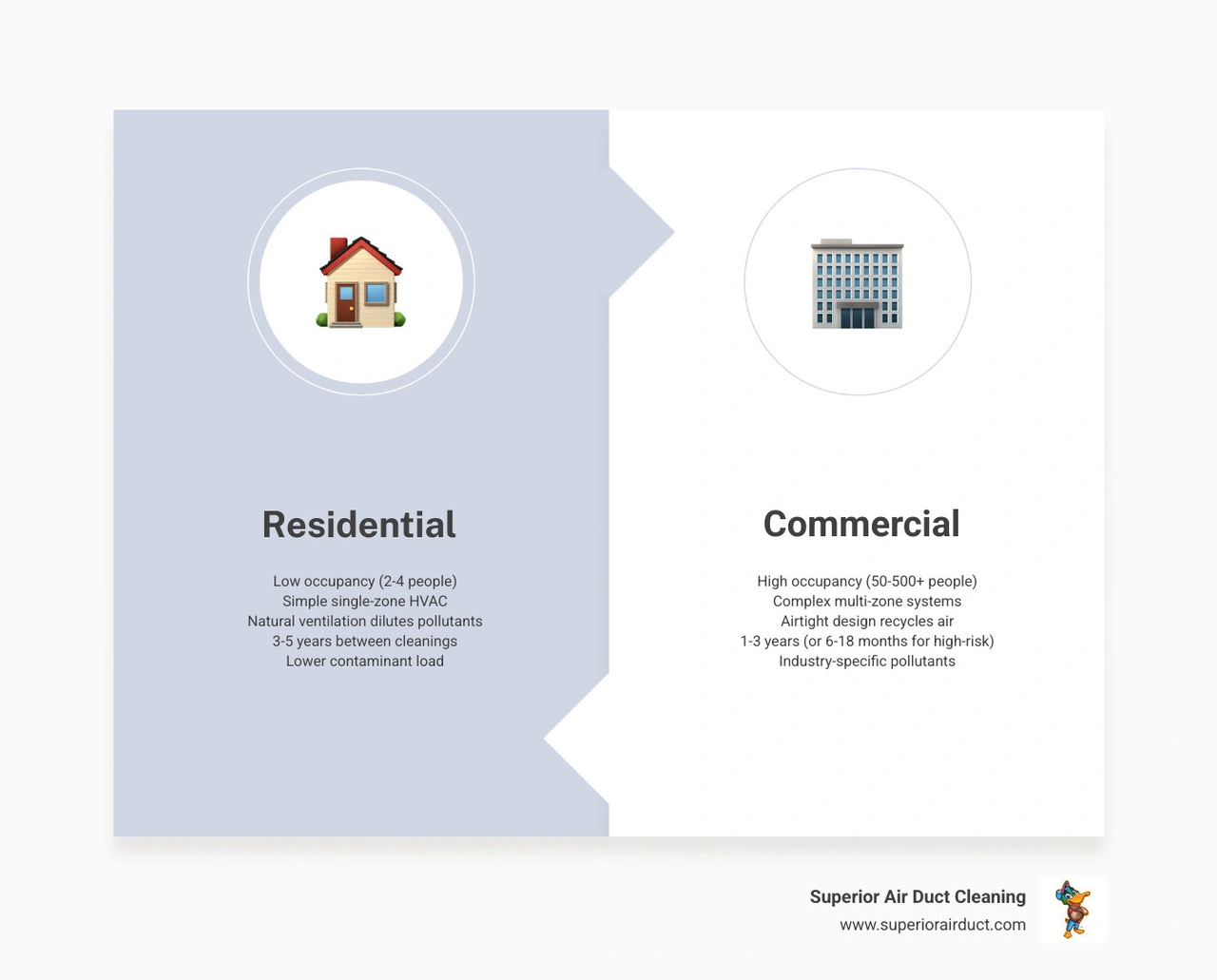
Why commercial buildings need more frequent duct cleaning comes down to a few key factors that simply don't apply the same way in homes:
- Higher occupancy - More people means more skin cells, dust, and airborne particles generated every hour
- Airtight building design - Modern commercial buildings recycle indoor air constantly, with no natural ventilation to dilute contaminants
- Complex HVAC systems - Larger, multi-zone systems cover more ground and accumulate debris faster
- Industry-specific contaminants - Grease in restaurants, biological material in healthcare, combustible dust in warehouses
- Regulatory requirements - NADCA, OSHA, and ASHRAE hold commercial facilities to stricter standards than residential homes
- Urban environmental load - Buildings in areas like Pittsburgh and Youngstown face higher levels of traffic exhaust, industrial emissions, and construction dust
Most residential systems can go 3 to 5 years between cleanings. Commercial systems — depending on the building type — often need attention every 1 to 3 years, and some environments like restaurant kitchens or healthcare facilities require cleaning every 6 to 18 months.
The EPA ranks indoor air pollution among the top five environmental health risks, and most people spend around 90% of their time indoors. For employees working 8-hour shifts in a commercial building, the quality of the air they breathe isn't just a comfort issue — it's a health and productivity issue. Research has found that workers in buildings with better indoor air quality score up to 61% higher on cognitive function tests.
Yet duct cleaning is one of the most commonly overlooked items on a commercial maintenance checklist. When ducts go uncleaned, contaminants recirculate through the building day after day — affecting employee health, increasing energy bills, and putting unnecessary strain on expensive HVAC equipment.
This guide walks you through exactly why the stakes are higher for commercial buildings, what the industry standards actually require, and how to set a cleaning schedule that fits your facility type.
Why Commercial Buildings Need More Frequent Duct Cleaning
In April 2026, building managers are more aware than ever that a "set it and forget it" attitude toward HVAC maintenance is a recipe for disaster. Unlike a single-family home in a quiet suburb, a commercial facility is a high-traffic machine. We often see ducts in Pittsburgh office buildings or Boardman retail centers that accumulate more debris in six months than a residential home does in six years.
The fundamental reason why commercial buildings need more frequent duct cleaning is the sheer volume of air being processed. Commercial HVAC systems are designed to move massive amounts of air to keep large spaces comfortable. Because these buildings are often nearly airtight to maximize energy efficiency, they don't "breathe." This means they constantly recycle the same air, along with every pollutant brought in by hundreds of people. Over time, your ductwork becomes a "dirt trap," where particles settle and clump together, especially in areas with high humidity or inconsistent airflow.
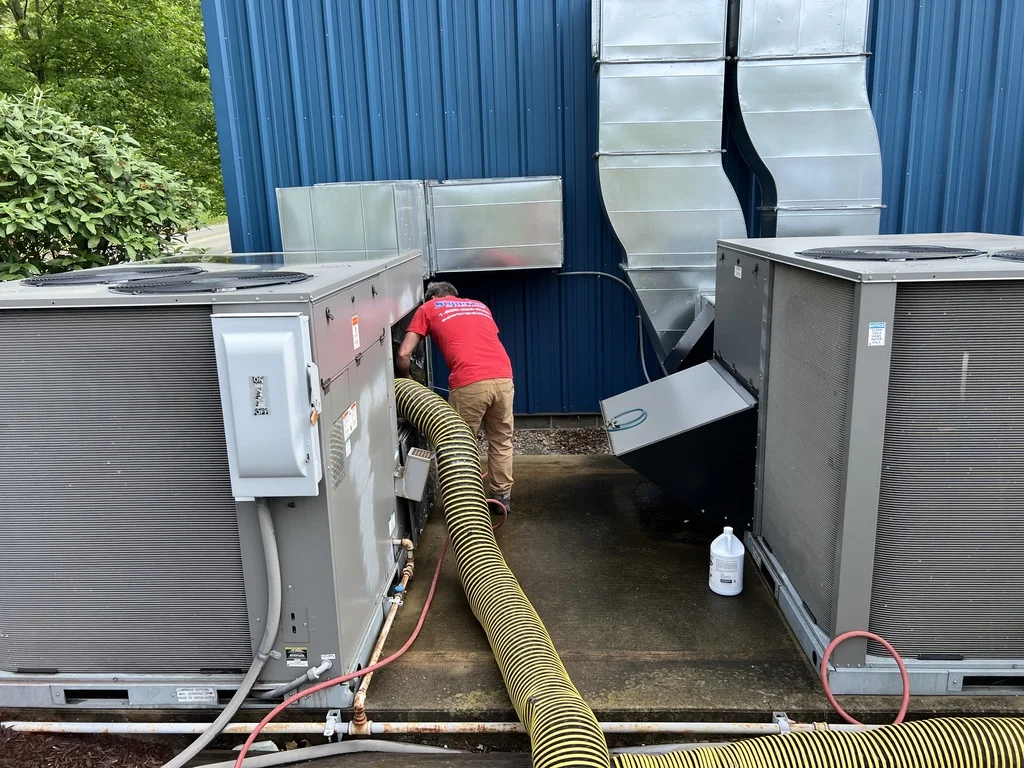
For more information on the specific processes we use to tackle these large-scale systems, you can explore our Commercial Duct Cleaning service page.
Higher Occupancy and Particle Generation
Think about the sheer number of people walking through a typical office or school every day. Each person sheds thousands of skin cells and hair follicles every hour. In addition to biological particles, commercial spaces are filled with textile fibers from carpets and upholstery, as well as paper dust from printers and filing systems.
When these particles enter the return vents, they don't all get caught by the filters. The finest dust settles on the interior walls of the ducts, creating a sticky layer that attracts even more debris. This buildup doesn't just hurt the air quality; it directly impacts your bottom line. It is well-documented how dirty ducts affect employee productivity through increased fatigue, headaches, and respiratory irritation that leads to more sick days.
Urban Environmental Factors in Western PA and Northeast OH
Geography plays a massive role in how quickly your ducts get dirty. Our service areas, including Youngstown, OH, and New Brighton, PA, have unique environmental loads. In urban centers like Pittsburgh, traffic exhaust and industrial emissions provide a constant stream of fine particulate matter that finds its way into commercial air intakes.
Construction is another major factor. If there is a new development project in downtown Pittsburgh or a road crew working near your facility in Beaver Falls, that heavy construction dust is being sucked into your HVAC system. This type of grit is abrasive and can cause premature wear on your system's mechanical components. This is why we specialize in Commercial Air Duct Cleaning Pittsburgh PA to address these specific regional challenges.

Industry Standards and Regulatory Compliance for HVAC Maintenance
As we move through 2026, regulatory oversight for indoor air quality (IAQ) continues to tighten. For a building owner or facility manager, staying compliant isn't just about avoiding fines; it’s about risk management. The National Air Duct Cleaners Association (NADCA) provides the gold standard with their ACR 2021 guidelines, which recommend annual inspections for commercial air-handling units and supply/return ducts.
Beyond voluntary industry standards, organizations like OSHA and ASHRAE have established clear expectations for workplace safety and ventilation. Understanding the duct cleaning requirements for commercial properties is essential for any facility manager. These standards generally move away from a "fixed schedule" and toward "condition-based cleaning," meaning if an inspection reveals significant accumulation, cleaning must be performed immediately to maintain air quality.
Why commercial buildings need more frequent duct cleaning for OSHA compliance
OSHA’s "General Duty Clause" requires employers to provide a workplace free from recognized hazards. In 2026, poor indoor air quality is recognized as a significant hazard. Dust, mold spores, and chemical residues lingering in ductwork can trigger asthma or lead to chronic respiratory issues among staff.
Regularly scheduled cleaning is a proactive way to demonstrate that you are taking duct cleaning for workplace health seriously. By keeping detailed post-service documentation—including visual reports and photo evidence—you protect your business from potential legal liabilities related to Sick Building Syndrome (SBS) or other workplace illnesses.
How Building Usage Dictates Your Commercial Duct Cleaning Schedule
Not all commercial buildings are created equal. A warehouse in Washington County has very different needs than a surgery center in Cranberry Township. The frequency of your maintenance should be tailored to the "environmental load" of your specific industry.
| Building Type | Recommended Inspection | Recommended Cleaning Frequency | Primary Contaminants |
|---|---|---|---|
| General Office / Retail | Annually | Every 2–4 Years | Paper dust, skin cells, textile fibers |
| Healthcare Facilities | Every 6 Months | Every 12–18 Months | Bioaerosols, pathogens, skin cells |
| Restaurants / Kitchens | Every 3 Months | Every 6–12 Months | Grease, smoke, food particles |
| Industrial / Manufacturing | Every 6 Months | Every 1–3 Years | Industrial dust, chemical residues |
| Schools / Universities | Annually | Every 2–3 Years | Chalk dust, high biological load |
Healthcare facilities, in particular, must adhere to much stricter cycles. Following CDC and industry guidelines, hospitals and clinics often require cleaning every 12 to 18 months to protect immunocompromised patients. We provide specialized Commercial Duct Cleaning Niles OH for medical offices that need to maintain sterile environments.
Why commercial buildings need more frequent duct cleaning in high-traffic retail spaces
In the retail world, first impressions are everything. If a customer walks into a boutique in Boardman or a mall in Pittsburgh and smells a musty odor or sees "dust beards" hanging from the ceiling vents, it tarnishes your brand.
Furthermore, retail dust can settle on your inventory, damaging high-end clothing or electronics. Our Retail Duct Cleaning Pittsburgh PA Guide highlights how regular maintenance prevents product loss and keeps the shopping environment inviting for customers.
Specialized Needs for Restaurants and Industrial Facilities
Restaurants face a unique threat: grease migration. While hood cleaning handles the exhaust, the supply ducts can still pull in smoke and vaporized grease, which then coats the interior of the ductwork. This isn't just an air quality issue; it's a massive fire hazard. According to NFPA 96 standards, keeping these systems clean is a legal necessity.
The importance of air duct cleaning in restaurants cannot be overstated, as restaurant duct contamination affects food quality by introducing odors and particulates into the kitchen and dining areas. Similarly, industrial facilities must manage "combustible dust," which can lead to catastrophic explosions if allowed to accumulate in ventilation systems.
Key Signs Your Facility Needs Immediate Attention
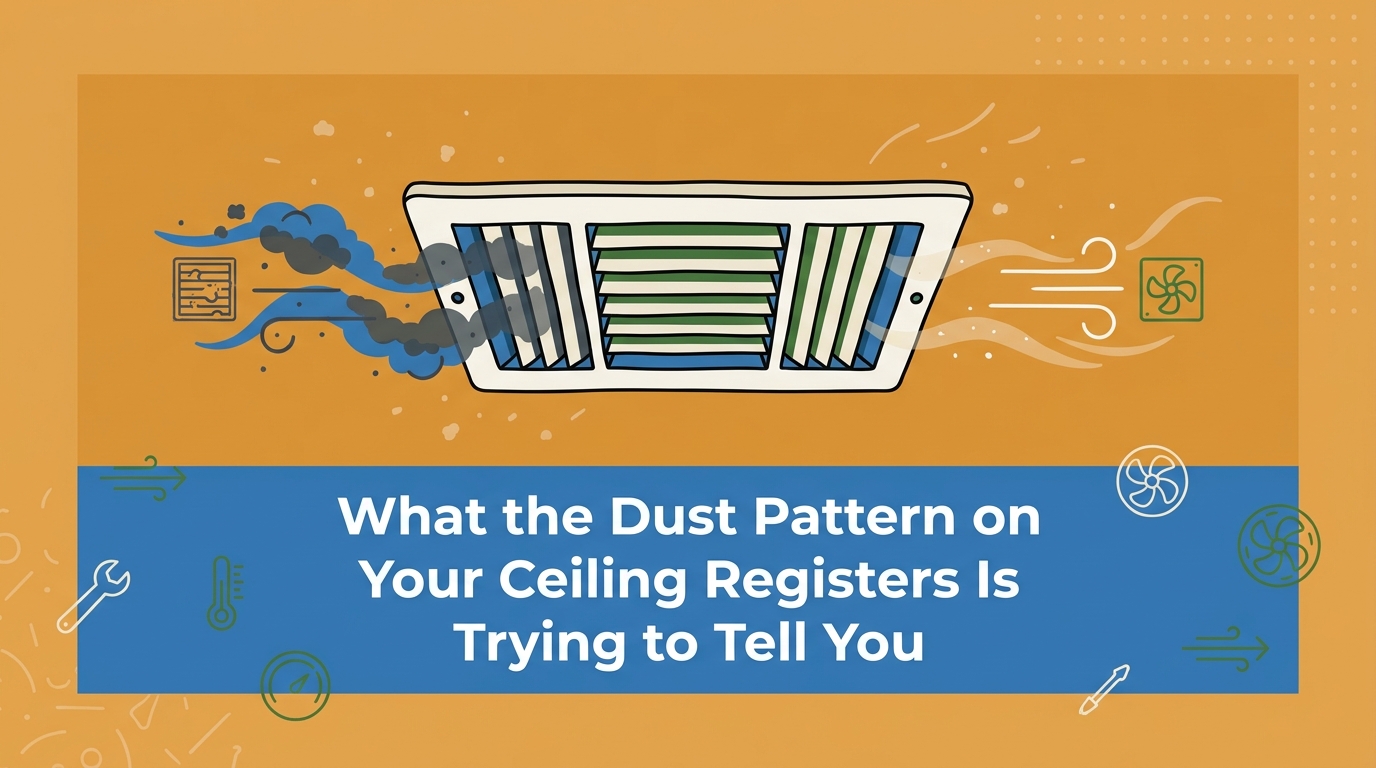
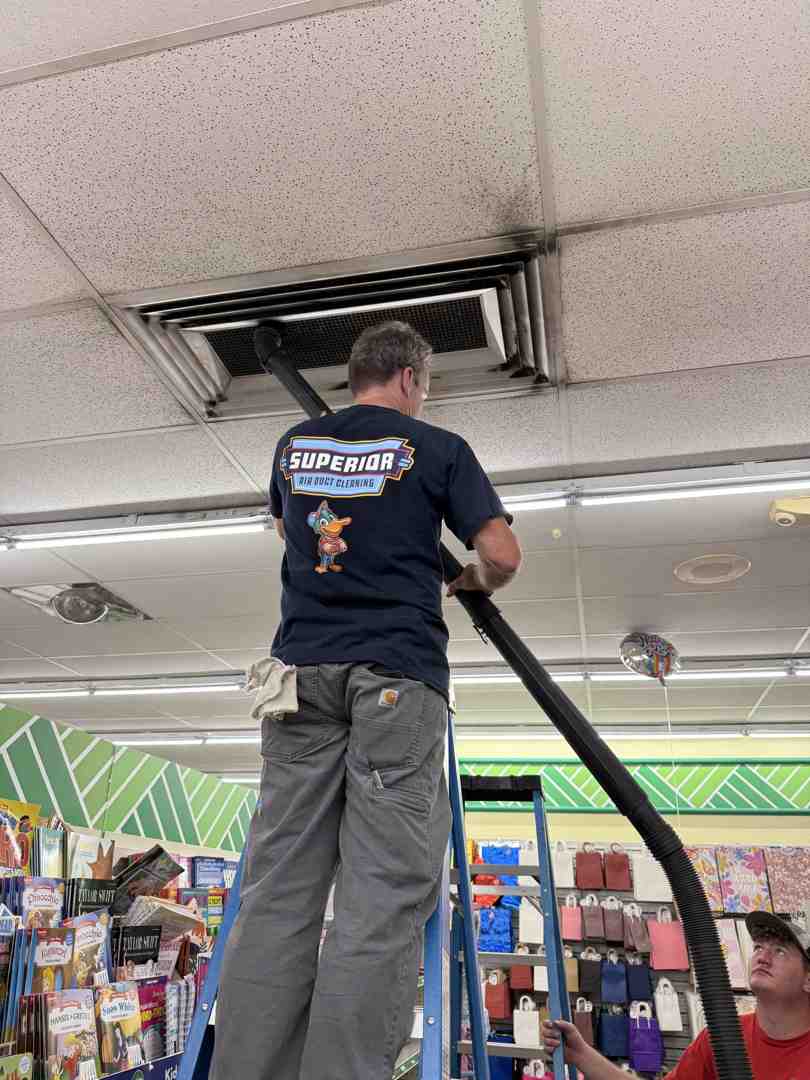
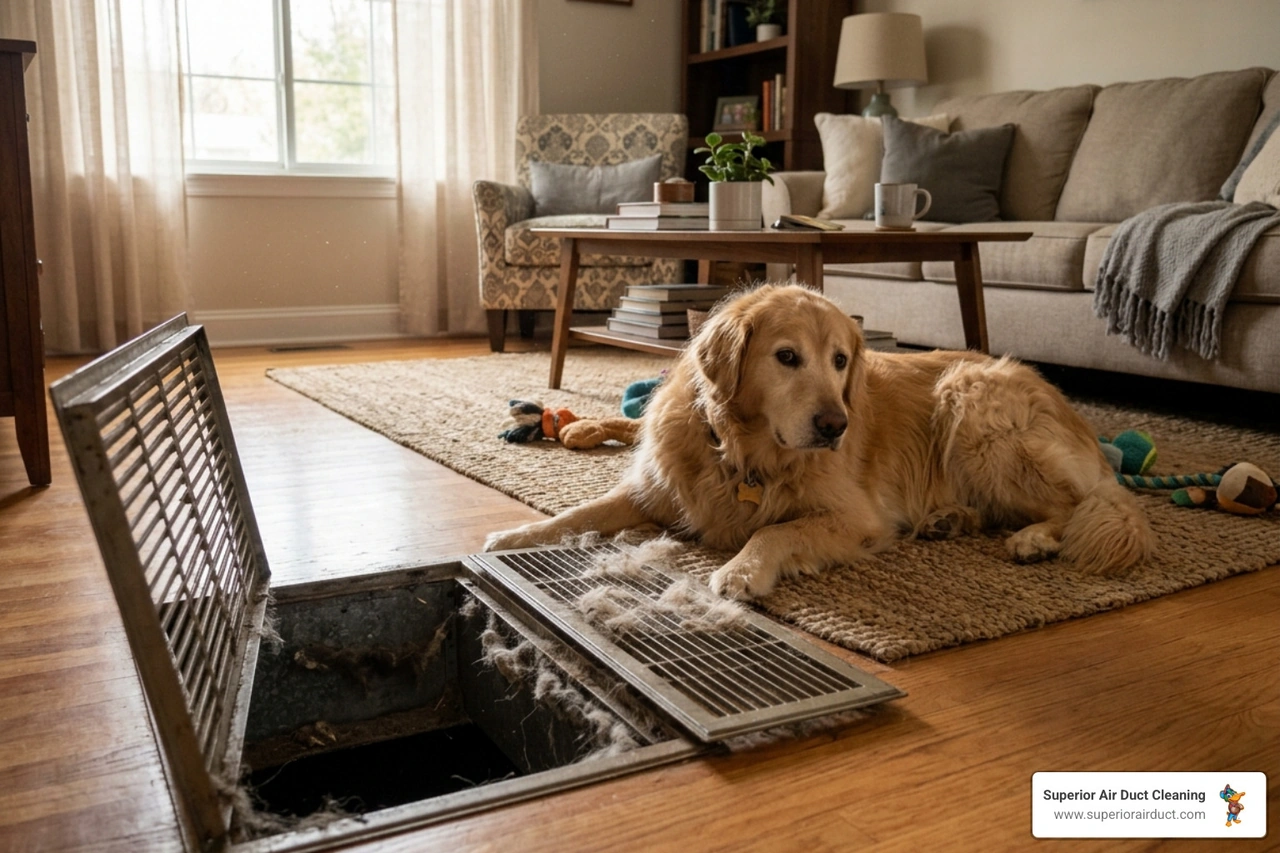
You shouldn't always wait for the calendar to tell you it's time for a cleaning. Your building will often give you warning signs that the HVAC system is struggling. One of the most obvious signs is the appearance of "dust beards"—clumps of dark dust hanging from supply registers or sticking to the ceiling tiles around the vents.
Other critical signs include:
- Unexplained odors: A musty, "locker room," or "dirty sock" smell when the AC or heat kicks on.
- Rising energy bills: If your utility costs are climbing despite consistent weather, your HVAC is likely working harder to push air through clogged ducts.
- Employee complaints: An uptick in sneezing, coughing, or itchy eyes among staff.
- Visible debris: Puffs of dust exiting the vents when the fan starts up.
Taking action early allows you to protect your business with clean ducts before a minor dust issue becomes a major mechanical failure.
Why commercial buildings need more frequent duct cleaning to prevent Sick Building Syndrome
Sick Building Syndrome (SBS) is a condition where occupants experience acute health effects that seem linked to time spent in a building, but no specific illness can be identified. Common symptoms include headaches, dizziness, and nausea.
Frequent cleaning helps enhance IAQ with commercial duct cleaning by drastically reducing the concentration of bioaerosols and VOCs (Volatile Organic Compounds) that contribute to SBS. When you keep the "veins" of your building clean, you reduce absenteeism and keep your team feeling their best.
Energy Efficiency and Health Benefits of Regular Maintenance
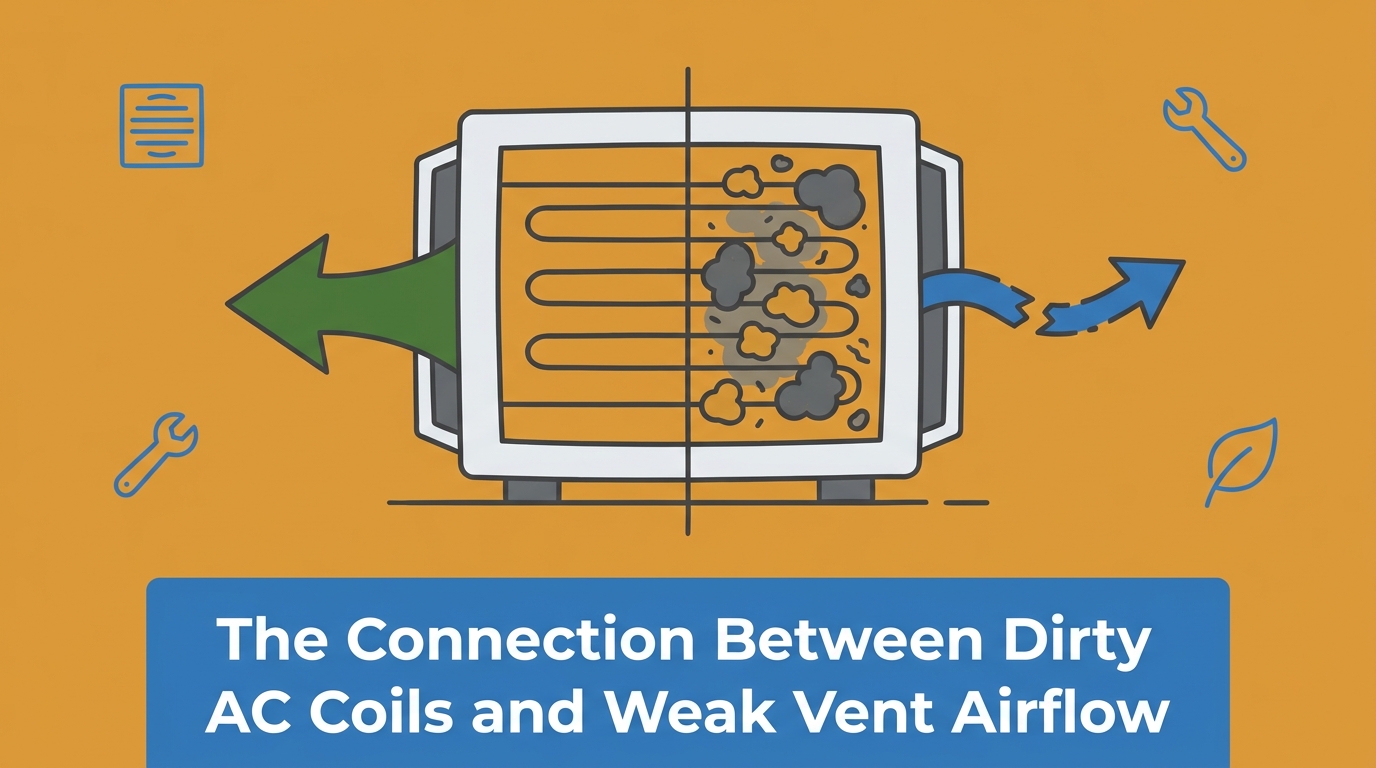
The financial argument for frequent duct cleaning is just as strong as the health argument. A dirty HVAC system is up to 40% less efficient than a clean one. Even a tiny layer of dust—as little as 0.42 inches—on your cooling coils can cause a 21% loss in efficiency.
By investing in regular maintenance, we help our clients achieve:
- Up to 30% efficiency gain in HVAC performance.
- 15–25% reduction in monthly energy costs.
- Extended equipment life: Clean systems don't have to run as long or as hard to reach the target temperature, reducing wear on motors and compressors.
From a human perspective, the benefits are even more impressive. Studies show that commercial building air quality is directly tied to cognitive performance. In fact, people working in clean-air environments score 61% higher on crisis response and strategy tests. For more localized insights, check out our Commercial Duct Cleaning Pittsburgh Guide.
Frequently Asked Questions about Commercial Duct Maintenance
How often should a typical office building have its ducts cleaned?
While the general recommendation is every 3 to 5 years, we recommend an annual inspection. For high-occupancy offices or those in urban areas like Youngstown or Pittsburgh, a 2-year cycle is often more appropriate to prevent significant buildup and maintain peak energy efficiency.
Can duct cleaning be performed without disrupting business operations?
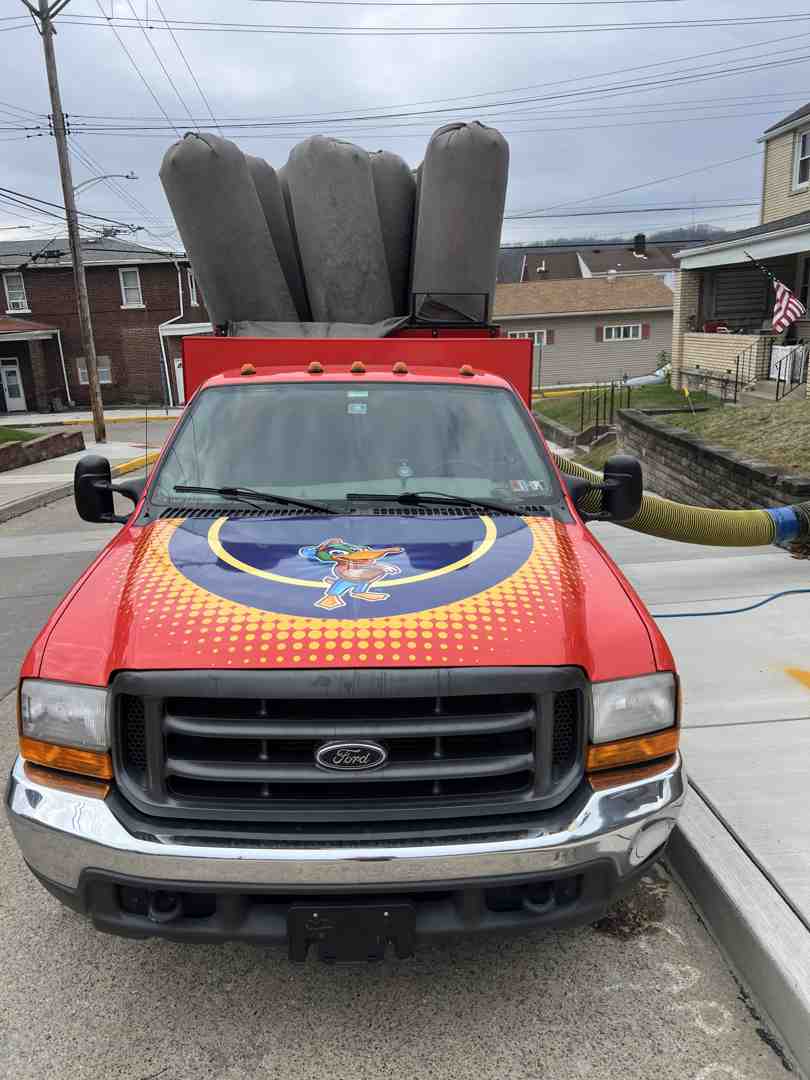
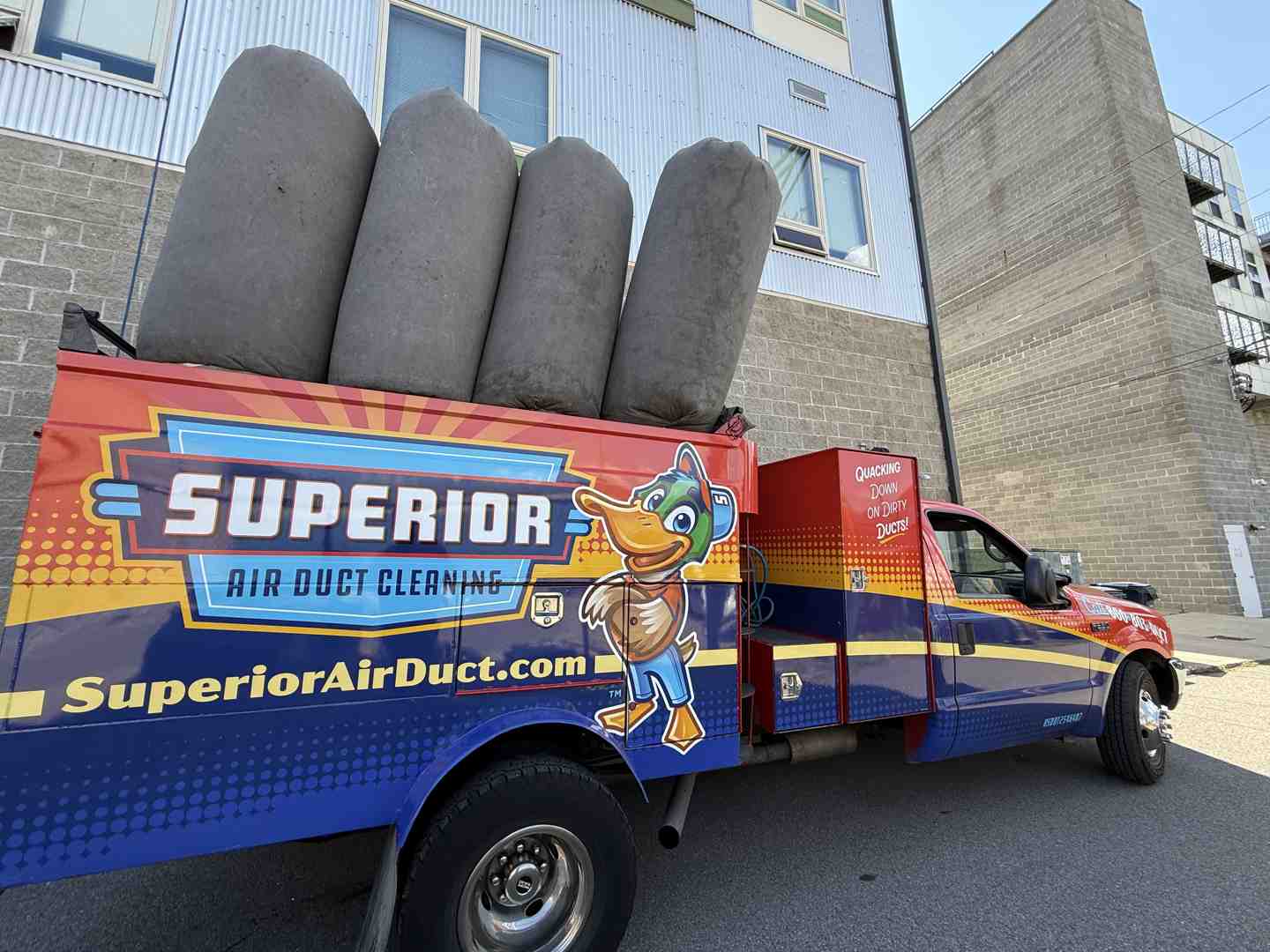
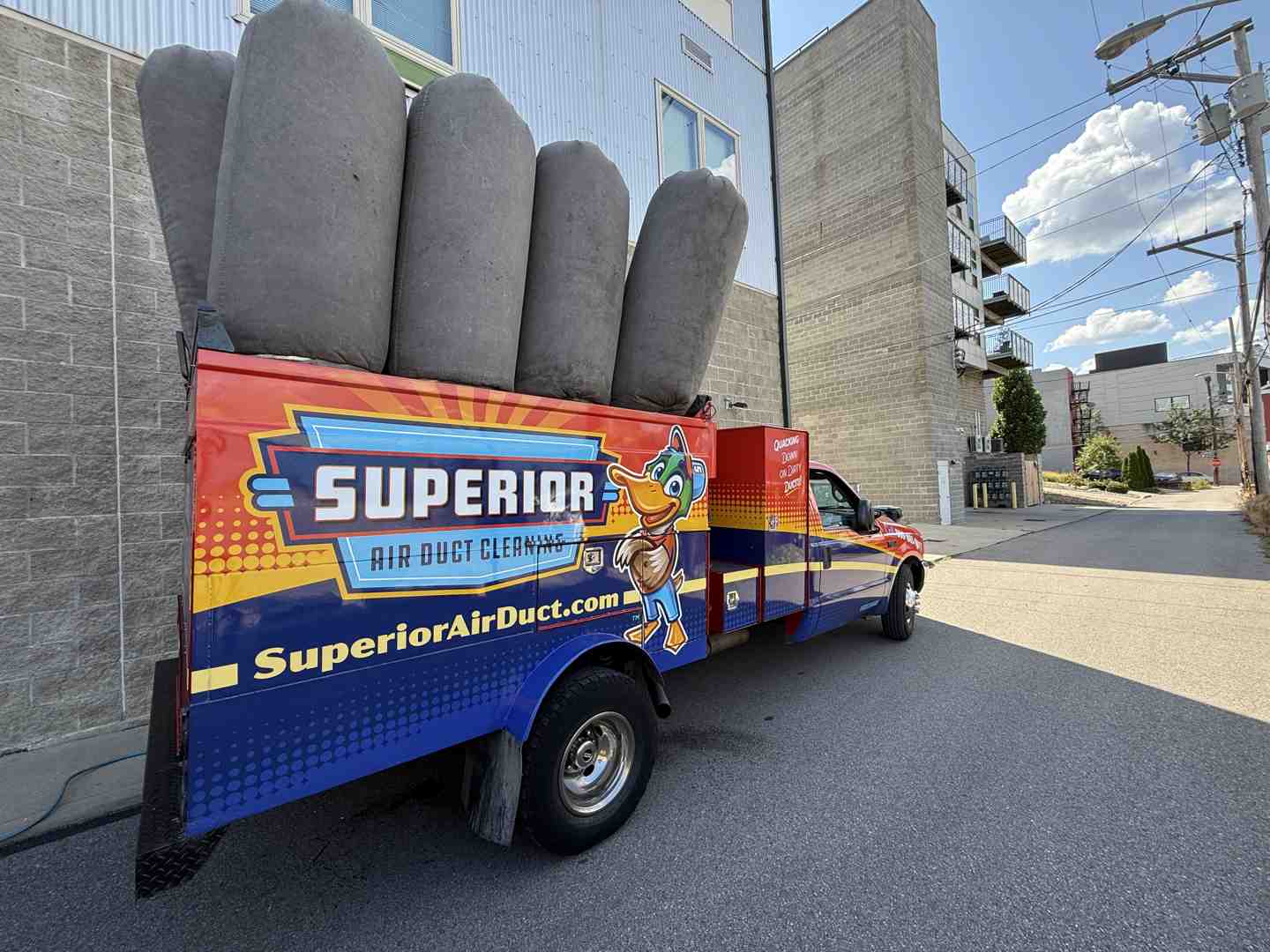
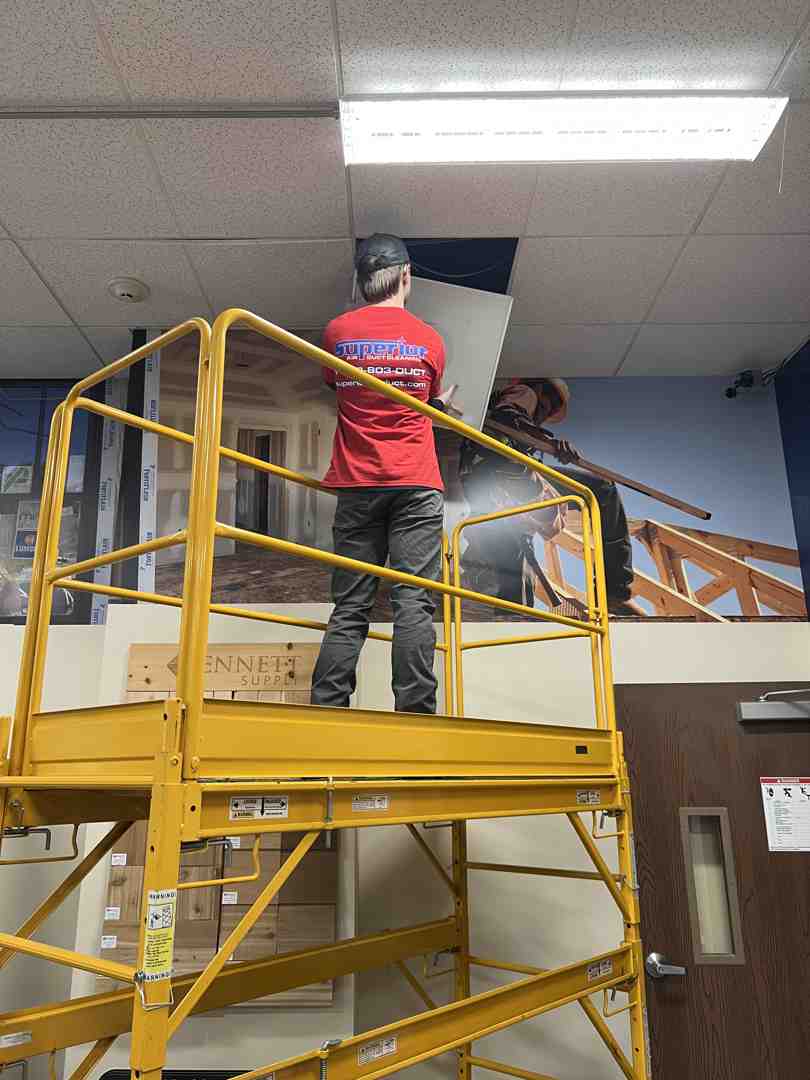
Absolutely. We understand that your business needs to stay productive. We offer flexible scheduling, including after-hours and weekend services, to ensure the cleaning process has zero impact on your employees or customers. Our high-powered vacuum trucks stay outside, and we use phased isolation to clean sections of the building at a time.
What is the difference between residential and commercial duct cleaning equipment?
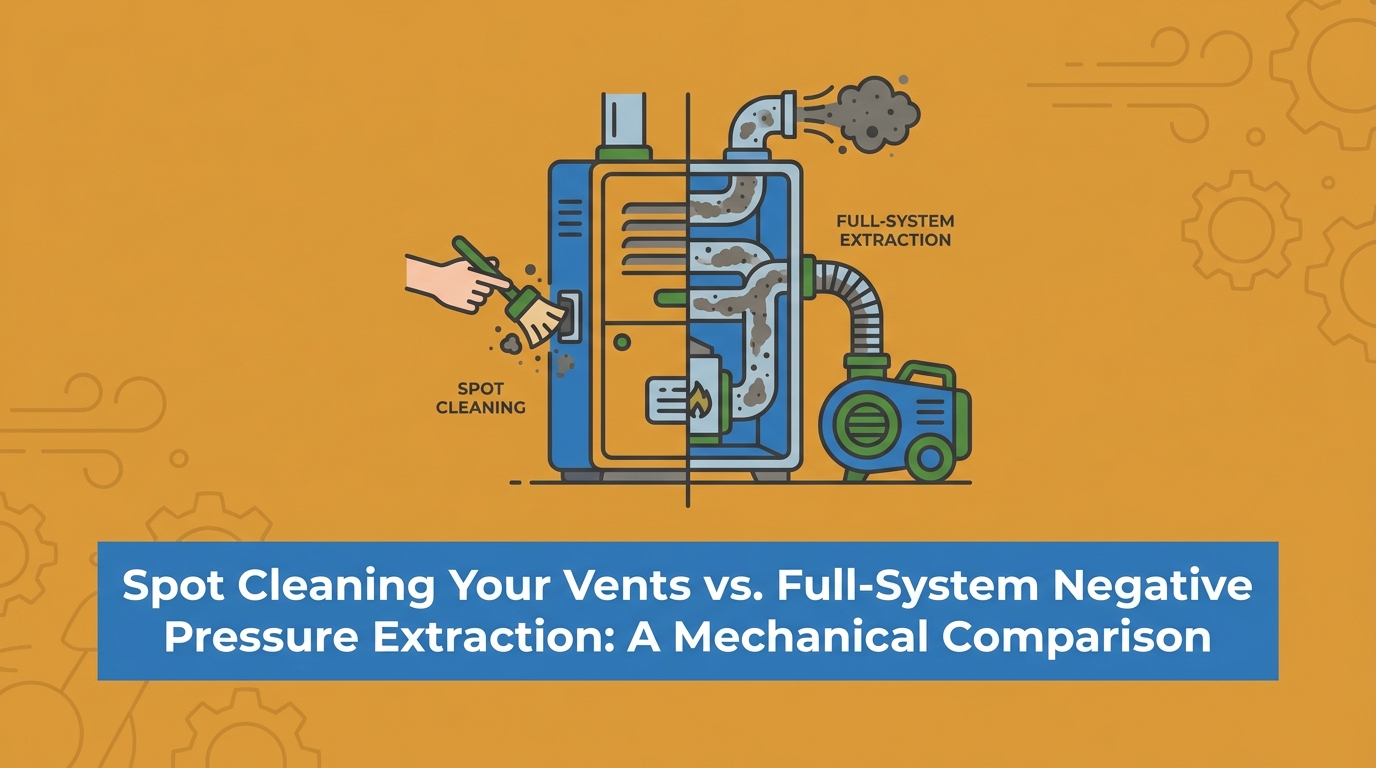
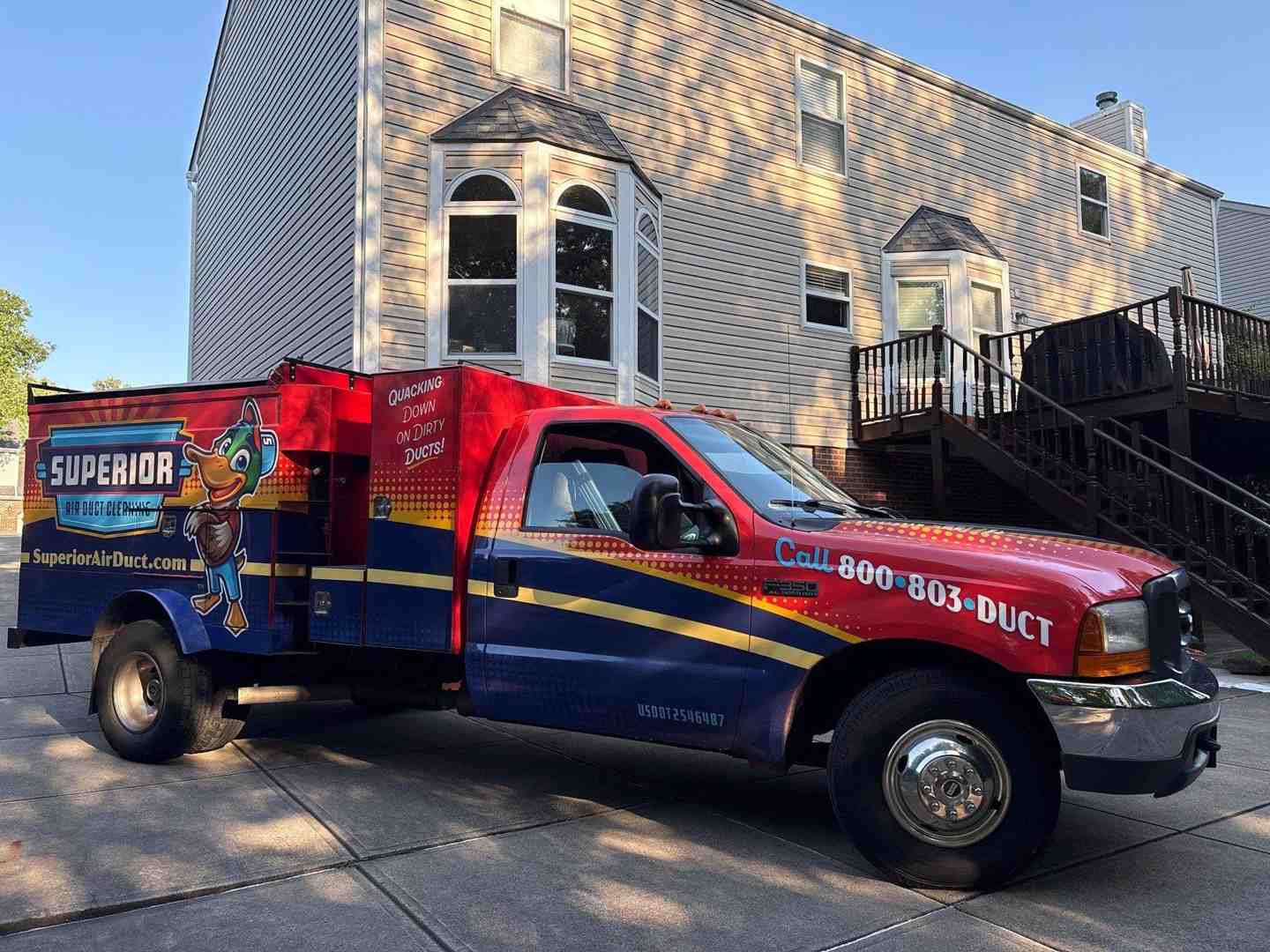
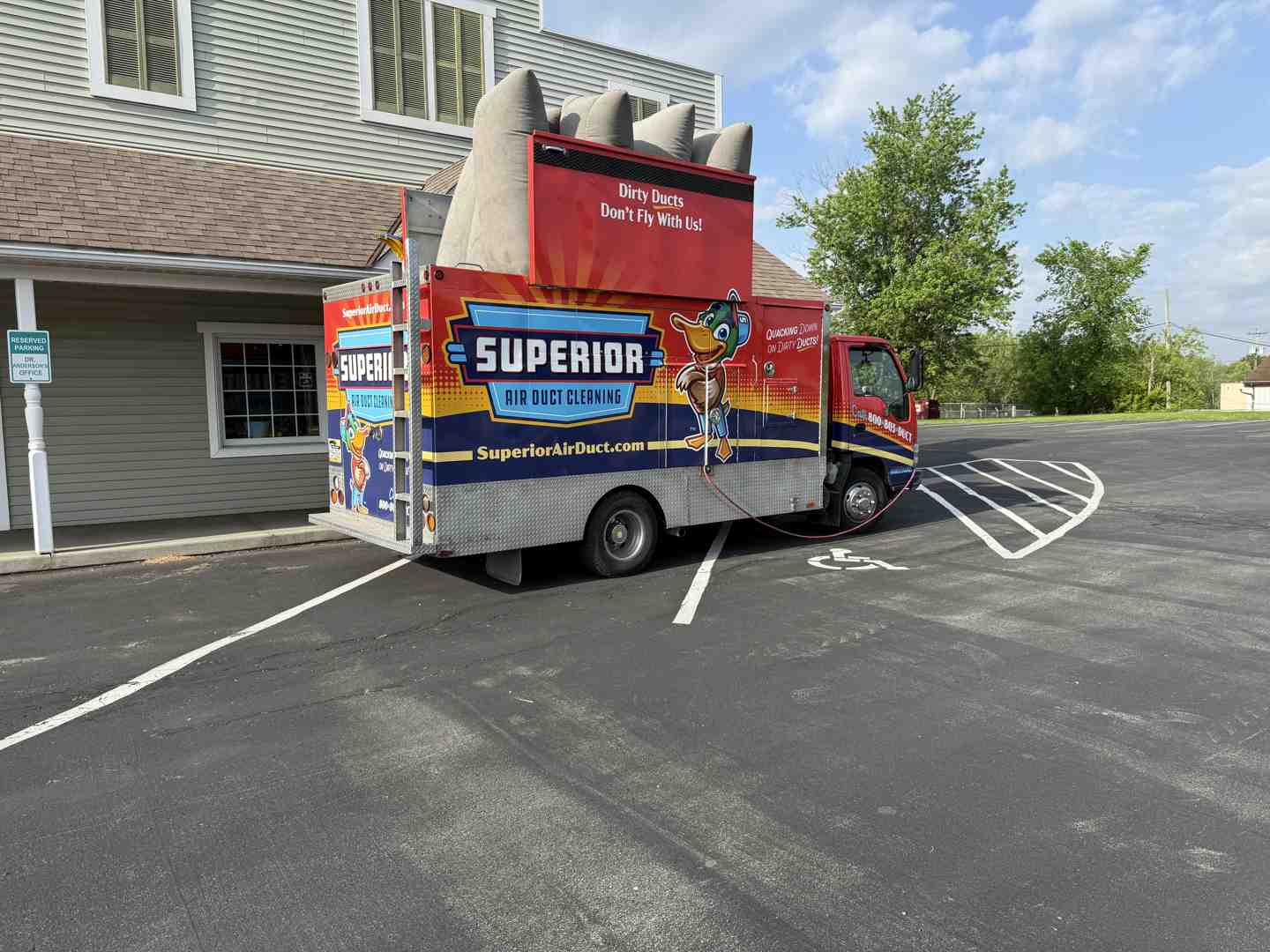
Residential systems can often be handled with portable units, but commercial systems require industrial-grade power. We use 16,000 CFM (Cubic Feet per Minute) vacuum trucks that create massive negative pressure. This ensures that all contaminants are pulled directly out of the building and into our truck, preventing any cross-contamination.
Conclusion
At Superior Air Duct Cleaning, we believe that clean air is the foundation of a successful business. Whether you are managing a high-rise in Pittsburgh, a medical facility in Cranberry Township, or a retail shop in Boardman, understanding why commercial buildings need more frequent duct cleaning is the first step toward a healthier, more efficient workplace.
We are proud to serve Western Pennsylvania, Northeast Ohio, and parts of West Virginia with professional source-removal cleaning. Our 16,000 CFM vacuum trucks and NADCA-certified technicians ensure your facility meets the highest industry standards for safety and air quality.
Our service areas include:
- Pennsylvania: Allegheny, Butler, Mercer, Washington, Beaver, Lawrence, and Westmoreland Counties.
- Ohio: Mahoning, Trumbull, Columbiana, Jefferson, and Eastern Carroll Counties.
- West Virginia: Hancock County.
Don't let hidden dust drain your energy budget or compromise your team's health. Learn the difference between residential and commercial maintenance and contact us today to schedule your annual commercial inspection. Let's clear the air for your business.

Customer Reviews


Superior Air Duct cleaning did a phenomenal job in a timely manner with the tech “Rich” being very professional ,personable and considerate of our property! He explained things as he proceeded and answered all our questions!
I LOVE that they provide before & after photos to see the difference. Give them a try… you won’t regret it
Pam T.
Robert was on schedule and communicated what time he would arrive. He was polite, professional, and respectful of our home. I wanted to wait a couple weeks before posting a review because I wanted to see if the duct cleaning actually made a difference. I am happy to say it did! I vacuum multiple times a week and have already noticed a significant reduction in the amount of dust cleaned up each time. As a home with pets, there will always be something to clean, but getting the ducts cleaned has definitely helped improve the air quality and reduce the dust.
alice A.
Technician Rob arrived early explained the days agenda and then proceeded to work methodically and meticulously over the next 6+ hours cleaning my ductwork. Courteous and professional they answered all of my questions and went above and beyond the call of duty. They even located an old dusty box of rat poison buried in our vents. My only regret is not finding these guys sooner. As a realtor of 22 years and owner of a newly purchased (now dust free) home I highly recommended!
Eric K.
Excellent service! I’ve used them to clean out my air ducts as well as my dryer vent duct and they are excellent. I was very pleased with both jobs and will continue to use them in the future. Great communication as well- from the time I scheduled the appointment until they were at my door.
Erika C.
We had such an amazing experience with Superior Air Duct Cleaning. They were so nice and friendly and did an amazing job. I loved seeing the before and after pictures. Besides doing an amazing job cleaning our air ducts they were so quick at responding and setting up the appointment. We will definitely be using them in the future.
Amanda C.