Is Your Ductwork Making You Sick? What Homeowners Need to Know
Can dirty air ducts make you sick? Yes — and more easily than most people realize. Every time your HVAC system runs, it pushes air through your ductwork and into every room of your home. If those ducts are filled with dust, mold, pet dander, or bacteria, that same air is carrying those contaminants with it. According to the EPA, indoor air pollutants are frequently 2 to 5 times higher than outdoor levels — and for some pollutants, more than 100 times higher.
Here's a quick look at how dirty air ducts can affect your health:
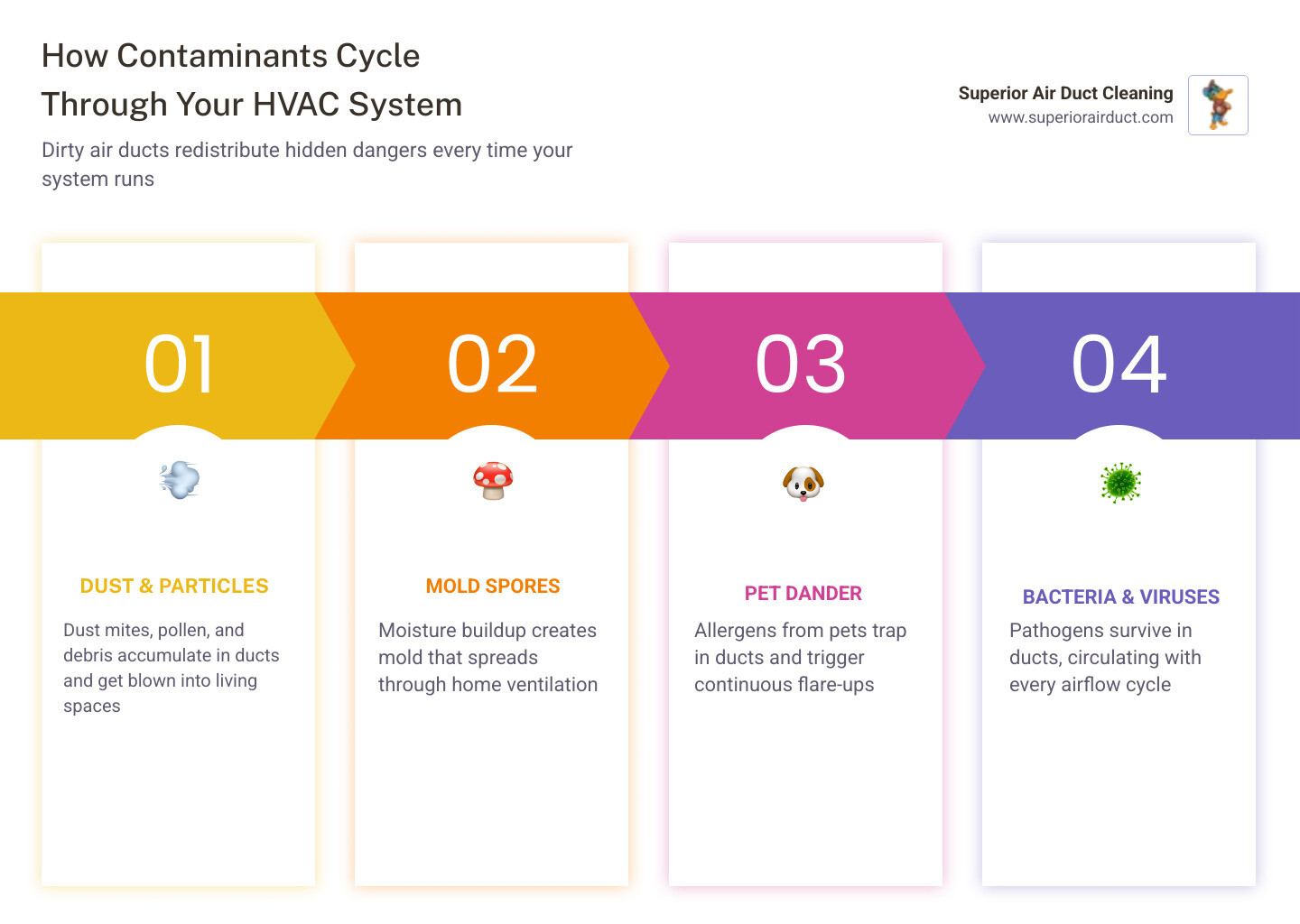
- Respiratory problems - Circulating dust, mold spores, and bacteria irritate airways and can trigger or worsen conditions like asthma and bronchitis
- Allergy flare-ups - Pollen, pet dander, and dust mites trapped in ducts get redistributed through your home continuously
- Frequent colds and sinus infections - Bacteria and viruses can survive in ductwork and spread each time air circulates
- Headaches and fatigue - Poor air circulation and elevated CO2 levels from clogged ducts can cause brain fog and low energy
- Skin irritation - Mold spores and other airborne particles can trigger rashes, hives, and dry or itchy skin
- Musty odors - A sign of mold or mildew growth inside the duct system itself
Many homeowners notice that their symptoms improve when they leave the house — only to return once they're back home. That pattern is a strong signal that the air inside your home may be the problem.
If you've ever wondered why your allergies seem worse indoors, or why family members are getting sick more often than usual, your ductwork is worth a closer look.
Can Dirty Air Ducts Make You Sick? Understanding the Risks
When we think about pollution, we often picture smog over a city or exhaust from a highway. However, as of April 2026, research continues to show that the air inside our homes in places like Pittsburgh, PA, or Boardman, OH, can actually be more hazardous than the air outside. So, can dirty air ducts make you sick? The answer lies in how your HVAC system functions as the "lungs" of your home.
Your ductwork is a closed-loop system. It pulls air in, heats or cools it, and pushes it back out. If that loop is contaminated, you are essentially breathing in recycled debris. While the EPA notes that light dust is a normal part of any home, excessive accumulation creates a reservoir for pathogens. When these particles become airborne, they bypass your body's natural filters and settle deep in your lungs. Superior Air Duct Cleaning Looks at the Dangers of Dirty Air Ducts and highlights that unmaintained systems are a primary contributor to "Sick Home Syndrome," where the building itself causes occupants to feel unwell.
Common Contaminants Hiding in Your Vents
If you were to take a microscope to the inside of an uncleaned vent, you might be shocked by what you find. It isn’t just "dust." It is a complex cocktail of:
- Pollen: Tracked in from the outdoors, it settles in ducts and recirculates long after the season has ended.
- Dust Mites: These microscopic creatures thrive in the skin cells that make up a large portion of household dust.
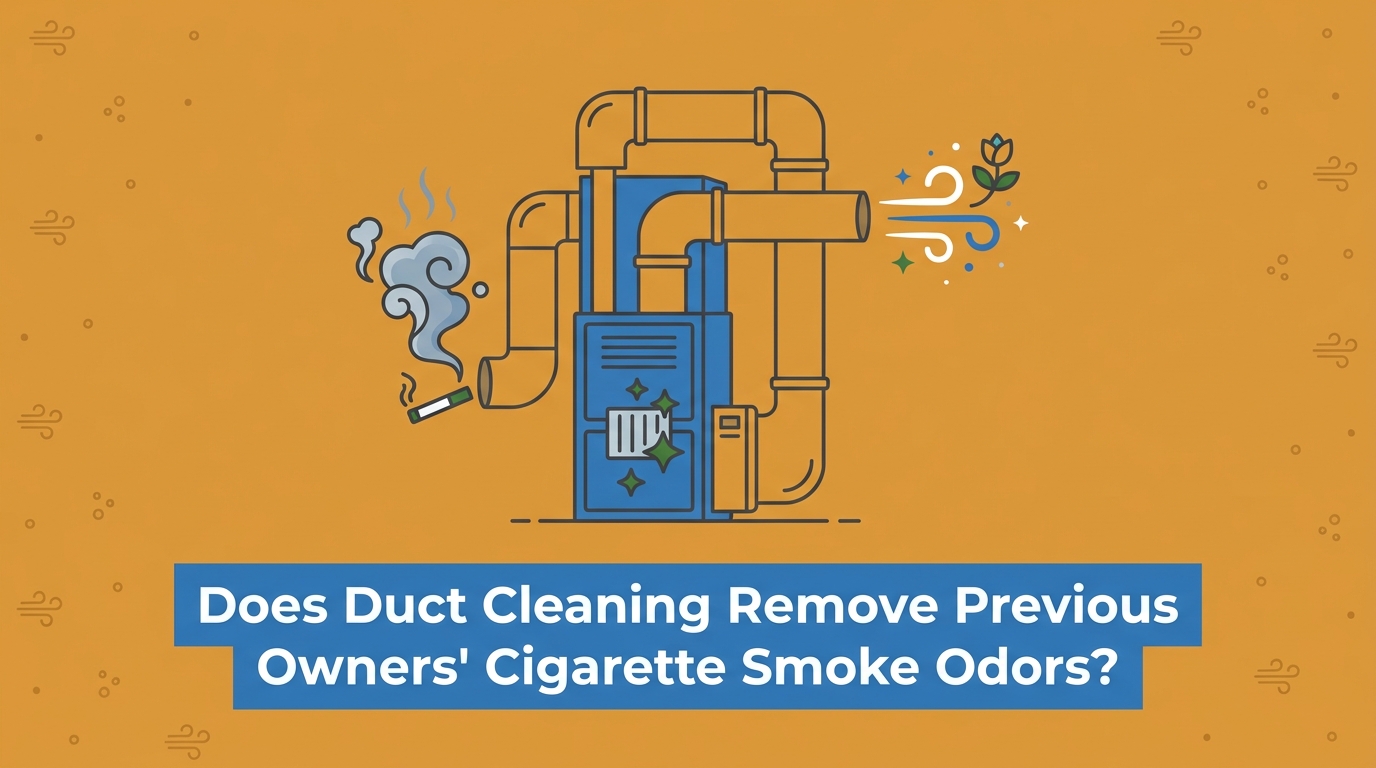
- Tobacco Debris: Even if you don't smoke, previous owners might have, leaving behind chemical residues that cling to duct walls.
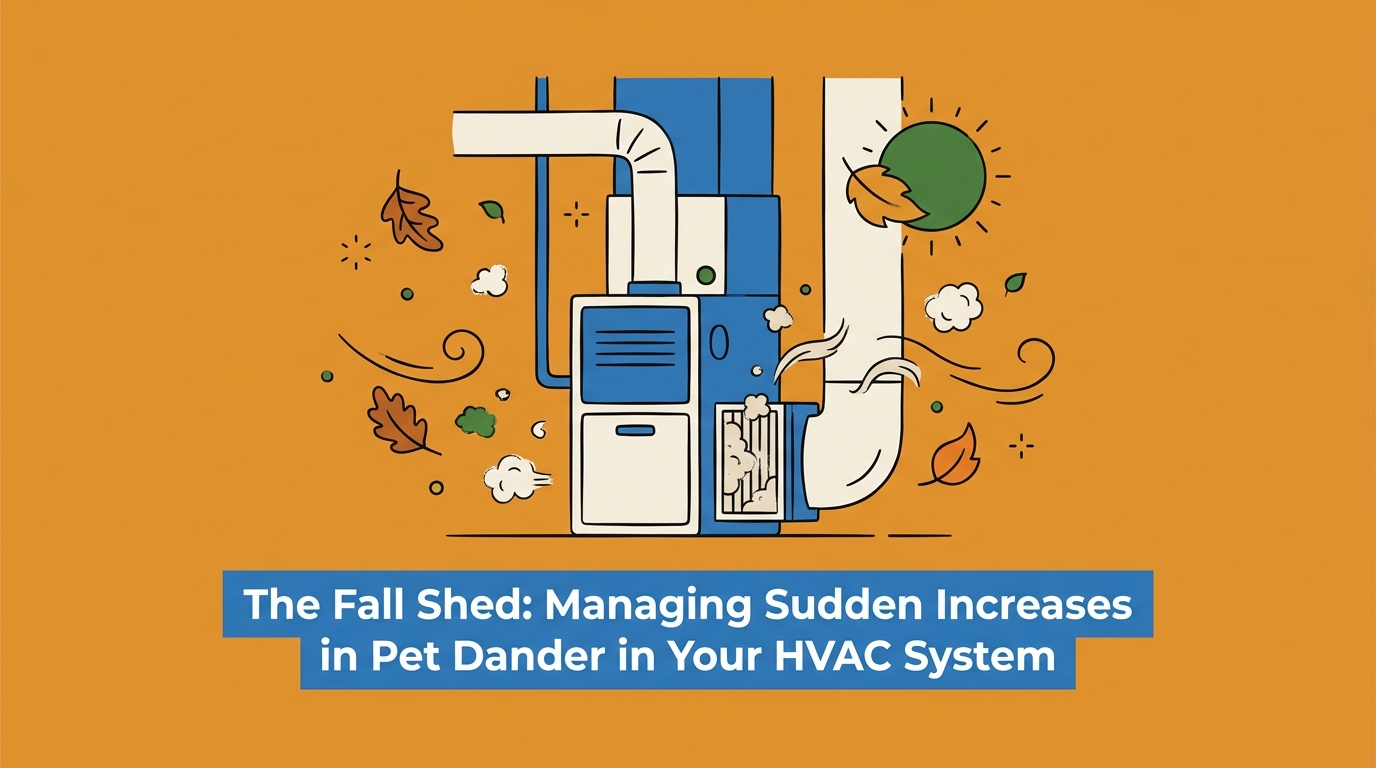
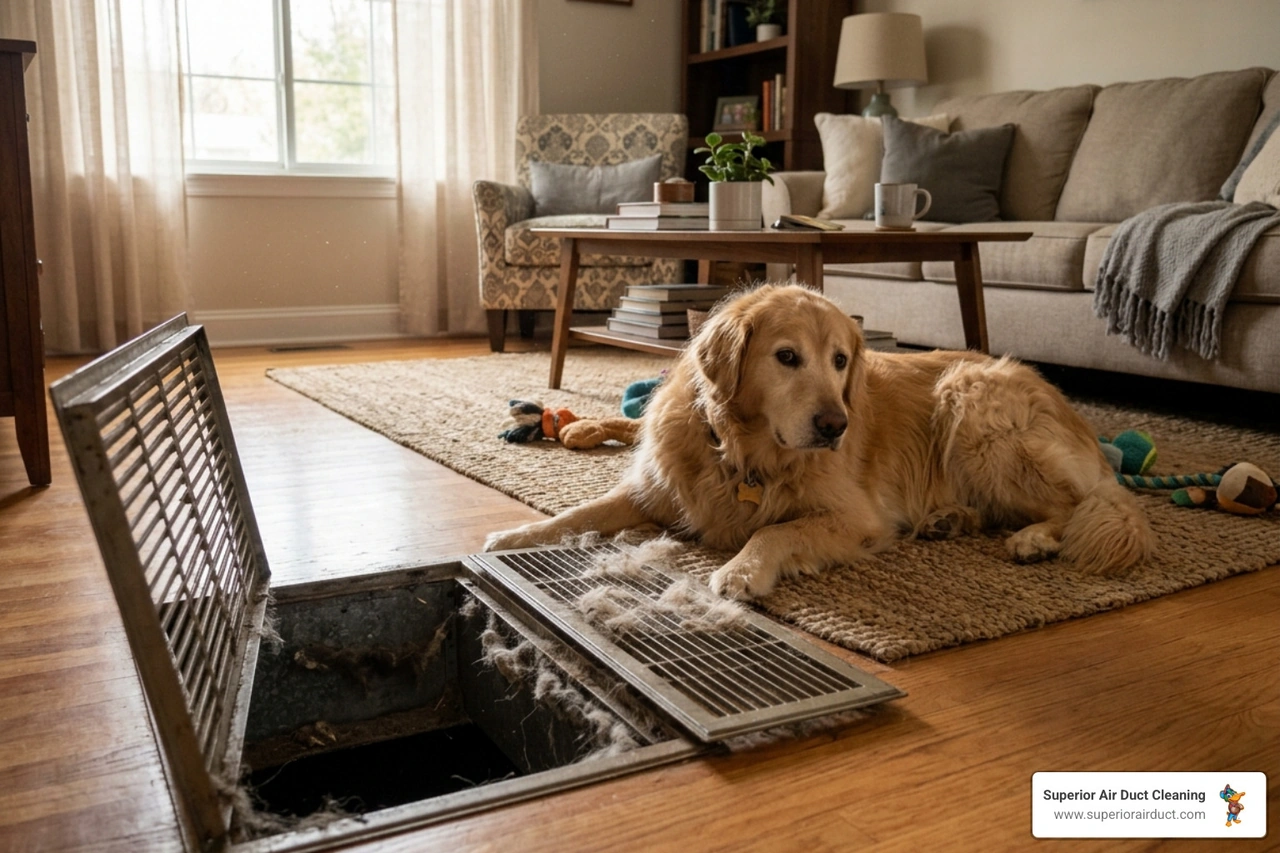
- Pet Dander: This is a major one for our local families. Why Pet Owners Should Order Air Duct Cleaning is because fur and dander are sticky; they trap other pollutants and provide a food source for bacteria.
How Dirty Air Ducts Make You Sick: Respiratory and Allergy Triggers
For those living with chronic conditions, the question can dirty air ducts make you sick takes on a more urgent tone. If your HVAC system is blowing out mold spores or fine particulate matter, it can lead to frequent asthma flare-ups and chronic sinus infections.
When your ducts are dirty, your immune system is in a constant state of "high alert." You might find yourself reducing allergens with duct cleaning because removing the source of the irritation is the only way to stop the cycle of sneezing, congestion, and watery eyes. In areas like Allegheny County or Washington County, where seasonal changes are drastic, these indoor triggers can make "allergy season" feel like it lasts 365 days a year.
Can Dirty Air Ducts Make You Sick? Recognizing Vulnerable Groups
While poor air quality affects everyone, certain groups are at much higher risk.
- Children: They breathe more air per pound of body weight than adults. Studies show that children in homes with poor indoor air quality have 40% more respiratory infections and 60% more missed school days.
- The Elderly: Aging immune systems and existing respiratory issues make seniors more susceptible to infections carried through the air.
- Immunocompromised Individuals: For those fighting illness, a "simple" case of mold spores in the vents can lead to serious complications.
Identifying the Symptoms of Poor Indoor Air Quality
How do you know if your home is the culprit? One of the hallmark signs of Sick Home Syndrome is that your symptoms are "place-specific." If you feel great at work or on vacation but start coughing from contaminated air ducts in Wexford or Cranberry Township as soon as you get home, your ductwork is likely the cause.
Common symptoms include:
- Persistent Fatigue: Your body is working overtime to filter out the junk you're breathing.
- Brain Fog: High levels of CO2 and airborne pollutants can affect concentration.
- Skin Rashes: Irritants like certain types of mold (Stachybotrys or Acremonium) can cause hives or eczema when they settle on the skin.
The Role of Mold and Bacteria in Your HVAC System
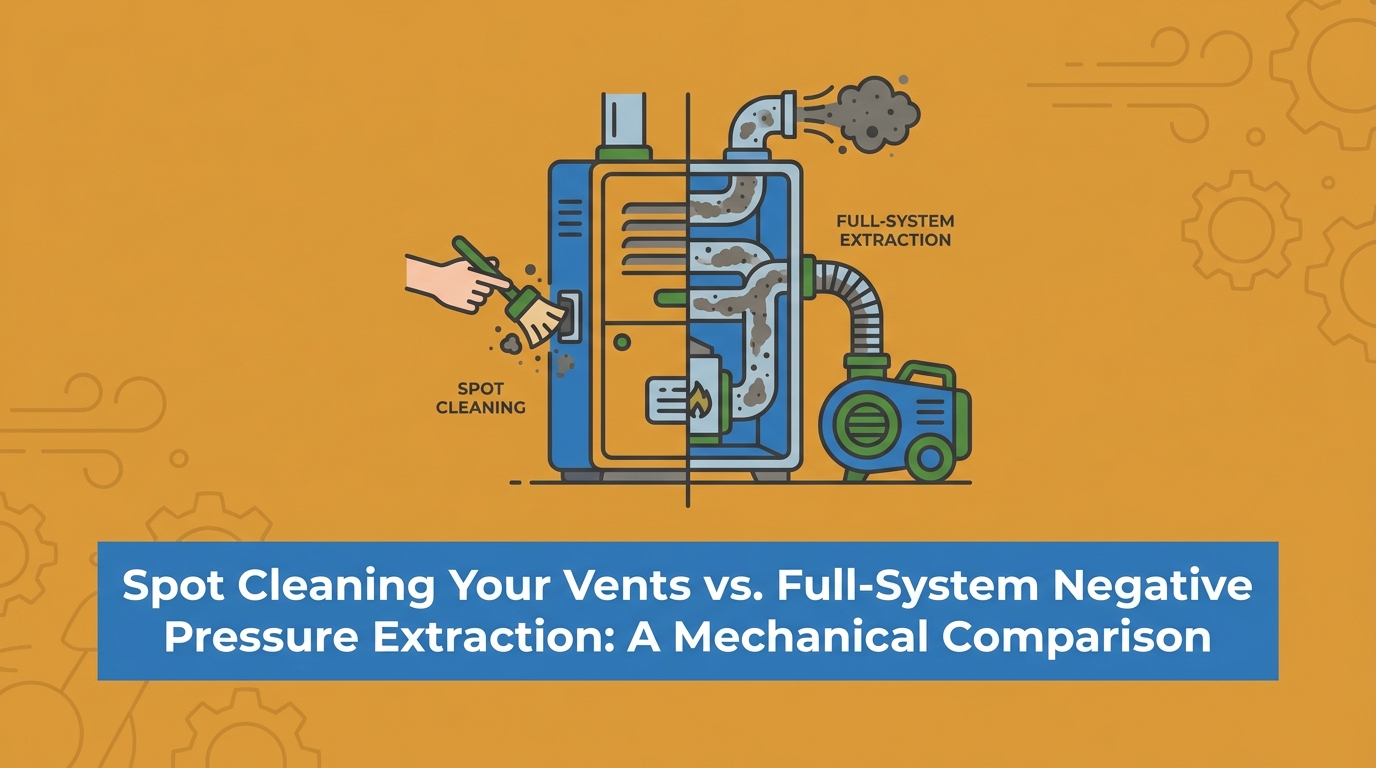
Mold is perhaps the most dangerous resident of a dirty air duct. HVAC systems are dark and, if there is a leak or high humidity, they become damp—the perfect breeding ground. Mold produces mycotoxins, which are toxic substances that can cause long-term health issues. How whole home sanitization staves off fall allergies is by using professional-grade disinfectants to kill these spores at the source, rather than just moving them around.
Environmental Factors in Western Pennsylvania and Northeast Ohio
Our local geography plays a role, too. In the wetter regions of Pennsylvania and Ohio, such as Beaver County or Trumbull County, humidity levels often spike. When indoor humidity exceeds 50%, it creates an environment where mold and dust mites flourish. Combining this with the heavy pollen counts in the Ohio River Valley means our local indoor air quality solutions must be robust enough to handle both biological and environmental contaminants.
Signs Your Home in Pittsburgh or Boardman Needs Duct Cleaning
You don't always have to wait until you're sick to know there is a problem. If you live in Aliquippa, Monaca, or Youngstown, keep an eye out for these physical signs:
- Visible Dust: If you clean your coffee table and a layer of dust returns within hours, your ducts are likely recirculating it.
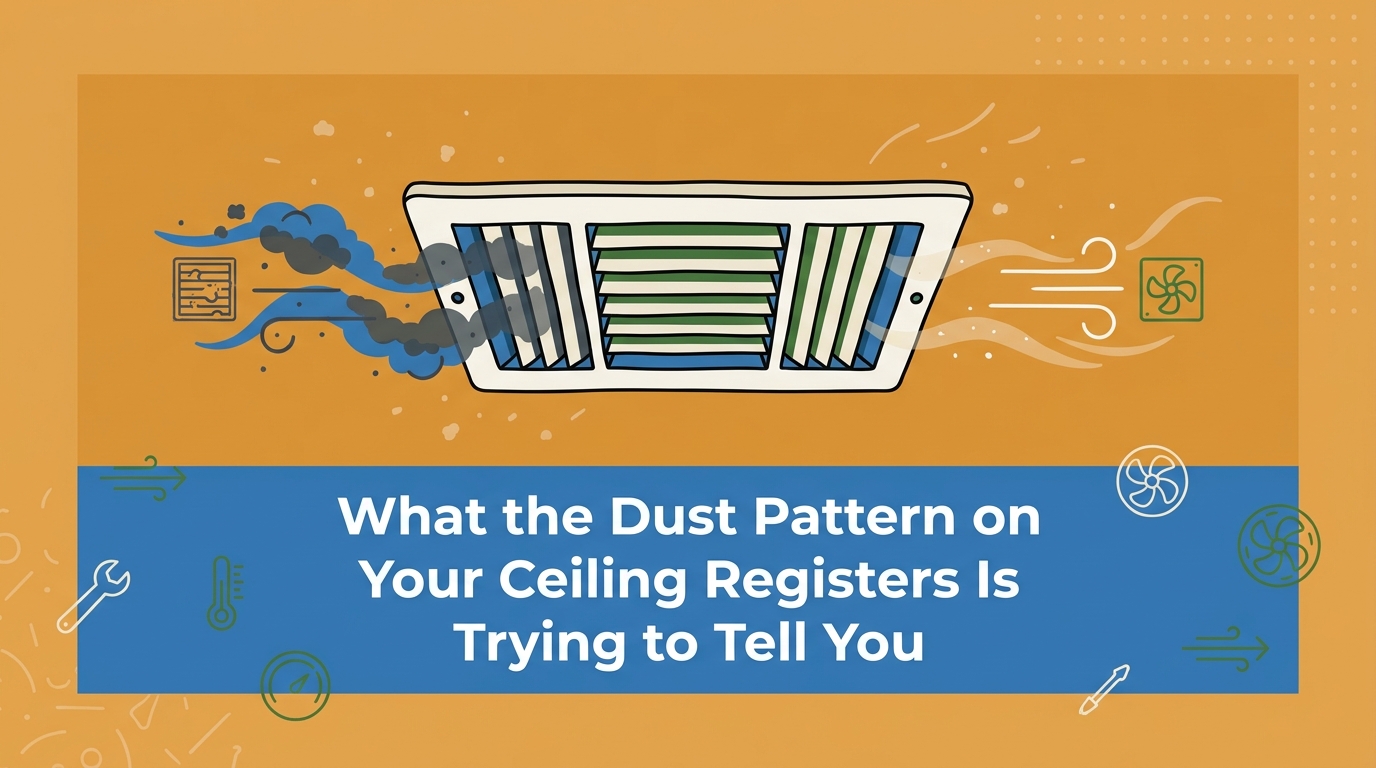
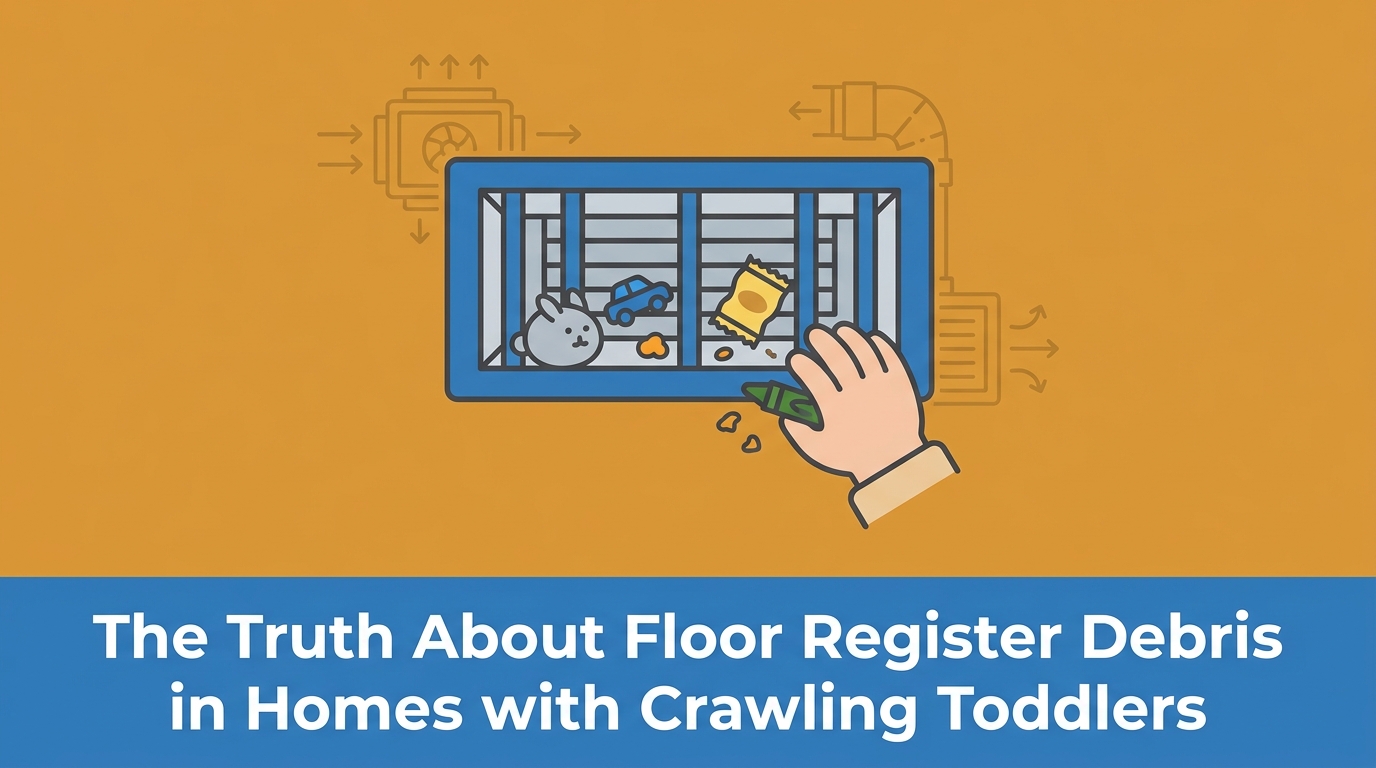
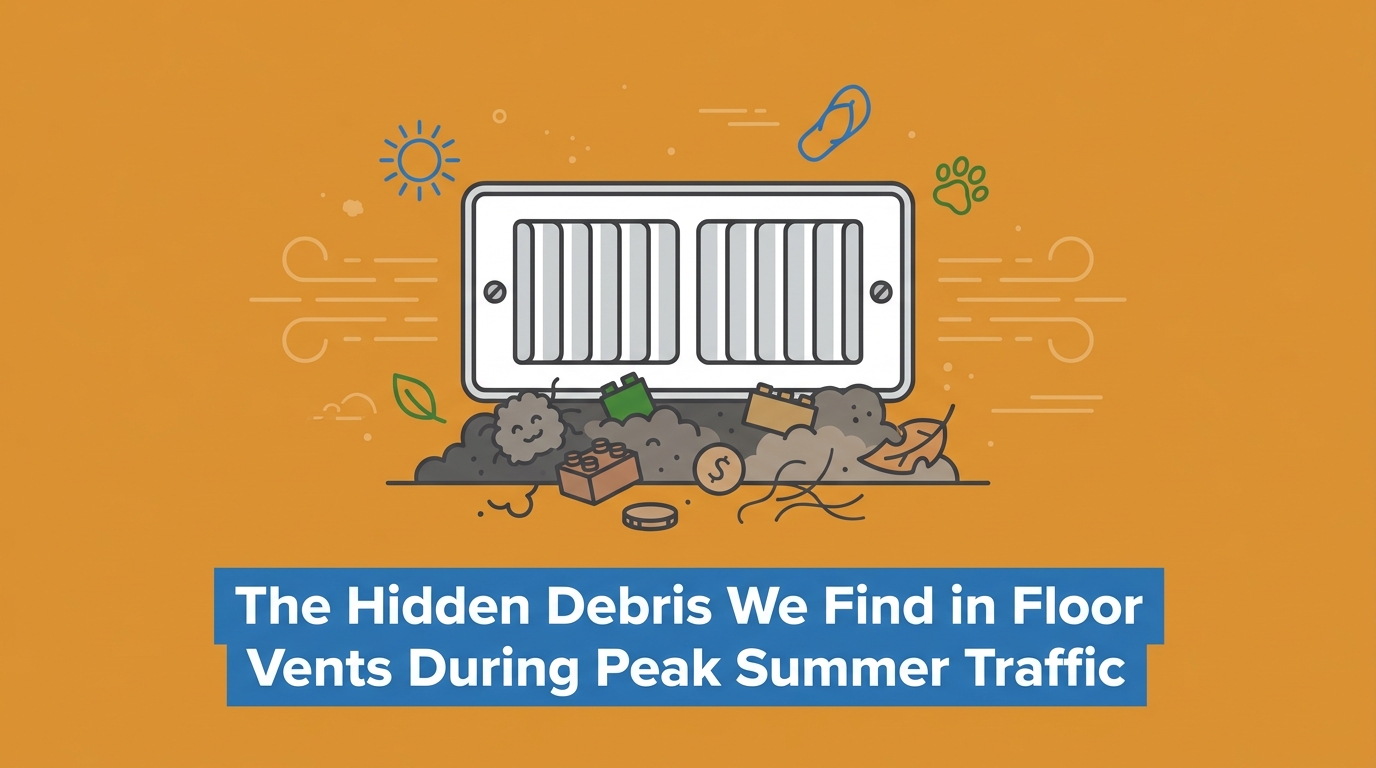
- Vent Debris: Take a look at your register covers. If they are fuzzy with "thick" dust or have black spots (potential mold), it’s time for a cleaning.
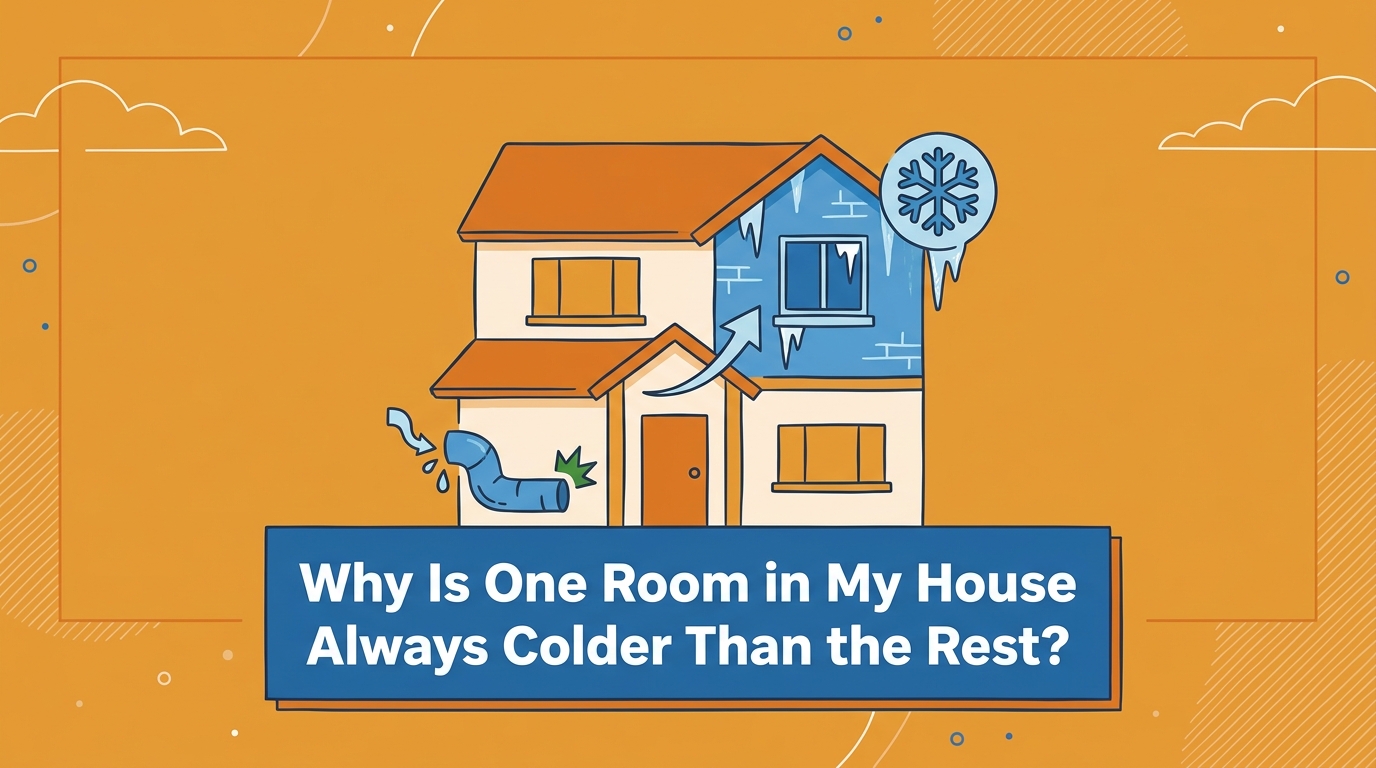
- Inconsistent Airflow: Buildup in the ducts can act like a clog in a pipe, preventing air from reaching certain rooms. You might notice some rooms are always colder or warmer than others. If you find yourself sneezing from dirty air ducts in Coraopolis, it’s a clear sign the air coming out of those vents is compromised.
When to Schedule a Professional Inspection
While we recommend a regular schedule, certain events should trigger an immediate call to a professional:
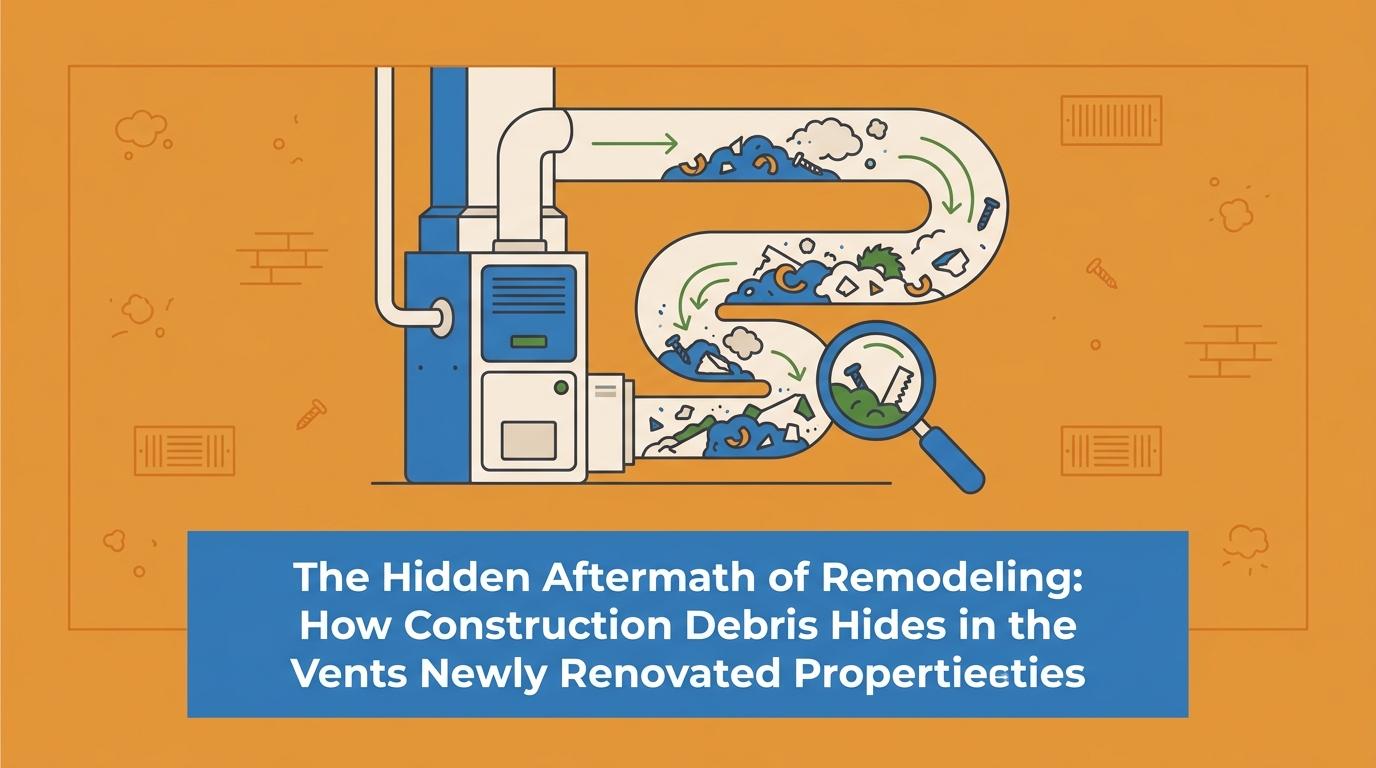
- Renovations: Sawdust, drywall particles, and carpet fibers are notorious for getting sucked into the return vents during a remodel.
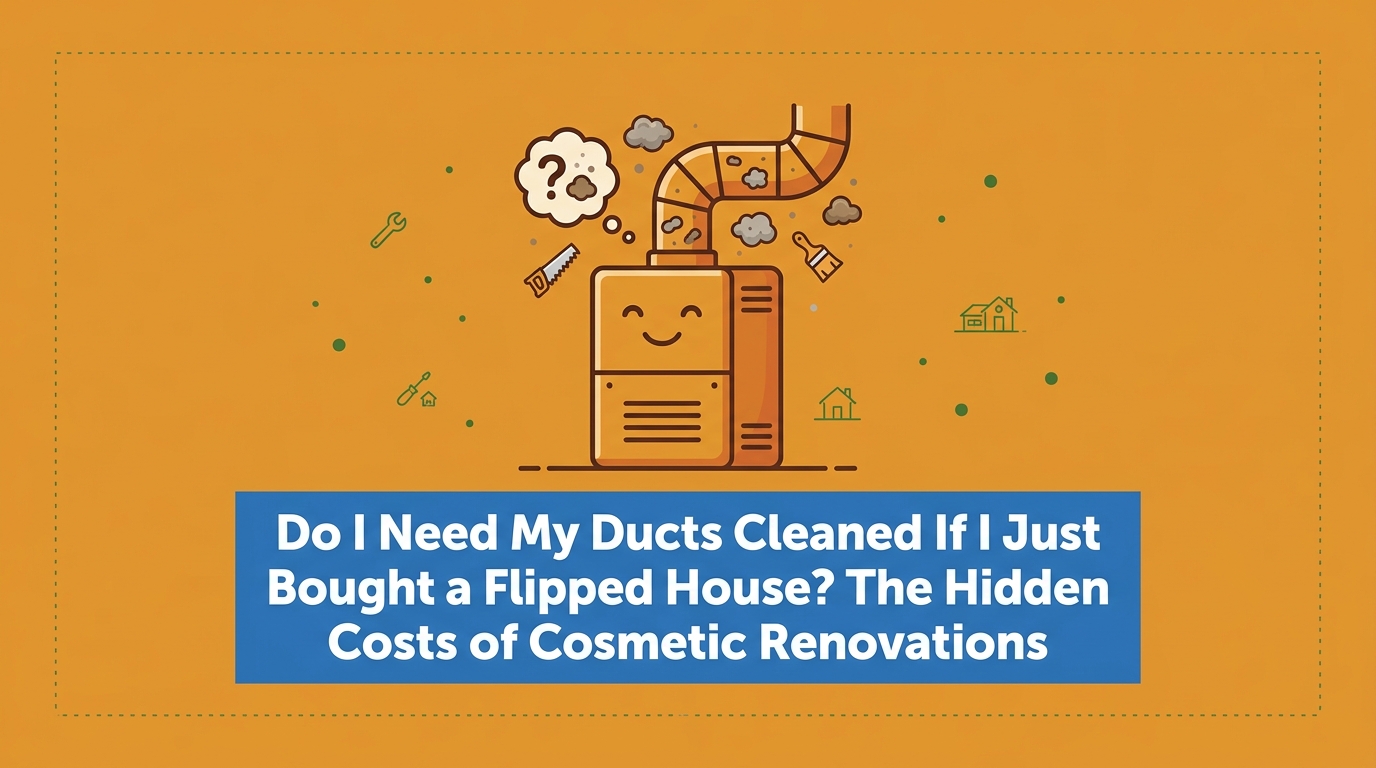
- New Construction: Surprisingly, new homes are often the dirtiest. Construction debris is frequently left in the ducts before the registers are even installed.
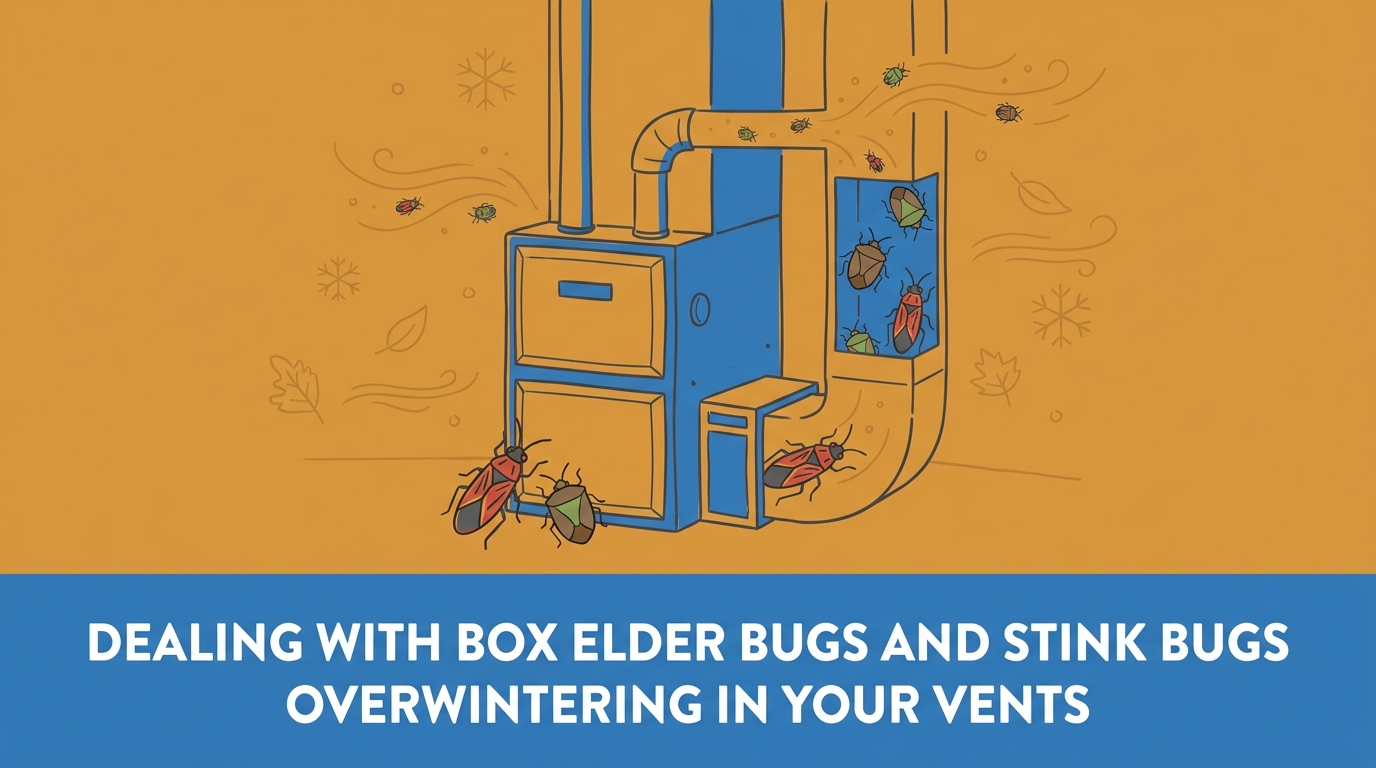
- Animal Infestations: If you've had mice, squirrels, or insects in your home, they likely left droppings or nesting materials in your vents. Superior Air Duct Cleaning explains what can collect in your air ducts, including these hazardous biological remains.
Preventive Maintenance for Cleaner Air
You can help improve indoor air with duct cleaning by following a few simple steps at home:
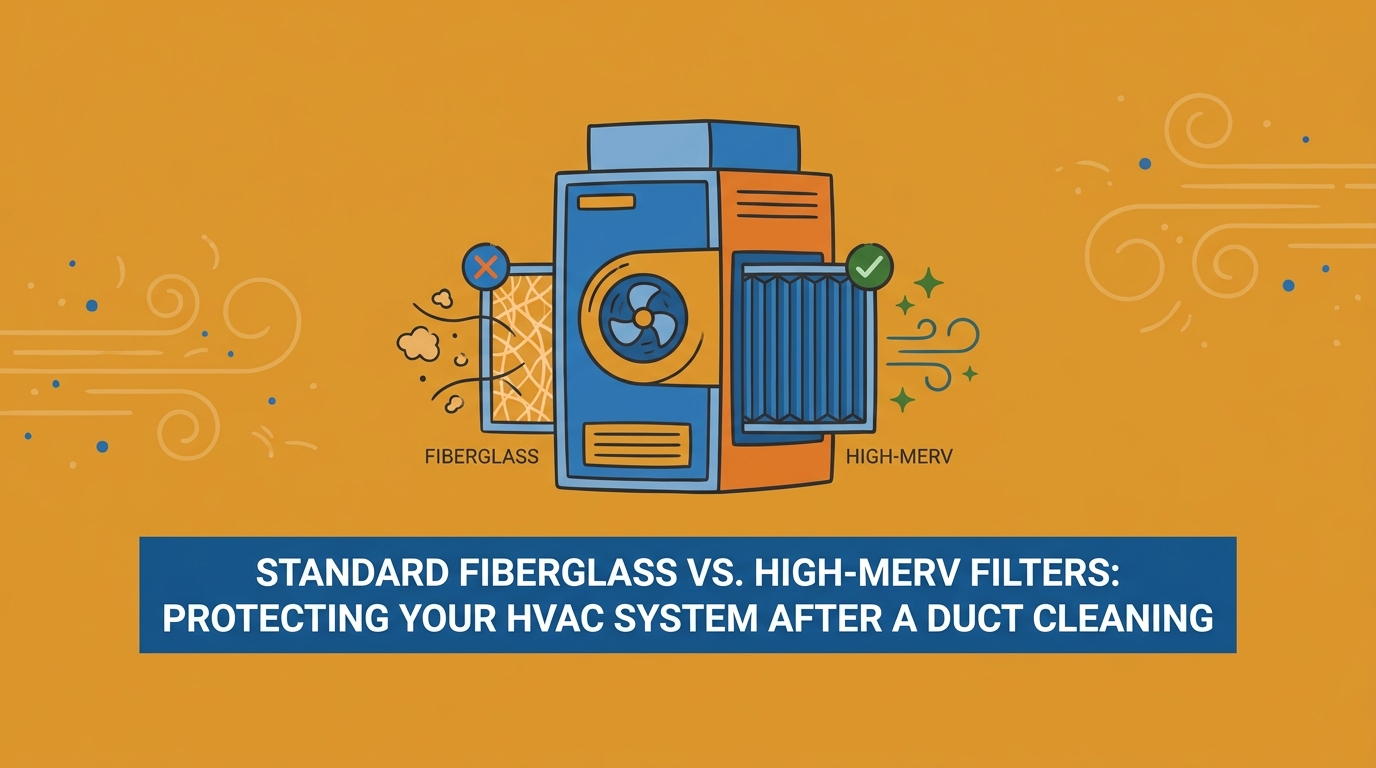
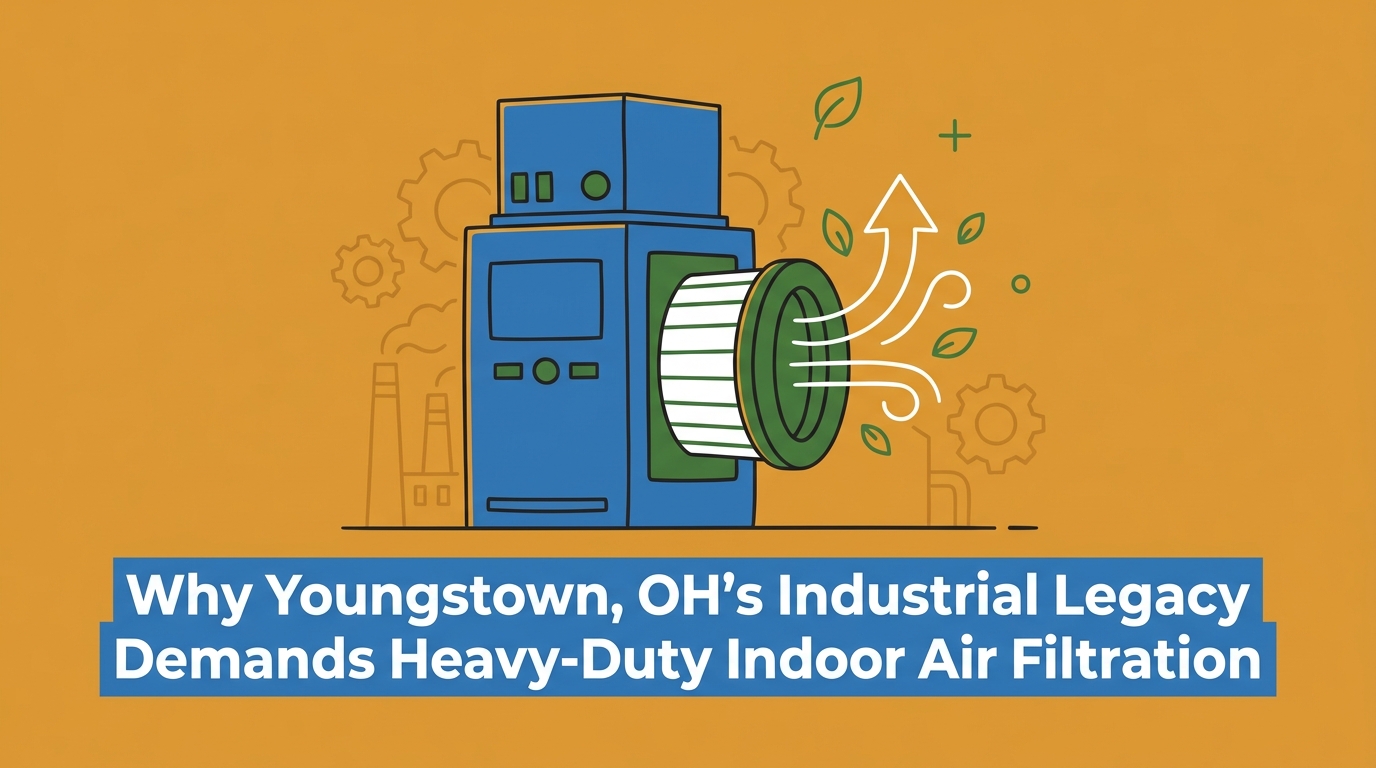
- High MERV Filters: Use pleated air filters with a high MERV rating (ideally 11 to 13) to catch smaller particles.
- Regular Filter Changes: Change your filters every 1-3 months. If you have pets in a place like Butler or Mercer County, monthly is better.
- Humidity Control: Use a dehumidifier in the summer to keep levels below 50%, preventing mold growth.
Beyond Health: The Efficiency and Financial Benefits of Clean Ducts
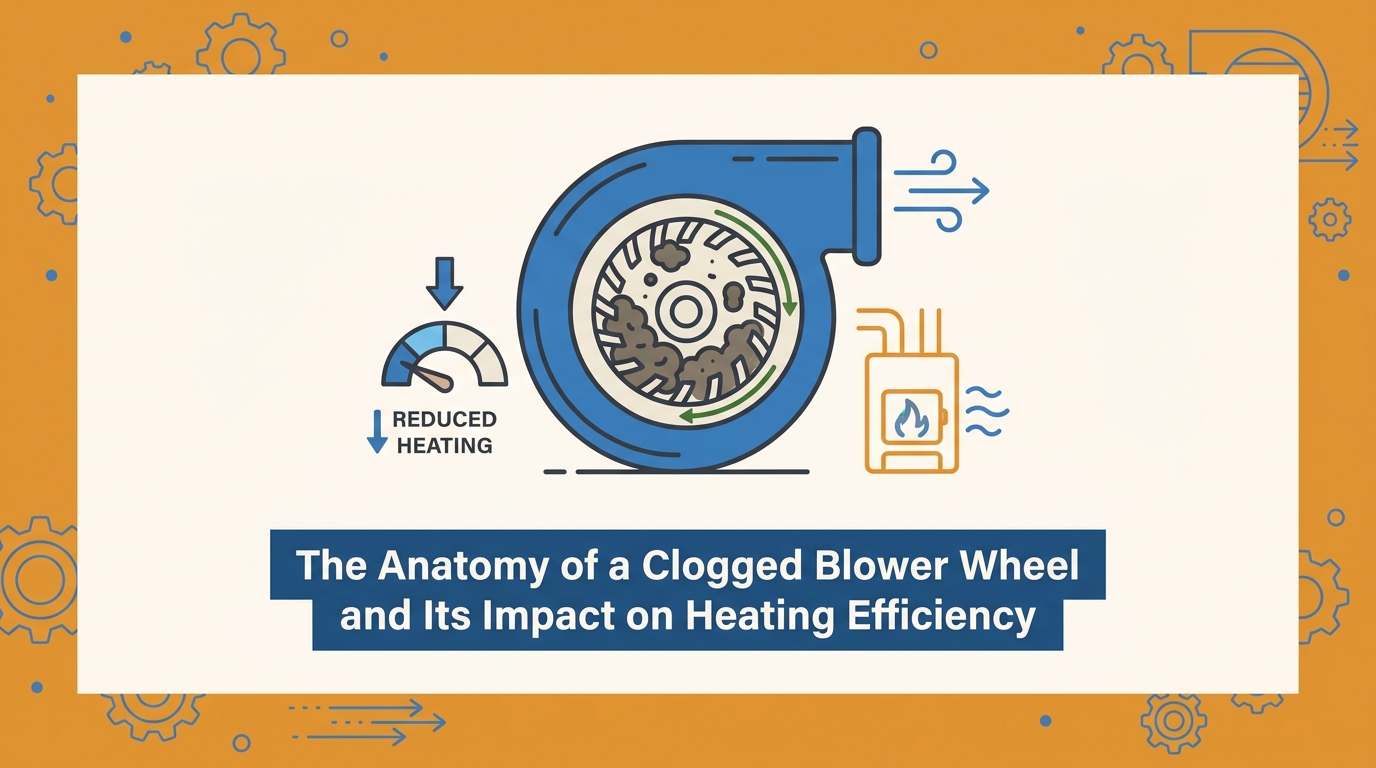
While health is the primary concern, the question of can dirty air ducts make you sick also extends to the "health" of your wallet. Dirty ducts force your HVAC system to work much harder to move air.
| Feature | Dirty HVAC System | Clean HVAC System |
|---|---|---|
| Energy Consumption | 20-30% Higher | Optimized Efficiency |
| Airflow Quality | Restricted / Contaminated | Full / Purified |
| System Lifespan | Shortened due to strain | Extended |
| Dust Accumulation | Constant on surfaces | Significantly reduced |
Dirty air ducts are costing you money because that extra strain leads to higher utility bills and premature system failure.
Improving HVAC Performance in Aliquippa and Youngstown
Regular maintenance can lead to a 20% to 30% savings on energy bills. When your system doesn't have to fight through layers of dust to breathe, it runs shorter cycles and experiences less wear and tear. This is especially important for our neighbors in Aliquippa and Youngstown, where HVAC systems work overtime during the humid summers and freezing winters. The benefits of air duct cleaning services go far beyond just air quality; they are a smart investment in your home's infrastructure.
Long-Term Home Protection
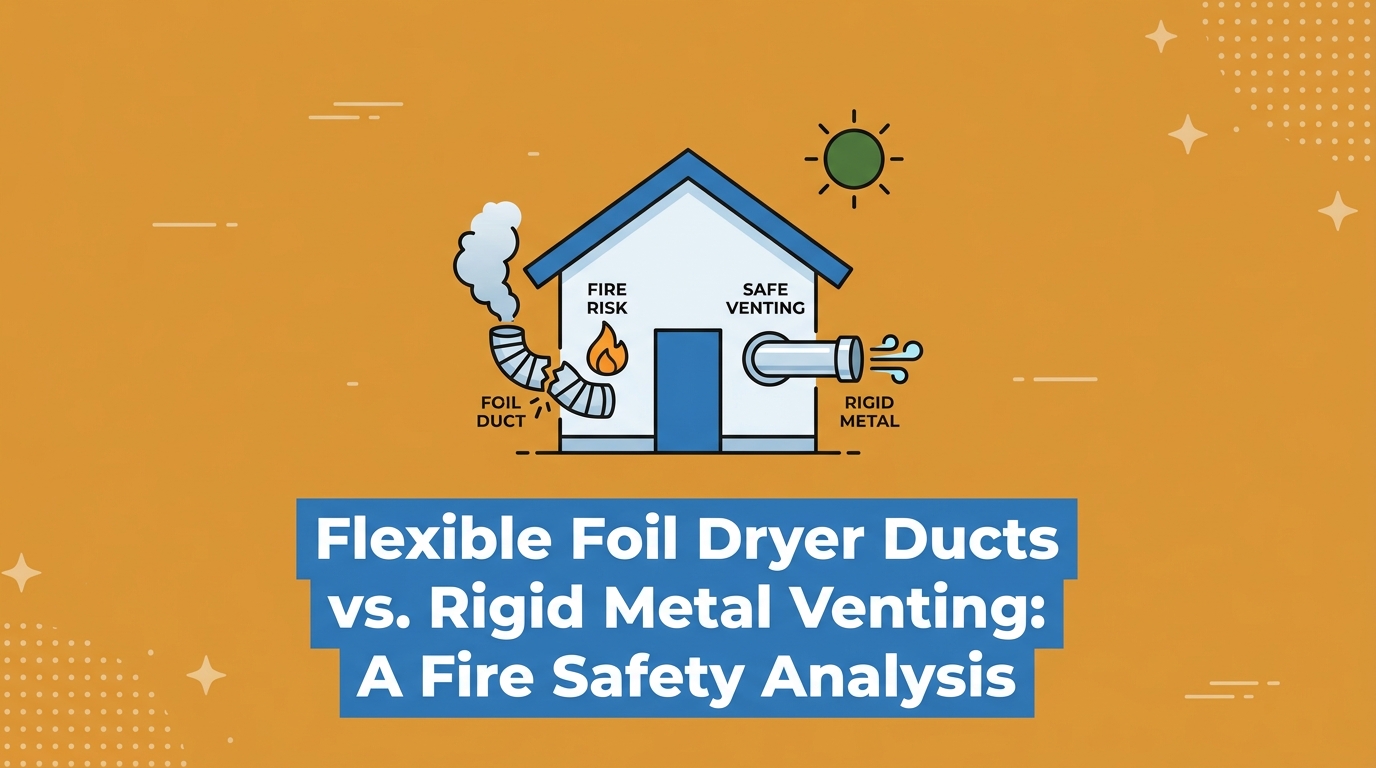
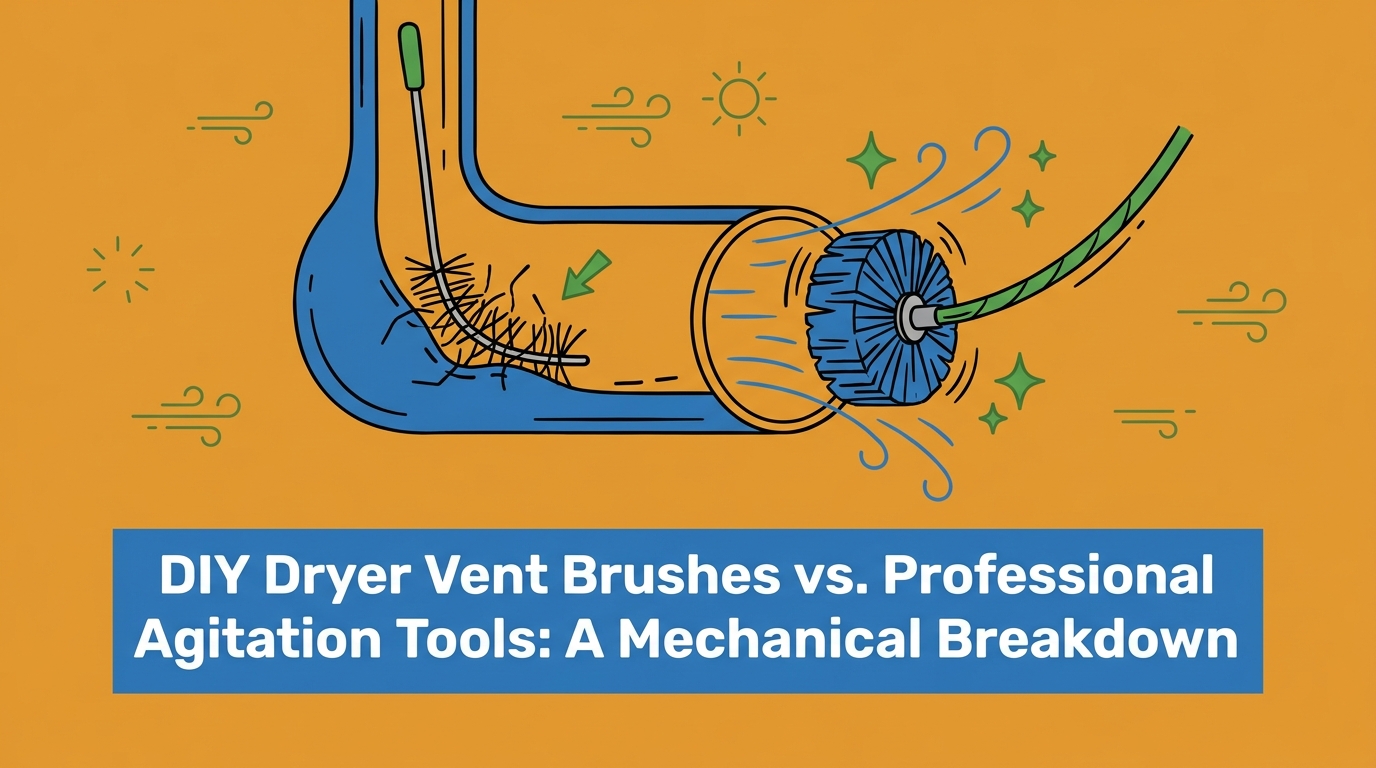
Cleaning your ducts also offers protection against fire hazards. Dust is highly flammable, and if it builds up near the heat exchanger, it can ignite. This is even more critical for dryer vents, which should be cleaned alongside your air ducts to prevent lint fires. Understanding the health benefits of air duct cleaning includes the peace of mind that comes with a safer, more efficient home.
Frequently Asked Questions about Air Duct Health
How often should I have my air ducts cleaned?
The National Air Duct Cleaners Association (NADCA) generally recommends professional cleaning every 3 to 5 years. However, you should consider more frequent cleanings if you have pets, smokers in the home, or family members with severe allergies or asthma. Our guide to residential air duct cleaning can help you determine the best schedule for your specific household.
Can a dirty air filter alone make me sick?
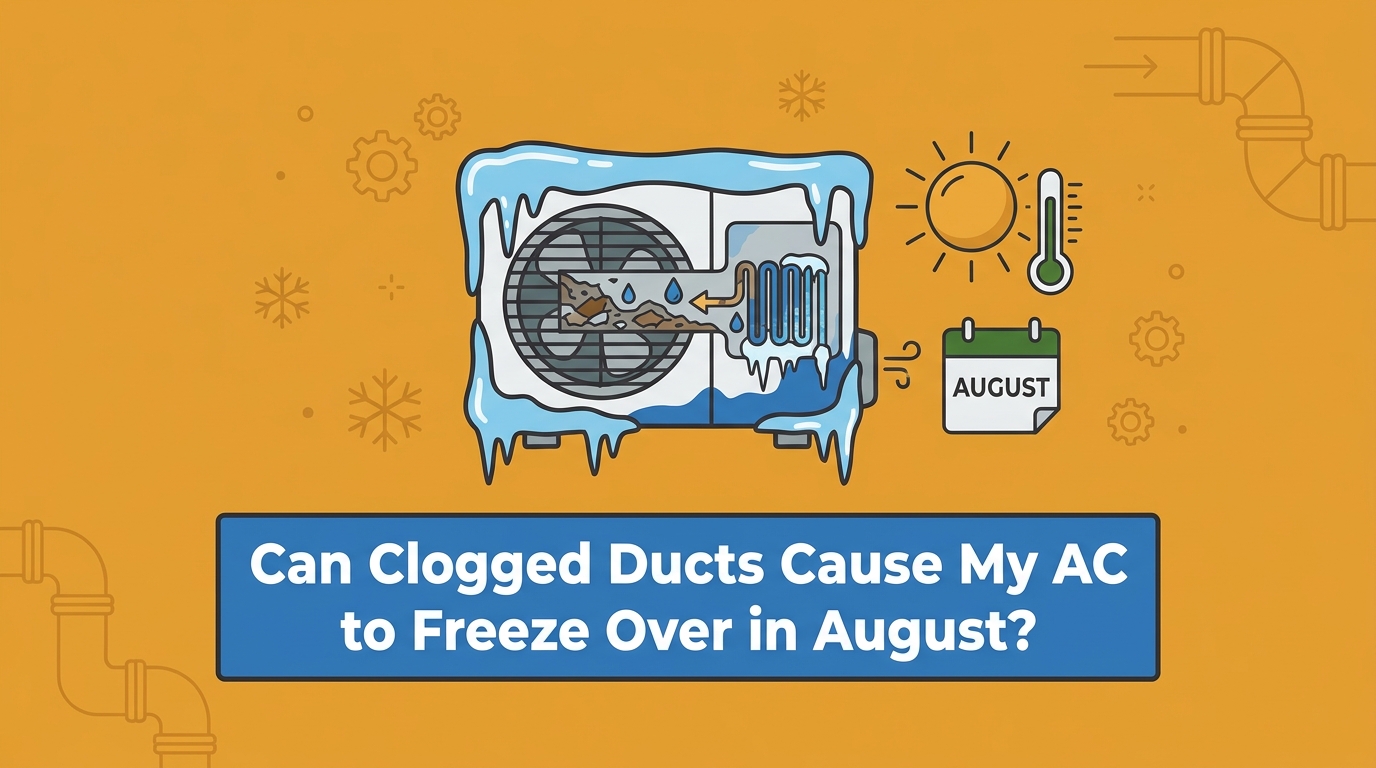
Yes. A clogged filter can't do its job. When it becomes saturated, it can actually start releasing dust and bacteria back into the air. Furthermore, restricted airflow can lead to moisture buildup on the cooling coils, which can cause mold to grow and spread. Air duct cleaning boosts IAQ because it addresses the entire system, not just the filter.
What does the EPA say about duct cleaning?
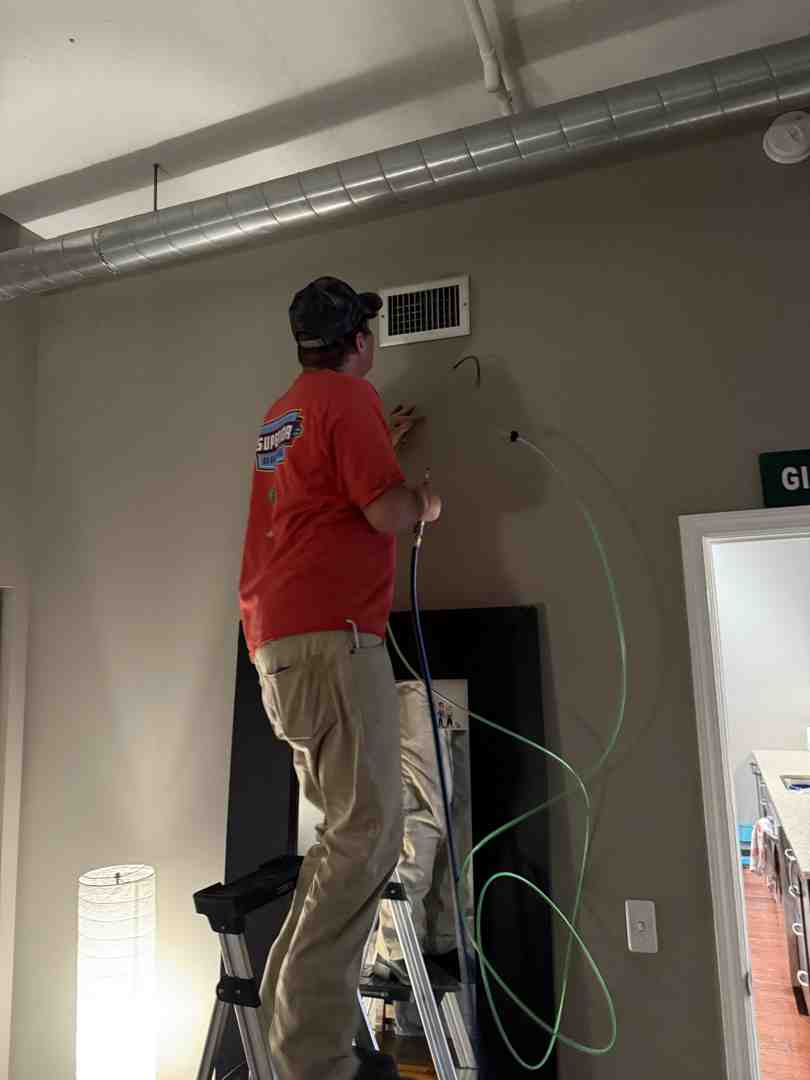
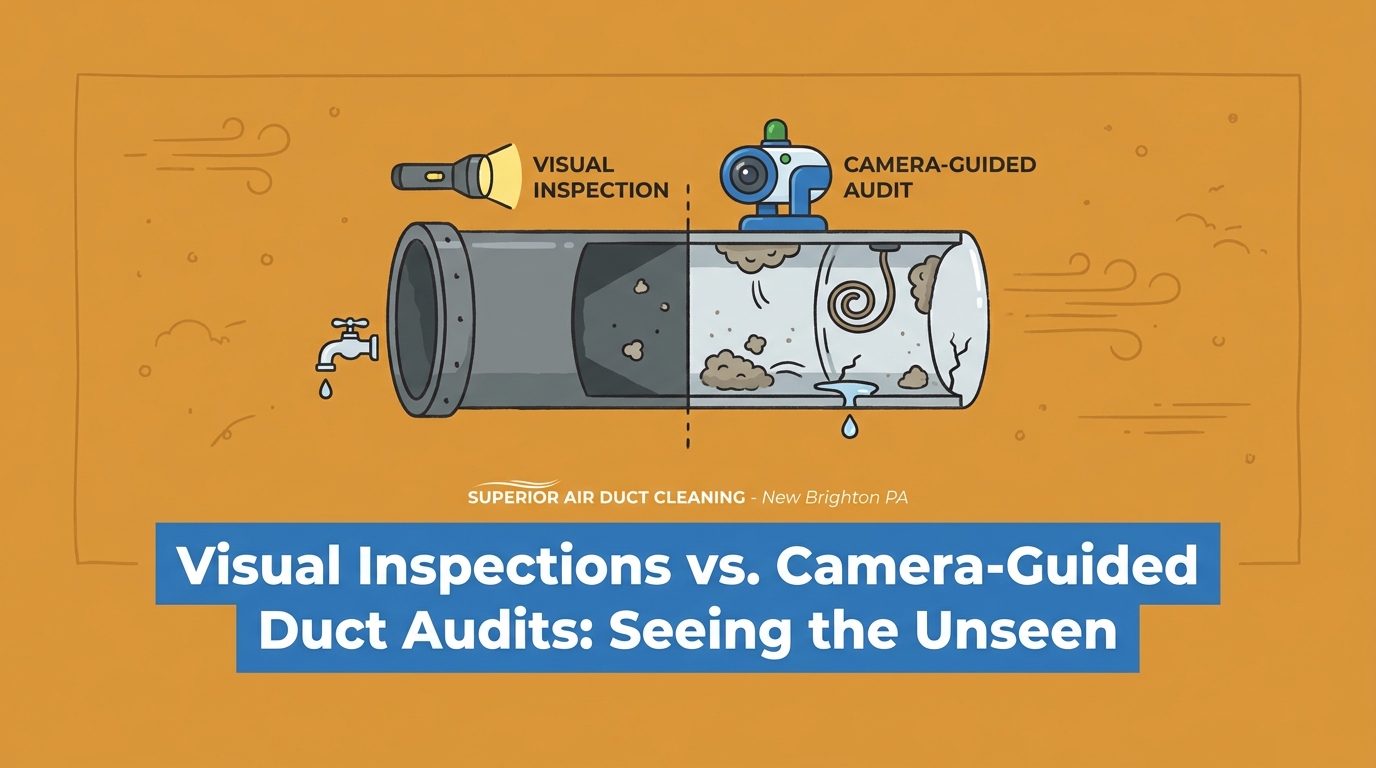
The EPA suggests cleaning on an "as-needed" basis. This includes situations where there is substantial visible mold, a vermin infestation, or when ducts are clogged with excessive amounts of dust and debris that are being released into the home. Because it can be hard to see deep into your system, the importance of air duct cleaning is often highlighted by a professional camera inspection.
Conclusion
Your home should be a sanctuary, not a source of illness. If you've been struggling with unexplained headaches, sneezing, or fatigue, the answer to "can dirty air ducts make you sick" might be right inside your walls. At Superior Air Duct Cleaning, we are dedicated to helping families across Western Pennsylvania and Northeast Ohio breathe easier. From Pittsburgh to Boardman and everywhere in between, we provide the thorough, professional sanitization your home deserves.
Don't let hidden contaminants compromise your family's health or your home's efficiency. Schedule your professional air duct cleaning today and experience the difference that truly clean air can make.

Customer Reviews


Superior Air Duct cleaning did a phenomenal job in a timely manner with the tech “Rich” being very professional ,personable and considerate of our property! He explained things as he proceeded and answered all our questions!
I LOVE that they provide before & after photos to see the difference. Give them a try… you won’t regret it
Pam T.
Robert was on schedule and communicated what time he would arrive. He was polite, professional, and respectful of our home. I wanted to wait a couple weeks before posting a review because I wanted to see if the duct cleaning actually made a difference. I am happy to say it did! I vacuum multiple times a week and have already noticed a significant reduction in the amount of dust cleaned up each time. As a home with pets, there will always be something to clean, but getting the ducts cleaned has definitely helped improve the air quality and reduce the dust.
alice A.
Technician Rob arrived early explained the days agenda and then proceeded to work methodically and meticulously over the next 6+ hours cleaning my ductwork. Courteous and professional they answered all of my questions and went above and beyond the call of duty. They even located an old dusty box of rat poison buried in our vents. My only regret is not finding these guys sooner. As a realtor of 22 years and owner of a newly purchased (now dust free) home I highly recommended!
Eric K.
Excellent service! I’ve used them to clean out my air ducts as well as my dryer vent duct and they are excellent. I was very pleased with both jobs and will continue to use them in the future. Great communication as well- from the time I scheduled the appointment until they were at my door.
Erika C.
We had such an amazing experience with Superior Air Duct Cleaning. They were so nice and friendly and did an amazing job. I loved seeing the before and after pictures. Besides doing an amazing job cleaning our air ducts they were so quick at responding and setting up the appointment. We will definitely be using them in the future.
Amanda C.