Is Your Home Making You Sneeze? The Truth About Dirty Ducts and Allergy Symptoms
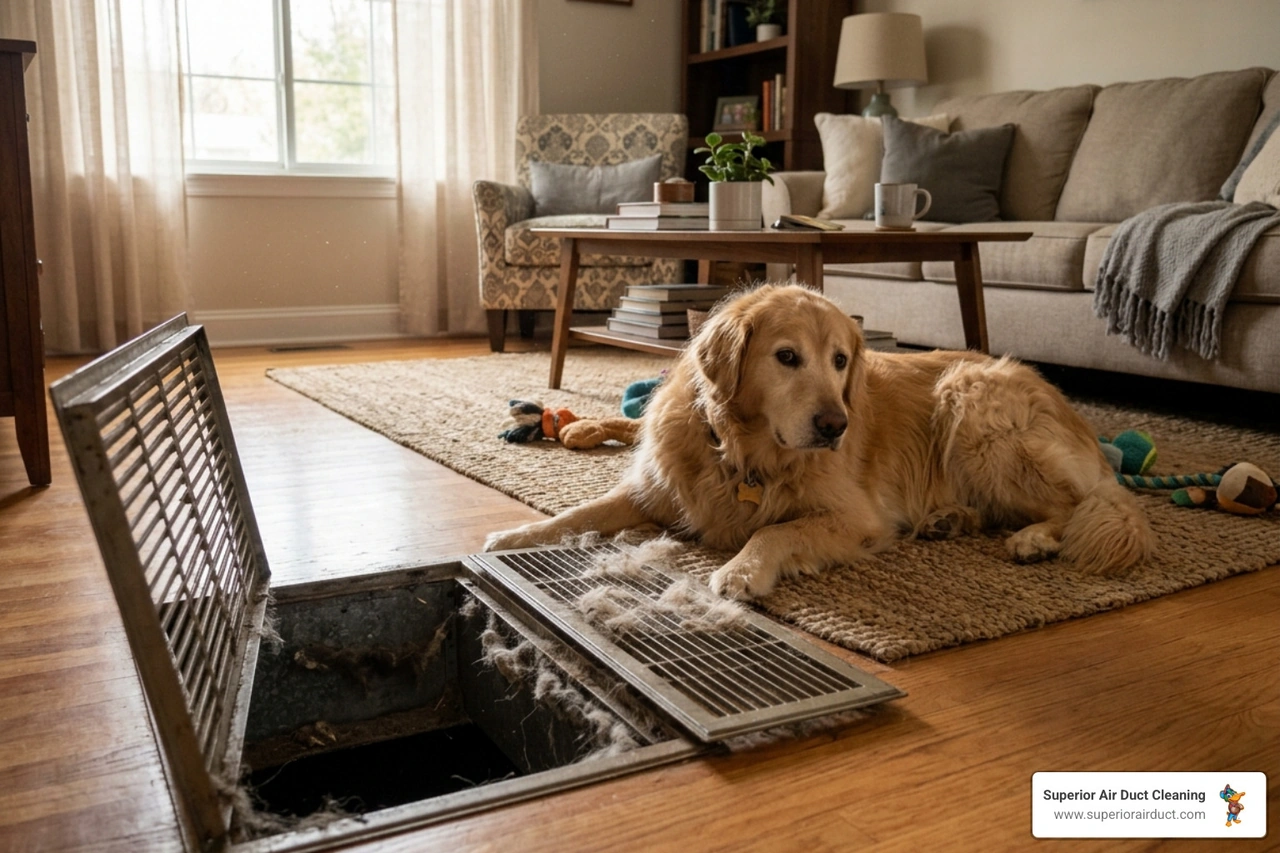
Allergy symptoms that may be caused by dirty ducts include sneezing, nasal congestion, runny nose, itchy or watery eyes, sinus pressure, persistent coughing, and worsening asthma — all triggered by allergens like dust, mold spores, pet dander, and pollen circulating through your HVAC system.
- Sneezing and runny nose — airborne dust and pollen recirculated through dirty ducts
- Nasal congestion and sinus pressure — mold spores and dust mite debris irritating nasal passages
- Itchy or watery eyes — pet dander and pollen distributed by your HVAC system
- Persistent coughing or wheezing — mold, bacteria, and fine debris irritating the airways
- Fatigue and headaches — poor indoor air quality reducing oxygen circulation
- Worsening asthma — airborne irritants triggering bronchial inflammation
If your symptoms feel worse at home than outside — or flare up every time the heat or air conditioning kicks on — your air ducts may be the hidden culprit.
Here's a startling fact: indoor air can be up to 70% more polluted than the air outside, according to the EPA. The average home accumulates around 40 pounds of dust every year, and much of that ends up inside your ductwork. Every time your HVAC system runs, it pushes that buildup — dust, mold, pet dander, pollen, and more — straight into the air your family breathes. With over 50 million Americans already dealing with allergies, that's a serious problem hiding right behind your vents.
Your air ducts work like the lungs of your home. When they're dirty, every room gets a steady dose of whatever's been collecting inside them. The good news is that understanding the connection between your ducts and your symptoms is the first step toward real relief.

Common Allergy Symptoms That May Be Caused by Dirty Ducts
When we think of allergies, we often think of the great outdoors—pollen-heavy winds in the spring or the damp leaves of autumn. However, many residents in Pittsburgh, PA, or Boardman, OH, find that their symptoms don't stop when they close the front door. In fact, for many, the sneezing and watery eyes actually intensify once they are settled on the couch.
This phenomenon occurs because your HVAC system acts as a delivery vehicle for irritants. If you find yourself reaching for the tissue box specifically when the furnace or air conditioner kicks on, you are likely experiencing the Dirty Ducts And Allergy Symptoms Connection. The air blowing through your vents carries microscopic hitchhikers that land on your furniture, your bedding, and—most importantly—inside your respiratory system.
Common symptoms include:
- Persistent Sneezing: A sudden fit of sneezing when the air turns on is a classic sign of airborne debris.
- Nasal Congestion and Sinus Pressure: When your body breathes in dust mite waste or mold spores, your nasal passages swell in an attempt to block the "invaders."
- Watery, Itchy Eyes: Fine particles like pet dander and pollen can irritate the delicate membranes of your eyes.
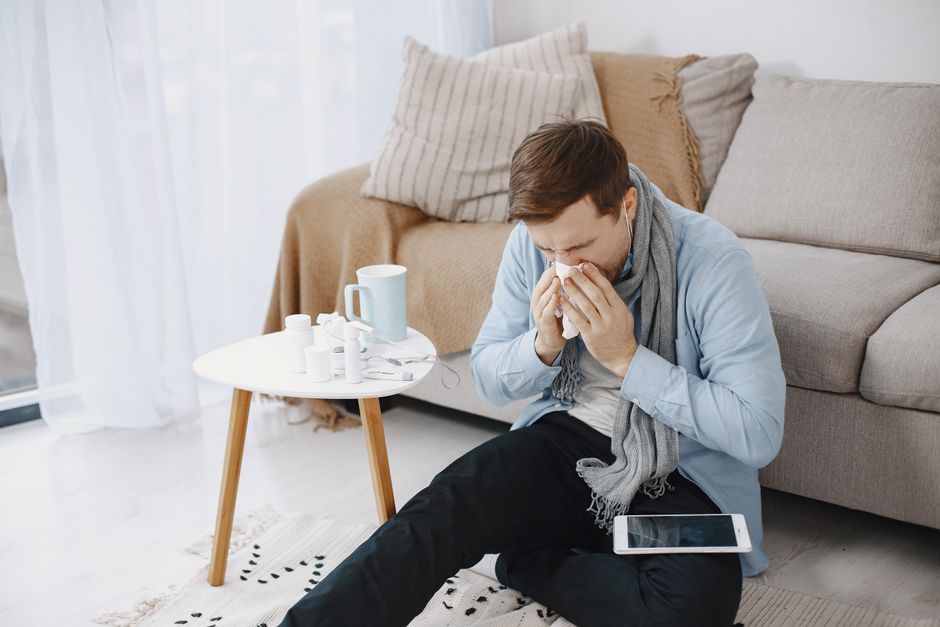
Identifying Allergy Symptoms That May Be Caused by Dirty Ducts in Children
As we look toward the future in April 2026, we are more aware than ever of how indoor environments shape the health of the next generation. Children are particularly vulnerable to poor indoor air quality because their respiratory systems are still developing and they breathe more rapidly than adults.
Research indicates that children living in homes with high levels of indoor pollutants suffer from 40% more respiratory infections and 60% more missed school days. If your child seems to have a "permanent cold" or struggles with nighttime coughing, it’s worth investigating How Dust And Debris In Ducts Affect Breathing. Removing the source of these irritants can lead to better sleep, fewer doctor visits, and more days spent in the classroom instead of in bed.
Recognizing Allergy Symptoms That May Be Caused by Dirty Ducts During Seasonal Shifts
In our region—from Allegheny County, PA, to Mahoning County, OH—we experience dramatic seasonal shifts. Each season brings a different type of "fuel" for your dirty air ducts.
In the spring, pollen is tracked inside on shoes and clothing, eventually getting sucked into the return vents. In the summer, humidity can lead to moisture buildup in the system, which is why Dirty Air Ducts Worsen Summer Allergies through the spread of mold and mildew. When winter arrives and we seal our homes tight, we spend nearly 90% of our time indoors breathing air that is constantly recirculated through a dusty, dark duct system. This "closed loop" means that the allergens have nowhere to go but into your lungs.
Why Your HVAC System Acts as an Allergen Reservoir
Think of your ductwork as the "storage unit" of your home’s air. It is dark, often damp, and completely out of sight, making it the perfect place for contaminants to hide and multiply. Over time, the interior walls of your ducts become coated with a thick layer of "bio-slime" and debris.
Here is a breakdown of what is likely living in your vents right now:
- Dust Mites: These microscopic creatures feed on the human skin flakes that make up a large portion of household dust. Their waste products are one of the most common triggers for year-round allergy symptoms.
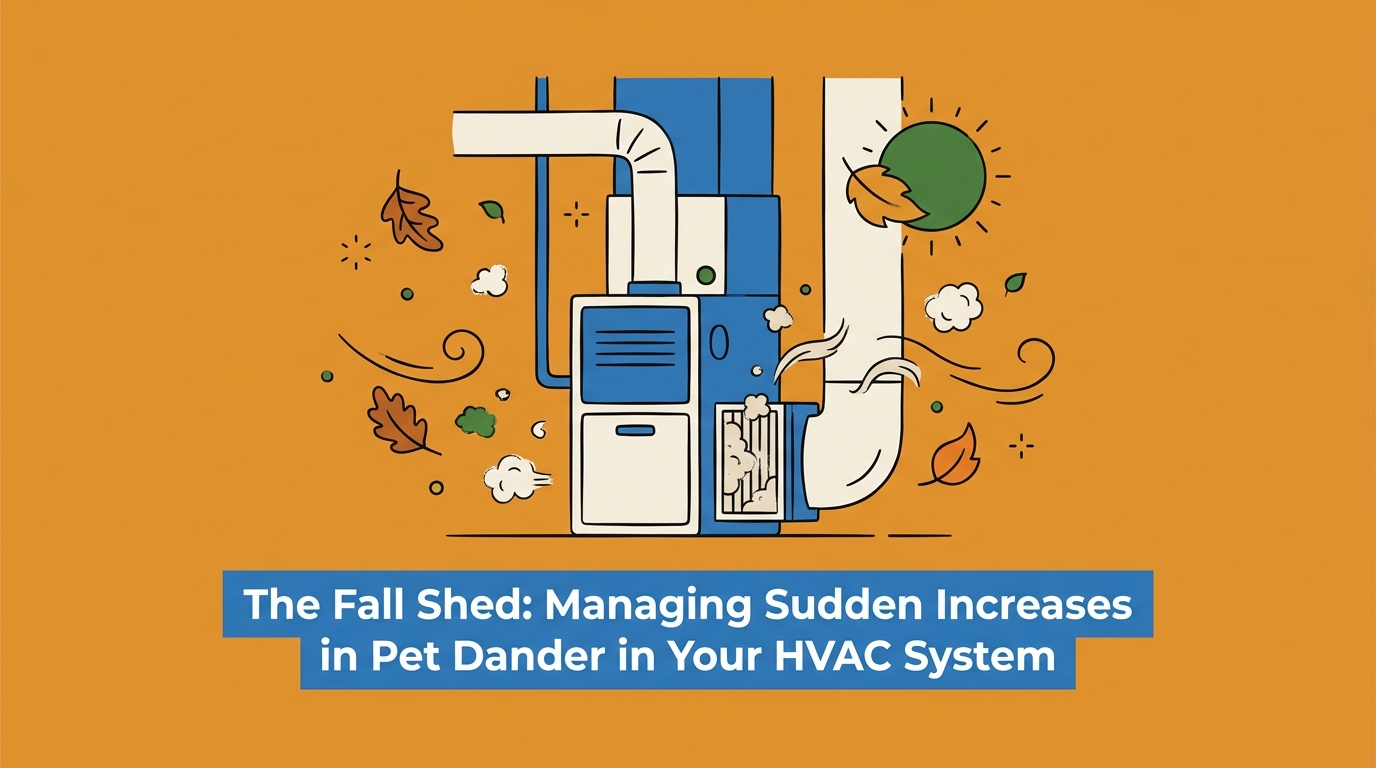
- Pet Dander: Even if you don't have a pet now, dander from previous owners can linger in ducts for years. Superior Air Duct Explains Pet Dander as a sticky protein that clings to the walls of the ducts, being released slowly every time the air blows.
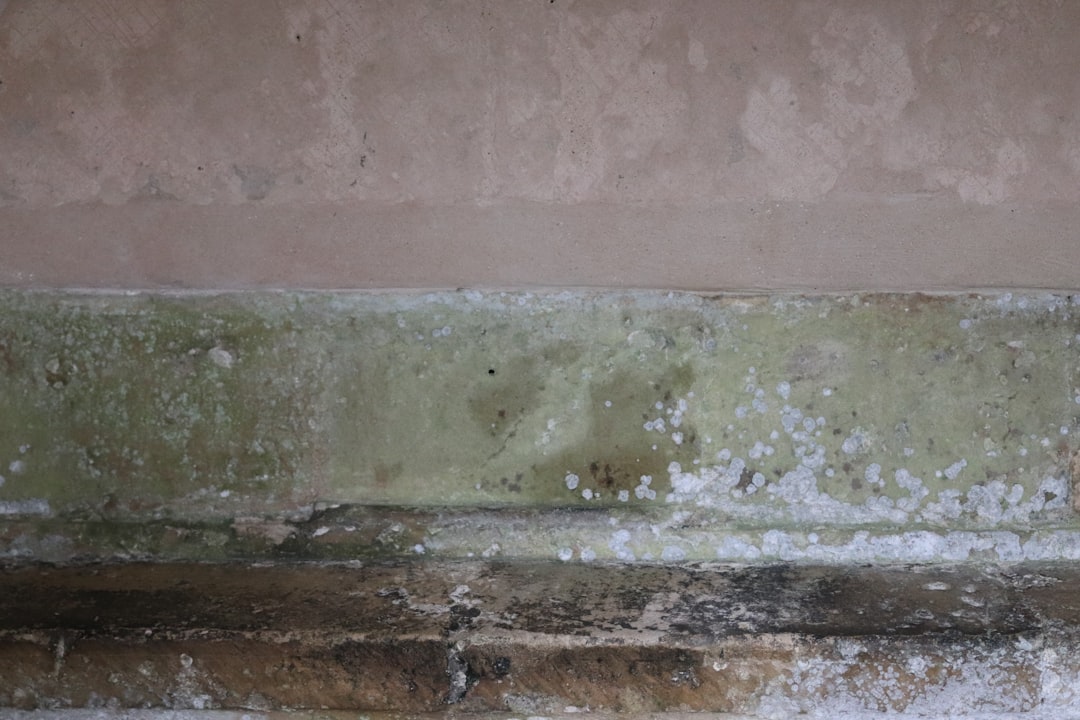
- Mold Spores: HVAC units produce condensation. If that moisture doesn't drain properly, mold can grow inside the dark passages of your ductwork. This requires professional Air Duct Mold Removal to ensure the spores aren't being breathed in by your family.
- Pest Droppings: Rodents and insects often find their way into ductwork. Their droppings and remains break down into fine particles that become airborne, posing a significant health risk.
| Allergen Type | Outdoor Concentration | Indoor (Dirty Duct) Concentration |
|---|---|---|
| Dust/Debris | Moderate (varies) | High (up to 40 lbs per year) |
| Mold Spores | Seasonal | Year-round if moisture is present |
| Pet Dander | Low | Very High (accumulates over time) |
| Pollen | High (seasonal) | Persistent (trapped in system) |
Benefits of Professional Cleaning for Allergy Relief in Youngstown and Boardman
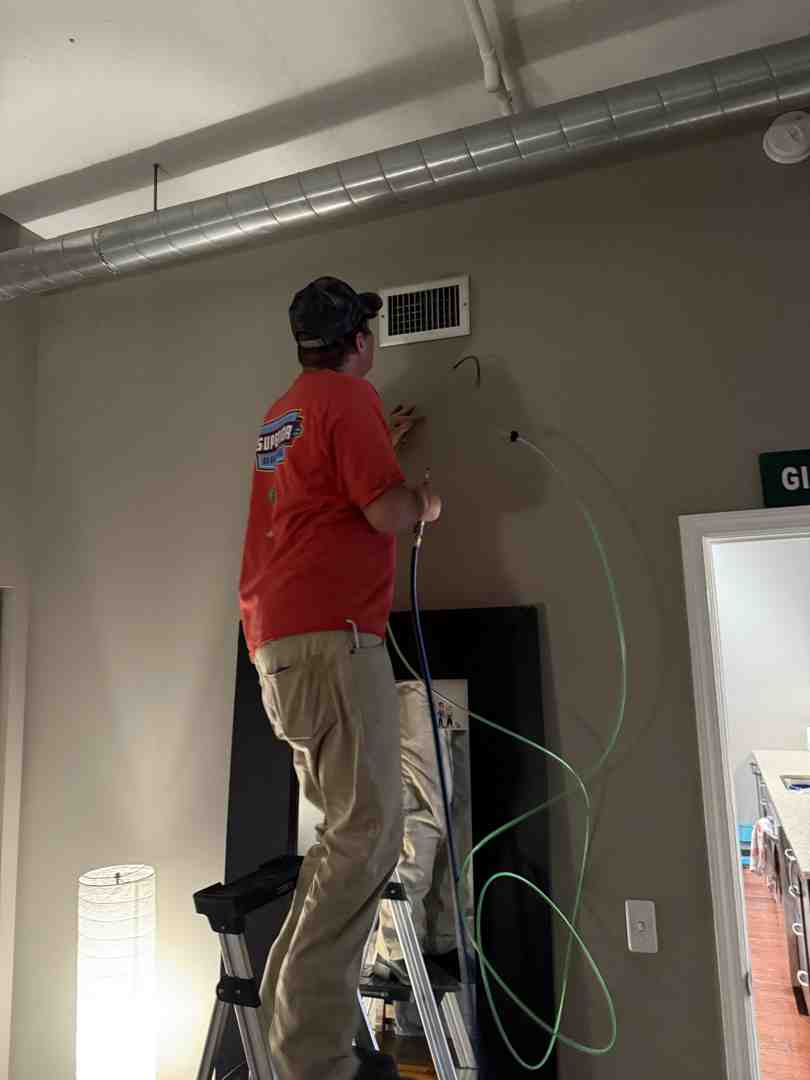
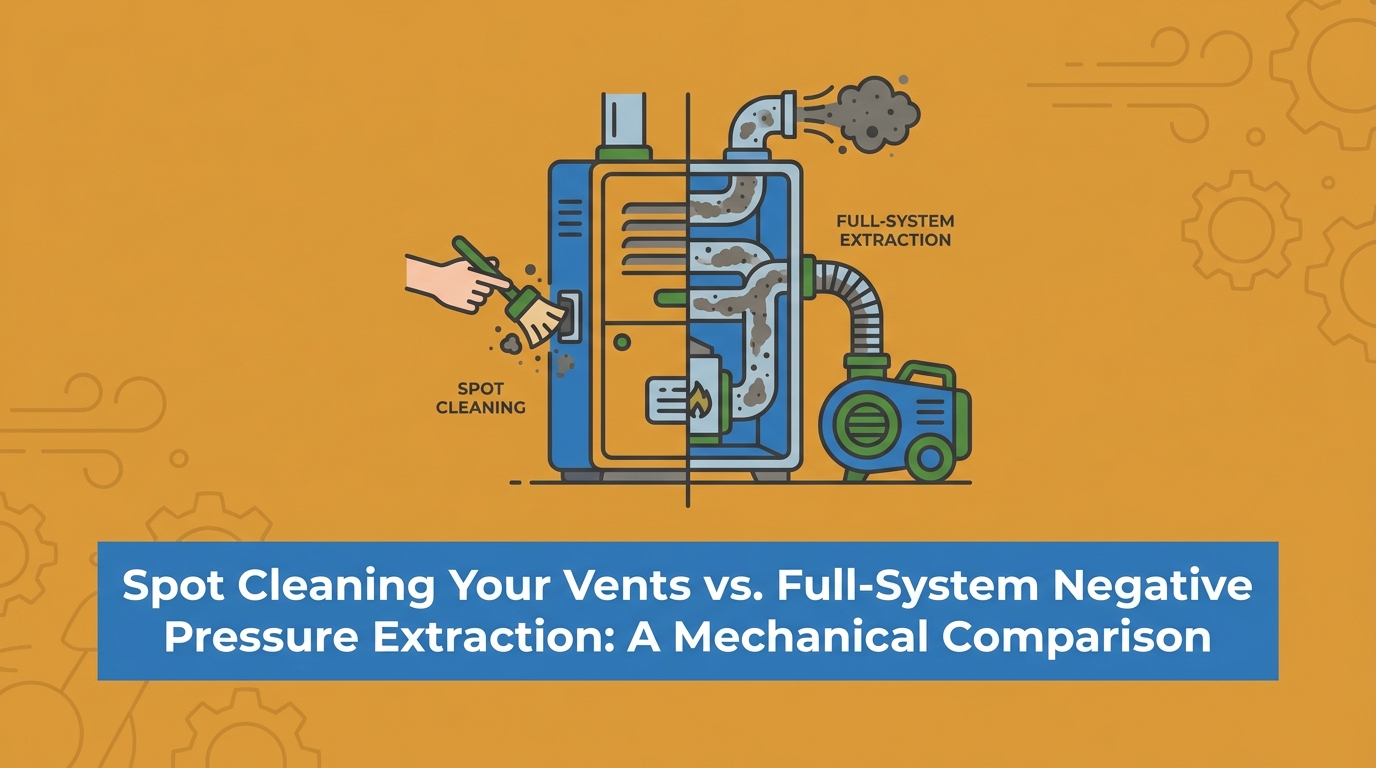
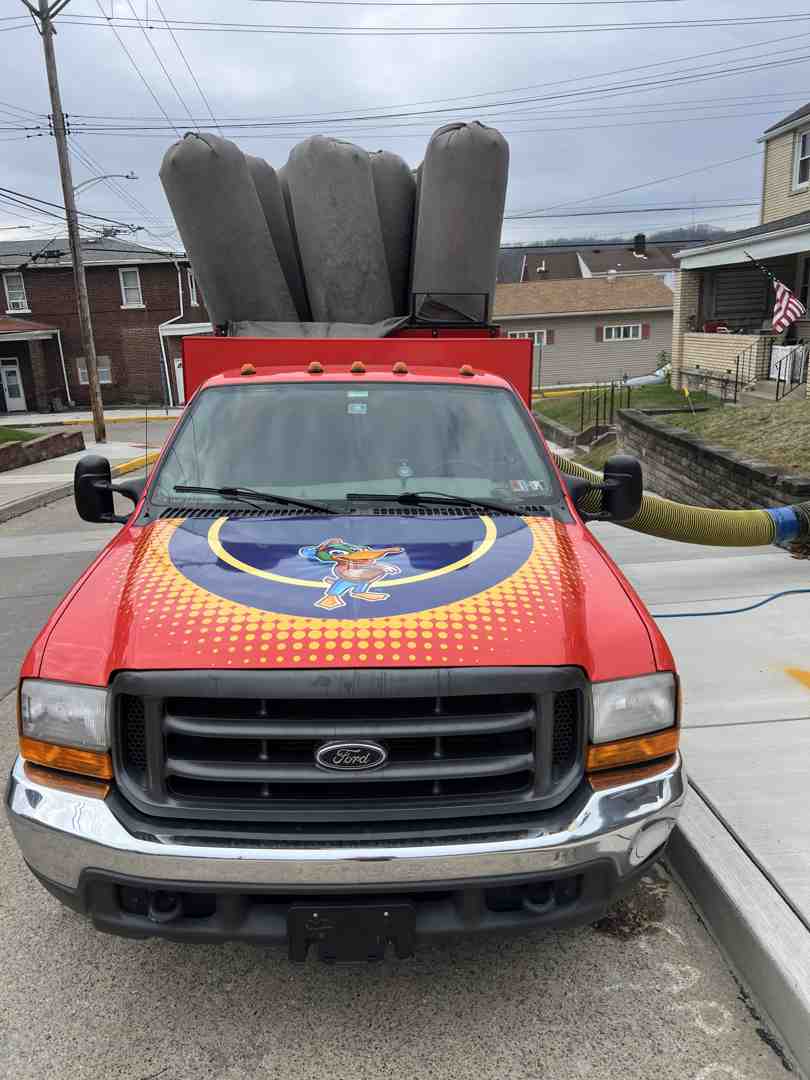
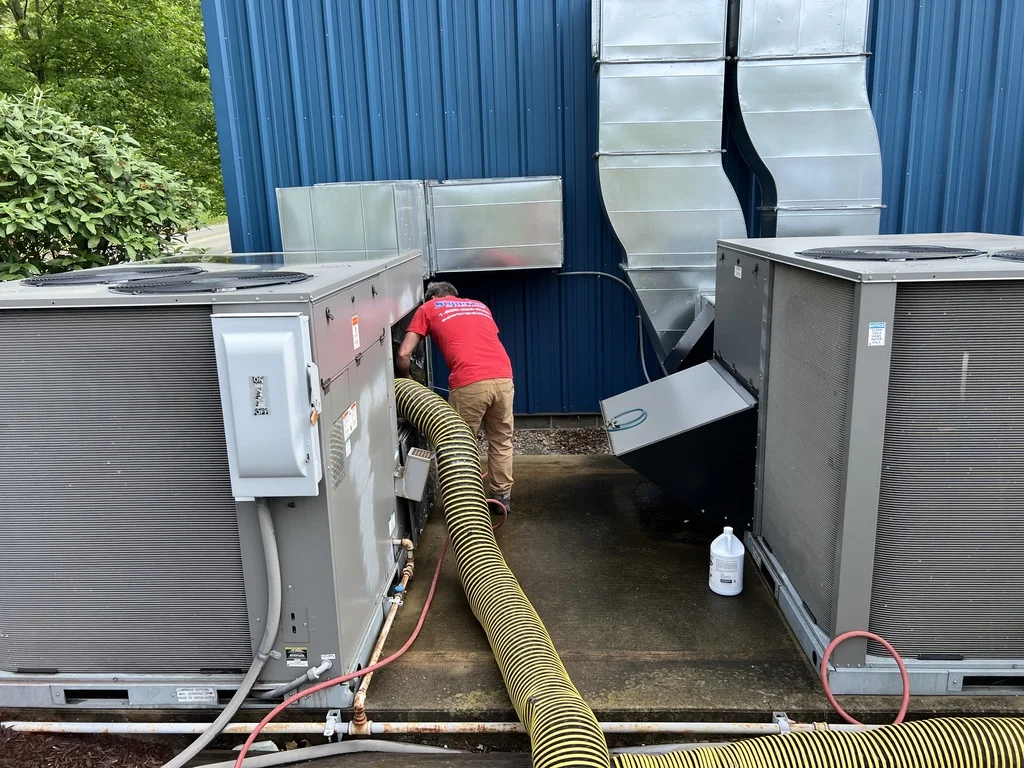
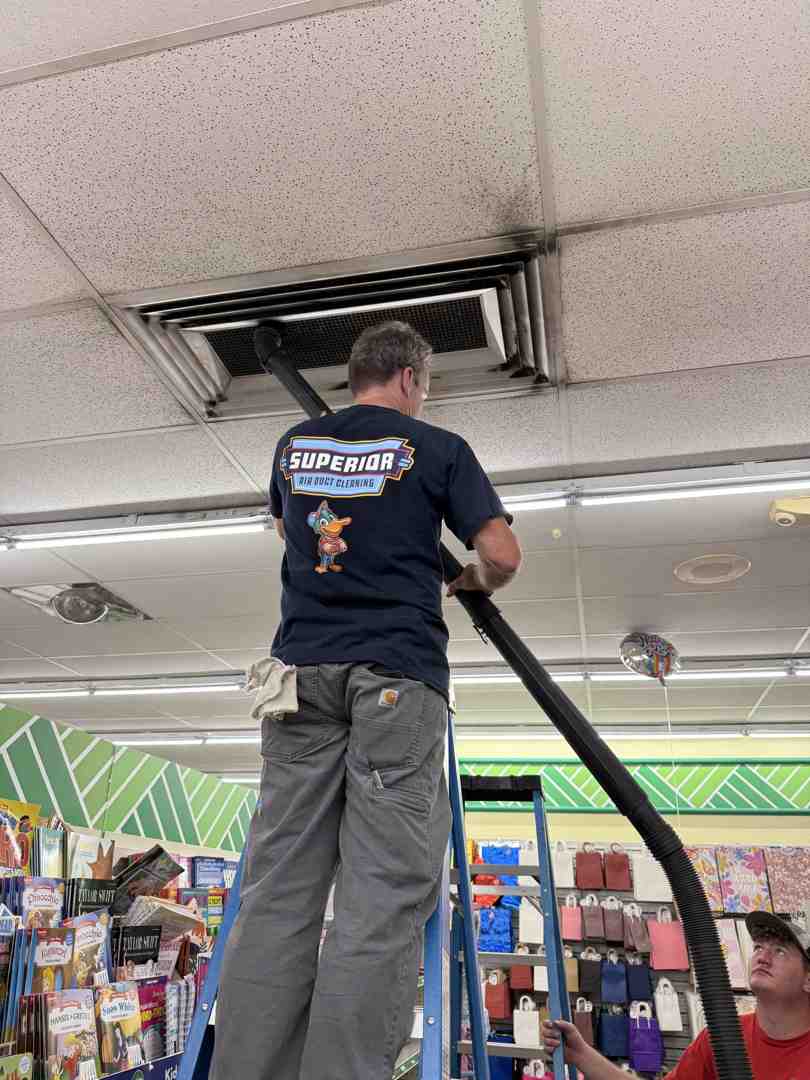
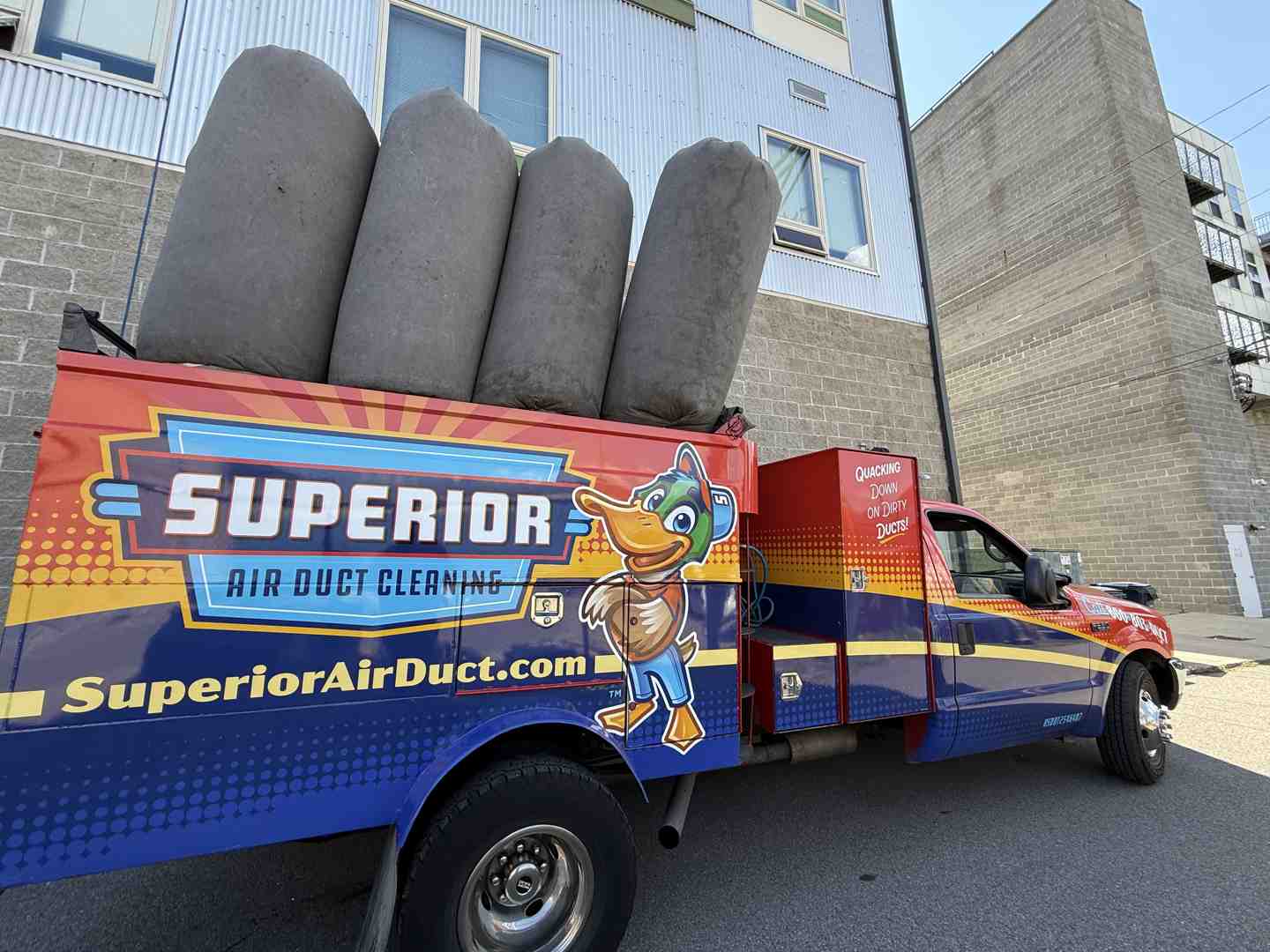
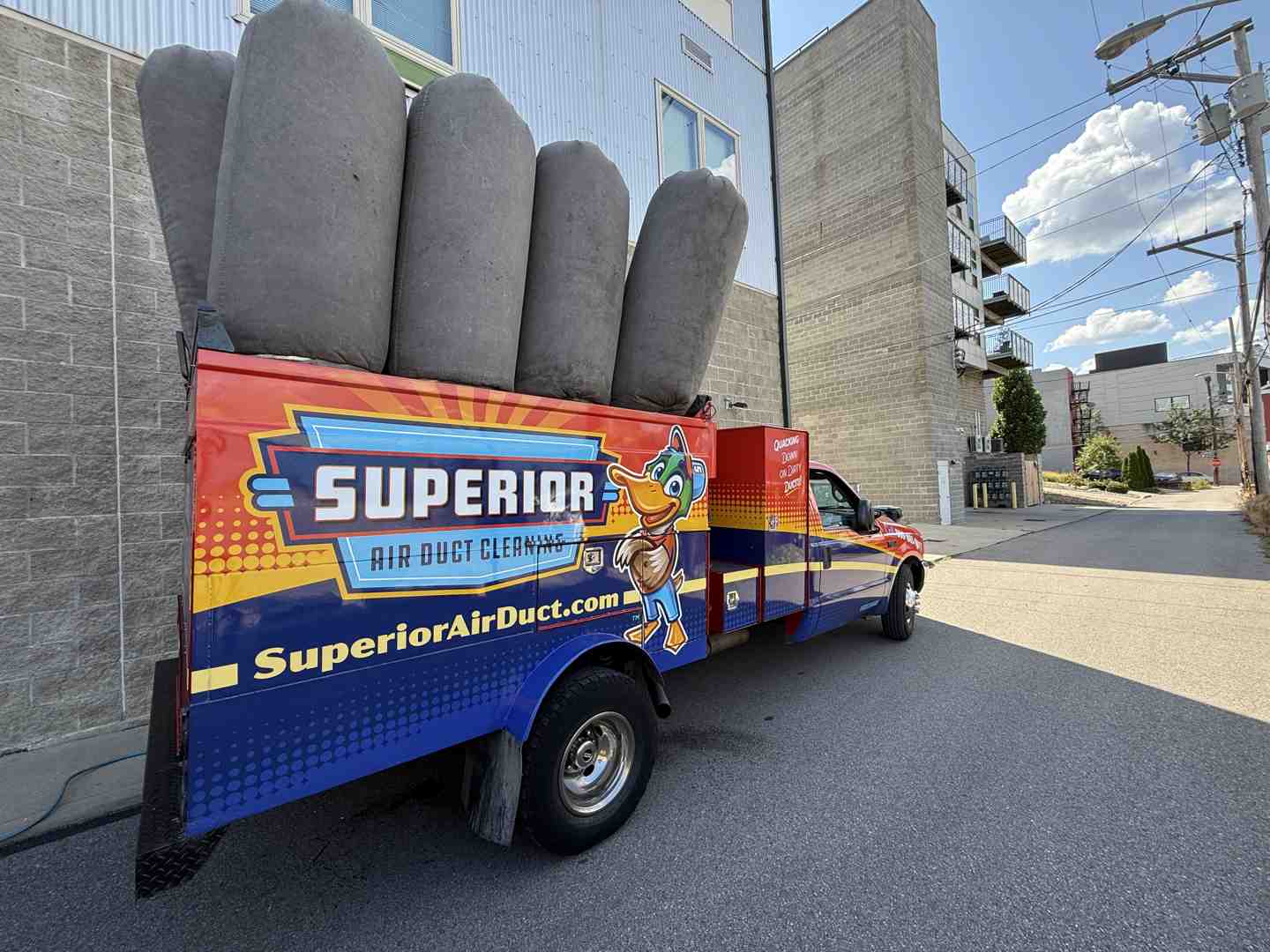
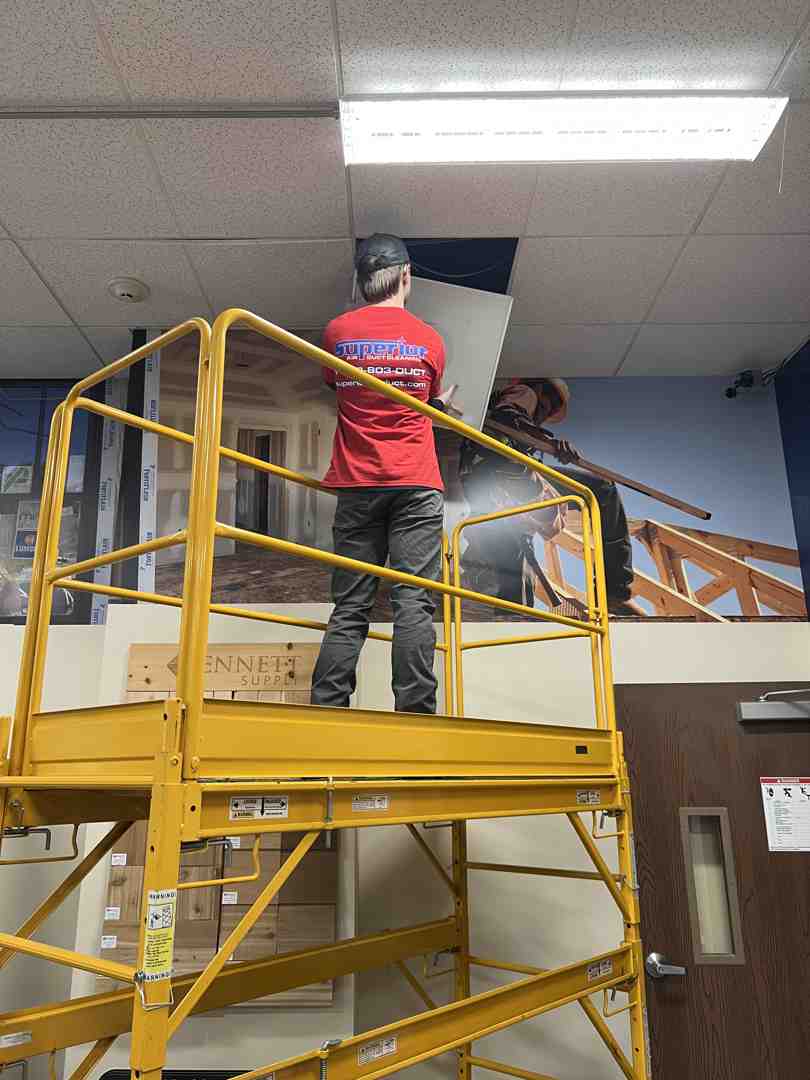
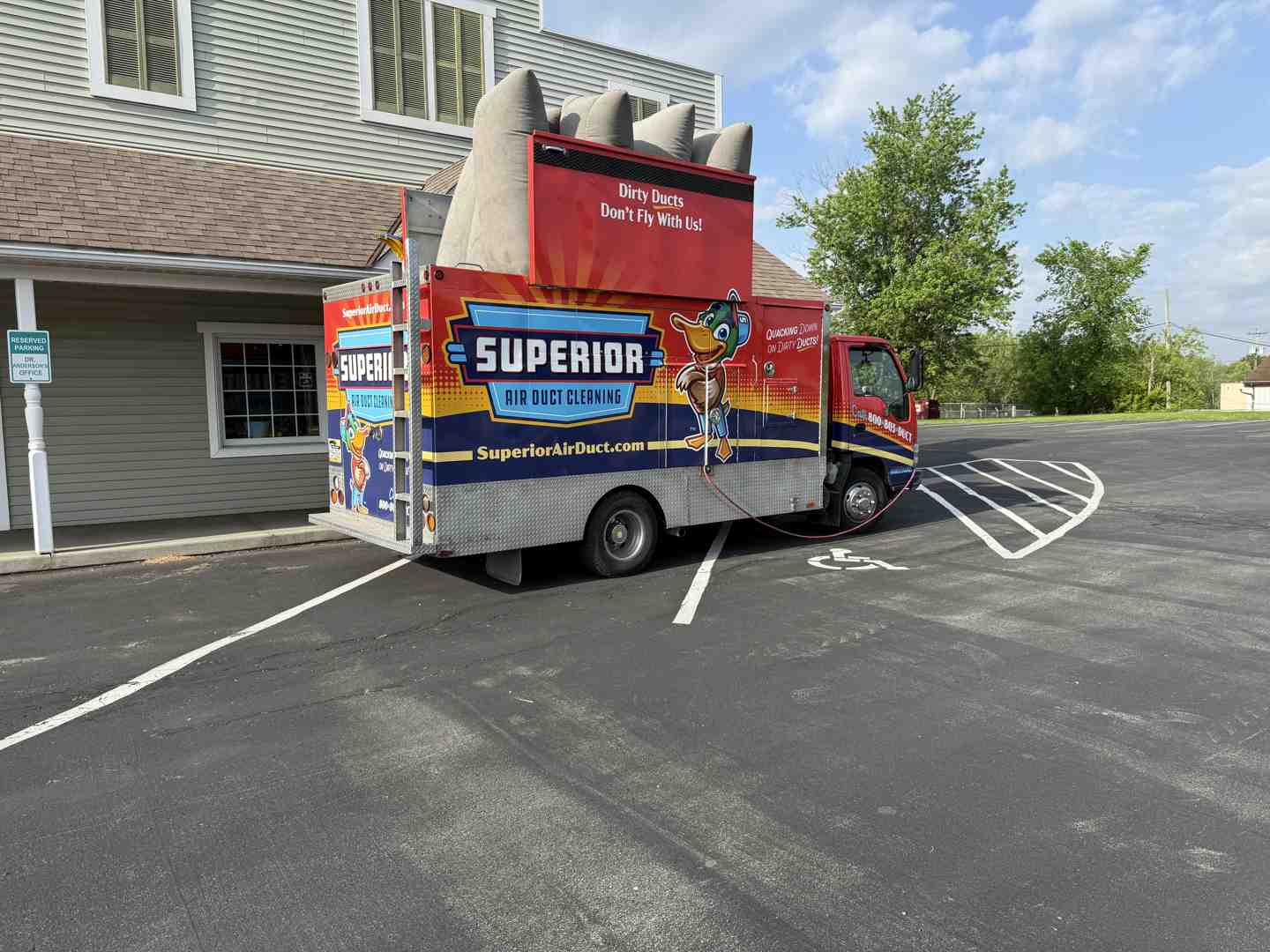
For those living in Northeast Ohio and Western Pennsylvania, professional duct cleaning isn't just about "housekeeping"—it’s a health-first service. When we perform a deep clean, we aren't just using a shop-vac. We use specialized, truck-mounted equipment that creates negative pressure, ensuring that every bit of debris is pulled out of your home and into our containment system.
The benefits go far beyond just reducing the allergy symptoms that may be caused by dirty ducts:
- Enhanced HVAC Efficiency: When your ducts are clear, your furnace and AC don't have to work as hard to push air through. This can lead to energy savings of 20% to 30% on your monthly bills.
- Sanitization: We offer Air Duct Sanitizing For Allergies Youngstown Oh which involves applying a safe, antimicrobial treatment to the ducts to kill bacteria and mold.
- Long-Term Health: By Preventing Allergy Problems With Duct Cleaning Service, you are taking a proactive step in maintaining the "lungs" of your home.
- Improved Air Quality: Residents often report that Indoor Air Quality In Youngstown Homes feels "lighter" and "fresher" immediately after a professional cleaning.
Frequently Asked Questions About Air Quality and Duct Maintenance
How often should I have my air ducts cleaned to prevent allergy flare-ups?
For the average home in our service area, the National Air Duct Cleaners Association (NADCA) recommends a professional cleaning every 3 to 5 years. However, if you live in a pet-heavy home, have smokers in the house, or suffer from chronic respiratory issues, you should consider a 2 to 3-year cycle. Following Duct Cleaning Maintenance Tips Monroeville Pa, such as changing your filters every 90 days, can help keep the system cleaner between professional visits.
Can cleaning my air ducts help reduce the risk of lung infections?
Yes. While duct cleaning isn't a "cure" for medical conditions, removing the reservoir of bacteria, mold, and viruses can significantly lower the burden on your immune system. Many homeowners ask, "Can Clean Air Ducts Help With Lung Infections?" and the answer lies in the reduction of airborne irritants that cause inflammation and make the lungs more susceptible to infection.
What are the most common signs that my ducts need immediate attention?
You shouldn't wait for a five-year timer to go off if you notice warning signs. Look for visible dust "poofing" out of vents when the fan starts, or a persistent musty smell that never quite goes away. If you notice these, check out Superior Air Duct Cleaning Signs That You Need Air Duct Cleaning for a full checklist of red flags.
Conclusion
Your home should be your sanctuary—a place where you can breathe easy and relax. If you're constantly battling sneezing, congestion, or itchy eyes, the solution might be hidden right behind your walls. At Superior Air Duct Cleaning, we are dedicated to helping families across Western Pennsylvania and Northeast Ohio reclaim their indoor air quality.
From the busy streets of Pittsburgh to the quiet neighborhoods of Boardman and Youngstown, we provide the thorough, professional service your home deserves. Don't let your HVAC system continue to act as a blender for allergens. Take control of your health and your comfort today.
Schedule your professional air duct cleaning today and start breathing the clean air you and your family deserve.

Customer Reviews


Superior Air Duct cleaning did a phenomenal job in a timely manner with the tech “Rich” being very professional ,personable and considerate of our property! He explained things as he proceeded and answered all our questions!
I LOVE that they provide before & after photos to see the difference. Give them a try… you won’t regret it
Pam T.
Robert was on schedule and communicated what time he would arrive. He was polite, professional, and respectful of our home. I wanted to wait a couple weeks before posting a review because I wanted to see if the duct cleaning actually made a difference. I am happy to say it did! I vacuum multiple times a week and have already noticed a significant reduction in the amount of dust cleaned up each time. As a home with pets, there will always be something to clean, but getting the ducts cleaned has definitely helped improve the air quality and reduce the dust.
alice A.
Technician Rob arrived early explained the days agenda and then proceeded to work methodically and meticulously over the next 6+ hours cleaning my ductwork. Courteous and professional they answered all of my questions and went above and beyond the call of duty. They even located an old dusty box of rat poison buried in our vents. My only regret is not finding these guys sooner. As a realtor of 22 years and owner of a newly purchased (now dust free) home I highly recommended!
Eric K.
Excellent service! I’ve used them to clean out my air ducts as well as my dryer vent duct and they are excellent. I was very pleased with both jobs and will continue to use them in the future. Great communication as well- from the time I scheduled the appointment until they were at my door.
Erika C.
We had such an amazing experience with Superior Air Duct Cleaning. They were so nice and friendly and did an amazing job. I loved seeing the before and after pictures. Besides doing an amazing job cleaning our air ducts they were so quick at responding and setting up the appointment. We will definitely be using them in the future.
Amanda C.