How Pet Dander Accumulates in Your Air Ducts — And Why It Matters for Your Home's Air Quality
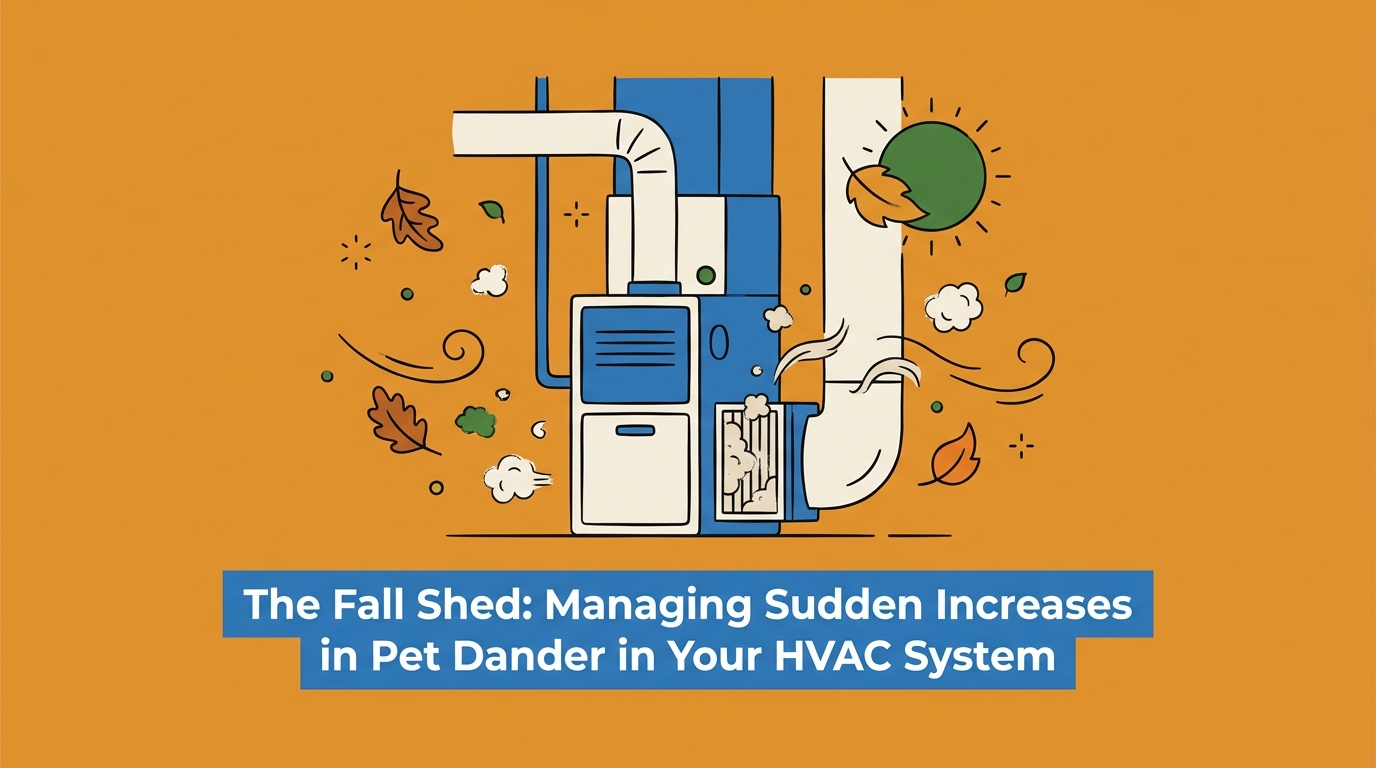
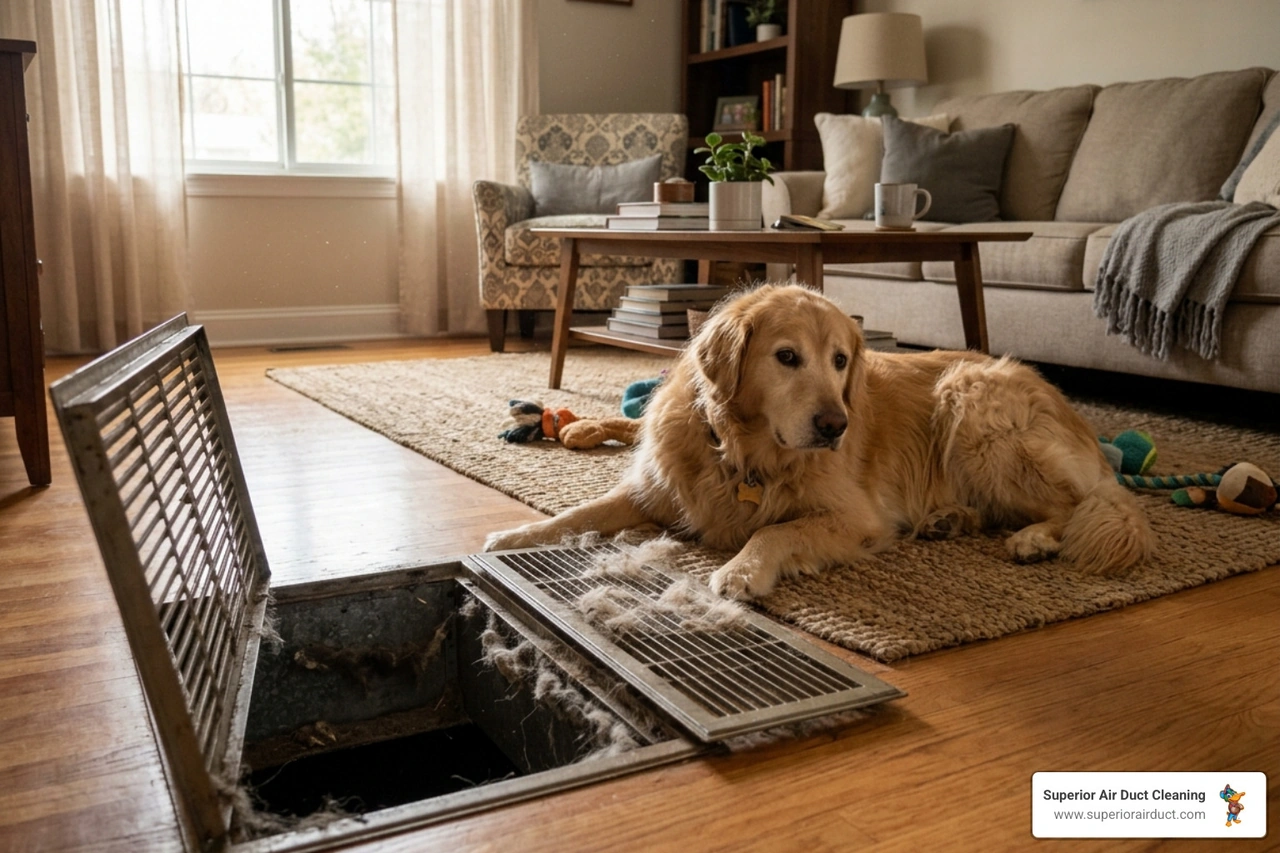
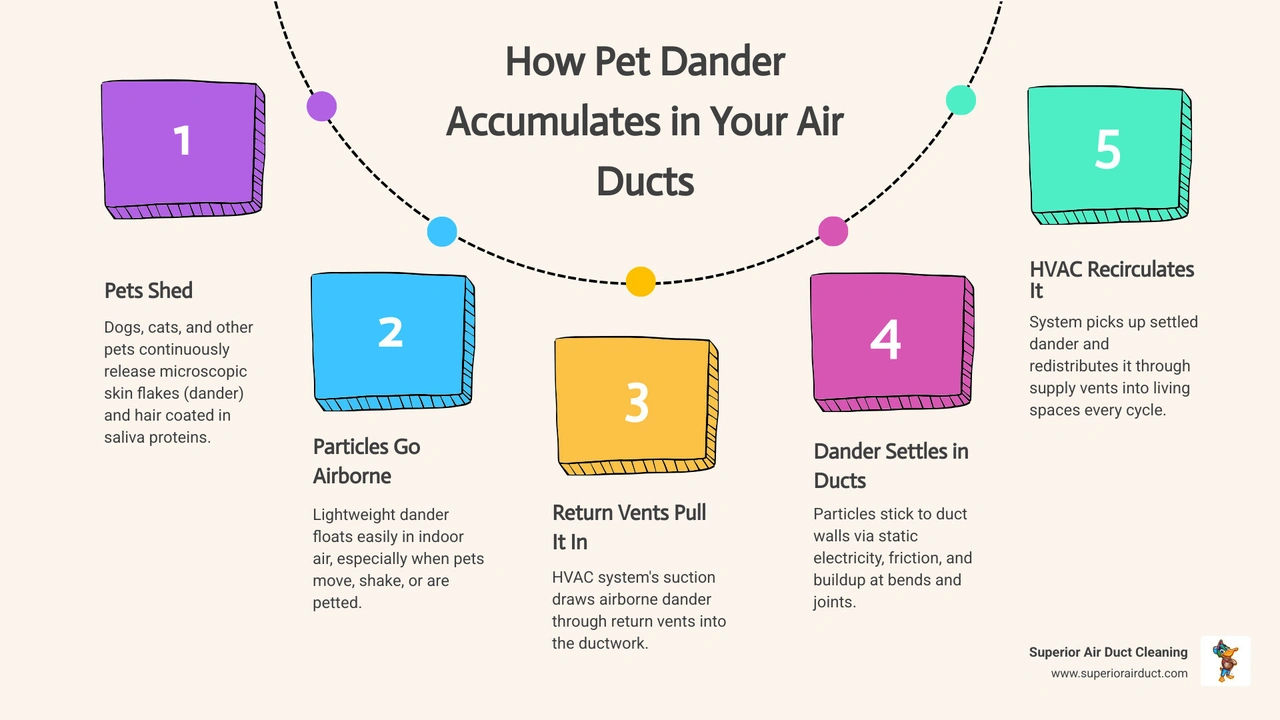
How pet dander accumulates in your air ducts happens through a straightforward but relentless cycle: your pets constantly shed microscopic skin flakes and hair, those particles become airborne, and your HVAC system — which circulates the air in your home five to seven times every day — pulls them right into your ductwork. Once inside, dander clings to duct walls, combines with dust, and gets redistributed through every room in the house every time your heat or air conditioning kicks on.
Here is a quick breakdown of how it happens:
- Pets shed - Dogs, cats, birds, and other furry or feathered animals continuously shed tiny flecks of skin (dander) along with hair coated in saliva and other proteins.
- Particles go airborne - Dander is microscopic and lightweight, so it floats easily through indoor air — especially when pets move, shake, or are petted.
- Return vents pull it in - Your HVAC system draws air back through return vents, and airborne dander travels right along with it.
- Dander settles in ducts - Once inside the ductwork, particles stick to walls, collect near bends and joints, and build up layer by layer over time.
- HVAC recirculates it - Every time your system runs, it picks up that settled dander and pushes it back out through your supply vents into your living spaces.
This cycle repeats continuously — and it affects roughly 15% of the population who deal with pet allergies, making indoor air quality a real daily health concern for many households.
If you own pets and have noticed more dust on surfaces, sneezing that won't quit, or a stale smell when the HVAC runs, your air ducts may already be carrying a significant load of built-up dander. The good news is that understanding exactly how this buildup happens is the first step toward doing something about it.
Understanding How Pet Dander Accumulates in Your Air Ducts
To really get a handle on the air quality in your home, we first need to look at what pet dander actually is. It’s not just "pet hair." In fact, dander is much more elusive. It consists of microscopic flecks of skin shed by cats, dogs, rodents, birds, and any other animal with fur or feathers. Because these particles are so small, they don’t just fall to the floor like a dropped toy; they stay suspended in the air for hours.
But why does it seem to love your ductwork so much? The answer lies in the physics of your home. As air moves through your ventilation system, it creates friction, which leads to static electricity. Your metal air ducts can act like a giant magnet for these tiny, charged skin flakes. Once a few particles stick to the duct walls, they create a textured surface that catches even more debris.
Furthermore, pet dander isn't just skin. It often carries proteins from a pet's saliva, urine, and feces. When your cat grooms itself or your dog comes in from a rainy walk in Butler County, those proteins dry on the fur and eventually flake off into the air. This sticky cocktail of biological material is highly adhesive. In our experience at Superior Air Duct Cleaning, we often see dander that has bonded with household dust to create a thick, felt-like coating inside the vents. You can learn more about this process in our guide where Superior Air Duct Cleaning Explains Pet Dander.
The Role of Return Vents in How Pet Dander Accumulates in Your Air Ducts
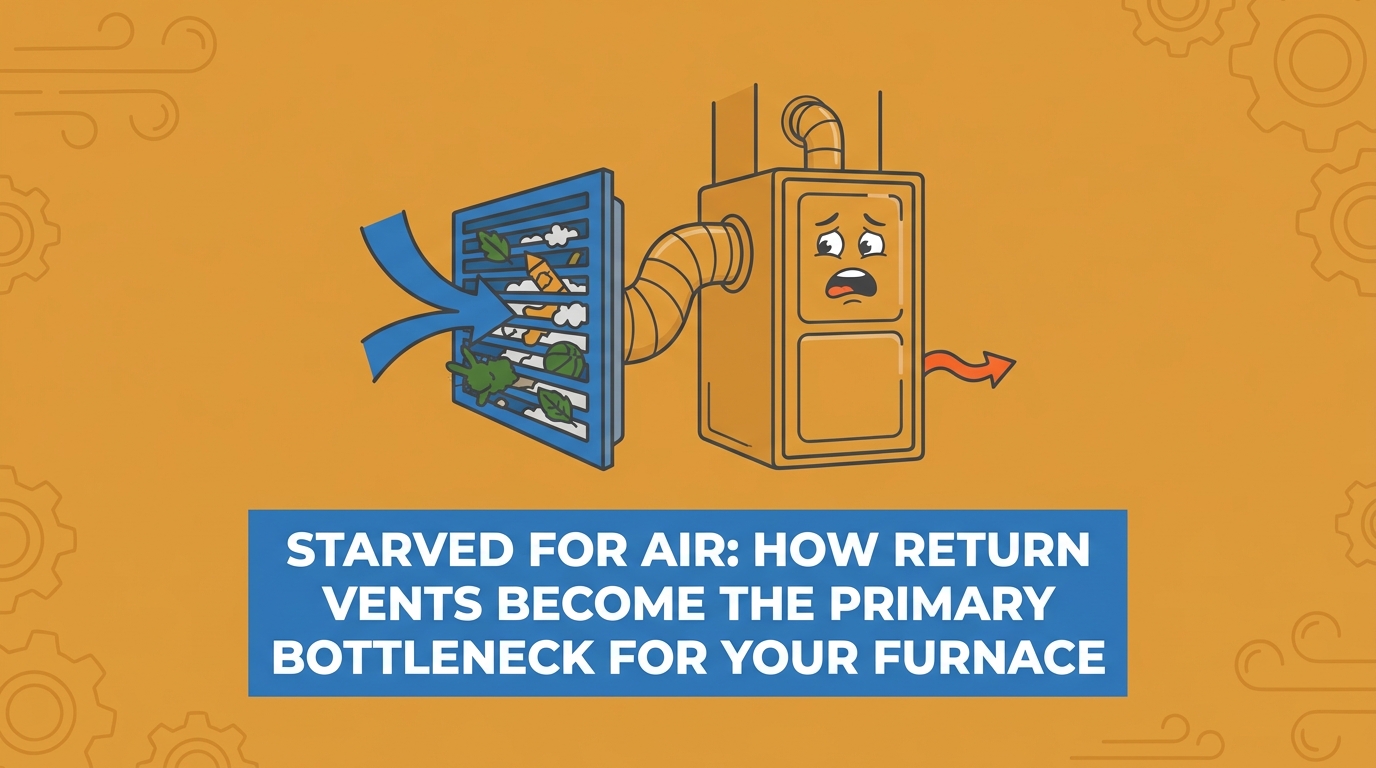
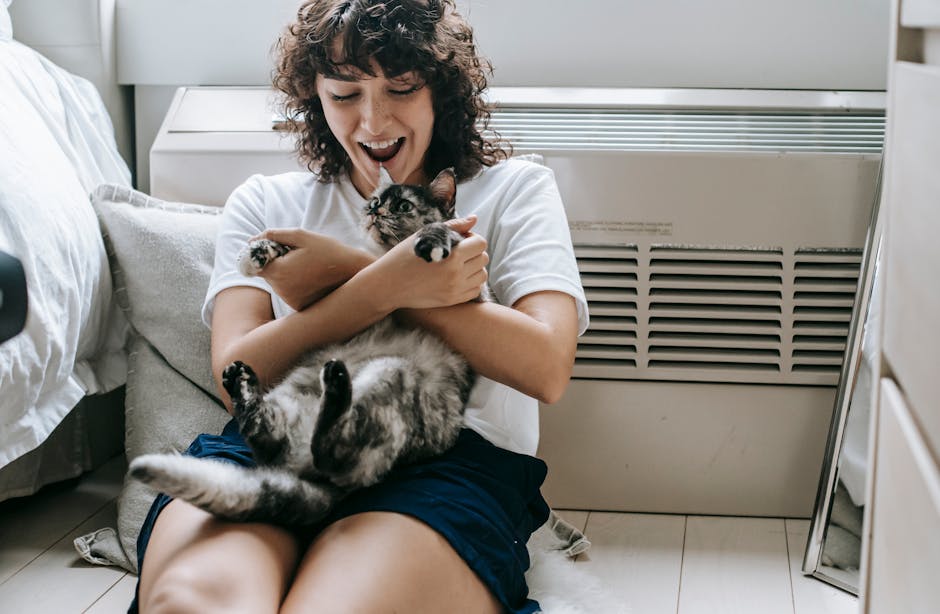
Think of your return vents as the "lungs" of your HVAC system. Their job is to pull air from your rooms back to the furnace or AC unit to be conditioned. Unfortunately, they aren't very picky about what they breathe in.
The suction force of a standard HVAC system is surprisingly strong. While pet hair is heavier than dander, it often acts as a vehicle. Large "tumbleweeds" of fur are pulled toward the return grilles. If you’ve ever looked at your intake vents and seen a gray, fuzzy coating, you’re looking at a trap. The hair gets caught on the grille, and then it begins to act as a secondary filter—but not a good one. It catches more dander, dust, and pollen, eventually getting sucked into the ductwork if the filter isn't seated perfectly or if the hair is small enough to pass through.
This is one of the many What Are Some Items That Affect the Air in Your Home, as the sheer volume of air being pulled through these vents ensures that no corner of your home is immune to dander migration.
Why Moisture and Static Electricity Accelerate How Pet Dander Accumulates in Your Air Ducts
If static electricity is the magnet that pulls dander in, moisture is the glue that keeps it there. Inside your HVAC system sits the evaporator coil. During the humid summers we experience in places like Aliquippa, PA or Boardman, OH, this coil becomes very cold and wet with condensation.
When airborne pet dander passes over these wet coils, it sticks instantly. Over time, this creates a biological "sludge" that can block airflow and even become a breeding ground for other issues. While we often worry about Pests That Can Get Into Your Ductwork, the microscopic "pests" like bacteria and mold that feed on the organic proteins in pet dander are just as problematic.
To combat this, we recommend keeping your home’s humidity between 30% and 50%. This range is high enough to reduce the static electricity that makes dander "jump" onto surfaces, but low enough to prevent the excessive moisture that turns dander into a sticky, stubborn mess inside your coils and ducts.
Health and Efficiency: The Consequences of Dander Buildup
The impact of pet dander in your air ducts isn't just a matter of a little extra dusting on the weekends. It has real-world consequences for both your family’s health and your wallet.
From a health perspective, pet dander is one of the most common triggers for indoor allergies and asthma. Since the air in your home circulates through the ducts five to seven times a day, an allergy sufferer is essentially being exposed to a fresh "puff" of dander every few minutes. Symptoms like itchy eyes, runny noses, and wheezing are often worse when the HVAC system is running full tilt. This is why many families find relief after Preventing Allergy Problems with Duct Cleaning Service.
Beyond health, your HVAC system is likely struggling under the weight of all that fur and dander. When dander accumulates on the internal components:
- Airflow is restricted: Your system has to work harder to push air past the buildup.
- Energy bills rise: A strained system uses more electricity or gas to reach the temperature set on your thermostat.
- Lifespan decreases: The more your system struggles, the faster the motor and other components wear out.
Strategies to Minimize Pet Debris in Your Ventilation System
While you can't stop your pets from being pets (and we wouldn't want you to!), you can take proactive steps to limit how much of their "contribution" ends up in your ducts. Here is a comparison of how different filtration levels handle the challenge:
| Feature | MERV 8 Filter | MERV 11-13 Filter |
|---|---|---|
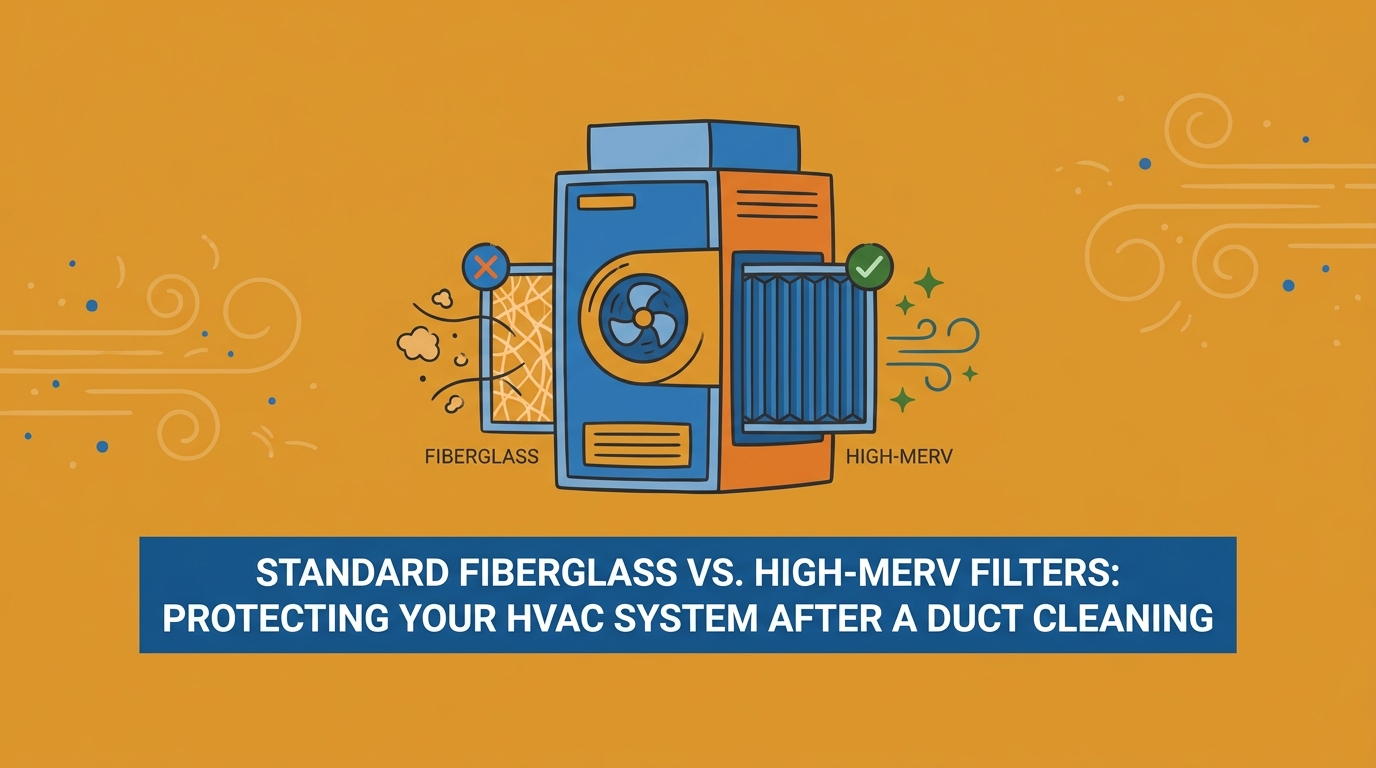
| Dander Capture | Captures large particles; misses most dander. | Excellent at trapping microscopic skin flakes. |
| Airflow Impact | Low resistance; easy on the motor. | Slightly higher resistance; requires regular changes. |
| Allergy Relief | Minimal; mostly protects the equipment. | Significant; improves indoor air quality. |
| Change Frequency | Every 90 days. | Every 30-60 days (with pets). |
In addition to upgrading your filters, we recommend these daily habits to maintain Healthy Indoor Air:
- HEPA Vacuuming: Use a vacuum with a certified HEPA filter at least twice a week. Standard vacuums often just blow the tiny dander particles back out the exhaust.
- Regular Grooming: Brushing your pet daily — ideally outdoors — removes loose fur and dander before it can enter your indoor air stream.
- Damp Dusting: Use a damp microfiber cloth to wipe down surfaces. Dry dusting just launches dander into the air where the return vents can grab it.
- Pet-Free Zones: Keeping pets out of bedrooms can significantly reduce the allergen load in the areas where you spend the most time breathing.
Professional Maintenance for Pet Owners in Pittsburgh and Boardman
Even with the best filters and the most frequent vacuuming, some dander will inevitably find its way into your ductwork. Over the years, this accumulation becomes something that DIY methods simply cannot reach. This is where professional intervention becomes necessary.
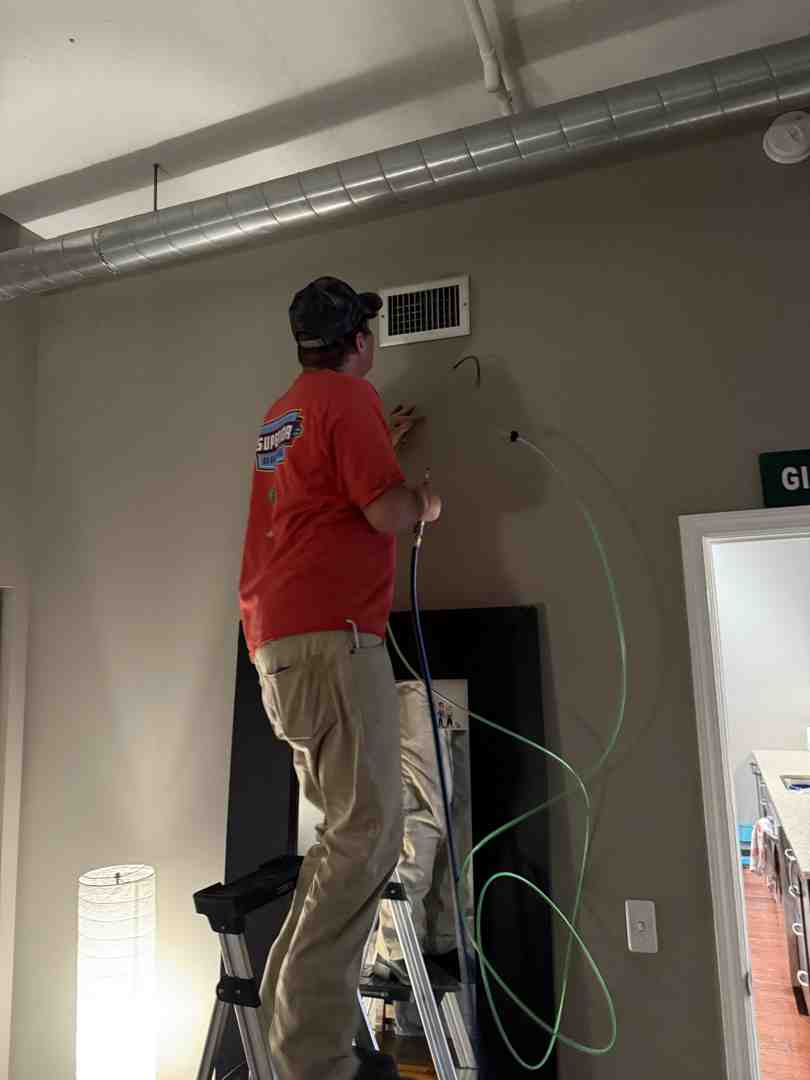
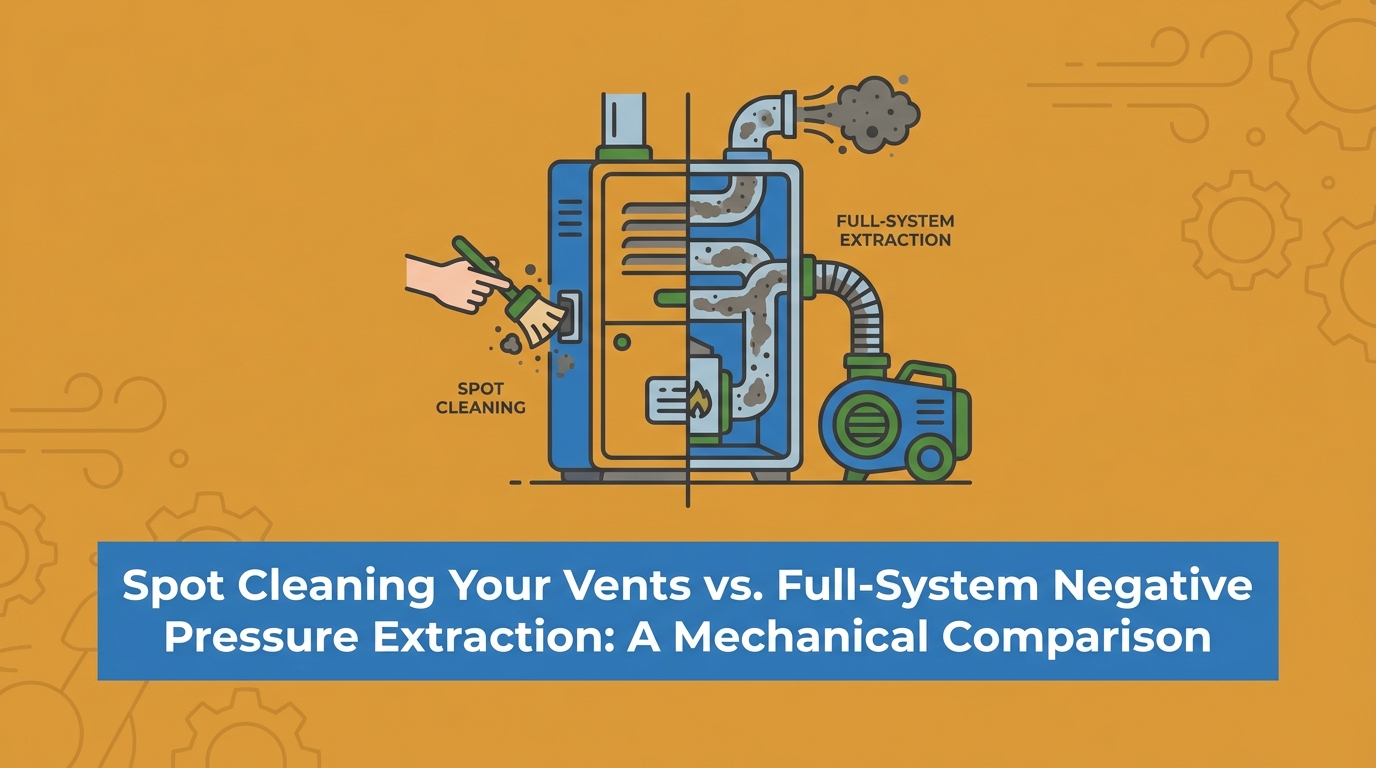
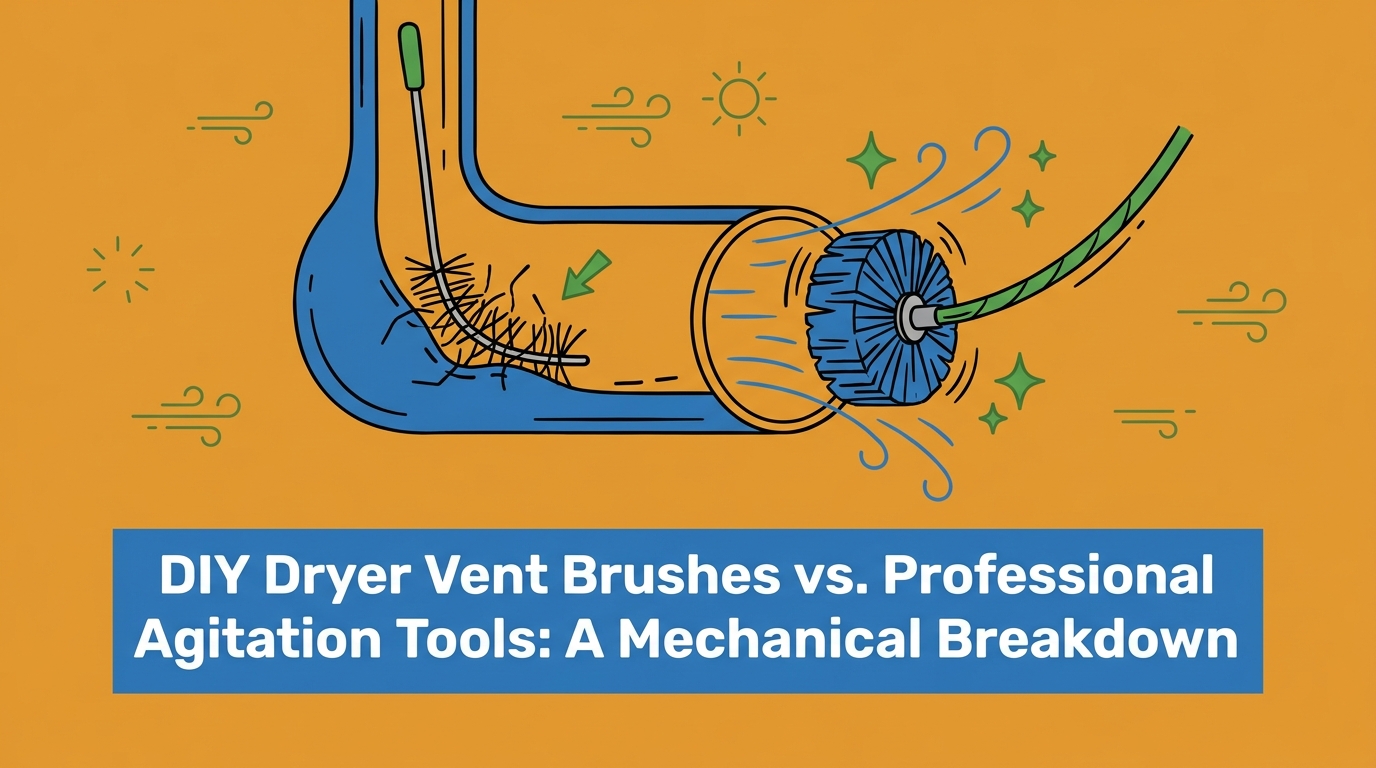
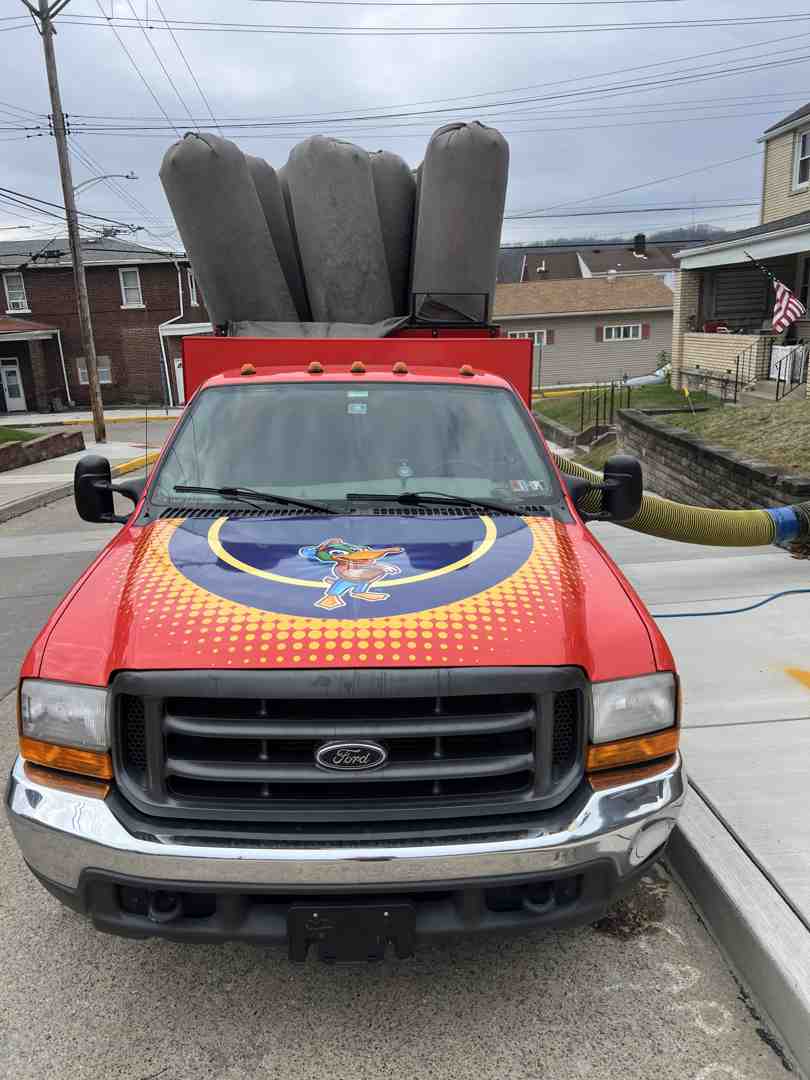
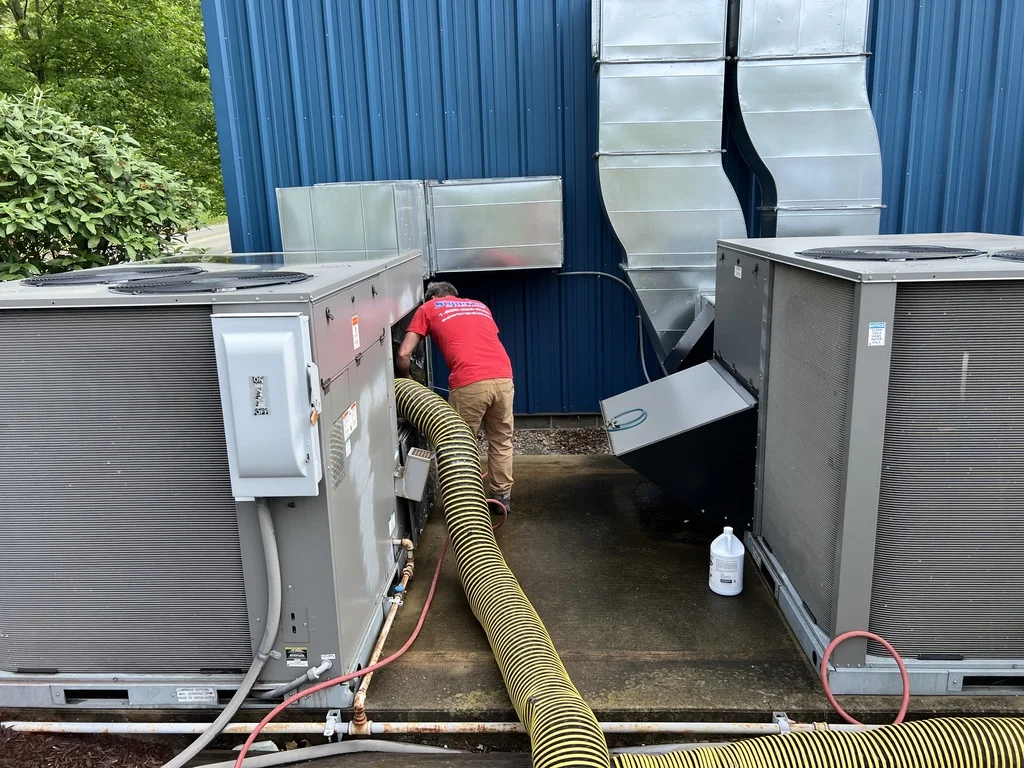
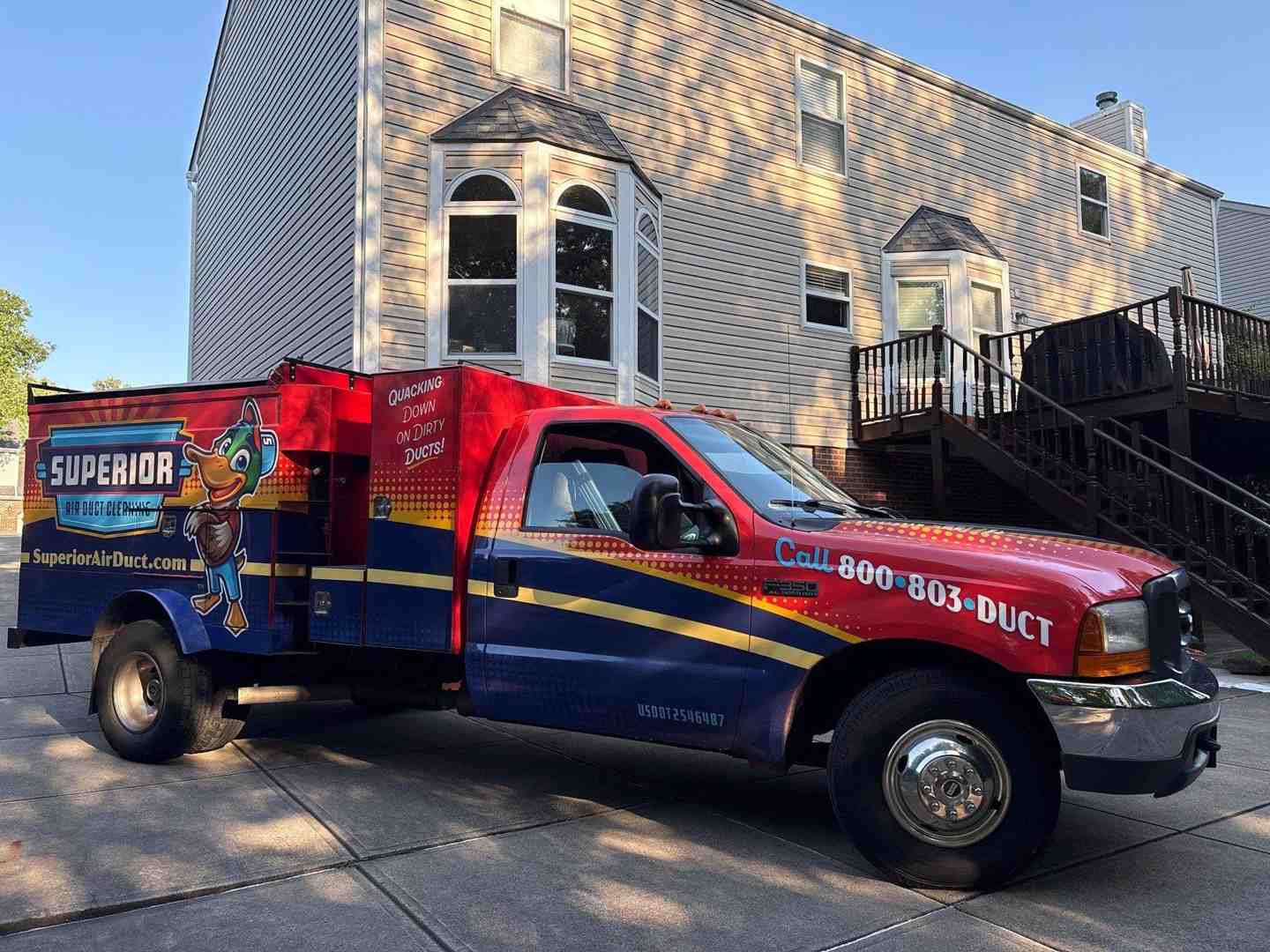
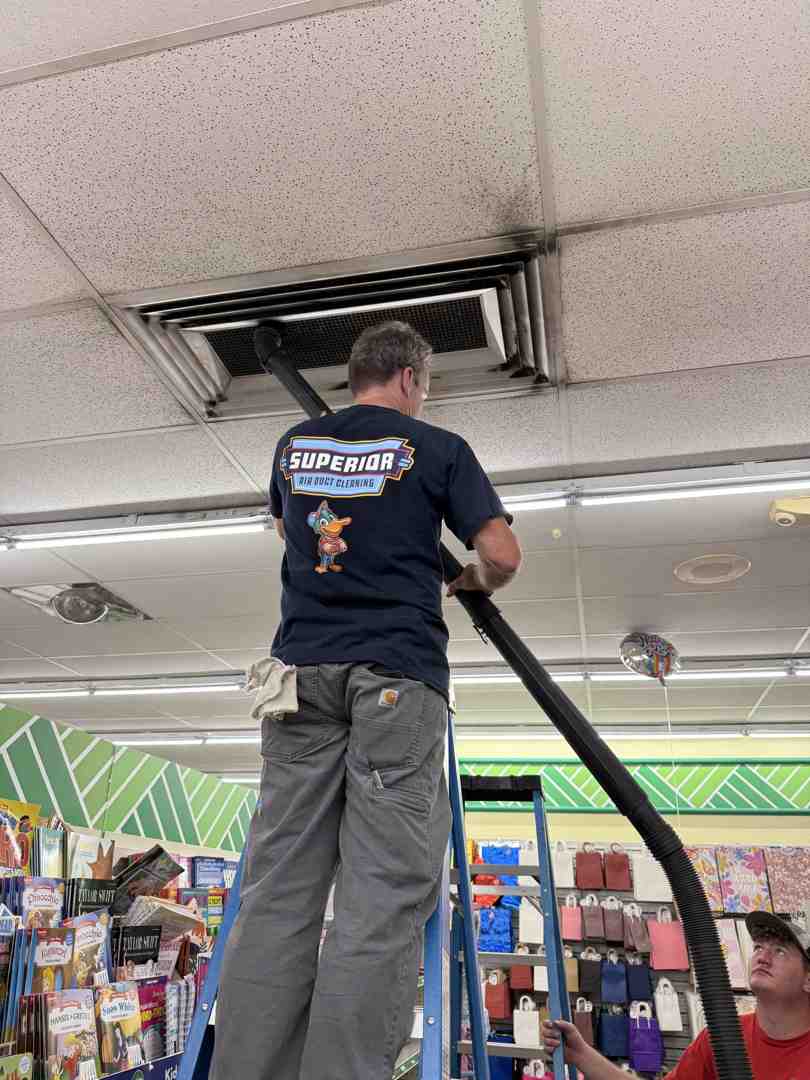
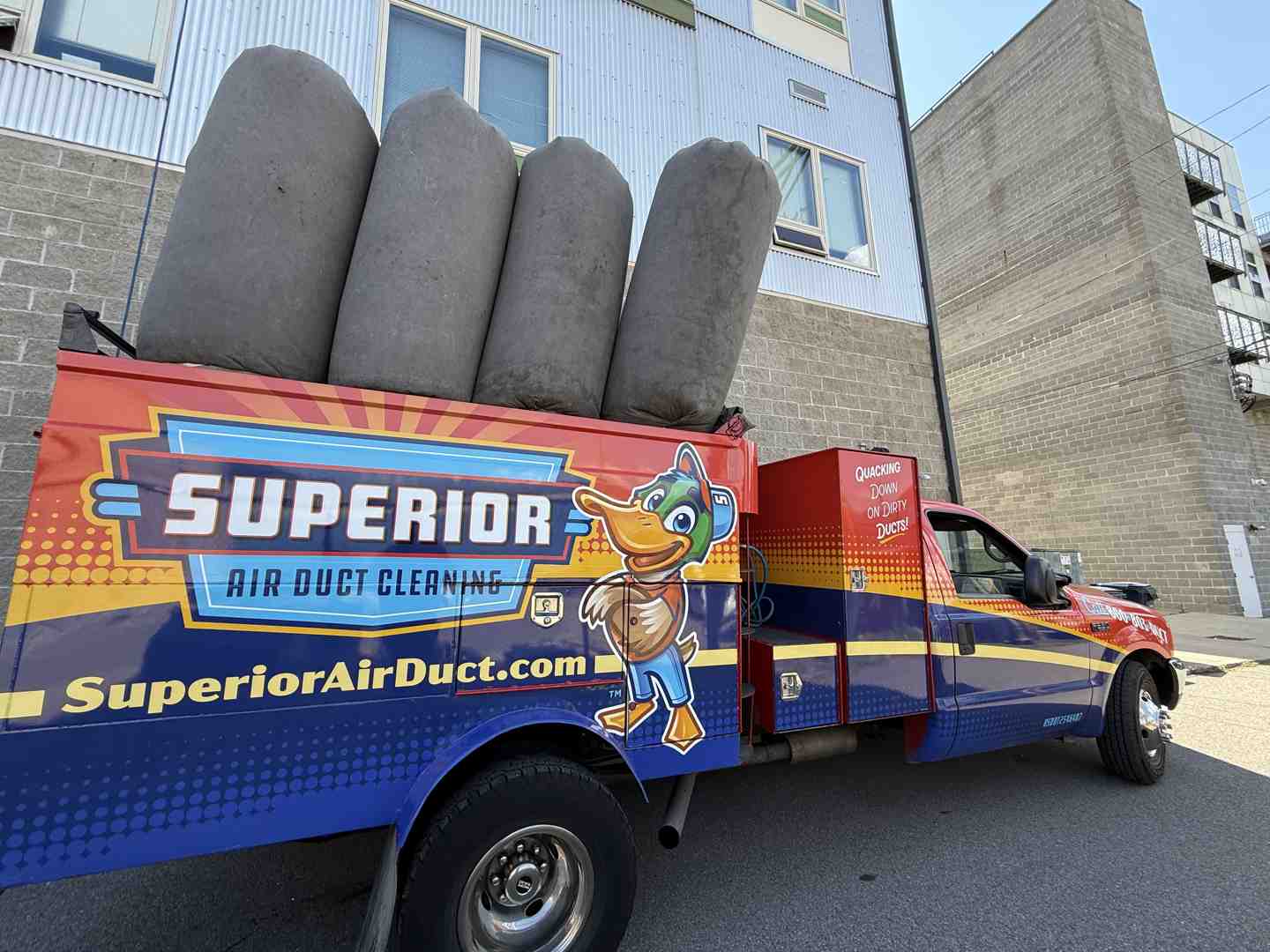
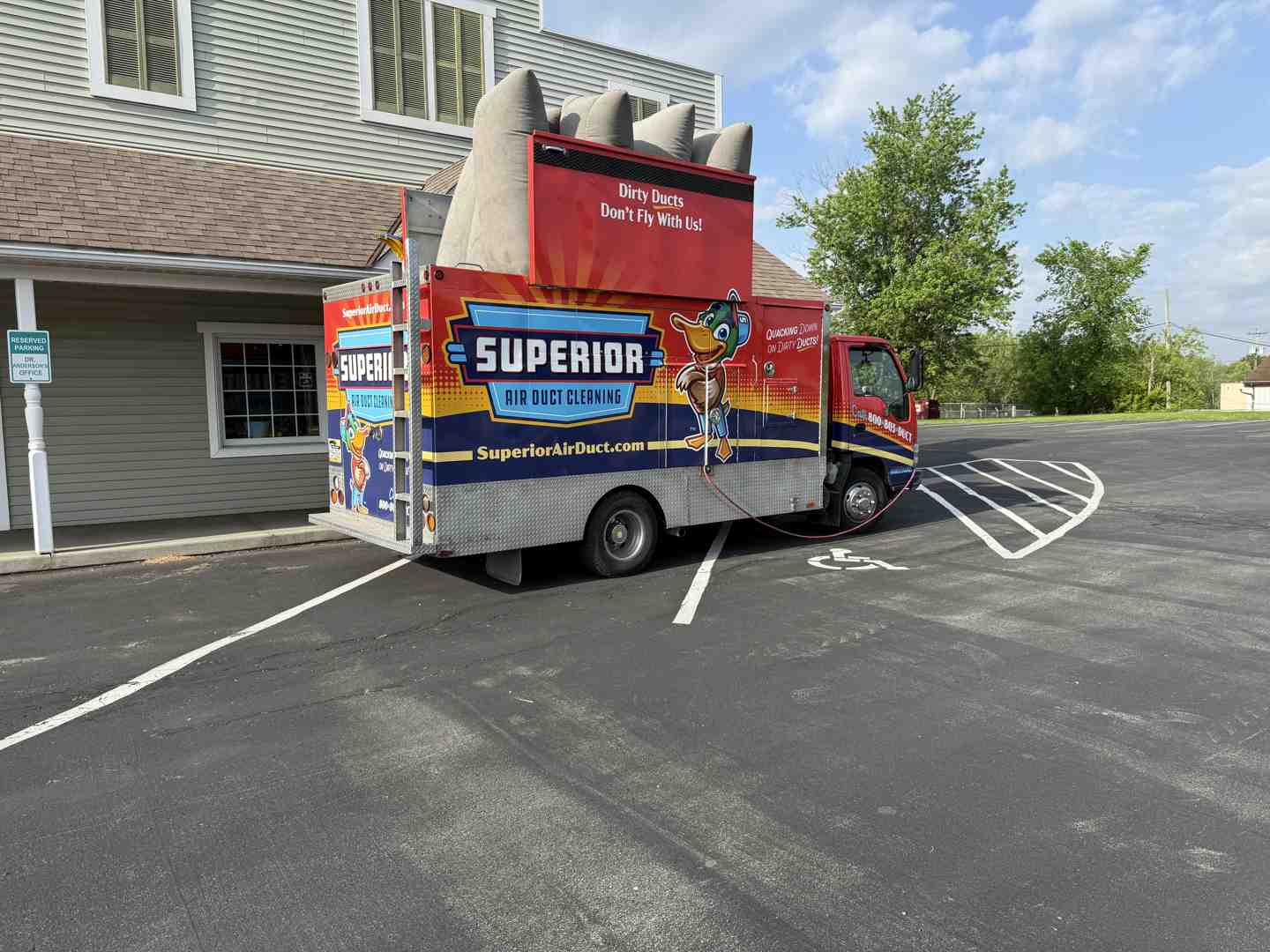
At Superior Air Duct Cleaning, we follow the rigorous standards set by the National Air Duct Cleaners Association (NADCA). For homes in Western Pennsylvania and Northeast Ohio — from the busy streets of Pittsburgh to the quiet neighborhoods of New Brighton and Cranberry Township — we use high-powered, truck-mounted vacuum systems and specialized agitation tools. These tools reach deep into your ductwork to scrub the walls clean and pull the debris out of your home entirely.
How often should you call us? While the EPA and NADCA generally suggest cleaning every three to five years, pet owners are a special case. If you have multiple pets or heavy shedders (looking at you, Golden Retrievers and Huskies!), we recommend a professional cleaning every one to two years. This frequency ensures that the Benefits of Air Duct Cleaning Services — like lower energy bills and fresher air — are maintained year-round. Taking this step is one of the most effective ways to Improve Air Quality with Clean Ducts.
Frequently Asked Questions about Pet Dander in Vents
How often should air ducts be cleaned in homes with pets?
Households with pets should schedule professional cleaning every one to two years. While a pet-free home might go three to five years between cleanings, the constant influx of hair and skin flakes in a pet-owning home creates buildup much faster. If you have multiple pets or residents with respiratory sensitivities, an annual inspection is the safest bet.
What role do air filters play in trapping pet dander?
Air filters are your first line of defense. High-efficiency filters, such as those rated MERV 11 or 13, are specifically designed to capture microscopic dander particles. However, these filters can clog quickly in homes with pets. To keep your air clean and your HVAC system running efficiently, pet owners should check their filters monthly and replace them every 30 to 60 days.
What are the common signs that pet dander has accumulated in your air ducts?
Keep an eye out for these "red flags":
- Visible "Gray Fur": If your vent grilles have a fuzzy, gray coating, the ducts behind them are likely full of debris.
- The "Pet Smell": If you notice a musty or "doggy" odor every time the furnace or AC kicks on, dander and hair are likely trapped in the system.
- Frequent Dusting: If you find a layer of dust on your coffee table just hours after cleaning, your HVAC system may be blowing dander back into the room.
- Worsening Allergies: Increased sneezing, coughing, or itchy eyes when you are indoors is a classic sign of poor indoor air quality.
Conclusion
Our pets are cherished members of our families, providing companionship and joy to homes across Allegheny, Beaver, and Washington Counties. However, the "hidden" side of pet ownership is the toll that dander and hair can take on your home's infrastructure. By understanding how pet dander accumulates in your air ducts, you can take the necessary steps to protect your family's health and your HVAC system's efficiency.
Whether you are in Youngstown, OH or Monaca, PA, maintaining clean air ducts is an investment in your home's comfort. We are proud to serve Western Pennsylvania and Northeast Ohio, helping our neighbors breathe easier every day. Don't let your ductwork become a storage unit for pet allergens.
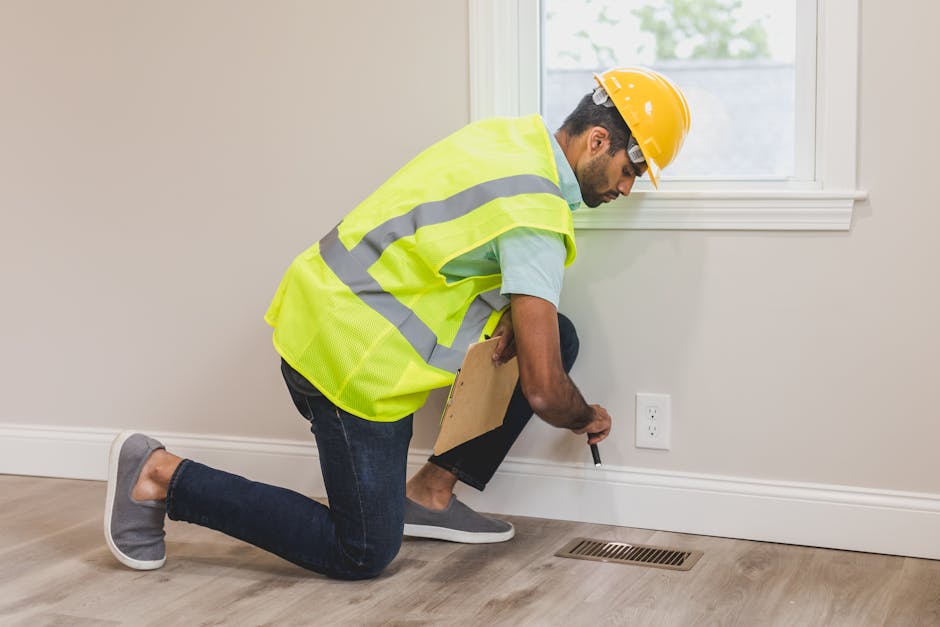
Breathe easier with professional air quality solutions by contacting us today to schedule your comprehensive air duct inspection and cleaning. Let us help you keep your home as clean as it is happy!

Customer Reviews


Superior Air Duct cleaning did a phenomenal job in a timely manner with the tech “Rich” being very professional ,personable and considerate of our property! He explained things as he proceeded and answered all our questions!
I LOVE that they provide before & after photos to see the difference. Give them a try… you won’t regret it
Pam T.
Robert was on schedule and communicated what time he would arrive. He was polite, professional, and respectful of our home. I wanted to wait a couple weeks before posting a review because I wanted to see if the duct cleaning actually made a difference. I am happy to say it did! I vacuum multiple times a week and have already noticed a significant reduction in the amount of dust cleaned up each time. As a home with pets, there will always be something to clean, but getting the ducts cleaned has definitely helped improve the air quality and reduce the dust.
alice A.
Technician Rob arrived early explained the days agenda and then proceeded to work methodically and meticulously over the next 6+ hours cleaning my ductwork. Courteous and professional they answered all of my questions and went above and beyond the call of duty. They even located an old dusty box of rat poison buried in our vents. My only regret is not finding these guys sooner. As a realtor of 22 years and owner of a newly purchased (now dust free) home I highly recommended!
Eric K.
Excellent service! I’ve used them to clean out my air ducts as well as my dryer vent duct and they are excellent. I was very pleased with both jobs and will continue to use them in the future. Great communication as well- from the time I scheduled the appointment until they were at my door.
Erika C.
We had such an amazing experience with Superior Air Duct Cleaning. They were so nice and friendly and did an amazing job. I loved seeing the before and after pictures. Besides doing an amazing job cleaning our air ducts they were so quick at responding and setting up the appointment. We will definitely be using them in the future.
Amanda C.