How Pennsylvania Climate Affects Indoor Air Quality
When we talk about how pennsylvania climate affects indoor air quality, we have to look at the sheer volatility of our weather. In places like Pittsburgh, Aliquippa, and Monaca, we experience massive temperature swings. One day it’s 20 degrees and snowing; the next, it’s a 50-degree "thaw." These rapid changes cause building materials to expand and contract, often creating tiny gaps in your home’s envelope.
These gaps allow outdoor pollutants to seep in, but they aren't large enough to provide proper ventilation. This puts an incredible strain on your HVAC system. When your furnace or AC has to work overtime to combat Pennsylvania’s extremes, it often recirculates dust and debris at a much higher rate. To Improve Air Quality, homeowners must realize that their HVAC system is the "lungs" of the home. If those lungs are strained by the climate, the air you breathe suffers. Maintaining Healthy Indoor Air requires a proactive approach to these seasonal transitions.
How Pennsylvania climate affects indoor air quality during winter freezes
During the frigid months in Beaver Falls and Cranberry Township, we naturally seal our homes as tight as possible to save on heating bills. While this is great for your wallet, it is terrible for your lungs. This "airtight" environment is exactly how radon gas becomes a silent threat. In Pennsylvania, approximately 40 percent of homes have radon levels exceeding the EPA’s action limit. Because radon is a naturally occurring gas from uranium decay in our soil, it seeps into basements and stays there because there is no fresh air exchange.
We often get asked, How Can I Improve My Indoor Air when it's too cold to open the windows? The reality is that trapped particulate matter, carbon monoxide from heating appliances, and even VOCs from household cleaners become concentrated. For those already struggling with health issues, it's important to know: Can Better Indoor Air Quality Improve Symptoms of Lung Infections? The answer is a resounding yes. Reducing the "body burden" of breathing in trapped winter pollutants allows your respiratory system to recover more effectively.
How Pennsylvania climate affects indoor air quality during humid summers
Summer in the Northeast brings a different set of problems: oppressive humidity. When the humidity levels in Pennsylvania climb above 60%, your home becomes a breeding ground for biological agents. Humidity in Air Ducts is particularly dangerous because it leads to condensation on evaporator coils and inside the dark, dusty corners of your ductwork.
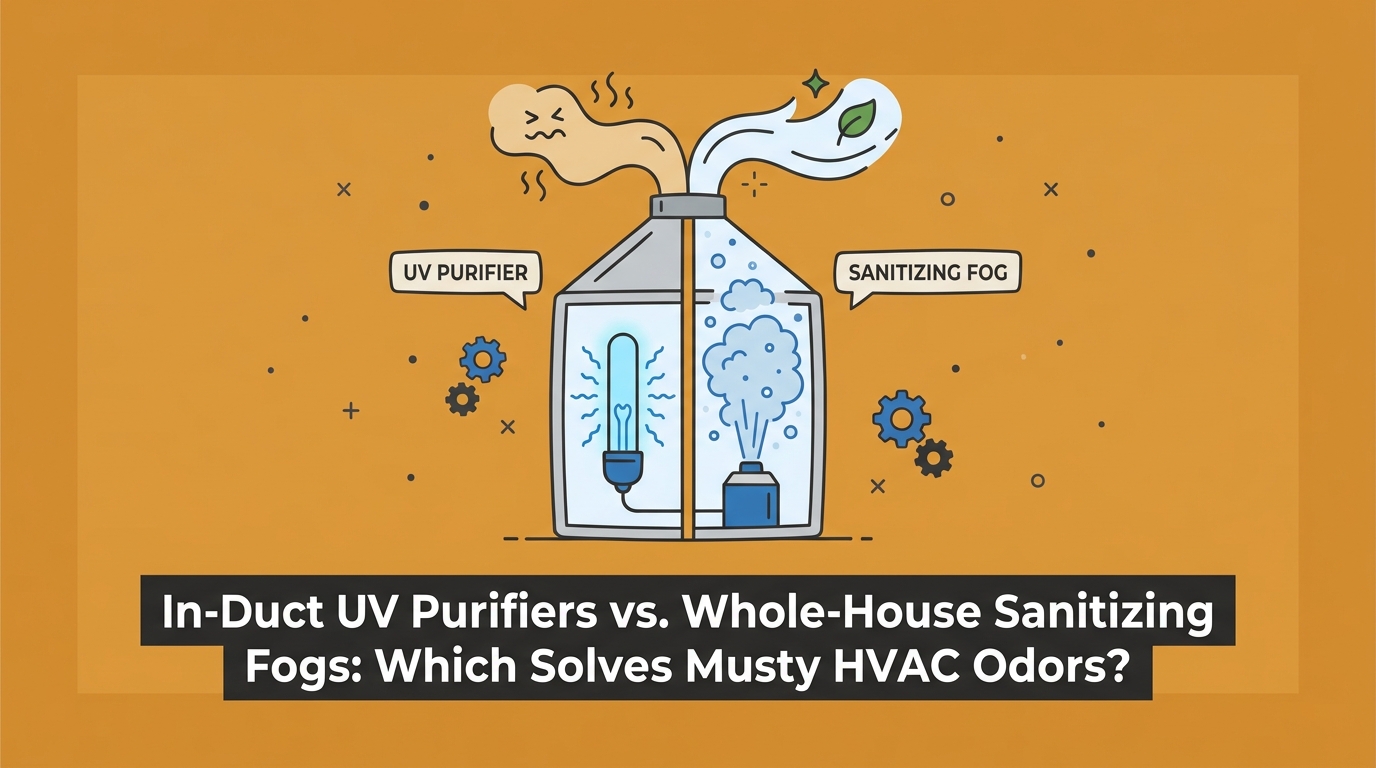
This moisture, combined with organic dust, is the perfect recipe for mold and mildew growth. Many residents find that Dirty Air Ducts Worsen Summer Allergies, but it isn't just pollen—it's the microscopic mold spores and dust mites thriving in the damp environment. Without proper humidity control and clean pathways for air to travel, your air conditioner might be blowing more than just cool air; it could be distributing allergens throughout every room in your house.
Winter Inversions and the "Lid" Effect on Pollutants

If you live in a valley—which many of us in Allegheny County and Westmoreland County do—you’ve likely seen a winter inversion without knowing what it was. A temperature inversion happens when a layer of warm air settles over a layer of cooler air near the ground. This warm air acts like a literal lid, trapping all the outdoor pollution in the valley with us.
During these inversions, PM2.5 (fine particulate matter), vehicle exhaust, industrial emissions, and wood smoke from fireplaces cannot rise and disperse. Instead, they sit at ground level. Because no home is perfectly airtight, these concentrated outdoor pollutants are pushed into your living space. This makes Air Quality Improvement a community-wide challenge. When the local news issues a "Code Orange" air quality alert, it’s a sign that the "lid" is on, and your indoor air is likely taking a hit from the stagnant air outside.
The Industrial Legacy and Geographic Traps of Western PA
Western Pennsylvania and Northeast Ohio have a proud industrial history, but that legacy comes with ongoing environmental challenges. In cities like Pittsburgh and Youngstown, the geography of the Ohio River Valley and the surrounding ridges creates a natural trap for pollutants. This isn't just a historical problem; it’s a present-day reality for Indoor Air Quality in Youngstown Homes.
Older buildings, including many residential homes and Indoor Air Quality concerns in Schools, may still contain legacy pollutants like asbestos or lead paint dust. When the Pennsylvania climate causes extreme shifts in temperature, these materials can degrade or become disturbed by aging HVAC systems. Furthermore, urban heat islands in our more populated areas can double the rate of ozone formation for every 10-degree increase in temperature, leading to "compound health risks" where heat stress and poor air quality hit residents simultaneously.
Practical Steps to Protect Your Home and Health
Taking control of your environment requires a multi-pronged strategy. You can't change the Pennsylvania weather, but you can change how your home reacts to it.
| Solution | Primary Function | Best Used For |
|---|---|---|
| HEPA Air Purifiers | Traps 99.97% of particles (0.3 microns) | Smoke, dander, and fine dust |
| Dehumidifiers | Maintains humidity between 30-50% | Preventing mold and dust mites |
| Mechanical Ventilation | Exchanges stale indoor air for fresh air | Reducing radon and VOC buildup |
| Professional Duct Cleaning | Removes source contaminants | Air Duct Cleaning Boosts IAQ |
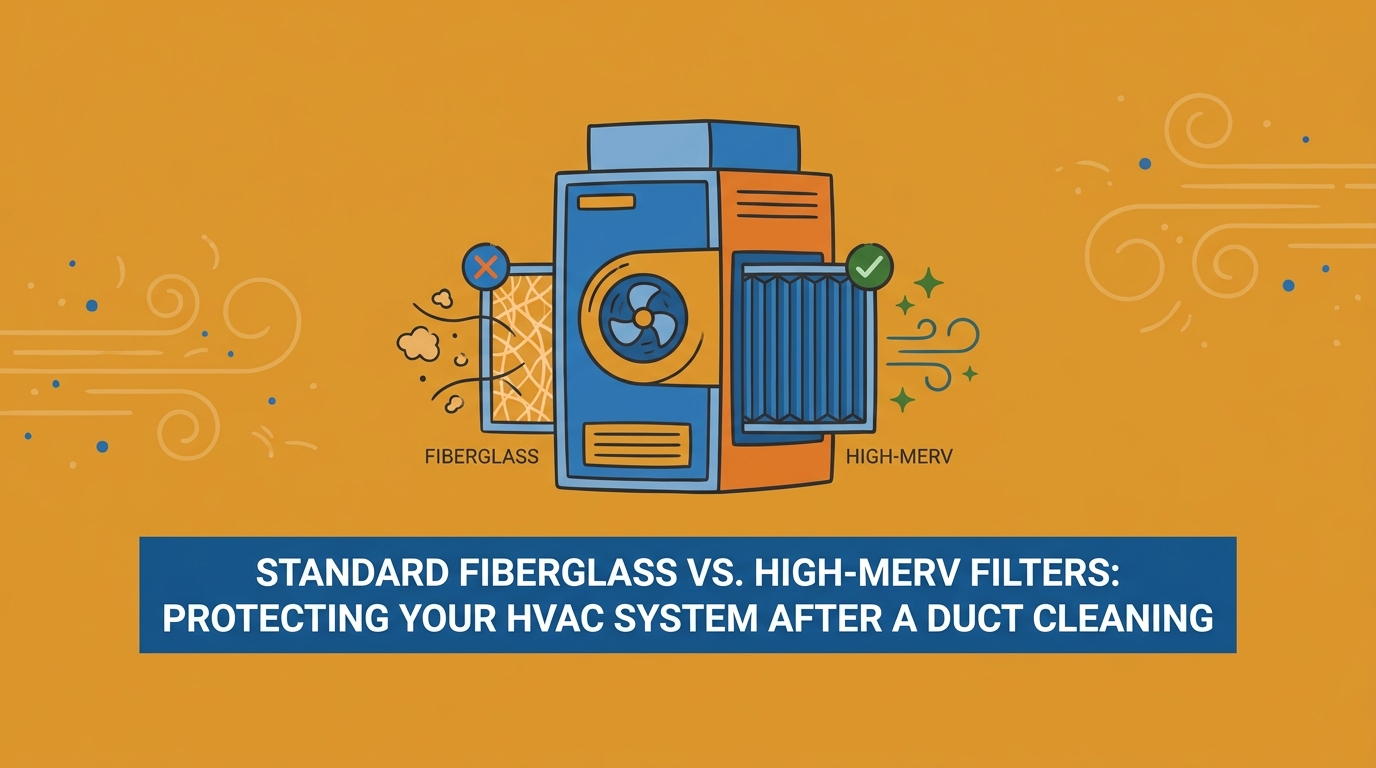
We recommend following ASHRAE 62.2 standards for residential ventilation, which ensures a consistent flow of fresh air. However, ventilation only works if the pathways are clean. Implementing Indoor Air Quality Solutions like high-MERV rated filters can help, but they can also restrict airflow if the system isn't designed for them. If you're wondering What Are Some Services That Can Improve Air Quality in My Home in Allegheny County PA, start with a professional inspection to ensure your system isn't actually contributing to the problem.
Maintaining HVAC efficiency in Cranberry Township and Boardman
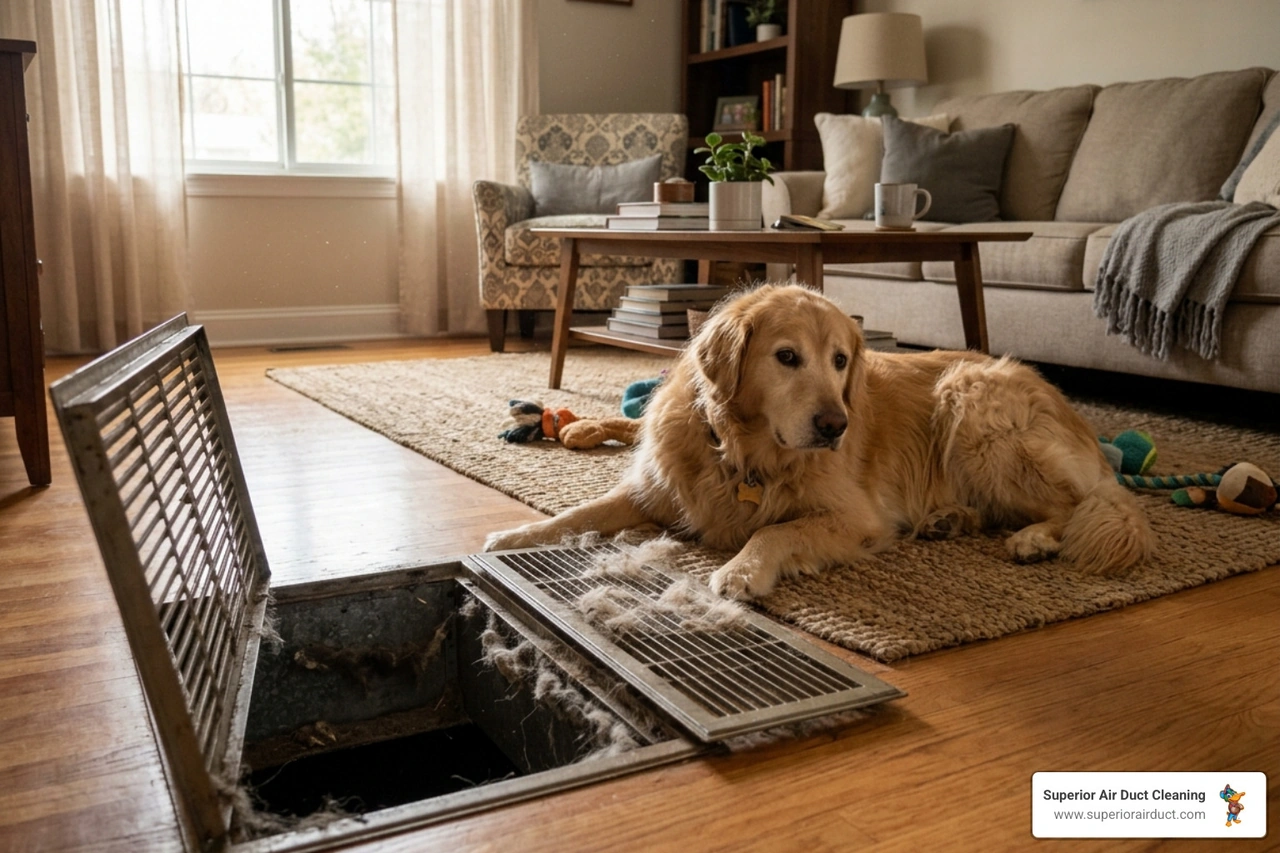
In areas like Cranberry Township, PA, and Boardman, OH, the seasonal "tug-of-war" on your HVAC system is intense. To keep your system running efficiently and your air clean, seasonal tune-ups are non-negotiable. You should Improve Air Quality with Clean Ducts by removing the pounds of dust that accumulate over a single year of heavy heating and cooling use.
For business owners, the stakes are even higher. You can Enhance IAQ with Commercial Duct Cleaning to protect your employees and customers from the "sick building syndrome" often caused by neglected ventilation in our variable climate. Regular maintenance doesn't just improve health; it extends the longevity of your expensive HVAC equipment and leads to significant energy savings.
Frequently Asked Questions about Pennsylvania IAQ
Why is radon so common in Pennsylvania homes?
Pennsylvania sits on geological formations rich in uranium. As that uranium decays, it releases radon gas. Because the gas is heavy and moves through the soil, it easily seeps into basements through cracks in the foundation or floor drains. Since we spend so much time with our homes sealed up against the cold, the radon levels can climb well above the 4 picocuries per liter action limit. This is why testing is mandatory in many real estate transactions and highly recommended for all homeowners.
How does summer heat increase indoor ozone?
Ozone isn't just in the upper atmosphere; ground-level ozone is a harmful pollutant. It's created by photochemical reactions between nitrogen oxides and VOCs in the presence of heat and sunlight. The "10-degree rule" suggests that for every 10-degree rise in temperature, the rate of ozone formation can double. During a Pennsylvania heat wave, these outdoor ozone levels spike and eventually infiltrate your indoor air, causing respiratory irritation.
When should I schedule air duct cleaning in Western PA?
Generally, we recommend professional cleaning every 3 to 5 years. However, our climate often demands more frequent attention. You should look into Air Duct Sanitizing for Allergies Youngstown OH if you notice excessive dust or if family members have unexplained respiratory issues. Other triggers for immediate cleaning include:
- Post-renovation: Construction dust is notorious for settling in ducts.
- Visible Mold: If you see growth on vents, it's likely inside the ducts too.
- Seasonal Allergies: Learn about the Dirty Ducts and Allergy Symptoms Connection to see if your home is making you sick.
- New Seasons: Discover How Whole Home Sanitization Staves Off Fall Allergies before the "lid" of winter closes in.
Conclusion
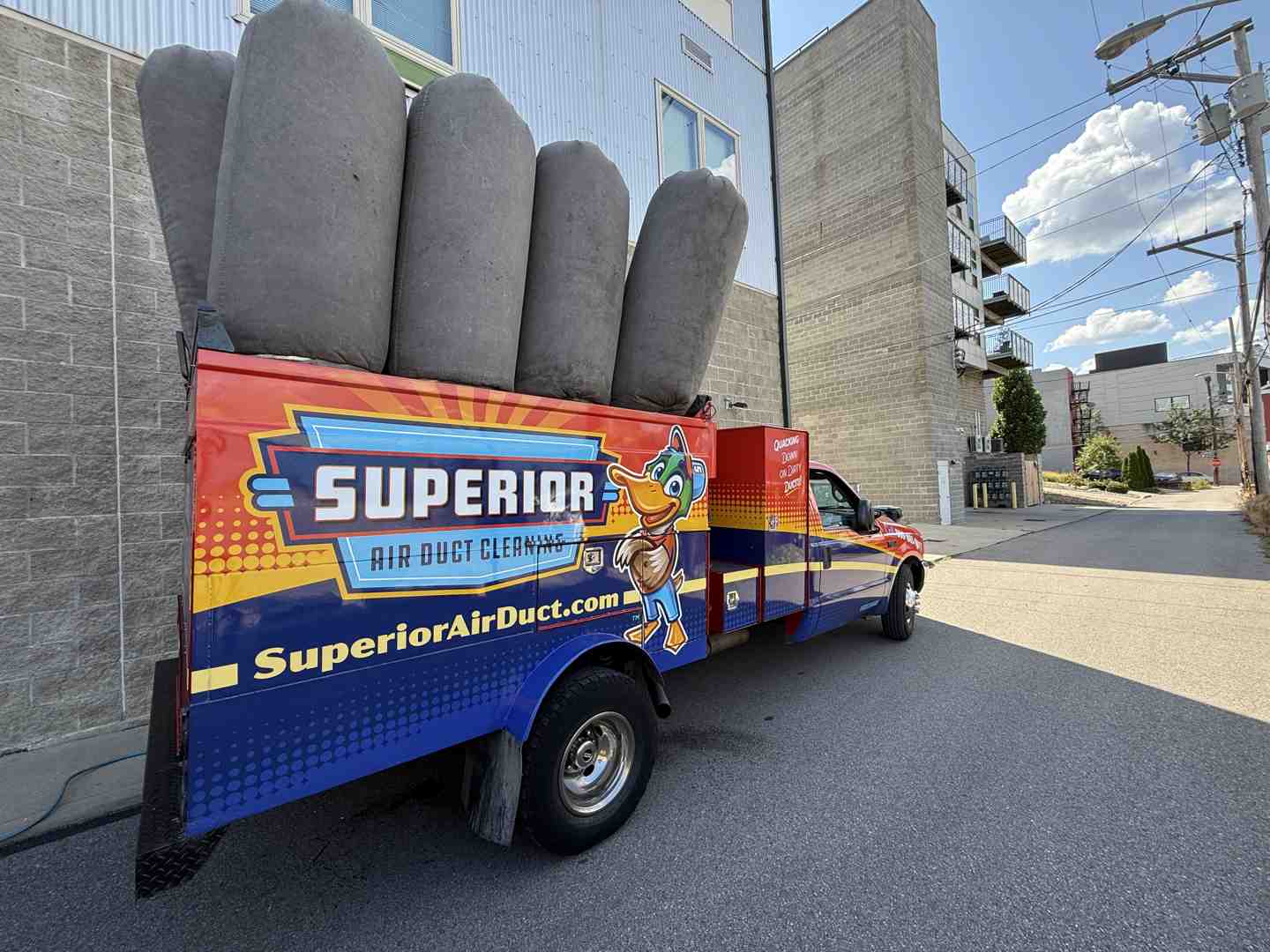
The Pennsylvania climate is beautiful, but it is undeniably tough on your home's air quality. From the radon-trapping freezes of winter to the mold-inducing humidity of summer, your indoor environment is under constant assault. At Superior Air Duct Cleaning, we are dedicated to helping our neighbors in Western Pennsylvania and Northeast Ohio breathe easier. Whether you need residential duct cleaning in Allegheny County or commercial solutions in Mahoning County, we provide the expertise needed to combat regional air quality challenges.
Don't let the Northeast weather mess with your lungs any longer. Take a proactive step toward Air Quality Improvement today and ensure your home is a true sanctuary, no matter what it's like outside.

Customer Reviews


Superior Air Duct cleaning did a phenomenal job in a timely manner with the tech “Rich” being very professional ,personable and considerate of our property! He explained things as he proceeded and answered all our questions!
I LOVE that they provide before & after photos to see the difference. Give them a try… you won’t regret it
Pam T.
Robert was on schedule and communicated what time he would arrive. He was polite, professional, and respectful of our home. I wanted to wait a couple weeks before posting a review because I wanted to see if the duct cleaning actually made a difference. I am happy to say it did! I vacuum multiple times a week and have already noticed a significant reduction in the amount of dust cleaned up each time. As a home with pets, there will always be something to clean, but getting the ducts cleaned has definitely helped improve the air quality and reduce the dust.
alice A.
Technician Rob arrived early explained the days agenda and then proceeded to work methodically and meticulously over the next 6+ hours cleaning my ductwork. Courteous and professional they answered all of my questions and went above and beyond the call of duty. They even located an old dusty box of rat poison buried in our vents. My only regret is not finding these guys sooner. As a realtor of 22 years and owner of a newly purchased (now dust free) home I highly recommended!
Eric K.
Excellent service! I’ve used them to clean out my air ducts as well as my dryer vent duct and they are excellent. I was very pleased with both jobs and will continue to use them in the future. Great communication as well- from the time I scheduled the appointment until they were at my door.
Erika C.
We had such an amazing experience with Superior Air Duct Cleaning. They were so nice and friendly and did an amazing job. I loved seeing the before and after pictures. Besides doing an amazing job cleaning our air ducts they were so quick at responding and setting up the appointment. We will definitely be using them in the future.
Amanda C.