Summer Mold Risk in Your Ductwork Is Real — Here's What You Need to Know Fast
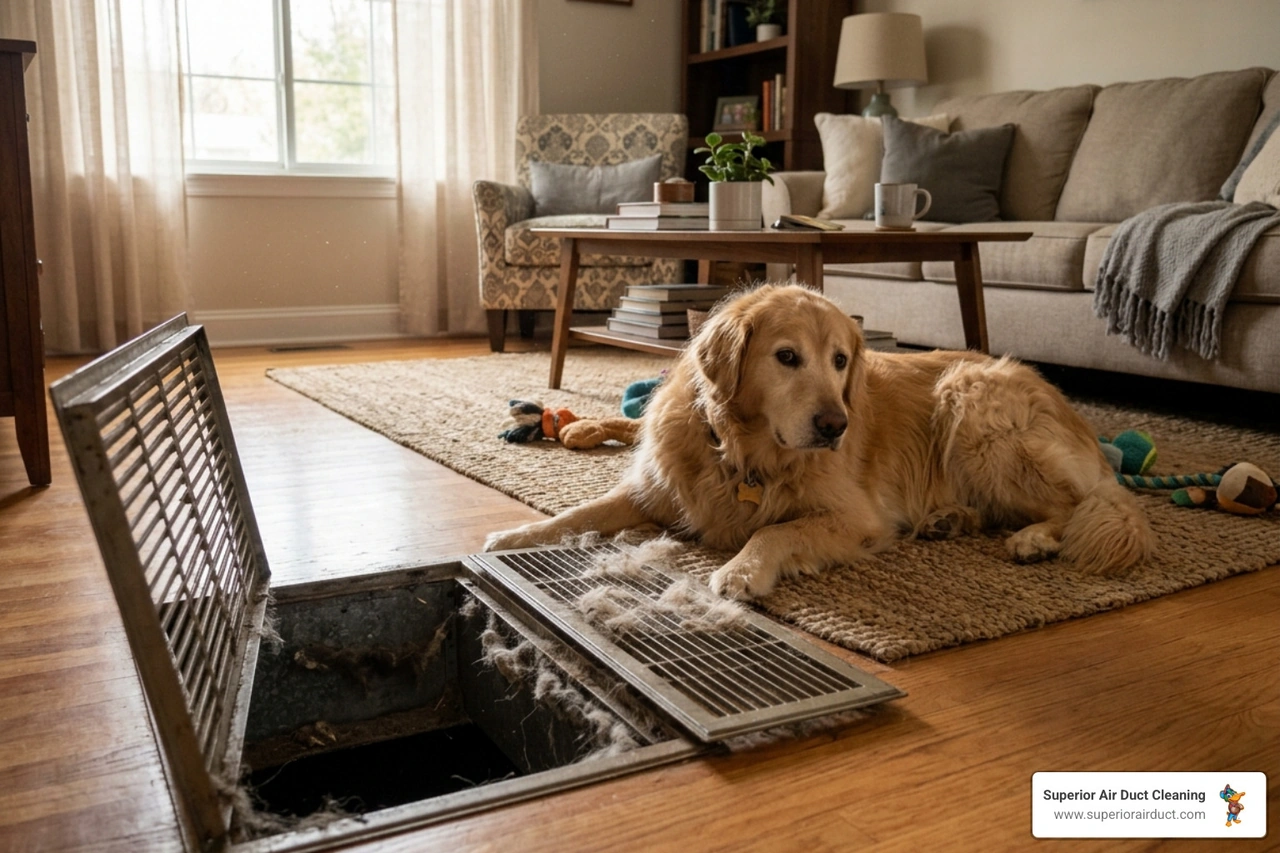
Summer mold risk in your ductwork is one of the most overlooked threats to indoor air quality that homeowners in Western Pennsylvania and Northeast Ohio face every year. When outdoor temperatures climb and humidity spikes, the inside of your air ducts becomes one of the most hospitable environments imaginable for mold — dark, dusty, and frequently damp from your air conditioner's own condensation.
Here's the short version if you need answers now:
Key Facts About Summer Mold Risk in Your Ductwork
- Mold can begin growing within 24-48 hours when moisture is introduced to duct surfaces
- Indoor humidity above 50% is enough to trigger mold spore activation
- Common warning signs include musty odors when the AC turns on, unexplained allergy flare-ups, and dark residue around vent registers
- What to do: Keep indoor humidity between 30-50%, replace HVAC filters regularly, and schedule a professional duct inspection if you notice any warning signs
- Who is most at risk: Children, older adults, and anyone with asthma, allergies, or a compromised immune system
The problem is that mold in ductwork is almost never visible from the outside. By the time you smell it or feel it, colonies may already be circulating spores through every room in your home every time your system runs. In Pittsburgh, Boardman, and the surrounding region, where summers bring genuine humidity pressure, this is not a theoretical concern — it's a seasonal reality.
Understanding how and why this happens is the first step toward protecting your home and the people inside it.
Why Summer Humidity Increases Summer Mold Risk in Your Ductwork
As we head into April 2026, many of us in the Allegheny and Mahoning Valley regions are already preparing for the inevitable humidity that hits our area. But while we focus on our lawns and patios, a invisible battle is brewing inside our walls. The primary driver of summer mold risk in your ductwork is the interaction between hot, humid air and your cold HVAC components.
When warm air from your home passes over the cold evaporator coils in your air handler, it reaches its "dew point." This causes the air to release moisture, which is supposed to be collected and drained away. However, if the humidity is too high or the system is struggling, that moisture can linger. When you combine this water with the organic dust (dead skin cells, pet dander, and pollen) that naturally settles in ducts, you’ve essentially created a five-star buffet for mold spores.
We often see that the temperature differential between the air inside the duct and the air in an unconditioned space, like a hot attic in Washington County or a damp basement in Beaver County, causes the metal ductwork to "sweat." This external and internal condensation is the spark that ignites mold growth.
To help you visualize the danger, look at how humidity levels directly impact the speed at which these uninvited guests move in:
| Humidity Level | Mold Growth Speed | Spore Activation Window |
|---|---|---|
| Below 50% | Dormant / Minimal | Spores remain inactive |
| 50% - 60% | Slow to Moderate | Activation starts within 72 hours |
| Above 70% | Rapid / Aggressive | Activation within 24–48 hours |
For a deeper dive into managing these moisture levels, you can read how Superior Air Duct Explains How to Prevent Moisture in Air Ducts.
The Role of AC Condensation in Summer Mold Risk in Your Ductwork
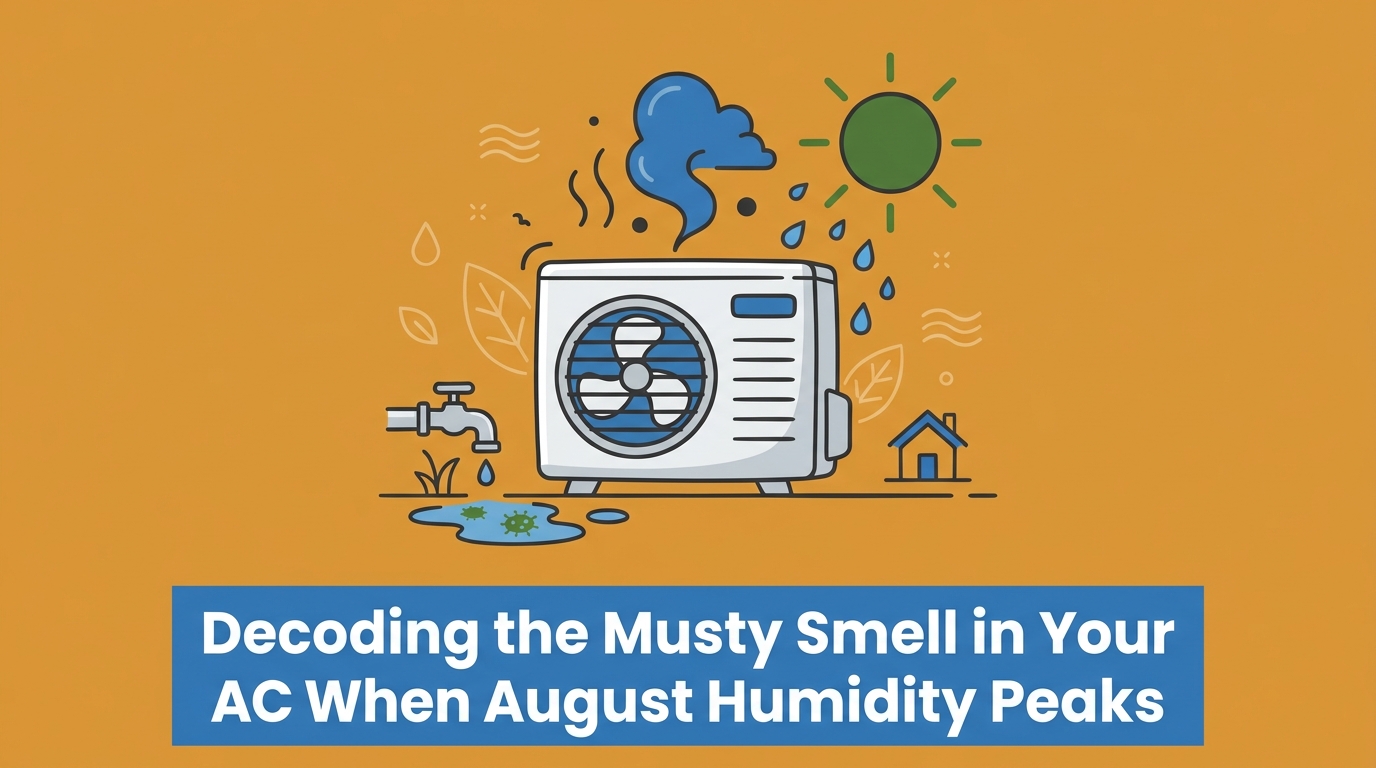
Your air conditioner is actually a giant dehumidifier. As it cools your home in Cranberry Township or Youngstown, it pulls gallons of water out of the air. This water collects in drip pans and travels through drain lines. If these lines become clogged with "biofilm" or sludge, that standing water provides the perfect high-moisture zone right next to your blower motor.
Every time your cooling cycle kicks on, the fan blows air across these damp areas. If mold has started to colonize the drip pan or the nearby insulation, those spores are immediately picked up and distributed into your bedrooms and living spaces. This is why frequent HVAC cycling during a humid July is such a high-risk period.
How High Humidity Triggers Summer Mold Risk in Your Ductwork
In Western PA and NE Ohio, we often experience "sticky" summers where the relative humidity rarely drops below 60%. Once indoor humidity crosses that 50% threshold, mold spores—which are always present in small amounts—"wake up."
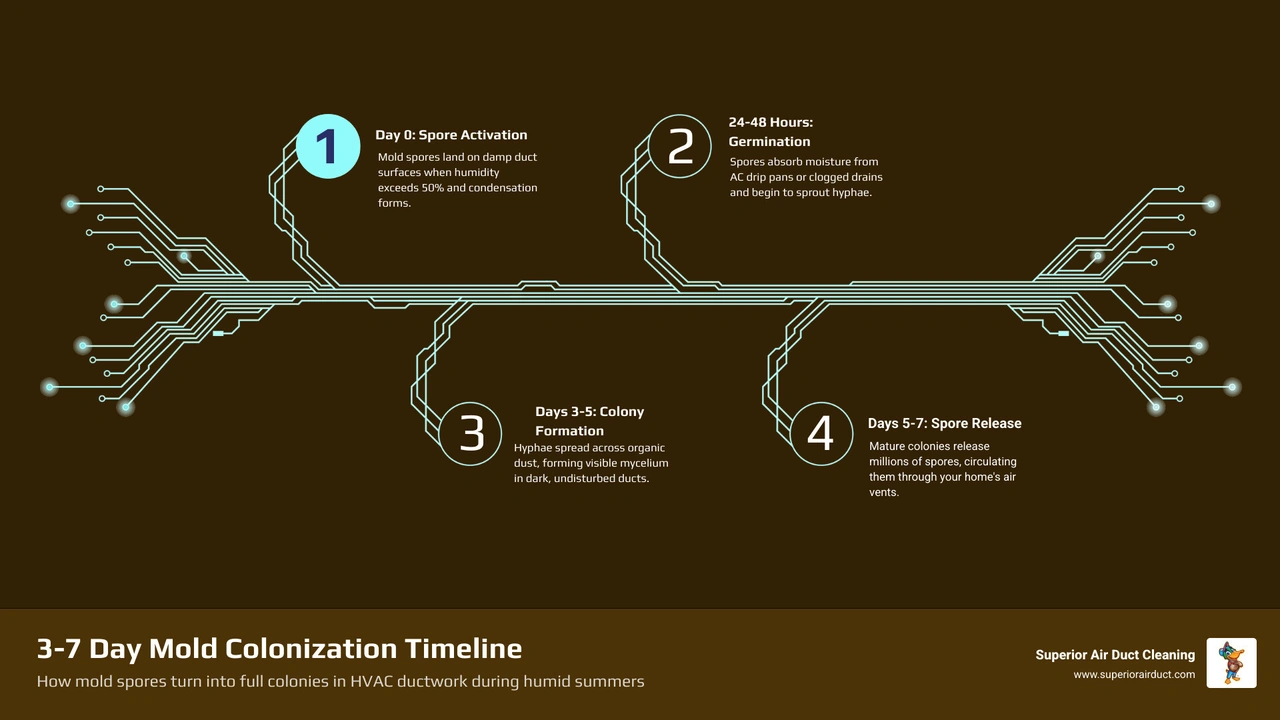
Think of mold spores like tiny seeds. They can sit in a dry duct for years doing nothing. But as soon as the humidity spikes and provides that 24-48 hour window of moisture, they germinate. Within 3 to 7 days, they form visible colonies. By the two-week mark, they can infiltrate the porous linings of your flex ducts, making them much harder to remove without professional intervention.
Identifying the Signs of Mold in Your HVAC System
Because your ductwork is hidden behind drywall and floorboards, you have to rely on your other senses to detect a problem. We often tell our clients in Aliquippa and Boardman to act like detectives. If you suspect something is wrong, you're usually right.
One of the most common indicators is a distinct "musty" or "earthy" smell that occurs only when the AC is running. This is caused by microbial volatile organic compounds (mVOCs)—essentially the "off-gassing" of mold as it grows and consumes organic material. If the smell disappears a few minutes after the system turns off, the source is likely inside the vents.
You should also keep an eye out for visible discoloration. This isn't always fuzzy green growth; it often looks like black "speckling" or dark streaks around the edges of your supply registers. To learn more about what you might be looking at, check out our guide on Superior Air Duct Cleaning Common Mold Types Found in Air Ducts.
Health Symptoms and Indoor Air Quality
Sometimes, your body notices the summer mold risk in your ductwork before your nose does. If you find that your "seasonal allergies" seem to get worse when you're hanging out in the living room, or if you wake up with a stuffy nose and a scratchy throat that clears up once you go to work, your HVAC system might be the culprit.
Common symptoms include:
- Unexplained coughing or wheezing
- Persistent eye, nose, or skin irritation
- Frequent headaches that coincide with AC usage
- Increased asthma attacks in children or the elderly
For those with compromised respiratory systems, the impact of breathing in concentrated spores can be severe. We’ve detailed more of these warning signs in our post where Superior Air Duct Cleaning Identifies Symptoms of Mold Exposure. Taking steps to Eliminate Mold - Clean Air Ducts is often the fastest way to restore a healthy environment.
Preventative Measures for Homeowners in Pittsburgh and Boardman
Prevention is always more cost-effective than remediation. In our local climate—stretching from Butler County down to Hancock County, WV—moisture control is your best defense.
The first step is monitoring. We recommend every homeowner keep a small, inexpensive tool called a hygrometer in their home. This device measures relative humidity. Your goal is to keep that number between 30% and 50%. If it consistently creeps above 50%, it’s time to run a dehumidifier, especially in basements or areas with poor airflow.
Here are some other Easy Ways to Keep Your Home Mold-Free:
- Filter Maintenance: Change your HVAC filters every 1-3 months. During a heavy cooling season in Youngstown or Pittsburgh, check them monthly. A clogged filter restricts airflow, which causes the evaporator coil to get even colder and create more condensation.
- Use Exhaust Fans: Always run your bathroom and kitchen fans during and for 20 minutes after showering or cooking. These activities are major contributors to indoor humidity. You can learn more about this in our article where Superior Air Duct Explains 5 Household Appliances That Can Cause Mold Growth.
- Clear the Drain Lines: Ensure your AC condensate line is flowing freely. If you see water pooling around your indoor unit, call a professional immediately.
Long-Term Strategies for Mold Prevention
If you live in an older home in Westmoreland County or an area with high outdoor humidity like the Ohio River valley, you might need more robust strategies.
Duct Insulation: If your metal ducts are located in an unconditioned attic or crawlspace, they should be properly insulated. This prevents the "sweating" effect that occurs when cold air inside meets the hot, humid air outside.
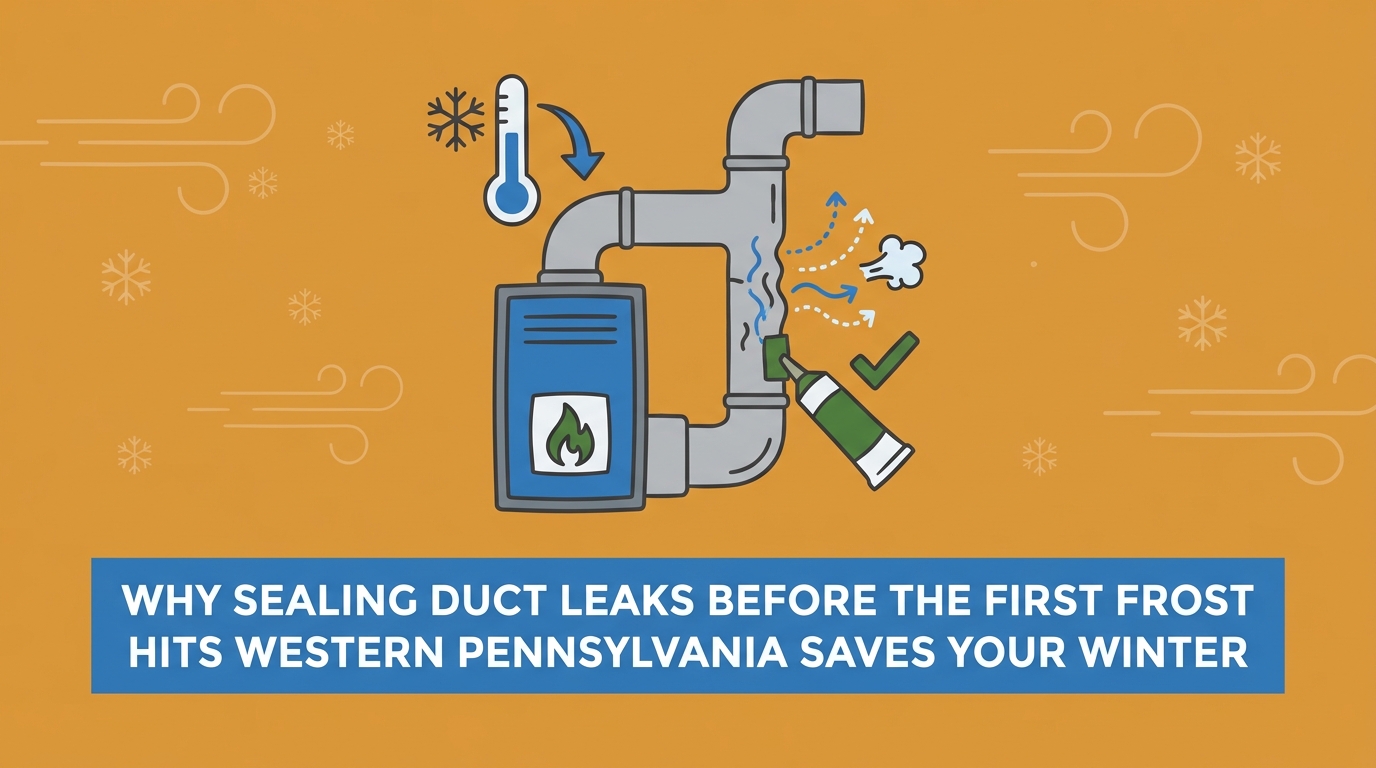
Sealing Leaks: Small gaps in your ductwork can pull in humid, dusty air from your attic or walls. Sealing these leaks ensures that only filtered, conditioned air is circulating through your home.
Airflow Optimization: Ensure that all supply and return vents are open and unobstructed. Closing off rooms can actually unbalance the system, leading to pressure changes that encourage moisture buildup in the ducts.
Professional Inspection and Remediation Strategies
If you’ve already spotted signs of growth, DIY cleaning with a shop vac or household bleach is not recommended. In fact, using bleach can actually make the problem worse; it’s mostly water, which can soak into porous surfaces and provide even more moisture for the mold to thrive on, and the chemicals can corrode metal ducts.
A professional Air Duct Mold Removal process involves several critical steps:
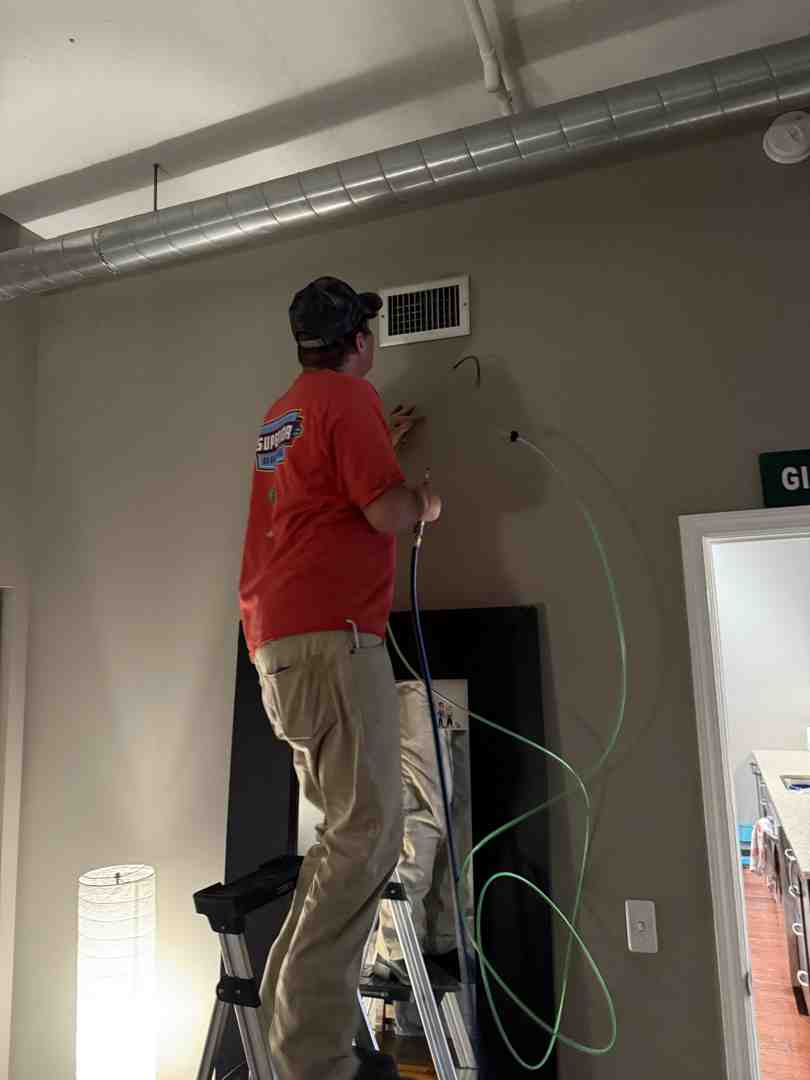
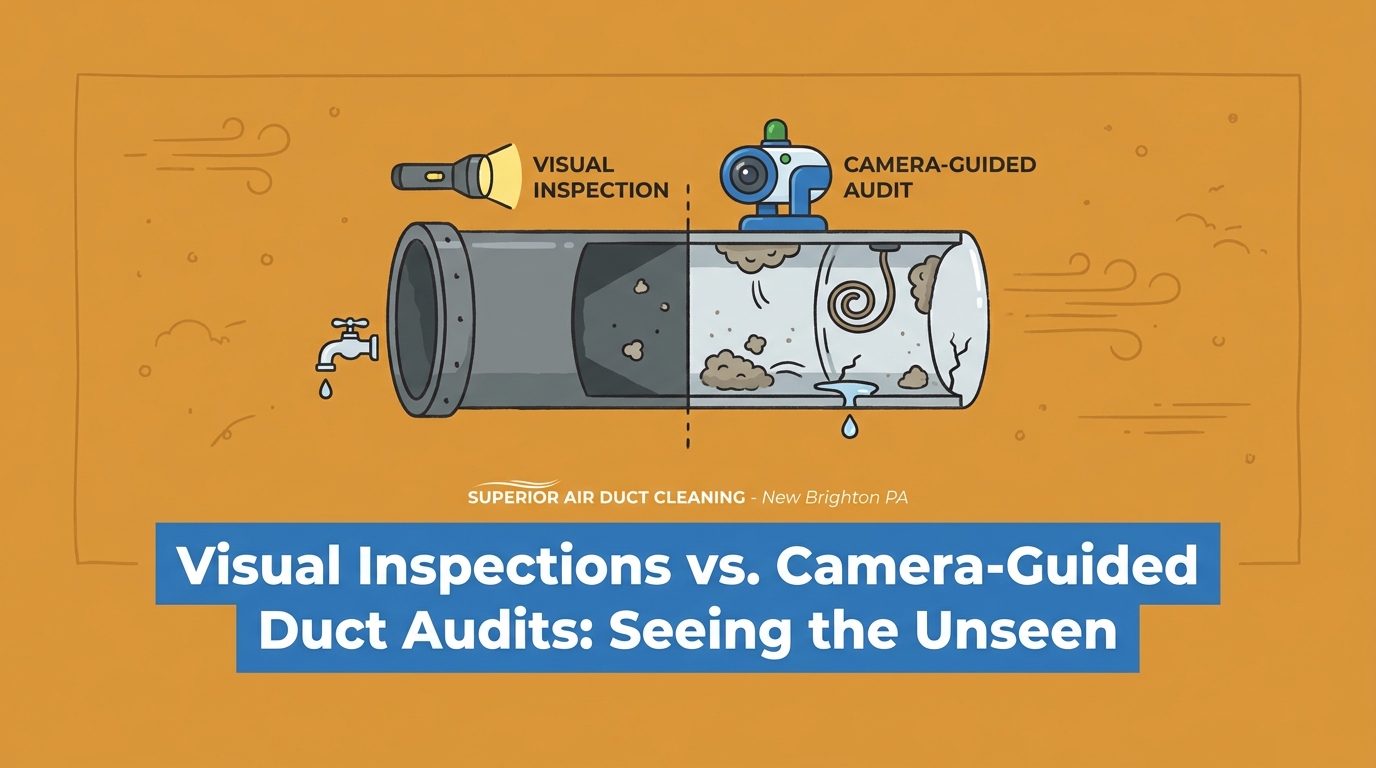
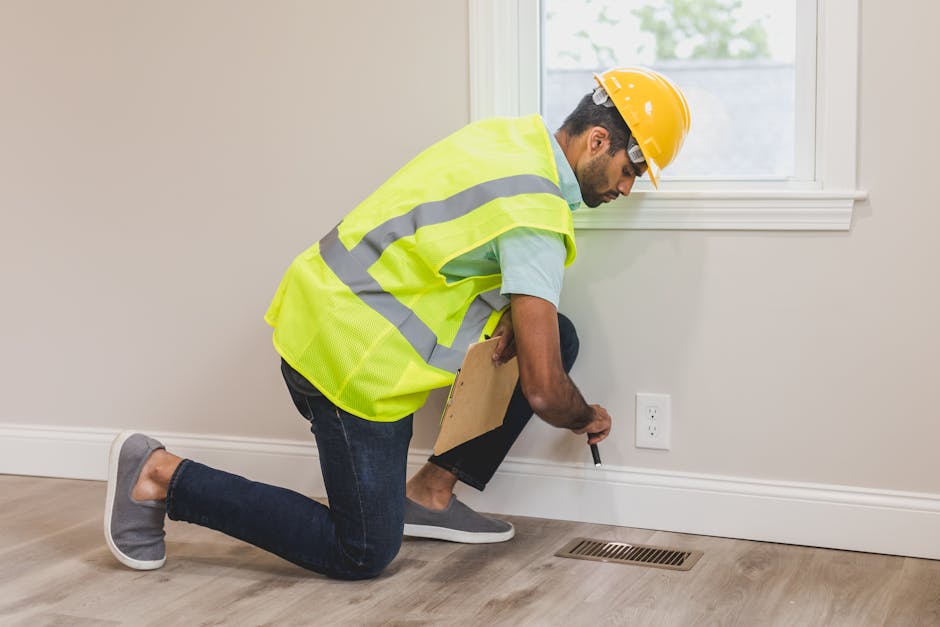
- Visual Scope Inspection: We use high-definition cameras to see deep into the trunk lines and plenums where mold likes to hide.
- Containment: Before we start cleaning, we ensure the rest of your home is protected so that we don't accidentally spread spores during the process.
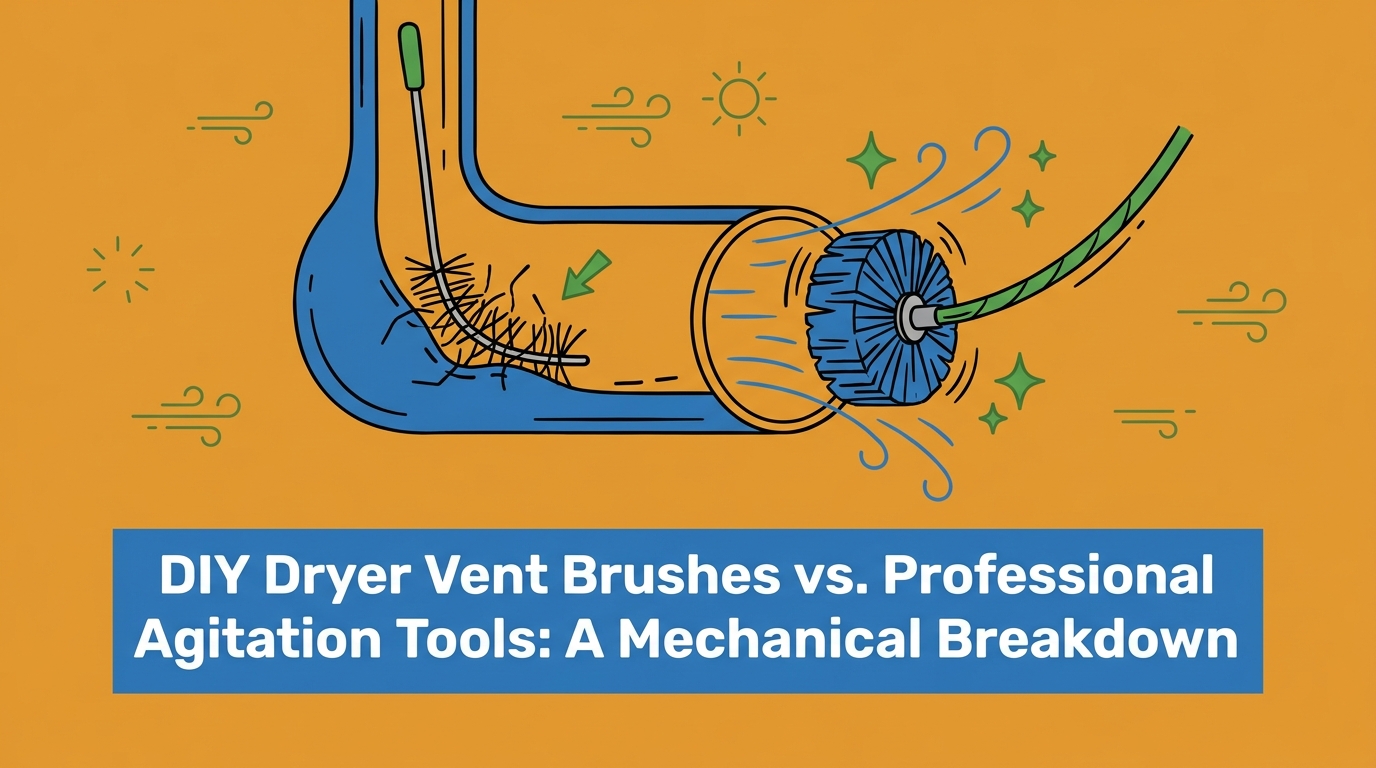
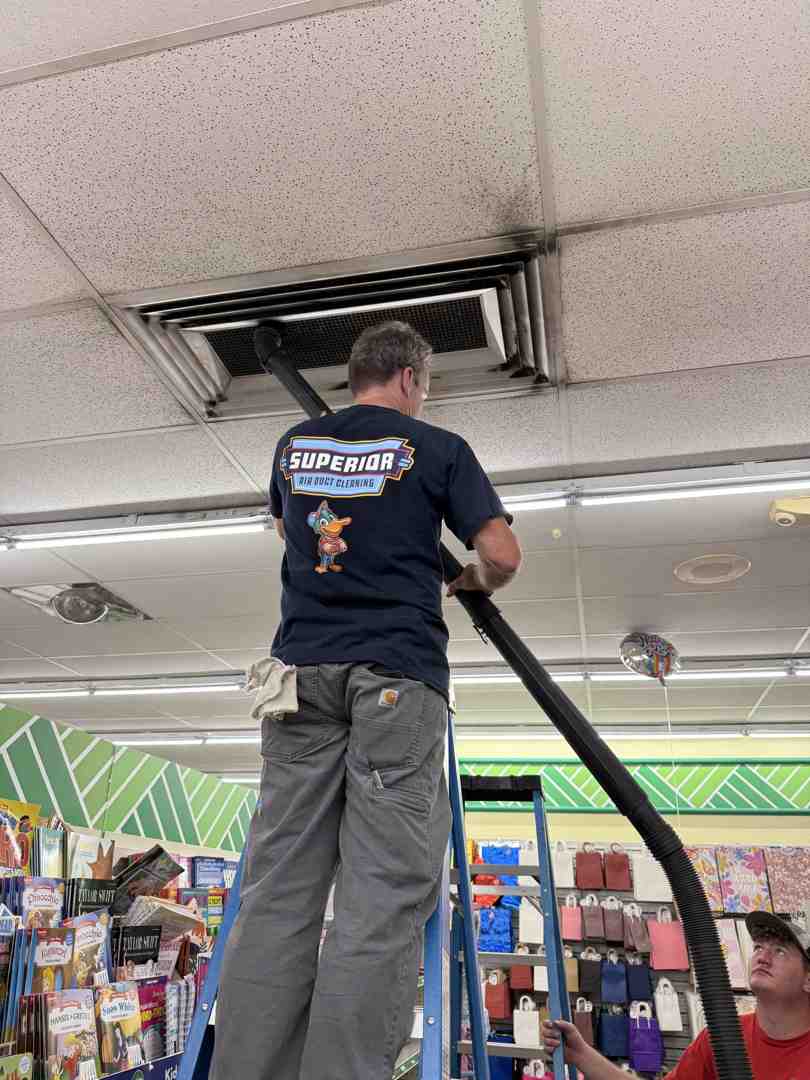
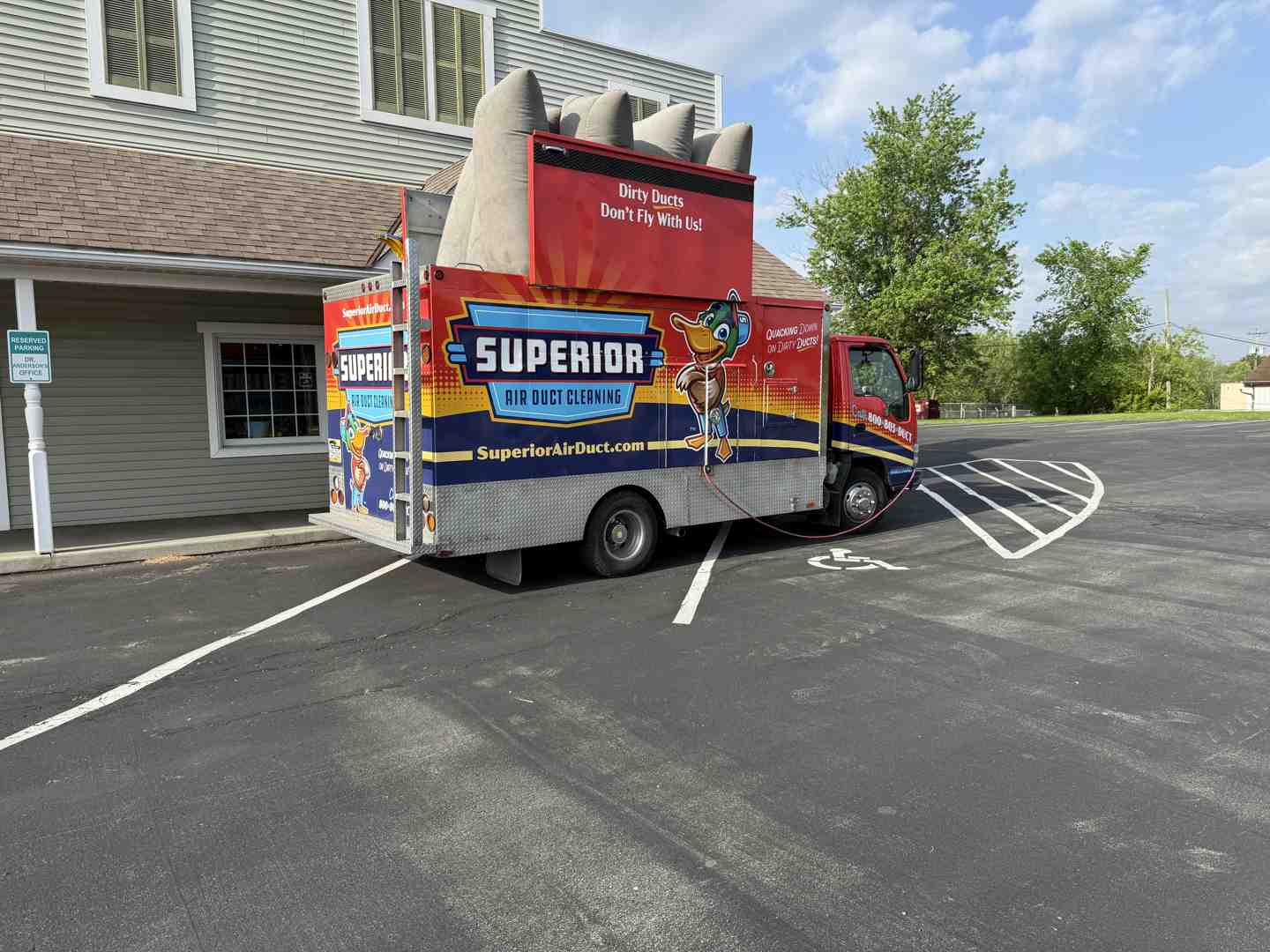
- Source Removal: Using powerful, truck-mounted HEPA vacuums and specialized agitation tools, we physically remove the mold and the dust it feeds on.
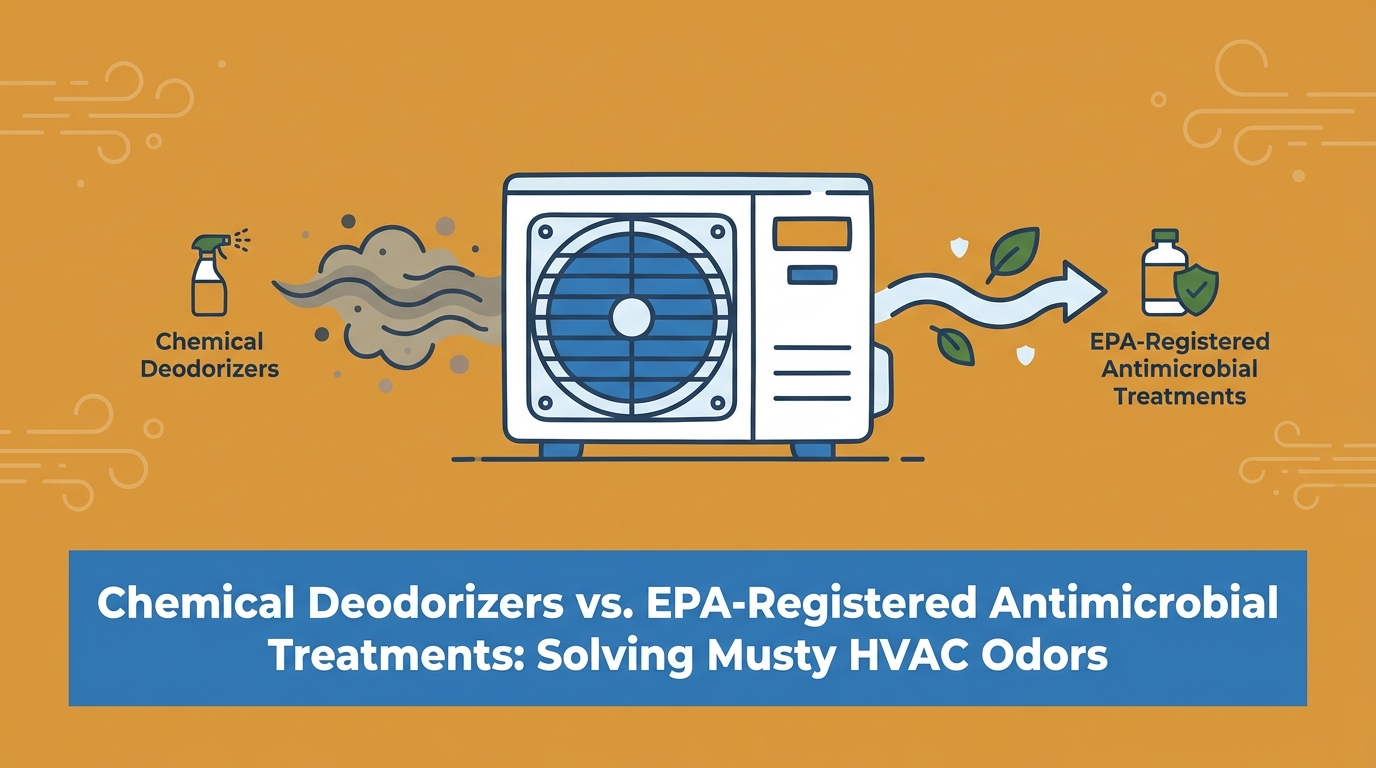
- Sanitization: We apply EPA-registered antimicrobials specifically designed for use in HVAC systems to kill any remaining microscopic spores.
When to Choose Duct Replacement Over Cleaning
While most metal ductwork can be thoroughly cleaned and sanitized, there are times when replacement is the safer, more effective choice. This is particularly true for:
- Fiberglass Liners: If the internal yellow or black insulation inside your ducts becomes saturated with mold, it’s impossible to clean completely. The mold roots itself into the fibers.
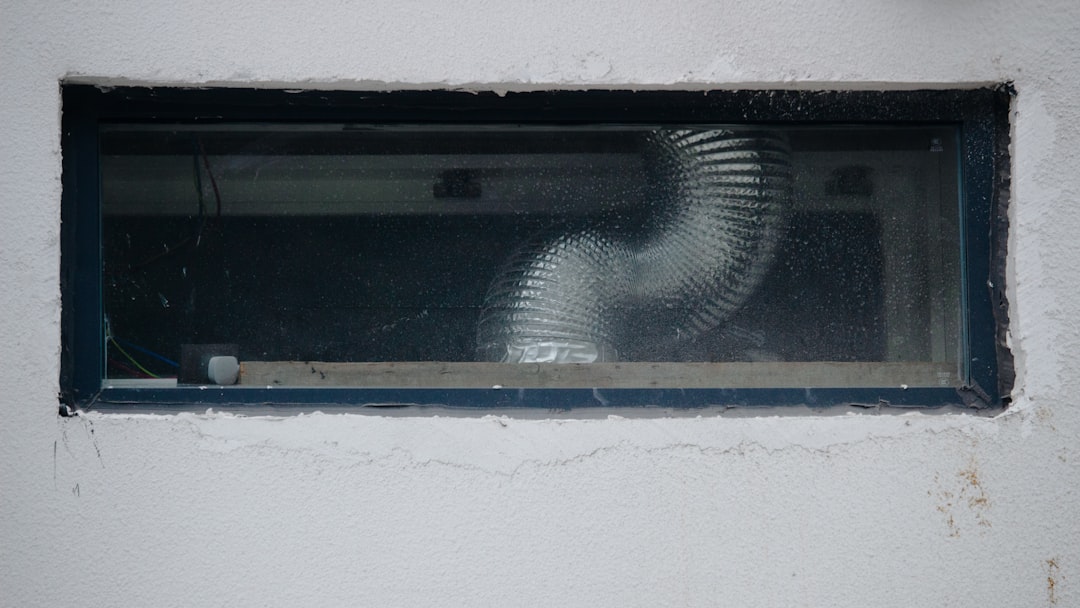
- Flex Ducts: If mold has infiltrated more than a few feet of flexible ducting, the structural integrity of the plastic and wire can be compromised by the cleaning process, and replacement is often more efficient.
- Severe Structural Damage: If standing water has sat in the ducts long enough to cause rust or "pitting" in the metal, those rough surfaces will just trap more dust and moisture in the future.
Frequently Asked Questions about Summer Mold
How quickly can mold spread in my air ducts during a humid July?
Under ideal summer conditions (high humidity and temperatures between 70-90°F), mold spores can activate in as little as 24 to 48 hours. Once they take hold, they can form visible colonies within 3 to 7 days and potentially spread through your entire ventilation system within two weeks.
Will running my HVAC fan on "Auto" help prevent mold growth?
Yes, using the "Auto" setting is generally better for humidity control than the "On" setting. When the fan is set to "On," it continues to blow air over the wet evaporator coil even when the cooling cycle is finished. This can actually re-evaporate the moisture back into your home, raising the humidity. However, some modern systems have a "fan delay" that runs the fan for just a few minutes after the cycle to dry the coil—this is the ideal middle ground.
Can I use household bleach to kill mold inside my ductwork?
We strongly advise against this. Bleach is not EPA-approved for use in ductwork. It is highly corrosive to metal and can damage the seals in your system. Furthermore, bleach is 90% water; while it may kill the surface mold on non-porous metal, the water can soak into nearby dust or insulation, actually fueling the return of the mold.
Conclusion
Protecting your home from summer mold risk in your ductwork is about more than just a clean house—it’s about the health of your family and the efficiency of your HVAC system. Mold restricts airflow, forcing your unit to work harder and driving up those summer energy bills in Mahoning County and Allegheny County.
At Superior Air Duct Cleaning, we serve our neighbors throughout Western Pennsylvania, Northeast Ohio, and the Northern Panhandle of West Virginia. From New Brighton to Boardman and everywhere in between, we provide the professional tools and expertise needed to identify, remove, and prevent mold growth.
Don't let hidden mold ruin your summer comfort. Breathe easier with professional air quality solutions in your local community by scheduling an inspection today. Whether you're in Pittsburgh, Beaver Falls, or Steubenville, we're here to make sure the only thing your AC blows is clean, fresh air.

Customer Reviews


Superior Air Duct cleaning did a phenomenal job in a timely manner with the tech “Rich” being very professional ,personable and considerate of our property! He explained things as he proceeded and answered all our questions!
I LOVE that they provide before & after photos to see the difference. Give them a try… you won’t regret it
Pam T.
Robert was on schedule and communicated what time he would arrive. He was polite, professional, and respectful of our home. I wanted to wait a couple weeks before posting a review because I wanted to see if the duct cleaning actually made a difference. I am happy to say it did! I vacuum multiple times a week and have already noticed a significant reduction in the amount of dust cleaned up each time. As a home with pets, there will always be something to clean, but getting the ducts cleaned has definitely helped improve the air quality and reduce the dust.
alice A.
Technician Rob arrived early explained the days agenda and then proceeded to work methodically and meticulously over the next 6+ hours cleaning my ductwork. Courteous and professional they answered all of my questions and went above and beyond the call of duty. They even located an old dusty box of rat poison buried in our vents. My only regret is not finding these guys sooner. As a realtor of 22 years and owner of a newly purchased (now dust free) home I highly recommended!
Eric K.
Excellent service! I’ve used them to clean out my air ducts as well as my dryer vent duct and they are excellent. I was very pleased with both jobs and will continue to use them in the future. Great communication as well- from the time I scheduled the appointment until they were at my door.
Erika C.
We had such an amazing experience with Superior Air Duct Cleaning. They were so nice and friendly and did an amazing job. I loved seeing the before and after pictures. Besides doing an amazing job cleaning our air ducts they were so quick at responding and setting up the appointment. We will definitely be using them in the future.
Amanda C.