Why Duct Cleaning Requirements for Commercial Properties Matter More Than You Think
Duct cleaning requirements for commercial properties are not one-size-fits-all — and if you manage or own a commercial building in Western Pennsylvania or Northeast Ohio, understanding what the rules actually say could protect your employees, your tenants, and your bottom line.
Here is a quick breakdown of the core requirements:
- NADCA ACR 2021 — The primary voluntary industry standard. Requires annual inspections of air-handling units, supply ducts, and return/exhaust ducts in commercial buildings. Cleaning is performed as needed based on inspection findings.
- ASHRAE Standard 62.1 — Sets minimum outdoor air ventilation rates for commercial spaces and ties indoor air quality directly to duct cleanliness.
- OSHA General Duty Clause — Requires employers to maintain a workplace free from recognized hazards, which includes contaminated HVAC systems.
- NFPA 96 — Mandates kitchen exhaust duct cleaning on a schedule ranging from monthly to annually, depending on cooking volume.
- EPA Guidance — Recommends duct cleaning when there is confirmed mold growth, pest infestation, debris restricting airflow, or visible dust being discharged from supply diffusers.
- CDC and industry guidelines — Healthcare and medical facilities should have ductwork cleaned every 12 to 18 months.
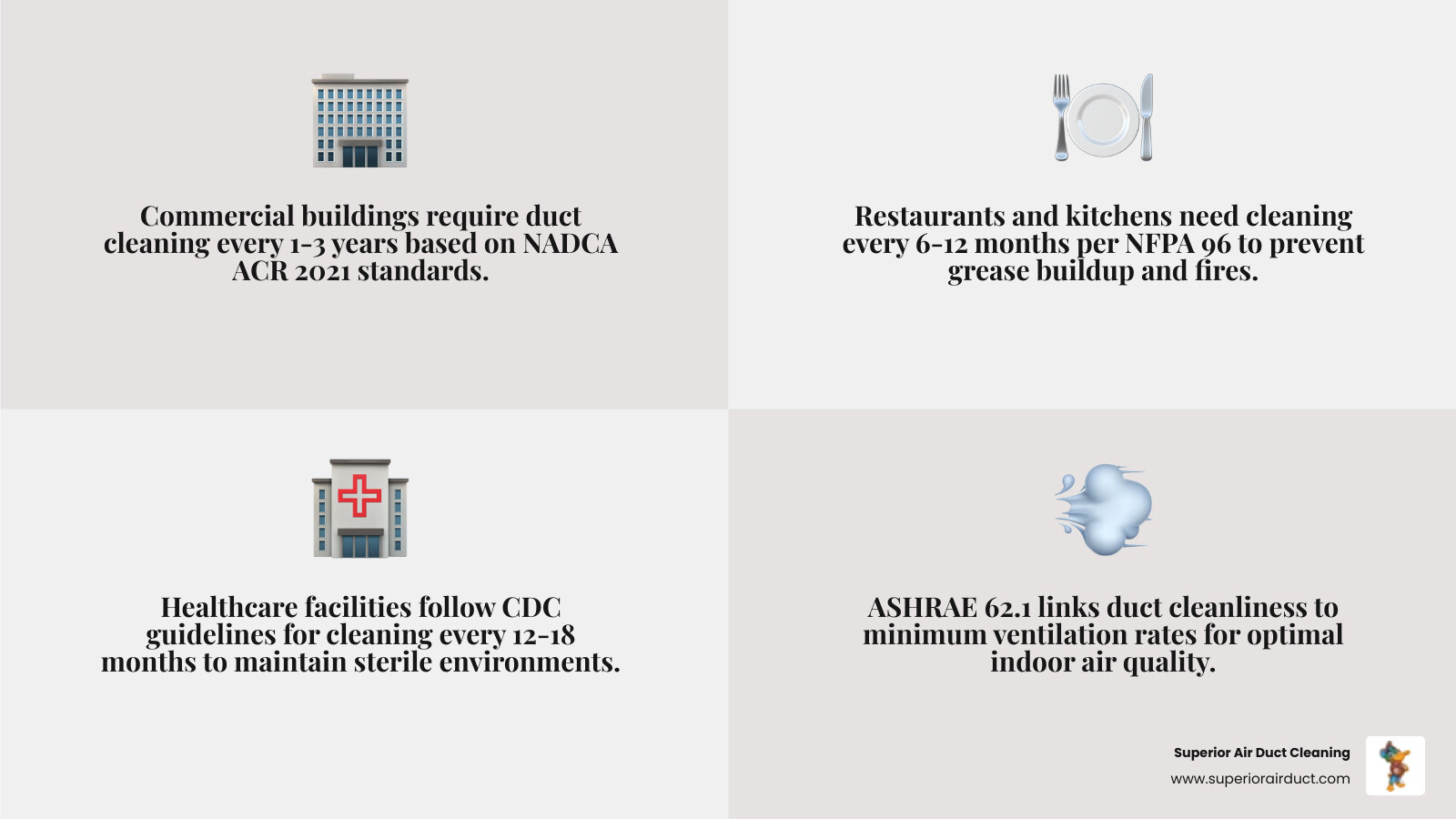
- General commercial cleaning cycles — Most commercial buildings: every 1 to 3 years. Restaurants and kitchens: every 6 to 12 months. Offices and retail: every 2 to 3 years. Industrial and manufacturing: every 1 to 3 years.
The EPA ranks indoor air pollution among the top five environmental risks to public health. For commercial building owners, that is not a statistic to ignore. A typical commercial HVAC system handles the air that every single person in your building breathes throughout the workday — and according to research, most people spend roughly 22 hours a day indoors.
Dirty ducts do not just affect air quality. They affect energy costs, equipment lifespan, employee health, and your ability to pass inspections. And yet, as one industry source bluntly notes, standard HVAC maintenance contracts often do not include duct cleaning at all — leaving facility managers unaware that their systems have gone years without proper service.
Whether you operate a restaurant in Pittsburgh, a medical office in Cranberry Township, or a retail space in Boardman, Ohio, the standards and expectations for clean commercial ductwork are real — and they carry consequences when ignored.
Understanding Duct Cleaning Requirements for Commercial Properties
When we discuss the duct cleaning requirements for commercial properties, we are looking at a complex web of safety standards and mechanical protocols. In the commercial world, "cleaning the ducts" isn't just about removing a few dust bunnies; it is a specialized engineering task that ensures the lungs of your building are functioning at peak capacity.
In April 2026, the industry continues to follow the NADCA ACR 2021 standard as the gold standard for HVAC restoration. This standard dictates that a professional cleaning must render HVAC components "free of visible contaminants." It isn't enough to just run a vacuum; the entire system—from the air handling unit (AHU) to the supply and return ducts—must be mechanically cleaned.
Furthermore, ASHRAE 62.1 provides the ventilation rates necessary to maintain acceptable indoor air quality (IAQ). If your ducts are choked with debris, your system cannot deliver the required outdoor air, leading to a violation of these critical standards. From a legal standpoint, the OSHA General Duty Clause serves as a backstop, requiring employers to provide a workplace free from recognized hazards. If a neglected HVAC system is circulating mold or toxic particulates, it could be classified as a workplace hazard.
For property managers in our service area—from Allegheny County to Mahoning County—understanding these Commercial Duct Cleaning standards is the first step toward long-term facility health.
How Duct Cleaning Requirements for Commercial Properties Differ by Industry
The "rules" change depending on what happens inside your four walls. A warehouse in Youngstown has vastly different needs than a surgery center in Pittsburgh.
- Healthcare and Medical: These facilities face the strictest oversight. Because patients are often immunocompromised, the CDC and OSHA provide stringent guidelines. Any accumulation of dust or bioaerosols is considered a critical risk.
- Food Service: Restaurants must navigate NFPA 96 standards. While most people think of the hood above the stove, grease vapors can migrate into the supply ductwork. If grease builds up, it becomes a major fire hazard.
- Industrial and Manufacturing: Facilities in places like Beaver Falls or Warren that deal with "combustible dust" or food particulates require quarterly or semi-annual cleanings to prevent explosions and contamination.
- Retail and Office: These are generally governed by high occupancy loads. The more people you have walking through a mall in Boardman or an office in Cranberry, the faster skin cells, hair, and outdoor pollutants clog the filtration and ductwork.
Compliance with Duct Cleaning Requirements for Commercial Properties in PA and OH
Compliance isn't just about federal rules; it’s about local accountability. In Pittsburgh, health inspectors may flag dusty vents as a sign of poor maintenance, especially in hospitality or medical settings. In Boardman and Youngstown, retail properties must maintain high IAQ standards to ensure customer comfort and safety.
We often see "Sick Building Syndrome" (SBS) occur when local codes are ignored. SBS is a condition where building occupants experience acute health effects that seem linked to time spent in a building, but no specific illness or cause can be identified. Regular Commercial maintenance is the most effective way to mitigate this risk and stay compliant with local health department expectations in Pennsylvania, Ohio, and West Virginia.
| Feature | Residential Systems | Commercial Systems |
|---|---|---|
| System Size | Typically 1-2 units | Multiple large AHUs and VAV boxes |
| Duct Complexity | Simple branch/trunk | Complex zoning, 2-5x larger scale |
| Inspection Frequency | Every 2 years | Every 1 year (NADCA ACR 2021) |
| Cleaning Method | Portable or truck-mounted | High-powered negative air (4,000+ CFM) |
| Regulatory Oversight | Minimal | OSHA, EPA, ASHRAE, NFPA |
Industry Standards for Inspection and Cleaning Frequency
How often should you actually do this? While residential homes might go 3 to 5 years between cleanings, commercial properties operate on a much faster clock. We recommend—following NADCA guidelines—that commercial properties have their ductwork inspected annually.
Cleanliness is a "condition-based" requirement. If an annual inspection shows significant accumulation, cleaning is required immediately. However, general industry data suggests that most commercial buildings in our region require a full cleaning every 1 to 3 years. High-traffic environments, such as schools in Aliquippa or retail hubs in Niles, may need more frequent attention due to the sheer volume of airborne particulates generated by thousands of occupants.
Investing in these regular intervals provides the Benefits of Commercial Duct Cleaning that go beyond just "clean air"—it prevents the massive costs associated with full system failure.
Frequency for Healthcare and Medical Facilities
In the medical world, the stakes are life and death. Hospitals, dental offices, and clinics from Pittsburgh to Boardman must adhere to sterile environment standards. The CDC notes that healthcare-associated infections (HAIs) are a major risk, and contaminated ventilation is a known vector for bioaerosols.
We follow a strict 12 to 18-month cleaning cycle for medical facilities. This includes not just the ducts, but the entire air handling system, including coils and plenums, to ensure that no microbial growth can take root.
Requirements for Restaurants and Commercial Kitchens
If you run a kitchen in Rochester or Ambridge, you know that grease is your enemy. NFPA 96 mandates that high-volume cooking operations (like those using solid fuel) have their exhaust systems cleaned monthly, while general high-volume kitchens require quarterly service.
However, the duct cleaning requirements for commercial properties in the food industry also extend to the supply ducts. Grease vapor can settle in the supply lines, creating a sticky residue that traps dust and bacteria. We recommend a full supply-side cleaning every 6 to 12 months for restaurants to stay in the good graces of the health inspector and reduce fire risks.
Proven Benefits of Maintaining Clean Commercial HVAC Systems
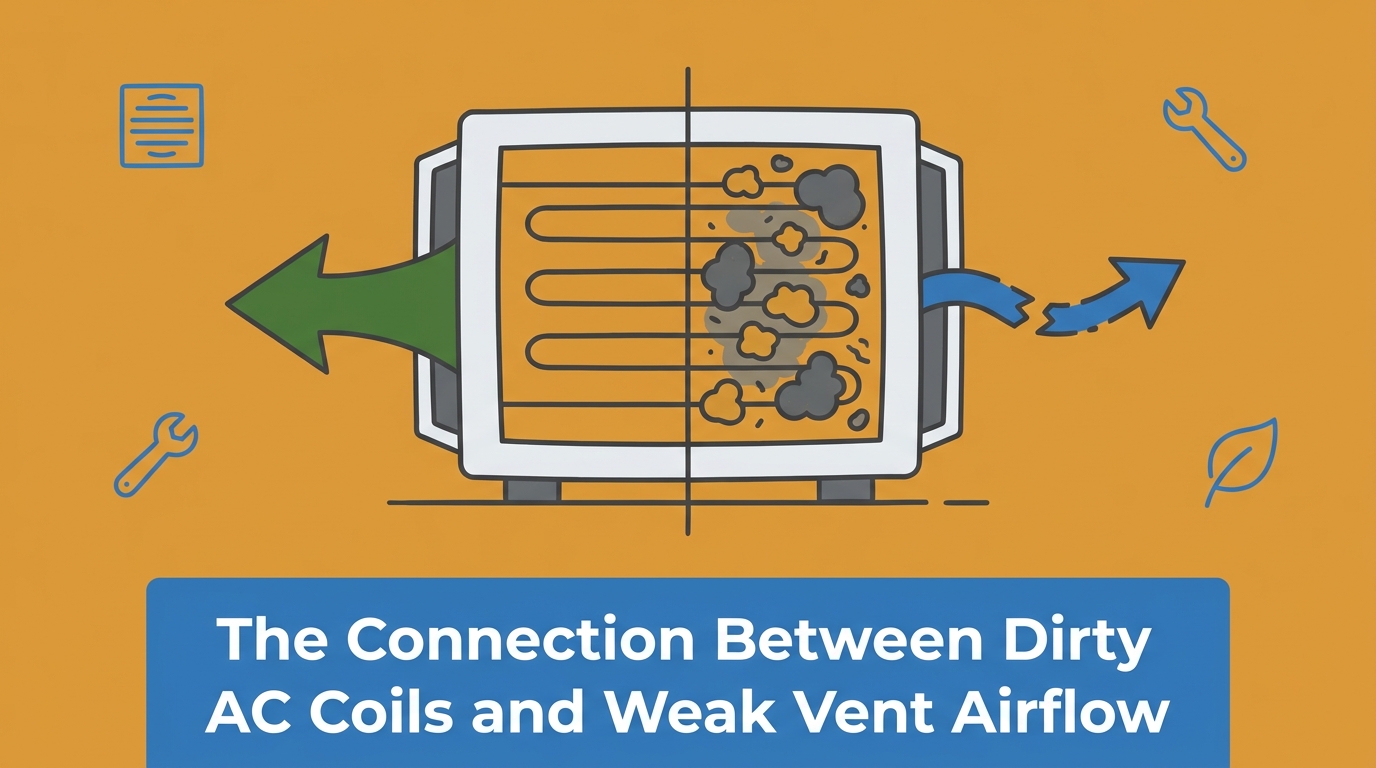
The numbers don't lie: a typical commercial HVAC system consumes roughly 40% of a facility’s total energy. When ducts are clogged with dust and debris, the system has to work significantly harder to push air through the building. This increases mechanical strain and skyrockets utility bills.
By adhering to professional cleaning standards, we help businesses achieve several key Commercial Duct Cleaning Benefits:
- Energy Savings: Cleaning the evaporator coils alone can improve HVAC efficiency by up to 40%.
- Reduced Absenteeism: Cleaner air means fewer respiratory triggers for employees, leading to fewer sick days.
- System Longevity: Removing the "grit" from the system prevents premature wear on blower motors and moving parts.
- Professional Image: No one wants to see "dust beards" hanging from the vents in a professional office or retail store.
Enhancing Energy Efficiency and Operational Costs
When we perform a commercial cleaning, we focus on "source removal." By clearing the trunk lines and VAV boxes, we optimize airflow. This reduces the static pressure the fans must overcome, which directly translates to lower kilowatt-hour usage. For a large facility in Washington County or Westmoreland County, these savings can amount to thousands of dollars annually. You can Enhance IAQ with Commercial Duct Cleaning while simultaneously padding your bottom line.
Improving Workplace Health and Productivity
The EPA has identified "Sick Building Syndrome" as a top environmental risk. When employees are breathing in mold spores, pollen, and fine particulates all day, their cognitive function and productivity drop. Studies have shown that bioaerosol concentrations are significantly lower just two days after a professional duct cleaning. Providing a healthy environment isn't just a "nice to have"—in 2026, it is a competitive advantage in the labor market.
Professional Execution and Cleanliness Verification
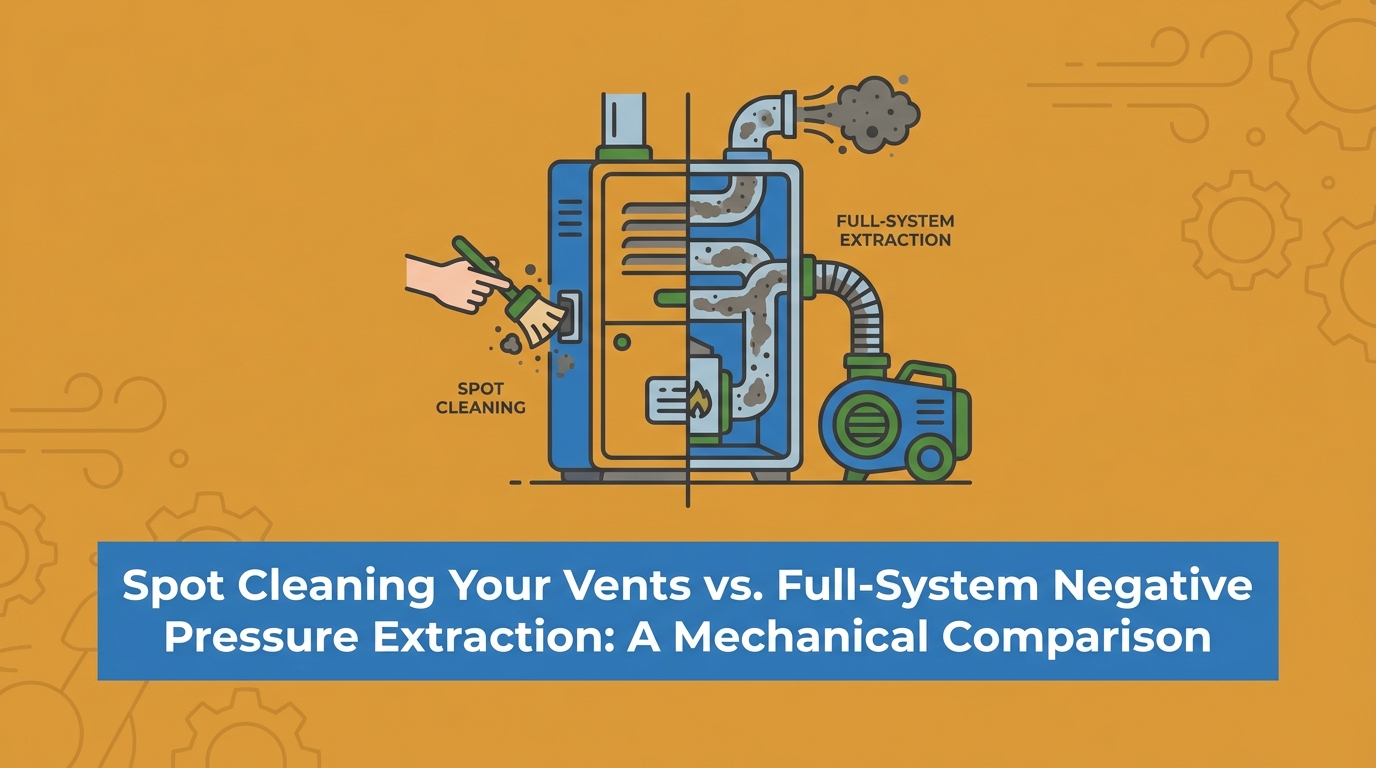
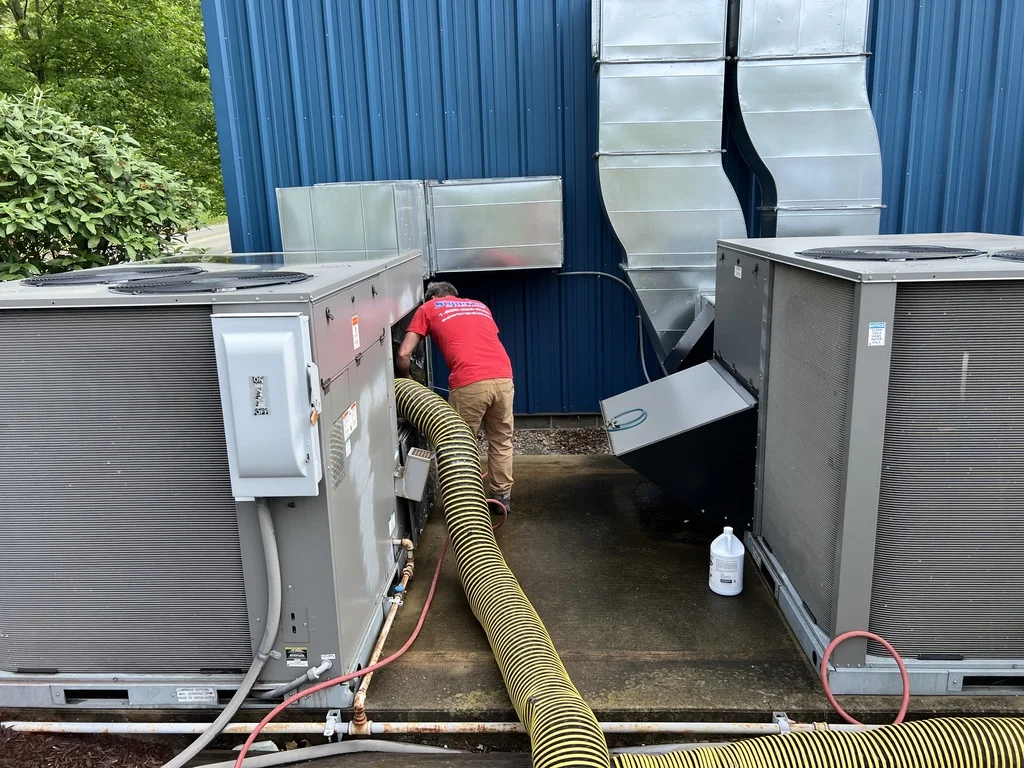
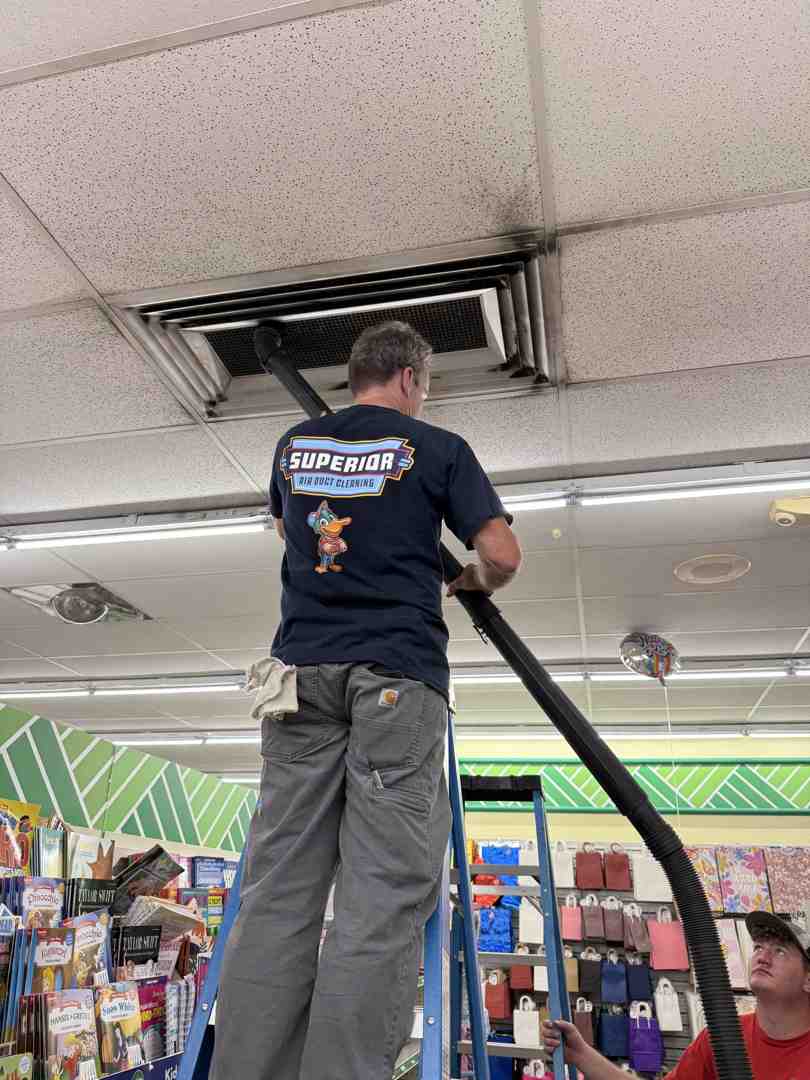
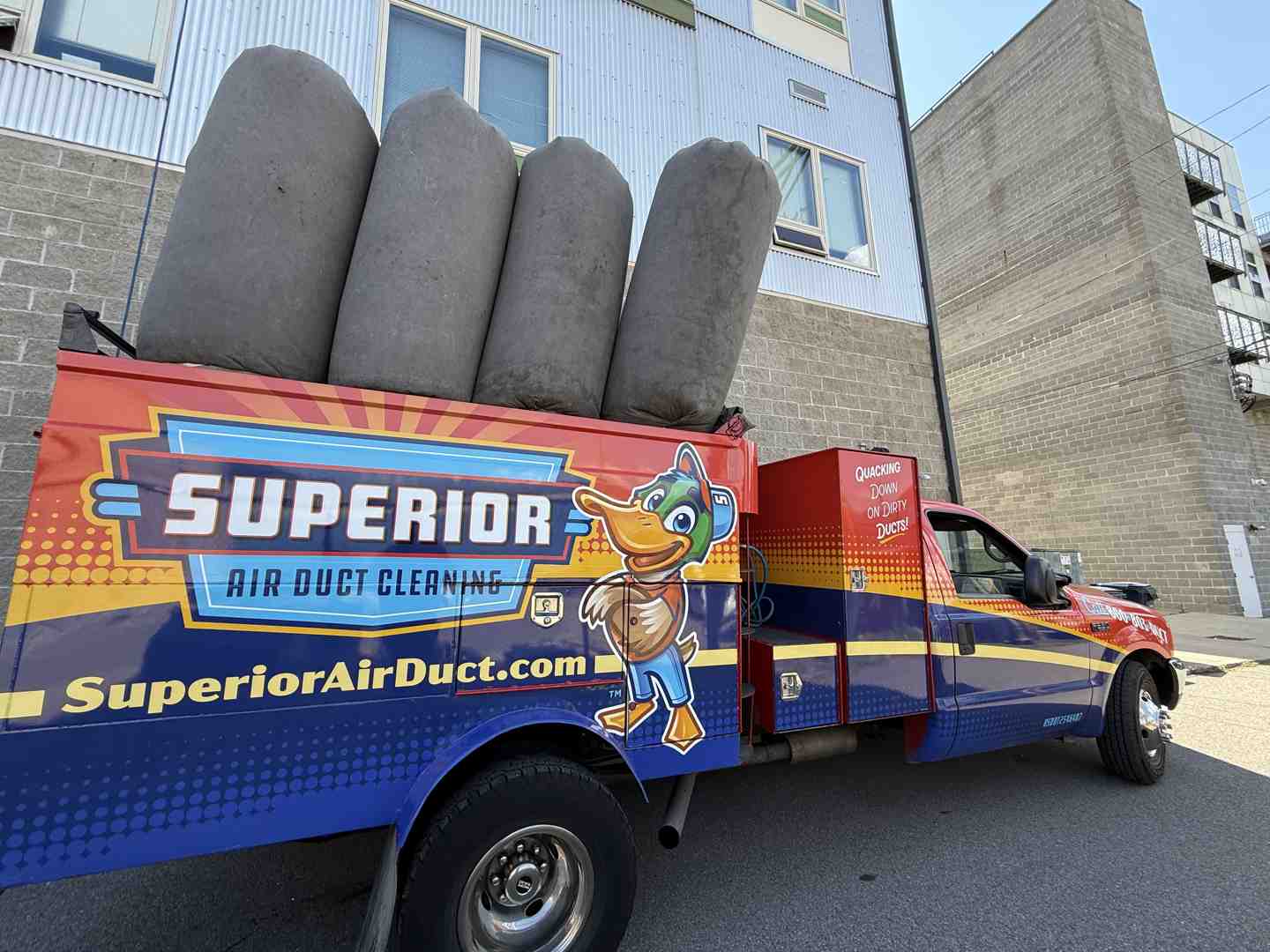
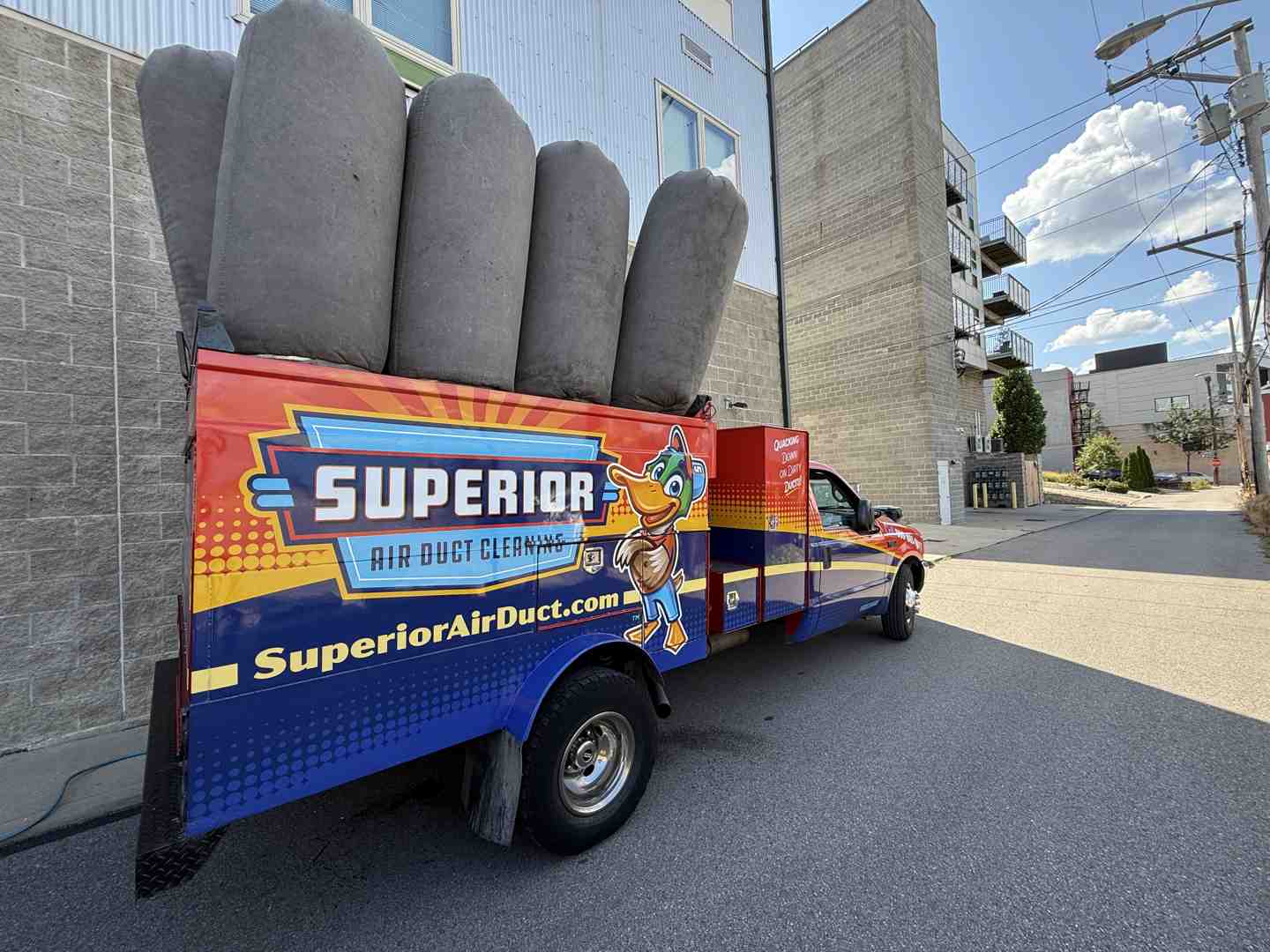
Commercial duct cleaning is a massive logistical undertaking. It requires specialized equipment that far exceeds what is used in residential homes. For instance, NADCA ACR 2021 requires vacuum systems to pull a minimum of 4,000 CFM (Cubic Feet per Minute). In many of our larger projects, we use vacuum trucks that deliver up to 16,000 CFM to ensure total negative pressure.
The process involves:
- Containment: Using physical barriers to ensure dust doesn't enter occupied spaces.
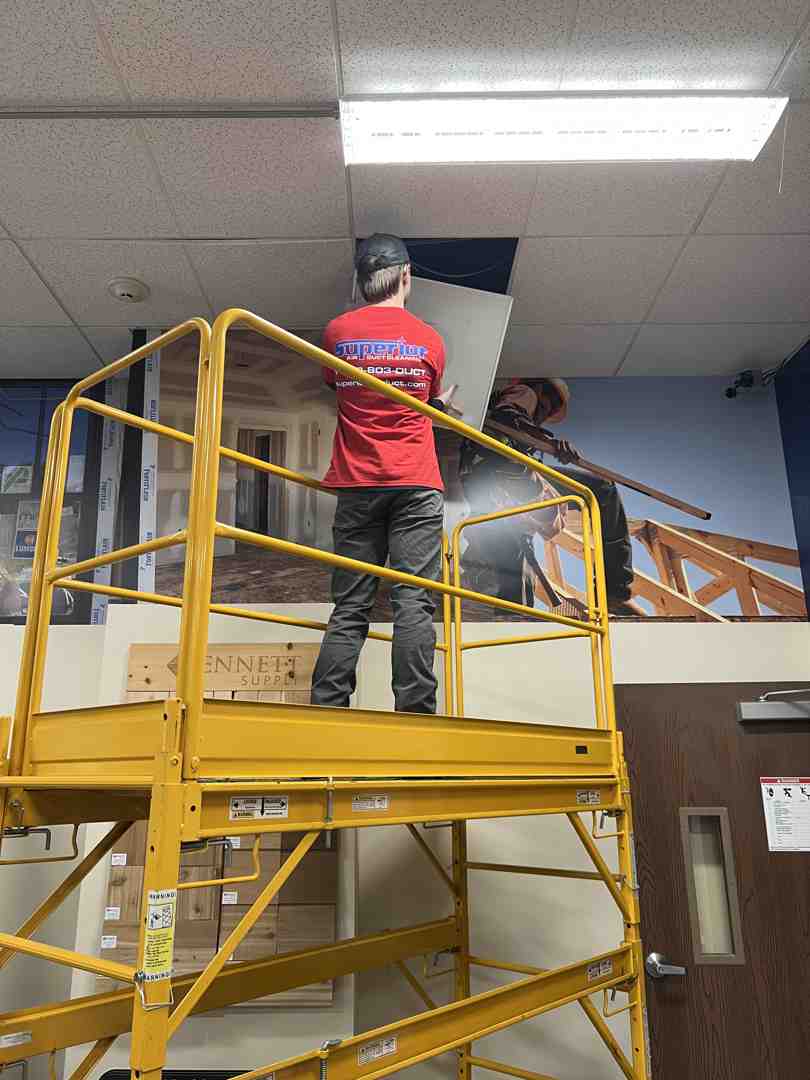
- Access: Cutting and installing UL 181-rated access panels (often every 6 to 12 feet) to reach every inch of the system.
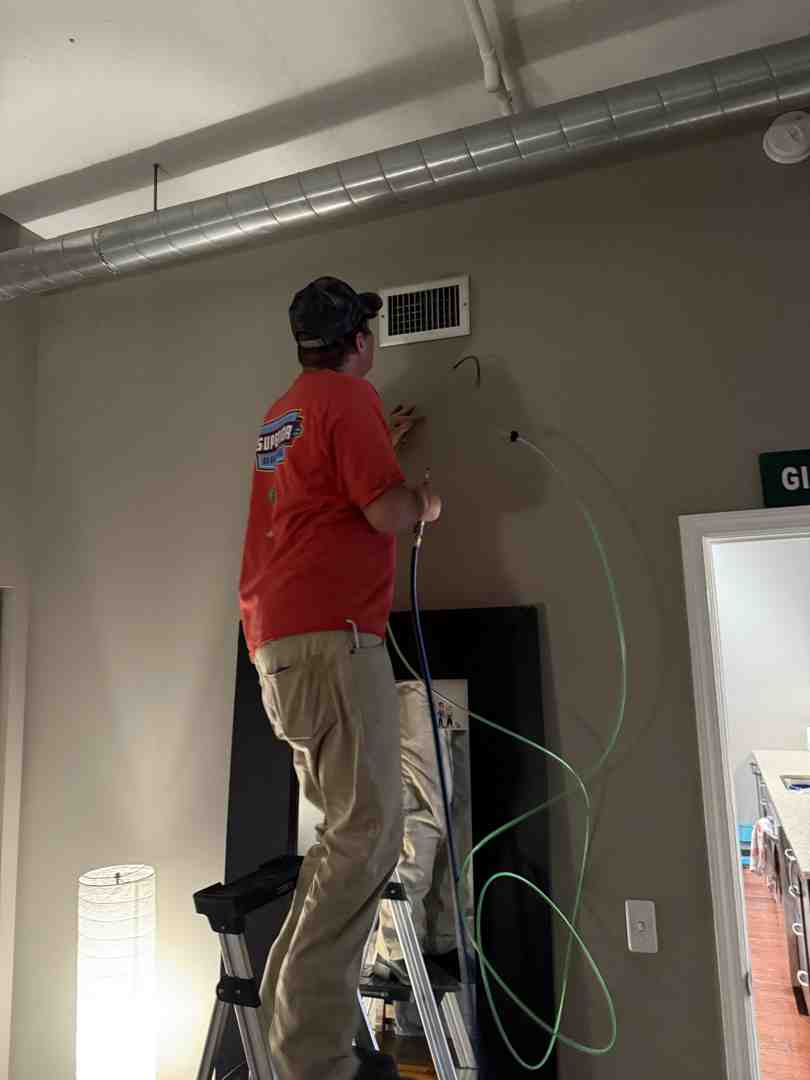
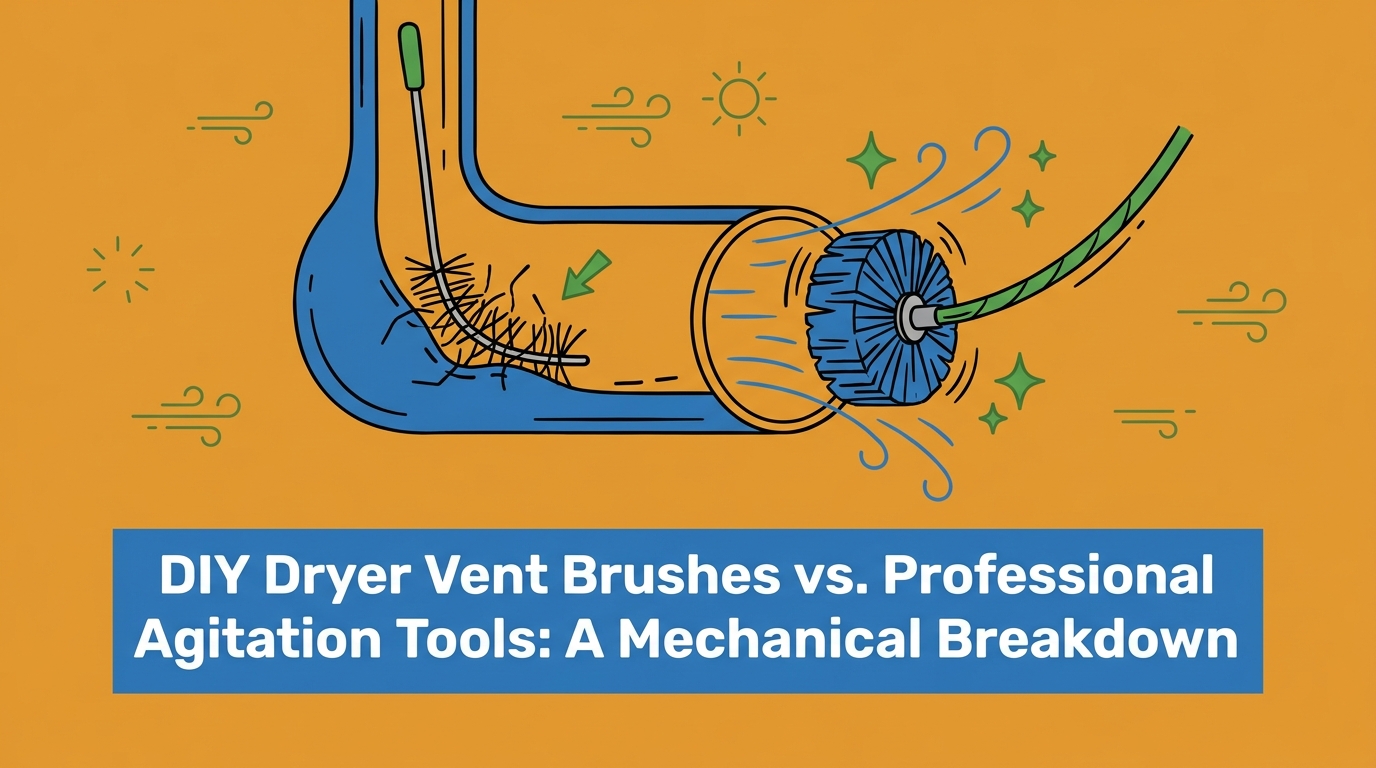
- Agitation: Using pneumatic brushes and air whips to dislodge debris.
- Negative Pressure: The high-powered vacuum pulls all dislodged contaminants directly out of the building into a containment unit.
Protecting Occupants During the Cleaning Process
We understand that your business doesn't stop just because the ducts need cleaning. To protect occupants, we often utilize after-hours scheduling or phased cleaning. By isolating specific zones of the building, we can clean one section while the rest of the facility remains operational. The use of HEPA-filtered negative air machines ensures that not a single speck of dust escapes into the office air during the process.
Post-Service Verification and Documentation
How do you know the job was done right? We provide comprehensive post-service documentation. This includes:
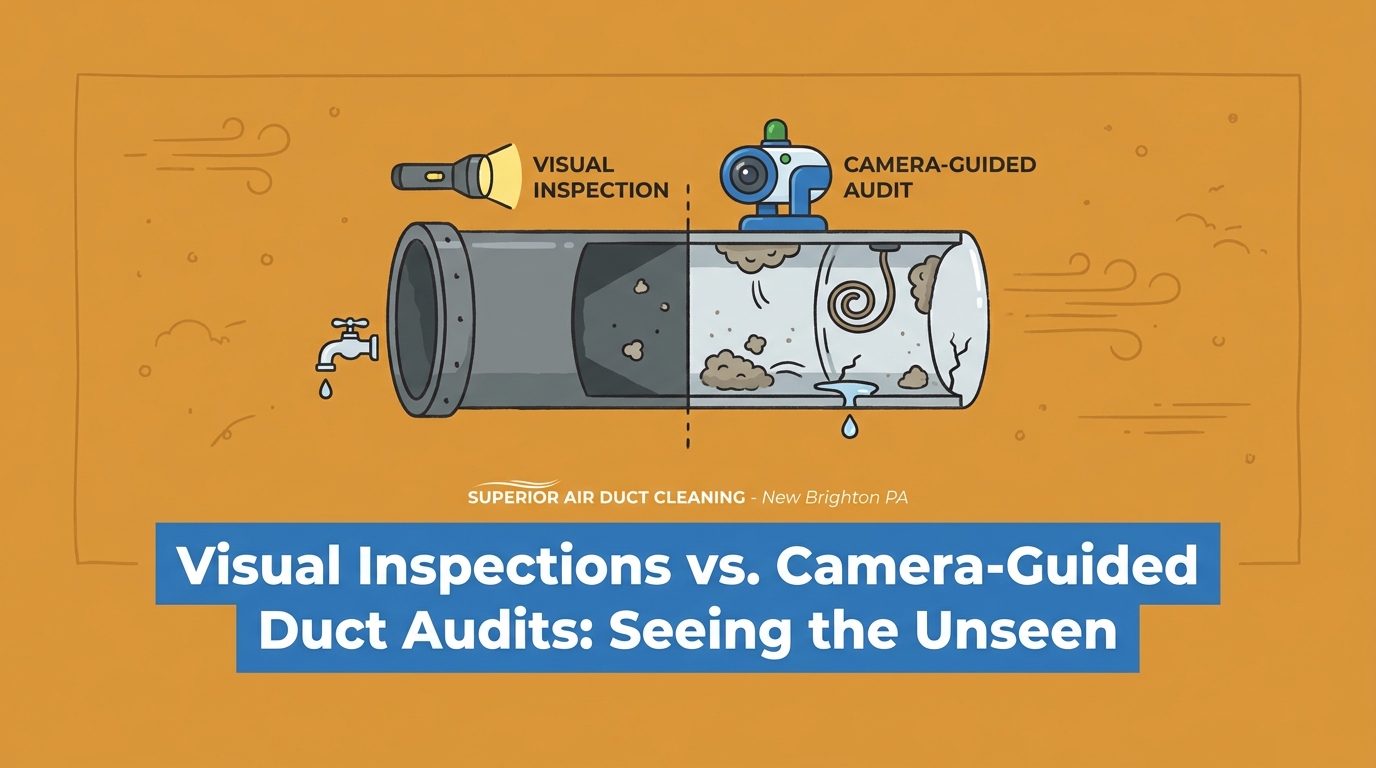
- Visual Inspection: A walkthrough to confirm all components are free of debris.
- Photo/Video Reports: Before-and-after shots from the same vantage points.
- Mechanical Prints: Updated documentation of where access panels were installed.
- Certification: Verification that the work was performed by a NADCA Certified Air System Cleaning Specialist (ASCS).
Frequently Asked Questions about Commercial Ventilation
How often should commercial air ducts be cleaned?
While the NADCA recommendation is every 3 to 5 years for general office space, the actual requirement is based on an annual inspection. If your building is near a construction site in Pittsburgh or handles high volumes of paper or textile dust, you will likely need cleaning every 2 years. Healthcare and food service facilities should stick to a 12-month cycle.
Should commercial air ducts be sanitized with biocides?
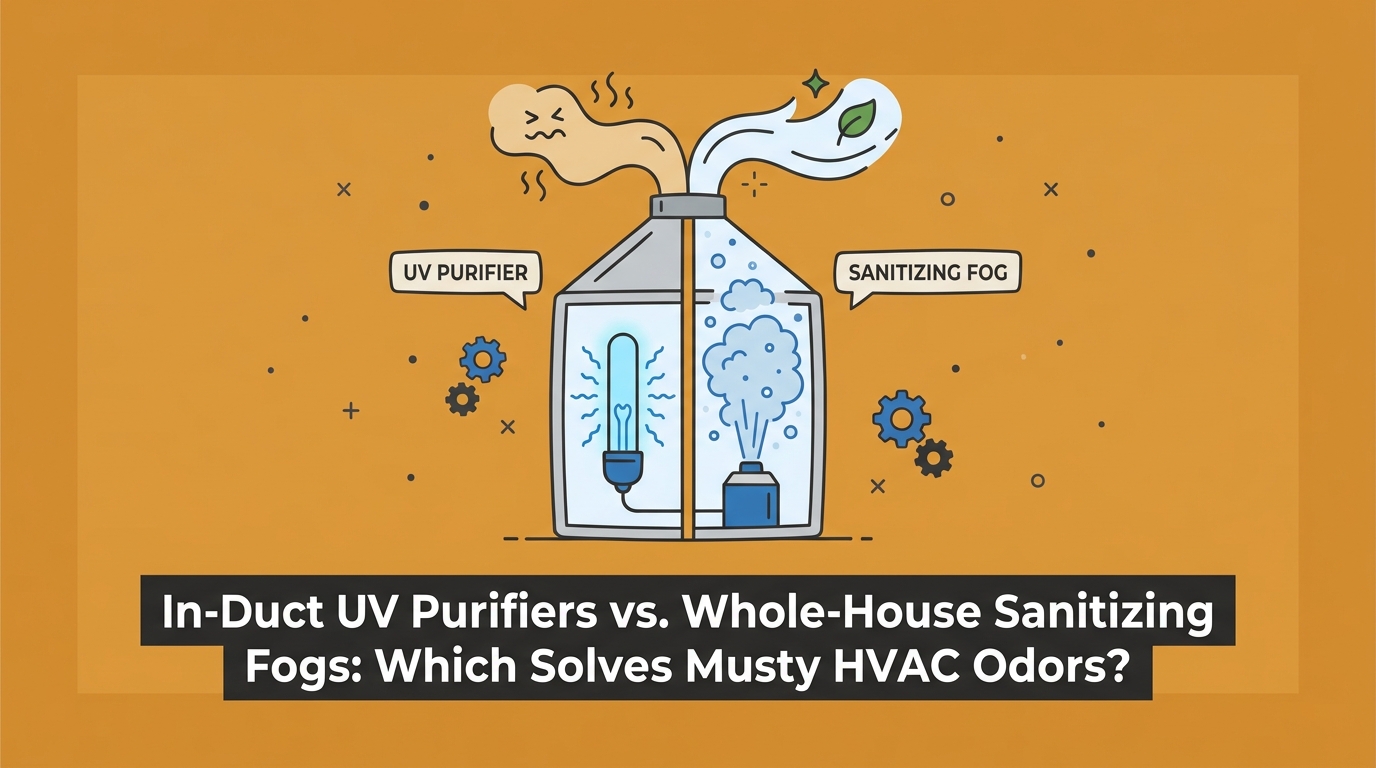
The EPA recommends caution here. We only use EPA-registered antimicrobials if there is a confirmed presence of mold or microbial growth. Sanitization is a supplement to—not a replacement for—mechanical cleaning. We never recommend "fogging" a dirty duct; the debris must be removed first for any treatment to be effective.
Can duct cleaning be performed while the building is occupied?
Yes. By using phased isolation and high-powered HEPA filtration, we can perform cleanings without disrupting your staff. However, many businesses in Boardman and Pittsburgh prefer weekend or evening shifts to ensure zero impact on the customer experience.
Conclusion
Navigating the duct cleaning requirements for commercial properties can feel overwhelming, but you don't have to do it alone. From the industrial corridors of the Ohio River Valley to the high-rises of downtown Pittsburgh, maintaining clean air is a fundamental part of responsible property management.
At Superior Air Duct Cleaning, we specialize in helping businesses across Western Pennsylvania and Northeast Ohio stay compliant, efficient, and healthy. Whether you are in Allegheny, Butler, or Mahoning County, our team of certified professionals is ready to ensure your ventilation system is an asset, not a liability.
Don't let dust and hidden contaminants compromise your facility's performance or your occupants' health. Contact our experts for Commercial Duct Cleaning today to schedule your annual inspection and ensure your property meets the highest industry standards.

Customer Reviews


Superior Air Duct cleaning did a phenomenal job in a timely manner with the tech “Rich” being very professional ,personable and considerate of our property! He explained things as he proceeded and answered all our questions!
I LOVE that they provide before & after photos to see the difference. Give them a try… you won’t regret it
Pam T.
Robert was on schedule and communicated what time he would arrive. He was polite, professional, and respectful of our home. I wanted to wait a couple weeks before posting a review because I wanted to see if the duct cleaning actually made a difference. I am happy to say it did! I vacuum multiple times a week and have already noticed a significant reduction in the amount of dust cleaned up each time. As a home with pets, there will always be something to clean, but getting the ducts cleaned has definitely helped improve the air quality and reduce the dust.
alice A.
Technician Rob arrived early explained the days agenda and then proceeded to work methodically and meticulously over the next 6+ hours cleaning my ductwork. Courteous and professional they answered all of my questions and went above and beyond the call of duty. They even located an old dusty box of rat poison buried in our vents. My only regret is not finding these guys sooner. As a realtor of 22 years and owner of a newly purchased (now dust free) home I highly recommended!
Eric K.
Excellent service! I’ve used them to clean out my air ducts as well as my dryer vent duct and they are excellent. I was very pleased with both jobs and will continue to use them in the future. Great communication as well- from the time I scheduled the appointment until they were at my door.
Erika C.
We had such an amazing experience with Superior Air Duct Cleaning. They were so nice and friendly and did an amazing job. I loved seeing the before and after pictures. Besides doing an amazing job cleaning our air ducts they were so quick at responding and setting up the appointment. We will definitely be using them in the future.
Amanda C.