Why Understanding How Commercial Duct Cleaning Differs From Residential Matters for Your Property
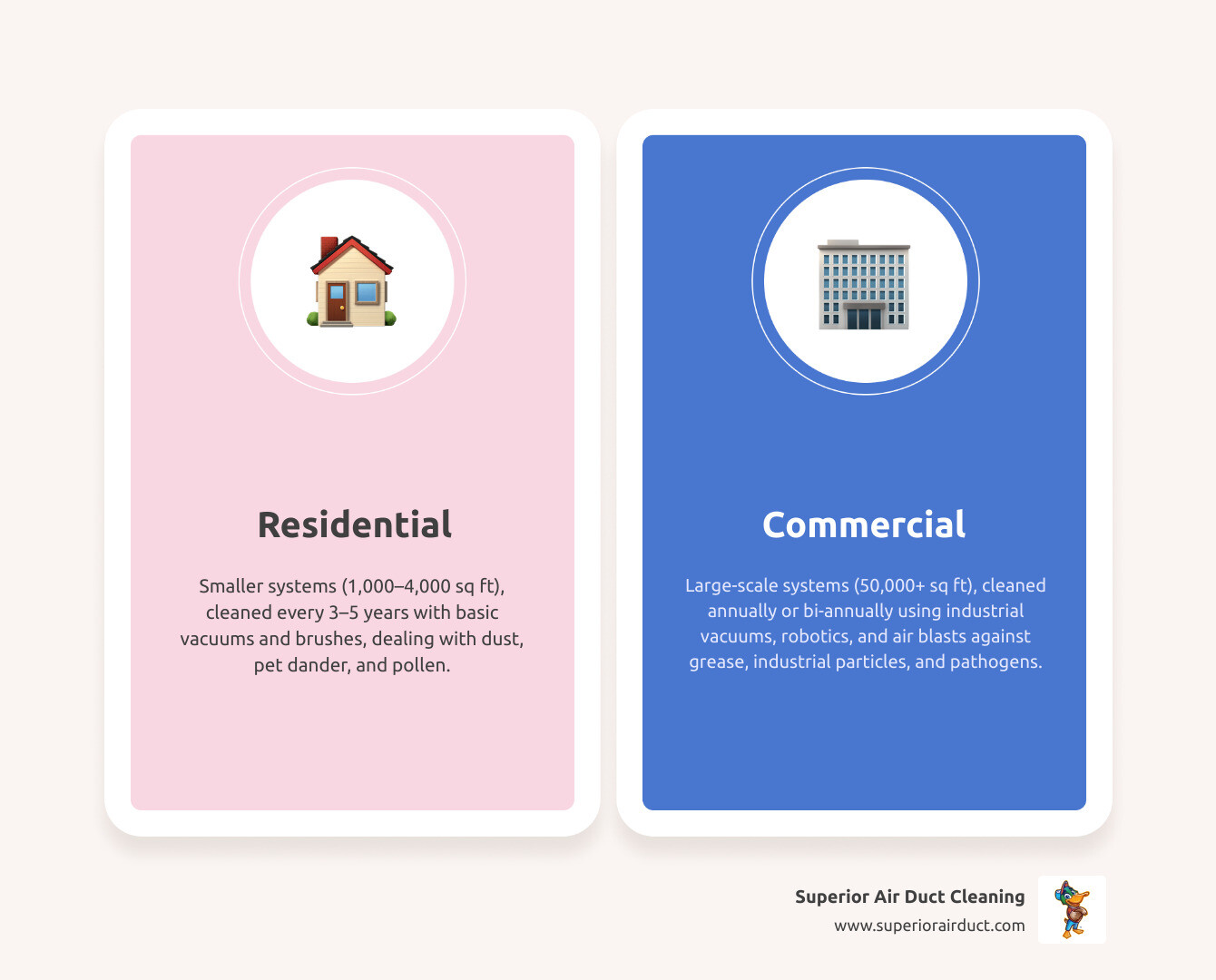
How commercial duct cleaning differs from residential comes down to five core factors: system size, contaminant types, equipment power, cleaning frequency, and regulatory requirements.
| Factor | Residential | Commercial |
|---|---|---|
| System size | Single unit, 1,000–4,000 sq ft | Multiple units, 50,000+ sq ft |
| Cleaning frequency | Every 3–5 years | Annually or bi-annually |
| Equipment | High-powered vacuums, rotary brushes | Industrial vacuums, robotic brushes, compressed air |
| Contaminants | Dust, pet dander, pollen | Grease vapor, industrial particles, pathogens |
| Regulations | Minimal | OSHA, ASHRAE, NADCA standards |
| Team size | 1–2 technicians | 5–10+ technicians |
| Job duration | 2–4 hours | Days to weeks |
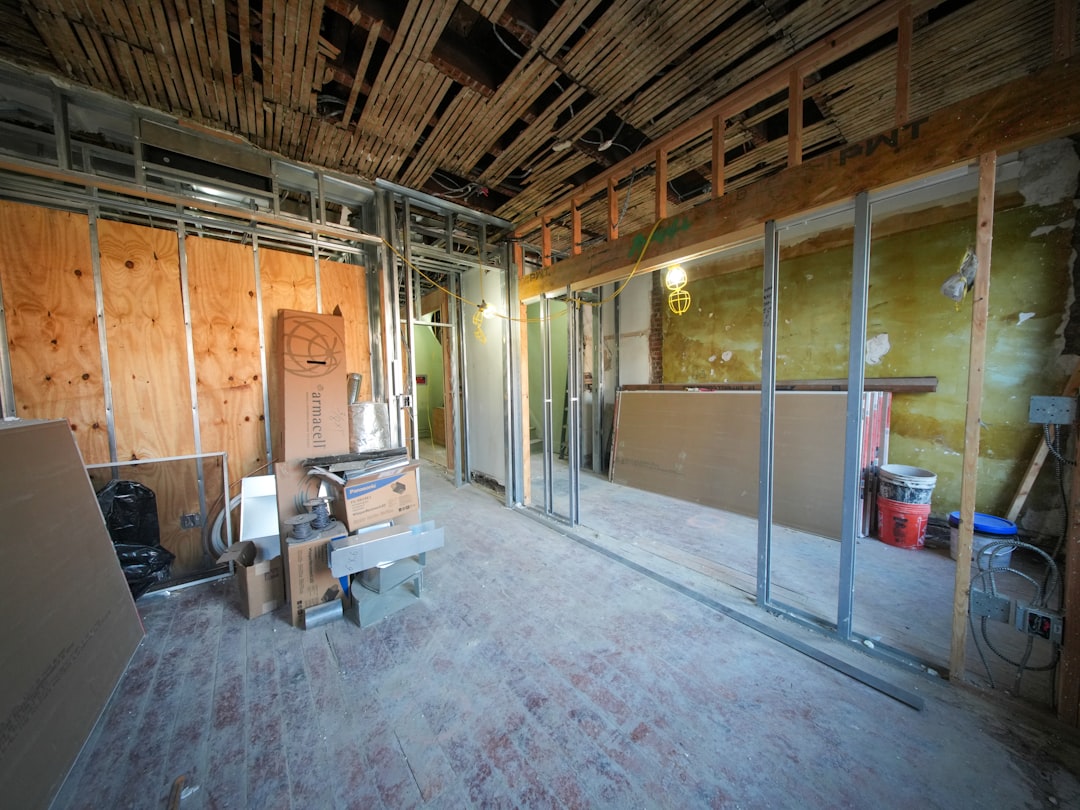
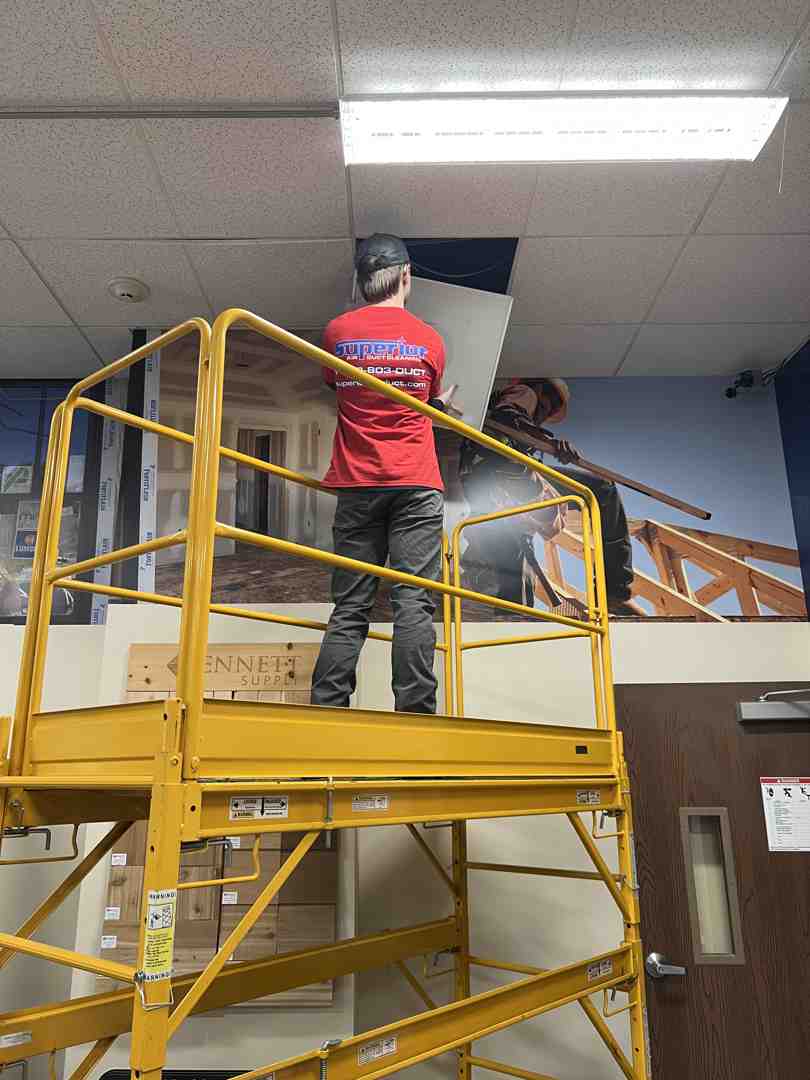
Most people picture a technician showing up at a house, cleaning a handful of vents, and wrapping up before lunch. That picture is accurate — for a home. But walk into an office building, a restaurant kitchen, or a healthcare facility, and everything changes. The ductwork spans multiple floors. The HVAC units may be on the roof. The contaminants are more varied and potentially hazardous. And the stakes — for employee health, regulatory compliance, and business continuity — are far higher.
Whether you manage a commercial property in Pittsburgh or own a home in Youngstown, understanding these differences helps you make smarter decisions about maintenance schedules, service providers, and indoor air quality.
Understanding How Commercial Duct Cleaning Differs From Residential Systems
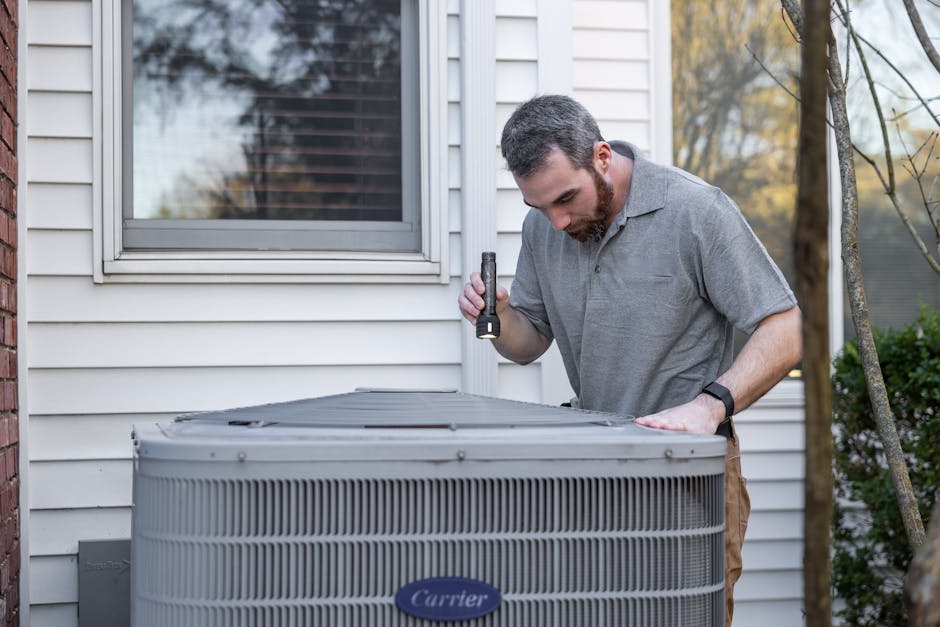
When we talk about the Necessity Of Commercial Duct Cleaning, we aren't just talking about a bigger version of a home system. We are talking about an entirely different engineering beast. In a typical home in Beaver Falls or Cranberry Township, you likely have a "split system." This means you have an indoor evaporator coil and blower unit, usually in the basement or a closet, and an outdoor condenser.
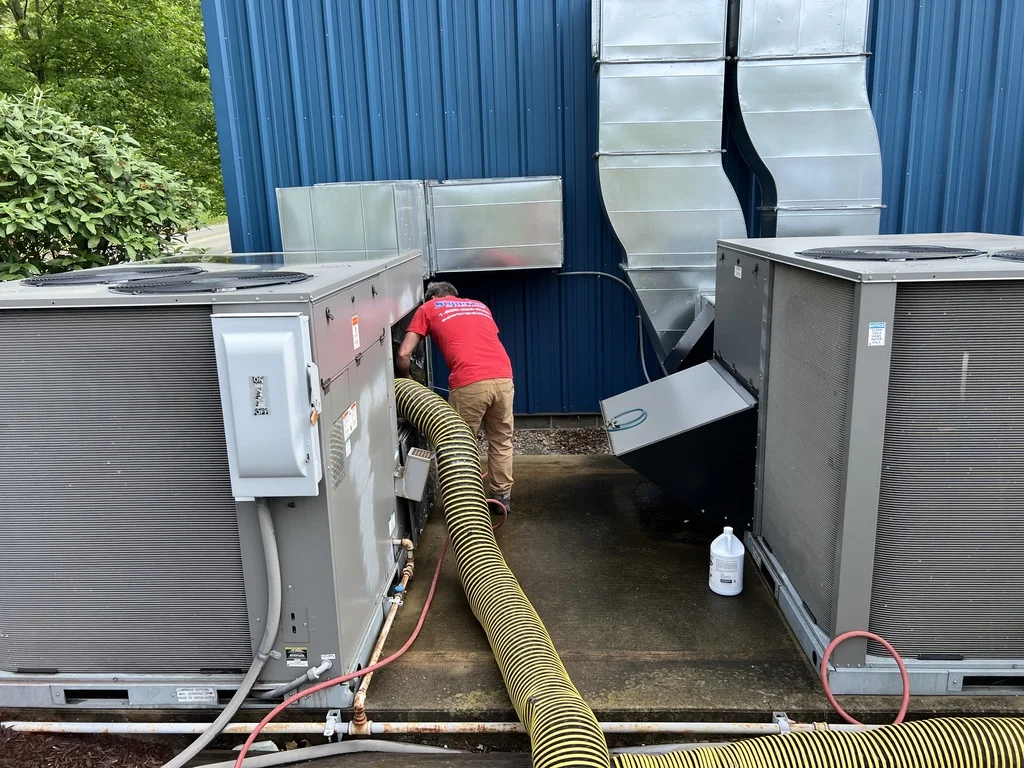
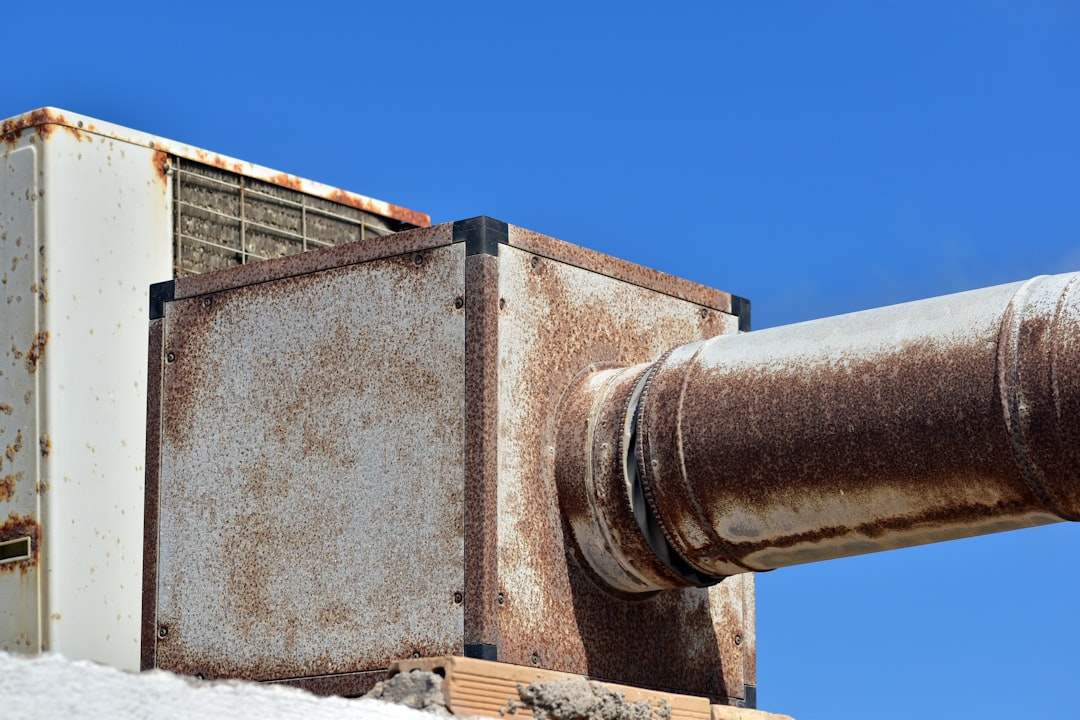
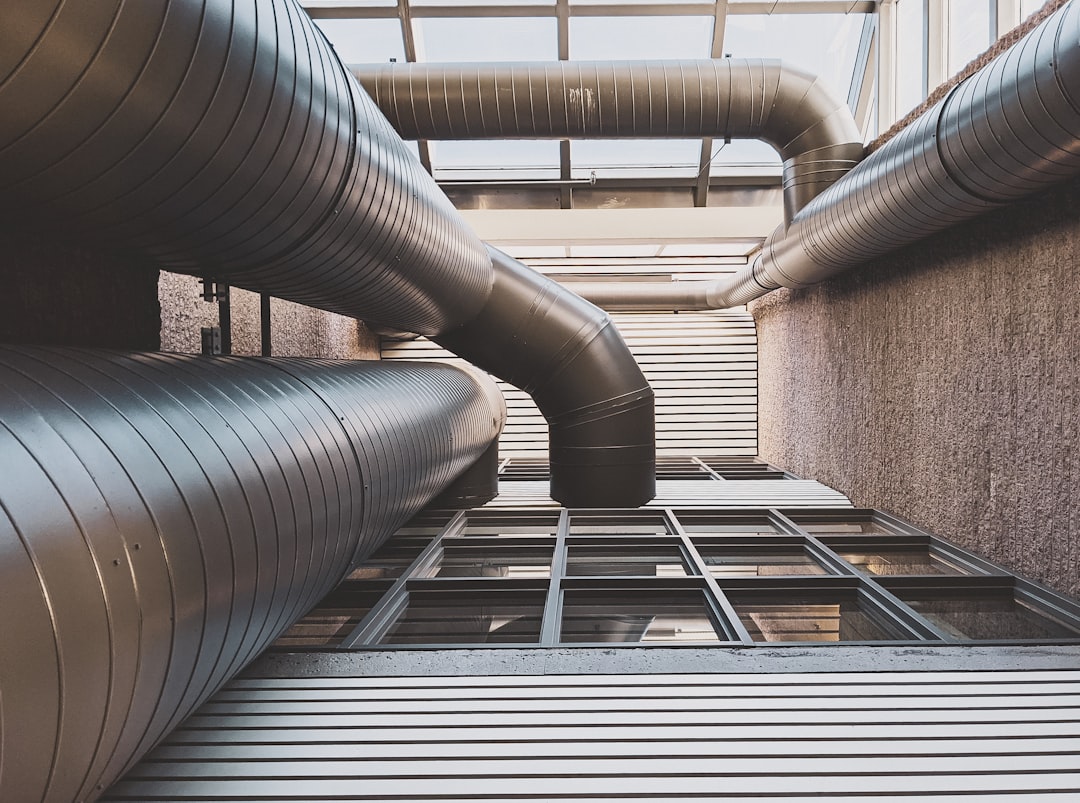
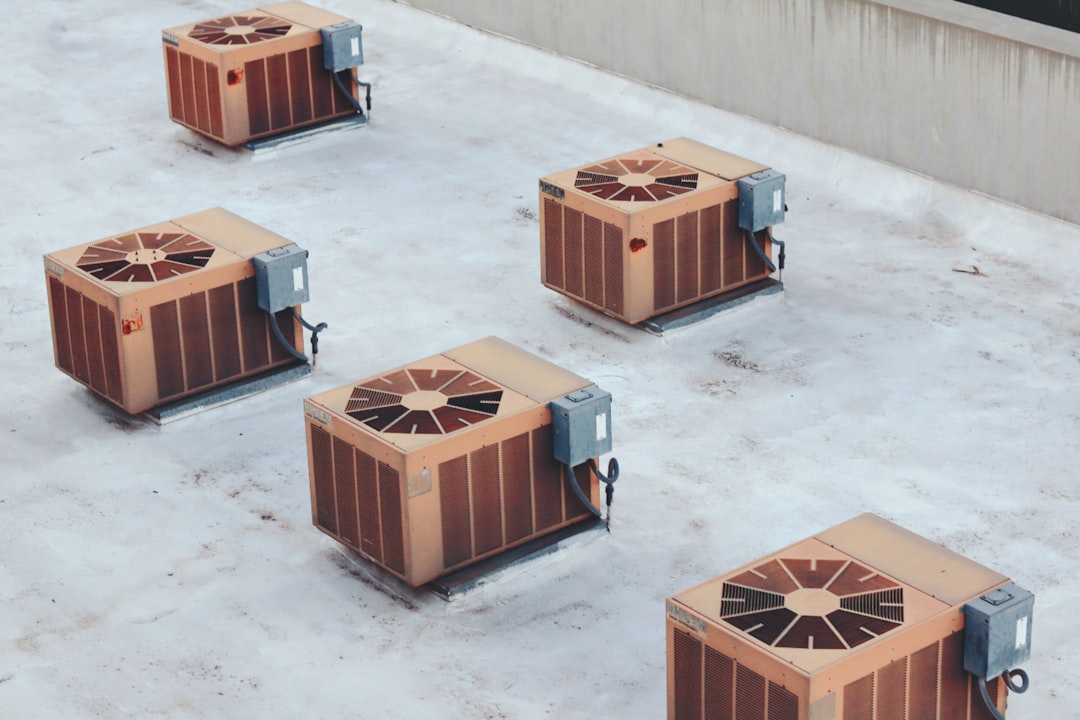
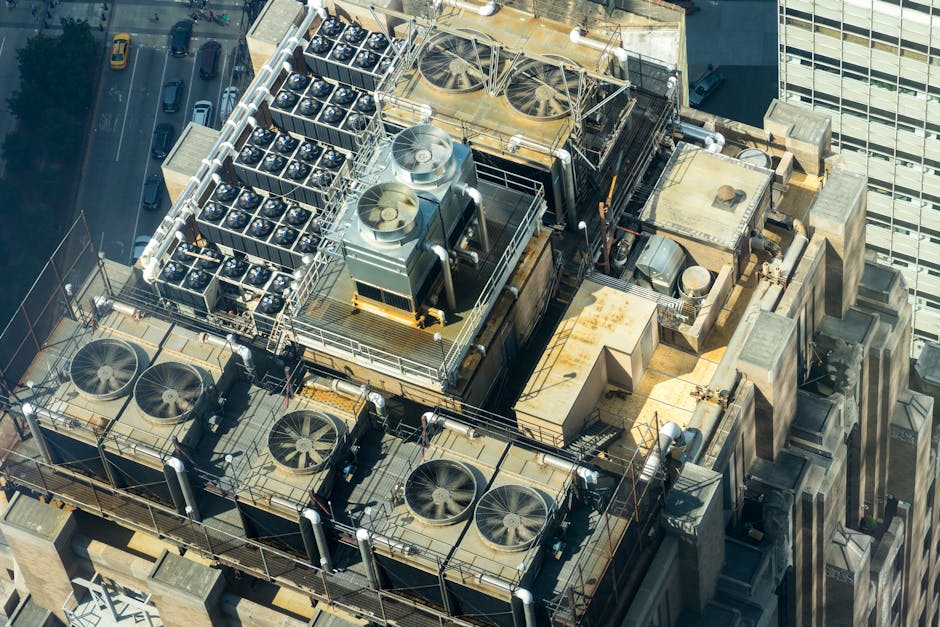
In contrast, commercial properties often utilize "package units." These are massive, all-in-one cabinets that are frequently mounted on rooftops. This location choice isn't just for aesthetics; it saves valuable floor space and keeps the noise of the powerful blowers away from employees and customers.
The complexity of these systems is where how commercial duct cleaning differs from residential becomes most apparent. Commercial systems utilize intricate networks of multi-zone dampers and VAV (Variable Air Volume) boxes. These components allow a single system to provide different temperatures to different parts of a building—keeping a server room cold while keeping the front office warm. Navigating these dampers during a cleaning requires a deep understanding of commercial blueprints that isn't necessary for a standard residential job. For those in the local area, our Commercial Residential Duct Cleaning Penn Hills Guide provides a closer look at these structural nuances.
How commercial duct cleaning differs from residential in equipment power
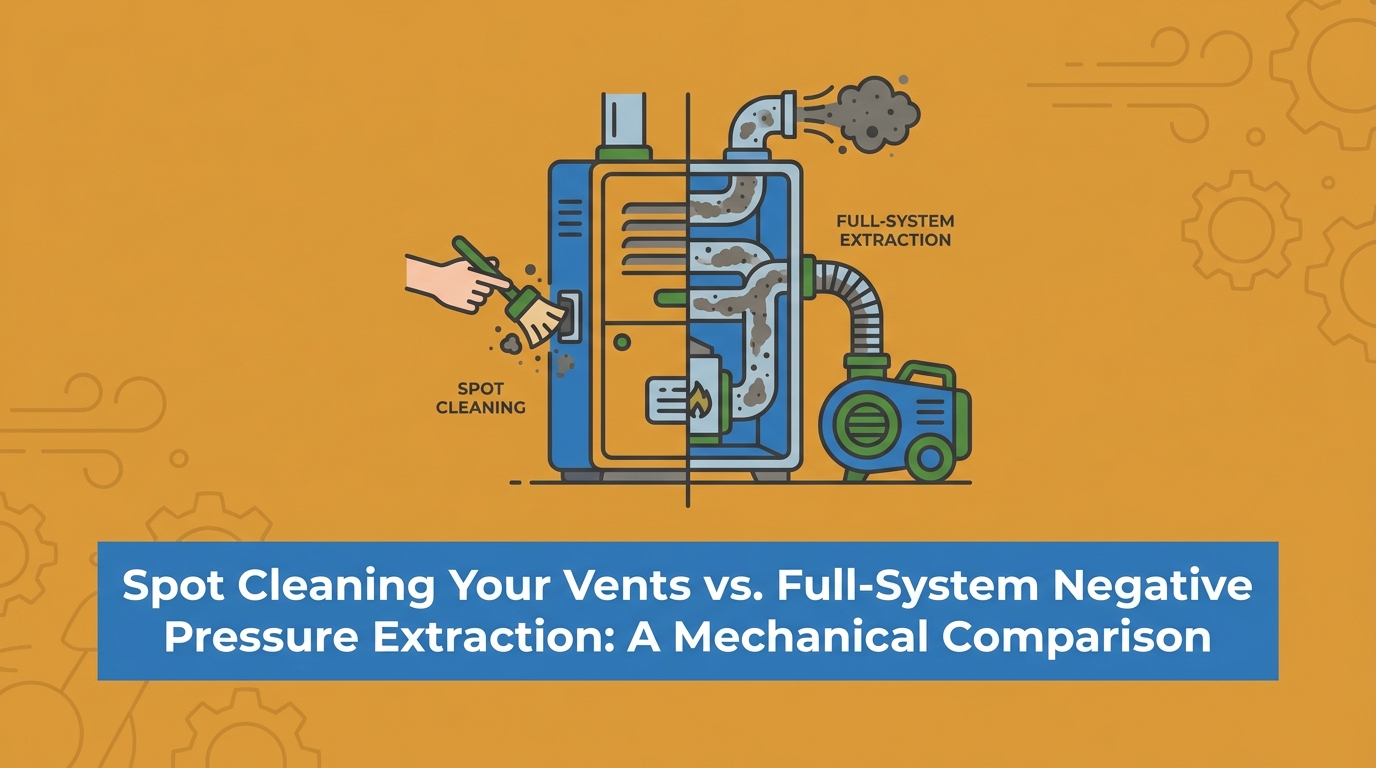
You wouldn't use a garden hose to put out a forest fire, and you shouldn't use residential-grade equipment to clean a 50,000-square-foot warehouse. One of the most significant ways how commercial duct cleaning differs from residential is the sheer power required to move air through miles of ductwork.
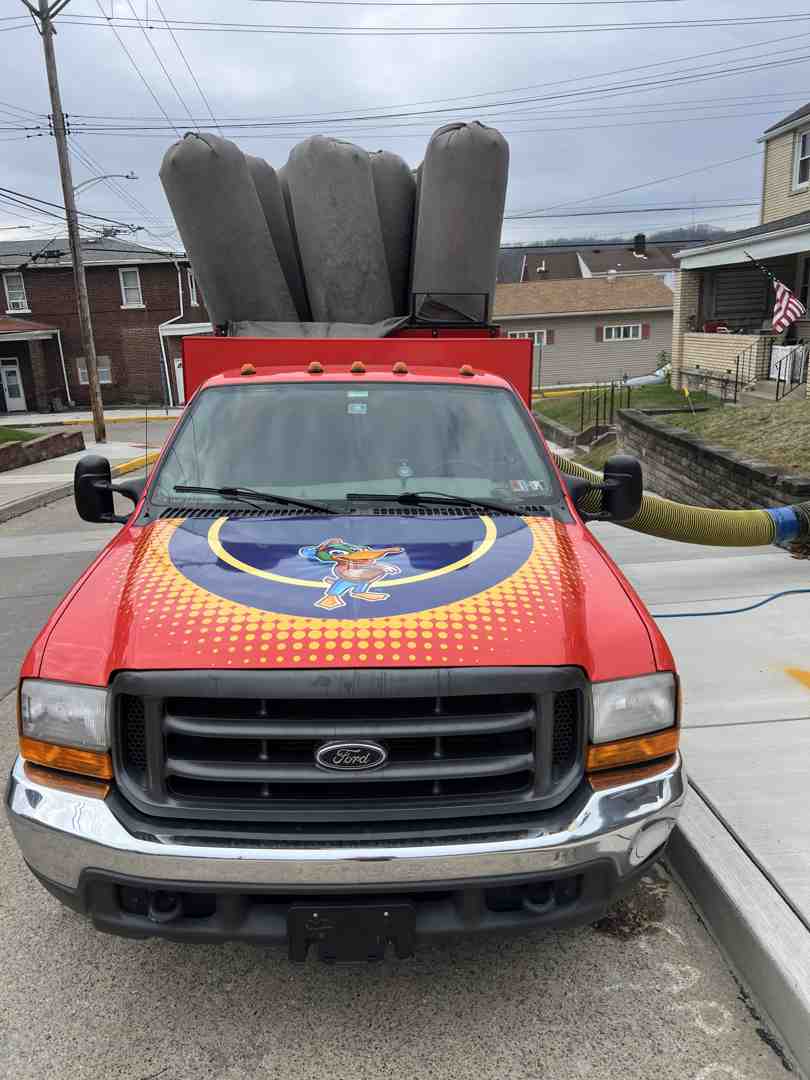
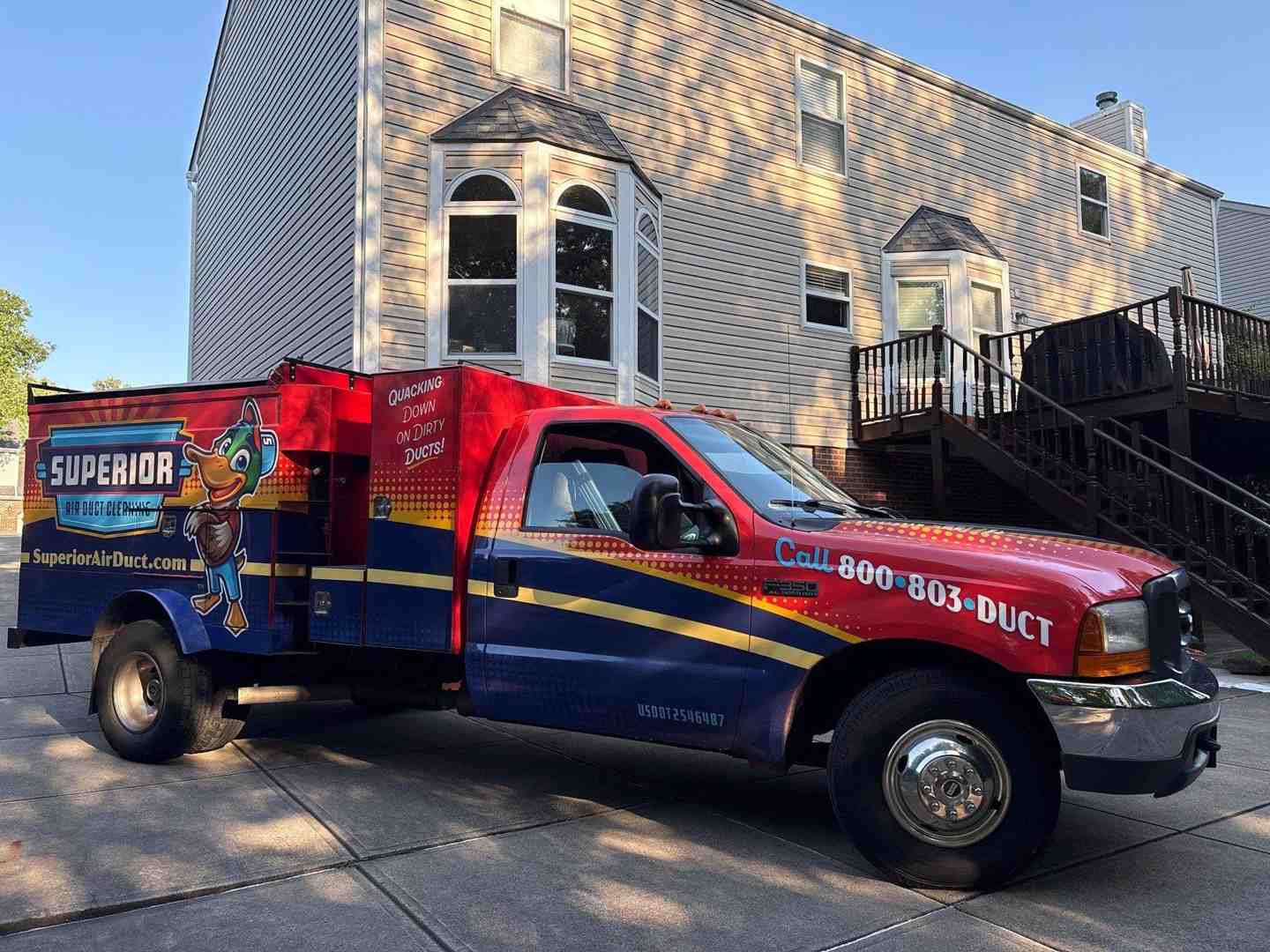
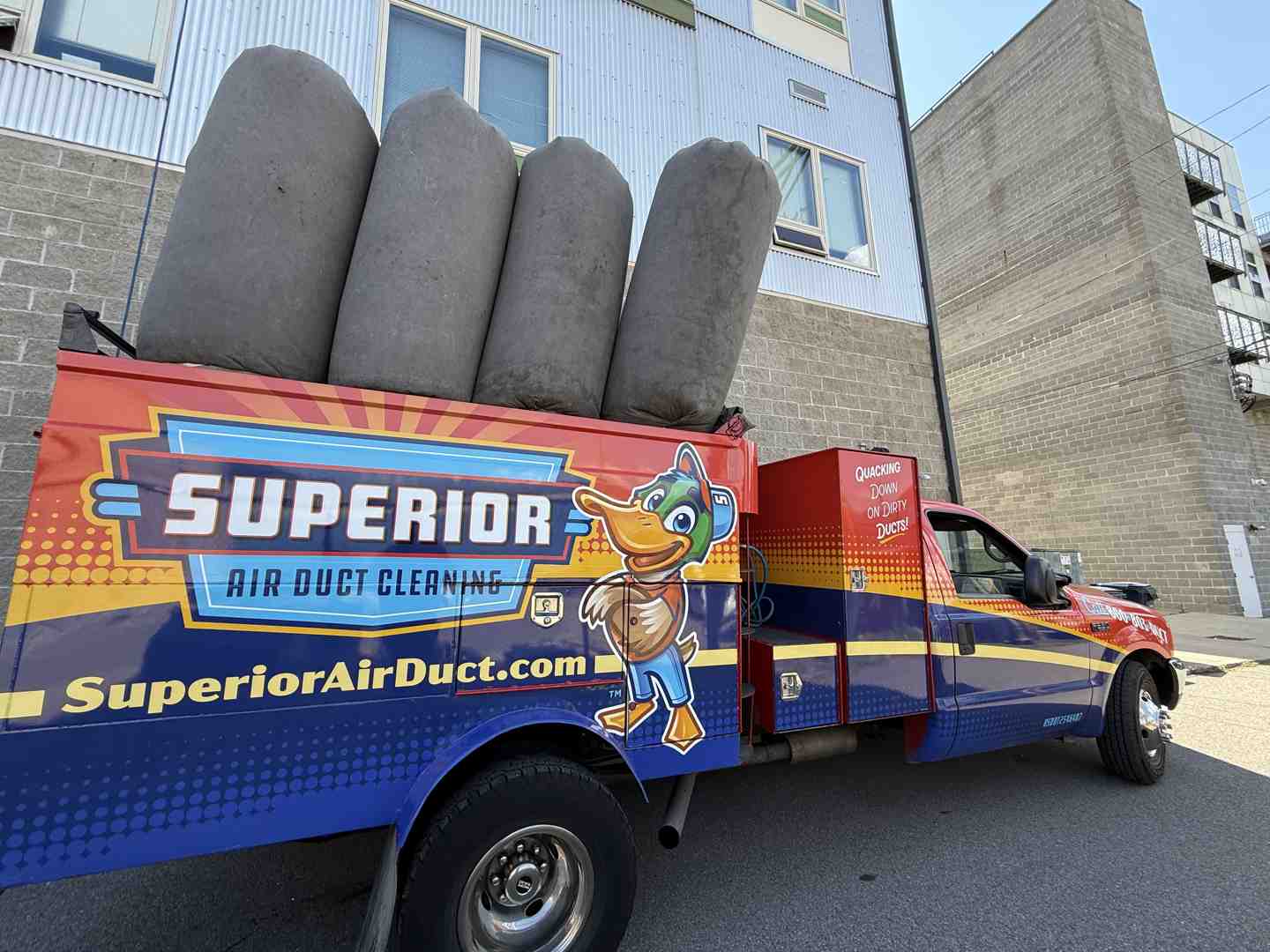
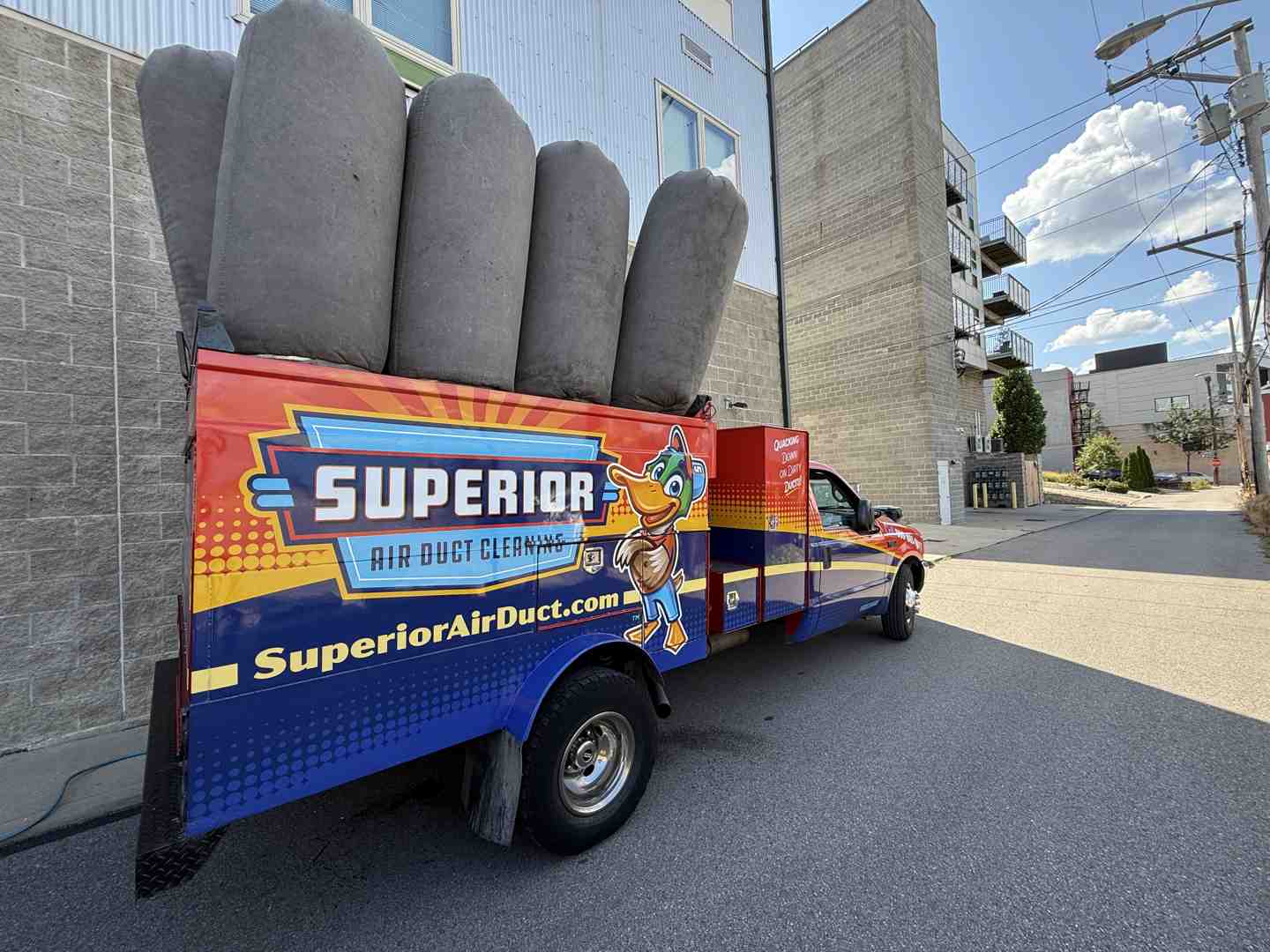
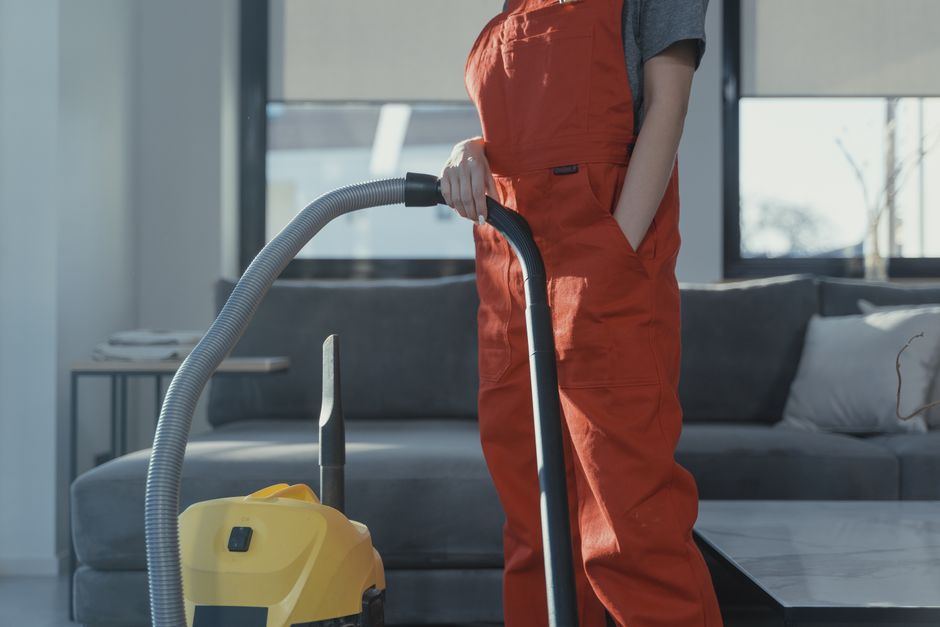
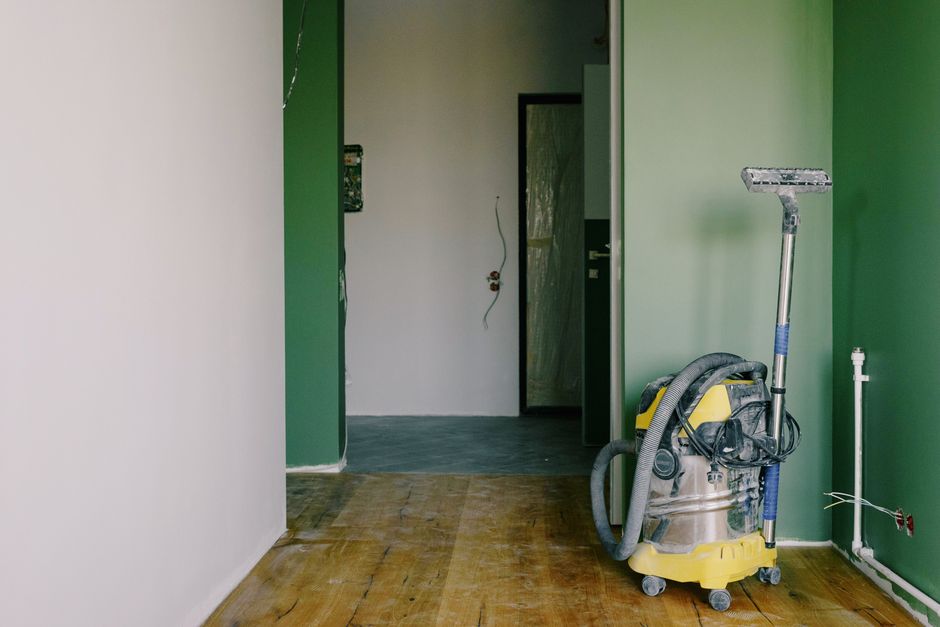
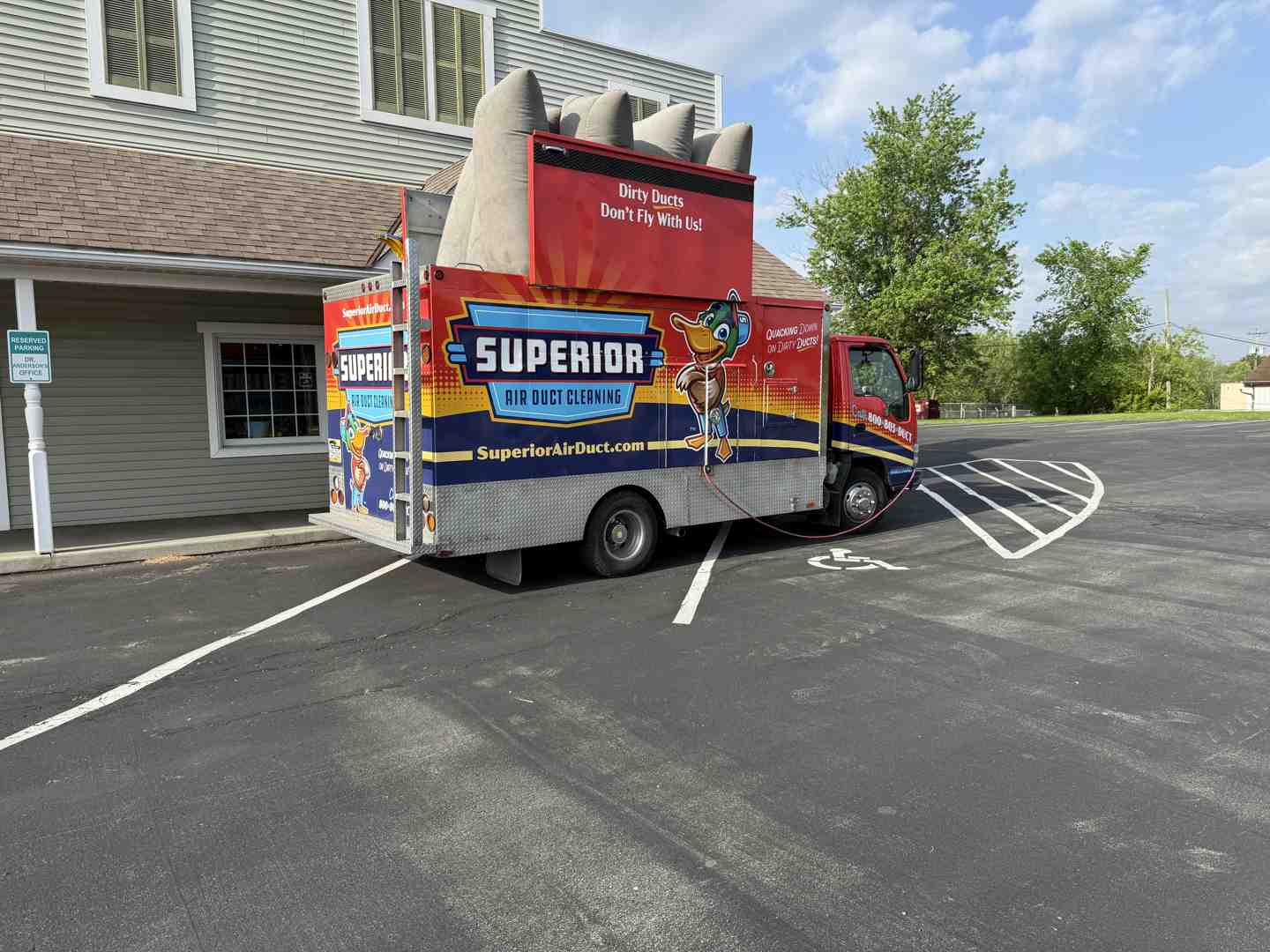
While a residential service might use high-powered portable vacuums, professional commercial services rely on industrial-strength negative air machines and power vacuum trucks. These units are capable of pulling up to 16,000 CFM (cubic feet per minute). This massive suction ensures that once we agitate the debris inside the ducts, it is immediately pulled out of the building and into our containment system, rather than settling back into the vents.
In high-traffic areas, our Commercial Hvac Duct Cleaning Youngstown Guide highlights how this industrial-grade power is essential for maintaining the heavy-duty air handlers found in Ohio’s industrial and retail spaces. Without this level of negative pressure, the cleaning is often incomplete, leaving behind fine particulates that can quickly re-contaminate the air.
How commercial duct cleaning differs from residential in health regulations
In a home, duct cleaning is a personal choice for comfort and health. In a business, it is often a matter of legal and regulatory compliance. This is a massive distinction in how commercial duct cleaning differs from residential.
Commercial properties must answer to several governing bodies:
- OSHA (Occupational Safety and Health Administration): Mandates that employers provide a workplace free from recognized hazards, which includes poor indoor air quality (IAQ).
- NADCA (National Air Duct Cleaners Association): Sets the ACR standard, the global benchmark for HVAC cleaning and restoration.
- ASHRAE: Provides the standards for ventilation and thermal comfort that commercial buildings must maintain.
For healthcare facilities in Pittsburgh or food processing plants in Boardman, the Duct Cleaning Requirements For Commercial Properties are even stricter. Hospitals must adhere to infection control protocols to prevent the spread of airborne pathogens, while restaurants must manage grease buildup to meet fire codes. We provide the comprehensive documentation and post-cleaning reports necessary for these businesses to pass audits and stay compliant.
Specialized Contaminants in Large-Scale Facilities

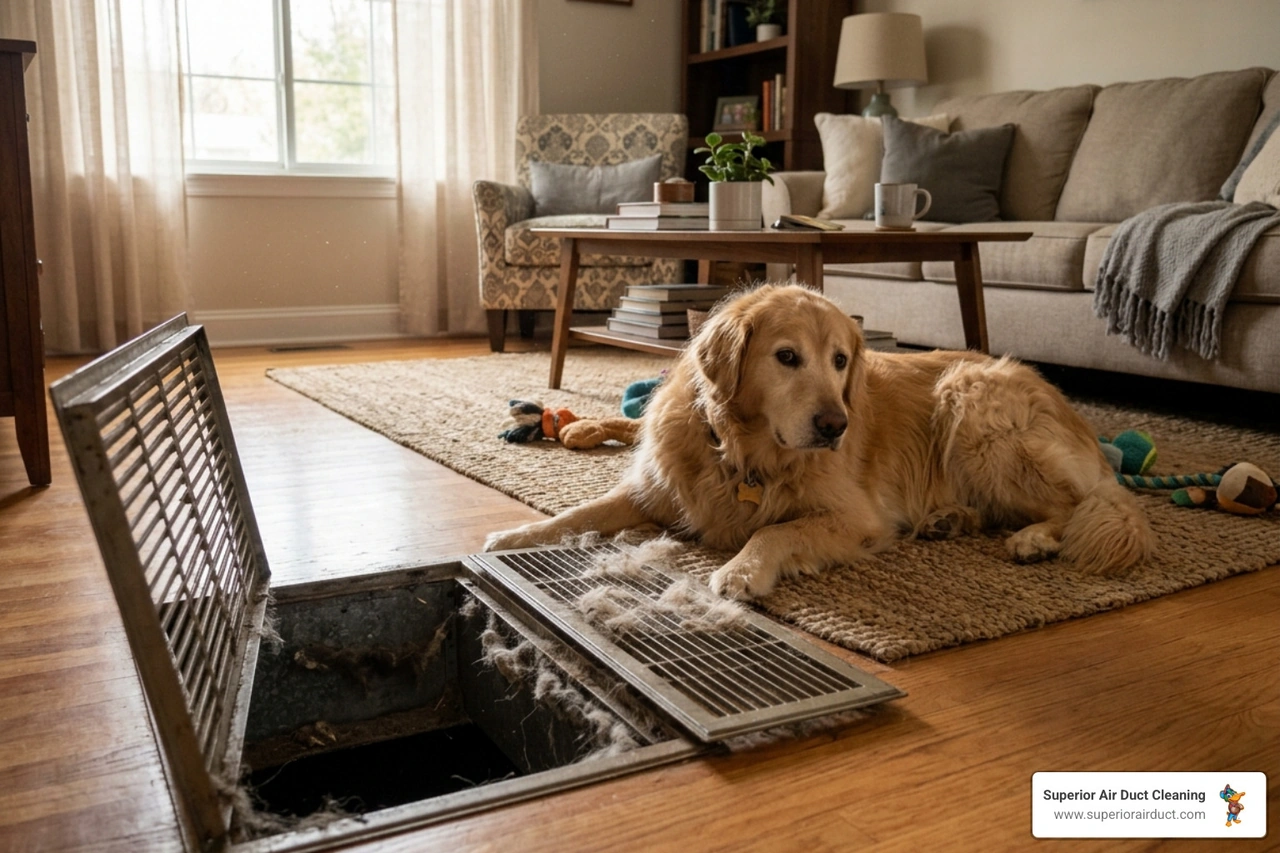
In a residence, we mostly find "the usual suspects": dust bunnies, pet hair, skin cells, and maybe some pollen. However, the list of contaminants in a commercial setting is much more diverse and, frankly, more stubborn.
When we Enhance Iaq With Commercial Duct Cleaning, we are often fighting against:
- Grease Vapors: In restaurants and commercial kitchens, grease doesn't just stay on the stove. It vaporizes, enters the exhaust system, and coats the interior of the ducts, creating a significant fire hazard.
- Industrial Particles: Manufacturing facilities in Western Pennsylvania often deal with metal shavings, chemical residues, and fine industrial dust that can be abrasive to HVAC components.
- High-Volume Lint: Laundromats, hotels, and hospitals process thousands of pounds of linens. This leads to massive lint buildup in dryer vents and exhaust systems, which requires cleaning every 3 to 6 months—much more frequently than the annual cleaning recommended for a home.
- Pathogen Control: In high-occupancy buildings like schools or offices, the HVAC system can become a highway for bacteria and viruses. Commercial cleaning often involves EPA-registered disinfectants to sanitize the system and protect public health.
Strategic Scheduling and Business Continuity
One of the logistical hurdles in Commercial Duct Cleaning is ensuring that the work doesn't stop the business from making money. In a home, we can usually finish in a single afternoon. In a commercial setting, the project might take several nights or even weeks.
| Feature | Residential Cleaning | Commercial Cleaning |
|---|---|---|
| Timing | Standard business hours | After-hours, weekends, or holidays |
| Strategy | One-and-done approach | Phased execution (floor by floor) |
| Coordination | Homeowner only | Facility managers, security, and IT |
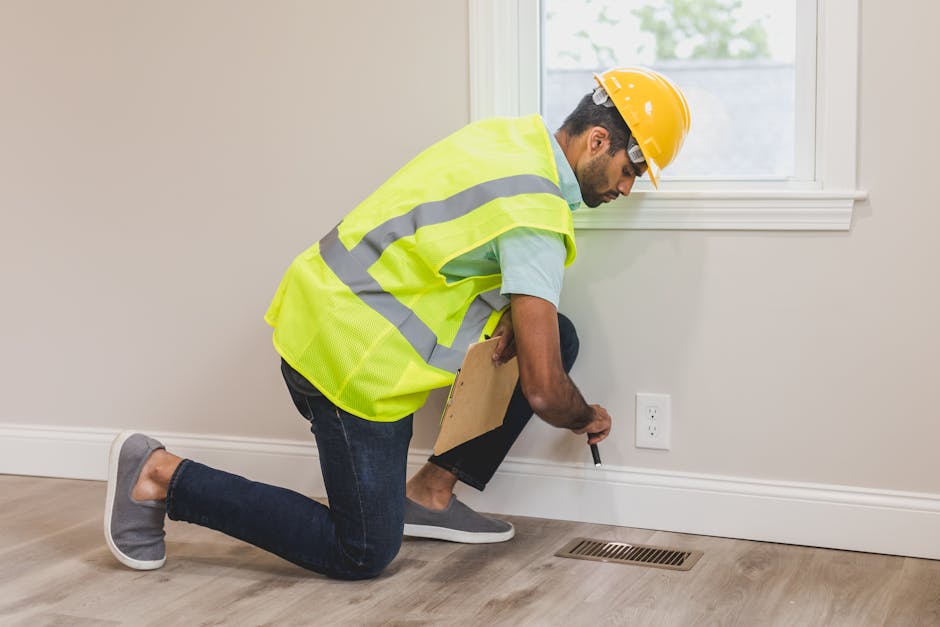
| Inspection | Visual/basic camera | Annual professional inspections |
To provide the best Commercial Duct Cleaning Benefits, we utilize phased execution. This means we might clean one floor or one specific zone at a time, ensuring that the rest of the building can remain operational. We work around your schedule—whether that means starting when the office closes at 6:00 PM or performing the work over a holiday weekend when the facility is empty.
Advanced Techniques for Complex Ductwork
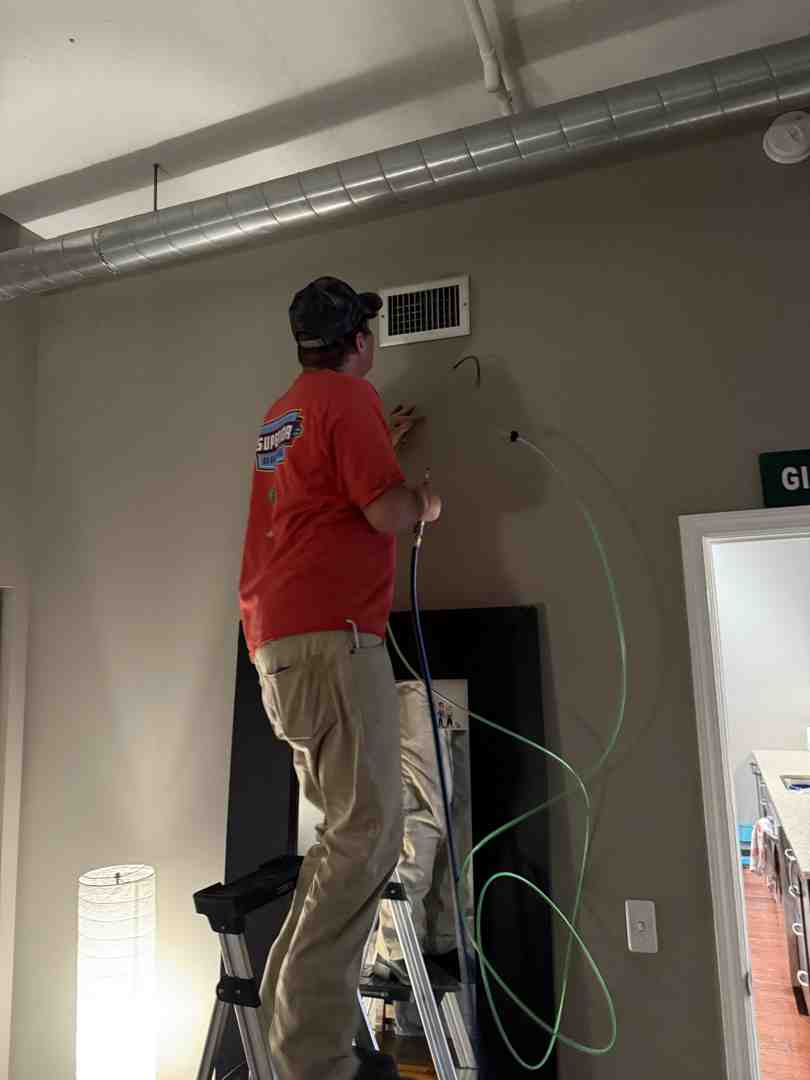
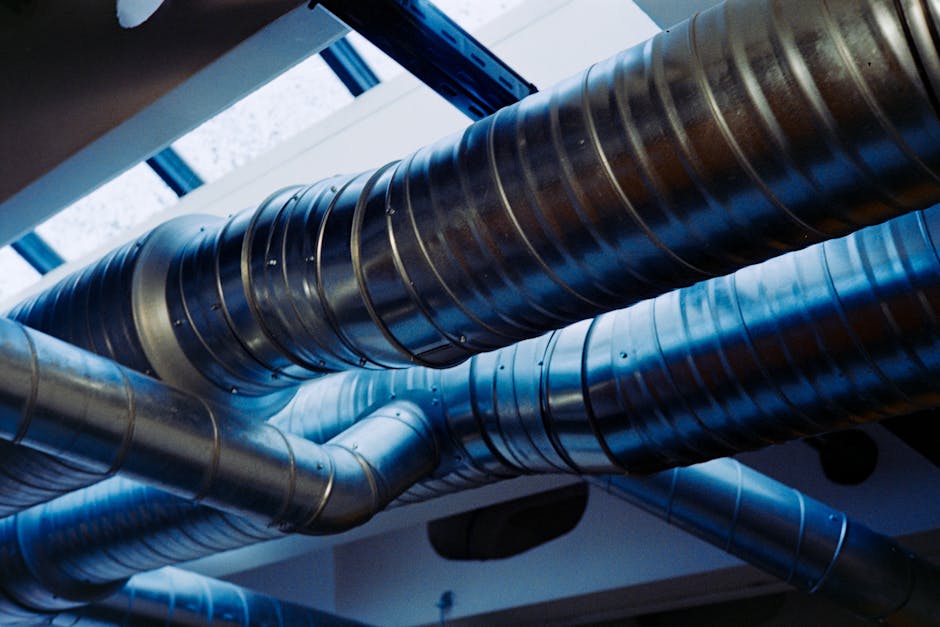
Because commercial ducts are so large—sometimes big enough for a person to crawl through—we can't just rely on a standard brush and a hose. We use advanced technology to ensure every inch of the system is reached.
One of the Best Commercial Duct Cleaning Pittsburgh Tips is to look for a provider that uses robotic inspection and cleaning tools. These "duct bots" can travel deep into a system, providing a high-definition video feed of the contamination and using onboard brushes to agitate debris in areas that are inaccessible to humans.
We also utilize:
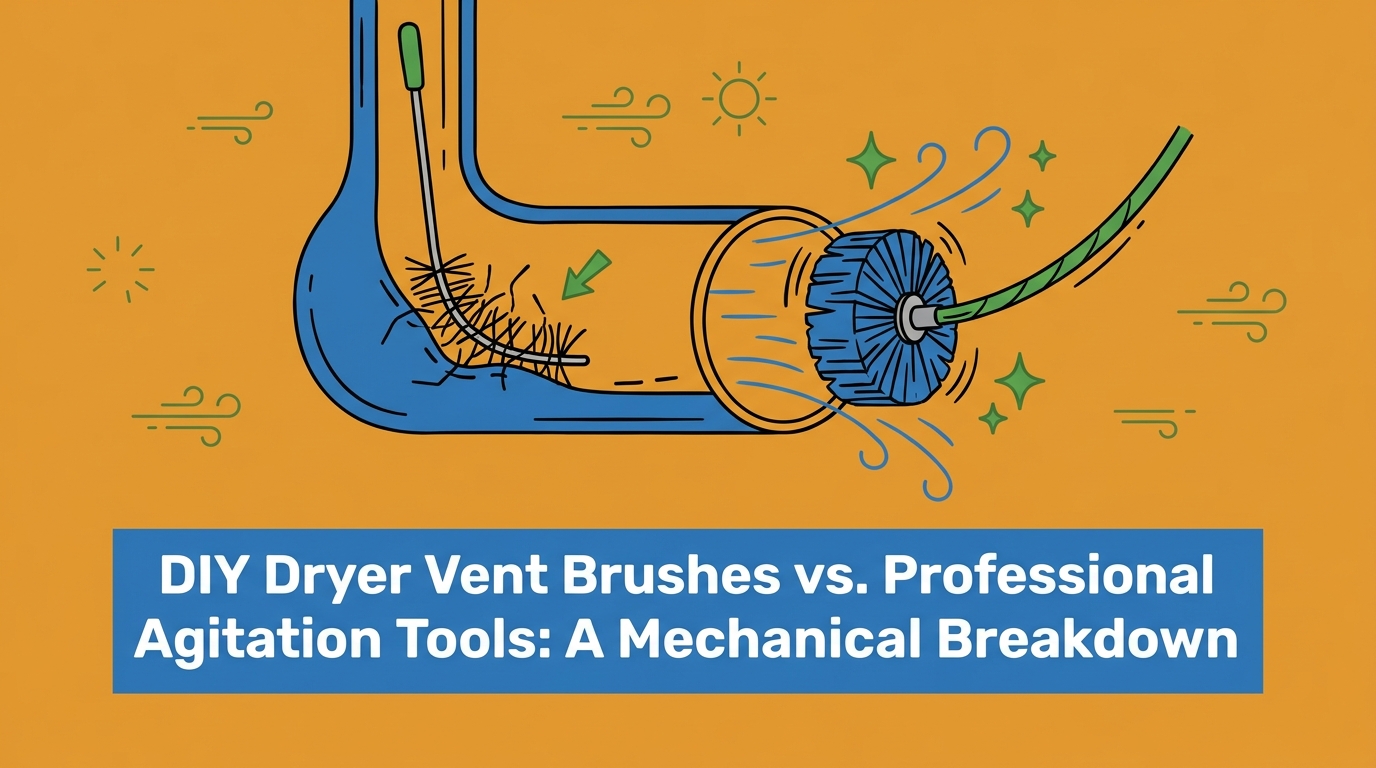
- Pneumatic Air Whips: These tools use compressed air to "snake" through the ducts, bouncing off the walls to dislodge stubborn dust without damaging the duct material.
- Access Panels: In many commercial buildings, the ductwork is sealed tight. We often have to professionally install access panels into the sheet metal to reach the interior. These are then sealed airtight with specialized gaskets and screws once the job is done.
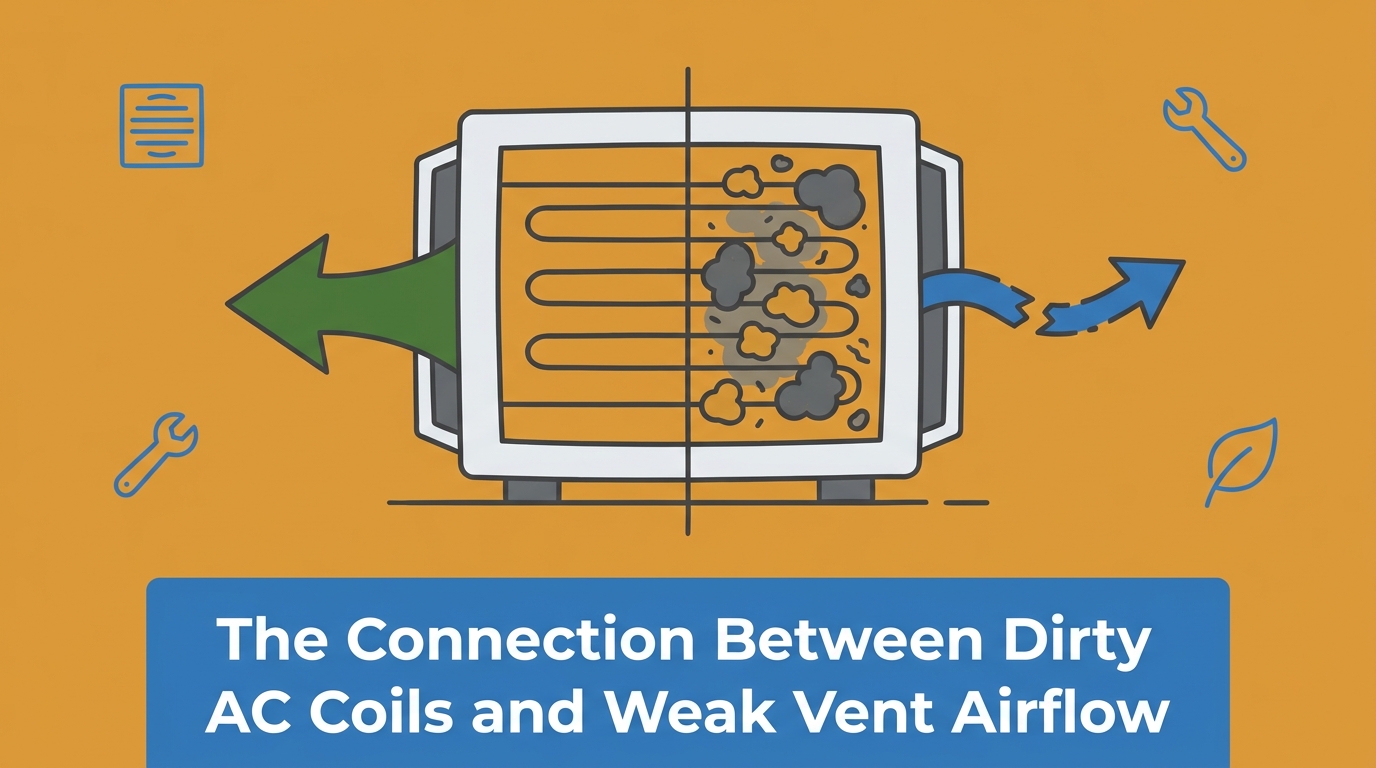
- Coil Cleaning: Commercial systems have massive evaporator and condenser coils. If these are clogged with dust, the system has to work 40% harder to move air. We use specialized foaming cleansers to restore these coils to peak efficiency.
Frequently Asked Questions about Duct Cleaning
How often should commercial ducts be cleaned compared to residential?
The frequency is a major part of how commercial duct cleaning differs from residential. For a home in a quiet neighborhood in Butler County, every 3 to 5 years is the standard recommendation from NADCA. However, for commercial properties, we recommend annual inspections. High-traffic environments like retail stores, or regulated spaces like healthcare clinics, often require cleaning every 1 to 2 years. Facilities with high grease or lint output, like restaurants and hotels, may need specialized exhaust cleaning as often as every 3 months.
Does commercial duct cleaning disrupt daily business operations?
Not when it is handled by professionals. We specialize in "invisible" service. By scheduling our teams for evening or weekend shifts, we ensure that your employees never see a vacuum hose or hear a compressor. We coordinate closely with your facility manager to ensure that security protocols are followed and that the workspace is pristine and ready for business the next morning.
What are the signs that a commercial building needs duct cleaning?
Keep an eye out for these red flags:
- Visible Dust: If you see "dust ghosts" or cobwebs hanging from ceiling vents, the system is over-capacity.
- Odors: Persistent musty or "stale" smells that don't go away with cleaning are often rooted in the ductwork.
- Employee Complaints: An uptick in allergy symptoms, headaches, or respiratory issues among staff can indicate "Sick Building Syndrome."
- Energy Spikes: If your utility bills are climbing but your usage hasn't changed, your HVAC system is likely struggling to pull air through clogged filters and ducts.
Conclusion
At Superior Air Duct Cleaning, we understand that whether you are in Allegheny County, PA, or Trumbull County, OH, your air quality directly impacts your quality of life and your bottom line. How commercial duct cleaning differs from residential is a matter of scale, but our commitment to health-forward maintenance remains the same for every client.
By investing in professional cleaning, businesses across Western Pennsylvania and Northeast Ohio can enjoy improved energy efficiency, reduced fire risks, and a healthier environment for everyone who walks through their doors. If you’re ready to see the difference that industrial-grade expertise can make, we are here to help.
For a deeper dive into the specific needs of your property type, check out our Residential vs Commercial Duct Cleaning Guide or contact us today to schedule an inspection in your local area, from Aliquippa to Monaca and beyond.

Customer Reviews


Superior Air Duct cleaning did a phenomenal job in a timely manner with the tech “Rich” being very professional ,personable and considerate of our property! He explained things as he proceeded and answered all our questions!
I LOVE that they provide before & after photos to see the difference. Give them a try… you won’t regret it
Pam T.
Robert was on schedule and communicated what time he would arrive. He was polite, professional, and respectful of our home. I wanted to wait a couple weeks before posting a review because I wanted to see if the duct cleaning actually made a difference. I am happy to say it did! I vacuum multiple times a week and have already noticed a significant reduction in the amount of dust cleaned up each time. As a home with pets, there will always be something to clean, but getting the ducts cleaned has definitely helped improve the air quality and reduce the dust.
alice A.
Technician Rob arrived early explained the days agenda and then proceeded to work methodically and meticulously over the next 6+ hours cleaning my ductwork. Courteous and professional they answered all of my questions and went above and beyond the call of duty. They even located an old dusty box of rat poison buried in our vents. My only regret is not finding these guys sooner. As a realtor of 22 years and owner of a newly purchased (now dust free) home I highly recommended!
Eric K.
Excellent service! I’ve used them to clean out my air ducts as well as my dryer vent duct and they are excellent. I was very pleased with both jobs and will continue to use them in the future. Great communication as well- from the time I scheduled the appointment until they were at my door.
Erika C.
We had such an amazing experience with Superior Air Duct Cleaning. They were so nice and friendly and did an amazing job. I loved seeing the before and after pictures. Besides doing an amazing job cleaning our air ducts they were so quick at responding and setting up the appointment. We will definitely be using them in the future.
Amanda C.