Why Four Season Weather Is Harder on Your HVAC and Ducts Than You Think
How four season weather affects your HVAC and ducts is one of the most important things homeowners in Western Pennsylvania and Northeast Ohio need to understand — because the answer is: significantly, and in a different way every few months.
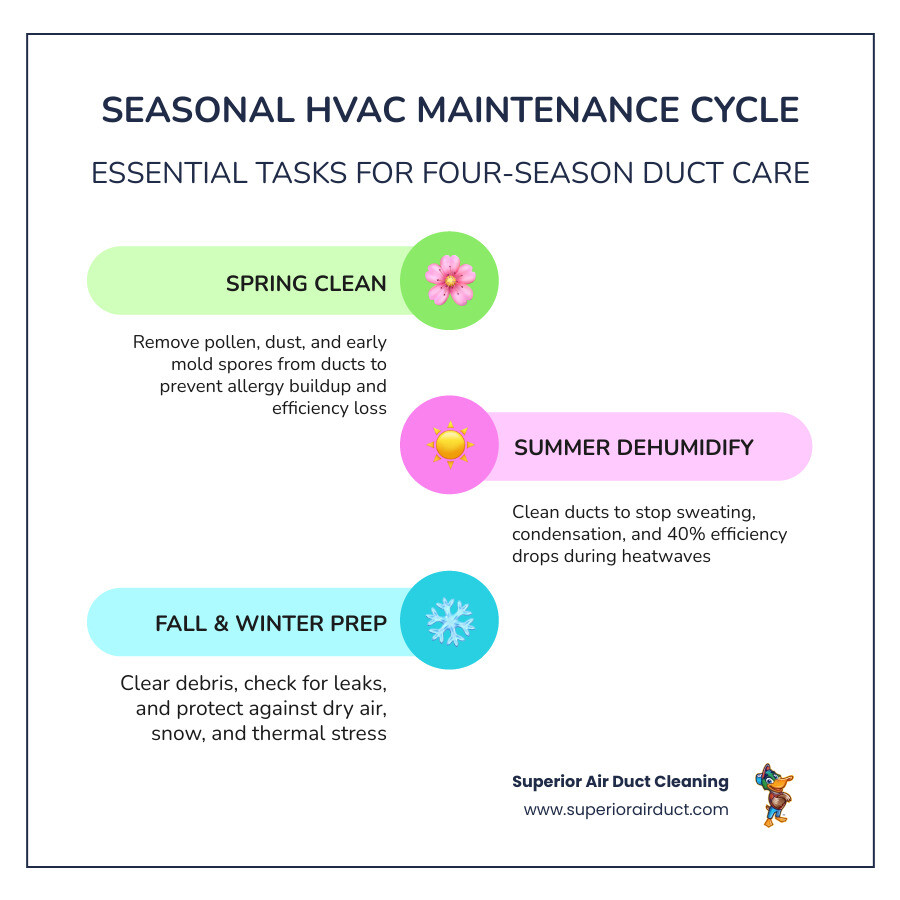
Here is a quick breakdown of what each season does to your system:
- Spring: Rising pollen and humidity push allergens into ducts; mold spores begin to thrive as moisture builds up inside the system
- Summer: Intense heat forces your AC to run longer cycles; high humidity causes duct sweating, condensation, and potential mold growth; dirty ducts can cut efficiency by up to 40%
- Fall: Allergens linger inside ductwork; furnaces fire up after months of sitting idle, stirring up settled dust and debris throughout your home
- Winter: Dry indoor air, heavy heating loads, snow blocking outdoor units, and freezing temperatures stress every component — from the heat exchanger to the duct joints
Unlike homes in milder climates, HVAC systems in four-season regions like Pittsburgh and Youngstown run an average of 2,800 hours per year — more than double the 1,200 hours logged in gentler climates. That kind of workload, combined with dramatic temperature swings, puts real strain on your ductwork, your equipment, and your indoor air quality.
The result? Leaky ducts, uneven temperatures, higher energy bills, and air inside your home that can carry pollutant concentrations 2 to 5 times higher than the air outside.
This guide walks you through exactly what happens to your HVAC system and ductwork during each season — and what you can do about it.
Understanding How Four Season Weather Affects Your HVAC and Ducts
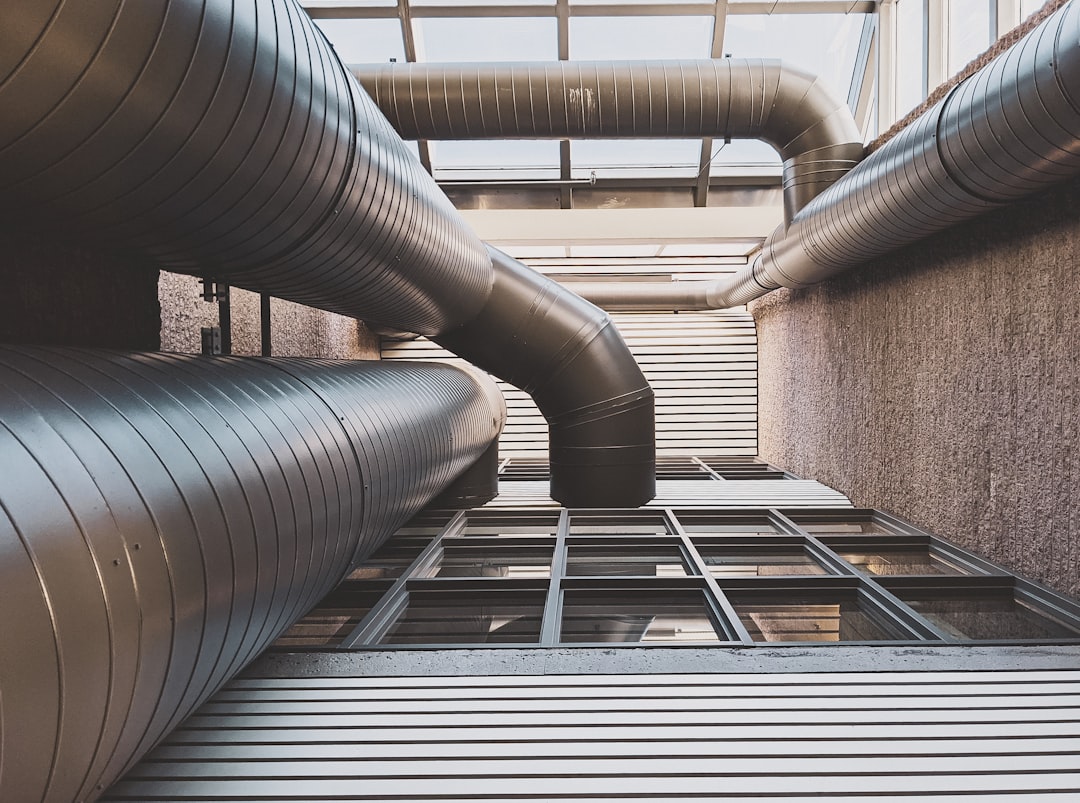
Living in regions like Allegheny County or Butler County means your home undergoes a massive thermal transformation every six months. Your ductwork, typically made of galvanized steel or flexible materials, is the "circulatory system" of your home. When the temperature outside swings from a humid 90°F in July to a bone-chilling 10°F in January, your ducts physically react.
Thermal Expansion and Joint Stress
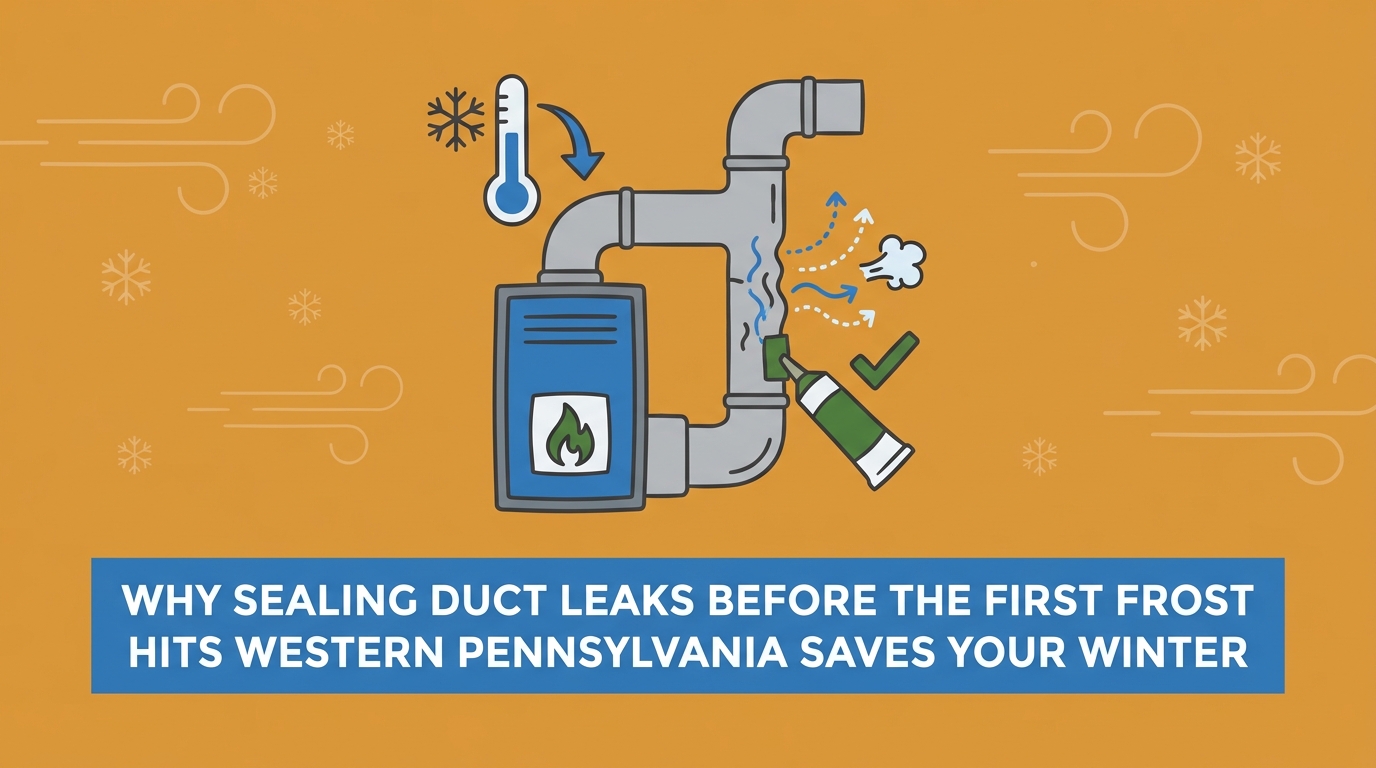
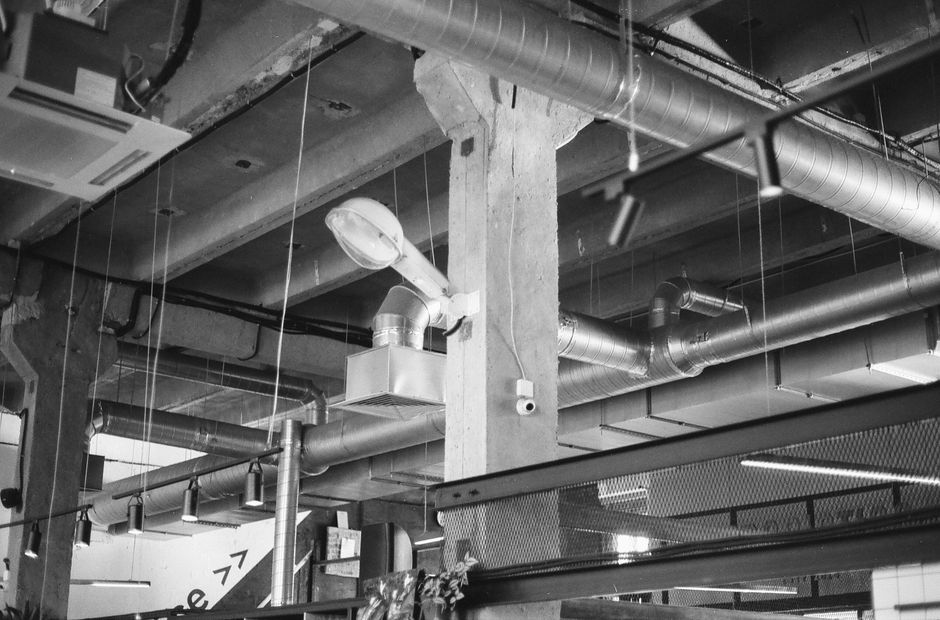
One of the most overlooked ways how four season weather affects your HVAC and ducts is through thermal expansion and contraction. When hot air from your furnace rushes through cold metal ducts in a New Brighton winter, the metal expands. When the cycle ends and the ducts cool, they contract. Over years of these cycles, the seals at the joints can loosen, pop, or crack.
According to research, Superior Air Duct Explains What Causes Damaged Ductwork by highlighting how these physical stresses lead to air leaks. In fact, leaky ducts can reduce heating and cooling system efficiency by nearly 20 percent. In a climate where your system runs 2,800 hours a year, those small gaps add up to massive energy waste.
The Impact of Local Weather Patterns
Whether you are in Beaver Falls, PA, or Boardman, OH, our local weather is characterized by high humidity and rapid temperature shifts. These patterns create a "perfect storm" for ductwork. Gaps caused by expansion don't just let air out; they let unconditioned, dusty, and humid air from attics and crawl spaces in. This infiltration forces your HVAC system to work even harder to maintain comfort, leading to premature wear and tear.
Spring and Summer: Combating Humidity and High-Pollen Peaks
As we transition from the slushy winters of Western Pennsylvania into the bloom of spring, your air ducts become a collection point for nature's debris.
The "Pollen Soup" Inside Your Vents
Spring in Pittsburgh and Youngstown brings heavy pollen counts. When you open your windows to enjoy the first breeze of April, pollen and mold spores enter your home and settle deep within your ductwork. When you finally switch on the air conditioning, these dormant allergens are blasted into your living spaces.
We often find that Dirty Air Ducts Worsen Summer Allergies because the system recirculates these triggers every time the fan kicks on. For families with asthma or respiratory sensitivities, this can make the indoors feel just as irritating as the outdoors.
Humidity and "Sweating" Ducts
Summer brings the challenge of Combating Summer Humidity with Clean Air Ducts. When cold air moves through ducts located in a hot, humid attic or crawl space, moisture can form on the exterior or interior of the ductwork.
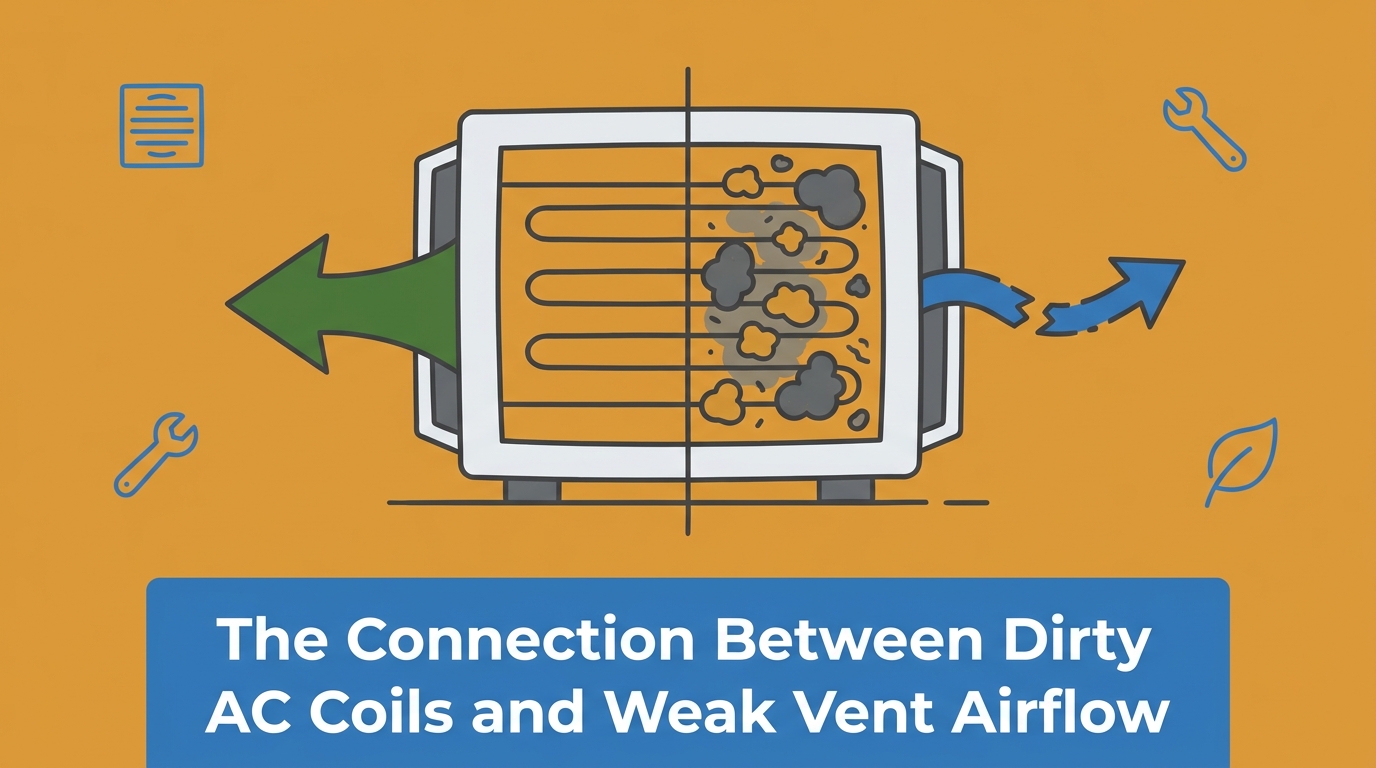
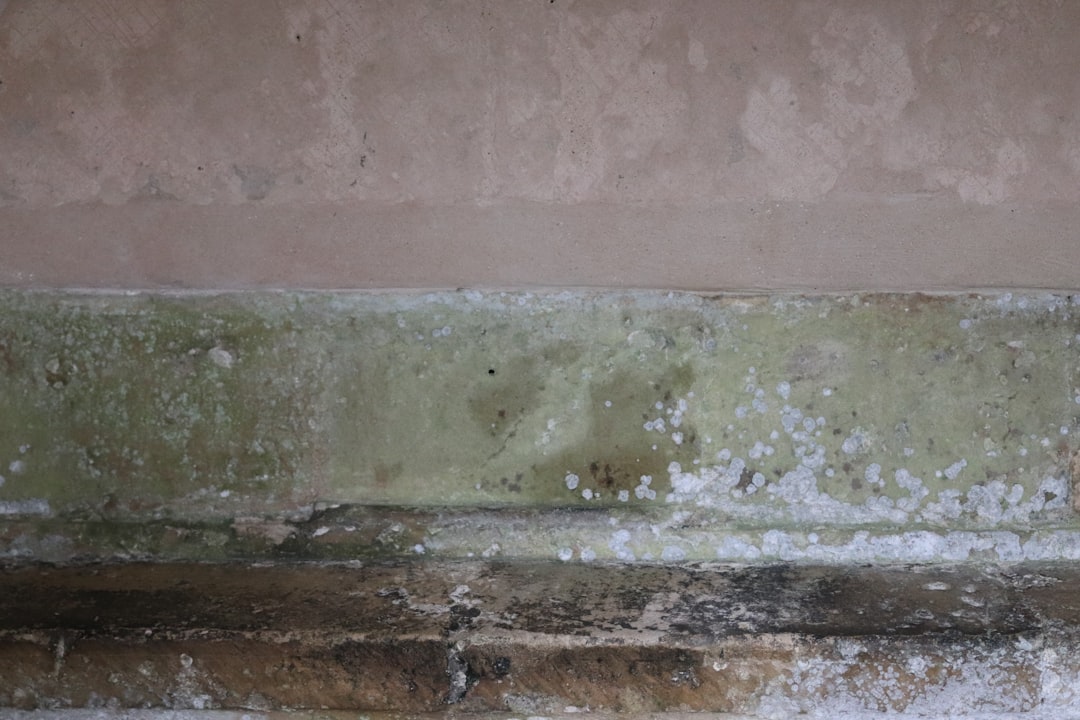
If you've ever wondered What Causes Your Air Ducts to Sweat, it is this temperature differential. This condensation is more than just a nuisance; it creates a breeding ground for mold and mildew. Dirty ductwork can reduce HVAC efficiency by nearly half (up to 40%) when dust combines with this moisture to create a thick, restrictive sludge on coils and vent walls.
How Four Season Weather Affects Your HVAC and Ducts During Heatwaves
During an August heatwave in Cranberry Township or Aliquippa, your AC is under immense pressure. If your ducts are restricted by years of dust buildup, airflow is reduced. A dirty filter alone can reduce airflow by up to 15%.
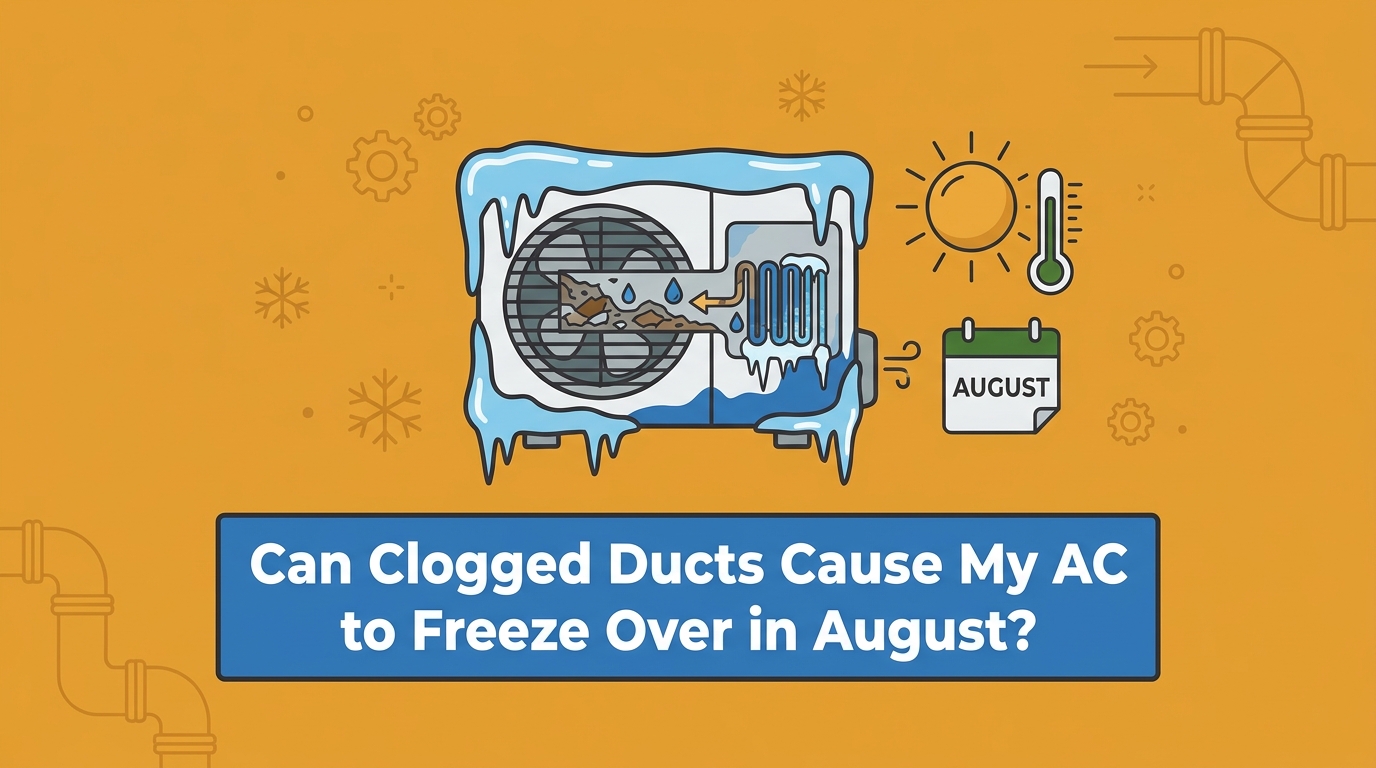
When Humidity in Air Ducts isn't managed, your evaporator coil can actually ice over. This happens because the system can't move enough warm air over the cold coils to prevent freezing. Once the ice forms, your cooling stops entirely, often leading to emergency repairs during the hottest week of the year.
Fall and Winter: Managing Dry Air, Snow, and System Strain
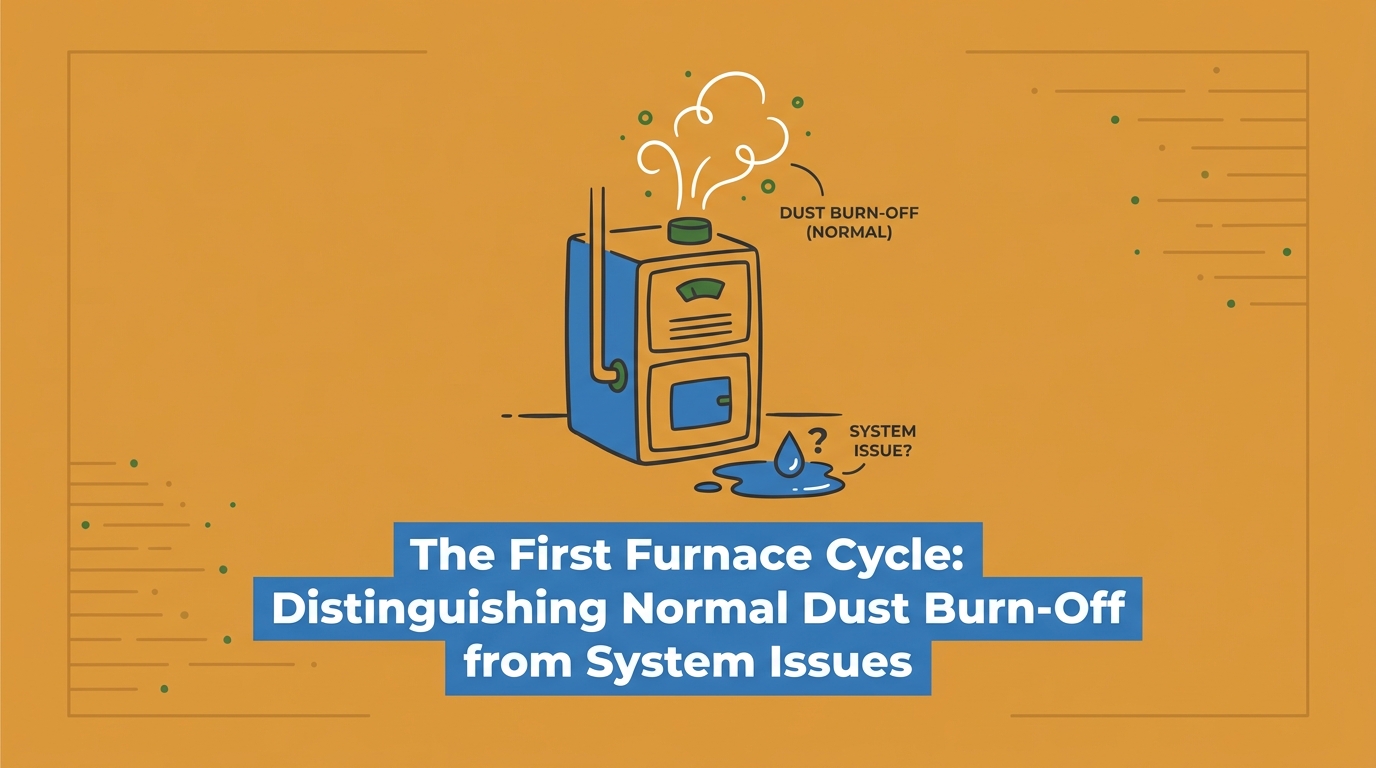
As the leaves turn in Westmoreland and Washington Counties, your HVAC needs shift from cooling to heating. This transition often brings a "stale" or "burning" smell—that's the dust that settled in your ducts over the summer finally being baked by your furnace.
The Winter Workload
Winter in our region isn't just cold; it's demanding. Your furnace or heat pump has to work overtime to fight the "stack effect," where warm air rises and escapes through the top of your home, pulling cold air in through the bottom.
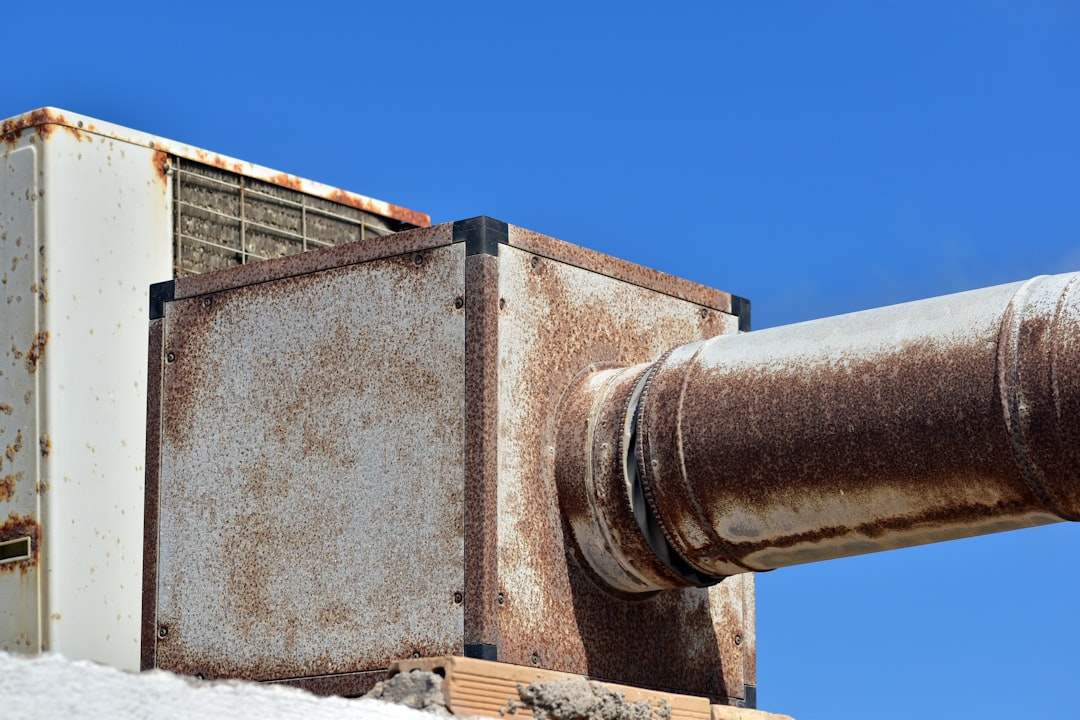
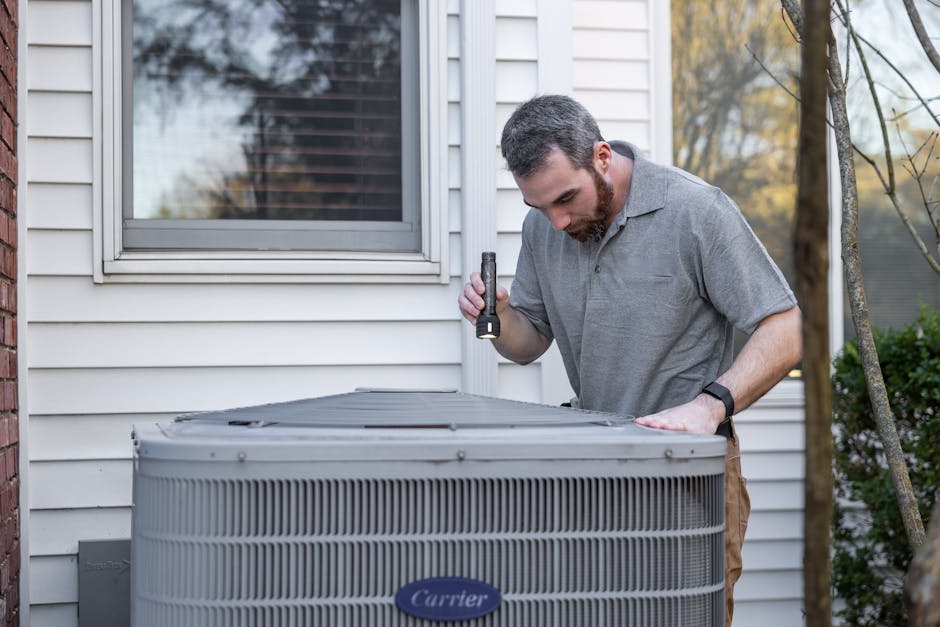
We recommend following Winter Maintenance Tips for Your Air Ducts to ensure your system can handle the load. One critical task is checking your outdoor unit. Snow accumulation can block airflow, and ice can damage the delicate fins on a heat pump. Maintaining a 2-3 foot clearance around your outdoor unit is essential for safety and efficiency.
Dry Air and Static Issues
While summer is too humid, winter is often too dry. Very dry air can make 70°F feel like 65°F, tempting you to crank up the thermostat. Using Energy Saving Tips for the Winter, such as proper humidification, can help. However, if your ducts are leaky, that expensive humidified air is lost to your attic before it ever reaches your bedroom.
Furthermore, What Should I Know About Fall Allergies reminds us that weed pollens and mold from decaying leaves also find their way into our systems during the late months, lingering until a professional cleaning removes them.
Protecting Your Home When Four Season Weather Affects Your HVAC and Ducts in Winter
In a four-season climate, many systems feature a "Summer/Winter" switch or damper. Forgetting to adjust these can lead to major inefficiencies. During winter, you want to ensure your humidifier bypass is open and your dampers are set to push heat toward the floor levels where it's needed most.
Following the advice in Superior Air Duct - How to Save Money on Your Home Heating Bill is vital for safety as well. A system straining against clogged ducts can cause the heat exchanger to overheat, which in extreme cases can lead to cracks and dangerous carbon monoxide leaks.
Solving Seasonal Comfort Issues: Hot Spots and Airflow Imbalances
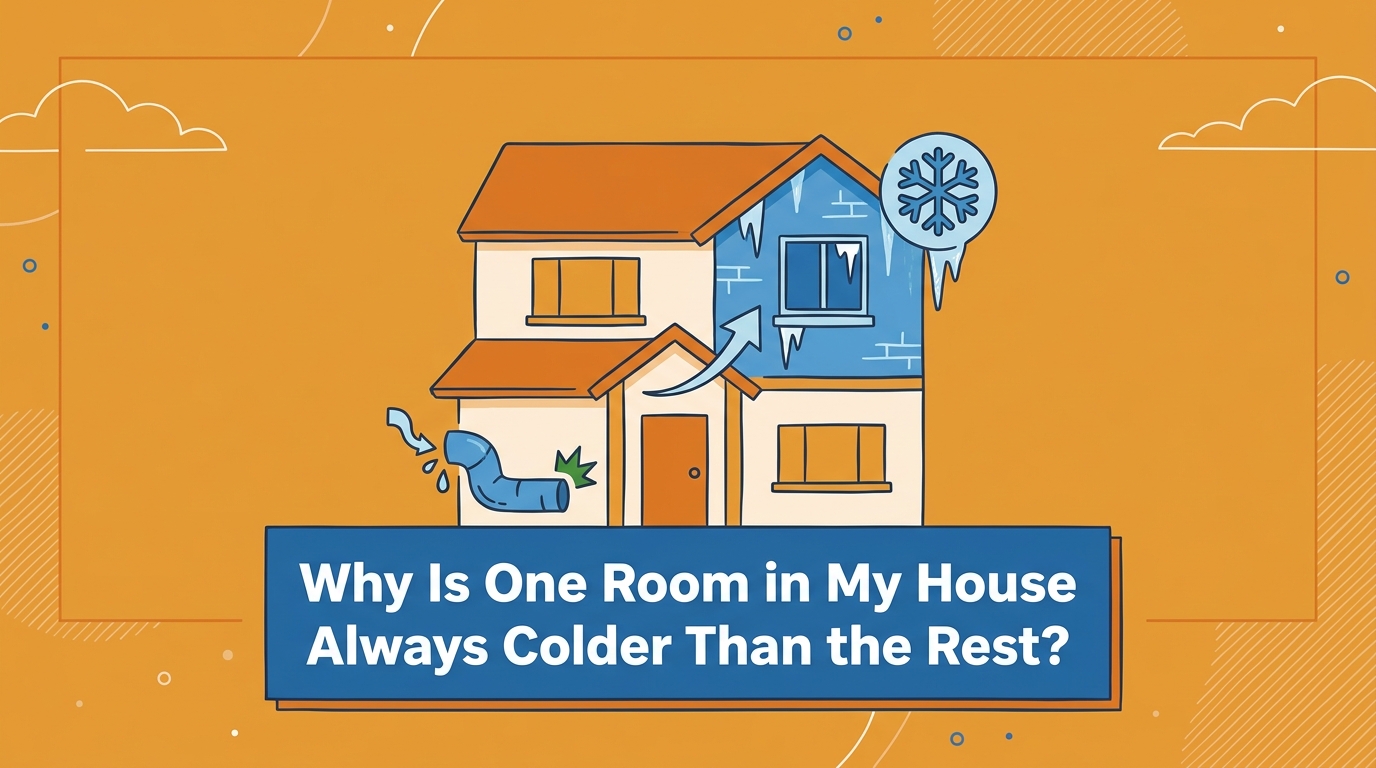
Have you ever noticed that your upstairs bedrooms in Boardman are sweltering in July, but the same rooms feel like an icebox in January? These "hot and cold spots" are classic signs of duct issues exacerbated by seasonal weather.
| Feature | Summer Impact | Winter Impact |
|---|---|---|
| Airflow Path | Cool air struggles to rise to upper floors | Warm air rises too quickly (Stack Effect) |
| Duct Condition | Expansion opens leaks; 30% air loss | Contraction worsens gaps; drafts occur |
| Humidity | Sticky, "heavy" air in distant rooms | Static electricity and dry sinuses |
| Efficiency | AC runs 18+ hours to catch up | Furnace cycles frequently; high bills |
Up to 30% of conditioned air can be lost through duct leaks before it even reaches your living space. This is often Why Energy Bills Rise with Dirty Vents. When debris blocks the path, the air takes the path of least resistance—usually out of a leak in the attic.
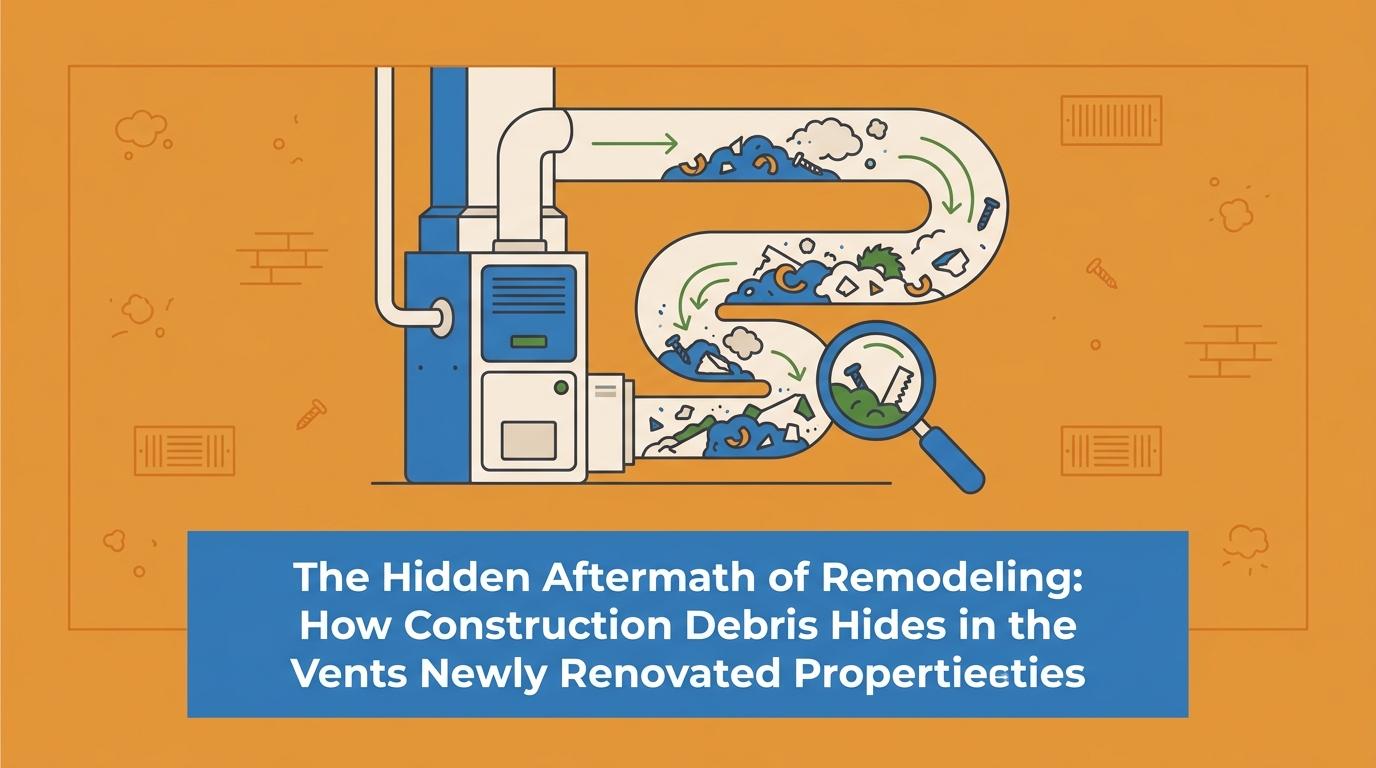
To solve this, we look at Superior Air Duct Cleaning Explains What Can Collect in Your Air Ducts. Removing years of dust, pet hair, and construction debris restores the diameter of your ducts, allowing for the balanced airflow your system was designed to provide.
A Homeowner’s Checklist for Year-Round Duct Maintenance
Maintaining your home in Western PA or Northeast Ohio requires a proactive approach. You wouldn't drive your car 2,800 hours without an oil change; your HVAC system deserves the same respect.
The Maintenance Timeline
To maximize HVAC Efficiency with Air Duct Cleaning, we suggest the following schedule:
- Monthly: Check your air filters. During peak summer and winter, they may need changing every 30 days, especially if you have pets.
- Seasonally: Inspect outdoor vents for bird nests or pest intrusion. Rodents love the warmth of ducts in the winter!
- Annually: Have a professional HVAC tune-up to check electrical connections, which cause up to 75% of system failures in demanding climates.
- Every 3-5 Years: Schedule a professional air duct cleaning. If you have smokers, pets, or recent renovations in your Monaca or Ambridge home, you may need this more frequently.
Professional Inspections and Sealing
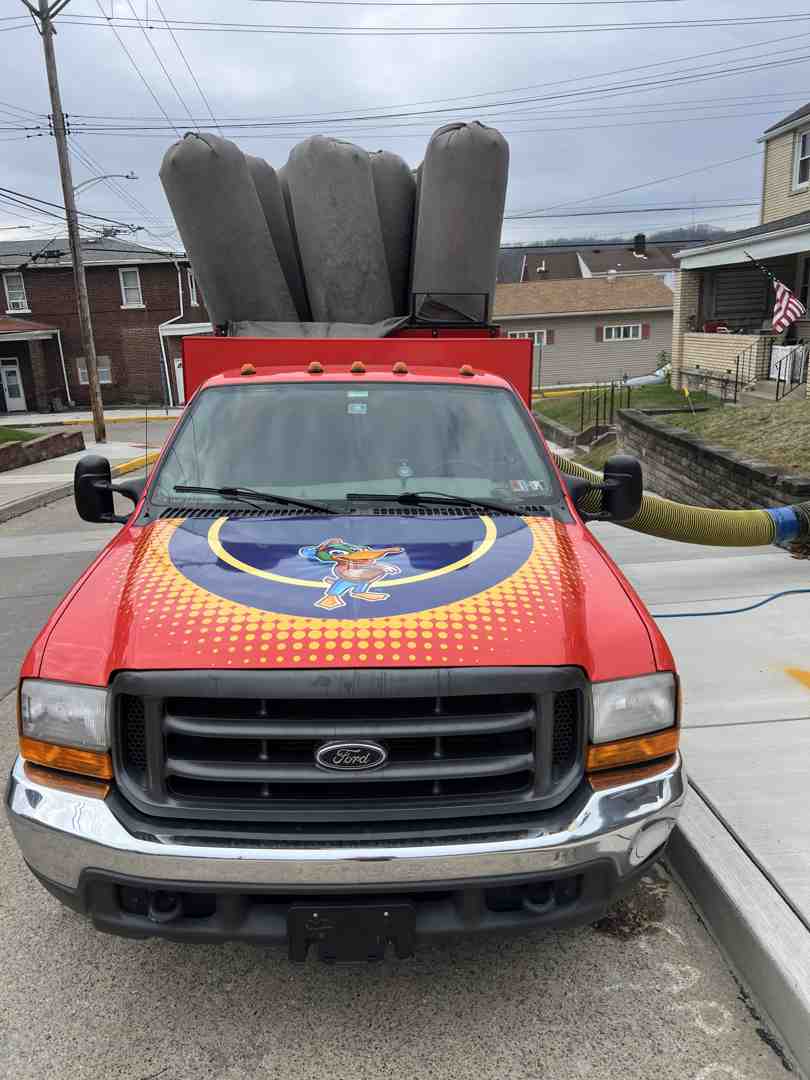
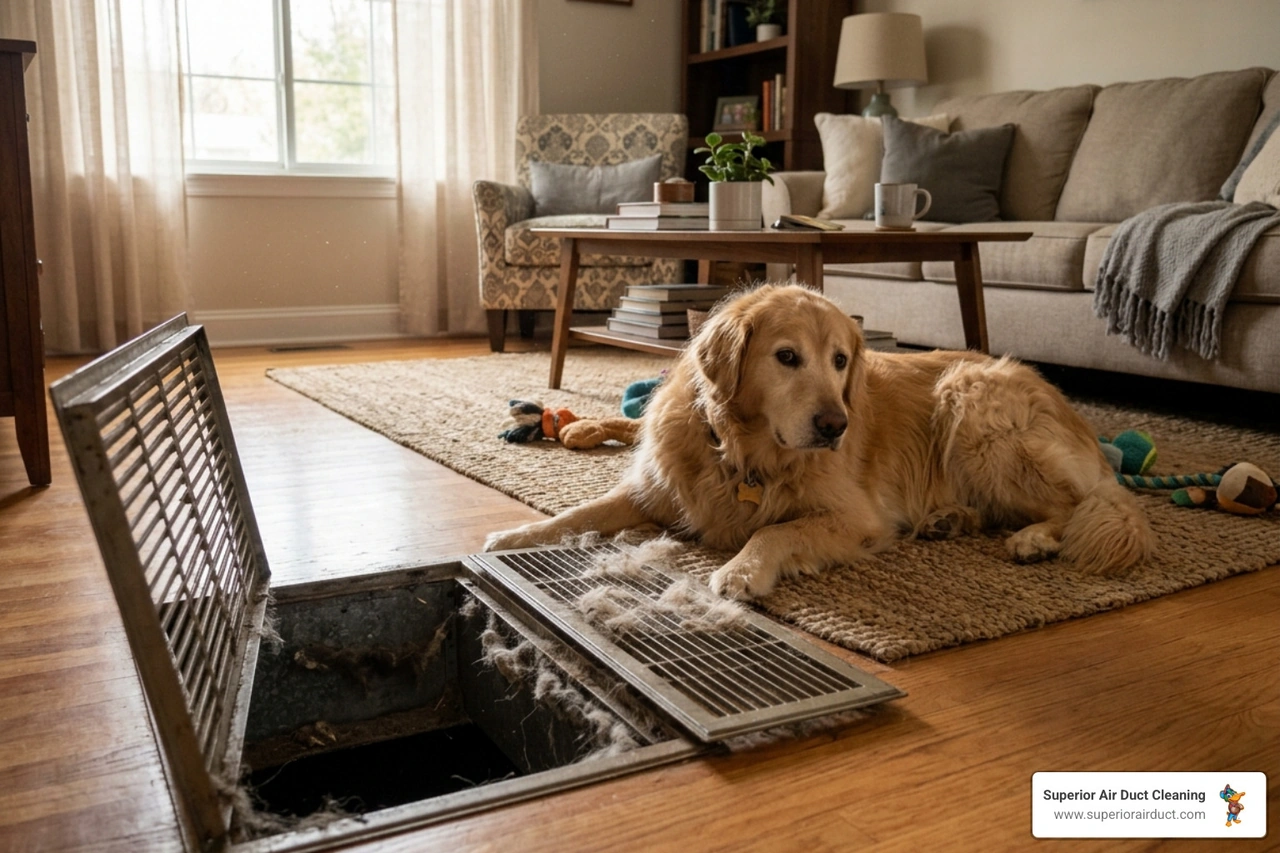
While DIY tasks like changing filters are great, professional cleaning uses truck-mounted vacuums and high-pressure air tools to reach contaminants that a household vacuum simply can't. This process removes the "fuel" for mold and ensures that your system isn't circulating 2-5 times more pollutants than what's found outside.
Frequently Asked Questions about Seasonal HVAC Care
What is a Summer/Winter switch on furnace air ducts?
Many homes in our region have a manual damper lever on the main supply duct or the humidifier bypass. In the Summer, the "S" setting usually closes the bypass to the humidifier so your AC doesn't waste energy trying to dry out air that the humidifier is adding moisture to. In the Winter, switching to "W" opens the damper to allow air to flow through the humidifier, helping to combat the dry indoor air that causes itchy skin and static.
How often should I have my ducts cleaned in a four-season climate?
The National Air Duct Cleaners Association (NADCA) generally recommends cleaning every 3 to 5 years. However, in our four-season climate, your system works harder than average. If you notice excessive dust on furniture shortly after cleaning, have unexplained allergy flare-ups, or have recently completed a home renovation in Youngstown or Pittsburgh, you should consider a cleaning sooner.
What are the signs that seasonal weather has damaged my ducts?
Keep an ear and eye out for these red flags:
- Whistling or Popping Noises: This often indicates air escaping from a new gap or metal expanding/contracting too violently.
- Uneven Temperatures: If a room that was once comfortable is now always too hot or cold.
- Rising Utility Bills: If your bills are climbing but your usage habits haven't changed.
- Excessive Dust: If you see "dust bunnies" or dark streaks around your supply registers.
Conclusion
Your HVAC system is the heart of your home's comfort, but the four-season weather of Western Pennsylvania and Northeast Ohio puts it under constant duress. From the "pollen soup" of spring to the ice and dry air of winter, your ductwork bears the brunt of every temperature swing.
By understanding how four season weather affects your HVAC and ducts, you can take the steps necessary to protect your investment. Regular maintenance, timely filter changes, and professional duct cleaning are the keys to lower energy bills and a healthier home.
Whether you are in Allegheny, Butler, or Mahoning County, we are here to help you breathe easier. Don't let seasonal buildup compromise your air quality or your wallet. Breathe easier with professional air quality solutions and ensure your home is ready for whatever the next season brings.

Customer Reviews


Superior Air Duct cleaning did a phenomenal job in a timely manner with the tech “Rich” being very professional ,personable and considerate of our property! He explained things as he proceeded and answered all our questions!
I LOVE that they provide before & after photos to see the difference. Give them a try… you won’t regret it
Pam T.
Robert was on schedule and communicated what time he would arrive. He was polite, professional, and respectful of our home. I wanted to wait a couple weeks before posting a review because I wanted to see if the duct cleaning actually made a difference. I am happy to say it did! I vacuum multiple times a week and have already noticed a significant reduction in the amount of dust cleaned up each time. As a home with pets, there will always be something to clean, but getting the ducts cleaned has definitely helped improve the air quality and reduce the dust.
alice A.
Technician Rob arrived early explained the days agenda and then proceeded to work methodically and meticulously over the next 6+ hours cleaning my ductwork. Courteous and professional they answered all of my questions and went above and beyond the call of duty. They even located an old dusty box of rat poison buried in our vents. My only regret is not finding these guys sooner. As a realtor of 22 years and owner of a newly purchased (now dust free) home I highly recommended!
Eric K.
Excellent service! I’ve used them to clean out my air ducts as well as my dryer vent duct and they are excellent. I was very pleased with both jobs and will continue to use them in the future. Great communication as well- from the time I scheduled the appointment until they were at my door.
Erika C.
We had such an amazing experience with Superior Air Duct Cleaning. They were so nice and friendly and did an amazing job. I loved seeing the before and after pictures. Besides doing an amazing job cleaning our air ducts they were so quick at responding and setting up the appointment. We will definitely be using them in the future.
Amanda C.