The Real Reason You Shouldn't Ignore Your Dryer Vent
How often should you clean your dryer vent is one of those questions most homeowners don't think to ask — until something goes wrong. Here's the short answer:
| Household Type | Recommended Cleaning Frequency |
|---|---|
| Average household (1-2 people, light use) | Once every 1-2 years |
| Standard family household | Once a year |
| Large family, heavy laundry use | Every 6-9 months |
| Pet owners or frequent bedding/towel loads | Every 6 months |
| Long vent runs or multiple bends | Every 6-12 months |
Most homes fall into the once-a-year category as a baseline — but your specific situation may call for more frequent attention.
Now, here's why it matters more than you might think.
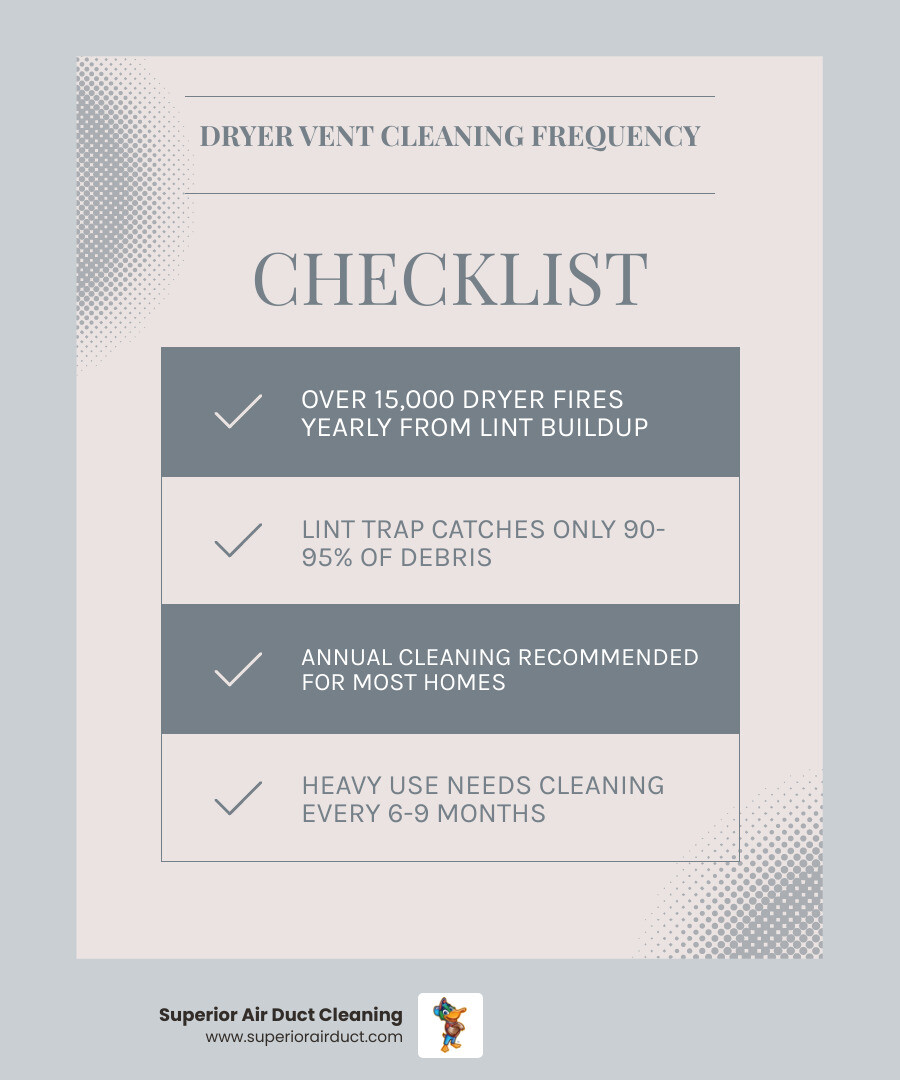
According to the U.S. Fire Administration, over 15,000 dryer-related fires occur every year in the United States. The single leading cause? Failure to clean. Lint is highly flammable, and your lint trap only catches 90% to 95% of what your dryer produces each cycle. The rest quietly builds up inside the vent system — out of sight, and easy to forget about.
For homeowners in Western Pennsylvania and Northeast Ohio, where homes often have longer interior vent runs due to centrally located laundry rooms, that buildup can happen faster than you'd expect.
This guide covers everything you need to know: how often to clean, what signs to watch for, when to call a professional, and how to keep your dryer running safely and efficiently.
How Often Should You Clean Your Dryer Vent?
While the general rule of thumb is to schedule a professional cleaning at least once every 12 months, this isn't a "one size fits all" situation. In our experience serving neighbors from Pittsburgh, PA, to Boardman, OH, we’ve seen that the 12-month rule is a great baseline, but your actual needs depend heavily on your lifestyle.
Think of your dryer vent like a chimney. If you use it every day, it’s going to collect soot—or in this case, highly flammable lint—much faster than a vent used only once a week. If you are following our Dryer Vent Cleaning Ultimate Guide, you know that staying ahead of the buildup is the best way to ensure your appliance lasts its full 15-to-20-year lifespan.
Factors That Change How Often You Should Clean Your Dryer Vent
Several variables can accelerate the need for maintenance. If any of the following apply to your home in Allegheny or Westmoreland County, you might want to move your cleaning schedule up to every six months:
- Pet Ownership: Cats and dogs shed more than just love; they shed fur that bypasses the lint screen and clings to the moist walls of your dryer duct.
- Synthetic Fabrics: Materials like polyester and nylon produce different types of fibers that can clump more easily than natural cotton.
- Laundry Volume: If you have a large family and run back-to-back loads every Saturday, your vent is processing a massive amount of debris.
- Heavy Loads: Drying bulky items like comforters, rugs, or heavy towels produces significantly more lint per cycle.
Understanding The Importance of Dryer Vent Cleaning by Superior Air Duct means recognizing that "heavy use" households are at a higher risk for blockages that can lead to overheating.
Why Vent Length Impacts How Often You Should Clean Your Dryer Vent
The physical layout of your home plays a massive role in how quickly lint accumulates. Modern building codes and manufacturer specifications generally recommend a maximum dryer vent length of 35 feet. However, this isn't just a straight line. For every 90-degree bend in the pipe, you must deduct 5 feet from that total (and 2.5 feet for 45-degree bends).
If your laundry room is located in the center of your home—common in houses built since 1985—your vent likely travels a long distance through walls or ceilings to reach the outside. These long runs create more surface area for lint to settle. Furthermore, every turn in the pipe creates a "settling point" where airflow slows down and lint drops out of the air stream. Keeping these paths clear is vital for Dryer Vent Cleaning Safety Efficiency, as restricted airflow forces the dryer motor to work harder, increasing your energy bills and fire risk.
5 Warning Signs Your Dryer Vent Needs Immediate Attention

Sometimes, you don't need a calendar to tell you it's time for a cleaning; your dryer will tell you itself. If you notice any of these 4 Dangerous Warning Signs Your Dryer Vent Is Clogged, stop using the appliance and address the issue immediately.
- Longer Cycle Times: If your "normal" 45-minute cycle suddenly requires 90 minutes to get towels dry, your vent is likely restricted.
- Excessive Heat: If the top of the dryer is hot to the touch or your laundry room feels like a sauna during operation, the hot air isn't escaping properly.
- Burning Odors: A musty or "scorched" smell is a major red flag. This often means lint has collected near the heating element and is beginning to singe.
- Damp Clothes: Finding damp spots on clothes after a full cycle indicates that moisture-laden air is being trapped inside the drum rather than exhausted.
- Exterior Vent Issues: Walk outside while the dryer is running. If the vent flaps aren't opening or you see lint piling up on the ground below the hood, you have a significant blockage.
The Hidden Dangers of Neglecting Your Dryer Exhaust
When we talk about dryer maintenance, we aren't just talking about convenience; we're talking about home safety. The National Fire Protection Association (NFPA) notes that "failure to clean" is the leading factor in one-third of all dryer fires.
Beyond the immediate fire hazard, a clogged vent can lead to:
- Carbon Monoxide Risks: For gas dryers, a blocked vent can cause colorless, odorless carbon monoxide to back up into your living space in Beaver Falls or Cranberry Township.
- Mold Growth: When warm, moist air can't escape, it condenses inside the ductwork or behind walls, creating a breeding ground for mold.
- Reduced Lifespan: Forcing your dryer to "run a marathon" every time you do a load of laundry leads to premature component failure.
- Higher Energy Bills: A clogged vent can add an estimated $18 to $24 per month to your utility costs because the dryer has to run longer.
By choosing to Prevent Hazards with Dryer Vent Cleaning, you are protecting your family and your wallet at the same time.
Professional vs. DIY Dryer Vent Cleaning in Pittsburgh and Boardman
Many homeowners in the Greater Pittsburgh area or over in Boardman, OH, wonder if they can handle this task themselves. While cleaning the area behind the dryer is a great DIY task, a full-system cleaning is often best left to professionals.
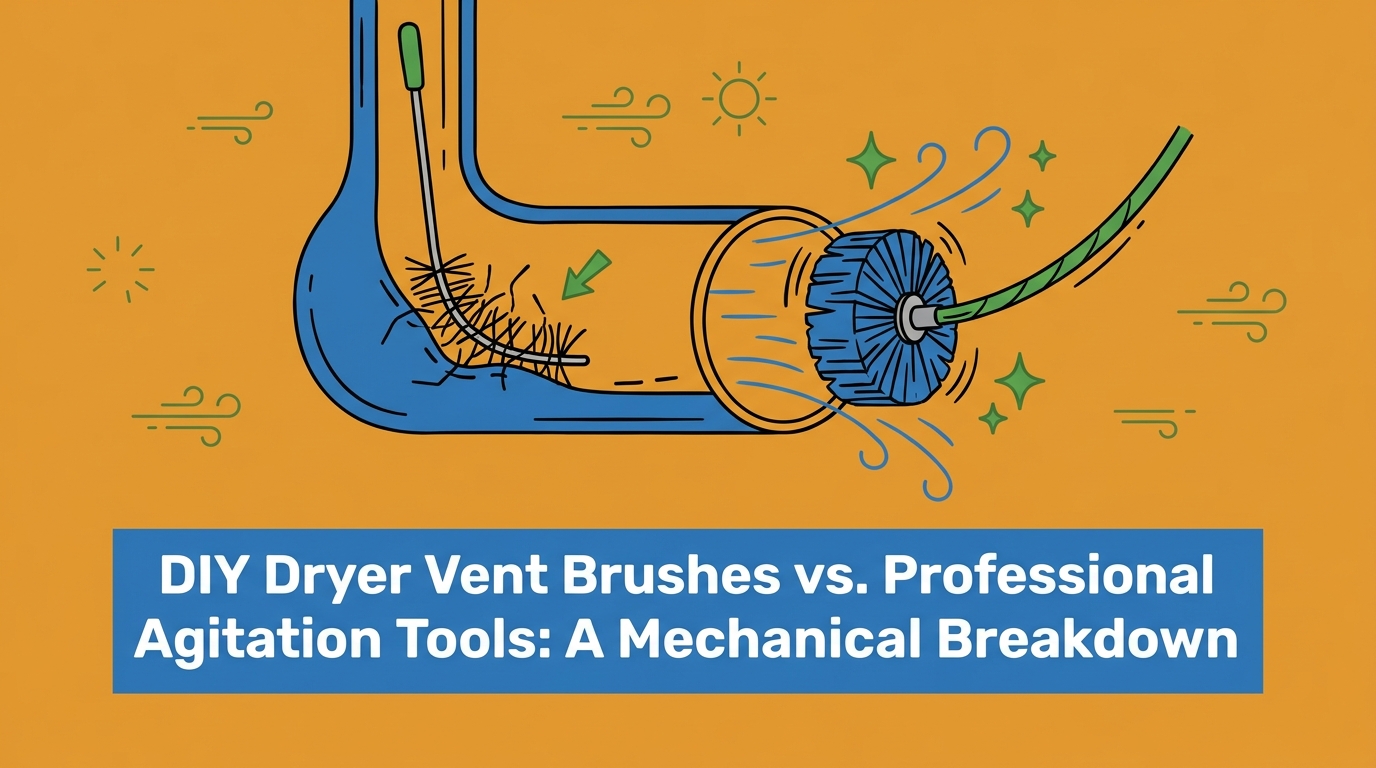
Standard DIY kits sold at hardware stores often include brushes that can get stuck in long vent runs or accidentally disconnect sections of flexible piping hidden behind your drywall. Furthermore, a household vacuum simply doesn't have the "lift" required to pull heavy, wet lint through a 20-foot vertical run.
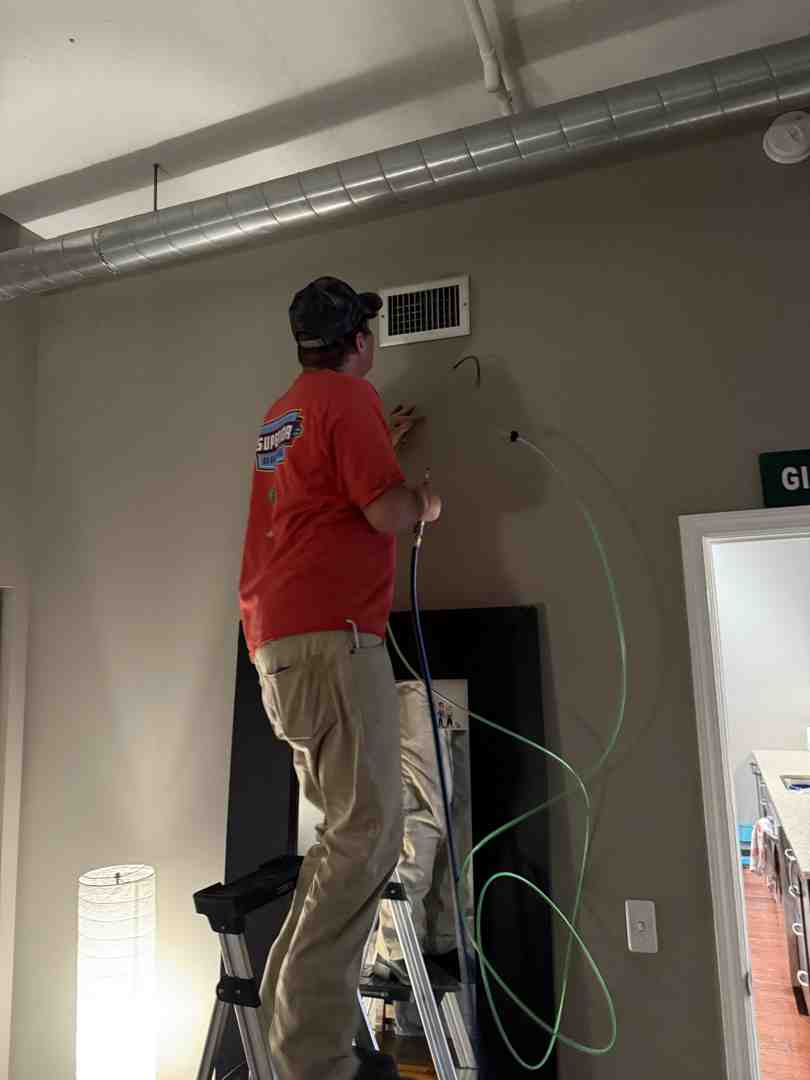
Our Dryer Vent Cleaning Pittsburgh PA team uses specialized tools that DIYers don't have access to:
- Flexible Rod Systems: These can navigate multiple 90-degree bends without breaking or getting stuck.
- High-Powered Air Whips: These dislodge stubborn lint from the walls of the ductwork.
- HEPA-Filtered Vacuums: We ensure that the dust and allergens we remove don't end up floating around your laundry room.
- Inspection Cameras: We can see exactly what is happening inside your walls to ensure every inch is clear.
Step-by-Step Guide to Maintaining Your Dryer System
If you are performing basic maintenance between professional visits, follow these steps to keep things safe:
- Safety First: Unplug the dryer. If it's a gas dryer, be extremely careful not to kink or break the gas line when moving the unit.
- Disconnect the Transition Hose: This is the flexible duct between the dryer and the wall. Inspect it for cracks or crushed sections.
- Vacuum the Reachable Areas: Use a narrow attachment to clean the exhaust hole on the back of the dryer and the entrance to the wall duct.
- Clean the Lint Trap: Don't just pull the lint off; occasionally wash the screen with warm, soapy water to remove waxy buildup from dryer sheets.
- Check the Exterior Hood: Ensure the flap moves freely and remove any bird nests or debris.
- Reconnect and Test: Secure all clamps and run the dryer on a "timed dry" or "air fluff" setting for 10 minutes to verify that air is blowing strongly out of the exterior vent.
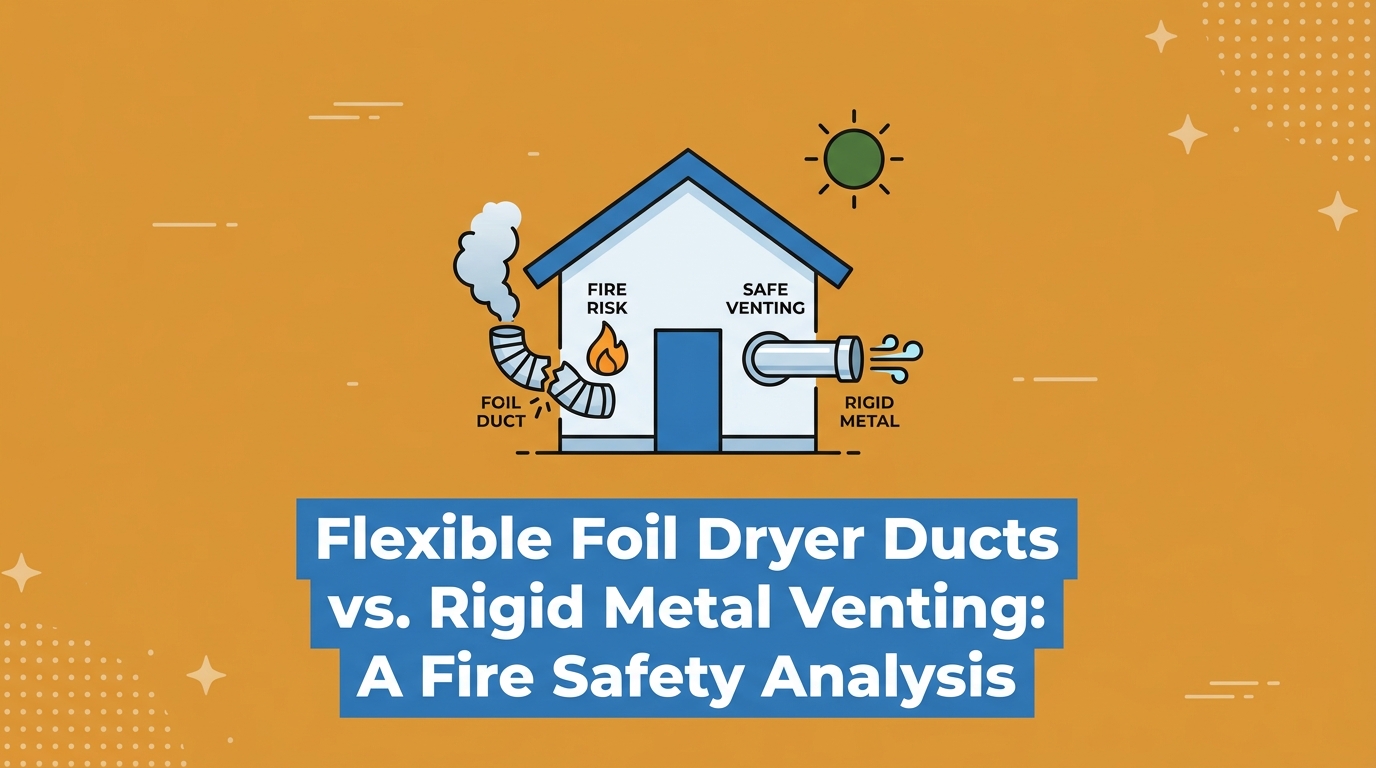
Note: If you still have a plastic or foil "slinky" style transition hose, we strongly recommend replacing it with a semi-rigid metal duct, which is much more fire-resistant and less likely to sag and collect lint.
Frequently Asked Questions about Dryer Maintenance
Can I use a leaf blower to clean my vent?
We strongly advise against this. While it might seem like a quick fix, a leaf blower can actually compact lint into a hard "plug" at a bend in the pipe, making the problem much worse. It can also create enough pressure to burst the seams of your ductwork inside your walls, leading to a hidden fire hazard.
How long does a professional dryer vent cleaning take?
For a standard home in places like Monaca or Aliquippa, a professional cleaning typically takes about 45 to 60 minutes. This includes the initial airflow test, the cleaning process, and a final verification to ensure everything is exhausting properly.
Does the lint trap catch all the debris?
No. Even the best lint filters only catch about 90% to 95% of the fibers produced. The remaining 5% to 10% travels into the internal chassis of the dryer and out into the vent system. Over hundreds of loads, that "small" amount adds up to a major blockage.
Conclusion
Knowing how often should you clean your dryer vent is the first step in maintaining a safe and efficient home. Whether you're in Allegheny County, PA, or Mahoning County, OH, regular maintenance is the only way to "let lint win" and keep your laundry room running smoothly.
At Superior Air Duct Cleaning, we take pride in helping our neighbors across Western Pennsylvania and Northeast Ohio breathe easier and live more safely. From thorough inspections to high-powered cleaning, we ensure your dryer vent is clear from the back of the machine to the outside world.
Don't wait for a burning smell or a damp load of laundry to remind you of this essential chore. Schedule your professional dryer vent cleaning today and enjoy the peace of mind that comes with a fire-safe home.

Customer Reviews


Superior Air Duct cleaning did a phenomenal job in a timely manner with the tech “Rich” being very professional ,personable and considerate of our property! He explained things as he proceeded and answered all our questions!
I LOVE that they provide before & after photos to see the difference. Give them a try… you won’t regret it
Pam T.
Robert was on schedule and communicated what time he would arrive. He was polite, professional, and respectful of our home. I wanted to wait a couple weeks before posting a review because I wanted to see if the duct cleaning actually made a difference. I am happy to say it did! I vacuum multiple times a week and have already noticed a significant reduction in the amount of dust cleaned up each time. As a home with pets, there will always be something to clean, but getting the ducts cleaned has definitely helped improve the air quality and reduce the dust.
alice A.
Technician Rob arrived early explained the days agenda and then proceeded to work methodically and meticulously over the next 6+ hours cleaning my ductwork. Courteous and professional they answered all of my questions and went above and beyond the call of duty. They even located an old dusty box of rat poison buried in our vents. My only regret is not finding these guys sooner. As a realtor of 22 years and owner of a newly purchased (now dust free) home I highly recommended!
Eric K.
Excellent service! I’ve used them to clean out my air ducts as well as my dryer vent duct and they are excellent. I was very pleased with both jobs and will continue to use them in the future. Great communication as well- from the time I scheduled the appointment until they were at my door.
Erika C.
We had such an amazing experience with Superior Air Duct Cleaning. They were so nice and friendly and did an amazing job. I loved seeing the before and after pictures. Besides doing an amazing job cleaning our air ducts they were so quick at responding and setting up the appointment. We will definitely be using them in the future.
Amanda C.