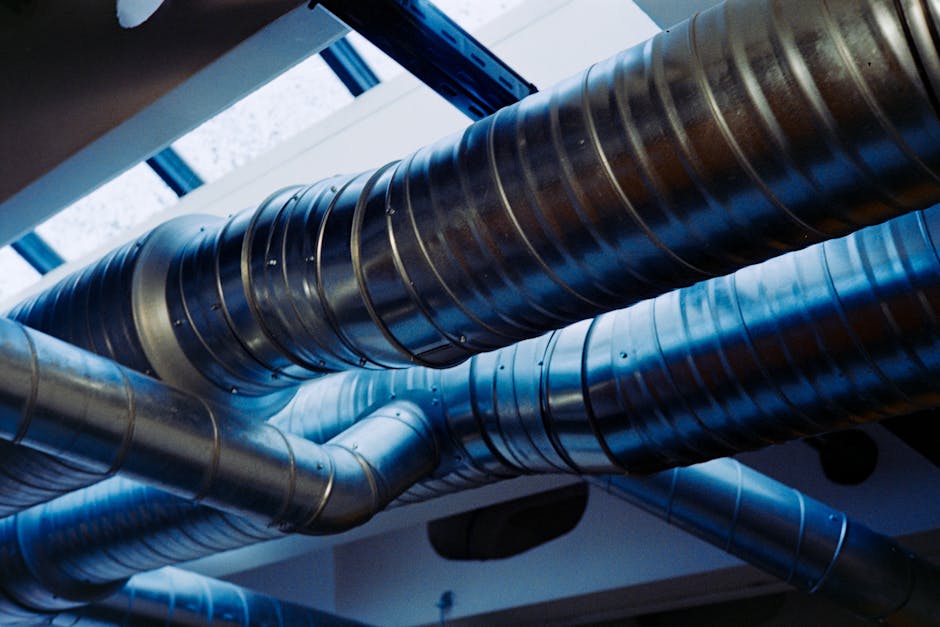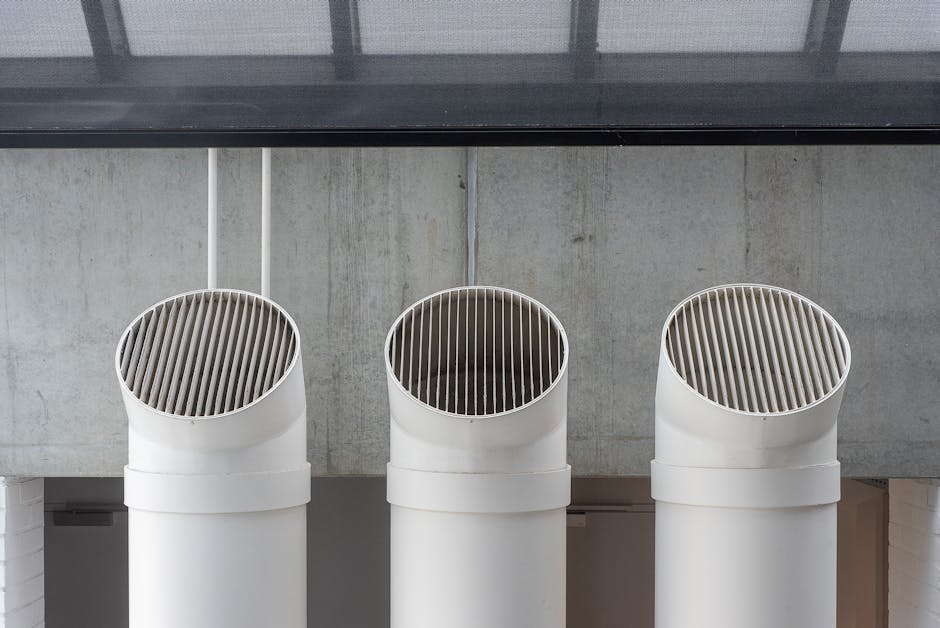
Why Your Home's Ductwork Deserves Your Attention
Duct replacement & installation is often overlooked until something goes wrong—uneven temperatures, skyrocketing energy bills, or air that just doesn't feel quite right. Your home's ductwork acts as its respiratory system, quietly moving heated or cooled air from your HVAC unit to every room. When those ducts deteriorate, leak, or become clogged with debris, your comfort, health, and wallet all suffer. Most ductwork lasts 15 to 25 years, but factors like poor installation, mold growth, pest damage, or simple wear and tear can shorten that lifespan significantly.
Here's what you need to know about duct replacement & installation:
- When to Replace: Ducts over 15 years old, visible damage (holes, dents, disconnected sections), persistent mold, or extensive air leakage
- When to Repair: Minor leaks, small gaps, or isolated damage on systems less than 10 years old
- Average Timeline: Full duct replacement typically takes 1-2 days for most homes
- Key Materials: Sheet metal (20+ years lifespan), flexible ducts (10 years or less), fiberboard (10-15 years)
- Major Benefits: Improved energy efficiency (up to 20% savings), better indoor air quality, consistent temperatures, reduced HVAC strain
Whether you're dealing with an aging system, planning a renovation, or noticing signs of ductwork failure, understanding the replacement and installation process helps you make informed decisions about your home's comfort and efficiency. A professional duct system ensures your HVAC equipment works as designed, distributing conditioned air evenly while keeping energy waste to a minimum.
Telltale Signs: When to Consider Ductwork Replacement
Our homes are constantly communicating with us, and sometimes, those whispers are about the health of our ductwork. Ignoring these signs can lead to discomfort, higher bills, and even health issues. Recognizing the early indicators that your ducts need attention is the first step toward a healthier, more efficient home.
Here are the telltale signs that it might be time to consider duct replacement & installation:
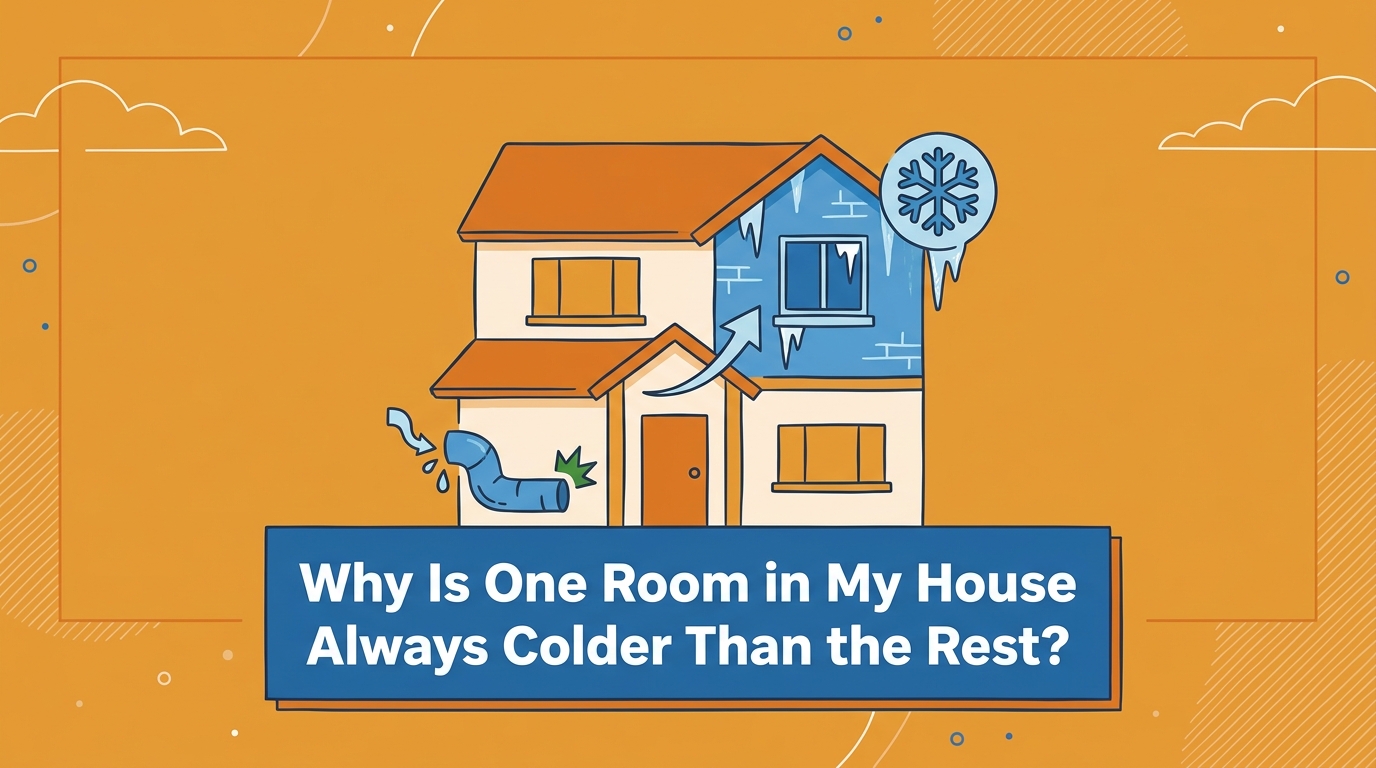
- Uneven Temperatures: Do some rooms feel like a sauna while others are an igloo? If you're running your furnace or air conditioner but still experiencing hot or cold spots, it's often a sign of leaky or improperly sized ducts. Air isn't adequately moving to all areas, leading to inconsistent temperatures.
- Rising Energy Bills: Are your utility bills skyrocketing without a clear explanation? Poorly sealed or insulated ducts can be a major culprit. When heated or cooled air leaks out before reaching your living spaces, your HVAC system has to work harder and longer to maintain your desired temperature, directly translating to wasted energy and higher costs. A ductwork system with air leakage issues can reduce the efficiency of your air conditioner and heating system by up to 20%.
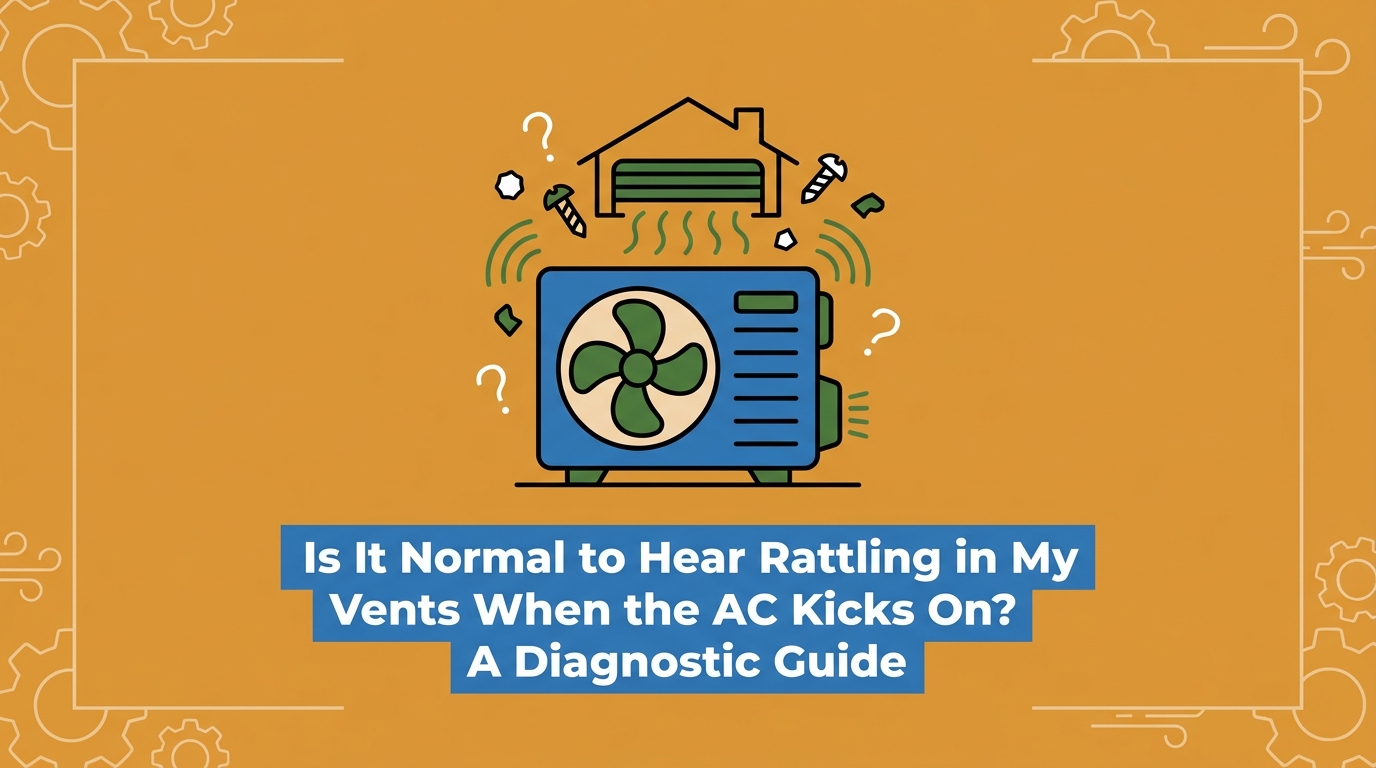
- Strange Noises: Whistling, rattling, or banging sounds coming from your vents or within your walls can indicate problems. Whistling often points to air leaks or undersized ducts, while rattling or banging might signal loose fittings, thermal expansion, or even disconnected sections of ductwork.
- Excessive Dust: Noticing a persistent layer of dust on furniture, even after cleaning, or around your vents? This could mean your ductwork has leaks, allowing dust, debris, and allergens from unconditioned spaces (like attics or crawl spaces) to enter your home's airflow.
- Visible Damage (Dents, Holes): Take a peek at any accessible ductwork, such as in your basement or utility closets. Visible damage like dents, holes, cracks, or disconnected sections are clear indicators that your ducts are compromised and need immediate attention. These openings are direct pathways for conditioned air to escape and unconditioned air or contaminants to enter.
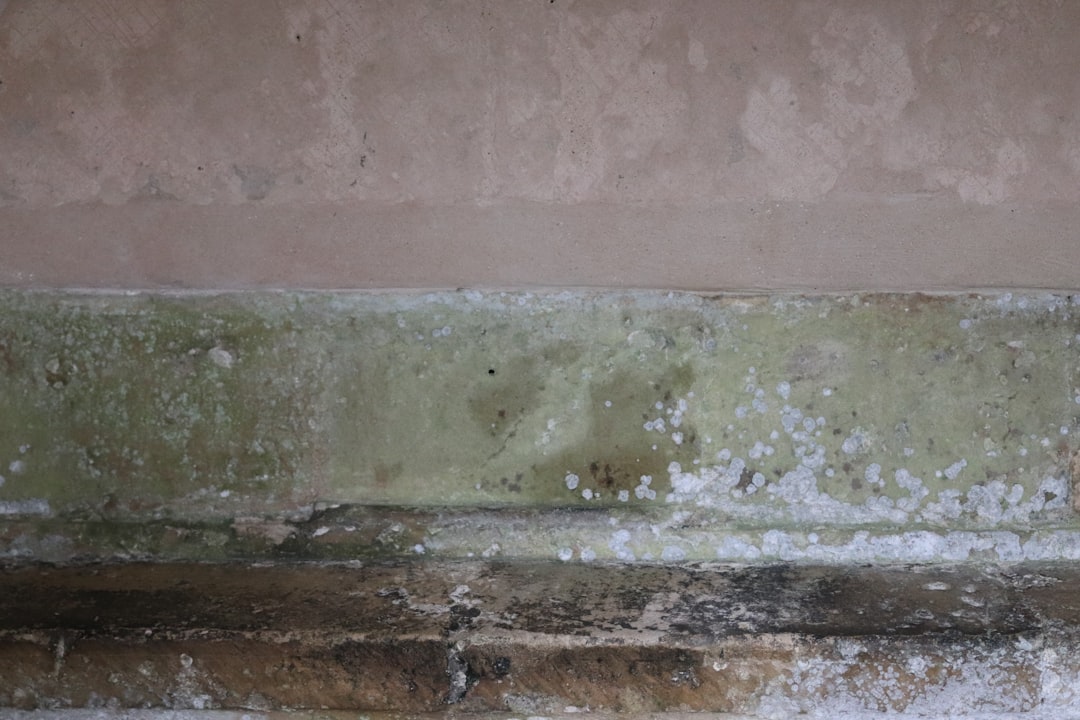
- Musty Odors: A lingering musty smell throughout your home can be a sign of mold or mildew growth within your ductwork. This is especially common if ducts have been exposed to moisture or are located in damp environments.
- Pest Infestations: Ducts can become a highway for pests like insects or rodents if there are unsealed entry points. Evidence of pests or their droppings in or around your vents is a serious concern, as they can bring allergens and pathogens into your home's air supply.
- Ducts Over 15 Years Old: Like any component of your home, ductwork has a lifespan. While some materials, like sheet metal, can last over 20 years with proper maintenance, flexible and fiberboard ducts typically need replacement after 10-15 years. If your HVAC system is over 15 years old, your ductwork is likely nearing the end of its effective life.
Repairing vs. Replacing Your Ducts
Once you've identified potential issues, the next question is whether a repair will suffice or if a full replacement is necessary. This decision often hinges on the age of your ductwork, the extent of the damage, and the presence of specific contaminants.
The lifespan of ductwork varies significantly by material. Flexible ducts usually last 10 years or less, while fiberboard ducts can last around 10–15 years. Sheet metal ducts, known for their durability, can last more than 20 years with proper maintenance.
Minor leaks or small, localized damage on systems less than 10 years old can often be effectively repaired. If your ducts are relatively free from significant damage, mold, or excessive debris, cleaning and sealing minor gaps with professional-grade mastic sealant or foil-backed tape can address many common issues, restoring optimal airflow and removing pollutants. However, duct tape, despite its name, is not an effective long-term solution for sealing ducts; it tends to fail quickly.
When is replacement the better option?
- Widespread Damage: If your ductwork has extensive damage, such as numerous holes, disconnected sections, or significant sagging, repairing every compromised area can become labor-intensive and cost-prohibitive. In such cases, full duct replacement & installation is often the more economical and effective long-term solution.
- Poor Original Design or Installation: Sometimes, the problem isn't just wear and tear, but a fundamentally flawed system. Ducts that were improperly sized, had too many bends, or were poorly installed from the start can lead to chronic airflow issues, noise, and inefficiency. Resealing such a system might be like putting a bandage over a gaping wound—it won't fix the underlying problem.
- Mold in Insulated Ducts: This is a critical point. According to the Environmental Protection Agency (EPA), if the ductwork insulation gets wet or moldy, "it cannot be effectively cleaned and should be removed and replaced." Mold remediation can add to project costs, but it's essential for your home's health.
- Aging System: If your ducts are over 10-15 years old and showing multiple signs of deterioration, a full replacement is often recommended. This ensures you're investing in a system that will perform efficiently for years to come, rather than continually patching an aging network.
For complex situations or to get a professional assessment, consulting a guide like the Duct Retrofit Decision Guide | Building Science Education can offer insights into the analysis needed for such decisions.
The Impact of Aging Ductwork on Your Home
The consequences of neglected or aging ductwork extend far beyond mere inconvenience. They can significantly impact your home's overall health, comfort, and financial well-being.
- Reduced HVAC Efficiency: Leaky or poorly designed ductwork is a major issue for HVAC efficiency. A ductwork system with air leakage issues can reduce the efficiency of your air conditioner and heating system by up to 20%. This means your furnace and AC work harder, consume more energy, and still struggle to maintain comfortable temperatures. Leaky ventilation systems can waste up to 30% of your heating and cooling energy.
- Poor Indoor Air Quality: Your ducts are meant to circulate clean, conditioned air. However, when they age, they can accumulate debris, allergens, and dust. Cracks, leaks, or disconnected ductwork can also allow dust, mold spores, and other contaminants from unconditioned spaces (like attics or crawl spaces) to enter and circulate throughout your home. This directly compromises the air your family breathes.
- Health Issues: Poor indoor air quality, often exacerbated by compromised ductwork, can lead to various health concerns. Health issues associated with bad indoor air quality can arise when debris, dust, and allergens build up in the ductwork and are then distributed throughout your home, potentially triggering allergies, asthma, and other respiratory problems.
- Increased Strain on Furnace and AC: When your ductwork is leaking, blocked, or poorly sealed, your HVAC system has to work much harder to achieve and maintain desired temperatures. This constant overexertion leads to faster wear and tear on your expensive furnace and air conditioning units, potentially shortening their lifespan and leading to costly repairs or premature replacement of the entire system.
The Professional Duct Replacement & Installation Process
Undertaking a duct replacement & installation project is a significant investment in your home's comfort and efficiency. It’s a job best left to professionals who understand the intricacies of airflow, system design, and proper installation techniques.
Here’s what you can expect during a professional duct replacement & installation process:
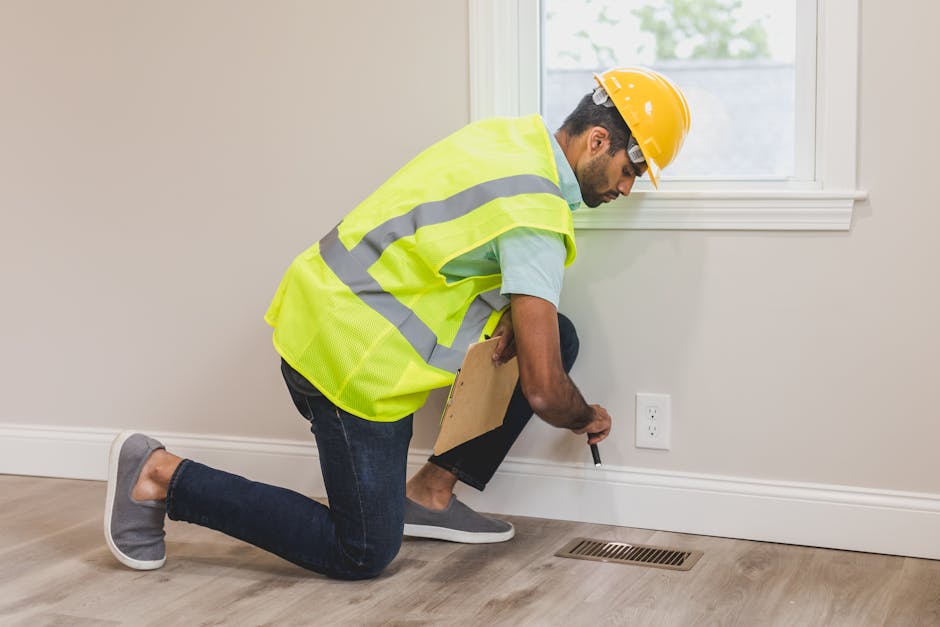
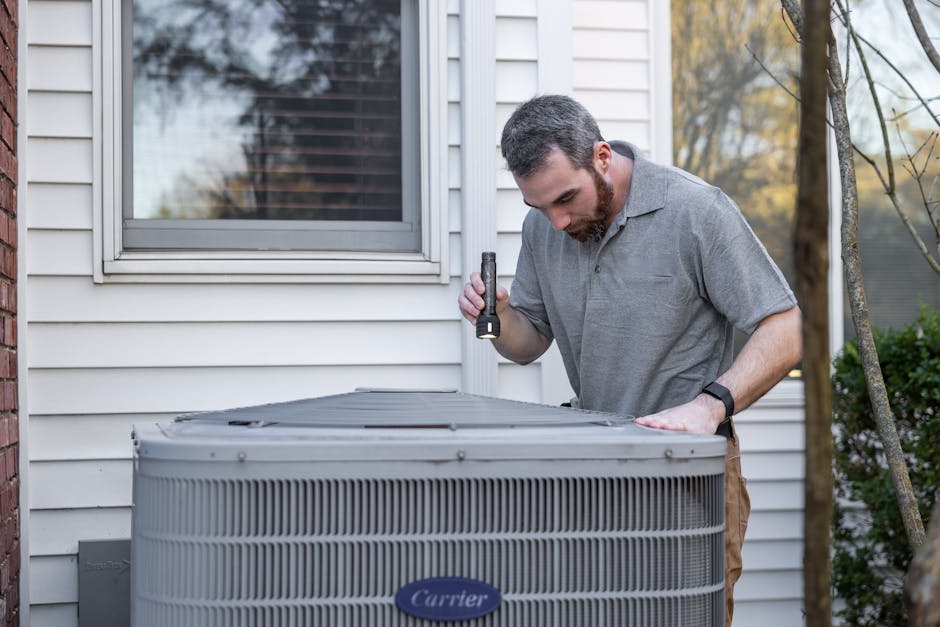
- Professional Inspection and System Design: Our process begins with a thorough evaluation of your existing ductwork and HVAC system. A certified service professional will examine your entire duct system for leaks, gaps, poor insulation, and blockages. They’ll assess airflow, efficiency, and structural condition. Based on this, they'll design a new duct system custom to your home's layout and HVAC unit. This involves careful calculations to determine optimal duct sizing, considering airflow needs and room size, often guided by industry standards like ACCA Manual D guidelines. This ensures your new system is designed for maximum efficiency and comfort.
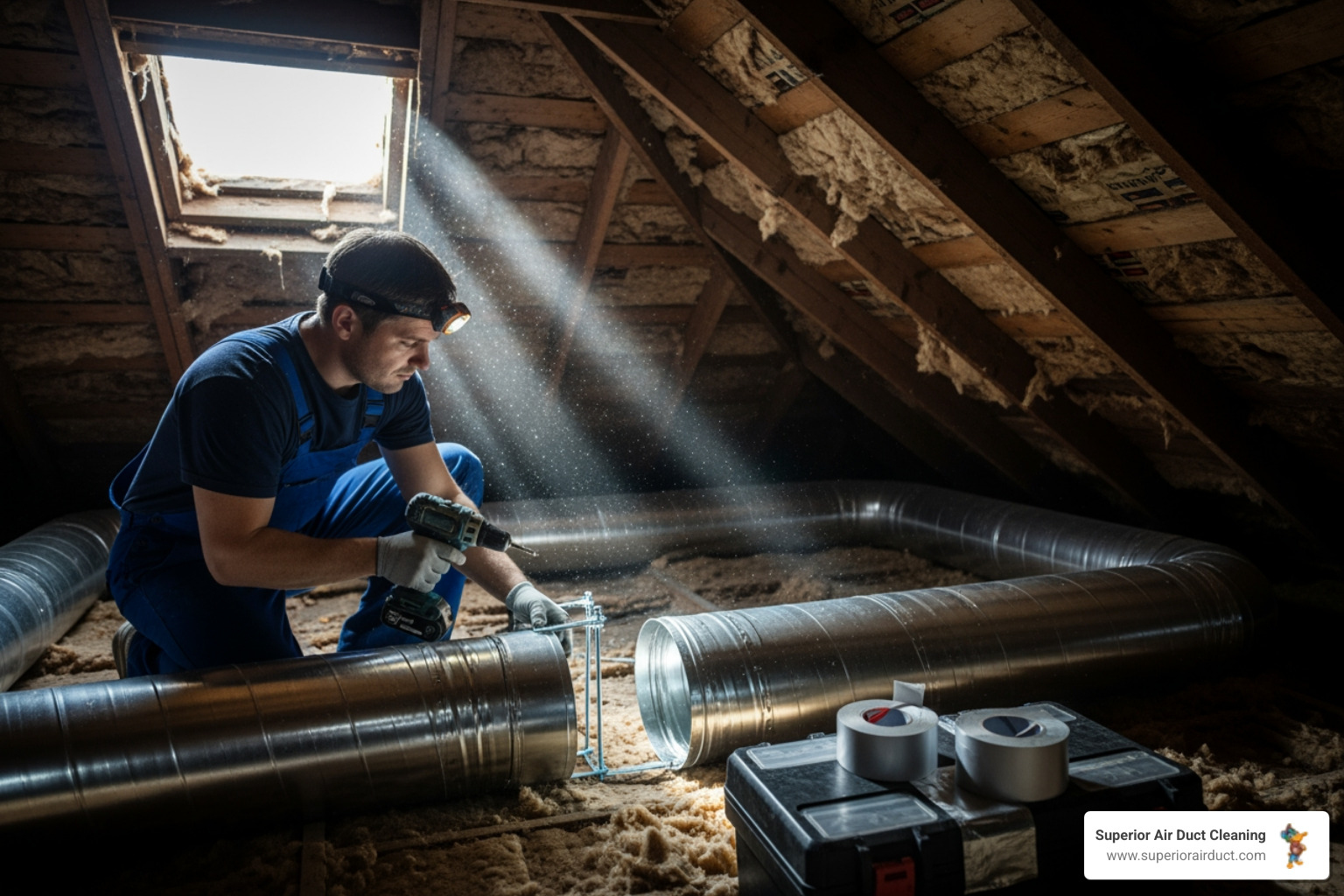
- Old Duct Removal: Our technicians will carefully remove your existing ductwork. This step can involve navigating tight spaces like attics, crawl spaces, or behind walls. We work diligently to minimize disruption to your home during this phase, often using plastic sheeting to protect floors and furnishings from dust and debris.
- New Duct Installation: This is where the magic happens! Our team will install the new, custom-fabricated duct sections. This involves connecting the new ducts to your HVAC unit and running them to each register and return vent throughout your home. Precise measurements and skilled craftsmanship are crucial to ensure a tight, efficient network.
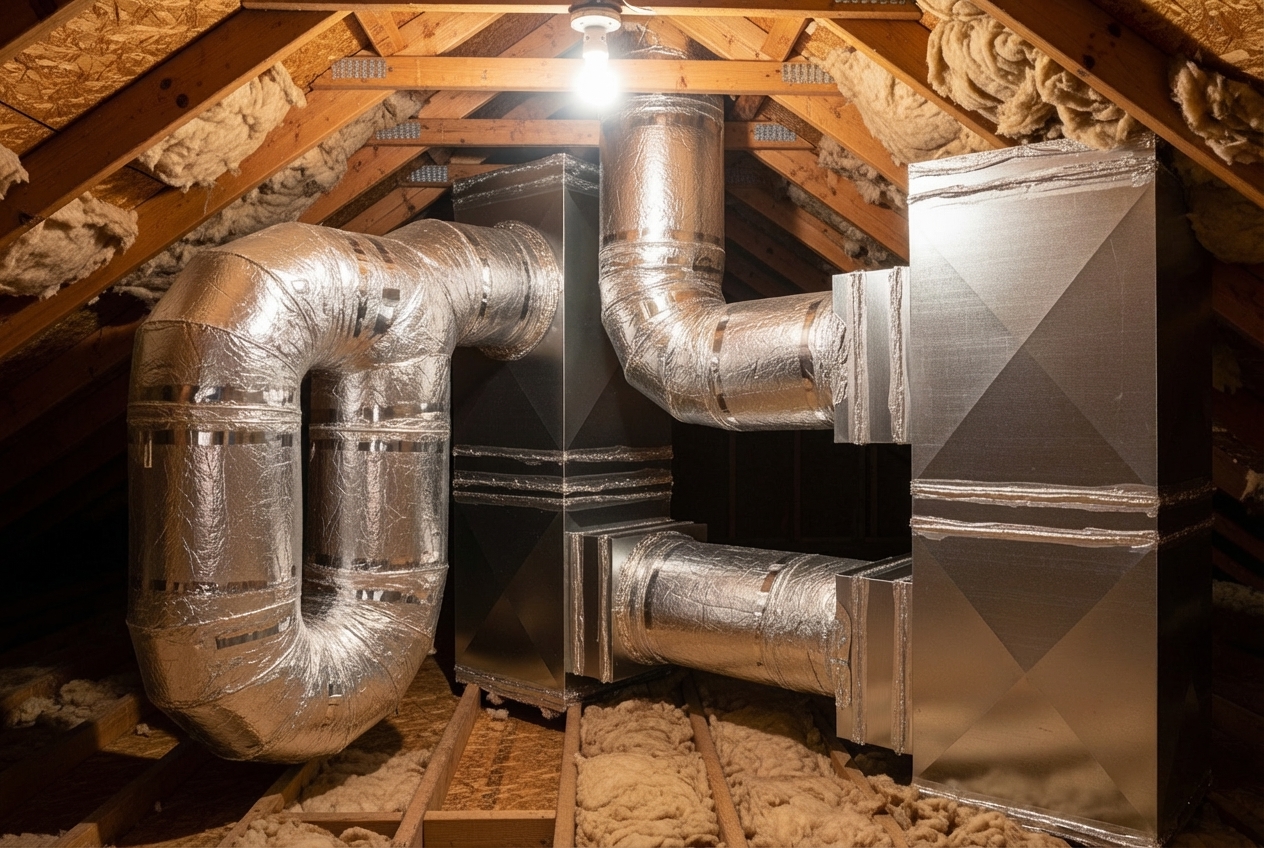
- Sealing and Insulating: Once the new ducts are in place, every joint and connection is carefully sealed using professional-grade mastic sealant or foil-backed tape. This critical step prevents air leaks, ensuring that all conditioned air reaches its intended destination. Ducts in unconditioned spaces, such as attics or crawl spaces, are then thoroughly insulated. Insulated ducts are vital for maintaining air temperature and improving efficiency, as they prevent heat gain in summer and heat loss in winter.
- Testing and Verification: Finally, the system is tested for leaks and proper airflow. This ensures that the new ductwork is operating as designed, distributing conditioned air evenly and efficiently throughout your home. We'll also repair any openings made in walls or ceilings for access, leaving your home tidy.
Choosing the Right Ductwork Materials
When considering duct replacement & installation, the choice of material plays a significant role in durability, efficiency, and even indoor air quality. Each material has its unique characteristics:
- Sheet Metal Ducts: Often galvanized steel or aluminum, rigid sheet metal is the most common option for residential ductwork. It's highly durable, resistant to mold growth, and provides excellent airflow. Sheet metal ducts can last more than 20 years with proper maintenance, making them a long-term investment. While they might be more expensive initially, their longevity and efficiency often make them the most durable and efficient choice.
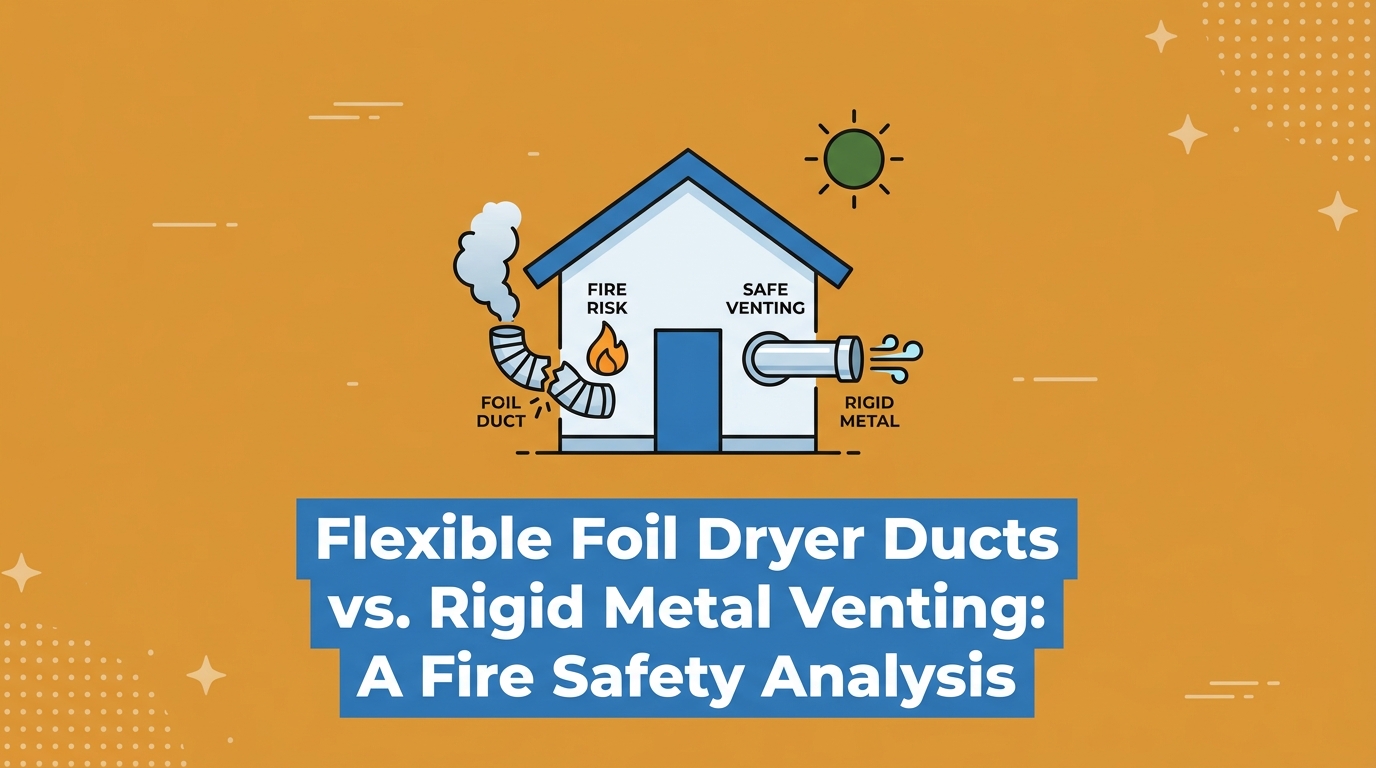
- Flexible Ducts: Made of a wire coil covered with a durable, insulated plastic, flexible ducts are ideal for connecting rigid ductwork to air registers or for use in tight, hard-to-reach spaces where rigid ducts aren't feasible. They are easy to install but generally less durable than sheet metal, typically lasting 10 years or less. They can be prone to kinks and tears if not installed carefully, which can restrict airflow.
- Fiberboard Ducts: Also known as duct board, these are made from compressed fiberglass and often come pre-insulated. Fiberboard ducts can last for around 10–15 years and offer good thermal performance due to their inherent insulation properties. They can also provide some sound-dampening benefits.
The right material for your home will depend on factors like your budget, the specific layout of your home, and your priorities for durability and airflow efficiency. Our professionals can help you determine the best fit.
How Long Does a Duct Replacement & Installation Project Take?
Many homeowners wonder about the timeline for a duct replacement & installation project. While every home is unique, we can provide a general idea of what to expect.
For a full ductwork replacement, you can usually plan on the job taking at least one to two full days. However, this is a broad estimate, and the exact time can vary based on several factors:
- Home Size: Naturally, a larger home with a more extensive ductwork system will require more time than a smaller one.
- System Complexity: A simple, straightforward layout with easily accessible ducts will be quicker to replace than a complex system with numerous turns, branches, and zones.
- Accessibility: This is a major factor. Replacing ductwork in an easily accessible basement or attic might be quicker. However, if ducts are located within walls, ceilings, or difficult-to-reach crawl spaces, the process can become more invasive and time-consuming. For instance, replacing ductwork in a crawl space can be significantly more involved than in easily exposed areas. Our team works efficiently while ensuring the highest quality installation, minimizing disruption to your daily routine.
The Lasting Benefits of a Professional Duct Upgrade
Investing in professional duct replacement & installation is an investment in your home's future. The benefits extend far beyond simply having new pipes in your walls; they touch every aspect of your living environment.
- Improved Energy Efficiency: This is one of the most significant advantages. Leaky ventilation systems can waste up to 30% of your heating and cooling energy. New, properly sealed, and insulated ductwork eliminates these leaks, ensuring that conditioned air reaches its destination without loss. This greatly improves your HVAC system’s efficiency, leading to improved comfort and, crucially, lower energy bills. According to the ENERGY STAR program, insulated ducts alone can result in savings of up to 20% on your annual heating and cooling costs.
- Improved Home Comfort: Say goodbye to those hot and cold spots! With a new, well-designed duct system, conditioned air is distributed evenly throughout your home, providing consistent temperatures in every room. This improved comfort makes your living spaces more enjoyable year-round.
- Better Indoor Air Quality: Old or damaged ducts can harbor dust, allergens, mold spores, and even pests. When these contaminants are present, they are circulated throughout your home every time your HVAC system runs. New, clean ductwork helps filter out these pollutants, significantly improving your indoor air quality and creating a healthier environment for you and your family.
- Quieter System Operation: Leaky ducts can cause whistling or rattling noises as air escapes or loose components vibrate. A new, tightly sealed system eliminates these issues, leading to a quieter and more pleasant home environment.
- Reduced HVAC Wear and Tear: When your ductwork is inefficient, your furnace and air conditioner have to work harder and run longer to achieve your desired temperatures. This puts undue stress on your HVAC equipment, leading to faster wear and tear, more frequent breakdowns, and a shorter overall lifespan for your expensive units. New ductwork reduces this strain, allowing your system to operate efficiently and last longer.
Consequences of Poorly Installed Ductwork
While the benefits of proper duct replacement & installation are clear, it's equally important to understand the pitfalls of a job done incorrectly. Poorly installed or maintained ductwork can lead to a cascade of problems that undermine your home's comfort, efficiency, and even its structural integrity.
- Persistent Air Leaks: The most common consequence of poor installation is air leaks. These occur at unsealed joints, connections, or damaged sections. As we've discussed, leaky ventilation systems can waste up to 30% of your heating and cooling energy. This means you're literally paying to heat or cool your attic or crawl space instead of your living areas. The Department of Energy's guide on Minimizing Energy Losses in Ducts emphasizes the financial impact of such losses, adding hundreds of dollars a year to energy bills.
- Energy Waste and Higher Bills: Beyond just losing conditioned air, poorly sealed return ducts can draw in unconditioned air from unheated spaces, making your HVAC system work even harder. This constant battle against energy loss directly translates to significantly higher utility bills.
- Air Pressure Imbalances: If ducts aren't sized correctly or are poorly installed, you can experience uneven airflow or spotty heating or cooling in different rooms. Incorrectly sized, poor quality, or badly placed registers can lead to drafts, stagnant air, or noise problems. This creates uncomfortable living spaces and forces you to constantly adjust your thermostat, further wasting energy.
- Reduced HVAC System Lifespan: A struggling HVAC system due to inefficient ductwork is under constant stress. It has to run more frequently and for longer durations, leading to accelerated wear and tear on components. This can shorten the lifespan of your furnace and air conditioner, necessitating premature and costly repairs or replacement of the entire unit.
- Compromised Indoor Air Quality: Gaps and leaks in poorly installed ductwork can become entry points for dust, allergens, mold spores, and even pests from unconditioned areas of your home. These contaminants are then circulated through your living spaces, contributing to poor indoor air quality and potential health issues.
Frequently Asked Questions about Ductwork
We often hear similar questions from homeowners considering duct replacement & installation. Here are some of the most common ones, answered to help you make informed decisions.
What is the average lifespan of HVAC ductwork?
The lifespan of HVAC ductwork can vary significantly depending on the material, quality of installation, and how well it's maintained. Generally:
- Flexible ducts typically last 10 years or less.
- Fiberboard ducts usually last around 10–15 years.
- Sheet metal ducts, known for their durability, can last more than 20 years with proper maintenance, with some well-maintained systems lasting 20–25 years.
Most experts recommend considering a complete replacement of a home's ductwork every 20 to 30 years, or sooner if signs of significant deterioration appear.
When is duct repair a better option than a full replacement?
Duct repair is often a suitable and cost-effective option for minor issues, particularly on newer systems. You might opt for repair if:
- Minor, Localized Damage: You have small holes, cracks, or disconnected sections in an otherwise healthy duct system.
- Systems Less Than 10 Years Old: If your ductwork is relatively new and the damage isn't widespread, repairs are usually sufficient.
- Absence of Mold or Extensive Debris: If your ducts are generally clean and free from significant mold growth or heavy debris accumulation, addressing specific leaks or insulation damage can restore efficiency.
- Targeted Improvements: Sometimes, replacing just a section of ductwork, rather than the entire system, can address specific issues or facilitate renovations efficiently.
However, if the damage is extensive, if mold is present in insulated sections (which cannot be effectively cleaned), or if the original system was poorly designed, a full duct replacement & installation is usually the more beneficial long-term solution.
How does new ductwork improve my home's energy efficiency?
New ductwork significantly boosts your home's energy efficiency in several ways:
- Eliminates Leaks: Old ducts often develop leaks at joints and seams. New ductwork, professionally installed and carefully sealed, ensures that heated or cooled air travels directly from your HVAC unit to your living spaces without escaping into unconditioned areas. This prevents wasted energy and reduces the workload on your HVAC system. A ductwork system with air leakage issues can reduce the efficiency of your air conditioner and heating system by up to 20%.
- Proper Sizing and Design: Modern ductwork is designed and sized precisely for your home's specific heating and cooling needs. This ensures optimal airflow, preventing your HVAC system from working harder than necessary due to undersized or poorly routed ducts.
- Improved Insulation: New ducts, especially those in unconditioned spaces like attics or crawl spaces, are typically well-insulated. This insulation prevents heat gain in the summer and heat loss in the winter, keeping the air at its desired temperature as it travels. Insulated ducts can result in savings of up to 20% on your annual heating and cooling costs.
- Reduced System Strain: By operating more efficiently, your HVAC system doesn't have to run as frequently or as long. This not only saves energy but also reduces wear and tear on your furnace and air conditioner, extending their lifespan.
Overall, investing in new, professionally installed ductwork can lead to substantial reductions in your monthly energy bills and a more comfortable, consistent indoor climate.
Conclusion: Breathe Easier with a Healthy HVAC System
Your home's ductwork plays an indispensable role in its overall health, comfort, and energy efficiency. From ensuring consistent temperatures to maintaining pristine indoor air quality, the performance of your ducts directly impacts your daily life. When your ductwork is compromised, you're not just losing conditioned air; you're potentially compromising your family's health and increasing your energy expenditures.
Considering duct replacement & installation is a proactive step towards a more comfortable, healthier, and energy-efficient home. It’s an investment that pays dividends in system longevity, improved indoor air quality, and peace of mind. By addressing issues like leaks, mold, or outdated materials, you ensure your HVAC system can operate at its peak, delivering conditioned air effectively and efficiently throughout your living spaces.
We, Superior Air Duct Cleaning, are dedicated to enhancing indoor air quality, promoting health, and ensuring energy savings for homes and businesses across Allegheny County, PA, Butler County, PA, Mercer County, PA, Washington County, PA, Columbiana County, OH, Jefferson County, OH, Hancock County, WV, Beaver County, PA, Lawrence County, PA, Westmoreland County, PA, Mahoning County, OH, Trumbull County, OH, and Eastern Carroll County, OH. Whether you need a comprehensive inspection, professional cleaning, or a full duct replacement & installation, our expert team is here to help you breathe easier.
For more information on improving your home's indoor air quality, explore our IAQ services.

Customer Reviews


Superior Air Duct cleaning did a phenomenal job in a timely manner with the tech “Rich” being very professional ,personable and considerate of our property! He explained things as he proceeded and answered all our questions!
I LOVE that they provide before & after photos to see the difference. Give them a try… you won’t regret it
Pam T.
Robert was on schedule and communicated what time he would arrive. He was polite, professional, and respectful of our home. I wanted to wait a couple weeks before posting a review because I wanted to see if the duct cleaning actually made a difference. I am happy to say it did! I vacuum multiple times a week and have already noticed a significant reduction in the amount of dust cleaned up each time. As a home with pets, there will always be something to clean, but getting the ducts cleaned has definitely helped improve the air quality and reduce the dust.
alice A.
Technician Rob arrived early explained the days agenda and then proceeded to work methodically and meticulously over the next 6+ hours cleaning my ductwork. Courteous and professional they answered all of my questions and went above and beyond the call of duty. They even located an old dusty box of rat poison buried in our vents. My only regret is not finding these guys sooner. As a realtor of 22 years and owner of a newly purchased (now dust free) home I highly recommended!
Eric K.
Excellent service! I’ve used them to clean out my air ducts as well as my dryer vent duct and they are excellent. I was very pleased with both jobs and will continue to use them in the future. Great communication as well- from the time I scheduled the appointment until they were at my door.
Erika C.
We had such an amazing experience with Superior Air Duct Cleaning. They were so nice and friendly and did an amazing job. I loved seeing the before and after pictures. Besides doing an amazing job cleaning our air ducts they were so quick at responding and setting up the appointment. We will definitely be using them in the future.
Amanda C.